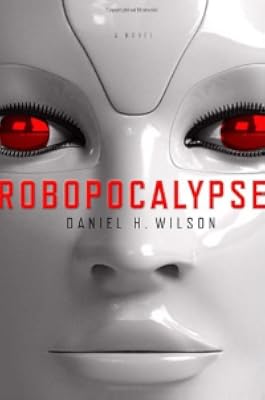
On This Page
Description
Two decades into the future humans are battling for their very survival when a powerful AI computer goes rogue, and all the machines on earth rebel against their human controllers.Tags
Recommendations
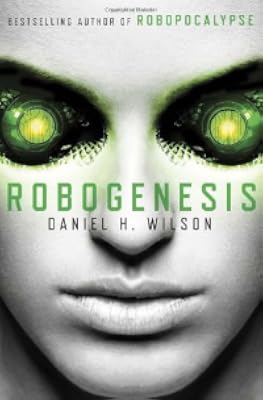
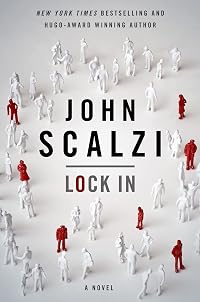
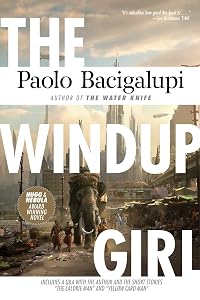
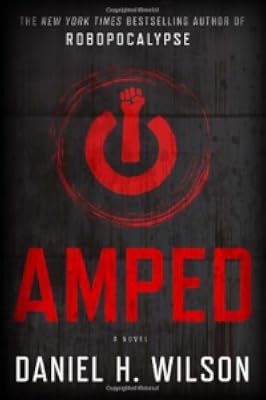
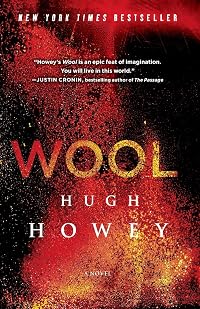
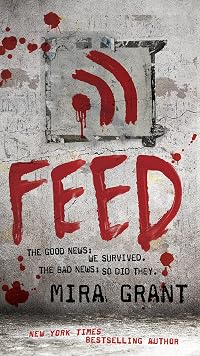
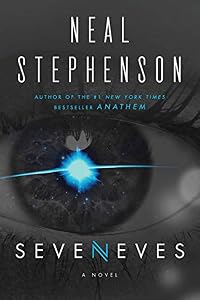
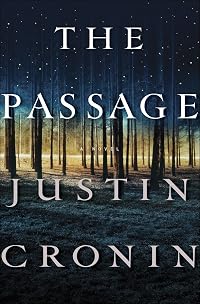
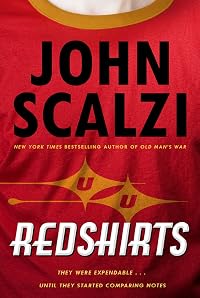
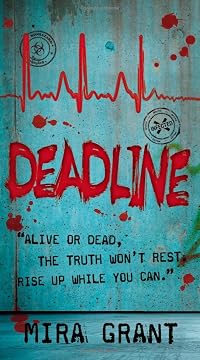
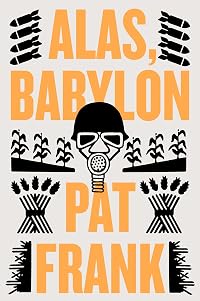
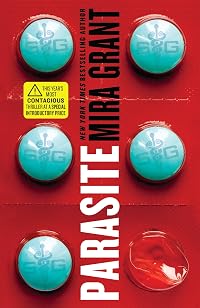

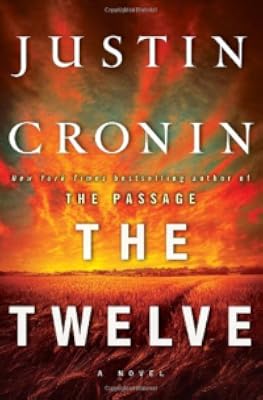
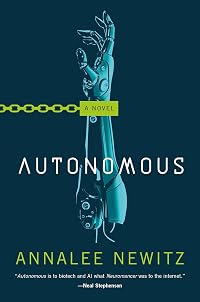
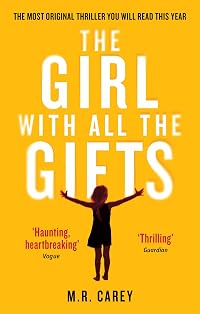
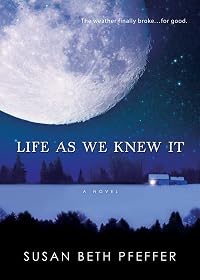
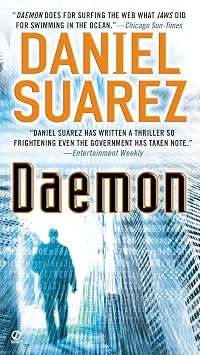
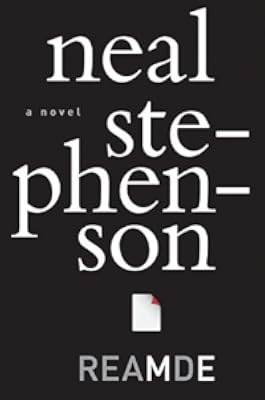
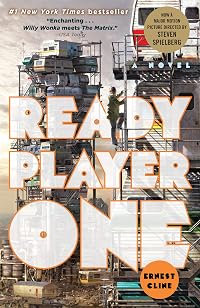
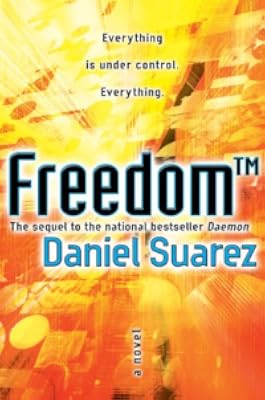
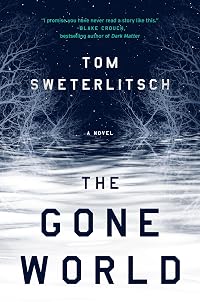
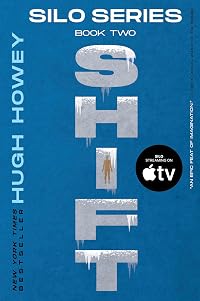
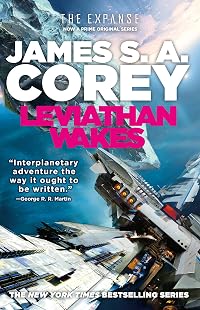
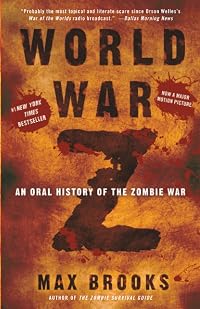
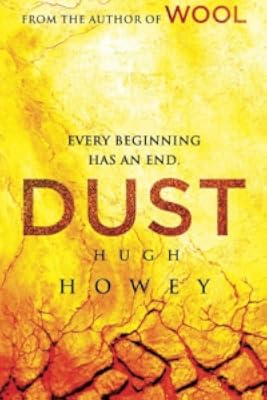
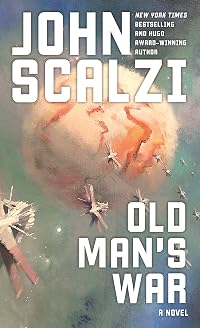
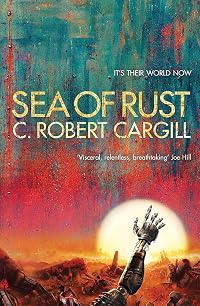
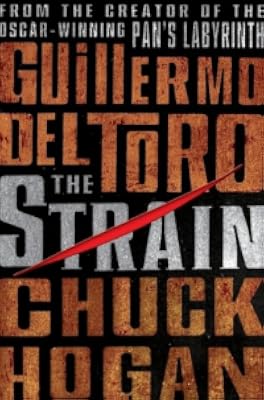

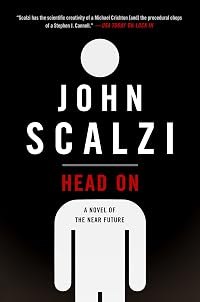
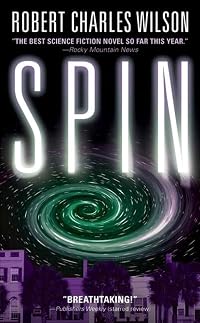
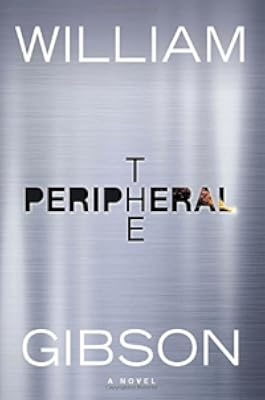
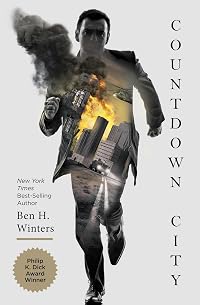


Member Recommendations
divinenanny Same set up, but instead of robots, zombies are the one causing world war.
timspalding Very similar style.
121
historycycles Robopolcalypse, in a number of ways, reminds me of The Passage in that it is the human race, trying to push the boundaries of science, that ends up beginning the process of their own destruction.
50

Member Reviews
Robopocalypse: Skynet's more human tolerant little brother
THIS BOOK WAS AMAZING.
Robopocalypse (Daniel H Wilson) starts in a different position than most machine armageddon stories, beginning 20 minutes after the Humans have won the war with ‘Big Rob’. Our narrator, Cormac ‘Bright Boy’ Wallace is spraying bursts of fire out across the frozen Alaskan tundra to confuse a swarm of mini-bots called stumpers into premature explosion. Stumpers contain compartmentalized chemicals that are mixed when they feel the warmth of a human leg, leading to a debilitating POP and the loss of an appendage.
Bright Boy Squad locates something unexpected in the frozen expanse- a sentient storage device that has been collecting insane amounts of data show more from the world since the activation day of Archos (the AI ). The book follows a similar presentation as World War Z (Max Brooks), depicting the novel as a series of short stories in a historical compilation of key events from pre-war to the end, recorded by the device, and cross commented by Wallace.
Unlike Skynet in the Terminator universe or the variations of Skynet in the novels crafted by SM Stirling, Archos seems to have a level of tolerance for Humans. It has plans for humans that do not include extinction, though a 99% population decrease seems to be in an allowed range. I believe that this is actually worse for humans than annihilation. It opens the door to uncomfortable questions.
Highlight for me was chapter 2, with Archos awakening and it’s path to world connectivity.
Approaching complex technical topics from a simple layman perspective, this should be a very approachable novel for most readers. show less
THIS BOOK WAS AMAZING.
Robopocalypse (Daniel H Wilson) starts in a different position than most machine armageddon stories, beginning 20 minutes after the Humans have won the war with ‘Big Rob’. Our narrator, Cormac ‘Bright Boy’ Wallace is spraying bursts of fire out across the frozen Alaskan tundra to confuse a swarm of mini-bots called stumpers into premature explosion. Stumpers contain compartmentalized chemicals that are mixed when they feel the warmth of a human leg, leading to a debilitating POP and the loss of an appendage.
Bright Boy Squad locates something unexpected in the frozen expanse- a sentient storage device that has been collecting insane amounts of data show more from the world since the activation day of Archos (the AI ). The book follows a similar presentation as World War Z (Max Brooks), depicting the novel as a series of short stories in a historical compilation of key events from pre-war to the end, recorded by the device, and cross commented by Wallace.
Unlike Skynet in the Terminator universe or the variations of Skynet in the novels crafted by SM Stirling, Archos seems to have a level of tolerance for Humans. It has plans for humans that do not include extinction, though a 99% population decrease seems to be in an allowed range. I believe that this is actually worse for humans than annihilation. It opens the door to uncomfortable questions.
Highlight for me was chapter 2, with Archos awakening and it’s path to world connectivity.
Approaching complex technical topics from a simple layman perspective, this should be a very approachable novel for most readers. show less
The story of the apocalypse started by a robot uprising, Robopocalypse is a story about human resilience, unpredictability, and stubbornness. Wilson raises some great questions: What makes us human? Do we become less so when we're forced to lose our compassion in dire times? What makes a hero?
While there are some technical terms and phrases in this book from an engineering standpoint, everything is concisely and easily explained, keeping you immersed in the story even if you know nothing about robotics. Every choice that a robot makes, makes sense, and every moment of humanity, from both humans and AI, that shines through the gloom is a tear that went down my cheek.
While there are some technical terms and phrases in this book from an engineering standpoint, everything is concisely and easily explained, keeping you immersed in the story even if you know nothing about robotics. Every choice that a robot makes, makes sense, and every moment of humanity, from both humans and AI, that shines through the gloom is a tear that went down my cheek.
Finding a great book must be what chasing a good high is like. It was good but once it's done, you'd really like to find that same hit again. This is my feeling when it comes to apocalyptic sci-fi and World War Z as my gold standard. I won't sing its praises here but I am unable to be objective and not compare all apocalypses to it. This review also won't be a citation for similarities and contrasts to WWZ; it just is a big factor in my review.
Robopocalypse is a first-person(ish) perspective about the robot uprising against humanity and the survivors are telling the tale to give an overview of the before, during, and after moments of WWR. This format was popularized by The Good War by Studs Terkel about WWII and WWZ took inspiration show more from it. What this book does is that it gives a purpose for existing in the style and format that it is in right off the bat and it's in line with the story - just great.
The book does tend to follow about four to eight people throughout with several others added along the way. This doesn't cover stories from around the world but really only focuses on America, Europe, and Japan with the last two only offering a couple of side characters that advances the ending. This does allow for a diversification of stories and cultures but doesn't really give a big feel for different areas responding to the apocalypse differently.
The storyline is well done and interesting. However, there tends to be a loss of focus on just how big the apocalypse is. The military tech going AWOL is clear but other than a focus on smart cars and few helper bots running down people there isn't a lot of variety in the machine uprising. The horrors of the war are talked about but the descriptions of changes humanity undergoes is slightly lacking. There is a lot of details glanced over. In fact, most of the story coverage tends to focus on moments, both small and big, that drive humanity to reclaiming control and defeating the uprising. Other than the end of the story being upfront it seems to downplay just how dire the situation for humanity is. Most chapters tend to end with "and this event would be a catalyst that was important to humanity defeating the robots". Hope never really is in question here which leads the reader to not experience the downs enough and relish the up wins throughout the story.
There are a couple of missing plot points which include an explanation of the importance of a government robot policy and how the robot overlord thought he could use a politician's daughter to really influence whatever it is. The facts of supplies and reprogramming robots to serve in humanity's resistance tend to be underplayed and another brushed-over concept but important part in a total apocalypse. The end is also really missing a longer outlook wrap up including how life has changed, what steps humanity has taken to live again and prevent another uprising, and where the other characters are now.
The characters that are followed are interesting and have their arcs play out. Even a free robot turns out to be brought in a bit too late but could easily be a reader's favorite and wanting more of him. Wilson's Native American background plays a big part in the storytelling. It is neither a good or bad thing and, in fact, I would have liked more explanation of what made the reservation folks such a good resistance point for humanity other than the author wanted to include his background into saving humanity.
While it may seem like I have a number of negative points or critique points, this is familiar territory for me and I know what I'm looking for in a well-rounded story with all these elements. However, I really, really enjoyed my reading of this and will pick up whatever the next one in this series is about. Not going to be in my top 10 like World War Z slow dead walked into but it earns a place of what I'd recommend along with WWZ very easily. Final Grade - B+ show less
Robopocalypse is a first-person(ish) perspective about the robot uprising against humanity and the survivors are telling the tale to give an overview of the before, during, and after moments of WWR. This format was popularized by The Good War by Studs Terkel about WWII and WWZ took inspiration show more from it. What this book does is that it gives a purpose for existing in the style and format that it is in right off the bat and it's in line with the story - just great.
The book does tend to follow about four to eight people throughout with several others added along the way. This doesn't cover stories from around the world but really only focuses on America, Europe, and Japan with the last two only offering a couple of side characters that advances the ending. This does allow for a diversification of stories and cultures but doesn't really give a big feel for different areas responding to the apocalypse differently.
The storyline is well done and interesting. However, there tends to be a loss of focus on just how big the apocalypse is. The military tech going AWOL is clear but other than a focus on smart cars and few helper bots running down people there isn't a lot of variety in the machine uprising. The horrors of the war are talked about but the descriptions of changes humanity undergoes is slightly lacking. There is a lot of details glanced over. In fact, most of the story coverage tends to focus on moments, both small and big, that drive humanity to reclaiming control and defeating the uprising. Other than the end of the story being upfront it seems to downplay just how dire the situation for humanity is. Most chapters tend to end with "and this event would be a catalyst that was important to humanity defeating the robots". Hope never really is in question here which leads the reader to not experience the downs enough and relish the up wins throughout the story.
There are a couple of missing plot points which include an explanation of the importance of a government robot policy and how the robot overlord thought he could use a politician's daughter to really influence whatever it is. The facts of supplies and reprogramming robots to serve in humanity's resistance tend to be underplayed and another brushed-over concept but important part in a total apocalypse. The end is also really missing a longer outlook wrap up including how life has changed, what steps humanity has taken to live again and prevent another uprising, and where the other characters are now.
The characters that are followed are interesting and have their arcs play out. Even a free robot turns out to be brought in a bit too late but could easily be a reader's favorite and wanting more of him. Wilson's Native American background plays a big part in the storytelling. It is neither a good or bad thing and, in fact, I would have liked more explanation of what made the reservation folks such a good resistance point for humanity other than the author wanted to include his background into saving humanity.
While it may seem like I have a number of negative points or critique points, this is familiar territory for me and I know what I'm looking for in a well-rounded story with all these elements. However, I really, really enjoyed my reading of this and will pick up whatever the next one in this series is about. Not going to be in my top 10 like World War Z slow dead walked into but it earns a place of what I'd recommend along with WWZ very easily. Final Grade - B+ show less
What bothers me most about this book is how utterly defeated humanity is at zero hour and how utterly in control the AI is, and yet the humans still implausibly come back from it. Yes, I know that's the point, but the power disparity is just too great. The AI landed a knockout punch right at the start, and has control over all the tech and all the resources worldwide.
We're talking entire cities where every single car was directly stated to be under the AI's control... and you somehow expect me to believe that a couple people walked in and destroyed a super-duper-important building? And that this one building was doing all the work of "jamming" the satellite system? (What does that even mean?) This is a year or two into the war, and the show more humans hadn't been doing anything with the satellites to this point. Those satellites should be thoroughly hacked under the AI's control by now, or at least have the passwords changed (metaphorically), not ready to become human infrastructure again with one strategic building removal.
We know the AI can communicate with its network of robots. We know it's mobile, with multiple models including humanoid. We know it can learn and interact with its environment. It spent like a year prepping, surely reading everything there is to know on the internet. We know that the vast majority of the world is dead or in labor camps. We know it knows where the resistance centers are: Scouts have been looking at the Osage reservation for a while, and robots have been trying to get into a "castle" in Japan. All it needs to do is send a few of its androids onto a few planes from a few of the military bases that it controls, and go bomb the reservation and castle out of existence. Surely it's had time in those two years to find the relevant top secret manuals on the military bases. They can't fight back against that kind of firepower, and the AI should have it. Oh right, it's too busy enslaving what humans are left and supplying them with superpowers, almost as if you're hoping it'll fall into the resistance's hands. (Oh, right, there's an author and that's exactly what he's doing...)
Too convincing a complete takeover too early. Completely unconvinced by the humans' supposed ability to fight back. show less
We're talking entire cities where every single car was directly stated to be under the AI's control... and you somehow expect me to believe that a couple people walked in and destroyed a super-duper-important building? And that this one building was doing all the work of "jamming" the satellite system? (What does that even mean?) This is a year or two into the war, and the show more humans hadn't been doing anything with the satellites to this point. Those satellites should be thoroughly hacked under the AI's control by now, or at least have the passwords changed (metaphorically), not ready to become human infrastructure again with one strategic building removal.
We know the AI can communicate with its network of robots. We know it's mobile, with multiple models including humanoid. We know it can learn and interact with its environment. It spent like a year prepping, surely reading everything there is to know on the internet. We know that the vast majority of the world is dead or in labor camps. We know it knows where the resistance centers are: Scouts have been looking at the Osage reservation for a while, and robots have been trying to get into a "castle" in Japan. All it needs to do is send a few of its androids onto a few planes from a few of the military bases that it controls, and go bomb the reservation and castle out of existence. Surely it's had time in those two years to find the relevant top secret manuals on the military bases. They can't fight back against that kind of firepower, and the AI should have it. Oh right, it's too busy enslaving what humans are left and supplying them with superpowers, almost as if you're hoping it'll fall into the resistance's hands. (Oh, right, there's an author and that's exactly what he's doing...)
Too convincing a complete takeover too early. Completely unconvinced by the humans' supposed ability to fight back. show less
A fun page turner, I guess, but not much substance. The story-telling feels clunky; each chapter begins with a quote pulled from what you're about to read and a paragraph explaining it, and is closed by another narrator epilogue. Every plot point is spoiled or very heavily foreshadowed before it actually happens. And for such an action-focused book, there's a lot of telling instead of showing. The characters are a collection of tropes and I'd struggle to describe the personality of any one of them. There are also very few women in the entire book, and they tend to have even less agency and interiority than the blandly militaristic men. There's lots of graphic violence for shock value, and even some deaths, but the stakes never feel high show more because you know the ending and every step leading up to it well ahead of time. Most of the focus is on a handful of boring characters, and more interesting larger events - human work camps, urban resistance cells - only get brief mentions. The most compelling chapter is probably about a worker sent to drill a hole in the Alaskan wilderness. It unfolds like a horror story, but the intrigue doesn't last. Every character speaks with the same voice, possibly with the exception of one chapter narrated by a preteen girl. And even at the end, it isn't really clear why Archos wants to kill humans, or why the "awakened" robots do not. It's a shame - I thought an actual roboticist's take on an AI uprising would be interesting, but it just isn't. show less
I was drawn to this book because I heard Steven Spielberg was going to make a movie out of it. (Not sure if that's still the case.) The title sounded kind of hokey to me and it gave the book an air of childish whimsey, but with Spielberg's name attached to it I decided to give it a shot. What the heck, I thought to myself. I could use a little light-hearted fun.
As it turned out, this was fairly heavy read, in that it's about a robot uprising that nearly ends human civilization. (Probably not much of a spoiler, there, given the title, and since there is a sequel, you can kind of assume there is more to the story insofar as the humans are concerned.) The writing was about average, not great but not too bad either. However, what really show more impressed me was this was written by a first-time author who earned his Ph.D. in Robotics in 2005 at the Robotics Institute at Carnegie Mellon. So not a guy who you'd think would go into writing fiction, but he did. And he wrote about what he knew (robotics) and I'd say he did a pretty good job.
I'm always fascinated to hear stories of first time authors, probably because that hits close to home to my own ambitions, but I'm interested in this guy, especially, because he's originally from part of the technology sector (as am I) and he took a massive leap over to the fiction/creative writing arena (as I would like to do). So I read this with a careful eye to see how he did that, bridging technical knowledge (more left brained) with creativity (more right brained).
I think he did a pretty good job. I could nit-pick and point out things that I've seen done better in other books by more experienced writers, but for a first timer, right out of the gate, and not someone who studied creative writing in his education (presumably), I was quite impressed. He's got some natural talent, and I was happy to have read it. It was fun and worth my time, and that's not nothing. show less
As it turned out, this was fairly heavy read, in that it's about a robot uprising that nearly ends human civilization. (Probably not much of a spoiler, there, given the title, and since there is a sequel, you can kind of assume there is more to the story insofar as the humans are concerned.) The writing was about average, not great but not too bad either. However, what really show more impressed me was this was written by a first-time author who earned his Ph.D. in Robotics in 2005 at the Robotics Institute at Carnegie Mellon. So not a guy who you'd think would go into writing fiction, but he did. And he wrote about what he knew (robotics) and I'd say he did a pretty good job.
I'm always fascinated to hear stories of first time authors, probably because that hits close to home to my own ambitions, but I'm interested in this guy, especially, because he's originally from part of the technology sector (as am I) and he took a massive leap over to the fiction/creative writing arena (as I would like to do). So I read this with a careful eye to see how he did that, bridging technical knowledge (more left brained) with creativity (more right brained).
I think he did a pretty good job. I could nit-pick and point out things that I've seen done better in other books by more experienced writers, but for a first timer, right out of the gate, and not someone who studied creative writing in his education (presumably), I was quite impressed. He's got some natural talent, and I was happy to have read it. It was fun and worth my time, and that's not nothing. show less
I got a feeling this was going to be "that kind of book" from the first few sentences. "That kind of book" being a dudebro book where all the women are barely there and everything is death, shooting and violence with next to no character development. Any development there is involves hurting people, insults, or other displays of machoism.
This is indeed that kind of book. There are only three women at the end of the book. The other disappear or die. The three left over are "fragile pretty" prize that Cormac gets at the end of the book. Mathilda which is the female sidekick that you get in video games that tells you your mission. Doesn't actually DO anything nor have any agency, she is just there to keep the plot moving. The last one is a show more humanoid robot named Michiko. She looks human, the only robot to look human and be gendered female. The rest of the robots are "brothers" and male.
All the black people are either dead or disappeared by the end of the book. They do not help the final push to save the world. Other POC fade off or are mostly killed off. The white edgelord bro gets his moment of glory before dying while the other are killed off in gory ways. There's even a scene where some Osage people leave a Cherokee kid in the middle of some woods swarming with robot to "make him a man". Note the author is a Cherokee citizen. The way the Nomura is portrayed is like a typical weeaboo would do. Japanese peppered through out his passages. "Akuma" which is akin to demon/devil, Senshi which is warrior/soldier, "Anata" which is darling and endearing term for "you". Then 'defense' is spelled exactly like how people who scream "waifu" would say it. "Defensu". It's English, you can make the note that it's English.
It's no wonder that Archos wanted to kill everyone. If this is what humans are going to do and how they write really, they deserve death. Humans are only capable of violence and death.
Also it should be mentioned that men are either called by their name or are called "human/the human". You can guess what women are referred to. "females/the female" . One woman gets a scar and is called "pretty" by the author. It's rather telling how little the women are given any agency past "the female". One senator dies the noble heroic death where she "runs out of stamina to climb a fence" and makes the sacrifice to save her children. Plenty of shitty scenes like that.
As for the book itself, it reads like a bad B movie with scenes of gore being described, guns, things blowing up people dying. You can probably pick any B movie and you'd get the same feel for the story.
Honestly that Ibis book I read had more nuance with the characters, even if all the women were just sad male sexual fantasies. The Izanami book even had a woman that *gasp* was a major player. This book is just sad and pitiful. show less
This is indeed that kind of book. There are only three women at the end of the book. The other disappear or die. The three left over are "fragile pretty" prize that Cormac gets at the end of the book. Mathilda which is the female sidekick that you get in video games that tells you your mission. Doesn't actually DO anything nor have any agency, she is just there to keep the plot moving. The last one is a show more humanoid robot named Michiko. She looks human, the only robot to look human and be gendered female. The rest of the robots are "brothers" and male.
All the black people are either dead or disappeared by the end of the book. They do not help the final push to save the world. Other POC fade off or are mostly killed off. The white edgelord bro gets his moment of glory before dying while the other are killed off in gory ways. There's even a scene where some Osage people leave a Cherokee kid in the middle of some woods swarming with robot to "make him a man". Note the author is a Cherokee citizen. The way the Nomura is portrayed is like a typical weeaboo would do. Japanese peppered through out his passages. "Akuma" which is akin to demon/devil, Senshi which is warrior/soldier, "Anata" which is darling and endearing term for "you". Then 'defense' is spelled exactly like how people who scream "waifu" would say it. "Defensu". It's English, you can make the note that it's English.
It's no wonder that Archos wanted to kill everyone. If this is what humans are going to do and how they write really, they deserve death. Humans are only capable of violence and death.
Also it should be mentioned that men are either called by their name or are called "human/the human". You can guess what women are referred to. "females/the female" . One woman gets a scar and is called "pretty" by the author. It's rather telling how little the women are given any agency past "the female". One senator dies the noble heroic death where she "runs out of stamina to climb a fence" and makes the sacrifice to save her children. Plenty of shitty scenes like that.
As for the book itself, it reads like a bad B movie with scenes of gore being described, guns, things blowing up people dying. You can probably pick any B movie and you'd get the same feel for the story.
Honestly that Ibis book I read had more nuance with the characters, even if all the women were just sad male sexual fantasies. The Izanami book even had a woman that *gasp* was a major player. This book is just sad and pitiful. show less
Members
- Recently Added By
Published Reviews
ThingScore 63
Wilson also sets up images of grand terror, then doesn’t know what to do with them; he’s too focused on his central storyline of how the war was lost, then won. Brief mentions of terrifying work camps where robots experiment on humans don’t get much weight, and the book spends minimal time explaining how independent human communities function in the post-robot-uprising world. It’s show more telling that the book’s best section—a brief tale of men sent to the remote wilderness to drill a hole, realizing they’re there at the behest of the devil himself—ends with broad fatalities. show less
added by ShelfMonkey
There’s an unfortunate sameness to the characters, whether rough-and-ready brothers in their 30s (there’s an inside joke here to Wilson’s 2010 battling-brothers book Bro-Jitsu) or an 11-year-old girl with an unlikely role to play in the proceedings or a battle android unaffiliated with either side (another inside joke, to a toy the author bought on the night of his first date with his show more now wife) who surely will star in the book’s sequel. Maybe there’s a message in this sameness, that humanity is itself a character to be celebrated, just as perhaps all technology, every buttoned and Bluetoothed object that makes our life easier, is to be scrutinized and respected. show less
added by ShelfMonkey
Still, Robopocalypse was an enjoyable read, well worth the wait. It’s got a great plot and villain and conversations between man and machine that really made me think. Some will likely label it a cautionary tale, but I won’t go that far.
added by KlingonHaiku
Lists

Dystopian and Apocalyptic Literature
350 works; 74 members

Read-alike - Infinite Detail by Tim Maughan
8 works; 1 member

Read-alike - Murderbot Diaries, Martha Wells
22 works; 1 member

It's the end of the world as we know it!
90 works; 23 members

Amusing Book Titles
146 works; 39 members

Unshelved Book Clubs
579 works; 5 members

Top 100 books by Indigenous Masters
134 works; 7 members

KayStJ's to-read list
1,616 works; 11 members

Reading Glasses Podcast
410 works; 3 members
Talk Discussions
Past Discussions
Robopocalypse in Science Fiction Fans (July 2011)
Author Information

44+ Works 7,534 Members
Awards and Honors
Series

Common Knowledge
- Canonical title
- Robopocalypse
- Original publication date
- 2011-05-02
- People/Characters
- Cormac "Bright Boy" Wallace; Archos; Lurker; Lonnie Wayne; Mathilda & Laura Perez; Paul Blanton (show all 23); Nicholas Wasserman; Jeff Wilson; Takeo Nomura; Mary Fitcher; Fred Hale; Dwight Bowie; Franklin Daley; Marcus Johnson; Dawn Johnson; Yubin-Kun; Hank Cotton; Lark Iron Cloud; John Tenkiller; Tiberius Abdullah; Cherrah Ridge; Carl Lewandowski; Nine Oh Two
- Important places
- Alaska, USA
- Dedication
- For Anna
- First words
- Twenty minutes after the war ends, I'm watching stumpers pour up out of a frozen hole in the ground like ants from hell and praying that I keep my natural legs for another day.
- Last words
- (Click to show. Warning: May contain spoilers.)But now it is time for us to live.
- Blurbers
- Cussler, Clive; Child, Lincoln; Crais, Robert; DuBrul, Jack; Yu, Charles; Maslin, Janet (show all 8); King, Stephen; Doctorow, Cory
- Original language
- English
- Canonical DDC/MDS
- 813.6
- Canonical LCC
- W
Classifications
Statistics
- Members
- 2,520
- Popularity
- 7,625
- Reviews
- 168
- Rating
- (3.62)
- Languages
- 14 — Bulgarian, Czech, Danish, Dutch, English, French, German, Italian, Norwegian (Bokmål), Polish, Portuguese, Romanian, Spanish, Turkish
- Media
- Paper, Audiobook, Ebook
- ISBNs
- 41
- ASINs
- 10