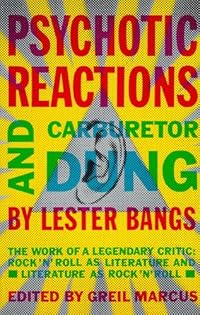
Psychotic Reactions and Carburetor Dung
by Lester Bangs
On This Page
Description
Essays examine rock performers and bands including David Bowie, Lou Reed, Chicago, the Clash, James Taylor, and Iggy Pop.Tags
Recommendations


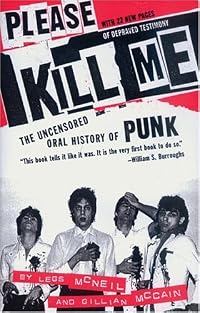
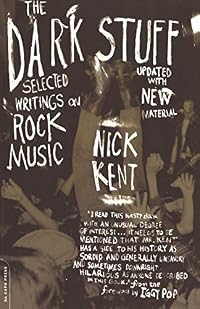
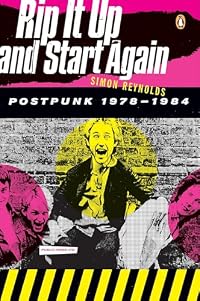
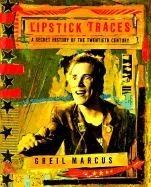















Member Recommendations
Member Reviews
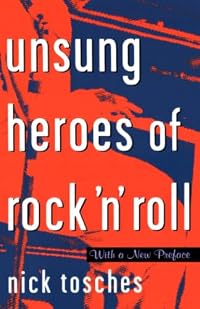
Lester Bangs was a prominent rock critic from the late 60s through the early 80s, when he died suddenly. He was one of a trio of rock writers, along with Nick Tosches (see above) and Richard Meltzer who were known as the "Noise Boys" for their irreverent self-referential style of writing. Gonzo journalism, in other words. This book is a collection of Bangs' writing, some pieces relatively well known/notorious and other culled by editor Greil Marcus (a rock writer of high quality himself and a friend of Bangs') from notes and unpublished writing Bangs left behind.
Bangs was a breathtaking writer, and his reviews could start out as relatively standard record or concert reviews but quickly morph into fascinating (if you like Bangs' style) show more diatribes into the state of music, or American culture or human nature or all three, composed in a runaway train of stream of consciousness and, sometimes, vitriol. You can't take the opinions entirely seriously, though, because he often changed his opinion about individual musicians or genres. ("I double back on myself all the time" was how he put it to an interviewer.)
There is one particularly meaningful and resonant essay about the amount of racism in the punk rock scene (Bangs was an early and longtime admirer of that scene and is even given credit by some of inventing the term) called "The White Noise Supremacists." Here is a quote:
"Whereas you don't have to try at all to be a racist. It's a little coiled clot of venom lurking there in all of us, white, black, goy and Jew, ready to strike out when we feel embattled, belittled, brutalized. Which is why it has to be monitored, made taboo and restrained, by society and the individual."
This essay is a brutal assault on hypocrisy, not least of all his own. You can still find the whole thing on the website of the Village Voice, which is where it was originally published back in 1979. But beware that it is a howling blast, and it is pretty long. Well worth reading.
At any rate, these essays are funny/disturbing/exhilarating. He died in 1982 at age 36, as Marcus says in his introduction, "accidentally due to respiratory and pulmonary complications brought on by flu and ingestion of Darvon." Marcus believes that Bangs' recent regimen of fighting off his alcoholism (he was succeeding) had left his body in a weakened state, "shaken, vulnerable to even the slightest anomaly, be it a commonplace bug or an ordinary dose of anyone else's everyday painkiller; that he had shocked his system toward health and that that was what killed him." Of course the question of where a writer of Bangs' prowess would have taken is art had he lived is part of the equation of any died-young master. But Marcus certainly did us all who care about this sort of writing a great service by creating this collection, which was first published in 1987. show less
Bangs was a breathtaking writer, and his reviews could start out as relatively standard record or concert reviews but quickly morph into fascinating (if you like Bangs' style) show more diatribes into the state of music, or American culture or human nature or all three, composed in a runaway train of stream of consciousness and, sometimes, vitriol. You can't take the opinions entirely seriously, though, because he often changed his opinion about individual musicians or genres. ("I double back on myself all the time" was how he put it to an interviewer.)
There is one particularly meaningful and resonant essay about the amount of racism in the punk rock scene (Bangs was an early and longtime admirer of that scene and is even given credit by some of inventing the term) called "The White Noise Supremacists." Here is a quote:
"Whereas you don't have to try at all to be a racist. It's a little coiled clot of venom lurking there in all of us, white, black, goy and Jew, ready to strike out when we feel embattled, belittled, brutalized. Which is why it has to be monitored, made taboo and restrained, by society and the individual."
This essay is a brutal assault on hypocrisy, not least of all his own. You can still find the whole thing on the website of the Village Voice, which is where it was originally published back in 1979. But beware that it is a howling blast, and it is pretty long. Well worth reading.
At any rate, these essays are funny/disturbing/exhilarating. He died in 1982 at age 36, as Marcus says in his introduction, "accidentally due to respiratory and pulmonary complications brought on by flu and ingestion of Darvon." Marcus believes that Bangs' recent regimen of fighting off his alcoholism (he was succeeding) had left his body in a weakened state, "shaken, vulnerable to even the slightest anomaly, be it a commonplace bug or an ordinary dose of anyone else's everyday painkiller; that he had shocked his system toward health and that that was what killed him." Of course the question of where a writer of Bangs' prowess would have taken is art had he lived is part of the equation of any died-young master. But Marcus certainly did us all who care about this sort of writing a great service by creating this collection, which was first published in 1987. show less
I had never heard of Lester Bangs prior to having this book recommended to me. By the time I finished it, I found myself mourning the loss of what could have been a great author. His reviews are highly entertaining, although they do require a bit of knowledge on the background of the music scene at the time and the bands he wrote about. The piece that grabbed me however, was his fictional story inspired by the song "Maggie May." It really demonstrates what a talented writer he could have become had he not died. The writing in this piece is like a more vulgar Salinger mixed with Kerouac stream of consciousness and Hunter Thompson drugginess.
Fine writing on rock music: a rare feat, indeed. Most of these essays are interesting enough to dive into, well-written and always from a convincing personal angle. Unfortunately, Bangs' musical tastes are completely one-dimensional and as immature as his writing style is excellent. A mixed blessing...
Nobody could write about rock 'n' roll the way Bangs did. Some of the pieces here, such as the one about the Godz, or the fantasy piece about the career of the Count Five after Psychotic Reaction are good beyond belief. As the book wears on, however, Bangs' own troubles start to show through and sadness creeps in. Anyone with an interest in music should read this.
The pieces early in the book are among the best, most inspirational things you can read on the subject of rock music. As Lester Bangs started getting dragged down in drugs and depression, his writing did too and the enjoyability factor suffers because of it. Always interesting though, and recommended to folks who want to read something about rock that's actually worth reading.
Michael Stipe said it best - that Lester Bangs was responsible for more people listening to more bad music than anyone else in history. His taste could be questionable sometimes (listened to Metal Machine Music lately?), but his writing was the best. Worth reading for his Astral Weeks alone, although his stuff on Lou Reed is pretty hilarious.
This collection of Lester Bangs' essays--most of them published at the time in Creem--takes its authority from new journalism tendencies to insert oneself into the subject one is covering. Bangs does this to powerful and poignant effect. I used to have my Writing 101 students read from this book to show them what a good personal essay could sound like.
Members
- Recently Added By
Lists

Favourite Books
1,817 works; 308 members

Blue Pyramid 1,276 Best Books of All Time
1,248 works; 32 members

Null
30 works; 1 member

100
15 works; 1 member
Author Information

All Editions
Series
Belongs to Publisher Series
Conrad: Ie, Ie, Ie (Brazil)
Critica Diabolis (162)
Work Relationships
Is contained in
Common Knowledge
- Canonical title
- Psychotic Reactions and Carburetor Dung
- Original title
- Psychotic Reactions and Carburetor Dung
- Original publication date
- 1988
- Original language*
- Inglese
*Some information comes from Common Knowledge in other languages. Click "Edit" for more information.
Classifications
Statistics
- Members
- 1,241
- Popularity
- 19,756
- Reviews
- 14
- Rating
- (3.93)
- Languages
- 6 — English, French, German, Italian, Portuguese, Spanish
- Media
- Paper, Audiobook, Ebook
- ISBNs
- 20
- ASINs
- 9