On This Page
Description
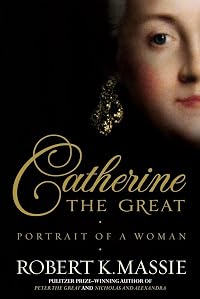
Presents a reconstruction of the eighteenth-century empress's life that covers her efforts to engage Russia in the cultural life of Europe, her creation of the Hermitage, and her numerous scandal-free romantic affairs.Tags
Recommendations











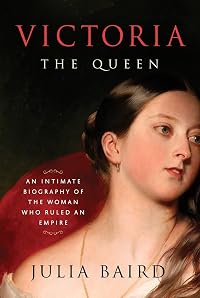
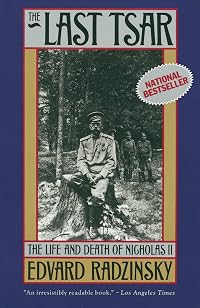

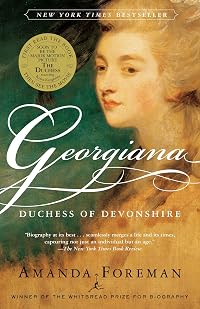
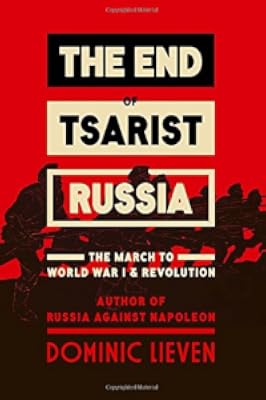

Member Recommendations
Member Reviews
I am a sucker for stories steeped in history, memoirs, and powerful women.
"Catherine the Great" is the enthralling story of a German princess who, at the age of 14, ventured to Russia and eventually became one of history's most powerful women. Catherine, born into modest German nobility, demonstrated unwavering determination and a sharp intellect. She immersed herself in the works of Enlightenment philosophers and attempted to govern the vast and backward Russian empire on their principles after ascending to the throne. Voltaire, Diderot, Frederick the Great, Maria Theresa of Austria, Marie Antoinette, and John Paul Jones were among her acquaintances.
Catherine struggled with the deep-seated realities of Russian life, including the show more institution of serfdom, as she aspired to be the "benevolent despot" idealized by Montesquieu. During her remarkable 34-year reign, she assumed control of the government, foreign policy, cultural development, and the Russian people's well-being. She had to deal with domestic uprisings, wars, and the tumultuous political changes brought about by the French Revolution. Her reputation varied greatly depending on the speaker's point of view. While Voltaire praised her as akin to classical philosophers, her foreign opponents dubbed her "the Messalina of the north."
This story depicts Catherine's family, friends, ministers, generals, lovers, and enemies. It introduces her ambitious and cunning mother, her domineering but neglectful husband Peter, her unhappy son and heir Paul, her adored grandchildren, and her favorites—young men who provided her with companionship, the opportunity to relive her youth, and intimacy. The book also delves into her significant lover and potential husband, Gregory Potemkin, with whom she had a passionate correspondence followed by 17 years of extraordinary mutual achievements.
Robert K. Massie, the author, exhibits the same qualities that distinguished his previous works, such as "Nicholas & Alexandra" and "Peter the Great." Historical precision, a profound understanding of the subject, eloquent writing, mastery of detail, the ability to dispel myths, and a talent for revealing the human drama within historical events are among these qualities.
An endearing biography of one of Russia's greatest rulers. show less
"Catherine the Great" is the enthralling story of a German princess who, at the age of 14, ventured to Russia and eventually became one of history's most powerful women. Catherine, born into modest German nobility, demonstrated unwavering determination and a sharp intellect. She immersed herself in the works of Enlightenment philosophers and attempted to govern the vast and backward Russian empire on their principles after ascending to the throne. Voltaire, Diderot, Frederick the Great, Maria Theresa of Austria, Marie Antoinette, and John Paul Jones were among her acquaintances.
Catherine struggled with the deep-seated realities of Russian life, including the show more institution of serfdom, as she aspired to be the "benevolent despot" idealized by Montesquieu. During her remarkable 34-year reign, she assumed control of the government, foreign policy, cultural development, and the Russian people's well-being. She had to deal with domestic uprisings, wars, and the tumultuous political changes brought about by the French Revolution. Her reputation varied greatly depending on the speaker's point of view. While Voltaire praised her as akin to classical philosophers, her foreign opponents dubbed her "the Messalina of the north."
This story depicts Catherine's family, friends, ministers, generals, lovers, and enemies. It introduces her ambitious and cunning mother, her domineering but neglectful husband Peter, her unhappy son and heir Paul, her adored grandchildren, and her favorites—young men who provided her with companionship, the opportunity to relive her youth, and intimacy. The book also delves into her significant lover and potential husband, Gregory Potemkin, with whom she had a passionate correspondence followed by 17 years of extraordinary mutual achievements.
Robert K. Massie, the author, exhibits the same qualities that distinguished his previous works, such as "Nicholas & Alexandra" and "Peter the Great." Historical precision, a profound understanding of the subject, eloquent writing, mastery of detail, the ability to dispel myths, and a talent for revealing the human drama within historical events are among these qualities.
An endearing biography of one of Russia's greatest rulers. show less
Good history books are written by two types of authors - historians, that can be forgiven for some weird word choices because of their knowledge and the fact that they can connect the dots between the events, and good authors that know how to tell a story. Massie is from the second type -- he has a historical education but he is an author more than a historian. And this book shows it.
The story of Catherine the Great is one of the most fascinating stories of the 18th century. And when Massie decided to tackle this story he started from the beginning - from her parents and where she was coming from (which reminded me again just how many German princes had been around in the 18th and 19th century... and how interconnected the European show more royal families are). The first half of the book, the years before Catherine became an empress are smoothly told - with a bit too many details in a lot of places but then this is why new biographies are written for the most popular historical figures. The narrative get a bit repetitive in places (for some reason Massie decides to repeat what he had said a few pages earlier -- maybe afraid that people had forgotten already) but once you get in the flow of the story, all these can be almost forgotten.
And then Catherine becomes the empress. And the book takes a dive down. The previously linear biography now start jumping through times and places and then returning; while in the pre-throne days it was easy to follow what is going up at a certain point of time, in the days of her reign, the reader has to collect pieces and bits from the whole second half of the book in order to figure out what happens at a specific time. For example, while discussing the second Russo-Turkish war (the second one that Catherine yields anyway), the Baltic war and the French Revolution are not mentioned at all. Then a chapter or 2 later, one of the topics comes up. Then the second. Then Massie reminds us what else is happening and he already talked about. And then adds a new fact and reminds of the old ones. He tries to build this part of the book based on topics (wars, favorites and so on) but they are inseparable - and when he tries to reconcile this with the new structure of the books, Massie ends up with a somewhat disorganized mess on his hands.
Despite that, the book is highly readable - although I am not sure how many of the subtle connections will become clear to someone that does not know the history already. One thing that Massie does masterfully is to weave into his narrative seemingly unrelated stories - the French Revolution, the story of Diderot and Voltaire... Some of the details probably could have been spared but these stories do not break the book narrative (probably because it is already disjointed at this point). At the same time, some gaps are hard to be explained - we know that Catherine had 3 children but we hear nothing of Alexis and Anna once they are born. Paul is in the narrative only because he is the heir and because she needs him.
At one point, Massie claims that Catherine's story could have been a lot more like Elisabeth's (the Tudor queen of 2 centuries earlier) if things had started differently for her. I tend to disagree here - the story is so parallel that it takes your breath. Yes - they live on both sides of the continent and 2 centuries apart; Catherine has a lot of lovers while the English queen remain virgin officially (but in the way they select their favorites, the similarities shine again) but their lives and reigns are similar. Maybe this is what it takes to be a female monarch in the centuries when women were considered second rate people.
So did I like the book? The truth is that I actually quite enjoyed it. I wish some things were handled differently -- but it is the author decision to structure his book like this and at the end of the day it works... for the most part. show less
The story of Catherine the Great is one of the most fascinating stories of the 18th century. And when Massie decided to tackle this story he started from the beginning - from her parents and where she was coming from (which reminded me again just how many German princes had been around in the 18th and 19th century... and how interconnected the European show more royal families are). The first half of the book, the years before Catherine became an empress are smoothly told - with a bit too many details in a lot of places but then this is why new biographies are written for the most popular historical figures. The narrative get a bit repetitive in places (for some reason Massie decides to repeat what he had said a few pages earlier -- maybe afraid that people had forgotten already) but once you get in the flow of the story, all these can be almost forgotten.
And then Catherine becomes the empress. And the book takes a dive down. The previously linear biography now start jumping through times and places and then returning; while in the pre-throne days it was easy to follow what is going up at a certain point of time, in the days of her reign, the reader has to collect pieces and bits from the whole second half of the book in order to figure out what happens at a specific time. For example, while discussing the second Russo-Turkish war (the second one that Catherine yields anyway), the Baltic war and the French Revolution are not mentioned at all. Then a chapter or 2 later, one of the topics comes up. Then the second. Then Massie reminds us what else is happening and he already talked about. And then adds a new fact and reminds of the old ones. He tries to build this part of the book based on topics (wars, favorites and so on) but they are inseparable - and when he tries to reconcile this with the new structure of the books, Massie ends up with a somewhat disorganized mess on his hands.
Despite that, the book is highly readable - although I am not sure how many of the subtle connections will become clear to someone that does not know the history already. One thing that Massie does masterfully is to weave into his narrative seemingly unrelated stories - the French Revolution, the story of Diderot and Voltaire... Some of the details probably could have been spared but these stories do not break the book narrative (probably because it is already disjointed at this point). At the same time, some gaps are hard to be explained - we know that Catherine had 3 children but we hear nothing of Alexis and Anna once they are born. Paul is in the narrative only because he is the heir and because she needs him.
At one point, Massie claims that Catherine's story could have been a lot more like Elisabeth's (the Tudor queen of 2 centuries earlier) if things had started differently for her. I tend to disagree here - the story is so parallel that it takes your breath. Yes - they live on both sides of the continent and 2 centuries apart; Catherine has a lot of lovers while the English queen remain virgin officially (but in the way they select their favorites, the similarities shine again) but their lives and reigns are similar. Maybe this is what it takes to be a female monarch in the centuries when women were considered second rate people.
So did I like the book? The truth is that I actually quite enjoyed it. I wish some things were handled differently -- but it is the author decision to structure his book like this and at the end of the day it works... for the most part. show less
Robert Massie's written yet another winner with Catherine the Great: Portrait of a Woman (Random House, 2011) a thorough but lively account of the empress' long life and career.
Massie's prodigious knowledge of Russian history serves him well here, but it's his ability to tell a good story that makes this book. He's able to blend healthy doses of diplomatic and military history with the larger-than-life personal tale of a powerful woman who rises to rule one of the largest countries on earth.
The most interesting sections for me were those concerning the bloodless coup that brought Catherine to power, her long-running correspondence with various Enlightenment figures, like Diderot and d'Alembert, and the fascinating samples from her show more correspondence and memoirs.
Clocking in at almost 600 pages this is, like most of Massie's previous works, not an insubstantial read. But he's paced it well, and I had a difficult time putting it down once I got started. With the minor criticism that the last few chapters felt a bit too rushed, this is by any measure a very well done biography.
http://philobiblos.blogspot.com/2011/10/book-review-catherine-great.html show less
Massie's prodigious knowledge of Russian history serves him well here, but it's his ability to tell a good story that makes this book. He's able to blend healthy doses of diplomatic and military history with the larger-than-life personal tale of a powerful woman who rises to rule one of the largest countries on earth.
The most interesting sections for me were those concerning the bloodless coup that brought Catherine to power, her long-running correspondence with various Enlightenment figures, like Diderot and d'Alembert, and the fascinating samples from her show more correspondence and memoirs.
Clocking in at almost 600 pages this is, like most of Massie's previous works, not an insubstantial read. But he's paced it well, and I had a difficult time putting it down once I got started. With the minor criticism that the last few chapters felt a bit too rushed, this is by any measure a very well done biography.
http://philobiblos.blogspot.com/2011/10/book-review-catherine-great.html show less
Normally I would not review a book before I finish reading it, but this one came out on Monday, and I wanted to give a mention. I requested the book through Library Thing because Massey's Nicholas and Alexandra was one of my favorite books in my teens, and held up amazingly well when I reread it a short while ago. The biggest surprise in the reread is that the book was non-fiction.
Catherine the Great has that same ability to transform history into a pageant of interesting people doing interesting things. What seems organized and coordinated from the dates and events list most history books depend on becomes a chaos of often petty emotions and rulers who are set with their backs against a wall to make crazy decisions.
I often forget, in show more the telling, that I am once again reading a non-fiction book, despite the narrative telling style and the interjection of diary entries and letters as appropriate to support the unfolding events.
If you haven't tried history through Massey's pen, you owe yourself the favor of picking up Catherine the Great. Whether fascinated with Russian history or not, you will be by the end, and for the writers in this crowd, it provides a close and personal look at the inner workings of a royal court that could prove useful in fleshing out stories set in this timeframe, or even ones with a royal background. show less
Catherine the Great has that same ability to transform history into a pageant of interesting people doing interesting things. What seems organized and coordinated from the dates and events list most history books depend on becomes a chaos of often petty emotions and rulers who are set with their backs against a wall to make crazy decisions.
I often forget, in show more the telling, that I am once again reading a non-fiction book, despite the narrative telling style and the interjection of diary entries and letters as appropriate to support the unfolding events.
If you haven't tried history through Massey's pen, you owe yourself the favor of picking up Catherine the Great. Whether fascinated with Russian history or not, you will be by the end, and for the writers in this crowd, it provides a close and personal look at the inner workings of a royal court that could prove useful in fleshing out stories set in this timeframe, or even ones with a royal background. show less
 This review was written for LibraryThing Early Reviewers.
This hefty biography of Catherine the Great reads, at times, like a novel and makes a good effort at exploring the many facets of this Russian monarch. Born a minor German princess, Catherine found herself married to the heir to the Russian throne through the machinations of family connections and the influence of Empress Elizabeth of Russia. After years of struggle as a wife and mother and then the disastrous reign of her husband Peter III, Catherine seized the throne and ruled Russia for more than thirty years. She wrestled with Enlightment ideals and how they could be implemented - the discussion of Russian serfdom and Catherine's desire and inability to end the institution is particularly notable. I also found the story behind show more Potemkin villages to be fascinating and appreciated the author's attempts to puncture this myth. Overall, this is approachable read on Catherine the Great that portrays the drama of her life and reign. show less
This is an excellent biography of one of the greatest of Russian rulers, by an author who has already written major biographies of Peter the Great, the last tsar Nicholas and his wife Alexandra, and a book about the post-revolutionary Romanovs in exile. It is rich and colourful and, the title notwithstanding, covers all aspects of Catherine's life and rule, the personal, political, military and social. Catherine was an unlikely ruler of the biggest empire in the world, being a princess of a minor German state with no Russian blood. Called to Russia at the age of 14 to marry the heir to the throne, Peter, Empress Elizabeth's nephew, she quickly, unlike her husband, adopted Russian customs and language and joined the Orthodox church, show more renouncing her Lutheranism against her father's protests. She quickly eclipsed Peter in all areas. He was unstable and unfit to rule, and Elizabeth worried for the succession, so much so that, after nine years of unconsummated marriage, the way was cleared for Catherine to have a child by another man, with the result that Grand Duke Paul was very probably not Peter's son.
After Elizabeth's death, Peter became emperor Peter III, but Catherine overthrew him six months later and assumed the imperial title (Peter died suddenly a week later, very probably bumped off by Catherine's supporters, the Orlovs). Catherine was a ruler of contrasts. A follower of Voltaire and Diderot, she was genuinely liberal by the standards of rulers of the time, and made some attempts at constitutional and other political and economic reform, which however she could not progress in the face of opposition from the nobility, on whose support she depended. For an autocrat she was sparing in the use of force and consistently opposed the use of torture, even against her bitterest opponents. However, her liberal instincts weakened in the face of the Pugachev rebellion, whose leader the Cossack Yemelyan Pugachev claimed to be Peter III; and withered almost entirely after the French Revolution, when the fear of a bloody upheaval against established authority caused her to become suspicious of reformers, including the first true Russian reformer Alexander Radischchev. It also led her to what was surely the most outrageous and longest-lasting injustice of her reign, that of the dismemberment and destruction of the Polish state, after its legislature had tried to assert some independence against Russian domination; Poland did not emerge again until after the First World War.
The book also of course charts Catherine's colourful love life and her many favourites, including most prominently Grigory Potemkin, the love of her life, to whom she may have been secretly married; and the other significant relationships (with each of whom she had a child) Stanislaus Poniatowski, whom she later made her puppet king of Poland, and Grigory Orlov, one of the brothers who helped her win the throne. Ironically, history repeated itself and Catherine regarded her son Paul as largely unfit to rule and may have planned to name her eldest grandson, Paul's son Alexander, her successor in his place. She died at the age of 67 in 1796, one of the longest lived rulers of Russia, not a breed known for their longevity. Always a fascinating character, one of the genuine greats of European history. show less
After Elizabeth's death, Peter became emperor Peter III, but Catherine overthrew him six months later and assumed the imperial title (Peter died suddenly a week later, very probably bumped off by Catherine's supporters, the Orlovs). Catherine was a ruler of contrasts. A follower of Voltaire and Diderot, she was genuinely liberal by the standards of rulers of the time, and made some attempts at constitutional and other political and economic reform, which however she could not progress in the face of opposition from the nobility, on whose support she depended. For an autocrat she was sparing in the use of force and consistently opposed the use of torture, even against her bitterest opponents. However, her liberal instincts weakened in the face of the Pugachev rebellion, whose leader the Cossack Yemelyan Pugachev claimed to be Peter III; and withered almost entirely after the French Revolution, when the fear of a bloody upheaval against established authority caused her to become suspicious of reformers, including the first true Russian reformer Alexander Radischchev. It also led her to what was surely the most outrageous and longest-lasting injustice of her reign, that of the dismemberment and destruction of the Polish state, after its legislature had tried to assert some independence against Russian domination; Poland did not emerge again until after the First World War.
The book also of course charts Catherine's colourful love life and her many favourites, including most prominently Grigory Potemkin, the love of her life, to whom she may have been secretly married; and the other significant relationships (with each of whom she had a child) Stanislaus Poniatowski, whom she later made her puppet king of Poland, and Grigory Orlov, one of the brothers who helped her win the throne. Ironically, history repeated itself and Catherine regarded her son Paul as largely unfit to rule and may have planned to name her eldest grandson, Paul's son Alexander, her successor in his place. She died at the age of 67 in 1796, one of the longest lived rulers of Russia, not a breed known for their longevity. Always a fascinating character, one of the genuine greats of European history. show less
Catherine the Great is indisputably one of the greatest women Europe has ever produced. She ruled Russia as an enlightened monarch and spread the philosophy of its prior pro-European monarch Peter the Great. She created an intellectual culture in Russia that blossomed with talent like Dostoyevski, Tolstoy, and Tchaikovsky.
Ironically, she was not born a Russian but a German. Her marriage to a future king was a failure, but not due to her lack of trying. She spent years subjugated to another Russian monarch – Queen Elizabeth. Instead of being frustrated, Catherine spent her time reading books during the European Enlightenment from figures like Voltaire and Diderot. When time and chance converged and offered her a chance to rule, she show more seized the opportunity.
Despite these beneficial qualities, Catherine’s character presents itself not as an ideal figure but as a pragmatist. Although she was aware of their suffering (more than many monarchs could say), she did not free Russia’s serfs. She saw that serfs needed more than the Russian state could offer them at the time, in terms of education and economic opportunity. She also weathered the craziness of the French Revolution and held onto power like any good autocrat does. She joined in partitioning Poland in two and thus made a nation disappear. Nonetheless, she provided a culture for the arts and a movement towards integration with European intellectual and political life.
This cultural renewal is Catherine’s legacy. Massie, as a good biographer, gets out of the way and lets Catherine’s personality shine – even in her turbulent personal relationships. He provides much detail from personal letters of those around Catherine. He also does a good job of integrating her personal narrative in with world events. Overall, this is a nice portrait of a great lady. show less
Ironically, she was not born a Russian but a German. Her marriage to a future king was a failure, but not due to her lack of trying. She spent years subjugated to another Russian monarch – Queen Elizabeth. Instead of being frustrated, Catherine spent her time reading books during the European Enlightenment from figures like Voltaire and Diderot. When time and chance converged and offered her a chance to rule, she show more seized the opportunity.
Despite these beneficial qualities, Catherine’s character presents itself not as an ideal figure but as a pragmatist. Although she was aware of their suffering (more than many monarchs could say), she did not free Russia’s serfs. She saw that serfs needed more than the Russian state could offer them at the time, in terms of education and economic opportunity. She also weathered the craziness of the French Revolution and held onto power like any good autocrat does. She joined in partitioning Poland in two and thus made a nation disappear. Nonetheless, she provided a culture for the arts and a movement towards integration with European intellectual and political life.
This cultural renewal is Catherine’s legacy. Massie, as a good biographer, gets out of the way and lets Catherine’s personality shine – even in her turbulent personal relationships. He provides much detail from personal letters of those around Catherine. He also does a good job of integrating her personal narrative in with world events. Overall, this is a nice portrait of a great lady. show less
Members
- Recently Added By
Published Reviews
ThingScore 88
Imperial biographer Robert K. Massie paints a satisfying portrait of Catherine the woman and Catherine the ruler, and her attempts to modernize and westernize Russia.
added by MikeBriggs
"Pulitzer Prize winner Massie offers the tale of a princess who went to Russia at 14 and became one of the most powerful women in history. Born into minor German nobility, she transformed herself into an empress by sheer determination. Possessing a brilliant, curious mind, she devoured the works of Enlightenment philosophers, and reaching the throne, tried using their principles to rule the show more vast, backward empire." show less
added by Kayla1318
Lists

Best Biographies, Autobiographies and Memoirs
465 works; 160 members

Best Biographies
216 works; 26 members

Top Five Books of 2015
811 works; 240 members

Books bought at library sales
98 works; 4 members

2022 Christmas Gifts
60 works; 13 members

All Things Russia
459 works; 11 members

History: Eastern Europe
97 works; 2 members

Great Audiobooks
96 works; 10 members

100 Biographies and Memoirs to Read in a (Single) Lifetime
98 works; 12 members

Books Read in 2018
4,360 works; 110 members

Best Biographies of Notable Women
279 works; 101 members
Author Information

18+ Works 14,961 Members
Robert Kinloch Massie III (1929-) is an American historian, author, Pulitzer Prize recipient. He has devoted much of his career to studying the House of Romanov, Russia's royal family from 1613-1917. Massie was born in Lexington, Kentucky. He spent much of his youth in Nashville, Tennessee and currently resides in the village of Irvington, New show more York. He studied United States and modern European history at Yale and Oxford University, respectively, on a Rhodes Scholarship. Massie went to work as a journalist for Newsweek from 1959 to 1962 and then took a position at the Saturday Evening Post. In 1969 he wrote and published his breakthrough book, Nicholas and Alexandra. Massie was the president of the Authors Guild from 1987 to 1991, and he still serves as a council member. While president of the Guild, he famously called on authors to boycott any store refusing to carry Salman Rushdie's The Satanic Verses. His title Catherine the Great: Portrait of a Woman made The New York Times Best Seller List for 2012. (Bowker Author Biography) show less
Some Editions
Awards and Honors
Awards
Distinctions
Notable Lists
Series

Common Knowledge
- Canonical title
- Catherine the Great: Portrait of a Woman
- Original title
- Catherine the Great: Portrait of a Woman
- Alternate titles
- Catherine the Great
- Original publication date
- 2011-11-08
- People/Characters
- Catherine the Great; Prince Christian Augustus of Anhalt-Zerbst; Joanna Elizabeth of Holstein-Gottorp; Elizabeth Cardel; Charles Peter Ulrich, Duke of Holstein; Empress Elizabeth of Russia (show all 44); Emperor Peter II Alexeyevich of Russia; Empress Anna Ioannovna of Russia; Ivan VI of Russia; Alexis Razumovsky; Anna Leopoldovna, Regent of Russia; Otto Brummer; Alexis Bestuzhev-Ryumin; Count Ivan Betskoy; Maria Zhukova; Madame Krause; Andrei Chernyshev; Maria Semenovna Choglokova; Nicholas Choglokov; Count Armand Lestocq; Sergei Saltykov; Count Stanislaus Poniatowski; Count Alexey Petrovich Bestuzhev-Ryumin; Lev Alexandrovich Naryshkin; Sir Charles Hanbury Williams; Elizabeth Vorontsova; Count Nikita Panin; Prince Grigory Grigoryevich Orlov; Princess Catherine Dashkova; Frederick the Great, King of Prussia; Count Alexis Gregorivich Brobinsky; Count Kyril Razumovsky; Gregory Potemkin; Nicholas Sheremetev; Captain Fedor Khitrovo; François-Marie Arouet; Denis Diderot; Friedrich Melchoir Grimm; Dr. Thomas Dimsdale; Emelyan Pugachev; Peter Zavadovsky; Alexander Lanskoy; Emperor Joseph II of Austria; Thaddeus Kosciuszko
- Important places
- Szczecin, West Pomeranian, Poland; Winter Palace, St. Petersburg, Russia; Golovin Palace, Moscow, Russia; Kolomenskoe Palace, Moscow, Russia; Mariyinsky Palace, Kiev, Ukraine; Oranienbaum, St. Petersburg, Russia (show all 10); Peterhof Palace, St. Petersburg, Russia; Catherine Palace, Tsarskoye Selo, Russia; Alexander Palace, Tsarskoye Selo, Russia; Schlesselburg Fortress, Lake Ladoga, Russia
- Important events
- War of the Austrian Succession (1740 | 1748); Convention of Versailles (1756-05-01); Seven Years' War (1756 | 1763); Treaty of Saint Petersburg (1762-05-05); Manifesto of Silence (1763-06-04); Sixth Russo-Turkish War (1768 | 1774) (show all 15); Moscow Plague Riot (1771); First Parition of Poland (1772); Pugachev's Rebellion (1773 | 1775); Treaty of Küçük Kaynarca (1774-07-21); Austro-Turkish War (1787 | 1791); Seventh Russo-Turkish War (1787 | 1792); Treaty of Sistova (1791-08-04); French Revolution (1789 | 1794); Kościuszko Uprising (1794)
- Epigraph
- "the best description of her is that she is a women as well as an empress." - The Earl of Buckinghamshire, British ambassador to Russia, 1762-65
- Dedication
- For Deborah.
And for Bob Loomis. Twenty-four years, four books. Thank you. - First words
- Prince Christian Augustus of Anhalt-Zerbst was hardly distinguishable in the swarm of obscure, penurious noblemen who cluttered the landscape and society of politically fragmented eighteenth-century German.
- Quotations
- Your Majesty may create me a field marshal, but I defy you or anyone to make even a tolerable captain out of me. - Alexis Razumovsky
You know who's daughter I am. Follow me! - Elizabeth to the Preobrazhensky Guardsmen
He allowed himself to be dethroned like a child being sent to bed. - Frederick the Great of Peter III
The bullet is a fool, the bayonet a brave lad. - Alexander Vasilyevich Suvorov - Last words
- (Click to show. Warning: May contain spoilers.)It was a long and remarkable journey that no one, not even she, could have imagined when, at fourteen, she set off for Russia across the snow.
Classifications
- Genres
- Biography & Memoir, History, General Nonfiction, Nonfiction
- DDC/MDS
- 947.063092 — History & geography History of Europe Eastern European Counties and Russia Russian & Slavic History by Period Catharine I - Catharine II 1725-96 Catherine II (the Great), 1762-1796
- LCC
- DK170 .M34 — History of Europe, Asia, Africa and Oceania Russia. Soviet Union. Former Soviet Republics – Poland History of Russia. Soviet Union. Former Soviet Republics History House of Romanov, 1613-1917
- BISAC
Statistics
- Members
- 3,402
- Popularity
- 4,937
- Reviews
- 152
- Rating
- (4.09)
- Languages
- 6 — English, Estonian, Hungarian, Portuguese, Spanish, Turkish
- Media
- Paper, Audiobook, Ebook
- ISBNs
- 26
- ASINs
- 15
