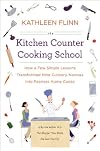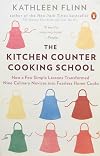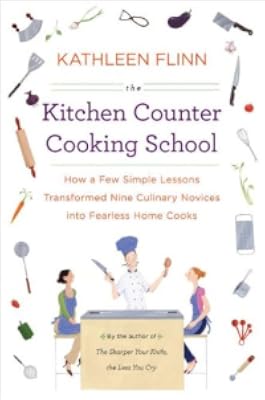
The Kitchen Counter Cooking School: How a Few Simple Lessons Transformed Nine Culinary Novices into Fearless Home Cooks
by Kathleen Flinn
On This Page
Description
" The author of The Sharper Your Knife tells the inspiring story of how she helped nine others find their inner cook. After graduating from Le Cordon Bleu in Paris, writer Kathleen Flinn returned with no idea what to do next, until one day at a supermarket she watched a woman loading her cart with ultraprocessed foods. Flinn's "chefternal" instinct kicked in: she persuaded the stranger to reload with fresh foods, offering her simple recipes for healthy, easy meals. The Kitchen Counter show more Cooking School includes practical, healthy tips that boost readers' culinary self-confidence, and strategies to get the most from their grocery dollar, and simple recipes that get readers cooking. "--Provided by publisher. show lessTags
Recommendations


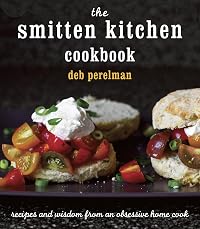
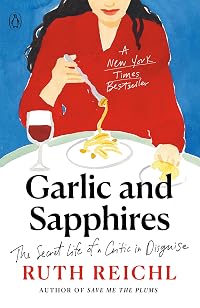
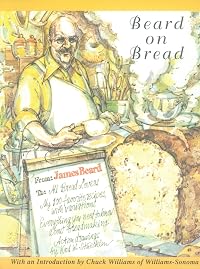
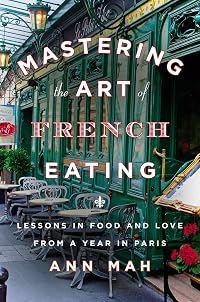

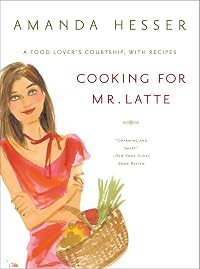
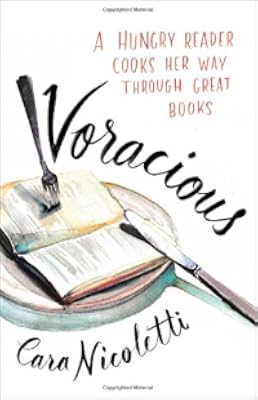

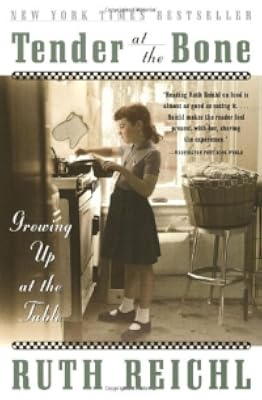
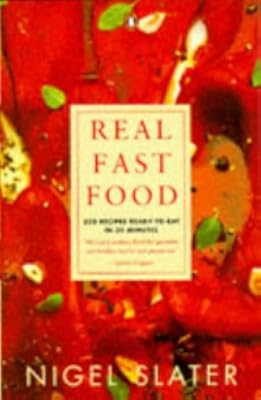
Member Recommendations

DetailMuse Both books are about a series of group cooking lessons, set in Seattle. Bauermeister's is fiction; Flinn's is nonfiction.
Member Reviews
Down-to-earth and, dare I say it, even inspiring at times. As with her previous book, "The Sharper Your Knife ...", Flinn is an engaging storyteller, and she paints sympathetic and affectionate portraits of the women in her basic cooking classes. It's especially encouraging to see these volunteers gain mean knife skills, a broader knowledge of food beyond the box, and (above all) confidence in the kitchen. The few chapters on Flinn's other endeavors, while fun, are out of the place in the narrative; maybe she thought people would be bored only hearing about the classes, but not me (even if she hadn't had the occasional celebrity chef as guest instructor). My wife and I have already promised ourselves to be more adventurous about cooking show more this year, and reading this book will only strengthen that resolve. show less
I savored this book. I am a late-bloomer in the world of cooking. My nickname back in college was the Lean Cuisine Queen. This book was very informative and inspired me to let go of my former hang-ups and just go for it in the kitchen. Because of this book I now question where my food comes from, I made a delicious chicken soup using the odds and ends in my crisper, and I finally lost my squeamishness in regards to raw chicken and can whip out roast chicken like a queen.
Many kitchen mavericks may see this book as too simple. Maybe the pros won't need its guidance. I, on the other hand, finally had the inspiration to meet my old foe on the cast iron battlefield, the Southern Buttermilk Biscuit. I tried and tried again and my biscuits show more went from the lead hockey pucks of old to high, fluffy creations from heaven, lightly browned on top and crisp on the bottom.
Saying I love this book is saying too little. The author has all of my gratitude. show less
Many kitchen mavericks may see this book as too simple. Maybe the pros won't need its guidance. I, on the other hand, finally had the inspiration to meet my old foe on the cast iron battlefield, the Southern Buttermilk Biscuit. I tried and tried again and my biscuits show more went from the lead hockey pucks of old to high, fluffy creations from heaven, lightly browned on top and crisp on the bottom.
Saying I love this book is saying too little. The author has all of my gratitude. show less
In my family there are some fundamentals: food and cooking are pleasure, politics are sport, books are a necessity. With food, as with most everything else, these fundamentals cross over into each other. I read cookbooks for pleasure, window shop at the grocery store, and think about how to make at home the things I eat out. I grew up in a household where everyone in my father's family cooked at a very high level and were devoted to it. In our house my father cooked and my mother baked. We ate lots of great (and to my friends "weird" stuff) my whole life and cooking was never a mystery - it was something you just do.
From a political perspective, food also has a firm place in my life. I am a committed pedestrian and have always valued show more proximity to work and to a grocery store over size of dwelling. I ride public transportation and take cabs when necessary. We have a car, but mostly use it every other weekend when we need to do a larger grocery store run to stock up on staples. Cars cost money that I'd rather spend on rent in proximity to work and groceries so I don't have to have a car, etc. You can see how the cycle works.
I am a huge fan of Michael Pollan's work and strongly believe that most people eat garbage most of the time. It's very sad. Processed "convenience" food rarely satiates our hunger so we eat and overeat and eat some more and are never truly satisfied, growing more and more obese as time goes on. Many Americans who live at or under the poverty line are trapped in massive food deserts with very few choices of what to eat and little to no ability to acquire fresh food in a way that makes sense. These living conditions contribute to poor health and the burden of chronic disease that they will carry with them their whole lives. Poor health and lack of nutrition are among the factors that keep people in poverty.
Add to this that we live in a country founded by Puritans. Eating has often been seen as something you do because you have to, not because it's enjoyable. The American cooking revolution has occurred within my lifetime, but has in most ways been confined to the upper and middle classes and even then convenience is revered. School lunches (often the only meal a child may have in a day) have been given over to fast food choices, schools are full of Coke machines and junk food dispensers and nobody teaches nutrition or home economics anymore. All of these factors combine to make people afraid of their kitchens and that is a real tragedy.
In The Kitchen Counter Cooking School, Kathleen Flinn works with ten different people of different ages and income levels to help them learn the basics of home cooking. Her approach is simple and basic without being boring. She avoids dogmatism and instead empowers her students in making real choices for themselves. She instructs in how to use leftovers and combine the food in your house to make new and yummy things and to help prevent food waste. She is practical, caring, and inspiring, sharing practical techniques and recipes suitable for any home cook - whether just starting out or already accomplished in the kitchen.
Particularly relevant in today's economy, Flinn's book is a great addition to a necessary discussion about how we can live well with less. For many people like myself who have chosen lifestyles with small footprints in smaller living spaces with better food, this book is affirmation. For those who are just now sorting out what to do within our new economic realities, this is true practicality delivered in an appealing package with a great deal of wit and wisdom. Highly recommended. show less
From a political perspective, food also has a firm place in my life. I am a committed pedestrian and have always valued show more proximity to work and to a grocery store over size of dwelling. I ride public transportation and take cabs when necessary. We have a car, but mostly use it every other weekend when we need to do a larger grocery store run to stock up on staples. Cars cost money that I'd rather spend on rent in proximity to work and groceries so I don't have to have a car, etc. You can see how the cycle works.
I am a huge fan of Michael Pollan's work and strongly believe that most people eat garbage most of the time. It's very sad. Processed "convenience" food rarely satiates our hunger so we eat and overeat and eat some more and are never truly satisfied, growing more and more obese as time goes on. Many Americans who live at or under the poverty line are trapped in massive food deserts with very few choices of what to eat and little to no ability to acquire fresh food in a way that makes sense. These living conditions contribute to poor health and the burden of chronic disease that they will carry with them their whole lives. Poor health and lack of nutrition are among the factors that keep people in poverty.
Add to this that we live in a country founded by Puritans. Eating has often been seen as something you do because you have to, not because it's enjoyable. The American cooking revolution has occurred within my lifetime, but has in most ways been confined to the upper and middle classes and even then convenience is revered. School lunches (often the only meal a child may have in a day) have been given over to fast food choices, schools are full of Coke machines and junk food dispensers and nobody teaches nutrition or home economics anymore. All of these factors combine to make people afraid of their kitchens and that is a real tragedy.
In The Kitchen Counter Cooking School, Kathleen Flinn works with ten different people of different ages and income levels to help them learn the basics of home cooking. Her approach is simple and basic without being boring. She avoids dogmatism and instead empowers her students in making real choices for themselves. She instructs in how to use leftovers and combine the food in your house to make new and yummy things and to help prevent food waste. She is practical, caring, and inspiring, sharing practical techniques and recipes suitable for any home cook - whether just starting out or already accomplished in the kitchen.
Particularly relevant in today's economy, Flinn's book is a great addition to a necessary discussion about how we can live well with less. For many people like myself who have chosen lifestyles with small footprints in smaller living spaces with better food, this book is affirmation. For those who are just now sorting out what to do within our new economic realities, this is true practicality delivered in an appealing package with a great deal of wit and wisdom. Highly recommended. show less
Summary: Kathleen Flinn had graduated from one of the most prestigious culinary schools in the world, but she still wasn't sure what she wanted to do with herself, until the afternoon that she started spying on other people's shopping carts, and found a woman who was filling her cart with boxed or processed frozen meals, while the ingredients needed to make identical meals were readily available, substantially healthier, and cost less per serving. And then Flinn realized that this woman was a representative of a much larger segment of the population: those who would like to cook for themselves and their families, but lack the know-how - and more importantly, the confidence - to do so. Or as one of her participants put it, "I've watched show more Gordon Ramsay while eating Tuna Helper." So she organized a pilot program, where nine women would let her into their homes, into their kitchen, and learn that cooking doesn't have to be something to be afraid of. She covers knife skills, tasting, pastas, chicken, meat, salads and eggs, leftovers, fish, soups, and cake, including lots of practical kitchen tips and recipes, all while trying to convince her participants - and her readers - that cooking real food, from real ingredients, is something that everyone can do, not just the people on TV.
Review: This book was great, right in my wheelhouse. It didn't make as much of an impact on my life as it might have had I read it a few years ago - while recently I've been cooking from scratch with real ingredients much more than I ever have before, and I love it, I spent most of my time in grad school and eating pretty terribly - lots of frozen meals for lunch and frozen pizzas or pasta with jarred sauce for dinner. After grad school, I was still eating a fair amount of frozen meals, but I also started getting more adventurous in the kitchen, taking on things that scared me - eggplants, bread, whole chickens. (Facilitated by the fact that at that time I was living alone - if something went terribly wrong, as they did occasionally, no one but me would have to know. I think that's actually a bigger factor than Flinn recognizes; many of the women in her study were responsible for feeding husbands and/or children, so if they were going to try cooking something, it had to work the first time.)
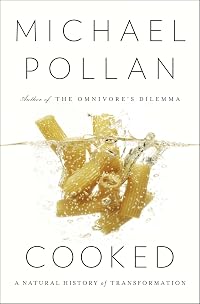
Now fast-forward to last year, when I read Cooked by Michael Pollan. It is very, very similar in its main ideas, although not necessarily in its approach, to The Kitchen Counter Cooking School: namely, that most Americans eat a crazy amount of processed food, that cooking has been deified to something that normal people can't achieve, but that it's healthy, cheaper, and ultimately more satisfying. That book pretty effectively lit a fire under my butt when it came to getting me into my own kitchen, so there were times that The Kitchen Counter Cooking School was treading familiar ground. But Flinn's writing is really lively, and because her book features a variety of real people confronting real problems, it makes it more applicable and more accessible. (One of the biggest problems I had with Cooked is that occasionally Pollan didn't seem to realize that not everyone works from home and has the time to do a five-hour braise on a weeknight.) Flinn's more laid-back, with some straightforward recipes, lots of practical tips, suggestions for flavor combinations, and an attitude that doesn't expect perfection - essentially, if you are thinking more about what you're eating, and cooking more of it for yourself, it's okay if you occasionally reach for a nostalgic Oreo every now and again.
So while this book wasn't exactly a transformative experience for me, it did re-motivate me to cook more (and more things), and my bookmark is full of little scrawled reminders to myself like "what type of steel are my knives? Get sharpened!" and "start sourdough culture - who can I get some from?". And on top of that, it was an engaging and quick read, and kept me entertained through a day of air travel - although it also made me hungry, so I am now totally guilty of eating terrible hyper-processed airplane snacks while reading about cooking classes. Ah well. 4 out of 5 stars.
Recommendation: More than anything, this book made me want to take cooking classes… but I think that if you're interested in cooking, but find yourself not doing it particularly often (or particularly confidently or well), this book would be a great read. show less
Review: This book was great, right in my wheelhouse. It didn't make as much of an impact on my life as it might have had I read it a few years ago - while recently I've been cooking from scratch with real ingredients much more than I ever have before, and I love it, I spent most of my time in grad school and eating pretty terribly - lots of frozen meals for lunch and frozen pizzas or pasta with jarred sauce for dinner. After grad school, I was still eating a fair amount of frozen meals, but I also started getting more adventurous in the kitchen, taking on things that scared me - eggplants, bread, whole chickens. (Facilitated by the fact that at that time I was living alone - if something went terribly wrong, as they did occasionally, no one but me would have to know. I think that's actually a bigger factor than Flinn recognizes; many of the women in her study were responsible for feeding husbands and/or children, so if they were going to try cooking something, it had to work the first time.)
Now fast-forward to last year, when I read Cooked by Michael Pollan. It is very, very similar in its main ideas, although not necessarily in its approach, to The Kitchen Counter Cooking School: namely, that most Americans eat a crazy amount of processed food, that cooking has been deified to something that normal people can't achieve, but that it's healthy, cheaper, and ultimately more satisfying. That book pretty effectively lit a fire under my butt when it came to getting me into my own kitchen, so there were times that The Kitchen Counter Cooking School was treading familiar ground. But Flinn's writing is really lively, and because her book features a variety of real people confronting real problems, it makes it more applicable and more accessible. (One of the biggest problems I had with Cooked is that occasionally Pollan didn't seem to realize that not everyone works from home and has the time to do a five-hour braise on a weeknight.) Flinn's more laid-back, with some straightforward recipes, lots of practical tips, suggestions for flavor combinations, and an attitude that doesn't expect perfection - essentially, if you are thinking more about what you're eating, and cooking more of it for yourself, it's okay if you occasionally reach for a nostalgic Oreo every now and again.
So while this book wasn't exactly a transformative experience for me, it did re-motivate me to cook more (and more things), and my bookmark is full of little scrawled reminders to myself like "what type of steel are my knives? Get sharpened!" and "start sourdough culture - who can I get some from?". And on top of that, it was an engaging and quick read, and kept me entertained through a day of air travel - although it also made me hungry, so I am now totally guilty of eating terrible hyper-processed airplane snacks while reading about cooking classes. Ah well. 4 out of 5 stars.
Recommendation: More than anything, this book made me want to take cooking classes… but I think that if you're interested in cooking, but find yourself not doing it particularly often (or particularly confidently or well), this book would be a great read. show less
I loved this book. At first I was afraid it was going to be condescending since the author is a Cordon Bleu trained chef. I couldn't have been more wrong. This was actually one of the most inspiring books I've read in a very long time.
The idea for this book started when Flinn was grocery shopping and noticed the truly horrible, processed, non-food food in a stranger's cart. She started up a conversation with the woman and ended up taking her around the store to get the "real" version of all the boxed stuff she had in her basket. The biggest problem is that the woman didn't know how to cook from scratch. When she thought about it, she realized that many folks are a generation or two away from that sort of cooking, and are unhealthy as a show more result.
So Flinn decides to do a research experiment, collecting 9 volunteers to attend a once weekly cooking class. But she first visits everyone's home, taking inventory of their cupboards and having them make a "typical lunch", as well as interviews these women to find out that their frustrations are about cooking. She then shapes classes around the several common problems they have, and teaches with a patience and grace, bringing these women along on a journey that literally changes each of their lives. The basics of the lessons as well as the recipes are in the book, and I could not resist heading for the kitchen to try many of them out. I learned so much from this book, and I am happily carrying it's inspiration forward. Do yourself a favor--read this book. show less
The idea for this book started when Flinn was grocery shopping and noticed the truly horrible, processed, non-food food in a stranger's cart. She started up a conversation with the woman and ended up taking her around the store to get the "real" version of all the boxed stuff she had in her basket. The biggest problem is that the woman didn't know how to cook from scratch. When she thought about it, she realized that many folks are a generation or two away from that sort of cooking, and are unhealthy as a show more result.
So Flinn decides to do a research experiment, collecting 9 volunteers to attend a once weekly cooking class. But she first visits everyone's home, taking inventory of their cupboards and having them make a "typical lunch", as well as interviews these women to find out that their frustrations are about cooking. She then shapes classes around the several common problems they have, and teaches with a patience and grace, bringing these women along on a journey that literally changes each of their lives. The basics of the lessons as well as the recipes are in the book, and I could not resist heading for the kitchen to try many of them out. I learned so much from this book, and I am happily carrying it's inspiration forward. Do yourself a favor--read this book. show less
Kathleen Flinn, a graduate of Paris’s Le Cordon Bleu culinary school, was concerned: over the two generations since World War II, home cooks had grown dependent on the food industry’s offerings of processed foods, and despite their desire now to follow advice like Michael Pollan’s “eat things your grandmother would recognize as food,” they had grown utterly unfamiliar with whole foods and the techniques and utensils (especially knives) needed to prepare them.
She declares, “Recipe writers don’t use certain words anymore, like braise. Instead, they write, ‘Cover and simmer in the oven,’ because people don’t know what braise means.” Food television has largely turned into entertainment -- a spectator sport -- versus show more the instruction of Julia Child’s day. And home cooks don’t know the reality of today’s media -- “that there is so much pressure to make recipes short that food writers have to cut out steps or ingredients to make them look simpler [or ...] less expensive.” They've thus lost their confidence, blaming themselves when magazine recipes fail, whereas when they “make stuff from a box, it always turns out right.”
So when Flinn happened upon an episode of TV’s What Not to Wear, she had the idea to adapt its makeovers of the fashion-clueless to a cooking project: recruit a group of struggling home cooks; observe their kitchens and meal preparations; offer hands-on instruction and coaching; and re-observe. This book documents that project in a way that gives readers helpful takeaways just as What Not to Wear benefits its viewers.
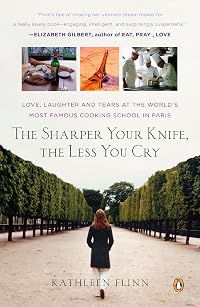
Following Flinn's earlier memoir about learning to cook (The Sharper Your Knife, the Less You Cry, which I have not read), this book is about her teaching others to cook: how to stock a pantry; how to hold and use a knife; how to taste, including comparative tastings and suggested seasonings; how to bake simple bread and prepare eggs, whole chickens, fish and meats. She writes well and accessibly, describing techniques in the preparation of a couple-dozen recipes. (Still, it was helpful to watch the video clips on her YouTube page.) She does digress into a couple memoir-ish chapters about teaching culinary techniques on a cruise ship and at dinner parties; these seem self-indulgent and out of place. Otherwise, Flinn is supportive, entertaining and informative; she inspires a respect for food and a desire to jump in. Her basic eggs, no-knead artisanal bread, and fish en papillote are easy essentials. Recommended for beginning home cooks and those wanting to cook "outside the box."
(Review based on a copy of the book provided by the publisher.) show less
She declares, “Recipe writers don’t use certain words anymore, like braise. Instead, they write, ‘Cover and simmer in the oven,’ because people don’t know what braise means.” Food television has largely turned into entertainment -- a spectator sport -- versus show more the instruction of Julia Child’s day. And home cooks don’t know the reality of today’s media -- “that there is so much pressure to make recipes short that food writers have to cut out steps or ingredients to make them look simpler [or ...] less expensive.” They've thus lost their confidence, blaming themselves when magazine recipes fail, whereas when they “make stuff from a box, it always turns out right.”
So when Flinn happened upon an episode of TV’s What Not to Wear, she had the idea to adapt its makeovers of the fashion-clueless to a cooking project: recruit a group of struggling home cooks; observe their kitchens and meal preparations; offer hands-on instruction and coaching; and re-observe. This book documents that project in a way that gives readers helpful takeaways just as What Not to Wear benefits its viewers.
Following Flinn's earlier memoir about learning to cook (The Sharper Your Knife, the Less You Cry, which I have not read), this book is about her teaching others to cook: how to stock a pantry; how to hold and use a knife; how to taste, including comparative tastings and suggested seasonings; how to bake simple bread and prepare eggs, whole chickens, fish and meats. She writes well and accessibly, describing techniques in the preparation of a couple-dozen recipes. (Still, it was helpful to watch the video clips on her YouTube page.) She does digress into a couple memoir-ish chapters about teaching culinary techniques on a cruise ship and at dinner parties; these seem self-indulgent and out of place. Otherwise, Flinn is supportive, entertaining and informative; she inspires a respect for food and a desire to jump in. Her basic eggs, no-knead artisanal bread, and fish en papillote are easy essentials. Recommended for beginning home cooks and those wanting to cook "outside the box."
(Review based on a copy of the book provided by the publisher.) show less
One of my twitter friends recommended this book a year or so ago and it finally came up on my Kindle queue to read. I liked this book. I liked it so much that I plan on ordering a hard copy to keep in my kitchen and use for mark-up. Another memoir project book in the vein of Under the Tuscan Sun and Julie and Julia I thought this a cut above others I've read recently.
Kathleen Flinn previously wrote about her experiences at the Parisian Le Corden Bleu cooking school. Here she shows what she did later with that experience. After observing a mother and daughter pack up their grocery cart with packaged food--Kathleen approached them and asked them why they didn't cook fresh. Seeing a need here--Kathleen decides to interview a group of show more women about their fears around cooking and then takes them through a class to teach them the basics of using knives in the kitchen, roasting chicken, making vinaigrettes, etc. Along the way you learn each woman's story, hear what happens in the class (and after the class) and you learn a few recipes. I really enjoyed this book and I learned a few things from it. I roasted my own chicken (which I know how to do but hadn't done in a while) and have done some experimenting since with a few leftovers.
What I still need to do is take a class or watch a few youtube videos on how to use a knife. show less
Kathleen Flinn previously wrote about her experiences at the Parisian Le Corden Bleu cooking school. Here she shows what she did later with that experience. After observing a mother and daughter pack up their grocery cart with packaged food--Kathleen approached them and asked them why they didn't cook fresh. Seeing a need here--Kathleen decides to interview a group of show more women about their fears around cooking and then takes them through a class to teach them the basics of using knives in the kitchen, roasting chicken, making vinaigrettes, etc. Along the way you learn each woman's story, hear what happens in the class (and after the class) and you learn a few recipes. I really enjoyed this book and I learned a few things from it. I roasted my own chicken (which I know how to do but hadn't done in a while) and have done some experimenting since with a few leftovers.
What I still need to do is take a class or watch a few youtube videos on how to use a knife. show less
Members
- Recently Added By
Lists

Top Five Books of 2013
1,562 works; 721 members

Books Read in 2017
4,249 works; 130 members
Author Information

4 Works 1,502 Members
Awards and Honors
Common Knowledge
- Original publication date
- 2011-09-29
- Dedication
- For my mother, Irene
For encouraging me to find joy in everything, not just cooking - First words
- Normally, I do not stalk people in grocery stores.
- Quotations
- Every grocery cart tells a story.
- Last words
- (Click to show. Warning: May contain spoilers.)Isn't that the way it should be?
- Blurbers
- Spurlock, Morgan; Bauermeister, Erica; Hesser, Amanda
Classifications
- Genres
- Nonfiction, Food & Cooking, General Nonfiction, Biography & Memoir
- DDC/MDS
- 641.507 — Applied science & technology Home economics & family management Food, Cooking & Recipes / Meals, Picnics Cooking; cookbooks > Education And Research
- LCC
- TX661 .F57 — Technology Home economics Home economics Cooking
- BISAC
Statistics
- Members
- 418
- Popularity
- 74,367
- Reviews
- 27
- Rating
- (4.16)
- Languages
- English
- Media
- Paper, Audiobook, Ebook
- ISBNs
- 9
- UPCs
- 1
- ASINs
- 7