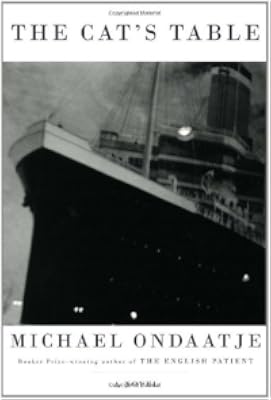
The Cat's Table
by Michael Ondaatje
On This Page
Description
In the early 1950s, an eleven-year-old boy in Colombo boards a ship bound for England. At mealtimes he is seated at the "cat's table"--as far from the Captain's Table as can be--with a ragtag group of "insignificant" adults and two other boys, Cassius and Ramadhin. As the ship makes its way across the Indian Ocean, through the Suez Canal, into the Mediterranean, the boys tumble from one adventure to another, bursting all over the place like freed mercury. But there are other diversions as show more well: one man talks with them about jazz and women, another opens the door to the world of literature. The narrator's elusive, beautiful cousin Emily becomes his confidante, allowing him to see himself "with a distant eye" for the first time, and to feel the first stirring of desire. Another Cat's Table denizen, the shadowy Miss Lasqueti, is perhaps more than what she seems. And very late every night, the boys spy on a shackled prisoner, his crime and his fate a galvanizing mystery that will haunt them forever. As the narrative moves between the decks and holds of the ship and the boy's adult years, it tells a spellbinding story--by turns poignant and electrifying--about the magical, often forbidden, discoveries of childhood and a lifelong journey that begins unexpectedly with a spectacular sea voyage. show lessTags
Recommendations


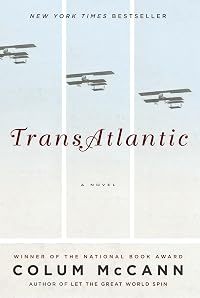

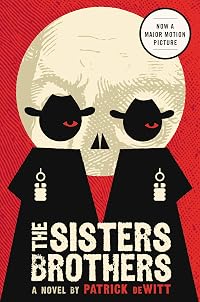

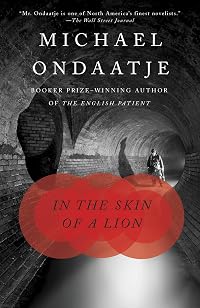
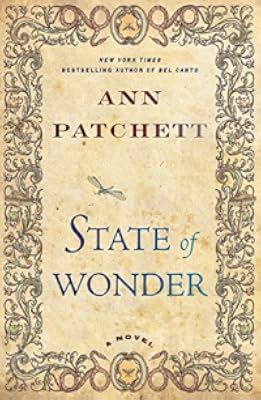












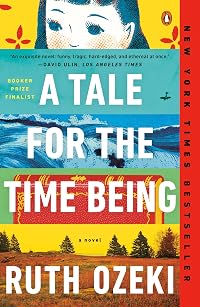






Member Recommendations

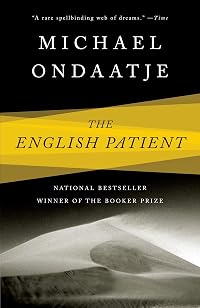
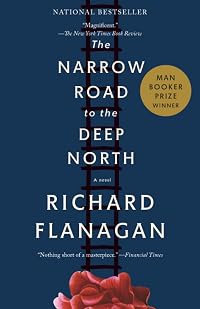
Limelite One believes "The Cat's Table" is a nod to this classic exploration of morals and morays involving exiles and Nazis on a trans-Atlantic voyage from South America to Europe.
30

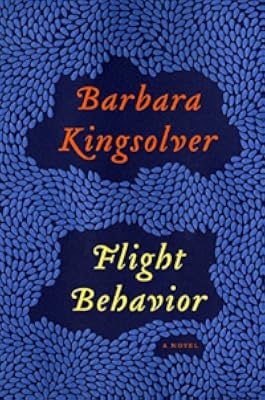
Cecilturtle coming of age


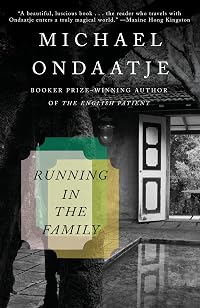
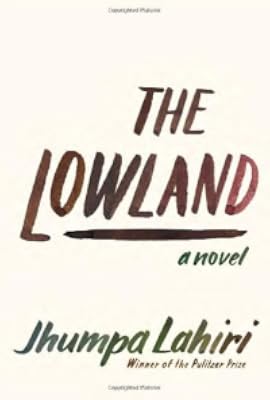
CGlanovsky Post-Colonial Novels
Member Reviews
I finished Michael Ondaatje's "The Cat's Table" today. Gorgeous. He's an absolute master of prose, imo. Though he writes that the book is fiction, it reads almost as a mix of an autobiographical remembrance of a series of events (centered around a ship voyage from Ceylon to Britain when the protagonist is 11yo) & musings on how seemingly small events, chance encounters, & memories can alter the path of one's life. Part seems so real, so grounded in reality, yet much of the writing has the dreamy, hazy quality of memories from a long time ago, where you might wonder if you're remembering something as it happened or as you think or wanted it to happen. Some scathingly funny sections had me chuckling, while other sections were more somber show more & serious & had me musing....
Also, all through reading it, I kept thinking that if I could have someone who would write my diaries for me, capture a myriad of fleeting moments, I'd want Michael Ondaatje to be the one writing mine. (It doesn't matter that I don't keep a diary or a journal, or that it would be strange to have someone else putting my memories on paper through a mind meld or something; I would just want him writing, burnishing, perfecting these little life mosaics of mine.)
I will make note that I read his book "The English Patient" many years ago. While I adored his prose in that book, I didn't care for the story itself (at all). I'm so glad I gave him another try because I was just transported & blown away by "The Cat's Table". Loved it.
Gorgeous, luscious, & highly recommended. show less
Also, all through reading it, I kept thinking that if I could have someone who would write my diaries for me, capture a myriad of fleeting moments, I'd want Michael Ondaatje to be the one writing mine. (It doesn't matter that I don't keep a diary or a journal, or that it would be strange to have someone else putting my memories on paper through a mind meld or something; I would just want him writing, burnishing, perfecting these little life mosaics of mine.)
I will make note that I read his book "The English Patient" many years ago. While I adored his prose in that book, I didn't care for the story itself (at all). I'm so glad I gave him another try because I was just transported & blown away by "The Cat's Table". Loved it.
Gorgeous, luscious, & highly recommended. show less
"The Cat's Table" by Michael Ondaatje is an intriguing novel. Like fish to bait, I was drawn to Ondaatje's series of innocuous vignettes that fleshed out a plot and bit by bit teased out the characters in bite-sized chunks.
This deeply affecting and multilayered story orbits around three boys cruising from Sri Lanka to England in the early 1950s. The primary character, Michael (although we only find out his name 50 or so pages in), is traveling on his own to meet his Mother. He and two other boys, Cassius and Ramidhan, have the run of the ship as the reader is taken on a tour of their mostly (but not exclusively) insignificant trouble making and mischief. In Michael's own words, "...the fact that I was on my own...was itself an show more adventure. I had no family responsibilities. I could go anywhere, do anything. Each day we had to do at least one thing that was forbidden."
One cannot help but read the coming-of-age theme built around the 11-year old Michael. The theme might seem cliched, but Ondjaatje's deft mastery of language and his manipulation of plot is what distinguishes this as literature rather than mere fiction.
The Cat's Table refers to the assigned table in the dining room of the ship that’s furthest from the Captain. At this table, the boys are joined by a number of other characters, all adults and all outcasts to some extent. Michael's interactions with the adults on the ship, he realizes, are formulating his impression of adults and building his initial views into his own future adult world.
The trip was an opportunity to observe and orbit around an adult world while still playing the part of a child. He says, "We were learning about adults simply by being in their midst. We felt patterns emerging..." And if to underline the cruise's metaphorical transportation from Michaels' childhood into his adulthood, he finds himself in front of a mirror and narrates, "It was the image of my youth that I would hold on to for years--someone startled, half formed, who had not become anyone or anything yet."
We are introduced to a smattering of other characters throughout the story: Michael's cousin Emily, Ramadhin's sister Massi, and the very enigmatic man in chains - a prisoner who's allowed on deck for only a short while each night. It's the well-paced and dramatic unraveling of the prisoner's story that creates one of the signature "Ah-Ha!" moments in the novel. Much of the last third of the book occurs in Michael’s present where Ondaatje focuses on his growth, the transformation of his relationships with those from the ship, and his synthesis of his past and present. And like real life, not all conclusions are neatly packaged.
Throughout the novel, there are hints at where the story is leading. Some of the hints abruptly foreshadow plot lines. Some hints aren't quite recognizable until the initial plot thread becomes knotted with a related thread farther along in the book.
Through most of the interactions on the ship, Ondaatje writes very short chapters creating almost movie-like quick-cuts from scene to scene. I realized that this is how memories work. Usually, one doesn't remember an entire day, but rather moments that have burned into one's memory through the intensity of the experience. I believe that Ondaatje wrote these scenes very purposefully. First, to create very succinct and clear threads that, over time, flesh out Michael's experiences. Second, these flash memories become part of the story itself. They create a pace and expectation on behalf of the reader that propels his experience with the characters.
Michael reflects on the stories of his life, which are in essence, a unification of memories. He narrates, "There is a story, always ahead of you. Barely existing. Only gradually do you attach yourself to it and feed it. You discover the carapace that will contain and test your character. You find in this way the path of your life." show less
This deeply affecting and multilayered story orbits around three boys cruising from Sri Lanka to England in the early 1950s. The primary character, Michael (although we only find out his name 50 or so pages in), is traveling on his own to meet his Mother. He and two other boys, Cassius and Ramidhan, have the run of the ship as the reader is taken on a tour of their mostly (but not exclusively) insignificant trouble making and mischief. In Michael's own words, "...the fact that I was on my own...was itself an show more adventure. I had no family responsibilities. I could go anywhere, do anything. Each day we had to do at least one thing that was forbidden."
One cannot help but read the coming-of-age theme built around the 11-year old Michael. The theme might seem cliched, but Ondjaatje's deft mastery of language and his manipulation of plot is what distinguishes this as literature rather than mere fiction.
The Cat's Table refers to the assigned table in the dining room of the ship that’s furthest from the Captain. At this table, the boys are joined by a number of other characters, all adults and all outcasts to some extent. Michael's interactions with the adults on the ship, he realizes, are formulating his impression of adults and building his initial views into his own future adult world.
The trip was an opportunity to observe and orbit around an adult world while still playing the part of a child. He says, "We were learning about adults simply by being in their midst. We felt patterns emerging..." And if to underline the cruise's metaphorical transportation from Michaels' childhood into his adulthood, he finds himself in front of a mirror and narrates, "It was the image of my youth that I would hold on to for years--someone startled, half formed, who had not become anyone or anything yet."
We are introduced to a smattering of other characters throughout the story: Michael's cousin Emily, Ramadhin's sister Massi, and the very enigmatic man in chains - a prisoner who's allowed on deck for only a short while each night. It's the well-paced and dramatic unraveling of the prisoner's story that creates one of the signature "Ah-Ha!" moments in the novel. Much of the last third of the book occurs in Michael’s present where Ondaatje focuses on his growth, the transformation of his relationships with those from the ship, and his synthesis of his past and present. And like real life, not all conclusions are neatly packaged.
Throughout the novel, there are hints at where the story is leading. Some of the hints abruptly foreshadow plot lines. Some hints aren't quite recognizable until the initial plot thread becomes knotted with a related thread farther along in the book.
Through most of the interactions on the ship, Ondaatje writes very short chapters creating almost movie-like quick-cuts from scene to scene. I realized that this is how memories work. Usually, one doesn't remember an entire day, but rather moments that have burned into one's memory through the intensity of the experience. I believe that Ondaatje wrote these scenes very purposefully. First, to create very succinct and clear threads that, over time, flesh out Michael's experiences. Second, these flash memories become part of the story itself. They create a pace and expectation on behalf of the reader that propels his experience with the characters.
Michael reflects on the stories of his life, which are in essence, a unification of memories. He narrates, "There is a story, always ahead of you. Barely existing. Only gradually do you attach yourself to it and feed it. You discover the carapace that will contain and test your character. You find in this way the path of your life." show less
This was beautifully written and characterized. If I was reluctant to give it five stars, well, I've had a run of special books lately; I read this on the heels of Bulgakov's The Master and Margarita, and in comparison this didn't move or amaze me as much or make me think, "yes, I will reread this." On the other hand, it did make me think, "I'd definitely try more of this author." (Although I've read this novel is atypical for the author in several respects--more accessible, less experimental in style.)
It's a fairly short, fast read. It's written as if it was a memoir of Michael, looking back to when he was eleven-years-old traveling alone from his birthplace of Ceylon to his new home in England. The time embraced is longer than that, show more as we get glimpses of the island home he's leaving, and times since, for the voyage reverberates strongly in his life afterwards. But the focus is on the small "city" or "castle" of the ship S.S. Oronsay during a three-week voyage in 1954 through the Indian Ocean and Mediterranean Sea. Its spaces and decks are described with enough detail to bring it vividly to mind. In its way it's as impressive a work of world-building as a work of fantasy or science fiction. The cast of characters is vividly presented too--particularly the members of the "Cat's Table." The Cat's Table is the opposite of the Captain's Table. It's as far away as possible from that place of honor, in the most undesirable spot, and peopled with the least socially distinguished of the liner's passengers. But quite a few of those people become important both to the young Michael (not lost on me he shares a name with the author) and to the reader. They're more than they appear at first, several having secrets of their own. There's the other two young boys his own age, Ramadhin and Cassius, the "spinster" Miss Lasquetti, the botanist Larry Daniels with his garden of poisonous plants in the ship's hold, Mr Nevil, who dismantles ships for a living, and the mysterious pianist Mazappa. There are some elements of the plot that stretch credulity more than a bit, but mostly this is a sweet, though not too sweet, tale of childhood, when you believed anything could happen, and thought it had. It was a pleasure to read. show less
It's a fairly short, fast read. It's written as if it was a memoir of Michael, looking back to when he was eleven-years-old traveling alone from his birthplace of Ceylon to his new home in England. The time embraced is longer than that, show more as we get glimpses of the island home he's leaving, and times since, for the voyage reverberates strongly in his life afterwards. But the focus is on the small "city" or "castle" of the ship S.S. Oronsay during a three-week voyage in 1954 through the Indian Ocean and Mediterranean Sea. Its spaces and decks are described with enough detail to bring it vividly to mind. In its way it's as impressive a work of world-building as a work of fantasy or science fiction. The cast of characters is vividly presented too--particularly the members of the "Cat's Table." The Cat's Table is the opposite of the Captain's Table. It's as far away as possible from that place of honor, in the most undesirable spot, and peopled with the least socially distinguished of the liner's passengers. But quite a few of those people become important both to the young Michael (not lost on me he shares a name with the author) and to the reader. They're more than they appear at first, several having secrets of their own. There's the other two young boys his own age, Ramadhin and Cassius, the "spinster" Miss Lasquetti, the botanist Larry Daniels with his garden of poisonous plants in the ship's hold, Mr Nevil, who dismantles ships for a living, and the mysterious pianist Mazappa. There are some elements of the plot that stretch credulity more than a bit, but mostly this is a sweet, though not too sweet, tale of childhood, when you believed anything could happen, and thought it had. It was a pleasure to read. show less
“There is a story, always ahead of you. Barely existing. Only gradually do you attach yourself to it and feed it. You discover the carapace that will contain and test your character. You find in this way the path of your life.” – Michael Ondaatje, The Cat’s Table
In 1954. eleven-year-old Michael is traveling by sea from Ceylon (now Sri Lanka) to England, where he will rejoin with his mother after staying with an uncle. Onboard the Oronsay, he meets two other similar age children, Cassius and Ramadhin. Only minimally supervised, they become mischief-makers. When dining, they are seated with a group of adults at the least prestigious table, known as the Cat’s Table. It is told through Michael’s eyes, and there are show more “flash-forwards” to his later life, where he recounts what has happened to some of the people he met on the voyage. What appears at first to be a series of short interludes told about an assortment of eccentric characters becomes more complex and interrelated as the narrative progresses.
This book is an excellent example of a journey that becomes a rite of passage from childhood to adulthood. As Michael looks back on his voyage, he discovers lessons that escaped him at the time, but has influenced his thinking. A few of the curious characters that come together in this intriguing story include:
- Michael’s distant older cousin, Emily, who is also changed profoundly by the journey
- The Hyderabad Mind, a member of the Jankla Troupe of shipboard circus performers
- A botanist that oversees a garden in the bowels of the ship
- A prisoner that walks the deck at night and is observed by the children
- A thief that influences Michael to help him
It will require a bit of patience to read this book, not that it is long (it’s not), but it takes a while for all the separate threads to converge. In the meantime, there are plenty of wonderfully realized colorful characters and juvenile shenanigans to maintain interest. Ondaatje’s writing is top tier and will appeal to fans of literary fiction. show less
In 1954. eleven-year-old Michael is traveling by sea from Ceylon (now Sri Lanka) to England, where he will rejoin with his mother after staying with an uncle. Onboard the Oronsay, he meets two other similar age children, Cassius and Ramadhin. Only minimally supervised, they become mischief-makers. When dining, they are seated with a group of adults at the least prestigious table, known as the Cat’s Table. It is told through Michael’s eyes, and there are show more “flash-forwards” to his later life, where he recounts what has happened to some of the people he met on the voyage. What appears at first to be a series of short interludes told about an assortment of eccentric characters becomes more complex and interrelated as the narrative progresses.
This book is an excellent example of a journey that becomes a rite of passage from childhood to adulthood. As Michael looks back on his voyage, he discovers lessons that escaped him at the time, but has influenced his thinking. A few of the curious characters that come together in this intriguing story include:
- Michael’s distant older cousin, Emily, who is also changed profoundly by the journey
- The Hyderabad Mind, a member of the Jankla Troupe of shipboard circus performers
- A botanist that oversees a garden in the bowels of the ship
- A prisoner that walks the deck at night and is observed by the children
- A thief that influences Michael to help him
It will require a bit of patience to read this book, not that it is long (it’s not), but it takes a while for all the separate threads to converge. In the meantime, there are plenty of wonderfully realized colorful characters and juvenile shenanigans to maintain interest. Ondaatje’s writing is top tier and will appeal to fans of literary fiction. show less
Michael is a precocious yet naïve 11 year old boy living with relatives in Ceylon, now known as Sri Lanka, in the mid 1950s. His mother, who divorced from her husband years before and moved to England, has sent for her son. He is placed aboard a spacious ocean liner for the three week journey, supposedly under the watchful eye of a wealthy friend of the family, but he is essentially left to fend for himself when he is not dining at "the cat's table", so named because it is situated far away from the tables of the captain and the most important passengers.
Michael quickly makes the acquaintance of two other preadolescent boys; Cassius, a troublesome betel-chewing older boy, who was expelled from school but has been selected to attend show more school in England; and Ramadhin, an introspective and mournful lad. The three unsupervised boys wreak mild to moderate havoc throughout the journey, occasionally accompanied by Michael's alluring and wild teenage cousin Emily, yet they remain just out of reach of harm's way.
The boys encounter and are befriended by a variety of intriguing adult passengers, including an alluring older woman who maintains a stock of birds and wears a coat with pockets for them to be displayed; a musician with two names and even more secrets; and a wealthy man who is dying from a curse placed upon him by a religious man and desperately seeks a cure in Europe. The most mysterious passenger is kept in shackles for a particularly heinous crime, and is only allowed on deck late at night, where the boys observe him with fascination, fear and respect.
The journey marks a transition from the innocence of childhood to the tragedies and disappointments of adulthood for the three boys, although they emerge physically unscathed. The second half of the book describes their intertwined lives, which continue to be influenced by the events of the voyage.
The Cat's Table is a compelling drama, filled with comedy, irreverence and intrigue, with well portrayed characters. Ondaatje does a masterful job in describing the voyage aboard the ocean liner, the mindset of Michael and his young companions, and the sense of ever present menace that held this reader's attention throughout the book. I can't understand why this wasn't selected for this year's Booker Prize longlist, as it compares well with the best of the lot, but it should be a strong contender for this year's Giller Prize. show less
Michael quickly makes the acquaintance of two other preadolescent boys; Cassius, a troublesome betel-chewing older boy, who was expelled from school but has been selected to attend show more school in England; and Ramadhin, an introspective and mournful lad. The three unsupervised boys wreak mild to moderate havoc throughout the journey, occasionally accompanied by Michael's alluring and wild teenage cousin Emily, yet they remain just out of reach of harm's way.
The boys encounter and are befriended by a variety of intriguing adult passengers, including an alluring older woman who maintains a stock of birds and wears a coat with pockets for them to be displayed; a musician with two names and even more secrets; and a wealthy man who is dying from a curse placed upon him by a religious man and desperately seeks a cure in Europe. The most mysterious passenger is kept in shackles for a particularly heinous crime, and is only allowed on deck late at night, where the boys observe him with fascination, fear and respect.
The journey marks a transition from the innocence of childhood to the tragedies and disappointments of adulthood for the three boys, although they emerge physically unscathed. The second half of the book describes their intertwined lives, which continue to be influenced by the events of the voyage.
The Cat's Table is a compelling drama, filled with comedy, irreverence and intrigue, with well portrayed characters. Ondaatje does a masterful job in describing the voyage aboard the ocean liner, the mindset of Michael and his young companions, and the sense of ever present menace that held this reader's attention throughout the book. I can't understand why this wasn't selected for this year's Booker Prize longlist, as it compares well with the best of the lot, but it should be a strong contender for this year's Giller Prize. show less
This morning, the last morning of 2016, I finished a beautifully told story about an 11 year old boy who takes a three week voyage from Sri Lanka to England to be reunited with his mother. This was, in essence, an unsupervised adventure for Michael who quickly meets two other boys and a cast of characters that are forced to sit at the least favored table and the one farthest from the ship's captain -hence the title.
The three boys adjust their sleep patterns because there are too many adventures at night that would be missed. As Michael states, "I could go anywhere, do anything. And Ramadhin, Cassius, and I had already established one rule. Each day we had to do at least one thing that was forbidden. The day had barely begun, and we show more still had hours ahead of us to perform this task."
The author actually took this same voyage at 11, and though he quickly disavows any autobiographical claims, what does stand out is ( as Ron Charles points out ) "a tale about the magic of adolescence and the passing strangers who help tip us into adulthood in ways we don’t become aware of until much later."
The novel does also jump forward so that the adult author can reflect back on these experiences and actually piece together one of the more dramatic events that took place on the ocean liner.
I loved the characterizations of the guests and Ondaaje's ability to capture the wonder and frankness of adolescence, seasoned later on by intelligence and reflection. Looking forward to reading more from this Booker Prize Winner.
Here's a quick sketch of one of the passengers that book lovers will enjoy-
"Mr. Fonseka seemed to draw forth an assurance or a calming quality from the books he read. He’d gaze into an unimaginable distance (one could almost see the dates flying off the calendar) and quote lines written in stone or papyrus. I suppose he remembered these things to clarify his own opinion, like a man buttoning up his own sweater to give warmth just to himself. Mr. Fonseka would not be a wealthy man. And it would be a spare life he would be certain to lead as a schoolteacher in some urban location. But he had a serenity that came with the choice of the life he wanted to live. And this serenity and certainty I have seen only among those who have the armour of books close by."
That's my goal to be more like Mr. Fonseka.
Because I had no brothers or sisters, the closest relatives I had while growing up were adults. There was an assortment of unmarried uncles and slow-moving aunts who were joined at the hip by gossip and status. There was one wealthy relative who took great care to remain in the distance.
Mr. Fonseka seemed to draw forth an assurance or a calming quality from the books he read. He’d gaze into an unimaginable distance (one could almost see the dates flying off the calendar) and quote lines written in stone or papyrus. I suppose he remembered these things to clarify his own opinion, like a man buttoning up his own sweater to give warmth just to himself. Mr. Fonseka would not be a wealthy man. And it would be a spare life he would be certain to lead as a schoolteacher in some urban location. But he had a serenity that came with the choice of the life he wanted to live. And this serenity and certainty I have seen only among those who have the armour of books close by.
. show less
The three boys adjust their sleep patterns because there are too many adventures at night that would be missed. As Michael states, "I could go anywhere, do anything. And Ramadhin, Cassius, and I had already established one rule. Each day we had to do at least one thing that was forbidden. The day had barely begun, and we show more still had hours ahead of us to perform this task."
The author actually took this same voyage at 11, and though he quickly disavows any autobiographical claims, what does stand out is ( as Ron Charles points out ) "a tale about the magic of adolescence and the passing strangers who help tip us into adulthood in ways we don’t become aware of until much later."
The novel does also jump forward so that the adult author can reflect back on these experiences and actually piece together one of the more dramatic events that took place on the ocean liner.
I loved the characterizations of the guests and Ondaaje's ability to capture the wonder and frankness of adolescence, seasoned later on by intelligence and reflection. Looking forward to reading more from this Booker Prize Winner.
Here's a quick sketch of one of the passengers that book lovers will enjoy-
"Mr. Fonseka seemed to draw forth an assurance or a calming quality from the books he read. He’d gaze into an unimaginable distance (one could almost see the dates flying off the calendar) and quote lines written in stone or papyrus. I suppose he remembered these things to clarify his own opinion, like a man buttoning up his own sweater to give warmth just to himself. Mr. Fonseka would not be a wealthy man. And it would be a spare life he would be certain to lead as a schoolteacher in some urban location. But he had a serenity that came with the choice of the life he wanted to live. And this serenity and certainty I have seen only among those who have the armour of books close by."
That's my goal to be more like Mr. Fonseka.
Because I had no brothers or sisters, the closest relatives I had while growing up were adults. There was an assortment of unmarried uncles and slow-moving aunts who were joined at the hip by gossip and status. There was one wealthy relative who took great care to remain in the distance.
Mr. Fonseka seemed to draw forth an assurance or a calming quality from the books he read. He’d gaze into an unimaginable distance (one could almost see the dates flying off the calendar) and quote lines written in stone or papyrus. I suppose he remembered these things to clarify his own opinion, like a man buttoning up his own sweater to give warmth just to himself. Mr. Fonseka would not be a wealthy man. And it would be a spare life he would be certain to lead as a schoolteacher in some urban location. But he had a serenity that came with the choice of the life he wanted to live. And this serenity and certainty I have seen only among those who have the armour of books close by.
. show less
There is a lot more in the very narrow space between the covers of Michael Ondaatje's latest book than appears at first glance. When I had read about two-thirds of the book I wrote that it has a slapdash feel to it that perfectly mirrors its subject matter, a boy on his own aboard an ocean liner traveling from Sri Lanka to England. I wrote this because all I had read up to that point was seemingly random and disjointed snippets that come across as flashes of the narrator's memory as he thinks back to an event in his childhood. What I didn't realize then was that there was a clear method to the madness and what appeared at first to be random and disjointed was revealed in the end to be an intricate puzzle where everything that happened, show more no matter how trivial it seemed, was tied to the events that would happen at the end.
I read for enjoyment. That said, I found 'The Cat's Table' an enjoyable book. I also was fascinated at the skill that Ondaatje exhibited in weaving the disparate pieces of his plot into a cohesive story. My only complaint is that I found some of the events from after the voyage were less than satisfying. This could be more a matter of my expectations as how a book should end and not a reflection on the author.
I expect that this book will be a big hit in the book club circuit as there is definitely much about it to discuss.
The review copy of this book was obtained from the publisher via the Amazon Vine Program. show less
I read for enjoyment. That said, I found 'The Cat's Table' an enjoyable book. I also was fascinated at the skill that Ondaatje exhibited in weaving the disparate pieces of his plot into a cohesive story. My only complaint is that I found some of the events from after the voyage were less than satisfying. This could be more a matter of my expectations as how a book should end and not a reflection on the author.
I expect that this book will be a big hit in the book club circuit as there is definitely much about it to discuss.
The review copy of this book was obtained from the publisher via the Amazon Vine Program. show less
Members
- Recently Added By
Published Reviews
ThingScore 92
Ondaatje has toned down the elevated consciousness and language that so permeated his last three novels (beginning with The English Patient). Fans will be glad to hear that the richly embroidered imagery of those works is still present, as well as the tantalizing Gothic tones of murder, lush sexuality and buried family secrets and curses...His technique, more reminiscent of a poet than a show more novelist, creates fascinating visual and sensual effects but makes the actual narrative of the voyage feel somewhat inert. This is probably intentional on Ondaatje’s part — he is using the Oronsay more as a point of meditation than momentum — although it does make the cinematic conclusion feel somewhat abrupt. ...The novel also contains a few too many passages of ponderous dialogue....There is much to enjoy, though, in this short, episodic novel, even for readers who may have found Ondaatje’s later works overly dense or poetic.. show less
added by vancouverdeb
The story is constructed in a series of vignettes, stitched together in episodes that move backwards and forwards like the action of a Rubik Cube. One moment we are on board ship and the next on land many years into the future. The narrative both puzzles and unexpectedly pulls us up short....Such is the quality of the writing that not until we near the novel's end do we notice a false note in show more the character of Niemeyer. As the shackled prisoner, so necessary for the plot, he remains two-dimensional, with neither his presence, nor the working-out of his fate, really quite believable. That said, this is a quibble in what is otherwise a beautifully crafted whole. show less
added by Nickelini
I had trouble with the sudden rise to prominence of the characters that dominate the last part of the book. I felt I was being given an invented answer to a fabricated question, rather than an invitation to know who Michael is....Still, this book is wonderful, offering all the best pleasures of Ondaatje’s writing: his musical prose, up-tempo; his ear for absurd, almost surreal dialogue that show more had me laughing out loud in public as I read; his admiration for craftsmanship and specialized language in the sciences and the trades; and his sumptuous evocations of sensual delight. show less
added by vancouverdeb
Lists

Best Contemporary Literary Fiction (Around the Last 30 Years)
388 works; 124 members

Top Five Books of 2013
1,562 works; 715 members

water on the brain: maritime fiction
74 works; 18 members

Top Five Books of 2014
1,064 works; 398 members

Best 21st Century Books (So Far)
670 works; 85 members

The Immigrant's Stories
74 works; 19 members

Best Books Read for TIOLI
49 works; 14 members

2008-2012 Notable Books for Adults
127 works; 10 members

Asia
178 works; 6 members

Books I read in 2014
13 works; 1 member

Animals in the Title
498 works; 11 members
Author Information

67+ Works 34,817 Members
Michael Ondaatje was born in Ceylon (now Sri Lanka) on September 12, 1943. He moved to Canada in 1962 and became a Canadian citizen. He received a B.A. from the University of Toronto and a M.A. from Queen's University, Kingston, and taught English at York University. He has written several volumes of poetry, novels, and other works including show more There's a Trick with a Knife I'm Learning to Do, The Dainty Monsters, Rat Jelly, Coming through Slaughter, Running in the Family, In the Skin of a Lion, Anil's Ghost, and The Cat's Table. His title, Warlight, made the bestseller list in 2018. Ondaatje has won numerous awards including the Canadian Governor General's Award in 1971 for The Collected Works of Billy the Kid and the Booker Prize in Fiction for The English Patient, which was adapted into a film in 1996. (Bowker Author Biography) Michael Ondaatje was born in Sri Lanka. He now lives in Toronto. (Publisher Provided) show less
Awards and Honors
Awards
Distinctions
Series
Belongs to Publisher Series
Eine Stadt. Ein Buch. (2016)
dtv (14286)
Common Knowledge
- Canonical title
- The Cat's Table
- Original title
- The Cat's Table
- Original publication date
- 2011
- People/Characters
- Michael; Cassius; Ramadhin; Emily de Saram; Perinetta Lasqueti; Larry Daniels (show all 11); Max Mazappa; Mr Fonseka; Mr Hastie; Mr Giggs; Mr Perera
- Important places
- Colombo, Sri Lanka; England, UK; Indian Ocean; Suez Canal, Egypt; Aden, Yemen; Bowen Island, British Columbia, Canada
- Epigraph
- And this is how I see the East.... I see it always from a small boat - not a light, not a stir, not a sound. We conversed in low wispers, as if afraid to wake up the land.... It is all in that moment when I opened my young ey... (show all)es on it. I came upon it from a tussle with the sea.
Joseph Conrad, "Youth" - Dedication
- For Quintin, Griffin, Kristin, and Esta
For Anthony and for Constance - First words
- He wasn't talking. He was looking from the window of the car all the way. Two adults in the front seat spoke quietly under their breath.
- Quotations
- “It would always be strangers like them, at the various cat’s tables of my life, who would alter me,”
“We came to understand that small and important thing, that our lives could be large with interesting strangers who would pass us without any personal involvement.”
"What is interesting and important happens mostly in secret, in places where there is no power. Nothing much of lasting value ever happens at the head table, held together by a familiar rhetoric. Those who already have power ... (show all)continue to glide along the familiar rut they have made for themselves."
"There was no one else and no other place I could turn to with my emptiness."
"We all have an old knot in the heart we wish to loosen and untie." - Last words
- (Click to show. Warning: May contain spoilers.)From the distance, before she disappeared into the world, Emily waved.
- Blurbers
- Caldwell, Gail; Pakenham, Michael; Dirda, Michael; Maslin, Janet; Dyer, Geoff
- Original language
- English
Classifications
Statistics
- Members
- 2,666
- Popularity
- 6,989
- Reviews
- 136
- Rating
- (3.70)
- Languages
- 10 — Danish, Dutch, English, French, German, Italian, Portuguese, Croatian, Spanish, Swedish
- Media
- Paper, Audiobook, Ebook
- ISBNs
- 55
- ASINs
- 12