On This Page
Description
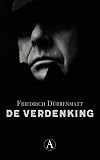
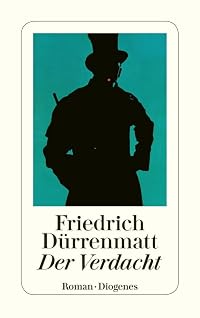
Inspector Barlach pursues a former Nazi doctor by checking into his clinic with the hope of forcing him to reveal himself, but then the tables are turned, and Barlach finds himself helpless in the clutches of his prey.Tags
Recommendations






























Member Recommendations

Member Reviews
This was pretty riveting for the first third or so, but there's a giant hulking plot device by the name of Gulliver. His propensity to drop into crucial scenes and deliver important information to keep the case going is maddening, and undercuts any investigative prowess Bärlach has. The ending just feels silly and unsatisfying; ultimately, I wish
____________________
Global Challenge: Switzerland
Suspicion looks as if it was first published in instalments in a Swiss newspaper in 1951–2, and then in book form a year later. It is set in late 1948 and early 1949, and trades in that grey world of the post-war war criminal. Is the doctor running a prestigious Zurich clinic really a notorious doctor from a concentration camp?
I’m not going to try to convey the plot, since I’ll give something away, but it’s fair to say that it is equal parts noir and metaphysics. It also has that now-familar trope (small spoiler) of the detective who puts himself in danger to catch his quarry, only to realise that his quarry is two or three steps ahead of him. As tropes go, it would have been a lot less familiar in 1951.
More at: show more target="_top">https://wp.me/pcKvP-1Jc show less
I’m not going to try to convey the plot, since I’ll give something away, but it’s fair to say that it is equal parts noir and metaphysics. It also has that now-familar trope (small spoiler) of the detective who puts himself in danger to catch his quarry, only to realise that his quarry is two or three steps ahead of him. As tropes go, it would have been a lot less familiar in 1951.
More at: show more target="_top">https://wp.me/pcKvP-1Jc show less
Een oude commissaris, die te horen heeft gekregen dat hij aan een ongeneeslijke ziekte lijdt, laat zich naar het ziekenhuis overbrengen van een arts die hij verdenkt van oorlogsmisdaden in het kamp Stutthof.
Il commissario Barlach è in pensione e lotta in un letto di ospedale contro un tumore. Ma una fotografia di un medico che opera in una importante clinica svizzera gli fa tornare la memoria di quando era un ebreo in un campo di concentramento e doveva combattere contro il Male. Quello che proviene dalla ferocia degli uomini e non dalla naturale evoluzione della vita. Il famoso medico che lavora in quella clinica potrebbe essere il Dr. Nehle, un nazista che operava gli ebrei internati senza anestesia. Il sospetto diventa man mano evidenza e così l’anziano commissario decide di farsi ricoverare nella famosa clinica per concludere la sua ultima indagine e, insieme, porre fine alla sua vita. Romanzo robusto, denso, degno della migliore show more letteratura tedesca del secolo scorso. Dürrenmatt pone sostanzialmente l’accento su due aspetti, suddividendo idealmente il romanzo in due parti. Nella prima parte il sospetto, come indicato nella terza di copertina, la farina del demonio, viene posto come elemento fondativo del dubbio, dell’incertezza. Nella seconda parte un dialogo serrato tra Barlach, il dottore, una sua assistente e un’infermiera, in attesa che tutto si compia con l’ultimo e definitivo intervento si trasforma in una riflessione sul senso dell’uomo e dei suoi valori. Grandissimo romanzo. show less
Jan 30, 2023Italian
Dit verhaal begint als een detective, met alweer de Zwitserse inspecteur Bärlach in de hoofdrol. Uit het vorige boek, “De rechter en zijn beul” wisten we al dat Bärlach doodziek was en maar een jaar meer te leven had. We treffen hem nu onmiddellijk na een zware operatie, herstellend in een ziekenhuis. Maar het bloed kruipt waar het niet gaan kan, en nog op zijn ziekbed raakt de inspecteur geïntrigeerd door de zoektocht naar een voormalig Nazi-dokter. Het is best amusant om de denktrant van Bärlach te volgen, en helemaal meegesleurd te worden in diens toenemende vermoedens.
Maar helaas, in het tweede deel, neemt het verhaal een eerder onwaarschijnlijke wending. Bärlach laat zich opnemen in het ziekenhuis dat door de verdachte show more dokter geleid wordt. Hij is vrij zeker dat hij de man zal kunnen ontmaskeren, of liever, dat die zichzelf zal ontmaskeren. Maar om één of andere reden wijkt Dürrenmatt hier van het pad af en verandert zijn detective in een groteske, met het menselijke kwaad in de hoofdrol. Er duiken allerlei afstotelijke figuren op: een moordlustige dwerg, een collega-dokter die voor zijn ogen, dankzij een morfinespuit van een afschuwelijk gedrocht in een knappe verschijning verandert, een religieus-fanatieke verpleegster en tenslotte de bewuste Nazi-dokter zelf die in een betoog van pagina’s lang zijn nihilistische geloofsovertuiging mag debiteren. Het lijkt wel of we in een begin 19de -eeuwse vertelling van E.T.A. Hoffmann zijn beland, de ‘gothic’ sfeer-elementen liggen er echt heel dik op. En dan zwijgen we nog over de werkelijk flauwe ontknoping. Neen, met “De rechter en zijn beul” had Dürrenmatt indruk op mij gemaakt. Dit is helaas een ontspoord verhaal uit een vervlogen tijdperk. show less
Maar helaas, in het tweede deel, neemt het verhaal een eerder onwaarschijnlijke wending. Bärlach laat zich opnemen in het ziekenhuis dat door de verdachte show more dokter geleid wordt. Hij is vrij zeker dat hij de man zal kunnen ontmaskeren, of liever, dat die zichzelf zal ontmaskeren. Maar om één of andere reden wijkt Dürrenmatt hier van het pad af en verandert zijn detective in een groteske, met het menselijke kwaad in de hoofdrol. Er duiken allerlei afstotelijke figuren op: een moordlustige dwerg, een collega-dokter die voor zijn ogen, dankzij een morfinespuit van een afschuwelijk gedrocht in een knappe verschijning verandert, een religieus-fanatieke verpleegster en tenslotte de bewuste Nazi-dokter zelf die in een betoog van pagina’s lang zijn nihilistische geloofsovertuiging mag debiteren. Het lijkt wel of we in een begin 19de -eeuwse vertelling van E.T.A. Hoffmann zijn beland, de ‘gothic’ sfeer-elementen liggen er echt heel dik op. En dan zwijgen we nog over de werkelijk flauwe ontknoping. Neen, met “De rechter en zijn beul” had Dürrenmatt indruk op mij gemaakt. Dit is helaas een ontspoord verhaal uit een vervlogen tijdperk. show less
Feb 26, 2019Dutch
Tyskland, ca 1953
Kriminalkommisær Hans Bärlach er dødssyg, men i en samtale med sin læge Dr. Hungertobel får han mistanke om at en dr. Emmenberg, der ejer et privathospital for rige patienter, er en tidligere nazilæge dr. Nehle og kendt som en djævel blandt koncentrationslejrfangerne i Stuffhof. Hans speciale var operationer uden bedøvelse, dog kun på frivillige. Næsten alle døde på operationsbordet efter ulidelige pinsler, men med håbet om at de ville blive sendt til en af de almindelige kz-lejre hvis de overlevede. En af de sjældne overlevere er jøden Gulliver, der nu kun lever for at hævne jødernes pinsler under krigen. Det er Gulliver, der har skaffet billedet af dr. Nehle. Men Nehle har tilsyneladende begået show more selvmord.
Bärlach lader sig indlægge på Emmenbergs klinik, Sonnenstein i Zürich og får bekræftet mistanken. Uheldigvis opdager Emmenberg hvem han er og tager modforholdsregler. Kommisæren finder sig selv i en sygeseng på enmandsstue med gitter for vinduet, en uforstående sygeplejerske og en læge, der er morfinist og tidligere KZ-fange men alligevel lydig overfor Nehle. På et hængende hår undgår Bärlach at blive opereret til døde ved fuld bevidsthed, da Gulliver dukker op.
Udmærket psykologisk gyser selv om Gulliver har mere karakter af en sagnkæmpe end af en virkelig person show less
Kriminalkommisær Hans Bärlach er dødssyg, men i en samtale med sin læge Dr. Hungertobel får han mistanke om at en dr. Emmenberg, der ejer et privathospital for rige patienter, er en tidligere nazilæge dr. Nehle og kendt som en djævel blandt koncentrationslejrfangerne i Stuffhof. Hans speciale var operationer uden bedøvelse, dog kun på frivillige. Næsten alle døde på operationsbordet efter ulidelige pinsler, men med håbet om at de ville blive sendt til en af de almindelige kz-lejre hvis de overlevede. En af de sjældne overlevere er jøden Gulliver, der nu kun lever for at hævne jødernes pinsler under krigen. Det er Gulliver, der har skaffet billedet af dr. Nehle. Men Nehle har tilsyneladende begået show more selvmord.
Bärlach lader sig indlægge på Emmenbergs klinik, Sonnenstein i Zürich og får bekræftet mistanken. Uheldigvis opdager Emmenberg hvem han er og tager modforholdsregler. Kommisæren finder sig selv i en sygeseng på enmandsstue med gitter for vinduet, en uforstående sygeplejerske og en læge, der er morfinist og tidligere KZ-fange men alligevel lydig overfor Nehle. På et hængende hår undgår Bärlach at blive opereret til døde ved fuld bevidsthed, da Gulliver dukker op.
Udmærket psykologisk gyser selv om Gulliver har mere karakter af en sagnkæmpe end af en virkelig person show less
Aug 21, 2009 (Edited)Danish
Ratings
Members
- Recently Added By
Lists

German Literature
518 works; 55 members

1950s
340 works; 22 members

Books Read in 2020
4,379 works; 123 members

Books mentioned in Julian Symons’ Bloody Murder
438 works; 6 members

Books Read in 2018
4,360 works; 110 members

CH-Autoren (Swiss Authors)
265 works; 9 members
Author Information

368+ Works 13,244 Members
Durrenmatt was born near Bern, Switzerland, the son of a Protestant clergyman. He studied philosophy and theology and originally planned to become a painter. "All of a sudden," he has said, "I began to write, and I just had no time to finish my University degree." He has called his first play, It Is Written (1947), "a wild story of Anabaptists show more during the Reformation." When it was first produced in Zurich, it caused a minor theatrical scandal because of its somewhat unorthodox sentiments. The Marriage of Mr. Mississippi, his first successful comedy, was produced in Munich in 1952 and, as adapted by Maximillian Slater with the title Fools are Passing Through, had a brief off-Broadway production in 1958. With this play he became established as one of the most popular European dramatists writing in German. His seventh play, The Visit (1956), which starred Alfred Lunt and Lynn Fontanne on Broadway, received the N.Y. Drama Critics Circle Award in 1959. Brooks Atkinson called it "devastating. A bold, grisly drama of negativism and genius." (Bowker Author Biography) show less
Some Editions
Series

Belongs to Publisher Series
Work Relationships
Is contained in
Has as a student's study guide
Common Knowledge
- Canonical title
- The Quarry
- Original title
- Der Verdacht
- Alternate titles
- Suspicion
- Original publication date
- 1961
- People/Characters
- Hans Barlach; Dr. Lucius Lutz; Dr. Samuel Hungertobel
- Important places
- Switzerland; Bern, Bern, Switzerland; Zürich, Zürich, Switzerland
- First words
- Bärlach war Anfangs November 1948 ins Salem eingeliefert worden, in jenes Spital, von dem aus man die Altstadt Berns mit dem Rathaus sieht.
- Last words
- (Click to show. Warning: May contain spoilers.)Der Alte schloss die Augen. Der Friede, der über ihn kam, tat ihm wohl; um so mehr, da er nun wusste, dass in der leise sich öffnenden Türe Hungertobel stand, ihn nach Bern zurückzubringen.
- Original language*
- Deutsch
*Some information comes from Common Knowledge in other languages. Click "Edit" for more information.
Classifications
- Genres
- Fiction and Literature, General Fiction, Mystery
- DDC/MDS
- 833.914 — Literature & rhetoric German & related literatures German fiction 1900- 1900-1990 1945-1990
- LCC
- PT2607 .U493 .V38 — Language and Literature German, Dutch and Scandinavian literatures German literature Individual authors or works 1860/70-1960
Statistics
- Members
- 726
- Popularity
- 38,971
- Reviews
- 6
- Rating
- (3.89)
- Languages
- 13 — Danish, Dutch, English, Estonian, Finnish, German, Hungarian, Italian, Norwegian (Bokmål), Portuguese, Spanish, Swedish, Turkish
- Media
- Paper, Audiobook, Ebook
- ISBNs
- 38
- ASINs
- 22