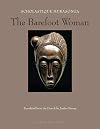
The Barefoot Woman
by Scholastique Mukasonga
On This Page
Description
"A moving, unforgettable tribute to a Tutsi woman who did everything to protect her children from the Rwandan genocide, by the daughter who refuses to let her family's story be forgotten. The story of the author's mother, a fierce, loving woman who for years protected her family from the violence encroaching upon them in pre-genocide Rwanda. Recording her memories of their life together in spare, wrenching prose, Mukasonga preserves her mother's voice in a haunting work of art."--Provided by show more publisher. show lessTags
Recommendations









Member Reviews
When I hear Rwanda and Tutsi, my thoughts go to the 1990s - the Civil war and then the genocide of 1994. Somewhere at the back of my mind I had always known that it did not start in the 90s and there were deeper problems somewhere there but I'd be the first to admit that I shied from looking up the details - the story next door to me in Yugoslavia was stomach-turning enough to go and look for another one. And then this book just showed up.
Scholastique Mukasonga was born in 1956 in Rwanda to Tutsi parents. Before she understands enough to really remember life before the change, her family is exiled to another part of the country, losing their way of life and everything they owned. So her connection to the traditions and the past becomes show more her mother, Stefania. And this slim book is a tribute to the mother - but in a way also a tribute to the Rwanda that never existed for her and to all the mothers.
Writing from the safety of France in 2008 (well - relative safety anyway), long after everyone she is writing is dead, Scholastique Mukasonga tells the story of a displaced culture, of people turned into refugees in their own country. She is not trying to generalize and explain how everyone lived - she recounts her own memories from her family and neighbors. And as with every life, these memories are full of sorrow and laughter, disappointment and hope. Except that she never lets the hope stand - anytime when any hope even tries to glimmer through, she reminds us that noone survives, that all those people got slaughtered in their own homes before they could realize their dreams. She does not need to be explicit or repeat the banal words of death - a small sentence at the end of a chapter is enough to remind you that this world does not exist anymore and will never exist anymore.
I often find memoirs about one's childhood to be too infused with the knowledge of what is coming and where the story leads. And this should have felt the same way - but it does not. It is not the voice of the growing girl but it is not the analytical voice of the mature immigrant either - it manages to stay somewhere in the middle.
This is the first book I read by Mukasonga and it definitely will not be the last - her writing style works that do not always make sense but somehow do. show less
Scholastique Mukasonga was born in 1956 in Rwanda to Tutsi parents. Before she understands enough to really remember life before the change, her family is exiled to another part of the country, losing their way of life and everything they owned. So her connection to the traditions and the past becomes show more her mother, Stefania. And this slim book is a tribute to the mother - but in a way also a tribute to the Rwanda that never existed for her and to all the mothers.
Writing from the safety of France in 2008 (well - relative safety anyway), long after everyone she is writing is dead, Scholastique Mukasonga tells the story of a displaced culture, of people turned into refugees in their own country. She is not trying to generalize and explain how everyone lived - she recounts her own memories from her family and neighbors. And as with every life, these memories are full of sorrow and laughter, disappointment and hope. Except that she never lets the hope stand - anytime when any hope even tries to glimmer through, she reminds us that noone survives, that all those people got slaughtered in their own homes before they could realize their dreams. She does not need to be explicit or repeat the banal words of death - a small sentence at the end of a chapter is enough to remind you that this world does not exist anymore and will never exist anymore.
I often find memoirs about one's childhood to be too infused with the knowledge of what is coming and where the story leads. And this should have felt the same way - but it does not. It is not the voice of the growing girl but it is not the analytical voice of the mature immigrant either - it manages to stay somewhere in the middle.
This is the first book I read by Mukasonga and it definitely will not be the last - her writing style works that do not always make sense but somehow do. show less
Um livro dramático, triste e ao mesmo tempo engraçado, singelo, bonito, emocionante. Logo de cara a autora nos conta como tudo vai acabar, e isso torna o livro mais tenso, pois vamos nos apaixonando pela vida das pessoas naquela pequena vila sabendo do final trágico que os espera. Essa forma de contar antecipando o final, pode ter tirado o impacto emocional se fosse deixado apenas para o final a tragédia. Por outro lado, desse jeito, vamos construindo uma tristeza a cada passo, nos dando conta que aquelas vidas, projetos, anseios, amores, vai tudo terminar. A narrativa é na primeira pessoa da autora, pois são suas memórias e ela opta por na maioria das vezes manter a realidade da narração dentro da verdade da autora menina, sem show more criar uma camada crítica desnecessária da autora que vive na europa. Com isso conseguimos nos sentir mais próximos daquela gente, entender seus pontos de vista, e se encantar com o modo que vivem e se apaixonar por cada um. As memórias são centradas principalmente nas mulheres, que nessa vila têm uma vida meio separada dos homens, e isso é ainda mais interessante, pois não é uma história da guerra dos homens, mas a história da paz que era costurada dia a dia pelas mulheres. Felizmente Scholastique sobreviveu para nos contar, e manter viva aquela vila no imaginário de cada um nós leitores. show less
In this 2019 National Book Award Finalist for translated literature, Mukasonga conjures her mother, her family, and her neighbors as they reshape traditions to fit their lives as refugees in the mounting violence that will lead to the Rwandan genocide. Mukasonga leaves the tragedy in the background, giving center stage instead to the people and their daily lives.
Reading this, I'm struck once again by how colonization shapes a people, how outsiders applying foreign values of good and bad, moral and immoral, civilized and savage influence how a people sees itself and derails social systems in place for generations. Regardless of one's judgment of those social systems and how they serve the individuals within the society, colonization is show more a profoundly destabilizing influence. Writing this, I'm struck by just how obvious that statement is, but still it's taken the better part of four decades to see it.
This book isn't an overtly political work, but these and other messages come through perhaps even more poignantly than they would if addressed directly. It's powerful, authentic, and very much worth the read. show less
Reading this, I'm struck once again by how colonization shapes a people, how outsiders applying foreign values of good and bad, moral and immoral, civilized and savage influence how a people sees itself and derails social systems in place for generations. Regardless of one's judgment of those social systems and how they serve the individuals within the society, colonization is show more a profoundly destabilizing influence. Writing this, I'm struck by just how obvious that statement is, but still it's taken the better part of four decades to see it.
This book isn't an overtly political work, but these and other messages come through perhaps even more poignantly than they would if addressed directly. It's powerful, authentic, and very much worth the read. show less
In this memoir Mukasonga reminisces about her life as a child as a Tutsi in Rwanda. Her family had been exiled to the Bugasera district in the 1960s, and most of this book revolves around how hard her mother worked to keep their traditions alive against all odds. Without a proper courtyard for women to convene in, without the cows required for proper ceremonies, without being able to let girls run errands on their own--her mother Stefania does her best to create new spaces, to work around the old traditions, to make sure her children know their roots. Many of their neighbors have the same traditions, but others are from others areas and do not. They all do their best in this new place, struggling to keep their children safe.
Mukasonga show more was able to flee to Burundi and eventually settled in France. It was there she learned her mother and much of her family were killed in the 1994 genocide.
This book is quite short and spare, which makes it stronger. Mukasonga somehow makes this topic so eloquent--she knows how their lives should have been, and knows her family's traditions. But she also recognizes how much of her knowledge is simply due to her mother's sheltering her children, and working tirelessly to follow the ways of their culture, to educate her children, to keep them steeped in traditional stories, food, drink, and ceremony--despite all obstacles. show less
Mukasonga show more was able to flee to Burundi and eventually settled in France. It was there she learned her mother and much of her family were killed in the 1994 genocide.
This book is quite short and spare, which makes it stronger. Mukasonga somehow makes this topic so eloquent--she knows how their lives should have been, and knows her family's traditions. But she also recognizes how much of her knowledge is simply due to her mother's sheltering her children, and working tirelessly to follow the ways of their culture, to educate her children, to keep them steeped in traditional stories, food, drink, and ceremony--despite all obstacles. show less
Scholastique Mukasonga’s mother used to tell her daughters that it was their duty to cover her when she died. By shrouding her body in a pagne, the colourful wrapper worn by both women and men, they could preserve decency and allow her soul to safely move on to the next stage of its journey. But Mukasonga was living far away in France when her mother was horrifically murdered, alongside her sisters, brothers, neighbours and friends, in the Rwandan genocide of 1994. Unable to fulfil her mother’s wish, Mukasonga instead pays tribute to her with this extraordinary memoir. It is a celebration of one remarkable woman, but also of all the women whom Mukasonga knew as a girl: the energetic, creative, passionate, devout neighbours who show more helped an exiled community to maintain its dignity in the face of racial hatred, and who fought to give their children as normal a life as possible in a world where nothing was normal any more. Blessed with a lyrical and eminently readable translation by Jordan Stump, this little slice of vanished Rwandan life might just end up being one of my books of the year...
For the full review, please see my blog:
https://theidlewoman.net/2019/08/02/the-barefoot-woman-scholastique-mukasonga/ show less
For the full review, please see my blog:
https://theidlewoman.net/2019/08/02/the-barefoot-woman-scholastique-mukasonga/ show less
Mukasonga's work always flirts with anthropological white-guilt interest stuff, and this time she seems to have gone all in on that. If you're yearning for a more authentic, more true human experience, you will probably find everything here deeply meaningful. If you're looking for what the publicity promises (i.e., depiction of an individual), you're likely to be disappointed: Mukasonga's mother certainly seems like a character, but not much else. The restraint shown in dealing with horror is admirable, and so is Stump's translation. But I fear the returns on Mukasonga's books are diminishing.
A powerfully, strong and loving tribute to an amazing mother. A telling of the effects of colonization, displacement and exile.
"Maybe the Hutu authorities put in charge of the newly-independent Rwanda by the Belgiandps and the Church were hoping the Tutsis of Nyamata would gradually be wiped out by sleeping sickness and famine. In any case, the region they chose to send them to, the Bugesera, seemed inhospitable enough to make those internal exiles survival more than unlikely."
Driven from their home, her mother, tried to make a home where they now found themselves. Trying to keep her children alive, she found places and ways for them to hide. Hid food on escape paths, and had practice drills. She refused to let their culture die in show more this new, inhospitable place, and this book is full of examples of their daily lives, their practices, what they meant and how they were achieved. Sitting ducks for any violence visited on them, they tried to keep family together, intact. Stephana, her mother was an amazing women, strong and formidable. Strongly believed in education and due to that Mukasonga was in another country when the genocide occurred, where most including her family were murdered.
A wonderful book, wonderful because of the tender, loving way she portrays her mother. Difficult too, because one knows the ending if they know anything about the genocide in Rwanda.
ARC from Edelweiss. show less
"Maybe the Hutu authorities put in charge of the newly-independent Rwanda by the Belgiandps and the Church were hoping the Tutsis of Nyamata would gradually be wiped out by sleeping sickness and famine. In any case, the region they chose to send them to, the Bugesera, seemed inhospitable enough to make those internal exiles survival more than unlikely."
Driven from their home, her mother, tried to make a home where they now found themselves. Trying to keep her children alive, she found places and ways for them to hide. Hid food on escape paths, and had practice drills. She refused to let their culture die in show more this new, inhospitable place, and this book is full of examples of their daily lives, their practices, what they meant and how they were achieved. Sitting ducks for any violence visited on them, they tried to keep family together, intact. Stephana, her mother was an amazing women, strong and formidable. Strongly believed in education and due to that Mukasonga was in another country when the genocide occurred, where most including her family were murdered.
A wonderful book, wonderful because of the tender, loving way she portrays her mother. Difficult too, because one knows the ending if they know anything about the genocide in Rwanda.
ARC from Edelweiss. show less
Members
- Recently Added By
Lists

Rwanda
27 works; 1 member

Stories of War and Revolution
143 works; 54 members

Top Five Books of 2020
982 works; 350 members

Books With Body Parts in the Title
153 works; 9 members

Novels featuring Mothers
64 works; 8 members

Best African and African diaspora books
111 works; 4 members
Author Information

13 Works 1,102 Members
Some Editions
Awards and Honors
Series
Belongs to Publisher Series
Gallimard, Folio (5382)
Common Knowledge
- Canonical title*
- Barfotakvinnan
- Original title
- La femme aux pieds nus
- Original publication date
- 2008 (original French) (original French); 2018 (English: Stump) (English: Stump)
- People/Characters
- Stefania (Mother)
- Important places
- Rwanda
- First words*
- Souvent ma mère s'arrêtait au milieu d'une de ces innombrables tâches qui s'enchaînaient tout au long de la journée d'une femme (balayer la cour, écosser, trier les haricots, sarcler le sorgho, retourner la terre, déte... (show all)rrer les patates douces, éplucher les bananes avant la cuisson...) et elle nous appelait, nous, les trois cadettes qui étions encore à la maison, non pas par les noms qu'on nous avait attribués au baptême, Jeanne, Julienne, Scholastique, mais de nos noms véritables, ceux qu'à la naissance nous avaient donnés notre père et dont la signification, toujours sujette à interprétations, paraissait dessiner notre avenir : "Umubyeyi, Uwamubyirura, Mukasonga !".
- Quotations
- Mama, I wasn't there to cover your body, and all I have left is words--words in a language you didn't understand--to do as you asked. And I'm all alone with my feeble words, and on the pages of my notebook, over and over, my ... (show all)sentences weave a shroud for your missing body.
- Original language
- French
*Some information comes from Common Knowledge in other languages. Click "Edit" for more information.
Classifications
- Genres
- Biography & Memoir, Nonfiction
- DDC/MDS
- 305.800967571 — Society, government, & culture Social sciences, sociology & anthropology Social group - Age, Gender, Ethnicity Ethnic and national groups standard subdivisions / Ethnic and national groups with ethnic origins from more than one continent, of European descent standard subdivisions Biography And History Africa Africa, Sub-Saharan
- LCC
- DT450.437 .M85 .M8613 — History of Europe, Asia, Africa and Oceania Africa History of Africa Eastern Africa Burundi History
- BISAC
Statistics
- Members
- 221
- Popularity
- 147,754
- Reviews
- 10
- Rating
- (4.08)
- Languages
- 6 — English, French, German, Portuguese (Portugal), Spanish, Swedish
- Media
- Paper, Audiobook, Ebook
- ISBNs
- 15
- ASINs
- 2