Can Such Things Be?
by Ambrose Bierce
All Stories by Ambrose Bierce (2), Collected Works of Ambrose Bierce (3)
On This Page
Description
Ambrose Bierce gained literary acclaim as a skilled satirist and chronicler of battlefield bravery. In the thrilling collection Can Such Things Be?, the Devil's Dictionary scribe turns his attention to all things spooky and fantastical. It's the perfect collection to read in front of the fire on a dark and stormy night..
Tags
Recommendations













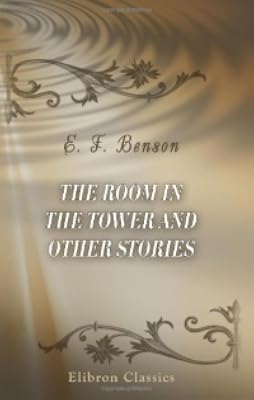
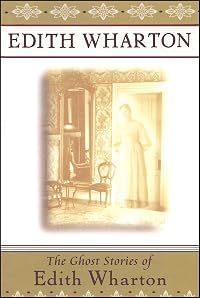
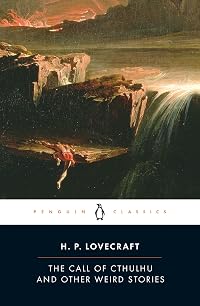


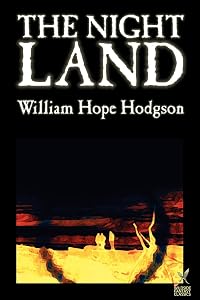


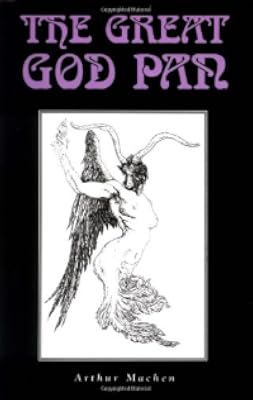

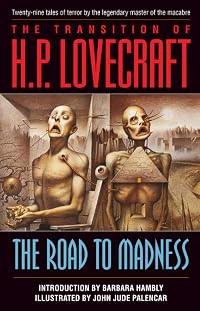


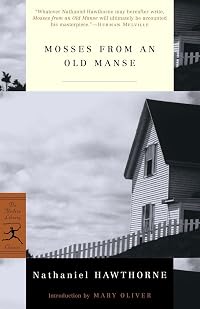


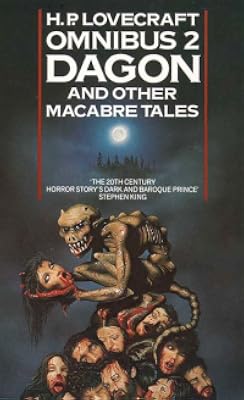
Member Recommendations

Member Reviews
Lovecraft nos habla de Ambrose Bierce en ‘El horror sobrenatural en la litaratura’: ”Prácticamente, todos sus cuentos son de horror, y aunque muchos tratan sólo de horrores físicos y psicológicos, dentro del orden natural, hay un número considerable que incorpora lo malignamente sobrenatural. Es el gran creador de sombras.”
Poco se puede decir de Ambrose Bierce que no se haya dicho ya. “Bitter” Bierce (el amargo Bierce), como lo bautizaron los ingleses, es uno de los mejores cuentistas de la literatura norteamericana, y por extensión mundial, a la altura de figuras como Edgar Allan Poe, Nathaniel Hawthorne, Mark Twain o Jack London. Bierce es conocido por su sarcasmo caústico, su misantropía y su descarnado humor show more negro, pero también hay que tener en cuenta que revolucionó la manera de acercarse a las historias de terror.
Algo a destacar de la obra fantástica de Bierce, es su capacidad para dotar de verosimilitud a lo que nos está narrando, aunque nunca lleguemos a saber si se basa en hechos reales o leyendas. Puede que te esté hablando de extraños fenómenos, como desapariciones o muertos que se levantan de sus tumbas, que te consta que no pueden suceder, pero siempre te queda una pequeña duda. Bierce no se plantea dar explicaciones racionales, simplemente te cuenta, con su particular estilo periodístico, cómo suceden las cosas.
Historias como la fascinante ‘Un habitante de Carcosa’, nos hablan de la legendaria Carcosa, y servirían de inspiración tanto a Lovecraft como a su círculo más íntimo, evocando su atmósfera, donde la desolación y las civilizaciones ancestrales recuerdan a la mitología de Cthulhu.
De entre los cuarenta y dos relatos incluidos en '¿Pueden suceder tales cosas?', se pueden destacar los siguientes, todos ellos obras maestras: ‘La muerte de Halpin Frayser’, ‘Suceso en el puente sobre el río Owl’, ‘Una carretera iluminada por la luna’, ‘El maestro de Moxon’, ‘Un vigilante junto al muerto’, ‘El hombre y la serpiente’, ‘El dedo corazón del pie derecho’, ‘El engendro maldito’, ‘Los ojos de la pantera’, ‘Soldadesca del pueblo’, ‘Algunas casas encantadas’ y ‘El clan de los parricidas’.
En resumen, una obra imprescindible de un autor imprescindible. show less
Poco se puede decir de Ambrose Bierce que no se haya dicho ya. “Bitter” Bierce (el amargo Bierce), como lo bautizaron los ingleses, es uno de los mejores cuentistas de la literatura norteamericana, y por extensión mundial, a la altura de figuras como Edgar Allan Poe, Nathaniel Hawthorne, Mark Twain o Jack London. Bierce es conocido por su sarcasmo caústico, su misantropía y su descarnado humor show more negro, pero también hay que tener en cuenta que revolucionó la manera de acercarse a las historias de terror.
Algo a destacar de la obra fantástica de Bierce, es su capacidad para dotar de verosimilitud a lo que nos está narrando, aunque nunca lleguemos a saber si se basa en hechos reales o leyendas. Puede que te esté hablando de extraños fenómenos, como desapariciones o muertos que se levantan de sus tumbas, que te consta que no pueden suceder, pero siempre te queda una pequeña duda. Bierce no se plantea dar explicaciones racionales, simplemente te cuenta, con su particular estilo periodístico, cómo suceden las cosas.
Historias como la fascinante ‘Un habitante de Carcosa’, nos hablan de la legendaria Carcosa, y servirían de inspiración tanto a Lovecraft como a su círculo más íntimo, evocando su atmósfera, donde la desolación y las civilizaciones ancestrales recuerdan a la mitología de Cthulhu.
De entre los cuarenta y dos relatos incluidos en '¿Pueden suceder tales cosas?', se pueden destacar los siguientes, todos ellos obras maestras: ‘La muerte de Halpin Frayser’, ‘Suceso en el puente sobre el río Owl’, ‘Una carretera iluminada por la luna’, ‘El maestro de Moxon’, ‘Un vigilante junto al muerto’, ‘El hombre y la serpiente’, ‘El dedo corazón del pie derecho’, ‘El engendro maldito’, ‘Los ojos de la pantera’, ‘Soldadesca del pueblo’, ‘Algunas casas encantadas’ y ‘El clan de los parricidas’.
En resumen, una obra imprescindible de un autor imprescindible. show less
Ambrose Bierce was a journalist and a professional wit so it's sometimes difficult to reconcile his quips and his muckraking with the irrational and spiritual nature of horror, and especially his particular style of country horror. But he was a soldier in the civil war so he had seen his share of the American wilderness and of death and destruction. His dry personality is most evident when he describes ignorant yokel characters using highfalutin language.
But there is still something inexplicably natural and essential in his prose that I love. He created scenes and atmospheres that were both natural and unnatural, or perhaps in a way proto-natural, evoking ancient places and forces that even Manifest Destiny shouldn't disturb. Bierce show more had the ability to channel the superstitious cowboy that must exist in all of us, expressing frontier wisdom through ghost stories. "Don't go near that gulch! Lemme tell you about some buckaroos who went near that gulch, they were eaten by a ghost." show less
But there is still something inexplicably natural and essential in his prose that I love. He created scenes and atmospheres that were both natural and unnatural, or perhaps in a way proto-natural, evoking ancient places and forces that even Manifest Destiny shouldn't disturb. Bierce show more had the ability to channel the superstitious cowboy that must exist in all of us, expressing frontier wisdom through ghost stories. "Don't go near that gulch! Lemme tell you about some buckaroos who went near that gulch, they were eaten by a ghost." show less
Ambrose Bierce was an American civil war veteran, journalist and short story writer. This selection of 24 of his stories was first published in 1909. I read it because of its inclusion on some proto science fiction lists, but really the stories would fit more easily into the genres of horror or supernatural stories. As I started reading through the collection I was impressed with Bierce's ability to set the scene; here is an example:
"The day, I thought, must be far advanced, though the sun was invisible; and although sensible that the air was raw and chill my consciousness of that fact was rather mental than physical—I had no feeling of discomfort. Over all the dismal landscape a canopy of low, lead-colored clouds hung like a visible show more curse. In all this there were a menace and a portent—a hint of evil, an intimation of doom. Bird, beast, or insect there was none. The wind sighed in the bare branches of the dead trees and the gray grass bent to whisper its dread secret to the earth; but no other sound nor motion broke the awful repose of that dismal place."
I was disappointed that some of the stories did not progress much further than a description of events, there seemed to be no resolution. Many of them read like ghost stories, almost all of them feature a death of some kind, but the quality of the writing and my realisation that Bierce was intent on providing a disturbing story for the reader to consider and wonder if "[Can such things be?]" was enough to keep me reading. A typical example is the final story in the collection; a group of would be settlers are pushing through some hostile Indian country and have camped for the night. A man appears out of the darkness and tells the group a story of four men who were run to ground by a band of apaches nearby. There were no survivors and the storyteller quietly slips away, leaving the group of settlers wondering if they had just seen a ghost.
I enjoyed the stories the more I read through them, not expecting resolutions, but content to enjoy the feeling of strange things afoot. Of course some of the stories work better than others, but most manage to create an eerie atmosphere even if a suspension of belief is required. When these stories were written in the late nineteenth century, spiritualism was still considered by many to be part of everyday life; scientific investigations and debunkers of fraud had not yet convinced the general public that ghosts and the supernatural were not prevalent. Bierce honed in on this wave of uncertainty and belief in the supernatural; to create his disturbing stories, which can still be enjoyed today 3.5 stars. show less
"The day, I thought, must be far advanced, though the sun was invisible; and although sensible that the air was raw and chill my consciousness of that fact was rather mental than physical—I had no feeling of discomfort. Over all the dismal landscape a canopy of low, lead-colored clouds hung like a visible show more curse. In all this there were a menace and a portent—a hint of evil, an intimation of doom. Bird, beast, or insect there was none. The wind sighed in the bare branches of the dead trees and the gray grass bent to whisper its dread secret to the earth; but no other sound nor motion broke the awful repose of that dismal place."
I was disappointed that some of the stories did not progress much further than a description of events, there seemed to be no resolution. Many of them read like ghost stories, almost all of them feature a death of some kind, but the quality of the writing and my realisation that Bierce was intent on providing a disturbing story for the reader to consider and wonder if "[Can such things be?]" was enough to keep me reading. A typical example is the final story in the collection; a group of would be settlers are pushing through some hostile Indian country and have camped for the night. A man appears out of the darkness and tells the group a story of four men who were run to ground by a band of apaches nearby. There were no survivors and the storyteller quietly slips away, leaving the group of settlers wondering if they had just seen a ghost.
I enjoyed the stories the more I read through them, not expecting resolutions, but content to enjoy the feeling of strange things afoot. Of course some of the stories work better than others, but most manage to create an eerie atmosphere even if a suspension of belief is required. When these stories were written in the late nineteenth century, spiritualism was still considered by many to be part of everyday life; scientific investigations and debunkers of fraud had not yet convinced the general public that ghosts and the supernatural were not prevalent. Bierce honed in on this wave of uncertainty and belief in the supernatural; to create his disturbing stories, which can still be enjoyed today 3.5 stars. show less
A pretty good and varied group of preternatural tales. They vary in length, tone and content, the stories are rarely funny but many of the characters have a good sense of humour.
From your average ghost story to psychic connections, the macabre and the mundane. I listened to most of them on a decent Librivox version.
From your average ghost story to psychic connections, the macabre and the mundane. I listened to most of them on a decent Librivox version.
This was an interesting introduction to the works of Ambrose Bierce.
Zijn de verhalen in 'Midden in het leven' vooral psychologisch, zelfs die met een macabere toets, in 'Is zoiets mogelijk?' gaat het om klassieke spookverhalen. De grens tussen leven en dood is flinterdun, zo blijkt telkens opnieuw. Alleen het sprookje over Haita, de herder springt wat uit de band. En de liefhebbers van 'True Detective' ontdekken hier waar 'Carcosa' vandaan komt.
Jun 30, 2016Dutch
Ratings
Members
- Recently Added By
Lists

Lovecraft's 'Supernatural Horror in Literature' Reading List
216 works; 8 members

Books mentioned in Julian Symons’ Bloody Murder
438 works; 6 members
Author Information

555+ Works 15,369 Members
Ambrose Bierce was a brilliant, bitter, and cynical journalist. He is also the author of several collections of ironic epigrams and at least one powerful story, "An Occurrence at Owl Creek Bridge." Bierce was born in Ohio, where he had an unhappy childhood. He served in the Union army during the Civil War. Following the war, he moved to San show more Francisco, where he worked as a columnist for the newspaper the Examiner, for which he wrote a number of satirical sketches. Bierce wrote a number of horror stories, some poetry, and countless essays. He is best known, however, for The Cynic's Word Book (1906), retitled The Devil's Dictionary in 1911, a collection of such cynical definitions as "Marriage: the state or condition of a community consisting of a master, a mistress, and two slaves, making in all, two." Bierce's own marriage ended in divorce, and his life ended mysteriously. In 1913, he went to Mexico and vanished, presumably killed in the Mexican revolution. (Bowker Author Biography) show less
Some Editions
Series


Belongs to Publisher Series
Work Relationships
Common Knowledge
- Canonical title
- Can Such Things Be?
- Original title
- Can Such Things Be?
- Alternate titles
- Collected Works of Ambrose Bierce, Vol. 3: Can Such Things Be?
- Original publication date
- 1893
- Disambiguation notice
- Contents:
- The Death of Halpin Frayser
- The Mocking-Bird
- My Favorite Murder
- One Officer, One Man
- The Man Out of the Nose
- An Occurrence at Brownville
- Jupiter Doke, Brigadier General
- The Famous Gilson Bequest
- The Story of a Conscience
- The Secret of Macarger's Gulch
- The Major's Tale
- A Psychological Shipwreck
- One Kind of Officer:
- I. One of the Uses of Civility
- II. Under What Circumstances Men Do Not Wish to Be Shot
- III. How to Play the Cannon without Notes
- IV. To Introduce General Masterson
- V. How Sounds Can Fight Shadows
- VI. Why, Being Affronted by A, It Is Not Best to Affront B
- The Applicant
- One of the Twins
- The Night-Doings at "Deadman's"
- The Widower Turmore
- George Thurston: Three Episodes in the Life of a Brave Man
- John Bartine's Watch: A Story Written from Notes of a Physician
- The Realm of the Unreal
- A Baby Tramp
- Some Haunted Houses:
- "The Isle of Pines"
- A Fruitless Assignment
- The Thing at Nolan
- Bodies of the Dead:
- That of Granny Magone
- A Light Sleeper
- The Mystery of John Farquharson
- Dead and "Gone"
- A Cold Night
- A Creature of Habit
- "Mysterious Disappearances":
- The Difficulty Crossing a Field
- An Unfinished Race
- Charles Ashmore's Trail
Classifications
Statistics
- Members
- 307
- Popularity
- 104,698
- Reviews
- 6
- Rating
- (3.88)
- Languages
- 6 — Dutch, English, French, Polish, Romanian, Spanish
- Media
- Paper, Audiobook, Ebook
- ISBNs
- 66
- ASINs
- 18