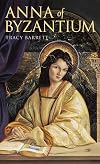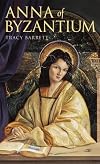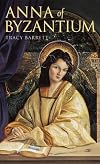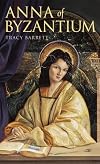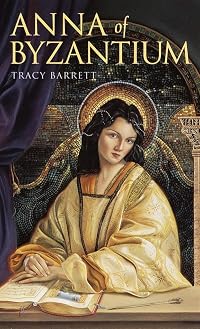
Anna of Byzantium
by Tracy Barrett
On This Page
Description
In the eleventh century the teenage princess Anna Comnena fights for her birthright, the throne to the Byzantine Empire, which she fears will be taken from her by her younger brother John because he is a boy.Tags
Recommendations
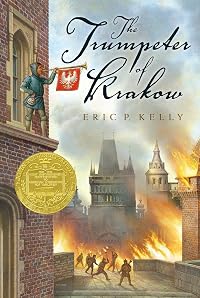
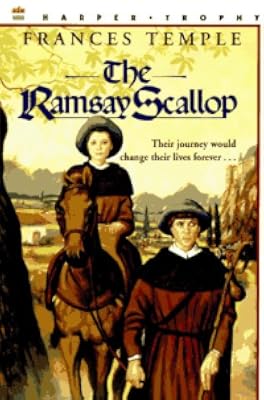
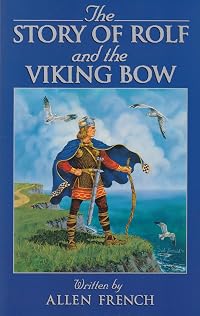

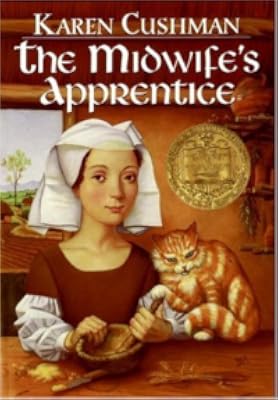

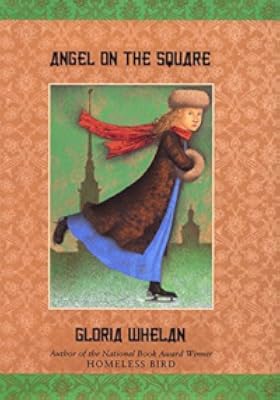


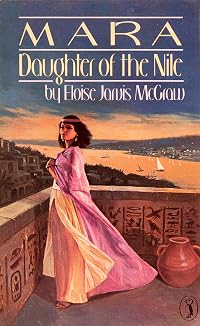
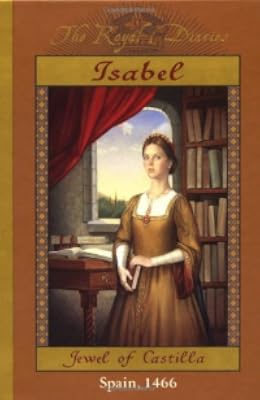
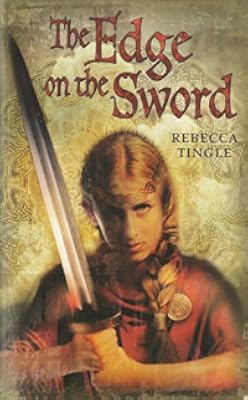




Member Recommendations
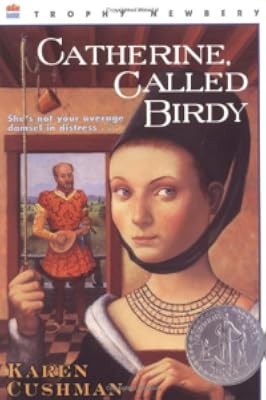
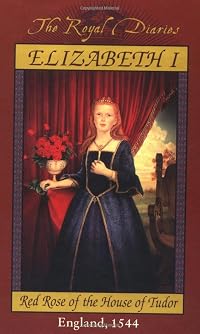
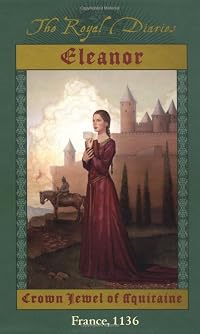
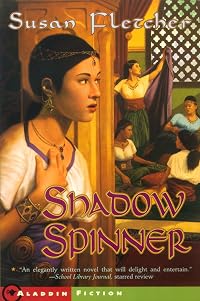
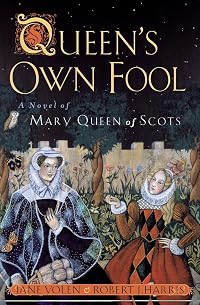
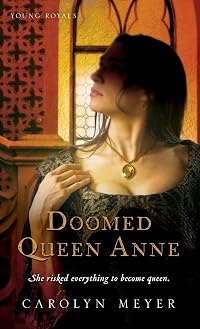
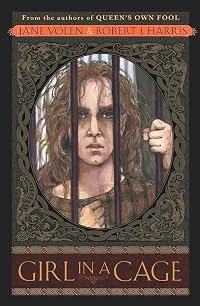
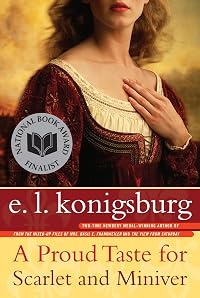
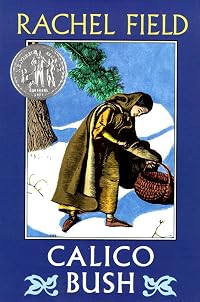
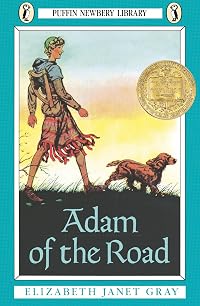
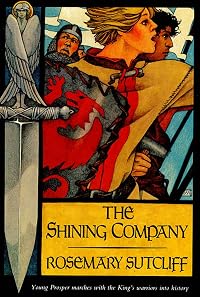
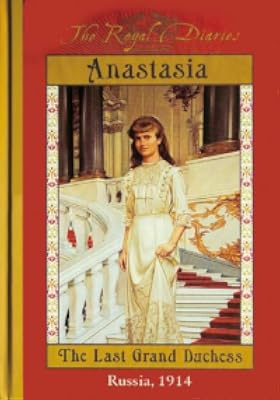
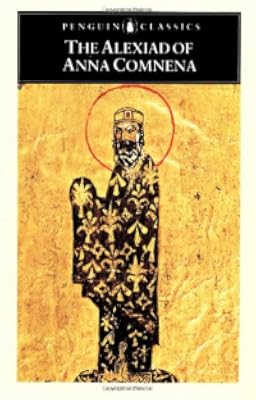
HollyMS Both are works that take a look at famous historical females whose legacies today are mostly negative.
Also recommended by rebecca191
Member Reviews
This is an..introduction...to Princess Anna Comnenus (about whom I knew nothing.)
Written for the YA reader (but I quite enjoyed it, aged nearly 60!) it evokes the Byzantine palace pretty well, and gives an impression of her hatred for her younger brother (who gets the crown when she had hoped for it)
After seeking to poison him, she spends the rest of her life condemned to a convent- where she wrote a memoir of her late father, The Alexiad.
But checking her life story, there are unanswered gaps. Younger brother John (a spoilt and hateful chid here) became a much-loved king.
Anna's incarceration (here occurring when she's still a teen) was actually after several years marriage and several children...
So the jury's out on the details...but show more an interesting read that certinly introduces the characters.. show less
Written for the YA reader (but I quite enjoyed it, aged nearly 60!) it evokes the Byzantine palace pretty well, and gives an impression of her hatred for her younger brother (who gets the crown when she had hoped for it)
After seeking to poison him, she spends the rest of her life condemned to a convent- where she wrote a memoir of her late father, The Alexiad.
But checking her life story, there are unanswered gaps. Younger brother John (a spoilt and hateful chid here) became a much-loved king.
Anna's incarceration (here occurring when she's still a teen) was actually after several years marriage and several children...
So the jury's out on the details...but show more an interesting read that certinly introduces the characters.. show less
A story giving flesh to the historical character of Anna of Byzantium. Yes, it's historical fiction and liberties were taken with the characters, but overall I found it fairly interesting. The Byzantine empire isn't something I'm terribly familiar with, but this book definitely piqued my interest in it. I also enjoyed the references made to classical myths my Anna's teacher. Always fun to see classics at work. I enjoy reading books like this based on lesser known historical characters. We get caught up on the same few "big" characters of the past that so many other interesting people get overlooked. I'm happy to see fiction like this in the young adult section, letting children know about these lesser known figures like Anna.
That being show more said, I really disliked Anna. She's the main character and I suppose as such you're supposed to empathize with her and see things from her perspective, but I had trouble as seeing her as anything more than a spoiled brat who was trying to play a game that she didn't realize the rules of. Maybe I just got off on the wrong foot with her in the beginning chapters, after all, my first impression was of her whining about how horrible her life was and how everyone was against her and couldn't understand her. She's a spoiled princess. Instead I really enjoyed the character of her brother John. Sure he did some pretty bratty things, but somehow I doubt that Anna would have hesitated to do those same things if she had been in position to do so. Despite his dyslexia, John truly learns to play the game of politics and not only wins his way to the throne but also outmaneuvers the ruthless grandmother. He did what Anna tried to do but better, and in the end he proves to be a good person. True, Anna did redeem herself somewhat by the time the narration returns to her in the convent, but I still feel that on some level she was still the spoiled princess. show less
That being show more said, I really disliked Anna. She's the main character and I suppose as such you're supposed to empathize with her and see things from her perspective, but I had trouble as seeing her as anything more than a spoiled brat who was trying to play a game that she didn't realize the rules of. Maybe I just got off on the wrong foot with her in the beginning chapters, after all, my first impression was of her whining about how horrible her life was and how everyone was against her and couldn't understand her. She's a spoiled princess. Instead I really enjoyed the character of her brother John. Sure he did some pretty bratty things, but somehow I doubt that Anna would have hesitated to do those same things if she had been in position to do so. Despite his dyslexia, John truly learns to play the game of politics and not only wins his way to the throne but also outmaneuvers the ruthless grandmother. He did what Anna tried to do but better, and in the end he proves to be a good person. True, Anna did redeem herself somewhat by the time the narration returns to her in the convent, but I still feel that on some level she was still the spoiled princess. show less
I liked this book mostly because I enjoyed learning about Anna Comnena. I thought it was very straight forward and easy to follow. Not a challenging read for most middle school readers, but a good introduction to the Byzantine Empire and the lives of royal families of the time.
Very interesting tale of a young woman in a Byzantine court. The background information about court customs, food, and protocol is fascinating in itself. The story centers around the relationship of Anna and her domineering grandmother who continually puts Anna's mother down. Anna is caught between love for her parents and her ruthless grandmother who schools her in preparation to ascend the throne.
Anna, in real life, must have been very ambitious as she undertook to dethrone her brother not once but twice. The book takes a liberal hand with the story as it places Anna in exile in a convent as a teenager, but, as the author's note indicates, she actually had married and bore several children.
Anna is known as the author of The Alexiad, show more (available at http://www.fordham.edu/halsall/basis/AnnaComnena-Alexiad.html) an eleven volume book recounting events of her father's reign. I am especially curious about her true relationship with her grandmother, Anna Dalassena, as the one except I read held only praise for her abilities. show less
Anna, in real life, must have been very ambitious as she undertook to dethrone her brother not once but twice. The book takes a liberal hand with the story as it places Anna in exile in a convent as a teenager, but, as the author's note indicates, she actually had married and bore several children.
Anna is known as the author of The Alexiad, show more (available at http://www.fordham.edu/halsall/basis/AnnaComnena-Alexiad.html) an eleven volume book recounting events of her father's reign. I am especially curious about her true relationship with her grandmother, Anna Dalassena, as the one except I read held only praise for her abilities. show less
Novelized account of Princess Anna Comnena’s young life as she was being groomed by her grandmother to succeed her father as Empress of the Byzantine Empire. Anna’s mother is concerned by the deceit and manipulative ways of Anna’s grandmother’s lessons. Anna herself proves as stubborn, ambitious and strong-willed as her grandmother and that’s what is her downfall when she is overheard conspiring against her grandmother and brother. She is deposed as heir to the throne which goes to her hated brother who then exiles her to a convent in the mountains for the rest of her life.
As a young girl, Anna Comnena has many qualities most young women of our times would envy: she is very sure of herself, intelligent and a young beauty. More than that, she’s also a princess designated as successor to her father to rule on the Byzantine Empire. Too perfect to be true? Certainly. Very soon, Anna’s arrogance costs her everything she has ever hoped for.
The novel is a short, fast-paced read with an unusual heroine. It is interesting to read about a young girl with such a self-confidence, who wishes for power and vengence and finally learns a little bit more about life through her failure. The author certainly keeps it interesting, although the conclusion of the book seemed a little long considering the length of the book show more (a small 199 pages). We very seldomely read about the Byzantine Empire, and although the author took some liberties with the history, it is a refreshing setting. show less
The novel is a short, fast-paced read with an unusual heroine. It is interesting to read about a young girl with such a self-confidence, who wishes for power and vengence and finally learns a little bit more about life through her failure. The author certainly keeps it interesting, although the conclusion of the book seemed a little long considering the length of the book show more (a small 199 pages). We very seldomely read about the Byzantine Empire, and although the author took some liberties with the history, it is a refreshing setting. show less
There is much to applaude in this book about gender prejudice and court intrigue. The times are brought to life for all ages. Anna Comnena is a young woman who is the daughter of the Byzantine Emperor in the eleventh century and she must fight to rule the empire lest her younger brother John take it from her because he is a boy.
Members
- Recently Added By
Published Reviews
Ilene Cooper (Booklist, April 1, 1999 (Vol. 95, No. 15))
In the tradition of E. L. Konigsburg's A Proud Taste for Scarlet and Miniver (1973) and Karen Cushman's Catherine, Called Birdy (1994) comes this story of a real-life historical figure, Anna Commena, groomed to be the sovereign of the Byzantine empire. But events intervene, and the birth of a baby brother is just as bad as the invasion of show more barbarians. Barrett uses an effective first-person narrative to draw readers into Anna's story, and the author's precise use of detail helps re-create Anna's world, the palace of Constantinople in the ninth century. The story is told in a flashback; Anna has already been exiled to a convent by her brother for trying to overthrow him. Readers will be caught up in Anna's evolution as she moves from loving child and heir of the emperor to pawn in her grandmother's plan to continue as the power behind the throne to discarded princess, stripped of all she holds dear, especially her future. The author's note at the book's conclusion is informative, but it also raises several questions, including why Anna's brother, depicted as nasty and spiteful in the book, became one of the empire's most beloved emperors. The Byzantine empire is often neglected in studies of the Middle Ages. This exciting read--with a particularly enticing cover--will help change that oversight. Category: Middle Readers. 1999, Delacorte, $14.95. Gr. 5-7. show less
In the tradition of E. L. Konigsburg's A Proud Taste for Scarlet and Miniver (1973) and Karen Cushman's Catherine, Called Birdy (1994) comes this story of a real-life historical figure, Anna Commena, groomed to be the sovereign of the Byzantine empire. But events intervene, and the birth of a baby brother is just as bad as the invasion of show more barbarians. Barrett uses an effective first-person narrative to draw readers into Anna's story, and the author's precise use of detail helps re-create Anna's world, the palace of Constantinople in the ninth century. The story is told in a flashback; Anna has already been exiled to a convent by her brother for trying to overthrow him. Readers will be caught up in Anna's evolution as she moves from loving child and heir of the emperor to pawn in her grandmother's plan to continue as the power behind the throne to discarded princess, stripped of all she holds dear, especially her future. The author's note at the book's conclusion is informative, but it also raises several questions, including why Anna's brother, depicted as nasty and spiteful in the book, became one of the empire's most beloved emperors. The Byzantine empire is often neglected in studies of the Middle Ages. This exciting read--with a particularly enticing cover--will help change that oversight. Category: Middle Readers. 1999, Delacorte, $14.95. Gr. 5-7. show less
added by kthomp25
Lists

Historical Fiction
889 works; 91 members

Female Protagonist
1,056 works; 57 members

Princess Tales
130 works; 4 members
Author Information

20 Works 2,104 Members
Awards and Honors
Distinctions
Common Knowledge
- Original publication date
- 1999
- People/Characters
- Anna Comnena or Komnene (Princess, 1083-1153); Nicephorus Bryennius; Alexius I Comnenus (emperor); Anna Dalassena
- Important places
- Byzantine Empire
- Important events
- Byzantine Empire; Middle Ages; 12th century
- First words
- When I woke up this morning, I could see through my window-slit that the winter sky was dark.
- Quotations
- "Negotiation, that's the key," she said. "Promise what you must, and keep only those promises that benefit you."
- Last words
- (Click to show. Warning: May contain spoilers.)"Mother," I said, "I would like you to meet my family."
Classifications
- Genres
- Fiction and Literature, Tween, Teen, Historical Fiction, Young Adult
- DDC/MDS
- 813.54 — Literature & rhetoric American literature in English American fiction in English 1900-1999 1945-1999
- LCC
- PZ7 .B275355 .A — Language and Literature Fiction and juvenile belles lettres Fiction and juvenile belles lettres Juvenile belles lettres
- BISAC
Statistics
- Members
- 770
- Popularity
- 36,445
- Reviews
- 15
- Rating
- (3.48)
- Languages
- English, French, Italian
- Media
- Paper, Ebook
- ISBNs
- 11
- ASINs
- 2