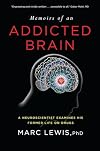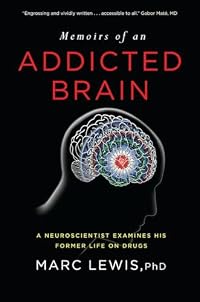
Memoirs of an Addicted Brain: A Neuroscientist Examines his Former Life on Drugs
by Marc Lewis
On This Page
Description
Marc Lewis's relationship with drugs began in a New England boarding school where, as a bullied and homesick fifteen-year-old, he made brief escapes from reality by way of cough medicine, alcohol, and marijuana. In Berkeley, California, in its hippie heyday, he found methamphetamine and LSD and heroin. He sniffed nitrous oxide in Malaysia and frequented Calcutta's opium dens. Ultimately, though, his journey took him where it takes most addicts: into a life of addiction, desperation, show more deception, and crime. But unlike most addicts, Lewis recovered and became a developmental psychologist and researcher in neuroscience. In Memoirs of an Addicted Brain, he applies his professional expertise to a study of his former self, using the story of his own journey through addiction to tell the universal story of addictions of every kind. He explains the neurological effects of a variety of powerful drugs and shows how they speak to the brain-itself designed to seek rewards and soothe pain-in its own language. And he illuminates how craving overtakes the nervous system, sculpting a synaptic network dedicated to one goal-more-at the expense of everything else. show lessTags
Recommendations












Member Reviews
Unusual combination of memoir and brain science. The memoir tells Marc Lewis’s personal story of addiction, which began in boarding school and continued in college in the Berkeley drug scene of the 1960s. The ambiance of the 1960s counterculture is vividly depicted. He also describes his drug-related experiences in Malaysia, India, and Canada. His drug usage results in his arrest for theft and, eventually, in recovery. What makes this memoir unusual is that it is interspersed with a description of what is occurring inside his brain when he ingests these substances. Marc Lewis is a neuroscientist. He articulates the biological and chemical processes underlying addiction.
I found this book fascinating. It describes the biological show more interactions in the brain, such as the functions of orbitofrontal cortex, ventral striatum, dopamine receptors, glutamates, and the like. He explains the natural opioids that occur in our bodies, and how a lack of these, which are triggered by a variety of sociological and interpersonal factors, may lead to addiction.
I learned a great deal from this book. The memoir portion is absorbing. I think it could have included a bit more about his recovery. The science is informative. I enjoy reading widely in the fields of psychology, brain science, and addiction, and very much enjoyed this one. show less
I found this book fascinating. It describes the biological show more interactions in the brain, such as the functions of orbitofrontal cortex, ventral striatum, dopamine receptors, glutamates, and the like. He explains the natural opioids that occur in our bodies, and how a lack of these, which are triggered by a variety of sociological and interpersonal factors, may lead to addiction.
I learned a great deal from this book. The memoir portion is absorbing. I think it could have included a bit more about his recovery. The science is informative. I enjoy reading widely in the fields of psychology, brain science, and addiction, and very much enjoyed this one. show less
The trouble with a harm reduction concept of addiction is that harm is still part of the equation. For a "neuroscientist", someone who supposedly understands the chemical workings of the brain, to tell me that while they have been addicted to opiates, as well as other substances, they now enjoy along with sunsets, walks on the beach, and puppy dogs - martinis; tells me I'm still listening to an addict.
While the trainer might tell us and show us how harmless the tiger is, and the safety of playing with it, the tiger remains a tiger. Addiction remains addiction. Unlike Siegfried and Roy, whose play with man eating beasts did not send us all scurrying out to get a tiger of our very own, an addict does just that. The addict mind says show more "Look, this tiger called alcohol can't hurt me. Look at Dr. Lewis. He's enjoying martinis with his new bride. My problem isn't addiction...I've just been dancing with the wrong kind of tiger".
It's one thing to keep going into the cage when you think it is safe, whether because you are a skilled expert or because you have raised the tiger from a cub, but it is something altogether differnt to imply that some interaction with tigers can be safe. Especially when you recognize their wounds, and how closely they match your own. show less
While the trainer might tell us and show us how harmless the tiger is, and the safety of playing with it, the tiger remains a tiger. Addiction remains addiction. Unlike Siegfried and Roy, whose play with man eating beasts did not send us all scurrying out to get a tiger of our very own, an addict does just that. The addict mind says show more "Look, this tiger called alcohol can't hurt me. Look at Dr. Lewis. He's enjoying martinis with his new bride. My problem isn't addiction...I've just been dancing with the wrong kind of tiger".
It's one thing to keep going into the cage when you think it is safe, whether because you are a skilled expert or because you have raised the tiger from a cub, but it is something altogether differnt to imply that some interaction with tigers can be safe. Especially when you recognize their wounds, and how closely they match your own. show less
Unusual combination of memoir and brain science. The memoir tells Marc Lewis’s personal story of addiction, which began in boarding school and continued in college in the Berkeley drug scene of the 1960s. The ambiance of the 1960s counterculture is vividly depicted. He also describes his drug-related experiences in Malaysia, India, and Canada. His drug usage results in his arrest for theft and, eventually, in recovery. What makes this memoir unusual is that it is interspersed with a description of what is occurring inside his brain when he ingests these substances. Marc Lewis is a neuroscientist. He articulates the biological and chemical processes underlying addiction.
I found this book fascinating. It describes the biological show more interactions in the brain, such as the functions of orbitofrontal cortex, ventral striatum, dopamine receptors, glutamates, and the like. He explains the natural opioids that occur in our bodies, and how a lack of these, which are triggered by a variety of sociological and interpersonal factors, may lead to addiction.
I learned a great deal from this book. The memoir portion is absorbing. I think it could have included a bit more about his recovery. The science is informative. I enjoy reading widely in the fields of psychology, brain science, and addiction, and very much enjoyed this one. show less
I found this book fascinating. It describes the biological show more interactions in the brain, such as the functions of orbitofrontal cortex, ventral striatum, dopamine receptors, glutamates, and the like. He explains the natural opioids that occur in our bodies, and how a lack of these, which are triggered by a variety of sociological and interpersonal factors, may lead to addiction.
I learned a great deal from this book. The memoir portion is absorbing. I think it could have included a bit more about his recovery. The science is informative. I enjoy reading widely in the fields of psychology, brain science, and addiction, and very much enjoyed this one. show less
I loved this book. Lewis is a wonderful writer who does a great job of explaining exactly how the brain responds to various substances. He stepped me through the most intricate feedback loops with patience and explanations I could understand. I was fascinated by the parts about the mechanics of the brain, as I expected to be. I was also riveted by Lewis' own addiction story, which he wove throughout. I want him to write more books about the brain, right away. Highly recommended, if you like this sort of thing.
Some very relatable moments. Makes my challenges seem more normal… at least explainable.
The fascinating memoires of an ex-drugs addict who became a neuro-scientist.
Just excellent.
Members
- Recently Added By
Lists

The Great Courses: The Learning Brain
61 works; 1 member

Men's healing resources
727 works; 1 member
Author Information

3 Works 376 Members
Some Editions
Classifications
- Genres
- Nonfiction, Biography & Memoir, General Nonfiction, Science & Nature
- DDC/MDS
- 362.29092 — Society, Government, and Culture Social problems and social services Social Welfare Mental illness Substance abuse Biography; History By Place Biography
- LCC
- HV5805 .L495 .A3 — Social sciences Social pathology. Social and public welfare. Criminology Social pathology. Social and public welfare. Drug habits. Drug abuse
- BISAC
Statistics
- Members
- 175
- Popularity
- 186,235
- Reviews
- 9
- Rating
- (3.60)
- Languages
- Dutch, English
- Media
- Paper, Audiobook, Ebook
- ISBNs
- 11
- ASINs
- 1