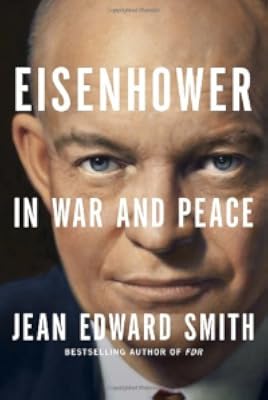
Eisenhower in War and Peace
by Jean Edward Smith
On This Page
Description
A peerless biographer returns with a new life of Dwight D. Eisenhower that is as full, rich, and revealing as anything ever written about America's thirty-fourth president.Tags
Recommendations
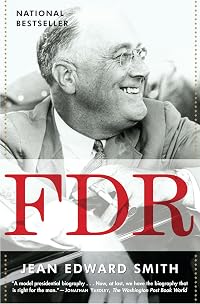
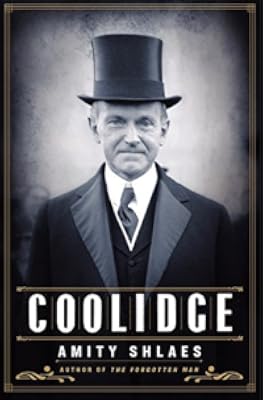
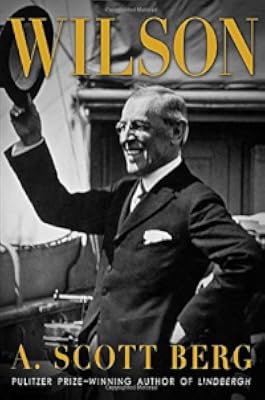
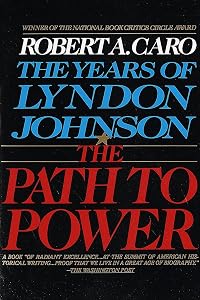



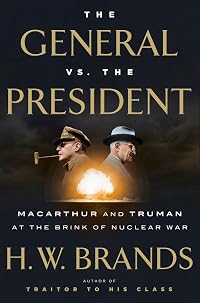
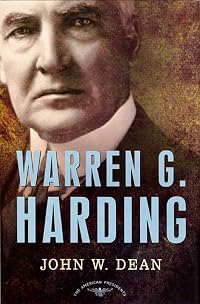
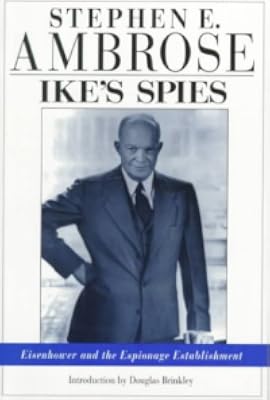
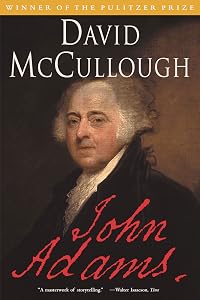
Member Reviews
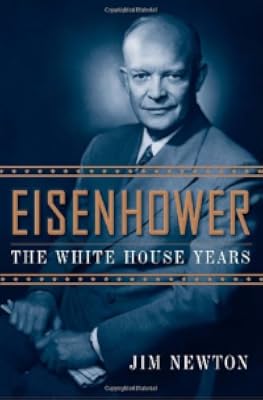
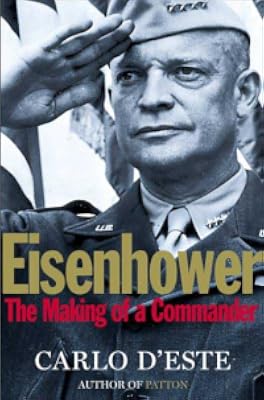
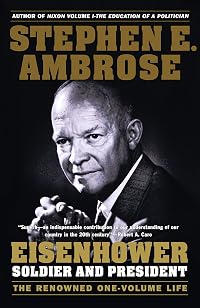
As both the supreme commander of Allied forces in Europe during World War II and as the 34th president of the United States, Dwight D. Eisenhower has not wanted for biographers. The problem with most books about Eisenhower, though, is that, no matter how good they are, they tend to focus either on his presidency (such as Jim Newton’s [b:Eisenhower: The White House Years|11967240|Eisenhower The White House Years|Jim Newton|https://images.gr-assets.com/books/1320525577s/11967240.jpg|16929979]) or, more often, on his years in the military (such as Carlo D’Este’s [b:Eisenhower: A Soldier's Life|1508658|Eisenhower A Soldier's Life|Carlo D'Este|https://images.gr-assets.com/books/1390069486s/1508658.jpg|1500221]). The challenge of show more writing a single-volume biography of Eisenhower’s extensive and varied life has eluded most biographers as a consequence, with the standard in the field, Stephen Ambrose’s [b:Eisenhower: Soldier and President|42519|Eisenhower Soldier and President|Stephen E. Ambrose|https://images.gr-assets.com/books/1441498493s/42519.jpg|443580], suffering from growing questions about the reliability of its research.
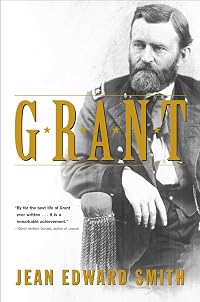
There are perhaps few writers today better suited for this challenge than Jean Edward Smith. As the author of several acclaimed biographies, including of Eisenhower’s friend, Lucius Clay and Eisenhower’s predecessor Ulysses S. Grant, Smith is well equipped to tackle both aspects of Eisenhower’s illustrious career, and what he has produced more than rises to the challenge. His book offers a comprehensive portrait of Eisenhower, one that uses new research into the man to provide a fresh understanding of his life and times.
This readiness to reassess Eisenhower’s life starts out with a new look at his early years. Born in Texas, Eisenhower grew up in a large family headed by a stern, distant father and a warm, loving mother. Smith notes that their straitened circumstances were due less to being swindled by David Eisenhower’s business partner and more due to his own idiosyncratic behavior. Like his brothers Eisenhower escaped the family as soon as he could, winning a competitive position to West Point. In addressing Eisenhower’s military career Smith attacks head on another persistent myth, demonstrating the Eisenhower was not a lax officer but enjoyed consistently excellent fitness reports throughout his military career.
Yet Smith notes that Eisenhower was not above pulling strings to ensure he received preferred postings. It was this mixture of ability and appeal that aided his ascent through the ranks of the military in the interwar period, showing him to be not an obscure officer but a rising star marked out by the Army’s leaders. When war came his ascent went from rapid to meteoric, and he soon found himself commanding American forces in the European theater of operations. Though generally favorable to his subject, Smith does not shy away from criticizing Eisenhower here, complimenting his skills as a “military statesman” while criticizing his adherence to a “broad front” offensive that ignored the lessons of the war and which Smith suggests may have contributed to its prolongation.
Nevertheless, Eisenhower emerged as one of the great commanders of the war, one who was widely viewed as a leading presidential prospect. Here Smith shifts his narrative focus away from Eisenhower’s military career (largely glossing over both his two-year tour as Army chief of staff and his time as Supreme Allied Commander Europe) and towards his budding political career. Though Eisenhower publicly dismissed such talk of a presidential candidacy, Smith notes that the general was careful never to rule out the prospect completely, eventually succumbing to the urging of his friends to enter the race for the Republican presidential nomination. Yet not all was smooth sailing, as Eisenhower had to fight the conservative Taft forces, then deal with Richard Nixon’s stubborn determination to remain on the ticket in the aftermath of the”slush fund” scandal before winning the 1952 presidential election by a large majority.
Smith’s coverage of Eisenhower’s presidency takes up most of the final third of the book. Deriding the persistent image of Eisenhower as a affable nonentity as president, he endorses Fred Greenstein’s “hidden-hand” thesis, portraying Eisenhower as an active executive who worked largely behind the scenes to resolve the problems facing his presidency. Eisenhower’s foreign policy occupies most of Smith’s attention here, though due space is spent on politics and domestic matters as well. The key factor shaping Eisenhower’s presidency, as Smith demonstrates, was his military background, which influenced everything from the organization of his administration to his decisions regarding the ongoing Cold War with the Soviet Union. Yet Smith’s coverage of Eisenhower’s presidency suffers when he addresses the president’s civil rights record, as he leaves out some key details (such as Eisenhower’s lobbying of Earl Warren prior to the Brown decision) in his attempt to rehabilitate Eisenhower’s image here.
This is a minor complaint when set against Smith’s overall achievement, however. With this book he has succeeded in providing a much-needed single-volume biography that encompasses the span of Eisenhower’s many achievements. Fluidly written, it provides an readable overview that doesn’t get bogged down in excessive detail. It would have been better still if it had been edited more diligently, as Smith’s habit of repeating minor details throughout his text (often on the following page) can become annoying quickly. Yet in the end this does not detract from the book’s value as a study of Eisenhower, one that encapsulates a varied life and career within its covers. show less
There are perhaps few writers today better suited for this challenge than Jean Edward Smith. As the author of several acclaimed biographies, including of Eisenhower’s friend, Lucius Clay and Eisenhower’s predecessor Ulysses S. Grant, Smith is well equipped to tackle both aspects of Eisenhower’s illustrious career, and what he has produced more than rises to the challenge. His book offers a comprehensive portrait of Eisenhower, one that uses new research into the man to provide a fresh understanding of his life and times.
This readiness to reassess Eisenhower’s life starts out with a new look at his early years. Born in Texas, Eisenhower grew up in a large family headed by a stern, distant father and a warm, loving mother. Smith notes that their straitened circumstances were due less to being swindled by David Eisenhower’s business partner and more due to his own idiosyncratic behavior. Like his brothers Eisenhower escaped the family as soon as he could, winning a competitive position to West Point. In addressing Eisenhower’s military career Smith attacks head on another persistent myth, demonstrating the Eisenhower was not a lax officer but enjoyed consistently excellent fitness reports throughout his military career.
Yet Smith notes that Eisenhower was not above pulling strings to ensure he received preferred postings. It was this mixture of ability and appeal that aided his ascent through the ranks of the military in the interwar period, showing him to be not an obscure officer but a rising star marked out by the Army’s leaders. When war came his ascent went from rapid to meteoric, and he soon found himself commanding American forces in the European theater of operations. Though generally favorable to his subject, Smith does not shy away from criticizing Eisenhower here, complimenting his skills as a “military statesman” while criticizing his adherence to a “broad front” offensive that ignored the lessons of the war and which Smith suggests may have contributed to its prolongation.
Nevertheless, Eisenhower emerged as one of the great commanders of the war, one who was widely viewed as a leading presidential prospect. Here Smith shifts his narrative focus away from Eisenhower’s military career (largely glossing over both his two-year tour as Army chief of staff and his time as Supreme Allied Commander Europe) and towards his budding political career. Though Eisenhower publicly dismissed such talk of a presidential candidacy, Smith notes that the general was careful never to rule out the prospect completely, eventually succumbing to the urging of his friends to enter the race for the Republican presidential nomination. Yet not all was smooth sailing, as Eisenhower had to fight the conservative Taft forces, then deal with Richard Nixon’s stubborn determination to remain on the ticket in the aftermath of the”slush fund” scandal before winning the 1952 presidential election by a large majority.
Smith’s coverage of Eisenhower’s presidency takes up most of the final third of the book. Deriding the persistent image of Eisenhower as a affable nonentity as president, he endorses Fred Greenstein’s “hidden-hand” thesis, portraying Eisenhower as an active executive who worked largely behind the scenes to resolve the problems facing his presidency. Eisenhower’s foreign policy occupies most of Smith’s attention here, though due space is spent on politics and domestic matters as well. The key factor shaping Eisenhower’s presidency, as Smith demonstrates, was his military background, which influenced everything from the organization of his administration to his decisions regarding the ongoing Cold War with the Soviet Union. Yet Smith’s coverage of Eisenhower’s presidency suffers when he addresses the president’s civil rights record, as he leaves out some key details (such as Eisenhower’s lobbying of Earl Warren prior to the Brown decision) in his attempt to rehabilitate Eisenhower’s image here.
This is a minor complaint when set against Smith’s overall achievement, however. With this book he has succeeded in providing a much-needed single-volume biography that encompasses the span of Eisenhower’s many achievements. Fluidly written, it provides an readable overview that doesn’t get bogged down in excessive detail. It would have been better still if it had been edited more diligently, as Smith’s habit of repeating minor details throughout his text (often on the following page) can become annoying quickly. Yet in the end this does not detract from the book’s value as a study of Eisenhower, one that encapsulates a varied life and career within its covers. show less
Dwight D. Eisenhower seems at this distant remove a not terribly colorful American president. His term of office was an extraordinarily peaceful one and prosperity largely enveloped the country. So it is perhaps not surprising that many do not think of him as a particularly exciting leader. But this fine biography makes clear that this calm and methodical man was one of the most gifted leaders the country has ever known, and, between his remarkably wise guidance as commander of U.S. forces in World War II Europe and his nuanced juggling of the dangers of the Cold War as president, he is revealed as a most dramatic and remarkable figure on the world stage. A staunch Republican, Eisenhower nonetheless rejected reactionary ideas and was show more the first to state clearly the dangers of business becoming too entrenched in government and the defense of the nation. Not a gifted battlefield commander, his flair was in management and political subtleties during his military career, and these same gifts served him remarkably as president. A man who left the presidency even more popular than when he began, Eisenhower's career and personality are rewarding studies, and Jean Edward Smith has done a splendid job illuminating them. His prose is imminently readable and compelling, his research apparently precise and assiduous. This book is highly recommended for anyone who cares to have a clear impression of the conduct of the war in the European theater or of the dynamics of the Cold War and the beginnings of the Civil Rights movement. It is as vital, forthright, and finely organized as was the man who is its subject. show less
I always wondered how someone who has been given so much credit for winning World War II could have become this checked-out, golf-playing mediocre President. That's the image that most of us have of President Eisenhower. Well, it turns out that he was an incredibly savvy political operator who was chosen to run the D-Day invasion because of his political and administrative skills, and in spite of his mediocre battlefield tactical and strategic skills. This book was a revelation, and a well-written one at that. Ike certainly failed on some critical issues: failing to sufficiently help the nascent civil rights movement and failing to use his influence to oppose McCarthyism. That said, he was a much more successful President than I knew, show more and his World War II record is inspirational. For history buffs, I highly recommend this book. show less
Highly-Readable Biography of a Revered Leader
This is the only Eisenhower biography that I’ve ever read, and it may be the only one I need to read. Jean Edward Smith provides the general reader with a rather succinct yet comprehensive view Eisenhower’s life. Dr. Smith is frank and unflinching in his telling of the story of Ike’s life, giving credit where it is due and pointing out deficiencies where appropriate. He rightly criticizes DDE’s military errors both in the North African campaign and as Supreme Allied Commander in Europe. Dr. Smith’s description of Eisenhower’s performance as president is laudatory while maintaining the forthrightness, he used to describe his generalship.
Smith portrays Eisenhower as a man who show more succeeded by applying his intellectual acumen, industriousness, and personal charisma and abundance of good fortune. Unlike McArthur, Ike was not a standout at West Point. By the time World War II began in 1941, he had twenty years in-grade as a major. His rise to four-star general in the next two years was an unheard-of accomplishment. His successful leadership of the allied forces in Europe, though somewhat flawed, would be enough reserve his place of honor in American history. However, his thoughtful and measured leadership as President of the United States elevates his place as one of the top five presidents. Ike brought a negotiated end to the Korean War and shepherded the country through the Berlin Crisis, the Suez Crisis and eight years without a single US combat death.
This account of Dwight David Eisenhower is an amazing read. Dr Smith’s account will have you grieving again for his loss. show less
This is the only Eisenhower biography that I’ve ever read, and it may be the only one I need to read. Jean Edward Smith provides the general reader with a rather succinct yet comprehensive view Eisenhower’s life. Dr. Smith is frank and unflinching in his telling of the story of Ike’s life, giving credit where it is due and pointing out deficiencies where appropriate. He rightly criticizes DDE’s military errors both in the North African campaign and as Supreme Allied Commander in Europe. Dr. Smith’s description of Eisenhower’s performance as president is laudatory while maintaining the forthrightness, he used to describe his generalship.
Smith portrays Eisenhower as a man who show more succeeded by applying his intellectual acumen, industriousness, and personal charisma and abundance of good fortune. Unlike McArthur, Ike was not a standout at West Point. By the time World War II began in 1941, he had twenty years in-grade as a major. His rise to four-star general in the next two years was an unheard-of accomplishment. His successful leadership of the allied forces in Europe, though somewhat flawed, would be enough reserve his place of honor in American history. However, his thoughtful and measured leadership as President of the United States elevates his place as one of the top five presidents. Ike brought a negotiated end to the Korean War and shepherded the country through the Berlin Crisis, the Suez Crisis and eight years without a single US combat death.
This account of Dwight David Eisenhower is an amazing read. Dr Smith’s account will have you grieving again for his loss. show less
"Eisenhower in War and Peace" (EWP) is excellent and has changed many of the incorrect perceptions I have had about Ike since childhood. I was a third grader when Ike was first elected in 1952. In those days there were very few filmed news reports on television. When Ike did appear in a rare TV speech to the nation, e.g., the "Little Rock school integration" speech, he often read from typed pages on the podium; his delivery was less than fair. My impression at the time was that presidents were dull, old men. And though my childhood was a happy one, my recollections of the 50's were also "dull" and "old" as in old-fashioned. I thought of Ike as a bridge between some rather excellent presidents - FDR, Harry Truman, and JFK. But Smith's show more excellent book has turned my impressions around 180 degrees. I am delighted to have become more familiar with Ike as a man, his accomplishments, and his character. He rose to the challenges of the day and we were fortunate to have him. Though there were no foreign wars during those eight years, Ike did have to deal with not only some of the most critical racial issues in our history, but also the Suez Canal, the U-2 spy plane downing, Sputnik and the space race, the Cold War, post WWII Germany, the construction of the national highway system and the St. Lawrence Seaway. Ike had his plate full, and had some serious health issues to deal with concurrently.
Though the book is listed as having almost 1000 pages, there are many pages of notes, acknowledgements, and an index. The actual text in my edition was about 766 pages and well more than half dealt with his years in the military, particularly the WWII years. Throughout it is clear that author Smith greatly admires Ike but that did not prevent his most critical assessment of Ike throughout both his military and presidential careers. For example, not too long after Ike was promoted to Supreme Allied Commander, several of his generals made clear that Ike's strategic skills in battleground planning left something to be desired. Apparently, his strengths were most obvious in dealing with all the heads of state and others, e.g. Churchill, Stalin, FDR, DeGaulle, ensuring their total support and dealing with their 'suggestions', all critical to a truly allied front. I particularly admired Ike for his leadership, his honesty, his unwillingness to pass the buck, his decisiveness, and his total commitment - and Smith gives countless examples of all of these strengths throughout the book.
The book was very readable, the pages seemed to fly by. Even the footnotes were interesting. In the paperback edition which I read, there were many photos, perhaps 1 every 15 pages or so instead of the typical gallery bound together in the middle of a book. Well done ! There are two areas that I wish were different and that diminished the book somewhat for me. I thought too much attention was paid to the Kay Summersby affair.. I was stunned and fascinated by what I read, but there were also times when I felt like I was eavesdropping. Summersby wrote two books about her time with Ike. I highly recommend "Past Forgetting", her second book; it is very charming and I feel it could be read as a companion to Smith's book. By the way, Smith refers to information in Kay's book a number of times.Secondly I wish about 50-100 pages of the WWII pages could have shrunk, as interesting as they were, to allow for more pages on his presidency. Needless to say, I recommend this book highly and without reservation. show less
Though the book is listed as having almost 1000 pages, there are many pages of notes, acknowledgements, and an index. The actual text in my edition was about 766 pages and well more than half dealt with his years in the military, particularly the WWII years. Throughout it is clear that author Smith greatly admires Ike but that did not prevent his most critical assessment of Ike throughout both his military and presidential careers. For example, not too long after Ike was promoted to Supreme Allied Commander, several of his generals made clear that Ike's strategic skills in battleground planning left something to be desired. Apparently, his strengths were most obvious in dealing with all the heads of state and others, e.g. Churchill, Stalin, FDR, DeGaulle, ensuring their total support and dealing with their 'suggestions', all critical to a truly allied front. I particularly admired Ike for his leadership, his honesty, his unwillingness to pass the buck, his decisiveness, and his total commitment - and Smith gives countless examples of all of these strengths throughout the book.
The book was very readable, the pages seemed to fly by. Even the footnotes were interesting. In the paperback edition which I read, there were many photos, perhaps 1 every 15 pages or so instead of the typical gallery bound together in the middle of a book. Well done ! There are two areas that I wish were different and that diminished the book somewhat for me. I thought too much attention was paid to the Kay Summersby affair.. I was stunned and fascinated by what I read, but there were also times when I felt like I was eavesdropping. Summersby wrote two books about her time with Ike. I highly recommend "Past Forgetting", her second book; it is very charming and I feel it could be read as a companion to Smith's book. By the way, Smith refers to information in Kay's book a number of times.Secondly I wish about 50-100 pages of the WWII pages could have shrunk, as interesting as they were, to allow for more pages on his presidency. Needless to say, I recommend this book highly and without reservation. show less
Eisenhower is one of the few presidents of the 20th century who is liked by both sides of the increasingly divided political spectrum. The Interstate Highway System, Desegregation, a Budget Surplus, won WWII and ended Korea, put a stop to 'gunboat diplomacy' by the European powers at Suez, and one of the longest consecutive periods of economic growth. His approval rating stayed above 60% for most of his term - astonishing by today's standards.
Such is the nature of presidential administrations in retrospect. Their initial malaise or disappointment may yet turn into some deeper respect or admiration. Nixon, as hated as he was, got credit for opening China. Carter, for all of his disasters, is at least respected by the Left now. And show more Eisenhower, who seemed overshadowed by Kennedy, now seems as a worthy predecessor.
His military command remains in high esteem. Although it may be easy to overlook him for other, more flamboyant and temperamental commanders, he served the useful roles of grand strategist and diplomat, who held together the feuding Allies, and learned quickly from the initial mistakes of North Africa.
The author does not shy away from Ike's faults as much as his praises. U-2 spying, his questionable affairs, and the Iranian coup are some of his most contentious affairs, but he handles these with an astonishing and clear leadership role. His critics may have called him too detached. But this may have been one of his great strengths - his clear vision and ability to get all sides to agree for once.
This book is very well researched, organized, and written. It integrates military, political, and personal details seamlessly.
We Like Ike once again. show less
Such is the nature of presidential administrations in retrospect. Their initial malaise or disappointment may yet turn into some deeper respect or admiration. Nixon, as hated as he was, got credit for opening China. Carter, for all of his disasters, is at least respected by the Left now. And show more Eisenhower, who seemed overshadowed by Kennedy, now seems as a worthy predecessor.
His military command remains in high esteem. Although it may be easy to overlook him for other, more flamboyant and temperamental commanders, he served the useful roles of grand strategist and diplomat, who held together the feuding Allies, and learned quickly from the initial mistakes of North Africa.
The author does not shy away from Ike's faults as much as his praises. U-2 spying, his questionable affairs, and the Iranian coup are some of his most contentious affairs, but he handles these with an astonishing and clear leadership role. His critics may have called him too detached. But this may have been one of his great strengths - his clear vision and ability to get all sides to agree for once.
This book is very well researched, organized, and written. It integrates military, political, and personal details seamlessly.
We Like Ike once again. show less
Eisenhower not only commanded the Allied forces that won WWII in Europe, he was "the only president in the twentieth century to preside over eight years of peace and prosperity." (pg 550) He got America out of the Korean conflict and mostly managed to steer a course that kept Cold War tensions with the USSR from exploding at a time when his advisors regularly advocated using atomic weapons against enemies. At home he balanced the budget and desegregated the nation's schools, and retained a very high public approval. He also seemed possessed of a great deal of luck; so much so that one of his friends said his initials stood for "Divine Destiny."
Ike came across as a very down-to-earth "just folks" kind of person, but as Jean Edward Smith show more shows it was more than just luck that made him such a trusted leader. He had the kind of personality that made people trust him and he had an uncanny knack for politics. This is an excellent and very detailed biography that shows Ike's level-headed approach that defused events that could easily have gone out of control. It details Ike's successes (such as walking a fine line with China, standing up to Britain, France, and Israel to win the respect of Egypt, and giving Wisconsin Senator Joseph McCarthy just enough rope to hang himself) as well as his failings (Iran, Guatemala, and the Gary Powers U2 debacle with Russia). And the chapter on the desegregation showdown in Little Rock held me absolutely spellbound. The book is filled with photos that highlight the events and footnotes that provide additional detail.
But it's not without some issues. Smith ends the book with an anecdote of Eisenhower's wife being asked by a grandson "whether she felt she had really known" Ike. She answered "I'm not sure anyone did," and in spite of the tremendous volume of detail included here, Ike remains something of an enigma and I felt a certain lack of depth. Ike's terrible temper is mentioned many times, but we only get cursory examples. Even the war-time affair with Kay Summersby feels like it's kept at arm's-length. Smith says in the Preface that "Ike's generalship has often been disparaged" but Smith does the same thing, describing much of Ike's management as a series of errors of inexperience that were rescued by Montgomery and the British. In fact, Smith seems to give undue authority and attention to sniping potshots from generals with axes to grind. (I'm not saying it couldn't be true and accurate, but it doesn't have much feel of balance to it.) And the endless comparisons to Ulysses S. Grant were tiring.
Nevertheless, this is an excellent - if long - read. Smith highlights many instances where other biographers (especially Ambrose) have ignored or misrepresented stories and facts, and he convincingly corrects them with credible details. It may not have the life and color of David McCullough or the insightfulness of Joseph Ellis, but it's an admirable history of an elusive subject. show less
Ike came across as a very down-to-earth "just folks" kind of person, but as Jean Edward Smith show more shows it was more than just luck that made him such a trusted leader. He had the kind of personality that made people trust him and he had an uncanny knack for politics. This is an excellent and very detailed biography that shows Ike's level-headed approach that defused events that could easily have gone out of control. It details Ike's successes (such as walking a fine line with China, standing up to Britain, France, and Israel to win the respect of Egypt, and giving Wisconsin Senator Joseph McCarthy just enough rope to hang himself) as well as his failings (Iran, Guatemala, and the Gary Powers U2 debacle with Russia). And the chapter on the desegregation showdown in Little Rock held me absolutely spellbound. The book is filled with photos that highlight the events and footnotes that provide additional detail.
But it's not without some issues. Smith ends the book with an anecdote of Eisenhower's wife being asked by a grandson "whether she felt she had really known" Ike. She answered "I'm not sure anyone did," and in spite of the tremendous volume of detail included here, Ike remains something of an enigma and I felt a certain lack of depth. Ike's terrible temper is mentioned many times, but we only get cursory examples. Even the war-time affair with Kay Summersby feels like it's kept at arm's-length. Smith says in the Preface that "Ike's generalship has often been disparaged" but Smith does the same thing, describing much of Ike's management as a series of errors of inexperience that were rescued by Montgomery and the British. In fact, Smith seems to give undue authority and attention to sniping potshots from generals with axes to grind. (I'm not saying it couldn't be true and accurate, but it doesn't have much feel of balance to it.) And the endless comparisons to Ulysses S. Grant were tiring.
Nevertheless, this is an excellent - if long - read. Smith highlights many instances where other biographers (especially Ambrose) have ignored or misrepresented stories and facts, and he convincingly corrects them with credible details. It may not have the life and color of David McCullough or the insightfulness of Joseph Ellis, but it's an admirable history of an elusive subject. show less
Members
- Recently Added By
Published Reviews
Eisenhower emerged from the war a national hero and obvious presidential candidate, though he coyly brushed aside such speculation. (Smith considers it likely that Ike seriously considered divorcing Mamie and marrying Kay Summersby but was led by his ambition to end their wartime affair with a cold-hearted letter in 1945.) His deliberate political ecumenicalism kept everyone guessing about show more Eisenhower's aspirations — indeed, even his party affiliation — until 1952, when he allowed Massachusetts Sen. Henry Cabot Lodge Jr. to declare him in sympathy with "enlightened Republican doctrine" and squared off against Robert Taft, a U.S. senator from Ohio, for the nomination. show less
added by John_Vaughan
Lists

The Presidents
42 works; 2 members

Best Biographies of U.S. Presidents
61 works; 6 members
Author Information

11 Works 3,345 Members
Jean Edward Smith was born on October 13, 1932. He received an A.B. from Princeton University in 1954. He then went on to serve in the military from 1954-1961. In 1964, he obtained his Ph.D. from the Department of Public Law and Government of Columbia University. He is a well known biographer of several works inlcuding those featuring Franklin D. show more Rooselvelt and Ulysses S. Grant. He is the John Marshall Professor of Political Science at Marshall University and professor emeritus at the University of Toronto. In 2002 Jean Smith was a finalist for the Pulitzer Prize for Biography or Autobiography and in 2008 he won the Francis Parkman Prize. His title's inlcude: Bush, Eisenhower in War and Peace, FDR, Grant, and The Face of Justice: Portraits of John Marshall. (Bowker Author Biography) show less
Awards and Honors
Distinctions
Notable Lists
Common Knowledge
- Canonical title
- Eisenhower in War and Peace
- Original publication date
- 2012
- People/Characters
- Dwight D. Eisenhower; George C. Marshall; Mamie Eisenhower; George S. Patton
- Important places
- Fort Lewis, Washington, USA; Manila, The Philippines; Washington, D.C., USA
- Important events
- World War II
Classifications
- Genres
- Biography & Memoir, History, Nonfiction, General Nonfiction
- DDC/MDS
- 973.921092 — History & geography History of North America United States 1901- Cold War, Vietnam War, Digital Age (1953-2001) Dwight D. Eisenhower,1st Term (1953-1961) Brown V. Board of Education, Interstate Highway System, Geneva Summit Biography
- LCC
- E836 .S56 — History of the United States United States Twentieth century Eisenhower's administrations, 1953-1961
- BISAC
Statistics
- Members
- 682
- Popularity
- 42,055
- Reviews
- 25
- Rating
- (4.36)
- Languages
- English
- Media
- Paper, Audiobook, Ebook
- ISBNs
- 6
- ASINs
- 5