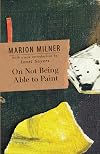
On Not Being Able to Paint
by Marion Milner
On This Page
Description
Milner's great study, first published in 1950, discusses the nature of creativity and those forces which prevent its expression. In focusing on her own beginner's efforts to draw and paint, she analyses not the mysterious and elusive ability of the genius but - as the title suggests - the all too common and distressing situation of 'not being able' to create. With a new introduction by Janet Sayers, this edition of On Not Being Able to Paint brings the text to the present generation of show more readers in the fields of psychoanalysis, education and all those, specialist and general audiences alike, with an interest or involvement in the creative process and those impulses impeding it in many fields. show lessTags
Recommendations





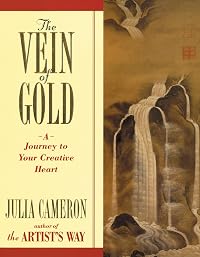
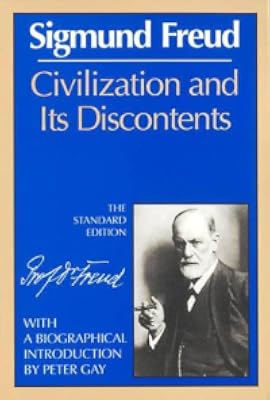

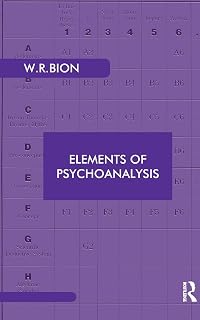

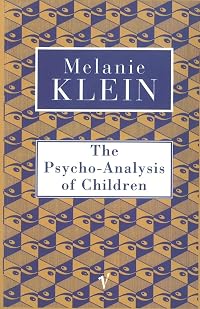




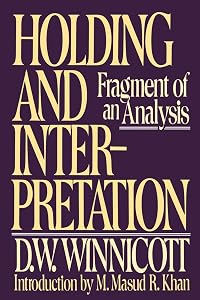
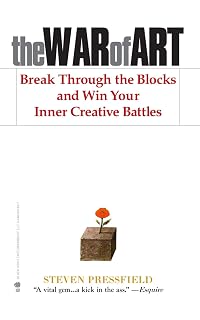

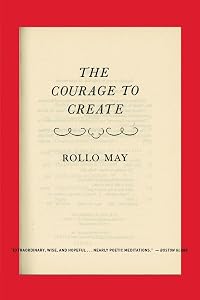

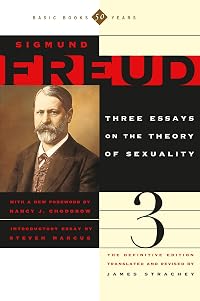




Member Recommendations
Member Reviews
On Not Being Able to Paint is divided into five sections, the first four all relating to Free Drawing. The fifth and final section is focused on painting. Words like "psychic creativity" and "moral education" are thrown around, which makes me think I'm in for the psychobabble ride reading of my life. I wasn't disappointed. There is a fair amount of deep psychology in On not Being Able to Paint. Even though the slim volume is less than 200 pages, it took me forever to read. In the end, I questioned if the obstacles which prevent one from painting are not the exact same "blocks" writers sometimes complain of experiencing when unable to write. Sure enough, Field is connecting free drawings with the self conscious.
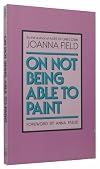
As an aside, the first show more edition of On Not Being Able to Paint was written for educators. The second edition (my version) includes an appendix and Anna Freud's foreword. I appreciated that Field was able to recognize that emotional drawing is not completely devoid of influence and that she shouldn't be so fixated on depicting beauty for beauty's sake.
Confessional: I was a bit disappointed by Field's "art." The illustrations were childlike and well, for lack of a better word, weird. As Field explains, and I said earlier, they are "free drawings" that helped her connect to the self conscious. I hope she was successful. show less
As an aside, the first show more edition of On Not Being Able to Paint was written for educators. The second edition (my version) includes an appendix and Anna Freud's foreword. I appreciated that Field was able to recognize that emotional drawing is not completely devoid of influence and that she shouldn't be so fixated on depicting beauty for beauty's sake.
Confessional: I was a bit disappointed by Field's "art." The illustrations were childlike and well, for lack of a better word, weird. As Field explains, and I said earlier, they are "free drawings" that helped her connect to the self conscious. I hope she was successful. show less
I found this book an interesting and challenging psycho-analytic journey through one artist’s attempts to define and unlock her own creativity. The analysis side bordered on oversharing, I thought, but clearly the process of analysing her own ‘free-drawings’ was an important part of the overall experience that Milner went on through the course of her own experiment in creativity.
Ratings
Members
- Recently Added By
Author Information

12 Works 746 Members
Series
Belongs to Publisher Series
dumont taschenbücher (211)
Common Knowledge
- Original publication date
- 1950
Classifications
Statistics
- Members
- 182
- Popularity
- 180,305
- Reviews
- 2
- Rating
- (3.59)
- Languages
- English, French, German, Swedish
- Media
- Paper, Ebook
- ISBNs
- 12
- ASINs
- 8