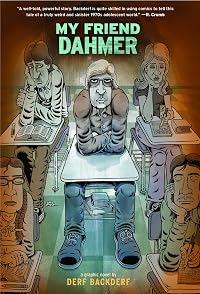
My Friend Dahmer: A Graphic Novel
by Derf Backderf
On This Page
Description
You only think you know this story. In 1991, Jeffrey Dahmer-the most notorious serial killer since Jack the Ripper-seared himself into the American consciousness. To the public, Dahmer was a monster who committed unthinkable atrocities. To Derf Backderf, Dahmer was a much more complex figure: a high school friend with whom he had shared classrooms, hallways, and car rides. In My Friend Dahmer, a haunting and original graphic novel, writer-artist Backderf creates a surprisingly sympathetic show more portrait of a disturbed young man struggling against the morbid urges emanating from the deep recesses of his psyche-a shy kid, a teenage alcoholic, and a goofball who never quite fit in with his classmates. With profound insight, what emerges is a Jeffrey Dahmer that few ever really knew, and readers will never forget. show lessTags
Recommendations








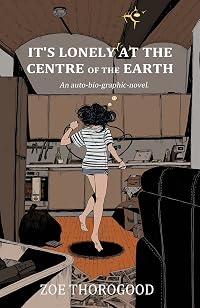

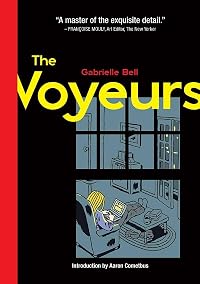

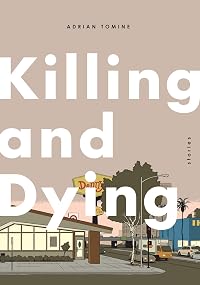
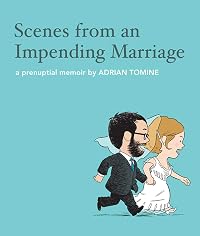
Member Recommendations
Member Reviews
After listening to an interview with Derf Backderf, the author of My Friend Dahmer, I found myself reading a graphic novel about the high school years of a serial killer. I don't generally like graphic novels, but the format was ideal for the subject matter. Derf went to high school with Jeffrey Dahmer and they were a part of the same group of friends. Dahmer was an outcast until his humorous routine as a man with cerebral palsy won him a place on the edge of a group of boys. Dahmer lost his hold on whatever gave him stability in those years and Backderf's main question is "Where were the adults?"
And that's not an easy answer. It was the seventies, a time before teachers watched their students for signs of alcohol or drug abuse, when show more kids ran wild with very little supervision and when parents were focused on their own changing lives. But Backderf says that Dahmer's deterioration was so obvious that someone should have noticed. And his parents were absent, his father and mother were divorcing and the process was drawn-out and acrimonious. Dahmer and his younger brother were left living with their possibly mentally ill mother, a woman unable to care for them. And so he had no one to help him as the warning signs became ever larger and brighter.
Backderf is an excellent guide through these years of Dahmer's life. In addition to the time and effort he made in remembering those years, he also spoke to friends, classmates and teachers, putting together an account that is both insightful and centered in what it was like to be a teenage boy in that time and place. show less
And that's not an easy answer. It was the seventies, a time before teachers watched their students for signs of alcohol or drug abuse, when show more kids ran wild with very little supervision and when parents were focused on their own changing lives. But Backderf says that Dahmer's deterioration was so obvious that someone should have noticed. And his parents were absent, his father and mother were divorcing and the process was drawn-out and acrimonious. Dahmer and his younger brother were left living with their possibly mentally ill mother, a woman unable to care for them. And so he had no one to help him as the warning signs became ever larger and brighter.
Backderf is an excellent guide through these years of Dahmer's life. In addition to the time and effort he made in remembering those years, he also spoke to friends, classmates and teachers, putting together an account that is both insightful and centered in what it was like to be a teenage boy in that time and place. show less
I wasn't sure what to expect, going into this. I'd had it highly recommended to me, but didn't even flip through it prior to purchasing it. I took it on faith, based on that recommendation.
Really glad I did. This is not a book I would have picked up on my own, because, out of context, the art simply would have turned me right off.
Instead, I experienced the art and the narrative together as I went through the story. And I've got to say, as horrifying a being as Dahmer was, this story does something I was completely not expecting.
It humanized Dahmer for me.
I was that outsider in school. The one that would make a fool of himself for a little bit of positive attention. The one who's parents were more concerned with everything that wasn't show more me. I few slips of DNA strands, and I might have been Dahmer.
I don't say any of it absolves him of all the hate and scorn that was quite rightly heaped upon him, but it does cast him in a different life. The boy inside the monster.
Excellent story. show less
Really glad I did. This is not a book I would have picked up on my own, because, out of context, the art simply would have turned me right off.
Instead, I experienced the art and the narrative together as I went through the story. And I've got to say, as horrifying a being as Dahmer was, this story does something I was completely not expecting.
It humanized Dahmer for me.
I was that outsider in school. The one that would make a fool of himself for a little bit of positive attention. The one who's parents were more concerned with everything that wasn't show more me. I few slips of DNA strands, and I might have been Dahmer.
I don't say any of it absolves him of all the hate and scorn that was quite rightly heaped upon him, but it does cast him in a different life. The boy inside the monster.
Excellent story. show less
A creepy comic about Jeffrey Dahmer's adolescence, from the point of view of one of his classmates, Derf Backderf. It makes the point that no one knew what Dahmer would become, and no one particularly cared. Dahmer was a nonentity, almost invisible at high school, though he remembered it as the happiest time of his life. The comic has quite a menacing feel about it. It makes no effort to excuse Dahmer's actions, but does point to the failure of any adult or teen to engage with him.
My Friend Dahmer is a graphic biography (although the author calls it a graphic novel, it's more of a memoir than a novel) by Derf Backderf. Right. What kind of a name is that? He's supposed to be some kind of famous cartoonist...let's Google him! Yes! That fount of wisdom, Wikipedia, says his actual name is John Backderf, but he uses Derf as his pen name. And, indeed, he is well known for creating his rather bizarr-o comic strip, The City. Well, guess what! Derf went to high school--and was actually friends with (as much as anyone could be)--Jeff Dahmer, of serial murder fame. This book recounts Derf's relationship with Dahmer, from the time they first met in 7th grade, until their 1978 high school graduation. The author has fleshed show more the story out by interviewing other high school friends, and researching deeply into the thousands of pages of interviews that were conducted after Dahmer's arrest in 1991.
What results is a gruesome, horrifying story of a young life wasted. It was apparent to Derf from early on in their relationship (I hesitate to say "friendship" because it feels more like Derf and his friends condescended to hang out with Dahmer because he was there, and because he was funny in such a bizarre way!) that nothing about Dahmer was normal. Even the things Dahmer did to make the guys laugh were twisted. And as Derf points out, by high school Jeff seemed to have lost himself--he was either "in character" or totally zoned out on alcohol. There just wasn't much of Jeff left! By the last two years of high school he served, knowingly or not, as the butt of the guys' jokes. It is so obvious that not a single adult paid any attention to him! His father didn't even know he drank!
The drawings for this book are absolutely perfect--reminiscent of R. Crumb, but still completely Derf's own. Black and white, with totally strange-looking characters (David Small says they "look like organic robots"), with lots of night scenes--these are places you don't want to go!
All in all, I have to say this is the most powerful--and chilling!--graphic novel I've ever read! The scene I'll never forget is when ten years after graduation Derf and some of the guys get together to talk about old times. They get to thinking about some of the weirdos in their class and one of them says, "What about Dahmer?" and after some clever repartee, Derf interjects, "He's probably a serial killer by now!" This moment certainly haunts Derf to this day.
Read it! It may not be fun, but, so important! show less
What results is a gruesome, horrifying story of a young life wasted. It was apparent to Derf from early on in their relationship (I hesitate to say "friendship" because it feels more like Derf and his friends condescended to hang out with Dahmer because he was there, and because he was funny in such a bizarre way!) that nothing about Dahmer was normal. Even the things Dahmer did to make the guys laugh were twisted. And as Derf points out, by high school Jeff seemed to have lost himself--he was either "in character" or totally zoned out on alcohol. There just wasn't much of Jeff left! By the last two years of high school he served, knowingly or not, as the butt of the guys' jokes. It is so obvious that not a single adult paid any attention to him! His father didn't even know he drank!
The drawings for this book are absolutely perfect--reminiscent of R. Crumb, but still completely Derf's own. Black and white, with totally strange-looking characters (David Small says they "look like organic robots"), with lots of night scenes--these are places you don't want to go!
All in all, I have to say this is the most powerful--and chilling!--graphic novel I've ever read! The scene I'll never forget is when ten years after graduation Derf and some of the guys get together to talk about old times. They get to thinking about some of the weirdos in their class and one of them says, "What about Dahmer?" and after some clever repartee, Derf interjects, "He's probably a serial killer by now!" This moment certainly haunts Derf to this day.
Read it! It may not be fun, but, so important! show less
"If just one adult had stepped up and said "Whoa, this kid needs help"...could Dahmer have been saved? Or his victims spared their grisly fate?"
I didn't pick this up because I had a gory fascination with what Dahmer did. I've heard of him and knew some details but not most of them.
I think this book does a great job of humanizing him but not sympathizing with Jeff (Dahmer). I felt very sad for him and his childhood - which some would say "could have been worse" but...either way, was bad for Dahmer. But I think Derf does a great job of keeping an ominous feeling through out the story, mainly surrounding Dahmer. Graphic novels are a very powerful way to tell stories - especially when it's a story that is so ominous or frightening as a show more serial killer. The shadows and grays that seem to follow Dahmer in his pictures as well as many of his story happening at night gave a powerful lonely, eerie feeling to the story. Dahmer is always the only "bad guy" on the page but Derf does a great job of reminding you what we knows Dahmer becomes.
I appreciated the offset of Derf's life set against Dahmer's, to show the very different way they grew up during the same time and same school. Hindsight is always 20/20 but I love that Derf actually interviewed, dug out old pictures and drawing and even accounted stories that did not show Derf in a necessarily positive light. It gives it all the real feel of a pretty accurate account of the hard, confusing, frustrating but wonderful time of growing up. Derf asks a powerful question - if any adult had intervened, would Dahmer have been stopped well before he could have started? We'll never know. show less
I didn't pick this up because I had a gory fascination with what Dahmer did. I've heard of him and knew some details but not most of them.
I think this book does a great job of humanizing him but not sympathizing with Jeff (Dahmer). I felt very sad for him and his childhood - which some would say "could have been worse" but...either way, was bad for Dahmer. But I think Derf does a great job of keeping an ominous feeling through out the story, mainly surrounding Dahmer. Graphic novels are a very powerful way to tell stories - especially when it's a story that is so ominous or frightening as a show more serial killer. The shadows and grays that seem to follow Dahmer in his pictures as well as many of his story happening at night gave a powerful lonely, eerie feeling to the story. Dahmer is always the only "bad guy" on the page but Derf does a great job of reminding you what we knows Dahmer becomes.
I appreciated the offset of Derf's life set against Dahmer's, to show the very different way they grew up during the same time and same school. Hindsight is always 20/20 but I love that Derf actually interviewed, dug out old pictures and drawing and even accounted stories that did not show Derf in a necessarily positive light. It gives it all the real feel of a pretty accurate account of the hard, confusing, frustrating but wonderful time of growing up. Derf asks a powerful question - if any adult had intervened, would Dahmer have been stopped well before he could have started? We'll never know. show less
Supremely creepy, wonderfully draw, and hauntingly written. This memoir about going to high school with Jeffery Dahmer the notorious serial killer, will give you the heebie jeebies. Even in high school he was a loner, a weirdo, a spaz, but no one knew what he would eventually become. Author and illustrator Derf draws not only from his personal experiences but from his classmates, his school, case files, and later interviews. Using all that he pieces together the complex teenage-hood of Dahmer and the messed up home life and environment that helped turn him into a monster. This graphic novel doesn't go into detail about Dahmer's killings, it stops after Dahmer's first and only kill in Ohio. but it definitely motivates you to do some show more further research. Definitely a chilling read! show less
Being a non-fan of Derf's strip The City, and having liked but not loved his autobio stories in Trashed, I was happily surprised by his original tiny version of the Dahmer story: it had a raw personal feeling that I hadn't seen him go near before, and his drawing style, which is kind of mannered and knobbly, suddenly seemed perfect for a story about teenage ugliness. In his foreword to this book-length version, Derf says he hated how the shorter comic turned out; I think it was fine, but his instincts about what was lacking were accurate and this really is a better, fuller story. As a straight biography of the young Jeff Dahmer, it's pretty good; as a character portrait of someone who's descending into awfulness and is aware of it, it's show more very good; as a study of high school and rural adolescence, it's great.
I don't think I've seen any high-school fiction or nonfiction that really gets the non-linear scale of outcastness the way this does— the complicated relationship between people like Derf's friends who are more or less socially competent but not interested in much outside their own circle, people like Jeff's prom date who are "low-caste" in an ordinary way, belligerent weirdos like the huge crazy guy who everyone thinks will become a serial killer (but who ends up just living with his mom and yelling at people from the front yard)... and someone like Jeff who's very clearly messed up, and not in a cute or sympathetic way, but who has enough ugly creativity and desire for connection that he can be adopted as a "friend" by people who don't actually like or respect him. Again and again in the book, Jeff acts out in a way that the others know on some level is really creepy, but they love it because he's unpredictable, shocking, apparently unconcerned with anyone's approval, sort of a rebel if you ignore how obviously miserable he is. Derf and his friends, who are otherwise unremarkable, distinguish themselves by being the guys who can appreciate (or ironically "appreciate") Dahmer— like being the only fans of a really awful punk band.
This is an especially big deal when you live out in the sticks, and Derf is at his best when he's showing the texture of life in this kind of quiet middle-class suburb-beyond-the-suburbs, where you take the beautiful wilderness for granted, you don't see anyone unless you deliberately go to their house, and the height of teenage entertainment is to get some beer and drive around all night. The book is also a nicely specific period piece: the aforementioned stiff-but-bulgy drawing style is well adapted to the personal style of '70s teens, and Derf points out aspects of school culture that we might think of as timeless but aren't, like the schools becoming overcrowded for the first time when the Baby Boom really settled in.
The weakest part of the book, I think, is the narration. The ideas it conveys are good ones, but I find Derf's prose clunky and obvious when he's explaining stuff, and there's a lot of that; it's not enhanced by the bland computer lettering either, or the superhero-comics-style habit of putting lots of words in boldface if they might have any spoken emphasis. On the other hand, his dialogue is excellent, and so is the writing/directing of all the non-verbal parts. The scene where Dahmer's "friends" watch joyfully as he does his best to freak out everyone in a mall in the most self-humiliating way possible is just a couple pages with about a dozen words, but it's beautifully observed and paced, conveying both "this is cool" and "this is horrible" all through character with no explanation required. show less
I don't think I've seen any high-school fiction or nonfiction that really gets the non-linear scale of outcastness the way this does— the complicated relationship between people like Derf's friends who are more or less socially competent but not interested in much outside their own circle, people like Jeff's prom date who are "low-caste" in an ordinary way, belligerent weirdos like the huge crazy guy who everyone thinks will become a serial killer (but who ends up just living with his mom and yelling at people from the front yard)... and someone like Jeff who's very clearly messed up, and not in a cute or sympathetic way, but who has enough ugly creativity and desire for connection that he can be adopted as a "friend" by people who don't actually like or respect him. Again and again in the book, Jeff acts out in a way that the others know on some level is really creepy, but they love it because he's unpredictable, shocking, apparently unconcerned with anyone's approval, sort of a rebel if you ignore how obviously miserable he is. Derf and his friends, who are otherwise unremarkable, distinguish themselves by being the guys who can appreciate (or ironically "appreciate") Dahmer— like being the only fans of a really awful punk band.
This is an especially big deal when you live out in the sticks, and Derf is at his best when he's showing the texture of life in this kind of quiet middle-class suburb-beyond-the-suburbs, where you take the beautiful wilderness for granted, you don't see anyone unless you deliberately go to their house, and the height of teenage entertainment is to get some beer and drive around all night. The book is also a nicely specific period piece: the aforementioned stiff-but-bulgy drawing style is well adapted to the personal style of '70s teens, and Derf points out aspects of school culture that we might think of as timeless but aren't, like the schools becoming overcrowded for the first time when the Baby Boom really settled in.
The weakest part of the book, I think, is the narration. The ideas it conveys are good ones, but I find Derf's prose clunky and obvious when he's explaining stuff, and there's a lot of that; it's not enhanced by the bland computer lettering either, or the superhero-comics-style habit of putting lots of words in boldface if they might have any spoken emphasis. On the other hand, his dialogue is excellent, and so is the writing/directing of all the non-verbal parts. The scene where Dahmer's "friends" watch joyfully as he does his best to freak out everyone in a mall in the most self-humiliating way possible is just a couple pages with about a dozen words, but it's beautifully observed and paced, conveying both "this is cool" and "this is horrible" all through character with no explanation required. show less
Members
- Recently Added By
Lists

Recommended Comics / Graphic Novels
595 works; 119 members

Best Stand-Alone Graphic Novels
107 works; 19 members

Unshelved Book Clubs
579 works; 5 members

Books Read in 2013
1,630 works; 51 members

Books Read in 2016
4,666 works; 199 members

Books Read in 2018
4,360 works; 110 members

Top Five Books of 2018
802 works; 265 members

Banned or Challenged Books
400 works; 41 members

mstrust's scary list
34 works; 1 member

Florida
366 works; 3 members

Books Read in 2025
4,091 works; 97 members
Author Information

15+ Works 2,063 Members
Awards and Honors
Awards
Work Relationships
Has the adaptation
Is an expanded version of
Common Knowledge
- Canonical title
- My Friend Dahmer: A Graphic Novel
- Original title
- My Friend Dahmer
- Original publication date
- 2012
- People/Characters
- Jeffrey Dahmer; Lionel Dahmer; Joyce Dahmer; Lloyd Figg; Stephen Hicks; Derf Backderf
- Important places
- Bath, Ohio, USA; Ohio, USA
- Related movies
- My Friend Dahmer (2017 | IMDb)
- First words
- "You went to school with Dahmer, the serial killer?"
CRUNCH (Abrams ComicArts, 2012) - Last words
- (Click to show. Warning: May contain spoilers.)"If you give this man a ride,
sweet family will die
killer on the roam..."
"Oh my god, Dahmer...What have you done?" (Abrams ComicArts, 2012) - Blurbers
- Ellroy, James; Klosterman, Chuck; Small, David; Bechdel, Alison; Meltzer, Brad; Crumb, Robert (show all 9); Chaon, Dan; Schlesinger, Louis B.; Kukral, Michael
- Original language
- English
- Disambiguation notice
- This is the 2012 (224-page) graphic novel expanded from the original 2002 (32-page) magazine version. Do not combine.
Contents: Preface. The Convoluted History of My Friend Dahmer -- Prologue -- Part 1. The Stra... (show all)nge Boy -- Part 2. A Secret Life -- Part 3. The Dahmer Fan Club -- Part 4. Becoming the Monster -- Part 5. Fade to Black -- Epilogue -- Sources -- Notes -- The Players
Classifications
- Genres
- Graphic Novels & Comics, Teen
- DDC/MDS
- 364.152 — Society, government, & culture Social problems and social services Crime Criminal offenses Offenses against the person Homicide
- LCC
- HV6515 .D47 — Social sciences Social pathology. Social and public welfare. Criminology Social pathology. Social and public welfare. Criminology Crimes and offenses
- BISAC
Statistics
- Members
- 1,413
- Popularity
- 16,723
- Reviews
- 97
- Rating
- (3.86)
- Languages
- 9 — Dutch, English, Finnish, French, German, Spanish, Swedish, Turkish, Portuguese (Portugal)
- Media
- Paper, Ebook
- ISBNs
- 21
- UPCs
- 1
- ASINs
- 7