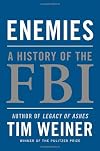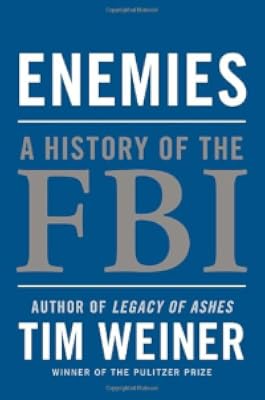
Enemies: A History of the FBI
by Tim Weiner
On This Page
Description
Enemies is the first definitive history of the FBI's secret intelligence operations, from an author whose work on the Pentagon and the CIA won him the Pulitzer Prize and the National Book Award. We think of the FBI as America's police force. But secret intelligence is the Bureau's first and foremost mission. Enemies is the story of how presidents have used the FBI to conduct political warfare, and how the Bureau became the most powerful intelligence service the United States possesses. Here show more is the hidden history of America's hundred-year war on terror. The FBI has fought against terrorists, spies, anyone it deemed subversive--and sometimes American presidents. The FBI's secret intelligence and surveillance techniques have created a tug-of-war between national security and civil liberties. It is a tension that strains the very fabric of a free republic.--Publisher description. show lessTags
Recommendations





















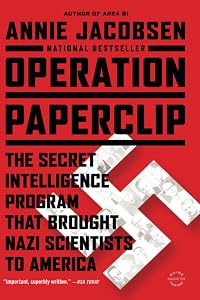


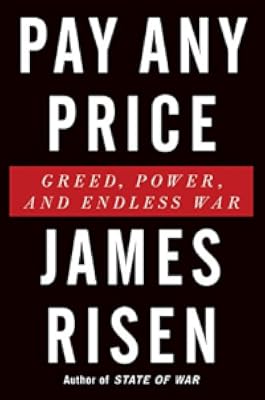
Member Recommendations




Member Reviews
The FBI has a carefully curated image as heroic G-men, busting major criminals like mafia dons, bank robbers, kidnappers, and art thieves (hello Robert K. Wittman). But behind the image is a paradox, the workings of a secret police agency in a democracy, a shadowy organization that operates beyond the normal boundaries of the law. In Enemies, Tim Weiner ably traces the paradoxes of the FBI in its long history.
The Bureau of Investigation (not yet Federal) existed before J. Edgar Hoover, but the first director left such a mark on the FBI that's his story is its story. Hoover joined a minor agency, and in the turbulent era of anarchist bombers and Communist revolutionaries around the First World War, turned it into a crack machine for show more targeting subversives of all stripes. Hoover pioneered wiretaps and blackbag jobs, and a voluminous system of secret files directly under his control. FDR called on Hoover to track down Nazi agents, and the two formed a partnership based on political gossip secret intelligence. The period immediately after the Second World War was perhaps the most influential for Hoover, as he used artful leaks to frame the emerging Cold War, and made his anti-Communist views the dominant framework of the American government.
Hoover ardently believed that Communists aimed to overthrow the American government, and that there was a direct line between Moscow and the American Left (including labor and civil rights activists). Furthermore, a rash of breeches at the CIA convinced Hoover that Communism and homosexuality were linked as well. Hoover's war on "deviance" prompted spying into the private lives of American citizens, especially Martin Luther King Jr., as well as the massive COINTELPRO campaign to subvert and disorganize the American left. Though the 50s, 60s, and 70s, Hoover formed partnerships with Vice President and then President Nixon based on anti-communism, and LBJ based on political intrigue. Hoover was the man who knew all the secrets.
The twin blows of his death in 1972, and the Watergate burglary, where ex-FBI Nixon staffers ran into a newly independent FBI investigation, prompted the first crisis of faith, one from which the FBI has never really recovered. It turned out that the FBI's crown jewels of wiretapping and blackbag jobs had no Constitutional legitimacy or legislative basis. COINTELPRO was massively illegal. Despite all the effort involved in fighting Communism, FBI counter-intelligence was a shambles, and people with access to secrets across the government sold out to the Soviets again and again.
Since 1980, and especially since 9/11, the FBI has repeatedly tried to reorganize itself as a counter-terrorism intelligence agency, mostly to resounding failure. Weiner documents bureaucratic fiefdoms that refuse to communicate, agents without the touch to work confidential sources well, analysts who can't access materials due to outdated computer systems, and a lack of clarity and purpose that stretches for decades. Most cuttingly, prior to 9/11 the FBI and CIA anti-Al Qaeda units hated each other. When the FBI agent in charge died in the WTC attacks, his CIA counterpart said that his death was "the only good thing that happened that day." Despite a worldwide presence, thousands of agents, and billion dollar budgets, the FBI's vaunted successes in the War on Terror seem mostly to be about entrapping mentally ill Muslims into terror plots where the FBI supplies the plan, the weapons, and even the Jihadi rhetoric.
Weiner's book forces us to confront an expensive and painful legacy of failure, an undemocratic erosion of freedoms that has not even brought much security. Yet there's a vagueness about what he thinks intelligence should do, vis a vis subversives and terrorists, that weakens his argument. This is only a partial history, because the FBI does investigate and arrest common criminals. And finally, while it's easy to direct the apparatus of a secret police against unpopular subversives, we need more and better investigations of white collar crime and financial fraud, particularly in the wake of 2008 financial collapse. Enemies is an important part of the picture, and likely the sexiest and most interesting part of the picture, but it is only one part. show less
The Bureau of Investigation (not yet Federal) existed before J. Edgar Hoover, but the first director left such a mark on the FBI that's his story is its story. Hoover joined a minor agency, and in the turbulent era of anarchist bombers and Communist revolutionaries around the First World War, turned it into a crack machine for show more targeting subversives of all stripes. Hoover pioneered wiretaps and blackbag jobs, and a voluminous system of secret files directly under his control. FDR called on Hoover to track down Nazi agents, and the two formed a partnership based on political gossip secret intelligence. The period immediately after the Second World War was perhaps the most influential for Hoover, as he used artful leaks to frame the emerging Cold War, and made his anti-Communist views the dominant framework of the American government.
Hoover ardently believed that Communists aimed to overthrow the American government, and that there was a direct line between Moscow and the American Left (including labor and civil rights activists). Furthermore, a rash of breeches at the CIA convinced Hoover that Communism and homosexuality were linked as well. Hoover's war on "deviance" prompted spying into the private lives of American citizens, especially Martin Luther King Jr., as well as the massive COINTELPRO campaign to subvert and disorganize the American left. Though the 50s, 60s, and 70s, Hoover formed partnerships with Vice President and then President Nixon based on anti-communism, and LBJ based on political intrigue. Hoover was the man who knew all the secrets.
The twin blows of his death in 1972, and the Watergate burglary, where ex-FBI Nixon staffers ran into a newly independent FBI investigation, prompted the first crisis of faith, one from which the FBI has never really recovered. It turned out that the FBI's crown jewels of wiretapping and blackbag jobs had no Constitutional legitimacy or legislative basis. COINTELPRO was massively illegal. Despite all the effort involved in fighting Communism, FBI counter-intelligence was a shambles, and people with access to secrets across the government sold out to the Soviets again and again.
Since 1980, and especially since 9/11, the FBI has repeatedly tried to reorganize itself as a counter-terrorism intelligence agency, mostly to resounding failure. Weiner documents bureaucratic fiefdoms that refuse to communicate, agents without the touch to work confidential sources well, analysts who can't access materials due to outdated computer systems, and a lack of clarity and purpose that stretches for decades. Most cuttingly, prior to 9/11 the FBI and CIA anti-Al Qaeda units hated each other. When the FBI agent in charge died in the WTC attacks, his CIA counterpart said that his death was "the only good thing that happened that day." Despite a worldwide presence, thousands of agents, and billion dollar budgets, the FBI's vaunted successes in the War on Terror seem mostly to be about entrapping mentally ill Muslims into terror plots where the FBI supplies the plan, the weapons, and even the Jihadi rhetoric.
Weiner's book forces us to confront an expensive and painful legacy of failure, an undemocratic erosion of freedoms that has not even brought much security. Yet there's a vagueness about what he thinks intelligence should do, vis a vis subversives and terrorists, that weakens his argument. This is only a partial history, because the FBI does investigate and arrest common criminals. And finally, while it's easy to direct the apparatus of a secret police against unpopular subversives, we need more and better investigations of white collar crime and financial fraud, particularly in the wake of 2008 financial collapse. Enemies is an important part of the picture, and likely the sexiest and most interesting part of the picture, but it is only one part. show less
This book tells a story, superbly well, that all Americans should consider: When our leaders for decades chose security over liberty, the resulting bureaucratic monstrosity did incalculable damage to our country's fundamental values.
At the heart of this story is one man, J. Edgar Hoover. In 1917, at age 22, he began working in Federal law enforcement and very quickly took the reins of the "Radical Division" of the Justice Department. As the tide of American fear of anarchists and communists rose, Hoover rose with it (and fanned it) to become the head of the FBI, staying in that office until his death in 1972.
Myriad incidents of lawless bugging, wiretapping, black bag breaking and entering, suriptitious opening of first class mail, show more blackmail and reputation smearing are recounted here. Hoover kept most of this from view, but Weiner dishearteningly relates how every President during Hoover's tenure learned of these operations and came to use and value them as political tools, or food for their paranoia that foreign agents were behind civil discontent.
Historians of modern America have told us of Hoover's power and invulnerability, largely as a result of his unlawful intelligence gathering, from which no politician or public figure was immune. Weiner explores in detail how Hoover's power came about and how he used it, largely for self perpetuation, but also to protect the "American way of life" from the foreign born, intellectuals, liberals, organized labor, pacifists, Negroes who did not kinow their place and homosexuals (I'm sure I've left some groups out). FBI employees mirrored Hoover's image of what America should be. "The FBI . . . [was] a man's world - usually men of Irish or Italian heritage schooled by Jesuits and raised in a closed culture of police and priests."
In recent popular culture Hoover has been portrayed as a cross-dressing fairy. Weiner says there is no evidence for cross-dressing, and "[n]ot a shred of evidence supports the notion that Hoover ever had sex with [his lifelong male companion Clyde] Tolson or with any other human being. They were personally and professionally inseperable, Hoover left Tolson his worldly possessions in his will, and there are photographs of the two men together that can be read as revealing human feelings deeper than fondness. One of Hoover's biographers called their relationship a sexless marriage . . ." It is unlikely that Hoover self identified as a homosexual. In fact, he and President Eisenhower, whose 1953 Executive Order banned homosexuals from government service, " . . . connected communism and homosexuality . . . they both believed without question that homosexuals were especially susceptible to foreign intelligence services."
The FBI after Hoover's death is described by Weiner as hapless, feuding with the CIA to the detriment of both, and a very late and woefully unprepared entrant into the digital age. Director Gray cooperated with Nixon's cover up of Watergate; Director Sessions was aloof and ineffectual; Director Freeh feuded with President Clinton, and the two didn't speak during four years of their official tenure. Investigations after 9/11 showed the Bureau's incompetence in dealing with the al-Qaeda threat. In 1991, for example, the Bureau had exactly one Arabic translator and could not process or understand the intelligence it was gathering from Islamic militants.
One finishes this book with a feeling of great unease. The vaunted FBI turns out to have been an idiosyncratic fiefdom, directing its energies at gays and commies, while leaving the country largely unprotected from international threats. What it did accomplish was largely with tainted methods.
One can only hope for better days ahead. show less
At the heart of this story is one man, J. Edgar Hoover. In 1917, at age 22, he began working in Federal law enforcement and very quickly took the reins of the "Radical Division" of the Justice Department. As the tide of American fear of anarchists and communists rose, Hoover rose with it (and fanned it) to become the head of the FBI, staying in that office until his death in 1972.
Myriad incidents of lawless bugging, wiretapping, black bag breaking and entering, suriptitious opening of first class mail, show more blackmail and reputation smearing are recounted here. Hoover kept most of this from view, but Weiner dishearteningly relates how every President during Hoover's tenure learned of these operations and came to use and value them as political tools, or food for their paranoia that foreign agents were behind civil discontent.
Historians of modern America have told us of Hoover's power and invulnerability, largely as a result of his unlawful intelligence gathering, from which no politician or public figure was immune. Weiner explores in detail how Hoover's power came about and how he used it, largely for self perpetuation, but also to protect the "American way of life" from the foreign born, intellectuals, liberals, organized labor, pacifists, Negroes who did not kinow their place and homosexuals (I'm sure I've left some groups out). FBI employees mirrored Hoover's image of what America should be. "The FBI . . . [was] a man's world - usually men of Irish or Italian heritage schooled by Jesuits and raised in a closed culture of police and priests."
In recent popular culture Hoover has been portrayed as a cross-dressing fairy. Weiner says there is no evidence for cross-dressing, and "[n]ot a shred of evidence supports the notion that Hoover ever had sex with [his lifelong male companion Clyde] Tolson or with any other human being. They were personally and professionally inseperable, Hoover left Tolson his worldly possessions in his will, and there are photographs of the two men together that can be read as revealing human feelings deeper than fondness. One of Hoover's biographers called their relationship a sexless marriage . . ." It is unlikely that Hoover self identified as a homosexual. In fact, he and President Eisenhower, whose 1953 Executive Order banned homosexuals from government service, " . . . connected communism and homosexuality . . . they both believed without question that homosexuals were especially susceptible to foreign intelligence services."
The FBI after Hoover's death is described by Weiner as hapless, feuding with the CIA to the detriment of both, and a very late and woefully unprepared entrant into the digital age. Director Gray cooperated with Nixon's cover up of Watergate; Director Sessions was aloof and ineffectual; Director Freeh feuded with President Clinton, and the two didn't speak during four years of their official tenure. Investigations after 9/11 showed the Bureau's incompetence in dealing with the al-Qaeda threat. In 1991, for example, the Bureau had exactly one Arabic translator and could not process or understand the intelligence it was gathering from Islamic militants.
One finishes this book with a feeling of great unease. The vaunted FBI turns out to have been an idiosyncratic fiefdom, directing its energies at gays and commies, while leaving the country largely unprotected from international threats. What it did accomplish was largely with tainted methods.
One can only hope for better days ahead. show less
 This review was written for LibraryThing Early Reviewers.
Perhaps it's because I read this immediately after finishing Brethren (about the Supreme Court in the 1970's) but I'm left wondering if anyone in government cares at all about the Constitution anymore. This is a terrific account of the creation, development, near destruction, and resurrection of the Federal Bureau of Investigation from 1908 through the present day. Accordingly, the first half of the book is primarily about J.Edgar Hoover, Director of the FBI from it's inception until his death in the early 70's. Using warrant-less wiretaps, bugging, and "black-bag jobs" (burglaries) whenever he pleased, Hoover fought primarily against communism but also against the civil-rights movement and whomever he considered an enemy or rival with show more every dirty trick at his disposal. One could argue that the ends justify the means, but really, should one person in government have the power to set aside the Fourth Amendment? Nowadays there is apparently a panel of judges that rules on wiretap requests so at least there is some oversight, but the ability to spy on American citizens by the Executive Branch scares the daylights out of me.
Overall an excellent survey of the FBI - one that I will recommend to anyone interested in government and 20th century American History. show less
Overall an excellent survey of the FBI - one that I will recommend to anyone interested in government and 20th century American History. show less
This review was written for LibraryThing Early Reviewers.Having read four books about the US' Federal Bureau of Investigation, I did not expect to learn much from this one. I could not have been more wrong. Award winning author Tim Weiner has written a truly stunning history of the agency. Much of the information is new-- having been taken from over 200 oral interviews with FBI agents, and from >70,000 pages of secret documents released (after many years of battle) through the Freedom of Information Act. The result is a detailed, comprehensive account of the history of the FBI and of J. Edgar Hoover, the man who built the agency and ran it as a private fiefdom for four decades.
Taking an historical approach to its subject, Enemies begins with the anarchistic terrorism of the 1920s, the "Red show more Scare", and communist activity in the post- World War I period. It traces the growth of the agency in response to espionage during WW2, its activity during the Cold War, the political activism of the 1950s through 1970s, the scandals and incompetence and errors of the post- Hoover years, and the agency's reactivation in 2001. One of several overarching themes is the long- standing rivalry between the FBI and CIA, manifested by mutual suspicion and competition for power and funds, resulting in antagonism that left the nation weaker in the face of foreign threats. The history of the agency, in Weiner's analysis, is thoroughly intertwined with the life and preoccupations ("obsessions") of its long- term director. J. Edgar Hoover is presented as a Machiavellian character who routinely engaged in illegal spying, wiretapping, and "black bag" jobs against US citizens; who worked for decades to foment discord in political groups that he opposed (he had particular hatred of the civil rights movement, which he insisted was directed by the Soviet Union); and who used his knowledge to blackmail political leaders and consolidate his power. No politician dared cross him, and US presidents who sought to force his retirement (Kennedy and Nixon among them) were thwarted.
Enemies is brimming with revelations. For example, consider the Watergate break-in and its aftermath, events resulting in the impeachment and resignation of US president Richard Nixon. I thought I was well informed on the issues, but this book brought a new perspective, since it is now clear that the FBI played a major role in the downfall of the Nixon presidency. First, the reason the White House was involved in spying and illegal break-ins was because the FBI refused to do so at Nixon's behest – not on moral or legal grounds (since the FBI had been doing these things illegally for decades) but because Hoover thought they'd get caught and it would tarnish the FBI's image. Second, it is now clear that the Watergate cover-up would likely have succeeded if the FBI had followed White House orders. As the White House tapes reveal, within 24 hrs of the break-in, presidential aide John Ehrlichman ordered the FBI to stay out of it, but the FBI refused. Nixon then ordered the CIA to tell the FBI to cease its investigation, but that effort failed too. Third, FBI personnel were responsible for revealing to the news media details about the Watergate break-in and subsequent cover-up. Mark Felt (the "Deep Throat" of Washington Post fame) and other upper- echelon agents exposed what the White House had been doing, for a combination of professional and selfish motives. (Felt was miffed at not having been chosen as director when Hoover died). In fact, Nixon and his aides knew that Felt was leaking information to the newspapers and tried unsuccessfully to get Director Patrick Gray to fire him. As for Gray, he was playing both sides of the situation, to his own advantage. On the one hand, he declined to fire Mark Felt to plug the leaks to the media. On the other hand, however, he burned documents delivered by John Dean that could have incriminated the White House further. What's more, during the ensuing investigation, Gray was secretly sending information about what the Bureau had found out directly to the White House.
Despite the momentous nature of its revelations, Enemies is a sober (non-sensationalistic) account. Its tone is so matter-of-fact that the reader continually must remind himself of the significance of what he is reading. While the picture of the FBI is far from positive, the book has no evident political agenda. On the contrary, the author fully acknowledges the difficulty of the FBI's mission of keeping the populace safe within the bounds of legal authority, and the inherent tension between security and freedom. Nonetheless, the overwhelming sense that the reader gets is of a renegade agency that for much of its history has operated outside of the law as a virtual "secret police," answerable to no political authority and arguably as big a threat to the republic as the foreign enemies it sought to combat. Tim Weiner's book now constitutes the definitive history of the FBI, and for the time period it covers, is unlikely ever to be superseded. show less
Taking an historical approach to its subject, Enemies begins with the anarchistic terrorism of the 1920s, the "Red show more Scare", and communist activity in the post- World War I period. It traces the growth of the agency in response to espionage during WW2, its activity during the Cold War, the political activism of the 1950s through 1970s, the scandals and incompetence and errors of the post- Hoover years, and the agency's reactivation in 2001. One of several overarching themes is the long- standing rivalry between the FBI and CIA, manifested by mutual suspicion and competition for power and funds, resulting in antagonism that left the nation weaker in the face of foreign threats. The history of the agency, in Weiner's analysis, is thoroughly intertwined with the life and preoccupations ("obsessions") of its long- term director. J. Edgar Hoover is presented as a Machiavellian character who routinely engaged in illegal spying, wiretapping, and "black bag" jobs against US citizens; who worked for decades to foment discord in political groups that he opposed (he had particular hatred of the civil rights movement, which he insisted was directed by the Soviet Union); and who used his knowledge to blackmail political leaders and consolidate his power. No politician dared cross him, and US presidents who sought to force his retirement (Kennedy and Nixon among them) were thwarted.
Enemies is brimming with revelations. For example, consider the Watergate break-in and its aftermath, events resulting in the impeachment and resignation of US president Richard Nixon. I thought I was well informed on the issues, but this book brought a new perspective, since it is now clear that the FBI played a major role in the downfall of the Nixon presidency. First, the reason the White House was involved in spying and illegal break-ins was because the FBI refused to do so at Nixon's behest – not on moral or legal grounds (since the FBI had been doing these things illegally for decades) but because Hoover thought they'd get caught and it would tarnish the FBI's image. Second, it is now clear that the Watergate cover-up would likely have succeeded if the FBI had followed White House orders. As the White House tapes reveal, within 24 hrs of the break-in, presidential aide John Ehrlichman ordered the FBI to stay out of it, but the FBI refused. Nixon then ordered the CIA to tell the FBI to cease its investigation, but that effort failed too. Third, FBI personnel were responsible for revealing to the news media details about the Watergate break-in and subsequent cover-up. Mark Felt (the "Deep Throat" of Washington Post fame) and other upper- echelon agents exposed what the White House had been doing, for a combination of professional and selfish motives. (Felt was miffed at not having been chosen as director when Hoover died). In fact, Nixon and his aides knew that Felt was leaking information to the newspapers and tried unsuccessfully to get Director Patrick Gray to fire him. As for Gray, he was playing both sides of the situation, to his own advantage. On the one hand, he declined to fire Mark Felt to plug the leaks to the media. On the other hand, however, he burned documents delivered by John Dean that could have incriminated the White House further. What's more, during the ensuing investigation, Gray was secretly sending information about what the Bureau had found out directly to the White House.
Despite the momentous nature of its revelations, Enemies is a sober (non-sensationalistic) account. Its tone is so matter-of-fact that the reader continually must remind himself of the significance of what he is reading. While the picture of the FBI is far from positive, the book has no evident political agenda. On the contrary, the author fully acknowledges the difficulty of the FBI's mission of keeping the populace safe within the bounds of legal authority, and the inherent tension between security and freedom. Nonetheless, the overwhelming sense that the reader gets is of a renegade agency that for much of its history has operated outside of the law as a virtual "secret police," answerable to no political authority and arguably as big a threat to the republic as the foreign enemies it sought to combat. Tim Weiner's book now constitutes the definitive history of the FBI, and for the time period it covers, is unlikely ever to be superseded. show less
Tim Weiner’s unforgettable and indispensable Enemies: A History of the FBI traces the domestic and foreign intelligence activities of the FBI’s from its origins in the founding of the Bureau of Investigations in 1908, through the creation of the Department of Justice’s Radical Division in 1919, through its evolution into the contemporary Federal Bureau of Investigation. Given the domination of the FBI by J. Edgar Hoover, its first and by far longest standing director, the FBI’s intelligence gathering activities from the 1920s through the early 1970s focused largely on those groups and individual perceived by Hoover as threats to U.S. security. As perceived by Hoover, domestic security threats included “integrationists,” in show more Hoover’s unforgettable language, homosexuals, and, of course, Communists and others regarded by Hoover as radicals.
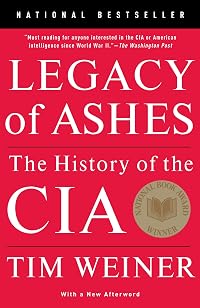
In Enemies, Weiner, the previous winner of a Pulitzer Prize for his journalism and the National Book Award for his Legacy of Ashes: The History of the CIA, slowly and convincingly reveals the often appalling history of the FBI’s often illegal gathering of information on American citizens through burglary, wiretaps, and opening of U.S mails. Voluminous records were maintained on citizens and aliens who were threats to U.S. security, on loyal citizens whose fully legal political views were regarded by Hoover as threats to the U.S., and on critics of the FBI. Long after Hoover recognized the illegality of the FBI’s surveillance activities—well into the 1960s—“black bag jobs” and warrantless wiretaps continued. Hoover misled and misled U.S. presidents. Hoover misled and misled the U.S. Congress. Hoover misled and misled U.S. judges. Hoover shared secrets discriminately, with those politicians and even journalists who, he believed, shared his ideological agenda.
To Weiner’s credit, Enemies is not a jeremiad against J. Edgar Hoover. In fact, Enemies reads as a cautionary tale of entrenched bureaucracy and inadequate governmental oversight. Weiner ends Enemies on an almost optimistic note, detailing the attempts of the 21st century FBI leaders and agents to develop and adhere to strict and strictly legal guidelines on their activities.
Enemies is compellingly written and thoroughly researched. It should be required reading for students of contemporary U.S. history, and even more so for national elected and appointed officials with oversight responsibilities of the FBI and U.S. intelligence services. show less
In Enemies, Weiner, the previous winner of a Pulitzer Prize for his journalism and the National Book Award for his Legacy of Ashes: The History of the CIA, slowly and convincingly reveals the often appalling history of the FBI’s often illegal gathering of information on American citizens through burglary, wiretaps, and opening of U.S mails. Voluminous records were maintained on citizens and aliens who were threats to U.S. security, on loyal citizens whose fully legal political views were regarded by Hoover as threats to the U.S., and on critics of the FBI. Long after Hoover recognized the illegality of the FBI’s surveillance activities—well into the 1960s—“black bag jobs” and warrantless wiretaps continued. Hoover misled and misled U.S. presidents. Hoover misled and misled the U.S. Congress. Hoover misled and misled U.S. judges. Hoover shared secrets discriminately, with those politicians and even journalists who, he believed, shared his ideological agenda.
To Weiner’s credit, Enemies is not a jeremiad against J. Edgar Hoover. In fact, Enemies reads as a cautionary tale of entrenched bureaucracy and inadequate governmental oversight. Weiner ends Enemies on an almost optimistic note, detailing the attempts of the 21st century FBI leaders and agents to develop and adhere to strict and strictly legal guidelines on their activities.
Enemies is compellingly written and thoroughly researched. It should be required reading for students of contemporary U.S. history, and even more so for national elected and appointed officials with oversight responsibilities of the FBI and U.S. intelligence services. show less
This review was written for LibraryThing Early Reviewers.Having read four books about the US' Federal Bureau of Investigation, I did not expect to learn much from this one. I could not have been more wrong. Award winning author Tim Weiner has written a truly stunning history of the agency. Much of the information is new-- having been taken from over 200 oral interviews with FBI agents, and from >70,000 pages of secret documents released (after many years of battle) through the Freedom of Information Act. The result is a detailed, comprehensive account of the history of the FBI and of J. Edgar Hoover, the man who built the agency and ran it as a private fiefdom for four decades.
Taking an historical approach to its subject, Enemies begins with the anarchistic terrorism of the 1920s, the "Red show more Scare", and communist activity in the post- World War I period. It traces the growth of the agency in response to espionage during WW2, its activity during the Cold War, the political activism of the 1950s through 1970s, the scandals and incompetence and errors of the post- Hoover years, and the agency's reactivation in 2001. One of several overarching themes is the long- standing rivalry between the FBI and CIA, manifested by mutual suspicion and competition for power and funds, resulting in antagonism that left the nation weaker in the face of foreign threats. The history of the agency, in Weiner's analysis, is thoroughly intertwined with the life and preoccupations ("obsessions") of its long- term director. J. Edgar Hoover is presented as a Machiavellian character who routinely engaged in illegal spying, wiretapping, and "black bag" jobs against US citizens; who worked for decades to foment discord in political groups that he opposed (he had particular hatred of the civil rights movement, which he insisted was directed by the Soviet Union); and who used his knowledge to blackmail political leaders and consolidate his power. No politician dared cross him, and US presidents who sought to force his retirement (Kennedy and Nixon among them) were thwarted.
Enemies is brimming with revelations. For example, consider the Watergate break-in and its aftermath, events resulting in the impeachment and resignation of US president Richard Nixon. I thought I was well informed on the issues, but this book brought a new perspective, since it is now clear that the FBI played a major role in the downfall of the Nixon presidency. First, the reason the White House was involved in spying and illegal break-ins was because the FBI refused to do so at Nixon's behest – not on moral or legal grounds (since the FBI had been doing these things illegally for decades) but because Hoover thought they'd get caught and it would tarnish the FBI's image. Second, it is now clear that the Watergate cover-up would likely have succeeded if the FBI had followed White House orders. As the White House tapes reveal, within 24 hrs of the break-in, presidential aide John Ehrlichman ordered the FBI to stay out of it, but the FBI refused. Nixon then ordered the CIA to tell the FBI to cease its investigation, but that effort failed too. Third, FBI personnel were responsible for revealing to the news media details about the Watergate break-in and subsequent cover-up. Mark Felt (the "Deep Throat" of Washington Post fame) and other upper- echelon agents exposed what the White House had been doing, for a combination of professional and selfish motives. (Felt was miffed at not having been chosen as director when Hoover died). In fact, Nixon and his aides knew that Felt was leaking information to the newspapers and tried unsuccessfully to get Director Patrick Gray to fire him. As for Gray, he was playing both sides of the situation, to his own advantage. On the one hand, he declined to fire Mark Felt to plug the leaks to the media. On the other hand, however, he burned documents delivered by John Dan that could have incriminated the White House further. What's more, during the ensuing investigation, Gray was secretly sending information about what the Bureau had found out directly to the White House.
Despite the momentous nature of its revelations, Enemies is a sober (non-sensationalistic) account. Its tone is so matter-of-fact that the reader continually must remind himself of the significance of what he is reading. While the picture of the FBI is far from positive, the book has no evident political agenda. On the contrary, the author fully acknowledges the difficulty of the FBI's mission of keeping the populace safe within the bounds of legal authority, and the inherent tension between security and freedom. Nonetheless, the overwhelming sense that the reader gets is of a renegade agency that for much of its history has operated outside of the law as a virtual "secret police," answerable to no political authority and arguably as big a threat to the republic as the foreign enemies it sought to combat. Tim Weiner's book now constitutes the definitive history of the FBI, and for the time period it covers, is unlikely ever to be superceded. show less
Taking an historical approach to its subject, Enemies begins with the anarchistic terrorism of the 1920s, the "Red show more Scare", and communist activity in the post- World War I period. It traces the growth of the agency in response to espionage during WW2, its activity during the Cold War, the political activism of the 1950s through 1970s, the scandals and incompetence and errors of the post- Hoover years, and the agency's reactivation in 2001. One of several overarching themes is the long- standing rivalry between the FBI and CIA, manifested by mutual suspicion and competition for power and funds, resulting in antagonism that left the nation weaker in the face of foreign threats. The history of the agency, in Weiner's analysis, is thoroughly intertwined with the life and preoccupations ("obsessions") of its long- term director. J. Edgar Hoover is presented as a Machiavellian character who routinely engaged in illegal spying, wiretapping, and "black bag" jobs against US citizens; who worked for decades to foment discord in political groups that he opposed (he had particular hatred of the civil rights movement, which he insisted was directed by the Soviet Union); and who used his knowledge to blackmail political leaders and consolidate his power. No politician dared cross him, and US presidents who sought to force his retirement (Kennedy and Nixon among them) were thwarted.
Enemies is brimming with revelations. For example, consider the Watergate break-in and its aftermath, events resulting in the impeachment and resignation of US president Richard Nixon. I thought I was well informed on the issues, but this book brought a new perspective, since it is now clear that the FBI played a major role in the downfall of the Nixon presidency. First, the reason the White House was involved in spying and illegal break-ins was because the FBI refused to do so at Nixon's behest – not on moral or legal grounds (since the FBI had been doing these things illegally for decades) but because Hoover thought they'd get caught and it would tarnish the FBI's image. Second, it is now clear that the Watergate cover-up would likely have succeeded if the FBI had followed White House orders. As the White House tapes reveal, within 24 hrs of the break-in, presidential aide John Ehrlichman ordered the FBI to stay out of it, but the FBI refused. Nixon then ordered the CIA to tell the FBI to cease its investigation, but that effort failed too. Third, FBI personnel were responsible for revealing to the news media details about the Watergate break-in and subsequent cover-up. Mark Felt (the "Deep Throat" of Washington Post fame) and other upper- echelon agents exposed what the White House had been doing, for a combination of professional and selfish motives. (Felt was miffed at not having been chosen as director when Hoover died). In fact, Nixon and his aides knew that Felt was leaking information to the newspapers and tried unsuccessfully to get Director Patrick Gray to fire him. As for Gray, he was playing both sides of the situation, to his own advantage. On the one hand, he declined to fire Mark Felt to plug the leaks to the media. On the other hand, however, he burned documents delivered by John Dan that could have incriminated the White House further. What's more, during the ensuing investigation, Gray was secretly sending information about what the Bureau had found out directly to the White House.
Despite the momentous nature of its revelations, Enemies is a sober (non-sensationalistic) account. Its tone is so matter-of-fact that the reader continually must remind himself of the significance of what he is reading. While the picture of the FBI is far from positive, the book has no evident political agenda. On the contrary, the author fully acknowledges the difficulty of the FBI's mission of keeping the populace safe within the bounds of legal authority, and the inherent tension between security and freedom. Nonetheless, the overwhelming sense that the reader gets is of a renegade agency that for much of its history has operated outside of the law as a virtual "secret police," answerable to no political authority and arguably as big a threat to the republic as the foreign enemies it sought to combat. Tim Weiner's book now constitutes the definitive history of the FBI, and for the time period it covers, is unlikely ever to be superceded. show less
This review was written for LibraryThing Early Reviewers.Mér fannst bæði fróðlegt og gaman að hlusta á þessa hljóðbók um starfsemi FBI eftir Tim Weiner. Upphafsár og starfsemi bandarísku alríkislögreglunnar undir stjórn J. Edgars Hoovers er ævintýri líkust. Bæði hvernig hann mótaði hana eftir sínu höfði og gerði hana að ríki í ríkinu.
Hann beitti sér miskunnarlaust gegn þeim forsetaframbjóðendum sem hann taldi ekki þess verða að setjast í forsetastólinn. Njósnaði takmarkalítið og faldi upplýsingar fyrir þeim sem voguðu sér að reyna að rannsaka starfsemi stofnunarinnar. Hann gekkst sömuleiðis fyrir ofsóknum á hendur öllum vinstri mönnum og samkynhneigðum sem hann virðist hafa talið jafn slæma.
Hoover var hins vegar ekki alslæmur. show more Hann hélt uppi aga og gæðum innan stofnunarinnar og þegar Nixon krafðist þess að hann njósnaði um pólitíska andstæðinga sína þá neitaði Hoover. Hann var nógu séður til að átta sig á því að tímarnir voru að breytast og FBI yrði fyrir óbætanlegu tjóni ef stofnunin yrði uppvís að slíkri starfsemi.
Við fráfall Hoovers tók við langt hnignunartímabil innan FBI og starfsemi þess styrktist ekki fyrr en hernaðurinn gagnvart hryðjuverkamönnum hófst fyrir alvöru. Þá er fróðlegt að sjá átökin sem verða á milli CIA og FBI þegar þeim síðarnefndu ofbýður harkan og pyntingarnar hjá CIA.
Weiner fjallar nokkuð hlutlaust um starfsemi FBI í bókinni sem er vel gert og hann virðist hafa haft góðan aðgang að leyniskjölum og heimildamönnum. Hann bendir hins vegar á hve erfitt hlutverk FBI sé að mörgu leyti. Stofnunin eigi að gæta öryggis ríkisins og þegna þess innan ramma laganna - en til þess að geta sinnt þessu hlutverki þurfa starfsmenn hennar oft að fara á svig við lögin í hlerunum og innbrotum svo eitthvað sé nefnt. Erfiður línudans sem krefst þess líka að eftirlitsnefndir þingsins geti fylgst vel með en nokkuð sem yfirmenn FBI eru ekkert alltof hrifnir af. show less
Hann beitti sér miskunnarlaust gegn þeim forsetaframbjóðendum sem hann taldi ekki þess verða að setjast í forsetastólinn. Njósnaði takmarkalítið og faldi upplýsingar fyrir þeim sem voguðu sér að reyna að rannsaka starfsemi stofnunarinnar. Hann gekkst sömuleiðis fyrir ofsóknum á hendur öllum vinstri mönnum og samkynhneigðum sem hann virðist hafa talið jafn slæma.
Hoover var hins vegar ekki alslæmur. show more Hann hélt uppi aga og gæðum innan stofnunarinnar og þegar Nixon krafðist þess að hann njósnaði um pólitíska andstæðinga sína þá neitaði Hoover. Hann var nógu séður til að átta sig á því að tímarnir voru að breytast og FBI yrði fyrir óbætanlegu tjóni ef stofnunin yrði uppvís að slíkri starfsemi.
Við fráfall Hoovers tók við langt hnignunartímabil innan FBI og starfsemi þess styrktist ekki fyrr en hernaðurinn gagnvart hryðjuverkamönnum hófst fyrir alvöru. Þá er fróðlegt að sjá átökin sem verða á milli CIA og FBI þegar þeim síðarnefndu ofbýður harkan og pyntingarnar hjá CIA.
Weiner fjallar nokkuð hlutlaust um starfsemi FBI í bókinni sem er vel gert og hann virðist hafa haft góðan aðgang að leyniskjölum og heimildamönnum. Hann bendir hins vegar á hve erfitt hlutverk FBI sé að mörgu leyti. Stofnunin eigi að gæta öryggis ríkisins og þegna þess innan ramma laganna - en til þess að geta sinnt þessu hlutverki þurfa starfsmenn hennar oft að fara á svig við lögin í hlerunum og innbrotum svo eitthvað sé nefnt. Erfiður línudans sem krefst þess líka að eftirlitsnefndir þingsins geti fylgst vel með en nokkuð sem yfirmenn FBI eru ekkert alltof hrifnir af. show less
Members
- Recently Added By
Published Reviews
Contrary to conventional wisdom and Clint Eastwood movies, J. Edgar Hoover did not accumulate his power by barging into the Oval Office with a thick dossier of dirt on each new president and his family. Hoover was indeed a vicious gossipmonger, yet the most damning information he possessed could not be disseminated easily. No newspaper of his time would print it, no radio or television station show more would broadcast it. show less
added by John_Vaughan
Author Information

12 Works 4,413 Members
Tim Weiner was born on June 20, 1956. He was educated at Columbia University. As a correspondent for The New York Times, he covered war and terrorism in Afghanistan, Pakistan, the Sudan, and other nations. His articles on secret government programs received the Pulitzer Prize for National Reporting. He has written several books including Blank show more Check: The Pentagon's Black Budget, Enemies: A History of the FBI, and One Man Against the World: The Tragedy of Richard Nixon. Legacy of Ashes: The History of the CIA won the National Book Award. (Bowker Author Biography) show less
Common Knowledge
- Original title
- Enemies : a history of the FBI
- Original publication date
- 2012
- Important events
- COINTELPRO
Classifications
- Genres
- History, Nonfiction, General Nonfiction, Politics and Government
- DDC/MDS
- 363.250973 — Society, government, & culture Social problems and social services Public Safety - Police, Crime Investigation Police services Criminal investigation & forensics
- LCC
- HV8144 .F43 .W45 — Social sciences Social pathology. Social and public welfare. Criminology Social pathology. Social and public welfare. Criminal justice administration Police. Detectves. Constabulary By region or country
- BISAC
Statistics
- Members
- 767
- Popularity
- 36,566
- Reviews
- 56
- Rating
- (3.84)
- Languages
- 7 — Dutch, English, Finnish, German, Polish, Portuguese, Spanish
- Media
- Paper, Audiobook, Ebook
- ISBNs
- 22
- ASINs
- 4