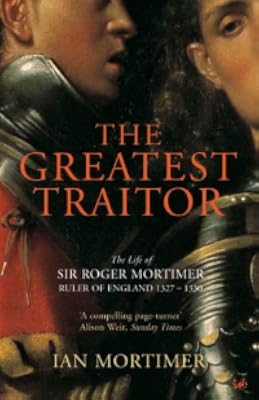
The Greatest Traitor: The Life of Sir Roger Mortimer, Ruler of England 1327-1330
by Ian Mortimer
On This Page
Description
The first biography of the rebel baron who deposed and murdered Edward II. One night in August 1323 a captive rebel baron, Sir Roger Mortimer, drugged his guards and escaped from the Tower of London. With the king's men-at-arms in pursuit he fled to the south coast, and sailed to France. There he was joined by Isabella, the Queen of England, who threw herself into his arms. A year later, as lovers, they returned with an invading army: King Edward II's forces crumbled before them, and show more Mortimer took power. He removed Edward II in the first deposition of a monarch in British history. Then the ex-king was apparently murdered, some said with a red-hot poker, in Berkeley Castle. Brutal, intelligent, passionate, profligate, imaginative and violent: Sir Roger Mortimer was an extraordinary character. It is not surprising that the queen lost her heart to him. Nor is it surprising that his contemporaries were terrified of him. But until now no one has appreciated the full evil genius of the man. This first biography reveals not only the man's career as a feudal lord, a governor of Ireland, a rebel leader and a dictator of England but also the truth of what happened that night in Berkeley Castle. 'Mortimer's book roars, races and sings... with a sense of passion and drama and an unrelenting pace' Daily Telegraph show lessTags
Recommendations
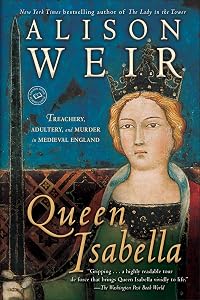
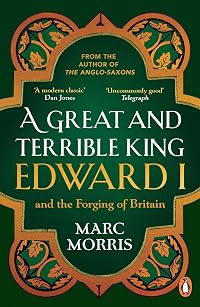
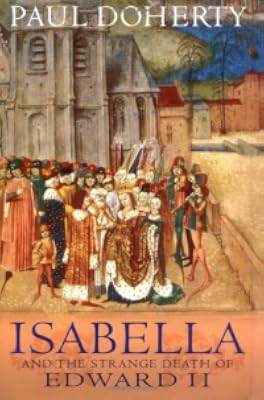
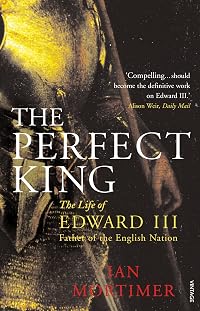











Member Recommendations
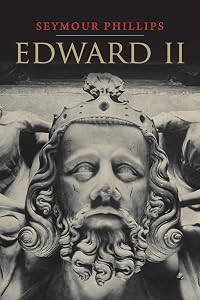
waltzmn Ian Mortimer's book on Sir Roger Mortimer presents a very radical hypothesis of the demise of the deposed King Edward II. For those who wish a comprehensive (dare I say exhaustive?) analysis of the life of Edward II, including its ending, Seymour Phillips has supplied it. Long and detailed, it gives a balanced and quite thorough account of one of England's most enigmatic monarchs.
Member Reviews
In the contest between Edward II and his barons, you never knew what would come next. So it is, too, with this book.
Although listed as a biography of Roger Mortimer, most of the meat of it is really a story of a three-way rivalry, between Edward II (king of England 1307-1327), his wife Isabella, and Isabella's eventual lover Mortimer. Mortimer-the-baron, as presented by Mortimer-the-author, because in effect the hero of a Greek tragedy: The man with a tragic flaw. A good soldier and honest landlord, Baron Mortimer nonetheless found himself squeezed by Edward II and his favorites the Despensers. Eventually he ended up in rebellion, gave himself up, and was sent to the Tower despite promises to the contrary. But he escaped.
And Edward II show more was turning England against him. One of those Edward alienated was his own wife Isabella, who went to France, hooked up with Mortimer, invaded England, and overthrew Edward.
So far, so conventional -- although Mortimer-the-author has a surprisingly favorable view of Mortmier-the-baron. But then, in the author's view, power went to his head. He ceased to dispense justice and began to simply gather power. England was under a reign of terror. Eventually the young King Edward III toppled his mother's lover; Mortimer was executed in 1330.
This leaves us with two curious aspects of the book. One is Ian Mortimer's insistance that Edward II was not killed in 1327, as almost all sources report. This is based primarily one one long-lost and ill-documented letter; few other historians have considered it sufficient to accept that Edward II lived. It just makes things too complicated.
Then, too, what caused Mortimer's personality change? Just the experience of power? It was disconcerting to read the book, which praised Mortimer constantly and then... didn't. It seems much more reasonable that Mortimer was the same man the whole time.
There is a lot of detail here -- more than I would have thought possible about a fourteenth century baron. But I can't find it entirely convincing.... show less
Although listed as a biography of Roger Mortimer, most of the meat of it is really a story of a three-way rivalry, between Edward II (king of England 1307-1327), his wife Isabella, and Isabella's eventual lover Mortimer. Mortimer-the-baron, as presented by Mortimer-the-author, because in effect the hero of a Greek tragedy: The man with a tragic flaw. A good soldier and honest landlord, Baron Mortimer nonetheless found himself squeezed by Edward II and his favorites the Despensers. Eventually he ended up in rebellion, gave himself up, and was sent to the Tower despite promises to the contrary. But he escaped.
And Edward II show more was turning England against him. One of those Edward alienated was his own wife Isabella, who went to France, hooked up with Mortimer, invaded England, and overthrew Edward.
So far, so conventional -- although Mortimer-the-author has a surprisingly favorable view of Mortmier-the-baron. But then, in the author's view, power went to his head. He ceased to dispense justice and began to simply gather power. England was under a reign of terror. Eventually the young King Edward III toppled his mother's lover; Mortimer was executed in 1330.
This leaves us with two curious aspects of the book. One is Ian Mortimer's insistance that Edward II was not killed in 1327, as almost all sources report. This is based primarily one one long-lost and ill-documented letter; few other historians have considered it sufficient to accept that Edward II lived. It just makes things too complicated.
Then, too, what caused Mortimer's personality change? Just the experience of power? It was disconcerting to read the book, which praised Mortimer constantly and then... didn't. It seems much more reasonable that Mortimer was the same man the whole time.
There is a lot of detail here -- more than I would have thought possible about a fourteenth century baron. But I can't find it entirely convincing.... show less
Historian Ian Mortimer presents an exciting narrative history of the reign of Edward II
To rule England effectively in the 12th and 13th centuries Kings needed to be first and foremost warriors, but they also needed strength of character, military skill, and the ability to manage the powerful landowners on whom they relied to keep the kingdom from lapsing into anarchy. Edward I and Edward III had theses qualities in abundance but Edward II sandwiched between them did not and lost his crown as a result.
Edward II reign was effectively just one squabble after another between the feudal lords and Mortimer chooses to tell the history from the standpoint of the most powerful of these lords: Sir Roger Mortimer. This allows him to present a full show more portrait of the life and times of a 14th century English warlord, who was at the centre of most of the important military and political events of the period. It is an exciting story taking in the wars with Scotland, the disaster at Bannockburn, the exiling and deaths of the kings favourite courtiers and of course the deposition of the king himself.
Mortimer has set his stall at writing a popular history and he succeeds admirably here. Over 100 pages of notes appendices and an index point to a rigorous scholastic approach. He says in his introduction that:
"This book is not a series of academic arguments as to the strengths and reliability of individual pieces of evidence; it is an attempt to illustrate the vast chessboard on which Roger Mortimer and his eminent contemporaries played out their ambitions..... That age was one of unbridled personal ambition and bloodshed; it saw enough betrayal, corruption, greed and murder for it to merit the title 'The Age of Treason'. And yet it was also full of piety, chivalry and patriotic fervour. It was a society in which all its leading participants struggled to survive."
The manner of Edward II death: his murder from a red hot poker inserted into his anus is tackled full on by Mortimer who gathers much evidence to refute this popular myth. It could be said that Mortimer treats this as a 'cause celebre' and does indulge in academic arguments over strengths and reliability of pieces of evidence to back his claims, however he does not allow this section of his book to become overly dry and dusty. He holds the readers attention with his enthusiasm and erudition relating to his detective work on this issue.
History brought to life by a historian who knows he has a good story to tell and knows he can tell it well. show less
To rule England effectively in the 12th and 13th centuries Kings needed to be first and foremost warriors, but they also needed strength of character, military skill, and the ability to manage the powerful landowners on whom they relied to keep the kingdom from lapsing into anarchy. Edward I and Edward III had theses qualities in abundance but Edward II sandwiched between them did not and lost his crown as a result.
Edward II reign was effectively just one squabble after another between the feudal lords and Mortimer chooses to tell the history from the standpoint of the most powerful of these lords: Sir Roger Mortimer. This allows him to present a full show more portrait of the life and times of a 14th century English warlord, who was at the centre of most of the important military and political events of the period. It is an exciting story taking in the wars with Scotland, the disaster at Bannockburn, the exiling and deaths of the kings favourite courtiers and of course the deposition of the king himself.
Mortimer has set his stall at writing a popular history and he succeeds admirably here. Over 100 pages of notes appendices and an index point to a rigorous scholastic approach. He says in his introduction that:
"This book is not a series of academic arguments as to the strengths and reliability of individual pieces of evidence; it is an attempt to illustrate the vast chessboard on which Roger Mortimer and his eminent contemporaries played out their ambitions..... That age was one of unbridled personal ambition and bloodshed; it saw enough betrayal, corruption, greed and murder for it to merit the title 'The Age of Treason'. And yet it was also full of piety, chivalry and patriotic fervour. It was a society in which all its leading participants struggled to survive."
The manner of Edward II death: his murder from a red hot poker inserted into his anus is tackled full on by Mortimer who gathers much evidence to refute this popular myth. It could be said that Mortimer treats this as a 'cause celebre' and does indulge in academic arguments over strengths and reliability of pieces of evidence to back his claims, however he does not allow this section of his book to become overly dry and dusty. He holds the readers attention with his enthusiasm and erudition relating to his detective work on this issue.
History brought to life by a historian who knows he has a good story to tell and knows he can tell it well. show less
Ian Mortimer's The Greatest Traitor (not related) is an excellent read for this period which covers the rise of a man who takes down one king & installs the king's son. In the three last years of Roger Mortimer's life, the chaos & the growing animosity toward him resulting from the deposition of Edward II & the final plot, ends in his execution for treason by order of Edward III. That is the book in a nutshell. Having said this, it is interesting that the author took the time to examine records & annals of the period & was able to achieve a good biography of a man in the midst of a chaotic & violent time. He also examines the possibility of Edward II actually living on with now known evidence & the odd connections to Edward II's show more supposed murderers who continue to survive working for Edward III. He simply offers evidence & lets the reader decide whether to accept it or not. show less
3.5 stars
Sir Roger Mortimer was close to Edward II when they were younger, but because Edward didn’t listen to anyone beyond his favourites while he was ruling, he turned many people away from him, including Mortimer. Later on, it seems Mortimer and Edward’s wife, Queen Isabella, carried on a dalliance. Most historians agree that Mortimer had Edward II murdered, while Mortimer and Isabella “ruled” through Edward III (Edward II and Isabella’s teenaged son). This author suggests something a little bit different to Edward II’s end, however.
This was nonfiction, so it took a while to read. It also took a bit for me to get interested, but I did like it maybe starting about 1/3 of the way in or so (or maybe a bit before that). It show more also got me curious about Robert (the) Bruce in Scotland. I’m not sure about Mortimer (the author)’s proposal for what happened to Edward II, but it was interesting to read about. That being said, I have not read anything about Roger Mortimer before this (except likely in reading about Isabella). I liked the way the author presented his alternate theory. He went through everything to the end of Roger’s life, then backed up with a chapter called “Chapter Twelve Revisited”, which explained what he thinks might have happened instead. show less
Sir Roger Mortimer was close to Edward II when they were younger, but because Edward didn’t listen to anyone beyond his favourites while he was ruling, he turned many people away from him, including Mortimer. Later on, it seems Mortimer and Edward’s wife, Queen Isabella, carried on a dalliance. Most historians agree that Mortimer had Edward II murdered, while Mortimer and Isabella “ruled” through Edward III (Edward II and Isabella’s teenaged son). This author suggests something a little bit different to Edward II’s end, however.
This was nonfiction, so it took a while to read. It also took a bit for me to get interested, but I did like it maybe starting about 1/3 of the way in or so (or maybe a bit before that). It show more also got me curious about Robert (the) Bruce in Scotland. I’m not sure about Mortimer (the author)’s proposal for what happened to Edward II, but it was interesting to read about. That being said, I have not read anything about Roger Mortimer before this (except likely in reading about Isabella). I liked the way the author presented his alternate theory. He went through everything to the end of Roger’s life, then backed up with a chapter called “Chapter Twelve Revisited”, which explained what he thinks might have happened instead. show less
Pretty well written biography of an English strong man who did have nearly complete power in England, bridging the days of Edward II and Edward III. There is an explanation for some evidence that might lead to a change in the received account of the death of Edward II. Even if you don't buy that material it remains an interesting biography.
Very detailed, very readable - who needs fiction when you can have history written like this!
Ratings
Members
- Recently Added By
Lists

historical biographies : great lives, well told
64 works; 4 members

al.vick-parents books
301 works; 1 member
Author Information

30+ Works 8,153 Members
Dr. Ian Mortimer is best known as the author of The Time Traveler's Guide to Medieval England and The Time Traveler's Guide to Elizabethan England, which were both national bestsellers. He was awarded the Alexander Prize by the Royal Historical Society and is a Fellow of the Royal Historical Society and a Fellow of the Society of Antiquaries. He show more latest novel is the acclaimed The Outcasts of Time Please visit his website at www.ianmortimer.com. show less
Common Knowledge
- Original publication date
- 2003
- People/Characters
- Roger Mortimer of Wigmore, 1st Earl of March; Isabella of France, Queen Consort of England; Adam Orleton; Bartholomew Badlesmere; Humphrey de Bohun, Earl of Hereford; Henry de Burghersh, Bishop of Lincoln (show all 19); Hugh Despenser the Elder; Hugh Despenser the Younger; Edmund of Woodstock, Earl of Kent; Edward II, King of England; Edward III, King of England; Piers Gaveston; Henry Plantagenet, Earl of Lancaster; John Maltravers; Joan Mortimer, Lady Mortimer; Roger Mortimer of Chirk, Lord Mortimer; Thomas of Brotherton, Earl of Norfolk; Thomas Plantagenet, Earl of Lancaster; Aymer de Valence, 2nd Earl of Pembroke
- Important places
- Berkeley Castle, Gloucestershire, England, UK; Tower of London, London, England, UK; Wigmore, Herefordshire, England, UK
- Important events
- Reign of Edward II, King of England (1307-07-07 | 1327-01-25)
- First words
- Author's Note
The early fourteenth century is a particularly difficult period for the systematic application of naming styles.
Introduction
On 1 August 1323 a thirty-six-year-old man lay in a chamber high up in the Tower of London.
Classifications
- Genres
- History, Nonfiction, Biography & Memoir, General Nonfiction
- DDC/MDS
- 942.037092 — History & geography History of Europe England and Wales England Plantagenet 1154-1399 Edward III 1327-77 Biography
- LCC
- DA231 .M67 .M67 — History of Europe, Asia, Africa and Oceania Great Britain History of Great Britain England History By period Early and medieval to 1485 1154-1485. Angevins. Plantagenets.
- BISAC
Statistics
- Members
- 425
- Popularity
- 72,794
- Reviews
- 6
- Rating
- (3.95)
- Languages
- English
- Media
- Paper, Ebook
- ISBNs
- 6
- ASINs
- 6