On This Page
Description
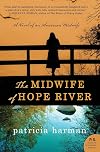
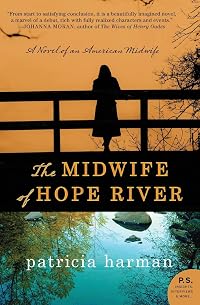
A remarkable new voice in American fiction enchants readers with a moving and uplifting novel that celebrates the miracle of life. In The Midwife of Hope River, first-time novelist Patricia Harmon transports us to poverty stricken Appalachia during the Great Depression years of the 1930s and introduces us to a truly unforgettable heroine. Patience Murphy, a midwife struggling against disease, poverty, and prejudice-and her own haunting past-is a strong and endearing character that fans of show more the books of Ami McKay and Diane Chamberlain will take into their hearts, as she courageously attempts to bring new light, and life, into an otherwise cruel world. show lessTags
Recommendations



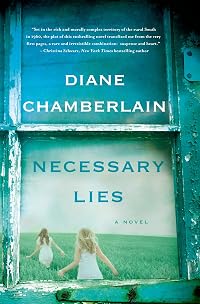
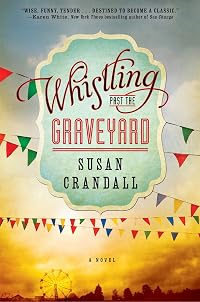

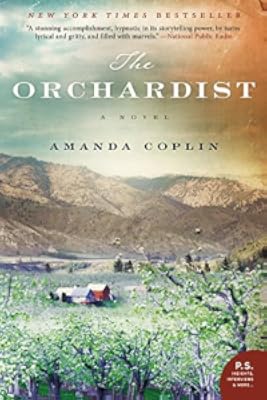

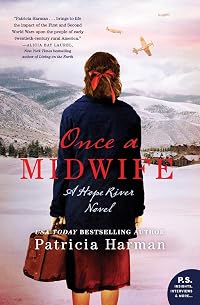




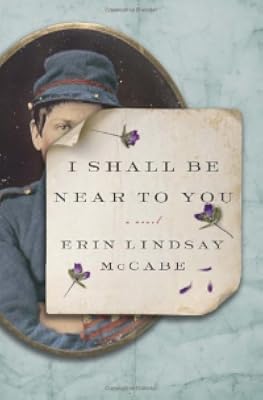

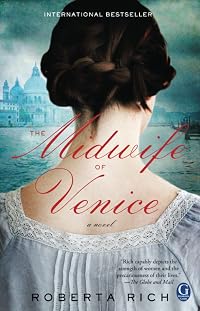

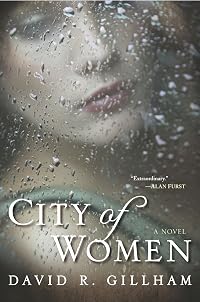
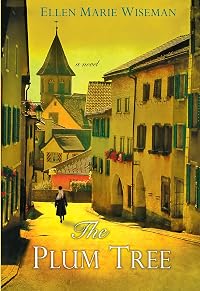



Member Recommendations
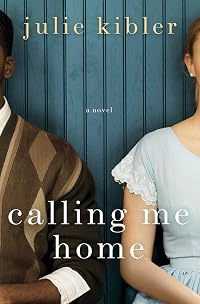
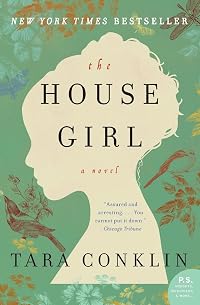
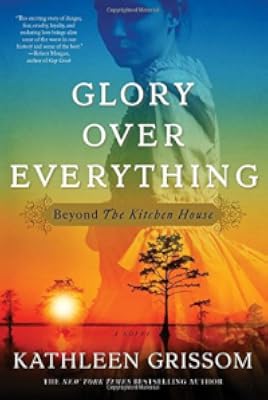
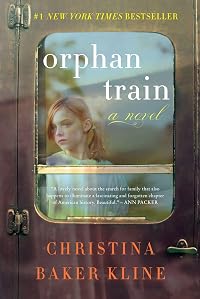
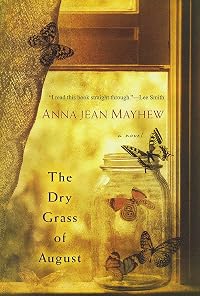
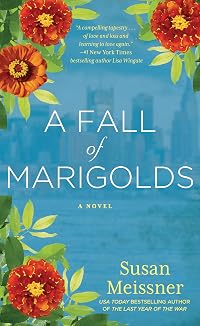
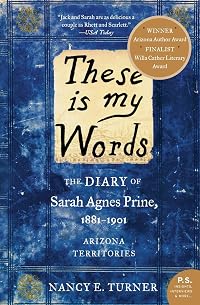
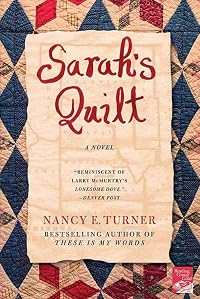
saratoga99 Similar time-period Canadian debut historical fiction.
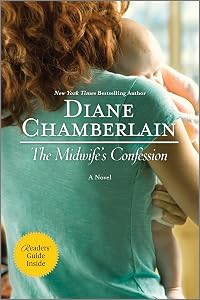
vancouverdeb Both books are about midwifery in the early 1920's ,1930's. Both also tackle social issues.
20

Member Reviews
Patricia Harman’s writing is so vivid and authentic that I had to remind myself that the story was only fiction.
The Midwife of Hope River is a compelling historical fiction novel that takes place in the 1930s, in the coal mining communities of Union County, West Virginia.
Elizabeth Snyder, aka Patience Murphy, is a 36-year-old widowed showgirl; hiding from the law in the rural hills of West Virginia. Patience learns midwifery from Mrs. Kelly and Mrs. Potts, the only two midwives in the County. But when they both died, Patience found herself alone with only her apprentice, Bitsy, a young girl she took into her home and befriended, to assist her. The story pulls at the reader’s heartstrings as it follows these two women into show more poverty-stricken homes and into the homes of mothers in the midst of labor. The reader will also find their emotions skyrocketing and plummeting as they witness Patience and her assistant struggling to keep both mother and child alive during prolonged and complicated births.
Patience Murphy would have loved to have had some assistance from Dr. Blum, the local physician. But Dr. Blum only treated families who had the means to pay for his services. And he refused to go into any of the homes that didn’t have running water and electricity; the very same homes that Patience and Bitsy often found themselves in. Payment was rare from these impoverished families. If they were paid, it was usually in the form of a meal, a chicken, or wood to heat their home. But most of the time it was just a hug and a thank you.
Even though slavery no longer existed in West Virginia, prejudice, segregation, and racial hate crimes still did. Patience discovered this first hand when she found white supremacists setting fire to her fence and threatening to rape her along with her black apprentice, Bitsy. Neighbor, good friend and local veterinarian, Daniel Hester, saw the fire in Patience’s yard and gathered forces to combat it and the men dressed as the KKK.
Patience held a warm and tender fondness for Daniel Hester, the man who always seemed to be there whenever she needed help. Patience, in turn, would assist him with his veterinarian calls. Although the two were not romantically in love, their bond of friendship was strong and ran deep within each other’s heart.
Patience Murphy would eventually find that the care she so freely gave to others would come to her in the form of support and friendship. This friendship would be her saving grace when her troubled past came knocking at her door.
I found The Midwife of Hope River to be riveting from the very first page. Patricia Harman draws from her vast experience as a midwife. She paints accurate and vivid pictures of what women experience during normal and complicated deliveries. I had to remind myself that The Midwife of Hope River was only fiction because it read like a true story, with realistic characters, dialogue, and situations. Although the book has a thread of grief and sadness running through it, readers will find themselves smiling at the many humorous situations Patience finds herself in.
I would highly recommend reading The Midwife of Hope River. It’s a magnificently written, fascinating, and difficult to put down book. It’s a story that will stay with the reader long after they have finished the last page.
~5 out of 5 stars~ Review by Peg Glover show less
The Midwife of Hope River is a compelling historical fiction novel that takes place in the 1930s, in the coal mining communities of Union County, West Virginia.
Elizabeth Snyder, aka Patience Murphy, is a 36-year-old widowed showgirl; hiding from the law in the rural hills of West Virginia. Patience learns midwifery from Mrs. Kelly and Mrs. Potts, the only two midwives in the County. But when they both died, Patience found herself alone with only her apprentice, Bitsy, a young girl she took into her home and befriended, to assist her. The story pulls at the reader’s heartstrings as it follows these two women into show more poverty-stricken homes and into the homes of mothers in the midst of labor. The reader will also find their emotions skyrocketing and plummeting as they witness Patience and her assistant struggling to keep both mother and child alive during prolonged and complicated births.
Patience Murphy would have loved to have had some assistance from Dr. Blum, the local physician. But Dr. Blum only treated families who had the means to pay for his services. And he refused to go into any of the homes that didn’t have running water and electricity; the very same homes that Patience and Bitsy often found themselves in. Payment was rare from these impoverished families. If they were paid, it was usually in the form of a meal, a chicken, or wood to heat their home. But most of the time it was just a hug and a thank you.
Even though slavery no longer existed in West Virginia, prejudice, segregation, and racial hate crimes still did. Patience discovered this first hand when she found white supremacists setting fire to her fence and threatening to rape her along with her black apprentice, Bitsy. Neighbor, good friend and local veterinarian, Daniel Hester, saw the fire in Patience’s yard and gathered forces to combat it and the men dressed as the KKK.
Patience held a warm and tender fondness for Daniel Hester, the man who always seemed to be there whenever she needed help. Patience, in turn, would assist him with his veterinarian calls. Although the two were not romantically in love, their bond of friendship was strong and ran deep within each other’s heart.
Patience Murphy would eventually find that the care she so freely gave to others would come to her in the form of support and friendship. This friendship would be her saving grace when her troubled past came knocking at her door.
I found The Midwife of Hope River to be riveting from the very first page. Patricia Harman draws from her vast experience as a midwife. She paints accurate and vivid pictures of what women experience during normal and complicated deliveries. I had to remind myself that The Midwife of Hope River was only fiction because it read like a true story, with realistic characters, dialogue, and situations. Although the book has a thread of grief and sadness running through it, readers will find themselves smiling at the many humorous situations Patience finds herself in.
I would highly recommend reading The Midwife of Hope River. It’s a magnificently written, fascinating, and difficult to put down book. It’s a story that will stay with the reader long after they have finished the last page.
~5 out of 5 stars~ Review by Peg Glover show less
What an amazing read. I love the way this author writes. She writes about women, and their weaknesses and their joys. Mostly Patricia Harman writes about their strengths. This is a story of a woman who became a midwife more by accident than by design. Patience was a woman who had lost her parents at an early age, walked away from an orphanage and into the first of many adventures she was to experience. She lost a lover and a child, and eventually became a widow due to a terrible accident. Yet she found a way to survive.
She landed in small, very poor town in West Virginia. The mines nearby provided work for some, but The Depression found its way into town and many of the richer inhabitants became poor and the poor became destitute. But show more life has a way of going on, and babies will be born, and so she made her living as a midwife, which she had learned from her great and beloved friend Mrs. Kelly during the years they shared a home and a way of life. Even though she had spent much of her life in cities like Pittsburgh and Chicago, she took to rural living like one who was born to it, and was finally living a life she enjoyed and was a respected member of the community. But even country life had its pitfalls, and she still had a challenge or two ahead of her. A self described warrior, she made her way, and eventually found more than a life she was content with, she found a way to be happy. show less
She landed in small, very poor town in West Virginia. The mines nearby provided work for some, but The Depression found its way into town and many of the richer inhabitants became poor and the poor became destitute. But show more life has a way of going on, and babies will be born, and so she made her living as a midwife, which she had learned from her great and beloved friend Mrs. Kelly during the years they shared a home and a way of life. Even though she had spent much of her life in cities like Pittsburgh and Chicago, she took to rural living like one who was born to it, and was finally living a life she enjoyed and was a respected member of the community. But even country life had its pitfalls, and she still had a challenge or two ahead of her. A self described warrior, she made her way, and eventually found more than a life she was content with, she found a way to be happy. show less
 This review was written for LibraryThing Early Reviewers.
The Midwife of Hope River by Patricia Harman takes us into the 1930s world of Patience Murphy, recently certified midwife, as she attends to a growing number of mothers around her West Virginia home. Patience's adventures as a country midwife give us a cross-section of the population: black, white, rich, poor, young, old, and even Amish. Seeing the many ways women cope with the impending birth is fascinating. Some scream and fight against it, others dance with their husbands, nearly carefree until the last moment. Patience assists with all kinds of births, hurrying off to places unknown at any hour of the day or night, often receiving nothing but gratitude in return for her services during the hard times of the Depression. Patience's show more frequent calls to attend at births keep up the pace of a book to brisk clip, but in between Harman is hard at work drawing out a complex character in Patience herself.
Patience has a much richer history than at first meets the eye, and Harman slowly leads readers into the dark corners of the past that has had her on the run. Patience is no stranger to heartbreak or to tragedy, but her experience has opened her up to viewing all kinds of people as no different than her, which makes her stick out like a sore thumb among the racist whites of West Virginia who don't take kindly to her setting up house with a black girl, her new birthing assistant, Bitsy. As Patience faces threats and troubles from all sides, she finds herself an unexpected ally in Daniel Hester, the local veterinarian, who threatens to poke holes in the shield she has erected to fend off those who might be too curious about her mysterious past.
Aside from some minor quibbles about the redundancy that occurs in the rhythm of the book (birth, memories, birth, more memories, birth...), I very much enjoyed The Midwife of Hope River. Patricia Harman has knit together a community of mostly lovable yet very different characters from the well-off wife of a local coal baron to the older, wiser midwife to the black community who takes Patience under her wing. At the center is Patience who is a strong and well-developed character in her own right but also a lens through which to view the times. Patience's life has brought her into the paths of lesbians, flappers, workers unionizing to struggle for their rights, coal miners trying to scrape out a meager living, coal barons losing everything to the market crash, and various and sundry "ordinary" people who dot the West Virginia countryside making a living however they can. Through Patience's lens, both the 1920s the Depression era are brought to life.
Patience is a captivating character who I easily fell in love with. She is strong, capable, and stands up for her principles, doing what her heart tells her even when it's dangerous and possibly deadly. The Midwife of Hope River is a quick read and absorbing piece of historical fiction. Here's hoping that Patricia Harman has a few more historical midwives up her sleeve! show less
Patience has a much richer history than at first meets the eye, and Harman slowly leads readers into the dark corners of the past that has had her on the run. Patience is no stranger to heartbreak or to tragedy, but her experience has opened her up to viewing all kinds of people as no different than her, which makes her stick out like a sore thumb among the racist whites of West Virginia who don't take kindly to her setting up house with a black girl, her new birthing assistant, Bitsy. As Patience faces threats and troubles from all sides, she finds herself an unexpected ally in Daniel Hester, the local veterinarian, who threatens to poke holes in the shield she has erected to fend off those who might be too curious about her mysterious past.
Aside from some minor quibbles about the redundancy that occurs in the rhythm of the book (birth, memories, birth, more memories, birth...), I very much enjoyed The Midwife of Hope River. Patricia Harman has knit together a community of mostly lovable yet very different characters from the well-off wife of a local coal baron to the older, wiser midwife to the black community who takes Patience under her wing. At the center is Patience who is a strong and well-developed character in her own right but also a lens through which to view the times. Patience's life has brought her into the paths of lesbians, flappers, workers unionizing to struggle for their rights, coal miners trying to scrape out a meager living, coal barons losing everything to the market crash, and various and sundry "ordinary" people who dot the West Virginia countryside making a living however they can. Through Patience's lens, both the 1920s the Depression era are brought to life.
Patience is a captivating character who I easily fell in love with. She is strong, capable, and stands up for her principles, doing what her heart tells her even when it's dangerous and possibly deadly. The Midwife of Hope River is a quick read and absorbing piece of historical fiction. Here's hoping that Patricia Harman has a few more historical midwives up her sleeve! show less
The Midwife of Hope River by Patricia Harmon totally absorbed me while I was reading it. The story of Patience Murphy, a midwife in rural West Virginia in the early 1930s was both heart-warming and rewarding as we join her and her assistant, Bitsy, as they help mothers deliver their babies in this time of trouble and strife. Black Tuesday brought about the downfall of many of the mine owners and one by one the mines in the area close leaving unemployed miners and their families scrambling to survive. With the mines going, soon the stores and other businesses are leaving as well. Both the local doctor and the health nurse leave for greener pastures and the black community loses it’s midwife, leaving Patience and Bitsy as pretty much show more the only health workers around.
Although there are numerous births described, this was more than a medical story. Patience had quite a history, and it is revealed gradually throughout the book in flashbacks. Also there are a few discontented people looking to vent their frustrations on a single white woman living with a black woman and who helps the black community. There is also the intriguing local vet who obviously has his eye on Patience.
The author herself is a certified midwife and has worked in rural areas so she certainly know of what she writes. The story touches on many issues that affected the 1930s from prohibition, unions, Ku Klux Klan and the lack of medical care that was available to people. I know that the author has gone on to write more books about the Hope River area, but this book certainly stands well on it own. I felt that other than Patience, the characters could have been a little more defined but this is a book that celebrates life, friendship and the rewards of a simple, hard working life and I found it both absorbing and uplifting. The Midwife of Hope River was simply an excellent story. show less
Although there are numerous births described, this was more than a medical story. Patience had quite a history, and it is revealed gradually throughout the book in flashbacks. Also there are a few discontented people looking to vent their frustrations on a single white woman living with a black woman and who helps the black community. There is also the intriguing local vet who obviously has his eye on Patience.
The author herself is a certified midwife and has worked in rural areas so she certainly know of what she writes. The story touches on many issues that affected the 1930s from prohibition, unions, Ku Klux Klan and the lack of medical care that was available to people. I know that the author has gone on to write more books about the Hope River area, but this book certainly stands well on it own. I felt that other than Patience, the characters could have been a little more defined but this is a book that celebrates life, friendship and the rewards of a simple, hard working life and I found it both absorbing and uplifting. The Midwife of Hope River was simply an excellent story. show less
The Midwife of Hope River is an engaging and touching novel of human frailties and triumphs. Patience Murphy inherits the role of the midwife of Hope River, a small rural community in West Virgina, when her mentor and friend, Mrs Kelly dies. Patience is no stranger to loss, orphaned at a young age she has since buried a fiance, a husband and a child. Mrs Kelly was her last link to her secret past and without her support Patience is apprehensive about managing on her own.
The Midwife of Hope River is told in the first person detailing Patience's experiences delivering babies in the community against the everyday challenges of life in Hope River. It opens with a harrowing delivery for one of the town's wealthy, white residents expecting a show more stillbirth, only for the child to be born alive. While Patience is relieved, she questions her own ability to be a midwife with such little training and experience. However with Dr Blum, the county's white doctor refusing to provide care for any one who cannot afford his services and the 'negro' midwife, Mrs Potts elderly and infirm, Patience is the only resource for the majority of the women.
The birth stories Patience shares are surprisingly riveting, not only for the circumstances of the delivery, but also for what is revealed about the individuals, families and the community. Slowly Patience is drawn into the fabric of Hope River, befriending Bitsy, a young black woman, who becomes her lodger, assistant and friend, and sparking a romance with the new vet, Dr Daniel Hester.
While the characters in The Midwife of Hope River are fascinating, Harman sets her novel against a time period of significant social angst in America. The story references the coal miner union riots of the early 1920's, racial segregation and the activities of the Ku Klux Klan and the Wall Street market crash leading to the Great Depression in 1929. The small rural Appalachian community in West Virgina Patience lives in is affected by these larger issues despite it's insular nature. Patience is paid in firewood or flour, if at all, as the Depression worsens, a family passing through in search of work abandons a new baby they cannot afford to feed to Patience's care, a husband turns on his wife as his fortune dwindles and racist attitudes are inflamed.
The Midwife of Hope River is a story of struggle, loss, love, survival and a celebration of life. A wonderful tale and an impressive fiction debut from Patricia Harman, herself a practicing midwife. I very much enjoyed this novel and happily recommend it. show less
The Midwife of Hope River is told in the first person detailing Patience's experiences delivering babies in the community against the everyday challenges of life in Hope River. It opens with a harrowing delivery for one of the town's wealthy, white residents expecting a show more stillbirth, only for the child to be born alive. While Patience is relieved, she questions her own ability to be a midwife with such little training and experience. However with Dr Blum, the county's white doctor refusing to provide care for any one who cannot afford his services and the 'negro' midwife, Mrs Potts elderly and infirm, Patience is the only resource for the majority of the women.
The birth stories Patience shares are surprisingly riveting, not only for the circumstances of the delivery, but also for what is revealed about the individuals, families and the community. Slowly Patience is drawn into the fabric of Hope River, befriending Bitsy, a young black woman, who becomes her lodger, assistant and friend, and sparking a romance with the new vet, Dr Daniel Hester.
While the characters in The Midwife of Hope River are fascinating, Harman sets her novel against a time period of significant social angst in America. The story references the coal miner union riots of the early 1920's, racial segregation and the activities of the Ku Klux Klan and the Wall Street market crash leading to the Great Depression in 1929. The small rural Appalachian community in West Virgina Patience lives in is affected by these larger issues despite it's insular nature. Patience is paid in firewood or flour, if at all, as the Depression worsens, a family passing through in search of work abandons a new baby they cannot afford to feed to Patience's care, a husband turns on his wife as his fortune dwindles and racist attitudes are inflamed.
The Midwife of Hope River is a story of struggle, loss, love, survival and a celebration of life. A wonderful tale and an impressive fiction debut from Patricia Harman, herself a practicing midwife. I very much enjoyed this novel and happily recommend it. show less
Patience Murphy is honest from the get-go, saying "to be a midwife was never my goal." No stranger to loss (she was orphaned young, then widowed young, and lost a baby along with way), Patience suddenly finds herself a guardian of life when her friend and mentor dies and leaves her alone to deliver babies in rural West Virginia. Set in the depths of the Great Depression, this book describes with poignant realism the crippling poverty and despair governing the lives of Patience's patients; at the same time, with each baby she delivers, Patience sees renewed joy and hope for the women she meets.
Harman's writing is vivid and her characters are warm and richly developed. Patience's story is woven throughout the novel, her secretive present show more interspersed with a very different and wilder past; along the way we meet the wildly different people who have influenced her. Nothing about this novel felt overdone - I thought Patience's emotions and experiences leapt off the page with their unapologetic reality, both good and bad. The scene was always alive but never over-imagined. Harman masterfully captured one woman's (and really, her entire community's) experience in a particular time and place - there were moments in the book that made me forget I was reading a work of fiction.
I give this novel 5 stars, I highly recommend it! show less
Harman's writing is vivid and her characters are warm and richly developed. Patience's story is woven throughout the novel, her secretive present show more interspersed with a very different and wilder past; along the way we meet the wildly different people who have influenced her. Nothing about this novel felt overdone - I thought Patience's emotions and experiences leapt off the page with their unapologetic reality, both good and bad. The scene was always alive but never over-imagined. Harman masterfully captured one woman's (and really, her entire community's) experience in a particular time and place - there were moments in the book that made me forget I was reading a work of fiction.
I give this novel 5 stars, I highly recommend it! show less
This review was written for LibraryThing Early Reviewers.Reviewed by: Aubrey
Book provided by: Publisher
Review originally posted at Romancing the Book
I love this book so much. It’s honestly one of my new favorite books ever. I love how Harman writes. She is quite frank and to the point but with a lot of humor. The main character, Patience, is exceptionally well written. She is character full of depth and layers and unquestionably a character that is more than what she seems. She is a midwife, but you get glimpses of a life led before that was exciting. She holds many of the feminist ideals that I do.
Her life as a midwife is not easy. She does not always get paid, but you get the feeling that Patience loves what she does. She faced many obstacles being a midwife in the mountains in one of the show more poorest areas of the country at the time and many men did not accept that she could do the job that a doctor could do. What is so fascinating about her attending all these births is that you get to see how all different families live and operate. You see the intersections of socioeconomic status and race and how the two intersect and how they also cause problems.
As her first published novel, Harman wrote a story that is emotional and raw. It is one that I will recommend to many of my friends who are interested in birth and midwifery. This books is comparable to The Birth House by Ami McKay. show less
Book provided by: Publisher
Review originally posted at Romancing the Book
I love this book so much. It’s honestly one of my new favorite books ever. I love how Harman writes. She is quite frank and to the point but with a lot of humor. The main character, Patience, is exceptionally well written. She is character full of depth and layers and unquestionably a character that is more than what she seems. She is a midwife, but you get glimpses of a life led before that was exciting. She holds many of the feminist ideals that I do.
Her life as a midwife is not easy. She does not always get paid, but you get the feeling that Patience loves what she does. She faced many obstacles being a midwife in the mountains in one of the show more poorest areas of the country at the time and many men did not accept that she could do the job that a doctor could do. What is so fascinating about her attending all these births is that you get to see how all different families live and operate. You see the intersections of socioeconomic status and race and how the two intersect and how they also cause problems.
As her first published novel, Harman wrote a story that is emotional and raw. It is one that I will recommend to many of my friends who are interested in birth and midwifery. This books is comparable to The Birth House by Ami McKay. show less
Members
- Recently Added By
Lists

Tagged Great Depression
23 works; 3 members

Books read in 2014
66 works; 1 member
Author Information
17 Works 1,288 Members
Patricia Harman has spent over thirty years caring for women as a midwife, first as a lay-midwife, and later as a nurse-midwife in teaching hospitals and a community hospital birthing center. She became an RN as the first step in getting licensed as certified nurse midwife. In 1985 she began her training at the University of Minnesota where she show more received her MSN in Nurse-Midwifery. She has been a nurse-midwife on the faculty of The Ohio State University, Case Western Reserve University and most recently West Virginia University. She also spent several years in private practice, before the rising costs of liability insurance for Obstetrics caused her to give up deliveries. The change in life style afforded Harman the free time to pursue writing. She has written two memoirs; Arms Wide Open: A Midwife's Journey, and The Blue Cotton Gown: A Midwife's Memoir. She has also written several novels; The Midwife of Hope River and The Reluctant Midwife, which comprise the Hope River Series. (Bowker Author Biography) show less
Series

Common Knowledge
- Canonical title
- The Midwife of Hope River
- Alternate titles
- The Midwife of Hope River: A Novel of an American Midwife
- Original publication date
- 2012-08-28
- People/Characters
- Patience Murphy; Daniel Hester; Bitsy Proudfoot; Mrs.Potter
- Important places
- West Virginia, USA
- Important events
- Great Depression
- Epigraph
- Most of my life I've felt like I was dreaming. Now and then I wake up, sometimes for months, sometimes minutes. I'm a character from a play, and I can't tell if I'm making it up or if a great puppeteer is making me dance.
- From the private diary of Patience Murphy, Midwife , Wild Rose Road, Liberty, West Virginia, U.S.A 1929 - 1930 - Dedication
- To the brave and beautiful midwives around the glove, who deliver 80 percent of the babies into their loving hands.
- First words
- " How long do you think that my baby's been dead?" Katherine turns toward me, and I can tell that she's still crying.
- Last words
- (Click to show. Warning: May contain spoilers.)I rest my cheek over Daniel's heart and take shelter in the sound of its beating.
Classifications
Statistics
- Members
- 585
- Popularity
- 50,281
- Reviews
- 66
- Rating
- (4.03)
- Languages
- 5 — Danish, English, Finnish, Norwegian (Bokmål), Swedish
- Media
- Paper, Audiobook, Ebook
- ISBNs
- 28
- ASINs
- 6