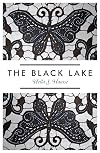
The Black Lake
by Hella S. Haasse
On This Page
Description
Amid the lush abundance of Java's landscape, two boys spend their days exploring the vast lakes and teeming forests. But as time passes the boys come to realize that their shared sense of adventure cannot bridge the gulf between their backgrounds, for one is the son of a Dutch plantation owner, and the other the son of a servant. Inevitably, as they grow up, they grow estranged and it is not until years later that they meet again. It will be an explosive and emblematic meeting that marks show more them even more deeply than their childhood friendship did. show lessTags
Recommendations




Member Recommendations
mercure Zelfde problematiek, maar met een ander perspectief. Toer bekijkt de ongelijkheid vanuit de Indonesische ervaring, Haasse vanuit de Nederlandse.
Member Reviews
This book is a slow burn. It has stayed in my mind, and the more I think about it the better it seems. It's a sort of parable: the Dutch narrator, who relates his memories of the Indonesian best friend of his boyhood, Oeroeg, could stand in for all colonists in his lack of self-awareness, his insouciance, his inability to recognize or comprehend the differences in social status between the two of them. Oeroeg, burning with an anger that the narrator fails to recognize, could represent all Indonesians, or indeed all colonized people. The course of events, as the narrator bumbles through his friendship, smashing Oeroeg's life apart and taking no responsibility for the events or Oeroeg's resulting anger and alienation, feels inevitable; show more the only person surprised is the narrator himself. It's beautifully understated. Haasse makes us work a little for our understanding of her themes, even to the point of wondering whether what I got from the book is really what she meant. I think it is. I think this short novel is crafted with such subtle genius that Haasse guides us smoothly to her intended conclusions while allowing us to believe we've come to them on our own.
This is a condensed version of a longer review on my blog, Around the World in 2000 Books. show less
This is a condensed version of a longer review on my blog, Around the World in 2000 Books. show less
READ IN DUTCH
12 nov 2009
Ik was vanmiddag ziek thuis en besloot toen om Oeroeg, van de actie Nederland Leest, maar eens te gaan lezen. Het boek is heel dun, zo'n 100 pagina's, en dat verklaart waarschijnlijk waarom het zo populair is bij middelbare scholieren. Ik heb met dit boek mijn middag opgefleurd. Het verhaal gaat over een Nederlandse jongen in Indonesie, ten tijde van Nederlands-Indie, die opgroeit met zijn Indonesische vriend Oeroeg, een vriendschap die mij deed denken aan de Vliegeraar. In het begin moest ik even wennen aan haar schrijfstijl en sommige zinnen even opnieuw lezen om ze goed mee te krijgen. Na een aantal pagina's ging dat al een stuk makkelijker en vanaf toen vond ik dat het makkelijk wegleest. Het vriendschap in show more het verhaal is gedoemd te mislukken, zo laat de eerste zin van het boek 'Oeroeg was mijn vriend.' al zien. Desondanks is het interessant om te lezen hoe het zich precies ontwikkeld en je voelt hoe de vriendschap langzaam maar zeker ten onder gaat. Het einde van het verhaal vond ik misschien een beetje te ver gezocht - hoe groot is de kans dat hij hem net daar tegenkomt? -, maar het is wel een mooi einde voor het boek. Misschien een beetje opmerkelijk, maar toen ik op TV zag dat het eerste boek van Nederland Leest werd uitgereikt, had ik het mijne al bijna een week daarvoor gekregen tijdens mijn Nederlands proefwerk?! show less
12 nov 2009
Ik was vanmiddag ziek thuis en besloot toen om Oeroeg, van de actie Nederland Leest, maar eens te gaan lezen. Het boek is heel dun, zo'n 100 pagina's, en dat verklaart waarschijnlijk waarom het zo populair is bij middelbare scholieren. Ik heb met dit boek mijn middag opgefleurd. Het verhaal gaat over een Nederlandse jongen in Indonesie, ten tijde van Nederlands-Indie, die opgroeit met zijn Indonesische vriend Oeroeg, een vriendschap die mij deed denken aan de Vliegeraar. In het begin moest ik even wennen aan haar schrijfstijl en sommige zinnen even opnieuw lezen om ze goed mee te krijgen. Na een aantal pagina's ging dat al een stuk makkelijker en vanaf toen vond ik dat het makkelijk wegleest. Het vriendschap in show more het verhaal is gedoemd te mislukken, zo laat de eerste zin van het boek 'Oeroeg was mijn vriend.' al zien. Desondanks is het interessant om te lezen hoe het zich precies ontwikkeld en je voelt hoe de vriendschap langzaam maar zeker ten onder gaat. Het einde van het verhaal vond ik misschien een beetje te ver gezocht - hoe groot is de kans dat hij hem net daar tegenkomt? -, maar het is wel een mooi einde voor het boek. Misschien een beetje opmerkelijk, maar toen ik op TV zag dat het eerste boek van Nederland Leest werd uitgereikt, had ik het mijne al bijna een week daarvoor gekregen tijdens mijn Nederlands proefwerk?! show less
A short account of two boys growing up in colonial Indonesia. Told from the perspective of the naive Dutch boy as he grows apart from his Indonesian friend, mirroring the separation of Indonesia in the early stages of its independence movment. Sparsely written, the few pages cover manage to cover many years and well evoke the heat of both place and simmering social tensions.
Originally published in Haasse’s native Dutch as Oeroeg in 1948, this novel has classic status in the Netherlands but seems to be comparatively unknown among English-speaking readers. Without knowing any of that, I bought it three years ago in a translation by Ina Rilke and have only just got round to reading it, discovering a short but poignant novel that explores the consequences of Dutch colonialism in what is now Indonesia. Haasse herself was born in Batavia (now Jakarta) and so her tale has a ring of authenticity about it, as it follows the friendship of two boys: one the son of a wealthy Dutch plantation owner in Java; the other, the son of the estate’s Indonesian manager...
For the full review, please see my blog:
show more target="_top">https://theidlewoman.net/2018/03/25/the-black-lake-hella-haasse/ show less
For the full review, please see my blog:
show more target="_top">https://theidlewoman.net/2018/03/25/the-black-lake-hella-haasse/ show less
The story of a Dutch boy, born on a tea plantation on Java, and his friendship with the son of one of Indonesian staff. The book tells the story of them growing up together, from the point of view of the Dutch boy. He doesn't realize how different society, both the white and Indonesian, treats them. They go to separate schools, have different career options, and slowly grow apart. They relate to each other less and less, while in the background Indonesians want to become independent from the Dutch. Short but very nice book.
This novella conveys the carefree days of friendship between a Dutch boy, based in Java with his family, and his childhood friend, Oeroeg, a native of the island. (Java is one of the larger islands of Indonesia.) As children, the boys revel in the rich forests and vast lakes daily but, as they mature, the gulf between them widens as a result of their distinct backgrounds – one is the son of a land owner; the other the son of a servant. A fairly good read.
This novel is narrated by a son of a Dutch tea plantation owner in Java, whose friendship with the son of the family's native servants, Oeroeg, is the defining feature of his childhood and youth. Novella-length, this was a quick read.
Members
- Recently Added By
Lists

Canon van de Nederlandse letterkunde
125 works; 5 members

Books Read in 2021
5,361 works; 114 members

Books Read in 2024
4,623 works; 126 members
Author Information

Hella Haasse was born in Batavia, the capital of what was then Dutch East India, now independent Indonesia. It is thus understandable why her first novel, Oeroeg (1948), describes the relationship between a Dutch and an Indonesian youth. As the two young men grow up, they gradually become conscious of their ethnic and cultural differences and, in show more spite of their efforts, nature appears to have destined them to become estranged from each other. Haasse's greatest impact on the Dutch literary scene occurred when her historical novel Het woud der verwachting (In a Dark Wood Wandering) (1948) was published. It was translated into English in 1989. This novel became a classic in its own time. In it the author describes the ever-increasing loneliness of the fifteenth-century Romantic poet--prince Charles d'Orleans, pretender to the crown of France, who wrote most of his poems in British and French prisons. In addition to giving a moving report of the life of a person destined to end his life in utter isolation, Hella Haasse succeeds in presenting her main character in a way which allows the reader to identify with him. Charles's life is interwoven with the lives of all the other people he meets. Haasse's talent for description and narration and her skill with flashbacks allow her to manage the novel's many characters, constructing a microcosm in which each reader feels "at home' and meets people with whom he or she can identify. (Bowker Author Biography) show less
Some Editions
Awards and Honors
Series
Belongs to Publisher Series
Heel Nederland Leest (2009)
Jonge Lijsters (1992.2)
Boekenweekgeschenk (1948)
Grote lijsters (2000.3)
Salamanderpockets (76)
Work Relationships
Is contained in
Is retold in
Has as a reference guide/companion
Common Knowledge
- Canonical title
- The Black Lake
- Original title
- Oeroeg
- Alternate titles
- Forever a stranger
- Original publication date
- 1948
- People/Characters*
- Oeroeg; Sidris; Deppoh; Danoeh; Gerard Stokman; Lida
- Important places
- Indonesia; Dutch East Indies; Sukabumi, Java, Indonesia
- Related movies
- Oeroeg (1993 | IMDb)
- First words*
- Oeroeg was mijn vriend.
- Last words*
- (Click to show. Warning: May contain spoilers.)De tijd zal het leren.
- Original language
- Dutch
*Some information comes from Common Knowledge in other languages. Click "Edit" for more information.
Classifications
- Genres
- General Fiction, Fiction and Literature
- DDC/MDS
- 839.31364 — Literature & rhetoric German & related literatures Other Germanic literatures Netherlandish literatures Dutch Dutch fiction 20th Century 1945-1999
- LCC
- PT5838 .H45 .O35 — Language and Literature German, Dutch and Scandinavian literatures Dutch literature Individual authors or works 1800-1960
- BISAC
Statistics
- Members
- 841
- Popularity
- 32,478
- Reviews
- 32
- Rating
- (3.58)
- Languages
- 9 — Afrikaans, Dutch, English, French, German, Indonesian, Italian, Polish, Swedish
- Media
- Paper, Ebook
- ISBNs
- 39
- ASINs
- 8