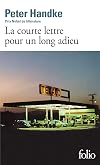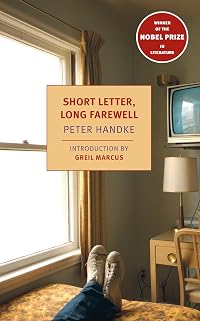
Short Letter, Long Farewell
by Peter Handke
On This Page
Description
Short Letter, Long Farewell is one the most inventive and exhilarating of the great Peter Handke's novels. Full of seedy noir atmospherics and boasting an air of generalized delirium, the book starts by introducing us to a nameless young German who has just arrived in America, where he hopes to get over the collapse of his marriage. No sooner has he arrived, however, than he discovers that his ex-wife is pursuing him. He flees, she follows, and soon the couple is running circles around each show more other across the length of America---from Philadelphia to St. Louis to the Arizona desert, and from Portland, Oregon, to L.A. Is it love or vengeance that they want from each other? Everything's spectacularly unclear in a book that is travelogue, suspense story, domestic comedy, and Western showdown, with a totally unexpected Hollywood twist at the end. Above all, Short Letter, Long Farewell is a love letter to America, its landscapes and popular culture, the invitation and the threat of its newness and wildness and emptiness, with the promise of a new life---or the corpse of an old one---lying just around the corner. show lessTags
Recommendations








Member Reviews
Peter Handke's novel Short Letter Long Farewell chronicles a journey through America's heartland. The story opens in Providence, where the narrator, a young man of German origin who remains unnamed throughout the book, checks into a hotel to find that his wife Judith has left a letter warning him not to go looking for her in New York. What ensues is a quest of sorts--in which the narrator and his wife pursue and evade each other across an American landscape that is anything but idealized--with stops in St. Louis and Tuscon--that ends on the Pacific coast. It does not give anything away to state that Judith's intentions, apparently murderous, never come to fruition, though at several points it does seem that the narrator's life is in show more danger. The precise nature of the rift between the narrator and his wife is left unexplained, and the action, though closely observed by a narrator obsessed with detail and the workings of his own mind, seems to take place behind a screen, at a slight remove from reality. Short Letter Long Farewell avoids conventional plotting in favour of a kind of random structure that infuses the action with the sort of suspense one might feel at the roulette table. An absorbing tale of estrangement and reconciliation told against a backdrop of late 1960s America. show less
Peter Handke is now more famous, or notorious, for his very vocal support for Slobodan Milosevic, but when he wrote this book in 1972, at the age of 30, that was all in the future. Without telling too much of the "plot," this novel follows the unnamed narrator, who is also an Austrian who turns 30 in the course of the story, as he either seeks his ex-wife or flees her (she may be murderous), traveling across the United States from Providence to New York to Philadelphia and then to Tucson, the Pacific Northwest, and finally Los Angeles. So this book is many things: a road trip, a not very suspenseful suspense story, and a European 'perspective on the late 60s US (some of which, even when expressed by American characters, seems a tad show more stereotypical). But what it is primarily is a largely claustrophobic look inside the mind of the very self-obsessed narrator, who itemizes his every thought and feeling, paying little attention to the people with whom he interacts. And maybe, just maybe, he is a little psychologically disturbed (I mean beyond this self-obsession). Just to give the flavor of some of his endless musings:
"As I sat motionless, something began to move back and forth in my head in a rhythm resembling that of my wanderings about New York that day. Once it stopped, then for a long time it ran straight ahead, then it zigzagged, then it circled awhile and subsided. It was neither an image nor a sound, only a rhythm that now or then pretended to be one or the other. It was only then that I saw inside me the city that up until then I had almost overlooked." p. 36
Literary, artistic, film, 60s rock, and other popular culture references abound in this book: in the beginning the narrator is reading The Great Gatsby and feels that Gatsby is enabling him to transform himself. He also reads a German book, Green Heinrich, which tells the tale of a German boy/young man living in the country in earlier times, including his romantic difficulties and physical conflicts. In the course of the novel, he attends various films, from Tarzan to Young Lincoln and in the end even meets director John Ford (who, in contrast to the narrator, expressly advocates engagement with other human beings). (Handke wrote scripts for films as well as novels.)
As the book progresses, the reader gets a hint of unpleasant aspects of the narrator's childhood that could have contributed to his lack of interest in the other people in the novel. To some extent, the narrator is self-aware. He knows, for example, that he doesn't really experience a new experience, but "checks it off."
I didn't warm to this novel as I was reading it. I found the narrator almost insufferable, his travels only mildly interesting, his interactions with other people odd (one wonders why they put up with him). And yet . . . a day after I finished it, I find I'm still thinking about it. Short novel, long aftereffect? show less
"As I sat motionless, something began to move back and forth in my head in a rhythm resembling that of my wanderings about New York that day. Once it stopped, then for a long time it ran straight ahead, then it zigzagged, then it circled awhile and subsided. It was neither an image nor a sound, only a rhythm that now or then pretended to be one or the other. It was only then that I saw inside me the city that up until then I had almost overlooked." p. 36
Literary, artistic, film, 60s rock, and other popular culture references abound in this book: in the beginning the narrator is reading The Great Gatsby and feels that Gatsby is enabling him to transform himself. He also reads a German book, Green Heinrich, which tells the tale of a German boy/young man living in the country in earlier times, including his romantic difficulties and physical conflicts. In the course of the novel, he attends various films, from Tarzan to Young Lincoln and in the end even meets director John Ford (who, in contrast to the narrator, expressly advocates engagement with other human beings). (Handke wrote scripts for films as well as novels.)
As the book progresses, the reader gets a hint of unpleasant aspects of the narrator's childhood that could have contributed to his lack of interest in the other people in the novel. To some extent, the narrator is self-aware. He knows, for example, that he doesn't really experience a new experience, but "checks it off."
I didn't warm to this novel as I was reading it. I found the narrator almost insufferable, his travels only mildly interesting, his interactions with other people odd (one wonders why they put up with him). And yet . . . a day after I finished it, I find I'm still thinking about it. Short novel, long aftereffect? show less
„Velicanstvena ljubavna prica.“ Der Bund
Tragajuci za svojom ženom Juditom, bezimeni junak romana, mladi Austrijanac u Americi, dolazi do hotela u Providensu, gde ga na portirnici ceka pismo: „U Njujorku sam. Ujedno te molim da me ne tražiš, ne bi bilo dobro da me pronadeš.“ S vremenom, medutim, postaje jasno da Judita zapravo njega progoni s namerom da ga ubije. On provodi dan u Njujorku, zatim odlazi u Filadelfiju, gde ce mu se pridružiti stara ljubav sa svojom dvogodišnjom cerkom. Voze se zajedno do Sent Luisa, a potom, da bi umakao nemilosrdnoj Juditi, on krece na zapad ka Tusonu i otud ka Oregonu. Na obali Tihog okeana srešce svoju ženu sa pištoljem u ruci.
„Handke ispisuje i opisuje bezizlazni ljubavni lavirint, u show more kojem se dvoje susrecu i gube, beže jedno od drugog samo da bi se iznova sreli. Jer je prava ljubav jedino ona u kojoj je citav život – neprestano – na kocki.“ Vladimir Tabaševic
Peter Handke (1942, Grifen, Austrija) jedan je od najznacajnijih pisaca nemackog jezika i savremene svetske književnosti. Pisac stotinak knjiga, romana, pripovesti, drama, poezije, eseja i filmskih scenarija; autor više filmova, i koautor i saradnik u mnogim filmovima Vima Vendersa; likovni ilustrator svojih tekstova. Dobitnik niza nagrada: Bihnerove, Kafkine, Šilerove, Ibzenove, Nestrojeve, nagrade „Tomas Man“, nagrade „Milovan Vidakovic“ i drugih. Nobelova nagrada za književnost dodeljena mu je 2019. „zbog uticajnog rada koji sa lingvistickom genijalnošcu istražuje periferiju i posebnost ljudskog postojanja.“
Handkeov prvi roman Stršljenovi i prva drama Psovanje publike objavljeni su 1966. Iste godine se na sastanku Grupe 47 u Prinstonu u SAD distancirao od „opisivacke“ književnosti novog realizma i utvrdio poziciju svoje književnosti kao usmerenost na jezik i na odnos jezika i sveta. Motiv ugroženog subjekta u problematicnoj komunikaciji sa spoljašnjim svetom karakteristican je za rana Handkeova ostvarenja, kao što su romani Golmanov strah od penala (1970), Bezželjna nesreca (1972), Kratko pismo za dugo rastajanje (1972) i Levoruka žena (1976), potom proslavljeni dramski komad Kaspar (1968) ili zbirka poezije Unutrašnji svet spoljašnjeg sveta unutrašnjeg sveta (1969).
Knjiga Spori povratak kuci (1979) predstavlja prekretnicu u Handkeovoj književnosti i okretanje prirodi i materijalnosti sveta, gde su film i slikarstvo izvori književne inspiracije. Istovremeno je u Handkeovim ostvarenjima prisutno neprekidno traganje za smislom postojanja. Otuda su lutanje i migracija primarni modus aktivnosti i aktivizma, a put je mesto za tzv. „epski korak“, koji nije posebno vezan za odredeni žanr. Njegovom delu je otad svojstven snažan avanturisticki duh, ali i nostalgija, koji su uocljivi u pripovestima kao što su Pouka planine Saint Victoire (1980), Ponavljanje (1986), Još jedanput za Tukidida (1990), Zimsko putovanje do reka Dunava, Save, Drine i Morave ili Pravda za Srbiju (1996), Moravska noc (2008) i Veliki Pad (2011) ili u dramama Vožnja cunom ili komad za film o ratu (1999) i Lepi dani u Aranhuezu (2012).
Peter Handke je oduvek mnogo vremena provodio izvan Austrije i na putovanjima, a od 1990. pretežno živi i radi u Francuskoj. show less
Tragajuci za svojom ženom Juditom, bezimeni junak romana, mladi Austrijanac u Americi, dolazi do hotela u Providensu, gde ga na portirnici ceka pismo: „U Njujorku sam. Ujedno te molim da me ne tražiš, ne bi bilo dobro da me pronadeš.“ S vremenom, medutim, postaje jasno da Judita zapravo njega progoni s namerom da ga ubije. On provodi dan u Njujorku, zatim odlazi u Filadelfiju, gde ce mu se pridružiti stara ljubav sa svojom dvogodišnjom cerkom. Voze se zajedno do Sent Luisa, a potom, da bi umakao nemilosrdnoj Juditi, on krece na zapad ka Tusonu i otud ka Oregonu. Na obali Tihog okeana srešce svoju ženu sa pištoljem u ruci.
„Handke ispisuje i opisuje bezizlazni ljubavni lavirint, u show more kojem se dvoje susrecu i gube, beže jedno od drugog samo da bi se iznova sreli. Jer je prava ljubav jedino ona u kojoj je citav život – neprestano – na kocki.“ Vladimir Tabaševic
Peter Handke (1942, Grifen, Austrija) jedan je od najznacajnijih pisaca nemackog jezika i savremene svetske književnosti. Pisac stotinak knjiga, romana, pripovesti, drama, poezije, eseja i filmskih scenarija; autor više filmova, i koautor i saradnik u mnogim filmovima Vima Vendersa; likovni ilustrator svojih tekstova. Dobitnik niza nagrada: Bihnerove, Kafkine, Šilerove, Ibzenove, Nestrojeve, nagrade „Tomas Man“, nagrade „Milovan Vidakovic“ i drugih. Nobelova nagrada za književnost dodeljena mu je 2019. „zbog uticajnog rada koji sa lingvistickom genijalnošcu istražuje periferiju i posebnost ljudskog postojanja.“
Handkeov prvi roman Stršljenovi i prva drama Psovanje publike objavljeni su 1966. Iste godine se na sastanku Grupe 47 u Prinstonu u SAD distancirao od „opisivacke“ književnosti novog realizma i utvrdio poziciju svoje književnosti kao usmerenost na jezik i na odnos jezika i sveta. Motiv ugroženog subjekta u problematicnoj komunikaciji sa spoljašnjim svetom karakteristican je za rana Handkeova ostvarenja, kao što su romani Golmanov strah od penala (1970), Bezželjna nesreca (1972), Kratko pismo za dugo rastajanje (1972) i Levoruka žena (1976), potom proslavljeni dramski komad Kaspar (1968) ili zbirka poezije Unutrašnji svet spoljašnjeg sveta unutrašnjeg sveta (1969).
Knjiga Spori povratak kuci (1979) predstavlja prekretnicu u Handkeovoj književnosti i okretanje prirodi i materijalnosti sveta, gde su film i slikarstvo izvori književne inspiracije. Istovremeno je u Handkeovim ostvarenjima prisutno neprekidno traganje za smislom postojanja. Otuda su lutanje i migracija primarni modus aktivnosti i aktivizma, a put je mesto za tzv. „epski korak“, koji nije posebno vezan za odredeni žanr. Njegovom delu je otad svojstven snažan avanturisticki duh, ali i nostalgija, koji su uocljivi u pripovestima kao što su Pouka planine Saint Victoire (1980), Ponavljanje (1986), Još jedanput za Tukidida (1990), Zimsko putovanje do reka Dunava, Save, Drine i Morave ili Pravda za Srbiju (1996), Moravska noc (2008) i Veliki Pad (2011) ili u dramama Vožnja cunom ili komad za film o ratu (1999) i Lepi dani u Aranhuezu (2012).
Peter Handke je oduvek mnogo vremena provodio izvan Austrije i na putovanjima, a od 1990. pretežno živi i radi u Francuskoj. show less
"It's one of those books where the narrator is taking his emotional temperature every two minutes,"
Escrita 1972, esta novela narrada en primera persona y definitivamente autobiográfica, retrata a un conflictivo personaje, el cual a partir de su propio divorcio comienza a percibir su realidad, como si todo fuera un sueño. Recorriendo los Estados Unidos comienza a huir de sí mismo para intentar infinidad de veces convertirse en otro.
Handke y su personaje a través del relato manifiestan en varias ocasiones una visión negativa de la vida “Ni bien me involucro en algo, ya me lo estoy formulando y me salgo de él, no lo experimento hasta el final, sino que dejo que me pase por un costado.”
La novela, por suerte también, no deja de mostrarnos una parte de ternura, ya que en una parte de su viaje lo acompañan un buen trecho Claire, show more una relación anterior, y su pequeña hija, que le aporta la parte más entrañable y divertida al relato.
Las descripciones desoladas de los paisajes y de las rutas están escritas con una prosa inigualable, como así también lo hace con algunos personajes secundarios. Siempre en todo su recorrido y en todo lo que hace y en todo lo que nos cuenta está presente Judith, su ex esposa, como una sombra y como una realidad.
Una perla: Al final del libro hay una entrevista con John Ford, el el genial director de cine, lo que nos muestra el gran acercamiento de Handke al séptimo arte. Recordemos que el autor dirigió dos filmes, La mujer zurda (sobre una novela propia) y La ausencia. show less
Handke y su personaje a través del relato manifiestan en varias ocasiones una visión negativa de la vida “Ni bien me involucro en algo, ya me lo estoy formulando y me salgo de él, no lo experimento hasta el final, sino que dejo que me pase por un costado.”
La novela, por suerte también, no deja de mostrarnos una parte de ternura, ya que en una parte de su viaje lo acompañan un buen trecho Claire, show more una relación anterior, y su pequeña hija, que le aporta la parte más entrañable y divertida al relato.
Las descripciones desoladas de los paisajes y de las rutas están escritas con una prosa inigualable, como así también lo hace con algunos personajes secundarios. Siempre en todo su recorrido y en todo lo que hace y en todo lo que nos cuenta está presente Judith, su ex esposa, como una sombra y como una realidad.
Una perla: Al final del libro hay una entrevista con John Ford, el el genial director de cine, lo que nos muestra el gran acercamiento de Handke al séptimo arte. Recordemos que el autor dirigió dos filmes, La mujer zurda (sobre una novela propia) y La ausencia. show less
Jan 3, 2022Spanish
La paura dell’esistente nonostante l’approccio fenomenologico.
“Anche Enrico il Verde non voleva interpretare niente,” disse improvvisamente Claire. “Si limitava a vivere le cose con un massimo di naturalezza, contemplava ogni esperienza spiegarne un’altra e l’altra spiegare la prima. Lasciava che le esperienze gli si svolgessero davanti agli occhi senza intervenirvi, e così anche le persone che viveva gli passavano davanti come in una danza. Non le provocava, né le tirava fuori dalla ridda. Non voleva decifrare niente; …"
(pagine 101-2)
“Anche Enrico il Verde non voleva interpretare niente,” disse improvvisamente Claire. “Si limitava a vivere le cose con un massimo di naturalezza, contemplava ogni esperienza spiegarne un’altra e l’altra spiegare la prima. Lasciava che le esperienze gli si svolgessero davanti agli occhi senza intervenirvi, e così anche le persone che viveva gli passavano davanti come in una danza. Non le provocava, né le tirava fuori dalla ridda. Non voleva decifrare niente; …"
(pagine 101-2)
Oct 13, 2022Italian
Der kurze Brief zum langen Abschied
OA 1972 Form Erzählung Epoche Moderne
Der kurze Brief zum langen Abschied von Peter Handke ist die Geschichte eines Mannes, der sich auf einer Reise durch die USA von bedrückenden alten Denk- und Reaktionsmustern zu befreien lernt und zu einer neuen Art von Lebenslust gelangt.
Inhalt: Ein etwa 30-jähriger Schriftsteller reist auf der Suche nach seiner Frau Judith, die sich kurz zuvor von ihm getrennt hat, quer durch die Vereinigten Staaten, von der Ost- zur Westküste. Diese Irr- und Verfolgungsjagd – Judith ist auch hinter ihm her und will ihn vielleicht umbringen – ist gleichzeitig die Reise des Helden zu sich selbst, auf der er verschiedene Stationen seiner Entwicklung durchläuft. Langsam kann show more er sich von einem Ichbewusstsein, das vor allem von Angst, Entsetzen und Erschrecken bestimmt ist, befreien und gelangt durch das Reisen, durch die Begegnung mit Menschen, durch das Schauen und Lesen zu einem neuen, nicht länger selbstentfremdeten Bewusstsein. Als er Judith schließlich trifft, nimmt er ihr wie selbstverständlich den auf ihn gerichteten Revolver aus der Hand. Der Roman endet märchenhaft mit einem Besuch der beiden bei dem alten Westernregisseur John Ford, der sie auffordert, ihm ihre Geschichte zu erzählen. Durch dieses Erzählen gelingt es dem Paar, sich nunmehr friedlich zu trennen.
Aufbau: Handke kombiniert für die recht einfache Geschichte, die von einem Ich-Erzähler vorgetragen wird, die traditionellen Formen des Kriminalromans, des Entwicklungsromans und des empfindsamen Reiseromans. Das Buch ist in zwei Teile gegliedert, die mit Der kurze Brief und Der lange Abschied überschrieben sind, Letzteres eine Anspielung auf den Kriminalroman Der lange Abschied (1953) von Raymond R Chandler. Die Mottos für die Kapitel hat Handke dem Roman Anton Reiser (1785–90) von Karl Philipp R Moritz entnommen; der Ich-Erzähler liest auf seiner Reise in Der grüne Heinrich (1853–55) von Gottfried R Keller. Der Roman, den Handke als »Fiktion eines Entwicklungsromans« bezeichnete, ist also vielfach literarisch vermittelt.
Wirkung: Der kurze Brief zum langen Abschied erzählt von den Identitäts- und Lebenskrisen der Protagonisten, wobei das Hauptinteresse des Autors der jeweiligen subjektiven Befindlichkeit gilt. Damit wurde Handke zu einem der wichtigsten und einflussreichsten Autoren der so genannten neuen Innerlichkeit, einer literarischen Strömung der 1970er Jahre, deren vorrangiges Interesse – nach der engagiert ideologischen Literatur um 1968 – der Selbsterfahrung und Innenschau des Individuums galt. R. Mi
Quelle: Amazon.de. - Aus: Harenberg: Das Buch der 1000 Bücher show less
OA 1972 Form Erzählung Epoche Moderne
Der kurze Brief zum langen Abschied von Peter Handke ist die Geschichte eines Mannes, der sich auf einer Reise durch die USA von bedrückenden alten Denk- und Reaktionsmustern zu befreien lernt und zu einer neuen Art von Lebenslust gelangt.
Inhalt: Ein etwa 30-jähriger Schriftsteller reist auf der Suche nach seiner Frau Judith, die sich kurz zuvor von ihm getrennt hat, quer durch die Vereinigten Staaten, von der Ost- zur Westküste. Diese Irr- und Verfolgungsjagd – Judith ist auch hinter ihm her und will ihn vielleicht umbringen – ist gleichzeitig die Reise des Helden zu sich selbst, auf der er verschiedene Stationen seiner Entwicklung durchläuft. Langsam kann show more er sich von einem Ichbewusstsein, das vor allem von Angst, Entsetzen und Erschrecken bestimmt ist, befreien und gelangt durch das Reisen, durch die Begegnung mit Menschen, durch das Schauen und Lesen zu einem neuen, nicht länger selbstentfremdeten Bewusstsein. Als er Judith schließlich trifft, nimmt er ihr wie selbstverständlich den auf ihn gerichteten Revolver aus der Hand. Der Roman endet märchenhaft mit einem Besuch der beiden bei dem alten Westernregisseur John Ford, der sie auffordert, ihm ihre Geschichte zu erzählen. Durch dieses Erzählen gelingt es dem Paar, sich nunmehr friedlich zu trennen.
Aufbau: Handke kombiniert für die recht einfache Geschichte, die von einem Ich-Erzähler vorgetragen wird, die traditionellen Formen des Kriminalromans, des Entwicklungsromans und des empfindsamen Reiseromans. Das Buch ist in zwei Teile gegliedert, die mit Der kurze Brief und Der lange Abschied überschrieben sind, Letzteres eine Anspielung auf den Kriminalroman Der lange Abschied (1953) von Raymond R Chandler. Die Mottos für die Kapitel hat Handke dem Roman Anton Reiser (1785–90) von Karl Philipp R Moritz entnommen; der Ich-Erzähler liest auf seiner Reise in Der grüne Heinrich (1853–55) von Gottfried R Keller. Der Roman, den Handke als »Fiktion eines Entwicklungsromans« bezeichnete, ist also vielfach literarisch vermittelt.
Wirkung: Der kurze Brief zum langen Abschied erzählt von den Identitäts- und Lebenskrisen der Protagonisten, wobei das Hauptinteresse des Autors der jeweiligen subjektiven Befindlichkeit gilt. Damit wurde Handke zu einem der wichtigsten und einflussreichsten Autoren der so genannten neuen Innerlichkeit, einer literarischen Strömung der 1970er Jahre, deren vorrangiges Interesse – nach der engagiert ideologischen Literatur um 1968 – der Selbsterfahrung und Innenschau des Individuums galt. R. Mi
Quelle: Amazon.de. - Aus: Harenberg: Das Buch der 1000 Bücher show less
Jan 20, 2011German
Members
- Recently Added By
Author Information

209+ Works 8,546 Members
Peter Handke was born in Griffen, Austria on December 6, 1942. He studied law at Graz University from 1961 to 1965. He is a playwright, novelist, poet, and essayist. His plays include Offending the Audience, Kaspar, and The Ride across Lake Constance. His novels include The Goalie's Anxiety at the Penalty Kick, The Left-Handed Woman, and A Sorrow show more beyond Dreams. He was awarded the Buchner Prize in 1973 and refused to accept the Kafka Prize in 1979. (Bowker Author Biography) Peter Handke was born in Griffen, Austria, in 1942. His many works include Absence (FSG, 1990), The Jukebox and Other Essays on Storytelling (FSG, 1994), and, most recently, My Year in the No-Man's-Bay (FSG, 1998). (Publisher Provided) show less
Some Editions
Awards and Honors
Series
Belongs to Publisher Series
Alianza Tres (22)
suhrkamp taschenbuch (0172)
Work Relationships
Common Knowledge
- Canonical title
- Short Letter, Long Farewell
- Original title
- Der kurze Brief zum langen Abschied
- Original publication date
- 1972
- Important places
- New York, New York, USA; Providence, Rhode Island, USA; USA; New York, USA; Rhode Island, USA
- Epigraph*
- Und einst, da sie an einem warmen, aber trüben Morgen
vors Tor hinausgegangen, sagte Iffland, dies wäre gutes
Wetter, davonzugehen – und das Wetter schien auch so
reisemäßig, der Himmel so dicht auf der E... (show all)rde liegend, die
Gegenstände umher so dunkel, gleichsam als sollte die
Aufmerksamkeit nur auf die Straße, die man wandern
wollte, hingeheftet werden.
Karl Philipp Moritz, Anton Reiser - First words*
- Die Jefferson Street ist eine stille Straße in Providence.
- Last words*
- (Click to show. Warning: May contain spoilers.)Quando ebbe terminato la nostra storia, John Ford rise silenziosamente, con tutta la faccia.
"Ach Gott!" disse in tedesco.
Si fece serio e si rivolse a Judith.
"Ed è tutto vero?" domandò in inglese. "Niente è inventato nella storia?"
"Sì", disse Judith, "tutto questo è accaduto." - Original language*
- Deutsch
*Some information comes from Common Knowledge in other languages. Click "Edit" for more information.
Classifications
- Genres
- General Fiction, Fiction and Literature
- DDC/MDS
- 833.914 — Literature & rhetoric German & related literatures German fiction 1900- 1900-1990 1945-1990
- LCC
- PT2668 .A5 .K813 — Language and Literature German, Dutch and Scandinavian literatures German literature Individual authors or works 1961-2000
- BISAC
Statistics
- Members
- 504
- Popularity
- 59,903
- Reviews
- 7
- Rating
- (3.64)
- Languages
- 13 — Dutch, English, French, German, Greek, Italian, Norwegian (Bokmål), Romanian, Russian, Slovak, Spanish, Swedish, Turkish
- Media
- Paper, Ebook
- ISBNs
- 32
- ASINs
- 9