On This Page
Description
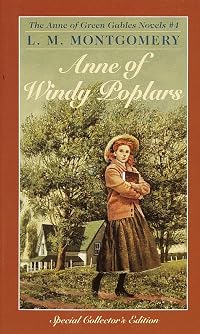
Anne Shirley has left Redmond College behind to begin a new job and a new chapter of her life away from Green Gables. Now she faces a new challenge: the Pringles. They're known as the royal family of Summerside - and they quickly let Anne know she is not the person they wanted to be principal of Summerside High School. But as she settles into the cozy tower room at Windy Poplars, Anne finds she also has great allies: the widows Aunt Kate and Aunt Chatty and in their irrepressible show more housekeeper, Rebecca Dew, are on her side. As Anne learns Summerside's strangest secrets, winning the support of the prickly Pringles becomes only the first of her triumphs. show lessTags
Recommendations
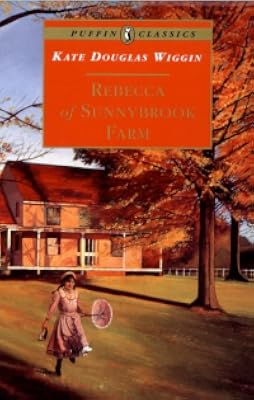
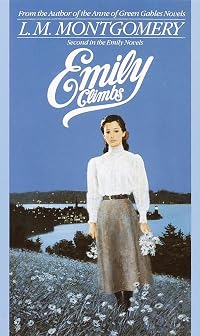
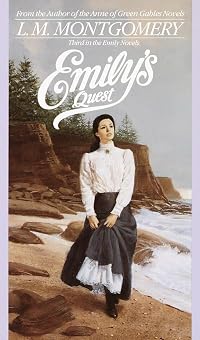
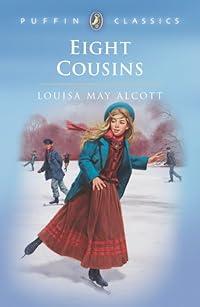

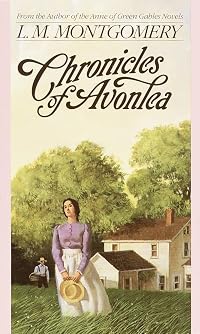
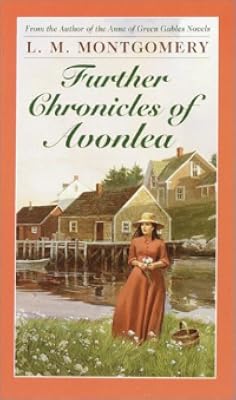
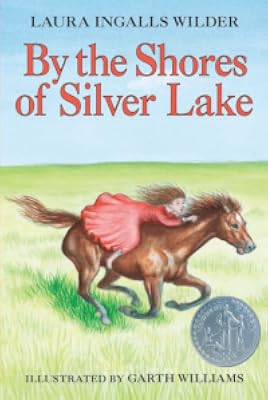
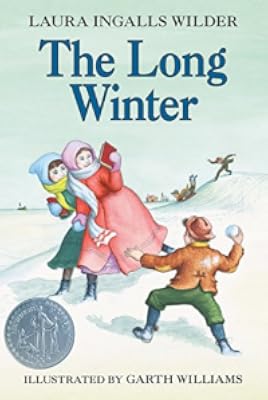

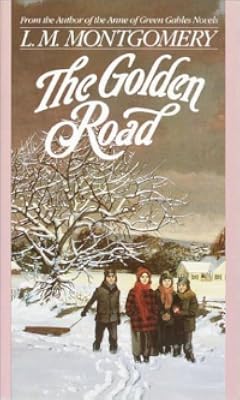
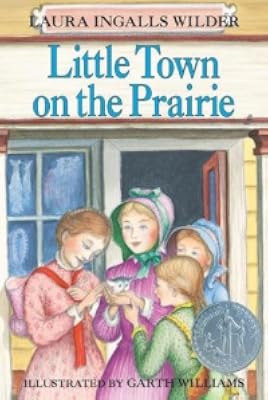
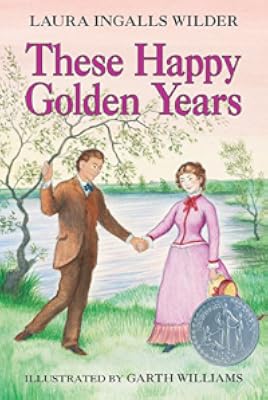
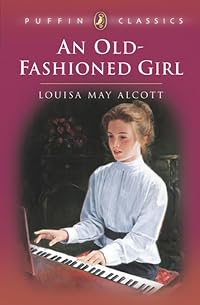


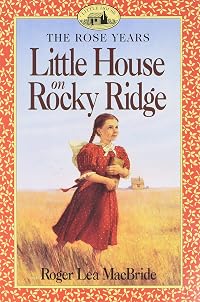
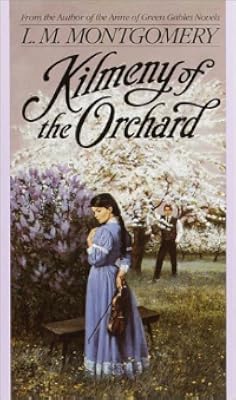
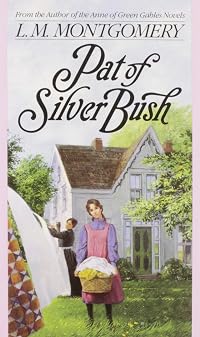
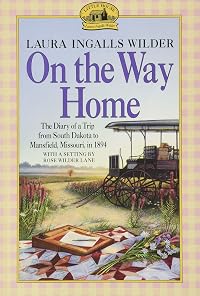

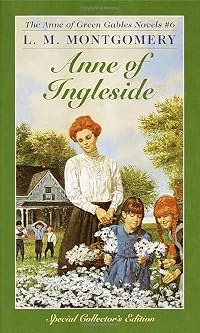
Member Recommendations

Member Reviews
First sentence: DEAREST: Isn't that an address! Did you ever hear anything so delicious? Windy Poplars is the name of my new home and I love it. I also love Spook's Lane, which has no legal existence. It should be Trent Street but it is never called Trent Street except on the rare occasions when it is mentioned in the Weekly Courier . . . and then people look at each other and say, 'Where on earth is that?' Spook's Lane it is . . . although for what reason I cannot tell you. I have already asked Rebecca Dew about it, but all she can say is that it has always been Spook's Lane and there was some old yarn years ago of its being haunted. But she has never seen anything worse-looking than herself in it.
Premise/plot: Anne and Gilbert are show more engaged at last! But Gilbert still has three years of school to go, and, so Anne finds herself a job as principal of a school in Summerside. Anne of Windy Poplars gives us an intimate look at those three years. Much of the book provides glimpses into the letters Anne writes Gilbert. But there are some traditional chapters as well.
My thoughts: Anne of Windy Poplars is such a delightful (late) addition to the Anne series by L.M. Montgomery. I love, love, love it. Even if Gilbert himself is absent. (We only see her letters to him, never his letters to her.)
This book showcases what Montgomery does BEST: bring her characters to life. It doesn't seem to matter if we spend two paragraphs with a character or two chapters. I CARE about every character she introduces.
Some of the characters we meet in this one: Aunt Kate, Aunt Chatty, Rebecca Dew, Dusty Miller (cats count as characters, right?!), Little Elizabeth, Nora Nelson, Jim Wilcox, Esme Taylor, Dr. Lennox Carter, Cyrus Taylor, Teddy Armstrong, Lewis Allen, Katherine Brooke, Mrs. Adoniram Gibson and Pauline, Cousin Ernestine Bugle, Jarvis Morrow, Dovie Westcott, Frank Westcott.
Favorite quotes:
I have a scratchy pen and I can't write love-letters with a scratchy pen...or a sharp pen...or a stub pen. So you'll only get that kind of letter from me when I have exactly the right kind of pen.
You know I've always been one to whom adventures come unsought. I just seem to attract them, as it were.
School begins tomorrow. I shall have to teach geometry! Surely that can't be any worse than learning it.
Isn't it queer that the things we writhe over at night are seldom wicked things? Just humiliating ones.
I don't like reading about martyrs because they always make me feel petty and ashamed...ashamed to admit I hate to get out of bed on frosty mornings and shrink from a visit to the dentist!
Nobody is ever too old to dream. And dreams never grow old.
I said drenched and I mean drenched.
Oh, no, babies are never common," said Anne, bringing a bowl of water for Mrs. Gibson's roses. "Every one is a miracle."
It seems so strange to read over the stories of those old wars...things that can never happen again. I don't suppose any of us will ever have more than an academic interest in 'battles long ago.' It's impossible to think of Canada ever being at war again. I am so thankful that phase of history is over.
Nobody is ever too old to wear just what she wants to wear. You wouldn't want to wear it if you were too old. show less
Premise/plot: Anne and Gilbert are show more engaged at last! But Gilbert still has three years of school to go, and, so Anne finds herself a job as principal of a school in Summerside. Anne of Windy Poplars gives us an intimate look at those three years. Much of the book provides glimpses into the letters Anne writes Gilbert. But there are some traditional chapters as well.
My thoughts: Anne of Windy Poplars is such a delightful (late) addition to the Anne series by L.M. Montgomery. I love, love, love it. Even if Gilbert himself is absent. (We only see her letters to him, never his letters to her.)
This book showcases what Montgomery does BEST: bring her characters to life. It doesn't seem to matter if we spend two paragraphs with a character or two chapters. I CARE about every character she introduces.
Some of the characters we meet in this one: Aunt Kate, Aunt Chatty, Rebecca Dew, Dusty Miller (cats count as characters, right?!), Little Elizabeth, Nora Nelson, Jim Wilcox, Esme Taylor, Dr. Lennox Carter, Cyrus Taylor, Teddy Armstrong, Lewis Allen, Katherine Brooke, Mrs. Adoniram Gibson and Pauline, Cousin Ernestine Bugle, Jarvis Morrow, Dovie Westcott, Frank Westcott.
Favorite quotes:
I have a scratchy pen and I can't write love-letters with a scratchy pen...or a sharp pen...or a stub pen. So you'll only get that kind of letter from me when I have exactly the right kind of pen.
You know I've always been one to whom adventures come unsought. I just seem to attract them, as it were.
School begins tomorrow. I shall have to teach geometry! Surely that can't be any worse than learning it.
Isn't it queer that the things we writhe over at night are seldom wicked things? Just humiliating ones.
I don't like reading about martyrs because they always make me feel petty and ashamed...ashamed to admit I hate to get out of bed on frosty mornings and shrink from a visit to the dentist!
Nobody is ever too old to dream. And dreams never grow old.
I said drenched and I mean drenched.
Oh, no, babies are never common," said Anne, bringing a bowl of water for Mrs. Gibson's roses. "Every one is a miracle."
It seems so strange to read over the stories of those old wars...things that can never happen again. I don't suppose any of us will ever have more than an academic interest in 'battles long ago.' It's impossible to think of Canada ever being at war again. I am so thankful that phase of history is over.
Nobody is ever too old to wear just what she wants to wear. You wouldn't want to wear it if you were too old. show less
First sentence: DEAREST: Isn't that an address! Did you ever hear anything so delicious? Windy Poplars is the name of my new home and I love it. I also love Spook's Lane, which has no legal existence. It should be Trent Street but it is never called Trent Street except on the rare occasions when it is mentioned in the Weekly Courier . . . and then people look at each other and say, 'Where on earth is that?' Spook's Lane it is . . . although for what reason I cannot tell you. I have already asked Rebecca Dew about it, but all she can say is that it has always been Spook's Lane and there was some old yarn years ago of its being haunted. But she has never seen anything worse-looking than herself in it.
Premise/plot: Anne and Gilbert are show more engaged at last! But Gilbert still has three years of school to go, and, so Anne finds herself a job as principal of a school in Summerside. Anne of Windy Poplars gives us an intimate look at those three years. Much of the book provides glimpses into the letters Anne writes Gilbert. But there are some traditional chapters as well.
My thoughts: Anne of Windy Poplars is such a delightful (late) addition to the Anne series by L.M. Montgomery. I love, love, love it. Even if Gilbert himself is absent. (We only see her letters to him, never his letters to her.)
This book showcases what Montgomery does BEST: bring her characters to life. It doesn't seem to matter if we spend two paragraphs with a character or two chapters. I CARE about every character she introduces.
Some of the characters we meet in this one: Aunt Kate, Aunt Chatty, Rebecca Dew, Dusty Miller (cats count as characters, right?!), Little Elizabeth, Nora Nelson, Jim Wilcox, Esme Taylor, Dr. Lennox Carter, Cyrus Taylor, Teddy Armstrong, Lewis Allen, Katherine Brooke, Mrs. Adoniram Gibson and Pauline, Cousin Ernestine Bugle, Jarvis Morrow, Dovie Westcott, Frank Westcott.
Favorite quotes:
I have a scratchy pen and I can't write love-letters with a scratchy pen...or a sharp pen...or a stub pen. So you'll only get that kind of letter from me when I have exactly the right kind of pen.
You know I've always been one to whom adventures come unsought. I just seem to attract them, as it were.
School begins tomorrow. I shall have to teach geometry! Surely that can't be any worse than learning it.
Isn't it queer that the things we writhe over at night are seldom wicked things? Just humiliating ones.
I don't like reading about martyrs because they always make me feel petty and ashamed...ashamed to admit I hate to get out of bed on frosty mornings and shrink from a visit to the dentist!
Nobody is ever too old to dream. And dreams never grow old.
I said drenched and I mean drenched.
Oh, no, babies are never common," said Anne, bringing a bowl of water for Mrs. Gibson's roses. "Every one is a miracle."
It seems so strange to read over the stories of those old wars...things that can never happen again. I don't suppose any of us will ever have more than an academic interest in 'battles long ago.' It's impossible to think of Canada ever being at war again. I am so thankful that phase of history is over.
Nobody is ever too old to wear just what she wants to wear. You wouldn't want to wear it if you were too old. show less
Premise/plot: Anne and Gilbert are show more engaged at last! But Gilbert still has three years of school to go, and, so Anne finds herself a job as principal of a school in Summerside. Anne of Windy Poplars gives us an intimate look at those three years. Much of the book provides glimpses into the letters Anne writes Gilbert. But there are some traditional chapters as well.
My thoughts: Anne of Windy Poplars is such a delightful (late) addition to the Anne series by L.M. Montgomery. I love, love, love it. Even if Gilbert himself is absent. (We only see her letters to him, never his letters to her.)
This book showcases what Montgomery does BEST: bring her characters to life. It doesn't seem to matter if we spend two paragraphs with a character or two chapters. I CARE about every character she introduces.
Some of the characters we meet in this one: Aunt Kate, Aunt Chatty, Rebecca Dew, Dusty Miller (cats count as characters, right?!), Little Elizabeth, Nora Nelson, Jim Wilcox, Esme Taylor, Dr. Lennox Carter, Cyrus Taylor, Teddy Armstrong, Lewis Allen, Katherine Brooke, Mrs. Adoniram Gibson and Pauline, Cousin Ernestine Bugle, Jarvis Morrow, Dovie Westcott, Frank Westcott.
Favorite quotes:
I have a scratchy pen and I can't write love-letters with a scratchy pen...or a sharp pen...or a stub pen. So you'll only get that kind of letter from me when I have exactly the right kind of pen.
You know I've always been one to whom adventures come unsought. I just seem to attract them, as it were.
School begins tomorrow. I shall have to teach geometry! Surely that can't be any worse than learning it.
Isn't it queer that the things we writhe over at night are seldom wicked things? Just humiliating ones.
I don't like reading about martyrs because they always make me feel petty and ashamed...ashamed to admit I hate to get out of bed on frosty mornings and shrink from a visit to the dentist!
Nobody is ever too old to dream. And dreams never grow old.
I said drenched and I mean drenched.
Oh, no, babies are never common," said Anne, bringing a bowl of water for Mrs. Gibson's roses. "Every one is a miracle."
It seems so strange to read over the stories of those old wars...things that can never happen again. I don't suppose any of us will ever have more than an academic interest in 'battles long ago.' It's impossible to think of Canada ever being at war again. I am so thankful that phase of history is over.
Nobody is ever too old to wear just what she wants to wear. You wouldn't want to wear it if you were too old. show less
First published in 1936, L.M. Montgomery's Anne of Windy Poplars was originally styled Anne of Windy Willows, a name that Montgomery herself changed, at the request of her American publishers, who felt that it bore too close a resemblance to Kenneth Grahame's classic animal fantasy, The Wind in the Willows. Montgomery's English publishers, oddly enough, had no such worry, and thinking that their readers would be unfamiliar with poplars, retained the original title. So it is that American and Canadian readers know the book as Anne of Windy Poplars, and British, Australian and New Zealand readers as Anne of Windy Willows. I understand that there were also some scenes that were cut by Montgomery, once again at the behest of her American show more publishers, that were retained in Anne of Windy Willows, and hope to track down a copy of that other version of the story, at some point, and acquaint myself with the differences.
However that may be, it is Anne of Windy Poplars that I have just reread (for the umpteenth time), a book that is currently considered the fourth entry in the "Anne" series, although it was written and published seventh. Chronicling the three years between the events of Anne of the Island (1915), which sees Anne attending Redmond College, and Anne's House of Dreams (1917), in which Anne Shirley becomes Anne Blythe, and embarks upon the first years of married life, it is the tale of Anne's days as the Principal of Summerside High School, and her time as a boarder at Windy Poplars, the home of those two endearingly quirky widows, Aunt Kate and Aunt Chatty.
Alternating between the epistolary form, in which events unfold in Anne's letters to Gilbert (away at medical school), and third person narration, it feels rather episodic, when compared to some of Anne's other books, but is still immensely appealing - full of entertaining characters and incident, as well as a most engaging heroine. I loved Aunt Kate and Aunt Chatty's method of dealing with their sometimes recalcitrant (but always goodhearted) maid, Rebecca Dew (reverse psychology with a vengeance!); I loved Anne's battles with, and eventual conquest of the proud Pringle clan (cannibalism - the horror!); and, having a fondness for difficult people, I loved Anne's evolving relationship with the prickly Katherine Brooke. In short, I loved Anne of Windy Poplars (as I always do), and although there were certain elements I found less than thrilling (I could have lived without the entire Hazel Marr episode), my overall pleasure more than compensated. Highly recommended to any reader who has read the first three Anne books, and wants to continue the journey! show less
However that may be, it is Anne of Windy Poplars that I have just reread (for the umpteenth time), a book that is currently considered the fourth entry in the "Anne" series, although it was written and published seventh. Chronicling the three years between the events of Anne of the Island (1915), which sees Anne attending Redmond College, and Anne's House of Dreams (1917), in which Anne Shirley becomes Anne Blythe, and embarks upon the first years of married life, it is the tale of Anne's days as the Principal of Summerside High School, and her time as a boarder at Windy Poplars, the home of those two endearingly quirky widows, Aunt Kate and Aunt Chatty.
Alternating between the epistolary form, in which events unfold in Anne's letters to Gilbert (away at medical school), and third person narration, it feels rather episodic, when compared to some of Anne's other books, but is still immensely appealing - full of entertaining characters and incident, as well as a most engaging heroine. I loved Aunt Kate and Aunt Chatty's method of dealing with their sometimes recalcitrant (but always goodhearted) maid, Rebecca Dew (reverse psychology with a vengeance!); I loved Anne's battles with, and eventual conquest of the proud Pringle clan (cannibalism - the horror!); and, having a fondness for difficult people, I loved Anne's evolving relationship with the prickly Katherine Brooke. In short, I loved Anne of Windy Poplars (as I always do), and although there were certain elements I found less than thrilling (I could have lived without the entire Hazel Marr episode), my overall pleasure more than compensated. Highly recommended to any reader who has read the first three Anne books, and wants to continue the journey! show less
I picked up Anne of Windy Poplars because I desperately needed a book that was going to be heartwarming and sweet and lift me up because I’ve been feeling so gloomy lately. Anne of Green Gables is one of my favorite books of all time. I was hoping that this, the fourth book in the series, will give me that same warm feeling. It didn’t.
Anne Shirley is growing up. No – she is grown up. While we can expect this to happen to any child, there’s something particularly disappointing to watch Anne grow up because her childlike imagination and innocence is so touching to read about. It was the strangest thing to read Anne of Windy Poplars and watch Anne Shirley take walks with her neighbor Elizabeth, and to have Elizabeth waxing poetical show more about the world and all the possibilities of tomorrow through Anne’s eyes. The same fancies that would have certainly come from Anne’s mouth just a couple of books ago are now sweet and foreign to her. Childish fancies.
Much of the book is filled with that sort of resignation that the reader must have – Anne is not a child anymore. She is a teacher, she is engaged, and she is responsible for helping so many young couples get married. I do believe there were at least four different weddings that were somehow arranged or contrived with Anne’s assistance in one way or another in this book alone. Not only did Anne feel grown up, other than the older women she was living with, Anne feels like the oldest character in this book. And, oh I don’t know, I guess it made my heart ache a little.
There’s nothing wrong with growing up I suppose. The loss of innocence is always a sad thing, but the loss of fancy and imagination I think it’s just as hard for me to see, and in a character like Anne Shirley where this brought her absolutely off the page and into our hearts, seeing her trodden down by the banalities of life and becoming just another female character in a series of books by an author who likes to write about the young women of Prince Edward Island, she somehow loses her remarkableness. In the same breath, her adulthood reminds us of our own shackles to societal whims.
Anne of Windy Poplars is a perfectly acceptable book in many ways. Montgomery‘s writing is just as flourished and lovely as ever, and we still get snippets of the lives of the people in Anne’s world. There is no moment in this book that will make it stand out in my memory, although Rebecca Do’s character is a delight. This book also contains the “g” word (the one used as a slur against the Romani people), and though it is never used in a negative context, I think it is important to note its presence.
Beyond the disappointment of Anne just becoming another person instead of the remarkable young woman she was in the earlier books, there is the issue of gender to speak about. These books were written in the early 20th century, and gender views were not so broad back then. Anne’s success as a teacher was surely the revelation of a young, independent women to readers of the time. This is the strongest moment of feminism in the book. There are far, far too many passages focusing on external beauty to be quite comfortable, especially the constant reassurances that Anne is beautiful despite her traits. And every single young women in this book, and even some of the older ones, are focused around the idea of their worth being equal to their place in the household and securing a good marriage. I just couldn’t enjoy it. Our world is a different place now, and we treat different genders with much more respect and autonomy than we used to. It is difficult to go back and read works that assume all of the roles we have fought to shed are admirable norms. It’s more tiring than offensive, but the repetition of the theme grated on me.
I don’t think I would recommend Anne of Windy Poplars to any except folks who deeply love the Green Gables series. This book requires some background knowledge on Anne in order for it to be a successful read, but because Anne is displaced from Green Gables for most of the book, I can’t imagine anything happens here that will be missed if the book is skipped all together. It is dull and a bit disappointing, and I know Montgomery can do better. And, selfishly, it left me with more irritation than the feel good feeling I wanted, so I’m a bit prejudiced against it. show less
Anne Shirley is growing up. No – she is grown up. While we can expect this to happen to any child, there’s something particularly disappointing to watch Anne grow up because her childlike imagination and innocence is so touching to read about. It was the strangest thing to read Anne of Windy Poplars and watch Anne Shirley take walks with her neighbor Elizabeth, and to have Elizabeth waxing poetical show more about the world and all the possibilities of tomorrow through Anne’s eyes. The same fancies that would have certainly come from Anne’s mouth just a couple of books ago are now sweet and foreign to her. Childish fancies.
Much of the book is filled with that sort of resignation that the reader must have – Anne is not a child anymore. She is a teacher, she is engaged, and she is responsible for helping so many young couples get married. I do believe there were at least four different weddings that were somehow arranged or contrived with Anne’s assistance in one way or another in this book alone. Not only did Anne feel grown up, other than the older women she was living with, Anne feels like the oldest character in this book. And, oh I don’t know, I guess it made my heart ache a little.
There’s nothing wrong with growing up I suppose. The loss of innocence is always a sad thing, but the loss of fancy and imagination I think it’s just as hard for me to see, and in a character like Anne Shirley where this brought her absolutely off the page and into our hearts, seeing her trodden down by the banalities of life and becoming just another female character in a series of books by an author who likes to write about the young women of Prince Edward Island, she somehow loses her remarkableness. In the same breath, her adulthood reminds us of our own shackles to societal whims.
Anne of Windy Poplars is a perfectly acceptable book in many ways. Montgomery‘s writing is just as flourished and lovely as ever, and we still get snippets of the lives of the people in Anne’s world. There is no moment in this book that will make it stand out in my memory, although Rebecca Do’s character is a delight. This book also contains the “g” word (the one used as a slur against the Romani people), and though it is never used in a negative context, I think it is important to note its presence.
Beyond the disappointment of Anne just becoming another person instead of the remarkable young woman she was in the earlier books, there is the issue of gender to speak about. These books were written in the early 20th century, and gender views were not so broad back then. Anne’s success as a teacher was surely the revelation of a young, independent women to readers of the time. This is the strongest moment of feminism in the book. There are far, far too many passages focusing on external beauty to be quite comfortable, especially the constant reassurances that Anne is beautiful despite her traits. And every single young women in this book, and even some of the older ones, are focused around the idea of their worth being equal to their place in the household and securing a good marriage. I just couldn’t enjoy it. Our world is a different place now, and we treat different genders with much more respect and autonomy than we used to. It is difficult to go back and read works that assume all of the roles we have fought to shed are admirable norms. It’s more tiring than offensive, but the repetition of the theme grated on me.
I don’t think I would recommend Anne of Windy Poplars to any except folks who deeply love the Green Gables series. This book requires some background knowledge on Anne in order for it to be a successful read, but because Anne is displaced from Green Gables for most of the book, I can’t imagine anything happens here that will be missed if the book is skipped all together. It is dull and a bit disappointing, and I know Montgomery can do better. And, selfishly, it left me with more irritation than the feel good feeling I wanted, so I’m a bit prejudiced against it. show less
I got so emotional near the end of this book. When I originally read this book in middle school, it was one of my least favorite of the series, but now I’d say it is one of my favorites. And I honestly think that is because my situation in life continues to change. When I was younger, I loved the first few books the most, but now that I’m older, I’ve related to the later books even more and that’s beautiful. I loved reading Anne’s letters to Gilbert; I myself was in a long distance relationship until last year for three years, so I related to that part of Anne and Gilbert’s relationship. And then I also related to Anne’s journey of independence and growth in Summerside. I’ve always wondered if I’d have the same show more favorite in this series if I ever reread it, but I’m starting to think my favorite may definitely change. show less
In Anne of Windy Poplars, Anne and Gilbert are now engaged (finally!) and Anne accepts a principalship at a prestigious girls' school while Gilbert is finishing his medical degree. Summerside High is an old school, in an old, proud town full of Pringles. The Pringle clan runs everything in Kingsport, and when they decide they don't like Anne because she beat out a cousin of theirs for the position, they embark on a campaign of subtle persecution which Anne's sensitive spirit feels keenly. Things come to such a pass that Anne is afraid she will lose her position, for how can she reason with prejudice?
With each new novel, Montgomery introduces new and delightful characters to add spice to the story and keep things from getting flat. The show more widows with whom Anne lodges, Aunt Chatty and Aunt Kate, and their servant Rebecca Dew are fun each in her own way. The buttermilk secret always makes me laugh. And I do love Katherine Brooke. She is decidedly different from Anne's other friends; the only comparable character in the series would probably be Nora Nelson... though there are hints of Leslie Ford as well, come to think of it.
One new character I'm not a big fan of is Elizabeth. She just seems too precocious and perfect to me. I think Montgomery wrote Elizabeth as a facet of herself; during her childhood she lived with her strict grandparents and her experiences with them might have been similar. Interestingly, Elizabeth's grandmother and servant do not soften or change by the end of the story. Elizabeth escapes, but the prison itself does not disappear.
Another thing I enjoy about this story is its epistolary nature. The only complaint I would make is that it would be nice to see some of Gilbert's letters to Anne. But I suppose they wouldn't be half so interesting or funny!
Although this isn't the first book I think of when I try to name my favorites among the series, it has so many brilliant little stories... Anne's day with the onerous invalid Mrs. Gibson, the disastrous dinner with sulky Cyrus Taylor, the affair of the play, Rebecca Dew's flowery but sincere goodbye note, Cousin Ernestine Bugle's dolorously hilarious visit, etc. This book is a joy to read and I'm so thankful that the Anne stories — wholesome, hilarious, wonderful — influenced me so much in my teen years. I think Anne makes me a better person. show less
With each new novel, Montgomery introduces new and delightful characters to add spice to the story and keep things from getting flat. The show more widows with whom Anne lodges, Aunt Chatty and Aunt Kate, and their servant Rebecca Dew are fun each in her own way. The buttermilk secret always makes me laugh. And I do love Katherine Brooke. She is decidedly different from Anne's other friends; the only comparable character in the series would probably be Nora Nelson... though there are hints of Leslie Ford as well, come to think of it.
One new character I'm not a big fan of is Elizabeth. She just seems too precocious and perfect to me. I think Montgomery wrote Elizabeth as a facet of herself; during her childhood she lived with her strict grandparents and her experiences with them might have been similar. Interestingly, Elizabeth's grandmother and servant do not soften or change by the end of the story. Elizabeth escapes, but the prison itself does not disappear.
Another thing I enjoy about this story is its epistolary nature. The only complaint I would make is that it would be nice to see some of Gilbert's letters to Anne. But I suppose they wouldn't be half so interesting or funny!
Although this isn't the first book I think of when I try to name my favorites among the series, it has so many brilliant little stories... Anne's day with the onerous invalid Mrs. Gibson, the disastrous dinner with sulky Cyrus Taylor, the affair of the play, Rebecca Dew's flowery but sincere goodbye note, Cousin Ernestine Bugle's dolorously hilarious visit, etc. This book is a joy to read and I'm so thankful that the Anne stories — wholesome, hilarious, wonderful — influenced me so much in my teen years. I think Anne makes me a better person. show less
Another satisfactory installment in the Anne series, although to me it felt a bit more like an Emily book because Anne spent a lot of the book writing letters to Gilbert, and letter-writing is quite common in at least the first book in the Emily series. Not that I'm complaining; I've always considered myself more of an Emily girl anyway. And Anne does have nice turns of phrase. I also appreciated LMM's "editorial" excising of the really mushy bits from Anne's letters. She's right, those parts are for Anne's and Gilbert's eyes only -- we don't need to see them.
This book sees Anne in Summerside, PEI, as the principal of a high school. However we don't really see much of the high school -- the real drama lies in Anne's interactions with show more the townsfolk, including the uppity Pringle family, the widows with whom she boards, the little girl who lives next door to them, and many more. I did find some of the characters utterly exasperating, like the two ladies who pronounced doom and gloom upon everything (especially that one aunt at Anne's friend's wedding who kept saying "Oh I hope this won't happen like at So-and-So's wedding" -- fine, hope that, but keep it to yourself!) and refused to be cheered up, and Hazel, who seemed to have quite a crush on Anne. But other characters are adorable, like the aforementioned little girl who lives next door, and the story of the little boy with the dog (that one was extremely well done).
Green Gables doesn't make as much of an appearance here, of course, since Anne is busy with her principalship, but time almost seems to have stood still there. Indeed I was actually surprised when it seemed like the twins, Dora and Davy, had become teenagers. I still picture them as cherubic seven-year-olds. Must be a grownup thing where you perpetually see your kids and your friends' kids as much younger than they actually are.
To sum up, if you're in the mood for some comforting small-town fiction, this is probably the ticket. Very rewarding for Anne fans, too, especially if you're only coming to it for the first time as a "grownup" (as I did). show less
This book sees Anne in Summerside, PEI, as the principal of a high school. However we don't really see much of the high school -- the real drama lies in Anne's interactions with show more the townsfolk, including the uppity Pringle family, the widows with whom she boards, the little girl who lives next door to them, and many more. I did find some of the characters utterly exasperating, like the two ladies who pronounced doom and gloom upon everything (especially that one aunt at Anne's friend's wedding who kept saying "Oh I hope this won't happen like at So-and-So's wedding" -- fine, hope that, but keep it to yourself!) and refused to be cheered up, and Hazel, who seemed to have quite a crush on Anne. But other characters are adorable, like the aforementioned little girl who lives next door, and the story of the little boy with the dog (that one was extremely well done).
Green Gables doesn't make as much of an appearance here, of course, since Anne is busy with her principalship, but time almost seems to have stood still there. Indeed I was actually surprised when it seemed like the twins, Dora and Davy, had become teenagers. I still picture them as cherubic seven-year-olds. Must be a grownup thing where you perpetually see your kids and your friends' kids as much younger than they actually are.
To sum up, if you're in the mood for some comforting small-town fiction, this is probably the ticket. Very rewarding for Anne fans, too, especially if you're only coming to it for the first time as a "grownup" (as I did). show less
Members
- Recently Added By
Lists

Best L.M. Montgomery novels
20 works; 8 members

Best Friendship Stories
205 works; 16 members

Best School Stories
219 works; 22 members

NPRs your favorites: 100 Best Ever Teen Novels
237 works; 49 members

Childhood Favorites
427 works; 24 members

Ambleside Books
459 works; 18 members
Honey For a Child's Heart
1,152 works; 25 members

Bibliography for How to be a Heroine
148 works; 12 members
Female Protagonist
1,056 works; 57 members

Blue Pyramid 1,276 Best Books of All Time
1,248 works; 32 members

Most Popular Young Adult Lit on LT
100 works; 4 members

Most Popular Books Tagged Canada
34 works; 1 member
Books tagged favorites
390 works; 30 members

Favorite Epistolary Fiction
143 works; 144 members

Favourite Virago Modern Classics
183 works; 38 members

Espistolary
20 works; 1 member

1970s
657 works; 23 members

Books Read in 2016
4,666 works; 199 members

1930s
262 works; 5 members

Historical Fiction
889 works; 90 members

Epistolary Books
105 works; 27 members

Books Read in 2012
816 works; 34 members

The Five Books That Represent Us
391 works; 150 members

Books About Girls
219 works; 17 members
Talk Discussions
Past Discussions
Anne of Windy Poplars, Anne of Windy Willows in Combiners! (July 2015)
Author Information

385+ Works 159,941 Members
One of the best-loved children's/young adult authors, Lucy Maud Montgomery was born on November 30, 1874 in Clifton, Prince Edward Island, Canada, the daughter of Hugh John and Clara Woolner. After attending Prince of Wales College and Dalhouse College in Halifax, she became a certified teacher, eventually teaching in Bideford, Prince Edward show more Island. She also served as an assistant at the post office and as a writer for the local newspaper, The Halifax Daily Echo. Best known for her Anne of Avonlea and Anne of Green Gables books, Montgomery received many high honors. She was named a Fellow of the Royal Society of Arts in 1923 and a Canadian stamp commemorates Montgomery and Anne of Green Gables. In addition, various museums dedicated to the book series and Montgomery's life dot Prince Edward Island. The books in the Anne series follow the growth and adventures of a red-haired, spritely, high-spirited and imaginative orphan named Anne who lives on Prince Edward Island. The success of these books rested in Montgomery's ability to vividly recollect childhood and her easy storytelling ability. They are tremendously popular to this day and have been translated into more than 35 languages and adapted as movies and PBS television productions. On July 5, 1911, L.M. Montgomery married Ewan Macdonald, a Presbyterian minister, and the marriage produced three children. She died on April 24, 1942. (Bowker Author Biography) show less
Some Editions
Series

Belongs to Publisher Series
Work Relationships
Is contained in
Common Knowledge
- Canonical title
- Anne of Windy Poplars
- Original title
- Anne of Windy Willows
- Alternate titles
- Anne of Windy Poplars
- Original publication date
- 1936-06-28; 1996 (Nouvelle édition française, Presses de la Cité) (Nouvelle édition française, Presses de la Cité)
- People/Characters
- Anne Shirley; Aunt Kate; Aunt Chatty; Rebecca Dew; Little Elizabeth; Jen Pringle
- Important places
- Summerside, Prince Edward Island, Canada; Prince Edward Island, Canada; Canada
- Related movies
- Anne of Windy Poplars (1940 | IMDb)
- Dedication
- To friends of Anne everywhere
To the Friends of Anne Everywhere - First words
- (Letter from Anne Shirley, B.A., Principal of Summerside High School, to Gilbert Blythe, medical student at Redmond College, Kingsport.)
Dearest, Isn't that an address! - Quotations
- It's wonderful to be able to give happiness to somebody. It has made me feel so rich, giving Pauline this day.
- Last words
- (Click to show. Warning: May contain spoilers.)Rebecca Dew was waving it.
- Original language
- English
- Canonical DDC/MDS
- 813.52
- Disambiguation notice
- 'Anne of Windy Willows' was published in the US and Canada as 'Anne of Windy Poplars' because the American Publisher thought it too similar to 'Wind in the Willows'. 'Anne of Windy Willows' was used outside of the US and Cana... (show all)da and there are also minor textural differences.
http://www.librarything.com/topic/583...
Classifications
- Genres
- Children's Books, Fiction and Literature, Young Adult
- DDC/MDS
- 813.52 — Literature & rhetoric American literature in English American fiction in English 1900-1999 1900-1945
- LCC
- PZ7 .M768 .A — Language and Literature Fiction and juvenile belles lettres Fiction and juvenile belles lettres Juvenile belles lettres
- BISAC
Statistics
- Members
- 10,096
- Popularity
- 986
- Reviews
- 95
- Rating
- (3.92)
- Languages
- 16 — Czech, Danish, Dutch, English, Finnish, French, German, Hungarian, Italian, Japanese, Farsi/Persian, Polish, Slovak, Spanish, Swedish, Portuguese (Portugal)
- Media
- Paper, Audiobook, Ebook
- ISBNs
- 154
- UPCs
- 2
- ASINs
- 86