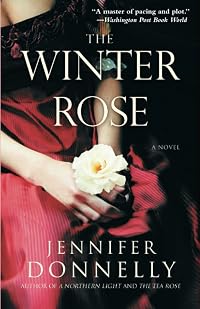
On This Page
Description
When India Selwyn Jones, a young woman from a noble family, graduates from the London School of Medicine for Women in 1900, her professors advise her to set up her practice in London's esteemed Harley Street. Driven and idealistic, India chooses to work in the city's East End instead, serving the desperately poor. In these grim streets, India meets--and saves the life of--London's most notorious gangster, Sid Malone. A hard, wounded man, Malone is the opposite of India's aristocratic show more fiancé, Freddie Lytton, a rising star in the House of Commons. Though Malone represents all she despises, India finds herself unwillingly drawn ever closer to him, intrigued by his hidden, mysterious past.--From publisher's description. show lessTags
Recommendations










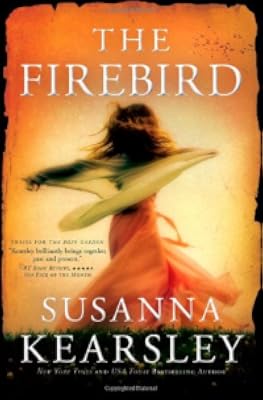

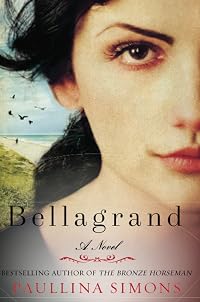

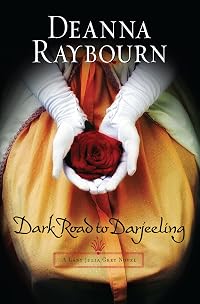
Member Recommendations

vvstokkom Not only because it's a trilogy, but it are really beautiful love stories with an eye for detail for the time and place the story is situated.

Member Reviews
India Jones...her name, an echo, intentional or not, of the Indiana Jones, Harrison Ford film character, is spirited, richer than God, smart, high-toned, (in her case another word for smutty), tough and diligent. She lacks only the ability to “smell a set-up a mile away,” a skill that would help her fit right in with her patients in Whitechapel, described as London’s dingiest, grimiest, district, where she has set up her medical practice. The story features a heroine who appears to be an upstanding member of society, but who is "less than complete", without a man...and not just any man...preferably a dangerous one. India fills the bill with Sid Malone, a cruel-hearted and cruelly handsome gangster who is definitely not for the show more faint of heart. Both naturally resist the temptations of the other.... though not for long enough. Eventually, hormones out rules good common sense that God gave green apples; as the author explains, “He stood, as if to go, then instead he bent to her, took her face in his hands, parted her lips with his tongue, and kissed her deeply.” Once those lips were parted they remained that way for the remainder of the book...and though it wasn't said in so many words, I suspect other body parts as well. To no one's surprise, Sid eventually gets himself in trouble with the police. When he’s released on his own recognizance and arms himself with a false name, he goes in search of India, who has transferred herself to Kenya to do try and "do good in the country". But it seems she has something that Sid says is his. Meanwhile, India is looking for something that she says is hers, but she is stymied by the evil politician...just what this story needed...another evil" anything. Freddie Lytton is the evil politician. who come to think of it, does have several "Jack the Ripper" qualities. Two questions that will sum this up for most readers...Can love take precedence over money? and can love, or the readers patience, out last this way too long, too average narrative? It took a while, but I believe I have come up with the perfect description of this one. This is the love child of Horatio Alger who meets a bodice-ripper who meets a Hemingway, with Dickensian dashes for good measure. I didn't think they wrote "bodice-rippers" anymore...Guess I was wrong. Oh, well...some good came from it... I can cross of another challenge category:) show less
I had thought it was not possible for The Winter Rose to be a superior book to The Tea Rose, but incredibly, it was even better! Trust me, it is not often that I stay up until midnight and then get back up at 3 a.m. because I want to get back to a book! But it was not all straight reading, either: often I had to stop and pace, because I was so nervous about what would happen next!
This historical fiction saga that takes place in the early 1900s in London describes, inter alia, the problems of health care for poor women through the eyes of the protagonist, a woman doctor who struggles for respect because of her gender, and struggles for love because of her profession. It's a continuation of The Tea Rose (which also kept me up all night show more reading), but either can be read as a standalone book.
What Donnelly excels at the most, in my opinion, is creating voices - Mattie in A Northern Light is totally different from Andi in Revolution and they even live almost a century apart, and yet Donnelly has managed to make each of their voices sound utterly believeable and appropriate for their times. Moreover, they are both fully realized and frankly, unforgettable characters. They are young girls who are believers in dreams, but also determined to ferret out truth and justice. They do so courageously, and passionately. Similarly, Fiona Finnegan in The Tea Rose and India Jones in The Winter Rose are both feisty independent women deeply committed to social justice; who have an unending store of warmth and compassion (once their tempers have been expended); drive; courage; and an enduring capacity for love. But they have quite different and interesting weaknesses. Thus each sounds true to what she is meant to be. Donnelly may believe in strong female characters, but she is not a one-note nor a one-dimensional writer.
As in The Tea Rose, I also loved the male characters, and even missed the ones who died during the first book, because just like in real life, their memories continued to inspire and influence the loved ones they left behind.
This book may astound you as it educates you on the attitudes toward women, the birth process, and women doctors in the early 1900s, and on the crippling poverty that separated the lower class from the elite. Donnelly did a great deal of research to recreate the horrifying attitudes of the time. India, who is a pioneering woman doctor, opts to work in a clinic for poor women in Whitechapel to help "make a difference." She is initiated into the era’s attitudes the first time she wants to give chloroform to a woman undergoing a painful delivery. Her male superior [sic] cuts her off:
"Thank you, Dr. Jones, but I do not require instruction on anesthesia from my junior. I am well aware of chloral’s properties. Labor pain is Eve’s legacy, and to ameliorate it would be against God’s will. Birth pains are good for women. The build character and inhibit indecent feeling.”
India soon discovers that women were dying during deliveries because the doctors wouldn't wash their hands between patients, or because their bones were so misshapen from malnutrition that the baby couldn't come out properly.
India learns even more when she improbably becomes friends with the gangster Sid Malone. He takes her on a tour of Whitechapel to help her see why admonishing women to eat more fruit and vegetables, or to fix porridge for their children, is ridiculous:
"Poor women can't cook porridge, don't you know that? Of course you don't. Because you don't know shit about the poor. Oh, you talk about them plenty. And you probably talk at them, too. But have you ever talked with them? I don't think so, because if you had you'd know that porridge has to be boiled. That takes coal, and coal costs money. And if they could afford the expense, they still wouldn't eat porridge. Put it on any table in Whitechapel and it'll be thrown straight out the window. It's too much like skilly, the shit that's served in the spike. Ever been taken to a workhouse, India? Ever had your kids taken from you? Every last scrap of dignity stripped away? Think you'd ever want to eat what you'd been forced to eat there?"
If they are so short of money, India rails at Sid, why do the men use up precious shillings by stopping off in bars on the way home?
"‘For Christ’s sake, leave it be,’ he said angrily. ‘You don’t know what you’re talking about! Have you ever put in a sixteen-hour day at the docks? Heaving coal or sides of beef in the cold and the rain till you’d thought you’d drop dead? Then gone home to the wife and five kids, all stuffed into one drafty room? Some of them sick, all of them hungry. You have any idea of the desperation in those rooms? Of the anger? Can you blame a man for wanting to forget it all for an hour with a pint or two in a nice warm pub?”
Nevertheless, Sid doesn’t need India to tell him there is a better life somewhere else, doing anything else:
"He wanted to keep walking…, out of this unforgiving city, out of his unforgiving life. He wanted to walk all through the night, then sit… somewhere radiant and beautiful in the morning. By the coast. At the water’s edge. Where the stiff salt breeze would blow away the stench of his sins and the sea would wash him clean.”
As we follow the story of India, and Sid, as well as the characters we met in The Tea Rose, we come to learn just how much it takes to fight poverty and greed and evil, and how difficult it is to keep your faith in yourself and in humanity.
Evaluation: At bottom, this book is all about sin and redemption, and the hard, hard road it takes to get there. And it's about the force of love that is sometimes all that is left to help push you down that road. But if that love is strong enough, it can get you there, if you just believe in it, and in yourself. It’s a beautiful story, and even after 707 pages, I felt bereft when it ended.
I hope this selection of quotes has given you a flavor of the emotional intensity of Donnelly's soaring prose. I can't say enough about the eloquence and grandeur of her books. show less
This historical fiction saga that takes place in the early 1900s in London describes, inter alia, the problems of health care for poor women through the eyes of the protagonist, a woman doctor who struggles for respect because of her gender, and struggles for love because of her profession. It's a continuation of The Tea Rose (which also kept me up all night show more reading), but either can be read as a standalone book.
What Donnelly excels at the most, in my opinion, is creating voices - Mattie in A Northern Light is totally different from Andi in Revolution and they even live almost a century apart, and yet Donnelly has managed to make each of their voices sound utterly believeable and appropriate for their times. Moreover, they are both fully realized and frankly, unforgettable characters. They are young girls who are believers in dreams, but also determined to ferret out truth and justice. They do so courageously, and passionately. Similarly, Fiona Finnegan in The Tea Rose and India Jones in The Winter Rose are both feisty independent women deeply committed to social justice; who have an unending store of warmth and compassion (once their tempers have been expended); drive; courage; and an enduring capacity for love. But they have quite different and interesting weaknesses. Thus each sounds true to what she is meant to be. Donnelly may believe in strong female characters, but she is not a one-note nor a one-dimensional writer.
As in The Tea Rose, I also loved the male characters, and even missed the ones who died during the first book, because just like in real life, their memories continued to inspire and influence the loved ones they left behind.
This book may astound you as it educates you on the attitudes toward women, the birth process, and women doctors in the early 1900s, and on the crippling poverty that separated the lower class from the elite. Donnelly did a great deal of research to recreate the horrifying attitudes of the time. India, who is a pioneering woman doctor, opts to work in a clinic for poor women in Whitechapel to help "make a difference." She is initiated into the era’s attitudes the first time she wants to give chloroform to a woman undergoing a painful delivery. Her male superior [sic] cuts her off:
"Thank you, Dr. Jones, but I do not require instruction on anesthesia from my junior. I am well aware of chloral’s properties. Labor pain is Eve’s legacy, and to ameliorate it would be against God’s will. Birth pains are good for women. The build character and inhibit indecent feeling.”
India soon discovers that women were dying during deliveries because the doctors wouldn't wash their hands between patients, or because their bones were so misshapen from malnutrition that the baby couldn't come out properly.
India learns even more when she improbably becomes friends with the gangster Sid Malone. He takes her on a tour of Whitechapel to help her see why admonishing women to eat more fruit and vegetables, or to fix porridge for their children, is ridiculous:
"Poor women can't cook porridge, don't you know that? Of course you don't. Because you don't know shit about the poor. Oh, you talk about them plenty. And you probably talk at them, too. But have you ever talked with them? I don't think so, because if you had you'd know that porridge has to be boiled. That takes coal, and coal costs money. And if they could afford the expense, they still wouldn't eat porridge. Put it on any table in Whitechapel and it'll be thrown straight out the window. It's too much like skilly, the shit that's served in the spike. Ever been taken to a workhouse, India? Ever had your kids taken from you? Every last scrap of dignity stripped away? Think you'd ever want to eat what you'd been forced to eat there?"
If they are so short of money, India rails at Sid, why do the men use up precious shillings by stopping off in bars on the way home?
"‘For Christ’s sake, leave it be,’ he said angrily. ‘You don’t know what you’re talking about! Have you ever put in a sixteen-hour day at the docks? Heaving coal or sides of beef in the cold and the rain till you’d thought you’d drop dead? Then gone home to the wife and five kids, all stuffed into one drafty room? Some of them sick, all of them hungry. You have any idea of the desperation in those rooms? Of the anger? Can you blame a man for wanting to forget it all for an hour with a pint or two in a nice warm pub?”
Nevertheless, Sid doesn’t need India to tell him there is a better life somewhere else, doing anything else:
"He wanted to keep walking…, out of this unforgiving city, out of his unforgiving life. He wanted to walk all through the night, then sit… somewhere radiant and beautiful in the morning. By the coast. At the water’s edge. Where the stiff salt breeze would blow away the stench of his sins and the sea would wash him clean.”
As we follow the story of India, and Sid, as well as the characters we met in The Tea Rose, we come to learn just how much it takes to fight poverty and greed and evil, and how difficult it is to keep your faith in yourself and in humanity.
Evaluation: At bottom, this book is all about sin and redemption, and the hard, hard road it takes to get there. And it's about the force of love that is sometimes all that is left to help push you down that road. But if that love is strong enough, it can get you there, if you just believe in it, and in yourself. It’s a beautiful story, and even after 707 pages, I felt bereft when it ended.
I hope this selection of quotes has given you a flavor of the emotional intensity of Donnelly's soaring prose. I can't say enough about the eloquence and grandeur of her books. show less
Though I'd been told that reading The Tea Rose prior to this wasn't necessary, I waited & held onto this beast of a book until I could get a hold of a copy of the first in the series. So although it took me while to get to this one, I am glad I waited because I think the books tie together well, carrying the Finnegan & Bristow characters from the first book, but also adding some new characters, in the second. However, like the first book, this one is lengthy -- very lengthy. Too much so, it seems, as many readers have been daunted by its size & gave up before really getting engaged in the story. I think that's Donnelly's biggest weakness. The storyline is good, albeit a bit predictable & a little over the top at times, but it's just show more unnecessarily long. But on the other hand, if you do stick it through to the end, you're sad to see it come to a conclusion. After devoting all this reading time to this saga, you feel like you really know these characters & you want to know what's in store for the future. And so, despite myself, I'm looking forward to the upcoming 3rd installment, The Wild Rose. show less
 This review was written for LibraryThing Early Reviewers.
While there were moments when I felt like Donnelly was a bit heavyhanded (in regard only to foreshadowing and some moments of romantic thoughts), I enjoyed this book more than I've enjoyed a novel in some time. The author gives just enough detail for you to see the scene completely and still be fully engaged. It kept me up reading late into the night three nights in a row, skipping dinner and missing football, far past the point when my eyes were ready to give out. Reminiscent of Dickens, but in a way with more focus, this novel draws you in and keeps you turning pages. The structure is impeccable, and the characters themselves are complete, believable, and given absolute detail. I'd say this is a combination of what I love in show more Jacqueline Carey (magnificent stories in the Kushiel series mixed with truly rendered characters) and Charles Dickens (for scope, subject, and history). If you like either of them, or Vanity Fair, this book comes highly recommended.
On a separate note, I did receive this from the early reviewers group (and I admit the length made it look more like work than pleasure when it first came), and so didn't realize that some of the characters within were first introduced in Donnelly's earlier novel, Tea Rose. If I could do it over, I would read that one first, though now I plan on reading it over the summer since I'm afraid it might make me neglect grading if I started any sooner. If you're just finding Donnelly, I'd pick up that one first, and then move on to Winter Rose. This is certainly readable and fully understandable as a book alone, but now that I'm absolutely going back to read the first, I know also that there'll be fewer surprised there than otherwise. Enjoy.... show less
On a separate note, I did receive this from the early reviewers group (and I admit the length made it look more like work than pleasure when it first came), and so didn't realize that some of the characters within were first introduced in Donnelly's earlier novel, Tea Rose. If I could do it over, I would read that one first, though now I plan on reading it over the summer since I'm afraid it might make me neglect grading if I started any sooner. If you're just finding Donnelly, I'd pick up that one first, and then move on to Winter Rose. This is certainly readable and fully understandable as a book alone, but now that I'm absolutely going back to read the first, I know also that there'll be fewer surprised there than otherwise. Enjoy.... show less
This review was written for LibraryThing Early Reviewers.The "Winter Rose," a sequel to "The Tea Rose," is a simply stunning tale of family drama, politics, and medicine at the turn of the last century. This is a fabulous book with larger than life characters.
From London to the undeveloped territory of British East Africa and the exquisite Pacific coast of California, the reader is led on a memorable journey of the heart and spirit as lives are put in jeopardy, bonds are formed, and hearts are broken. A multi-layered story of searing romance and unforgettable adventure unfolds with all the tragedy and triumph a reader can hope for. It is satisfying to bring the reader into the story and care deeply for every person and situation. I admit to having very high expectations of this novel, but show more they were met in spades. "The Winter Rose" did not disappoint. Just like its predecessor, "The Winter Rose" is exciting, romantic, atmospheric, and packed full of little historical details that make the words spring to life off the page.
I read the Greek translation of this book, and it was fantastic, can't wait to read the third part of the trilogy, "Wild Rose," to see what happens with those fantastic characters. show less
From London to the undeveloped territory of British East Africa and the exquisite Pacific coast of California, the reader is led on a memorable journey of the heart and spirit as lives are put in jeopardy, bonds are formed, and hearts are broken. A multi-layered story of searing romance and unforgettable adventure unfolds with all the tragedy and triumph a reader can hope for. It is satisfying to bring the reader into the story and care deeply for every person and situation. I admit to having very high expectations of this novel, but show more they were met in spades. "The Winter Rose" did not disappoint. Just like its predecessor, "The Winter Rose" is exciting, romantic, atmospheric, and packed full of little historical details that make the words spring to life off the page.
I read the Greek translation of this book, and it was fantastic, can't wait to read the third part of the trilogy, "Wild Rose," to see what happens with those fantastic characters. show less
India Selwyn Jones isn't a blond, spoiled, stunningly attractive heiress. Yes, she comes from money but you wouldn't know it to look at her. Her clothes are clean yet very worn; her hair a pretty colour but tangled and hastily pulled back and twisted atop her head; her eyes beautiful yet hidden behind spectacles. She could be you or I, a hard working woman wanting to make a difference in a cold world. What does make her beautiful is her inner being, her drive, determination, strength of spirit and generous soul. She is a female doctor in England, battling for respect and equality with her male counterparts in the early 1900s. Instead of taking the easy road after medical school and practising her profession in the esteemed parts of show more London, she sets off for the East End to serve the bitterly poor. It is here that she encounters Sid Malone, the same Sid Malone we were introduced to in The Tea Rose. He is the notorious gangster ruling the streets of London with fear and a heavy hand. The fates allow Sid and India to meet, but she isn't afraid of this mob boss....she is infuriated by his "business adventures" which affect the poorest people of London...her patients. Little does she know that in his own way, this seemingly cold-hearted man is as determined as she is to help those who have nothing.
Malone represents everything that India loathes. He is the polar opposite to her fiance, the aristocratic Freddie Lytton, a man on his way up in the House of Commons, but also a man that would do anything, including using India, to get where he wants to be. Yet India can't help but be drawn to Sid and his mysterious past. She soon realizes that he is a wounded man, a good man that "sometimes does bad things". Sid finds himself drawn to this fiesty, determined woman who somehow has the ability to make him want to be a better man, a man he was meant to be before that fateful night so many years ago...a lifetime ago. India gives Sid something no one else has ever given him....hope....a hope steeped in love and acceptance...a hope that he can lead the life he truly yearns for, the life he was supposed to lead. But he can only do it with India at his side. And there lies the battle.
In this second installment of the Tea Rose trilogy, Jennifer Donnelly makes us aware of the bitter poverty in London and the struggle of those trying to eradicate it. She takes us from the brutal streets of Whitechapel to the exotic plains of Africa and across the ocean to America. And all the while the reader is immersed in a plot that intertwines murder, sex, politics, women's rights and a bittersweet love story. I so wanted India and Sid to be together... to beat the odds.... to prove that there are second chances in life...to believe in hope even when living in hell...and most of all to believe that we all deserve to be loved. Isn't that what we all hope for? show less
Malone represents everything that India loathes. He is the polar opposite to her fiance, the aristocratic Freddie Lytton, a man on his way up in the House of Commons, but also a man that would do anything, including using India, to get where he wants to be. Yet India can't help but be drawn to Sid and his mysterious past. She soon realizes that he is a wounded man, a good man that "sometimes does bad things". Sid finds himself drawn to this fiesty, determined woman who somehow has the ability to make him want to be a better man, a man he was meant to be before that fateful night so many years ago...a lifetime ago. India gives Sid something no one else has ever given him....hope....a hope steeped in love and acceptance...a hope that he can lead the life he truly yearns for, the life he was supposed to lead. But he can only do it with India at his side. And there lies the battle.
In this second installment of the Tea Rose trilogy, Jennifer Donnelly makes us aware of the bitter poverty in London and the struggle of those trying to eradicate it. She takes us from the brutal streets of Whitechapel to the exotic plains of Africa and across the ocean to America. And all the while the reader is immersed in a plot that intertwines murder, sex, politics, women's rights and a bittersweet love story. I so wanted India and Sid to be together... to beat the odds.... to prove that there are second chances in life...to believe in hope even when living in hell...and most of all to believe that we all deserve to be loved. Isn't that what we all hope for? show less
NOTE: This review is a review of all three books in the Rose Trilogy.
Don’t take this the wrong way, but the books in the Rose Trilogy reminded me of the Danielle Steel books I used to devour when I was 14-years old … and I mean that in the very best way!!
I used to love Danielle Steel’s books (though I’ve “outgrown” them after being exposed to a “better” class of books) because they featured heroines who experienced all these ups and downs but who eventually triumphed over difficulties to have amazing lives. Plus they also had complicated and often tragic love lives. The Rose Trilogy has all these same elements … except with better writing and historical detail!!
The Rose Trilogy focuses on the Finnegan family—a show more close-knit family from the hardscrabble section of London known as Whitechapel. Family members include: family patriarch Paddy, whose leadership in the nascent union movement leads to tragedy; his wife Kate, who struggles to keep the family together despite multiple difficulties; Fiona, the oldest daughter, who is in love with the boy down the street; Charlie, the oldest son, who contributes what he can to family finances, even when that means walking on the edge of what is legal; and Seamus, the youngest son, who is just 5 years old in the first book but is featured front and center in the final book of the series.
We first meet the Finnegans in The Tea Rose. It is the 1880s in East London, and a murderer named Jack the Ripper is terrorizing the area. (Donnelly even goes so far as to unmask Jack’s “true” identity in the book.) The Tea Rose of the title refers to Fiona Finnegan, the feisty daughter who is in love with a coster (veggie salesman) named Joe Bristow. They are saving every bit of their meager wages to open up a shop of their own. However, tragedy hits the family and Joe betrays Fiona in the worst way possible—leaving Fiona and Seamus in desperate straits. Fleeing to America, Fiona struggles to survive in New York City, where she vows revenge on the man who ruined her family.
The opening book sets the tone for the entire trilogy: star-crossed lovers; continual setbacks and obstacles; rich historical detail (Donnelly isn’t afraid to incorporate real-life historical figures such as George Mallory, Jack the Ripper and Lawrence of Arabia into her books), and a plot that keeps you wondering what will befall her beleaguered characters next. (Some pretty hot and heavy sex scenes are sprinkled throughout too!) Although there is a fair amount of coincidence that strains the limits of believability, just forget all that and enjoy the ride.
The second book, The Winter Rose, has a new “rose” as its center—Dr. India Selwyn-Jones, an idealistic young doctor who dreams of opening a clinic for women and children in poverty-stricken Whitechapel. Just like Fiona in the first book, India must deal with an evil man set on ruining her life while struggling with her attraction to a criminal named Sid Malone. The book moves from London to Africa and also introduces readers to Seamus as a young man. Fiona makes periodic appearances but isn’t the primary focus of the book. Although it sounds like the book doesn’t focus as much on the Finnegan family, I’ll leave you to discover why that isn’t true!
The third and final book, The Wild Rose, features Willa Alden, the great love of Seamus Finnegan’s life, as its rose. “Wild” is the right word to describe Willa, who readers first meet in The Winter Rose. She is a fearless mountaineer who defies expectations of what women can and should do, despite a significant handicap after an accident on Mt. Kilimanjaro (which takes place in the second book). Like the other two books, this book starts in London before moving the action to Arabia during World War I.
Each book is a chunkster (all of them are 500+ pages) and requires a fairly decent time commitment, but they are the type of chunksters that move along at a steady clip. My biggest criticism is the amount of coincidence that propels the plots, but don’t let that stop you from reading the books. This was historical fiction at its best: fast-paced, far-ranging and drama-filled. I enjoyed the series immensely, and thank Jill at Rhapsody in Books for turning me on to this series. I would have never picked these books up on my own as historical fiction isn’t my preferred genre and the staid covers don’t give you a full sense of all the action, drama and romance that pack the pages inside. Highly recommended! show less
Don’t take this the wrong way, but the books in the Rose Trilogy reminded me of the Danielle Steel books I used to devour when I was 14-years old … and I mean that in the very best way!!
I used to love Danielle Steel’s books (though I’ve “outgrown” them after being exposed to a “better” class of books) because they featured heroines who experienced all these ups and downs but who eventually triumphed over difficulties to have amazing lives. Plus they also had complicated and often tragic love lives. The Rose Trilogy has all these same elements … except with better writing and historical detail!!
The Rose Trilogy focuses on the Finnegan family—a show more close-knit family from the hardscrabble section of London known as Whitechapel. Family members include: family patriarch Paddy, whose leadership in the nascent union movement leads to tragedy; his wife Kate, who struggles to keep the family together despite multiple difficulties; Fiona, the oldest daughter, who is in love with the boy down the street; Charlie, the oldest son, who contributes what he can to family finances, even when that means walking on the edge of what is legal; and Seamus, the youngest son, who is just 5 years old in the first book but is featured front and center in the final book of the series.
We first meet the Finnegans in The Tea Rose. It is the 1880s in East London, and a murderer named Jack the Ripper is terrorizing the area. (Donnelly even goes so far as to unmask Jack’s “true” identity in the book.) The Tea Rose of the title refers to Fiona Finnegan, the feisty daughter who is in love with a coster (veggie salesman) named Joe Bristow. They are saving every bit of their meager wages to open up a shop of their own. However, tragedy hits the family and Joe betrays Fiona in the worst way possible—leaving Fiona and Seamus in desperate straits. Fleeing to America, Fiona struggles to survive in New York City, where she vows revenge on the man who ruined her family.
The opening book sets the tone for the entire trilogy: star-crossed lovers; continual setbacks and obstacles; rich historical detail (Donnelly isn’t afraid to incorporate real-life historical figures such as George Mallory, Jack the Ripper and Lawrence of Arabia into her books), and a plot that keeps you wondering what will befall her beleaguered characters next. (Some pretty hot and heavy sex scenes are sprinkled throughout too!) Although there is a fair amount of coincidence that strains the limits of believability, just forget all that and enjoy the ride.
The second book, The Winter Rose, has a new “rose” as its center—Dr. India Selwyn-Jones, an idealistic young doctor who dreams of opening a clinic for women and children in poverty-stricken Whitechapel. Just like Fiona in the first book, India must deal with an evil man set on ruining her life while struggling with her attraction to a criminal named Sid Malone. The book moves from London to Africa and also introduces readers to Seamus as a young man. Fiona makes periodic appearances but isn’t the primary focus of the book. Although it sounds like the book doesn’t focus as much on the Finnegan family, I’ll leave you to discover why that isn’t true!
The third and final book, The Wild Rose, features Willa Alden, the great love of Seamus Finnegan’s life, as its rose. “Wild” is the right word to describe Willa, who readers first meet in The Winter Rose. She is a fearless mountaineer who defies expectations of what women can and should do, despite a significant handicap after an accident on Mt. Kilimanjaro (which takes place in the second book). Like the other two books, this book starts in London before moving the action to Arabia during World War I.
Each book is a chunkster (all of them are 500+ pages) and requires a fairly decent time commitment, but they are the type of chunksters that move along at a steady clip. My biggest criticism is the amount of coincidence that propels the plots, but don’t let that stop you from reading the books. This was historical fiction at its best: fast-paced, far-ranging and drama-filled. I enjoyed the series immensely, and thank Jill at Rhapsody in Books for turning me on to this series. I would have never picked these books up on my own as historical fiction isn’t my preferred genre and the staid covers don’t give you a full sense of all the action, drama and romance that pack the pages inside. Highly recommended! show less
Members
- Recently Added By
Lists

Books Read in 2016
4,666 works; 199 members

Robert's loans
71 works; 1 member
Author Information

22+ Works 18,685 Members
Jennifer Donnelly was born in Port Chester, New York in 1963. She majored in English literature and European history at the University of Rochester. Her books for adults include The Tea Rose, The Winter Rose, and The Wild Rose. She is also the author of a picture book for children entitled Humble Pie and several young adult novels including show more Revolution and These Shallow Graves. A Northern Light was awarded Britain's Carnegie Medal, the Los Angeles Times Book Prize for Young Adult Fiction, and a Michael L. Printz Honor. (Bowker Author Biography) show less
Some Editions
Awards and Honors
Notable Lists
Whitcoulls Top 100 Books (74 – 2008)
Series

Common Knowledge
- Canonical title
- The Winter Rose
- Original title
- The Winter Rose
- Original publication date
- 2007
- People/Characters
- Dr. India Selwyn Jones; Freddie Lytton; Fiona Bristow; Joe Bristow; Sid Malone; Ella Moskowitz (show all 13); Gemma Dean; Frankie Betts; Seamie Finnegan; Willa Alden; Maggie Carr; Alvin Donaldson; George Mallory
- Important places
- London, England, UK; Mount Kilimanjaro, Tanzania; Point Reyes, California, USA; Nairobi, Kenya
- Dedication
- In memory of Fred Sage and the London he knew.
- First words
- Frankie Betts could smell a copper a mile away.
- Quotations
- Doctor, my eyes cannot see the sky, Is this the prize for having learned how not to cry? -Jackson Browne
- Last words
- (Click to show. Warning: May contain spoilers.)"It does, Mr. Baxter," she said. "It has."
Classifications
Statistics
- Members
- 1,307
- Popularity
- 18,572
- Reviews
- 122
- Rating
- (4.12)
- Languages
- 6 — Dutch, English, French, German, Greek, Italian
- Media
- Paper, Audiobook, Ebook
- ISBNs
- 37
- ASINs
- 11
