On This Page
Description
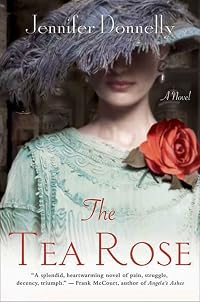
East London, 1888 - a city apart. A place of shadow and light where thieves, whores, and dreamers mingle, where children play in the cobbled streets by day and a killer stalks at night, where bright hopes meet the darkest truths. Here, by the whispering waters of the Thames, Fiona Finnegan, a worker in a tea factory, hopes to own a shop one day, together with her lifelong love, Joe Bristow, a costermonger's son. With nothing but their faith in each other to spur them on, Fiona and Joe show more struggle, save, and sacrifice to achieve their dreams. But Fiona's life is shattered when the actions of a dark and brutal man take from her nearly everything - and everyone - she holds dear. Fearing her own death, she is forced to flee London for New York. There, her indomitable spirit propels her rise from a modest West Side shop-front to the top of Manhattan's tea trade. But Fiona's old ghosts do not rest quietly, and to silence them, she must venture back to the London of her childhood, where a deadly confrontation with her past becomes the key to her future. show lessTags
Recommendations
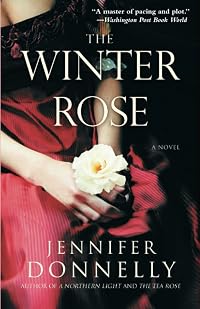
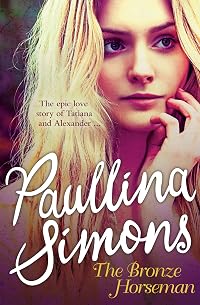
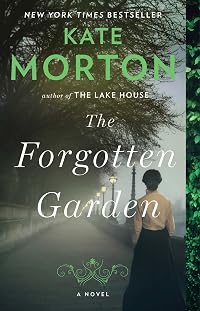
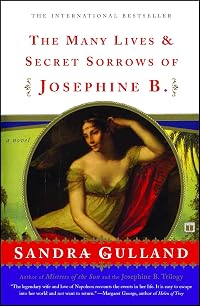



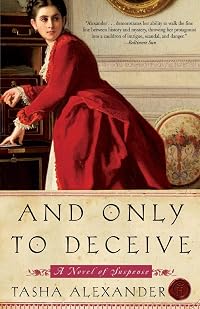
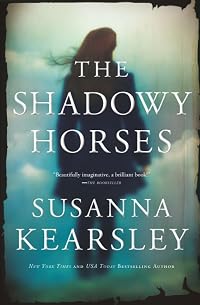
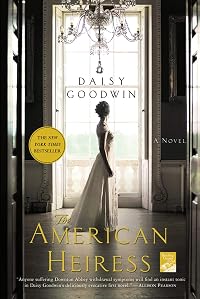
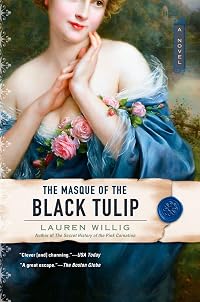



Member Recommendations
vvstokkom Not only because it's a trilogy, but it are really beautiful love stories with an eye for detail for the time and place the story is situated.
Member Reviews
I actually read the sequel to The Tea Rose, The Winter Rose, when it first came out, and fell in love with everything about it. And so I bought this book way back then, but planned to stick it on a shelf and try to forget about it until I'd forgotten what I'd learned about the characters in the sequel, and could read this one fresh. I'm glad I did, and yet, I'm also a little glad it wasn't my introduction to Donnelly's work...
The truth is, the first part of this book is heartbreaking in that way where you're not even sure why you're reading after a certain point, or whether you want to keep going. I think I was about 120 pages in when I asked my husband to hand me the book as he passed by, and his response was: "This? The book that show more keeps making you cry? Nope." True, I'd been sobbing over it when he came home from work the night before. But, of course, I got up to retrieve the book myself.
Of course, some books make you cry for no reason, and just keep doing so. This isn't one of those. I adored this book. The character, the heartbreak, the humor, the spirit... I don't read historical fiction that often, but I adored this. I can't wait to read its sequel again, with fresh eyes and having read this.
If you read historical fiction, yes, read this. The beginning has sadness along with every other emotion, but the level of it doesn't continue.
Absolutely, recommended. show less
The truth is, the first part of this book is heartbreaking in that way where you're not even sure why you're reading after a certain point, or whether you want to keep going. I think I was about 120 pages in when I asked my husband to hand me the book as he passed by, and his response was: "This? The book that show more keeps making you cry? Nope." True, I'd been sobbing over it when he came home from work the night before. But, of course, I got up to retrieve the book myself.
Of course, some books make you cry for no reason, and just keep doing so. This isn't one of those. I adored this book. The character, the heartbreak, the humor, the spirit... I don't read historical fiction that often, but I adored this. I can't wait to read its sequel again, with fresh eyes and having read this.
If you read historical fiction, yes, read this. The beginning has sadness along with every other emotion, but the level of it doesn't continue.
Absolutely, recommended. show less
Fiona Finnegan is the eldest daughter of working class family in 1888 London. She works in the Burton Tea Factory filling tins with tea, dreaming of the day she and her boyfriend, Joe Bristow, can open their own shop. Her father becomes mixed up in unionizing Burton's and her mother accidentally runs into a notorious killer. This is just the first of many tragedies that will affect Fiona's life and future. She is forced to flee London, taking only her five year old brother Seamus. She decides to catch the first ship to America, where she will pursue her dreams, along with some revenge.
This is a big, epic story that reminded me of a larger than life soap opera. There's tragedy, revenge, and romance. I think there are a lot of historical show more inaccuracies here, but it didn't spoil the fun I had reading it. I started to think it was more of a historical romance than a family saga at some point, and while Fiona is portrayed as a woman who is determined to make it on her own, it's really rich men who help her overcome every obstacle. Nevertheless, I'm giving it a much higher rating than the Man Booker nominee I'm just finishing. Why? Because when Tea Rose was done I said, “I've got to pick up the next book in the series” and when I finished Hot Milk I said “thank goodness that's over”. Sometimes the brain just wants candy, not kale. show less
This is a big, epic story that reminded me of a larger than life soap opera. There's tragedy, revenge, and romance. I think there are a lot of historical show more inaccuracies here, but it didn't spoil the fun I had reading it. I started to think it was more of a historical romance than a family saga at some point, and while Fiona is portrayed as a woman who is determined to make it on her own, it's really rich men who help her overcome every obstacle. Nevertheless, I'm giving it a much higher rating than the Man Booker nominee I'm just finishing. Why? Because when Tea Rose was done I said, “I've got to pick up the next book in the series” and when I finished Hot Milk I said “thank goodness that's over”. Sometimes the brain just wants candy, not kale. show less
This is an epic tale in the tradition of Thorn Birds or Gone With the Wind: the kind that makes you cry every five chapters or so. But this book far surpasses the others mentioned by its sophistication, its glorious period detail, and the extent to which it refuses to place salient socioeconomic factors in the background or place their importance secondary to romance.
We follow ten or so years in the life of Fiona Finnegan, starting when she is seventeen in 1888, a time when the gap between the haves and have-nots seemed like an unbridgeable chasm, and when Jack the Ripper terrorized the populace. Fiona lives in Whitechapel - a poor section of London - and shares dreams for the future with her boyfriend from forever, Joe Bristow. The show more two hope to save money and open a shop one day, but they have their families to help support, and backbreaking jobs with long hours that don’t pay much. The time they can steal away to be together is sweet and sustaining for both of them.
Fiona’s father, Paddy, works on the docks, and his dreams depend on the chance for unionization, and what it could mean to all the men:
"He looked around at the faces of the men who worked the docks, faces like anvils, hardened by the constant hammering life had given them. Usually it was porter or stout that erased the cares from those faces. Pint after pint. Washing away the bellowing foreman, the sad-eyed wife, the underfed children, the constant, aching knowledge that no matter how hard you worked, you’d only ever be a docker and there’d never be enough – enough coal in the bin, enough meat on the table.”
But when it came to Paddy’s eldest and favorite, Fiona, he encouraged her pursuit of something better:
"The day you let someone take your dreams from you, you may as well head straight to the undertaker’s. You’re just as good as dead.”
Fiona worked at the local tea factory under the exploitative and cruel owner, Willliam Burton. Joe was a costermonger (in Britain, one who sells fruit, vegetables, fish, or other goods from a cart, barrow, or stand in the streets). And Joe was great at it; no one could sell like he could and he was full of ideas about how to expand the business. His father wouldn’t pay attention to him, but the affluent entrepreneur Tommy Peterson, egged on by his daughter Millie, saw something in Joe, and hired him on. Millie wanted Joe for her own, and set out a plan to entrap him. Joe was seduced as much by his own ambition and need for validation and respect as by Millie. The Peterson family had money, comfort, and seemingly no worries. It was a far cry from the life he had back in Whitechapel.
When Joe leaves to work for Peterson, and Fiona's dad takes over the local union organizing, tragedy begins to strike Fiona from all directions. She, taking her five-year-old brother Seamus with her, flees to America. She seems to have lost everything except the memory of her father’s advice, and so she pursues the dreams she once had so long ago. But this time, she wants them with a vengeance.
Discussion:
Fiona is an outstandingly strong, independent woman, only occasionally tempted to take the easy way out by hiding behind the role of a wife. The men in her life are some of the best characters I’ve “met” in a long time, and we learn a great deal about Fiona’s character just from her reactions to them. I love the fact that, rather than a narrator telling us who Fiona is, we get to learn it ourselves from observing her interactions with others and how she copes with the Job-like trials that plague her.
The period detail is masterful, and the swings of passion, weariness, tumult, cruelty, longing, tenderness and moments of sheer joy demonstrate once again Donnelly’s narrative craftsmanship, not to mention the depth and breadth of her interests and knowledge.
Donnelly is perhaps also here showing her interest in Dante’s hell that she takes up in her book Revolution. To a great extent, this book is about the seven deadly sins: lust [traditionally includes the frequent purchase of luxury goods and forms of debauchery], gluttony [over-indulgence and over-consumption of anything to the point of waste], greed, sloth [born out of depression and despair], wrath, envy, and pride. The characters who give in to these sins create havoc in the worlds of those who are trying to live simple lives of love and charity. It is not difficult to believe that Donnelly ascribes greater power to the forces of evil. And yet, somehow, sometimes, there is a glimmer of light, and love finds a way.
Evaluation: Terrific book. Stock up on Kleenex. show less
We follow ten or so years in the life of Fiona Finnegan, starting when she is seventeen in 1888, a time when the gap between the haves and have-nots seemed like an unbridgeable chasm, and when Jack the Ripper terrorized the populace. Fiona lives in Whitechapel - a poor section of London - and shares dreams for the future with her boyfriend from forever, Joe Bristow. The show more two hope to save money and open a shop one day, but they have their families to help support, and backbreaking jobs with long hours that don’t pay much. The time they can steal away to be together is sweet and sustaining for both of them.
Fiona’s father, Paddy, works on the docks, and his dreams depend on the chance for unionization, and what it could mean to all the men:
"He looked around at the faces of the men who worked the docks, faces like anvils, hardened by the constant hammering life had given them. Usually it was porter or stout that erased the cares from those faces. Pint after pint. Washing away the bellowing foreman, the sad-eyed wife, the underfed children, the constant, aching knowledge that no matter how hard you worked, you’d only ever be a docker and there’d never be enough – enough coal in the bin, enough meat on the table.”
But when it came to Paddy’s eldest and favorite, Fiona, he encouraged her pursuit of something better:
"The day you let someone take your dreams from you, you may as well head straight to the undertaker’s. You’re just as good as dead.”
Fiona worked at the local tea factory under the exploitative and cruel owner, Willliam Burton. Joe was a costermonger (in Britain, one who sells fruit, vegetables, fish, or other goods from a cart, barrow, or stand in the streets). And Joe was great at it; no one could sell like he could and he was full of ideas about how to expand the business. His father wouldn’t pay attention to him, but the affluent entrepreneur Tommy Peterson, egged on by his daughter Millie, saw something in Joe, and hired him on. Millie wanted Joe for her own, and set out a plan to entrap him. Joe was seduced as much by his own ambition and need for validation and respect as by Millie. The Peterson family had money, comfort, and seemingly no worries. It was a far cry from the life he had back in Whitechapel.
When Joe leaves to work for Peterson, and Fiona's dad takes over the local union organizing, tragedy begins to strike Fiona from all directions. She, taking her five-year-old brother Seamus with her, flees to America. She seems to have lost everything except the memory of her father’s advice, and so she pursues the dreams she once had so long ago. But this time, she wants them with a vengeance.
Discussion:
Fiona is an outstandingly strong, independent woman, only occasionally tempted to take the easy way out by hiding behind the role of a wife. The men in her life are some of the best characters I’ve “met” in a long time, and we learn a great deal about Fiona’s character just from her reactions to them. I love the fact that, rather than a narrator telling us who Fiona is, we get to learn it ourselves from observing her interactions with others and how she copes with the Job-like trials that plague her.
The period detail is masterful, and the swings of passion, weariness, tumult, cruelty, longing, tenderness and moments of sheer joy demonstrate once again Donnelly’s narrative craftsmanship, not to mention the depth and breadth of her interests and knowledge.
Donnelly is perhaps also here showing her interest in Dante’s hell that she takes up in her book Revolution. To a great extent, this book is about the seven deadly sins: lust [traditionally includes the frequent purchase of luxury goods and forms of debauchery], gluttony [over-indulgence and over-consumption of anything to the point of waste], greed, sloth [born out of depression and despair], wrath, envy, and pride. The characters who give in to these sins create havoc in the worlds of those who are trying to live simple lives of love and charity. It is not difficult to believe that Donnelly ascribes greater power to the forces of evil. And yet, somehow, sometimes, there is a glimmer of light, and love finds a way.
Evaluation: Terrific book. Stock up on Kleenex. show less
The Tea Rose is a big fat soap opera of a book. It's historical fiction, but it's also a romance. It's 1889 and Fiona Finnegan and Joe Bristow are on the cusp of adulthood. Both in their late teens, they are from poor families in the East End of London, but they're both dreaming big. The pair are in love and can't wait to open their own grocery store and start the rest of their lives together.
Of course things are never that simple. There's a rich man's wife, Millie, who has her eye on Joe. There's a push for Fiona's father's work to unionize and a dangerous group that opposes that change. On top of all of that Jack the Ripper is on the loose and everyone is running scared.
It's a big novel that crosses from England to America and back show more again and over years of time. It's easy to sink into and it was just what I needed when I picked it up. Yes, there are absolutely too many coincidences and unbelievable elements, but that's half the fun with a book like this. You just embrace the melodrama and go with it.
Fiona was a great character, strong and resilient, determined to succeed against all odds. She, along with her best friend Nick, really made the story for me. There's one moment in the story that didn't sit right with me. Fiona does a complete 180 and it doesn't make any sense in the context of her character, but the ship quickly righted itself and I forgave the hiccup.
I love the historical elements woven into the story. It's incredibly readable but at the same time you are getting snapshots of real historical events, like the Jack the Ripper murders, immigration to New York City, and even a bit a glimpse of the painting scene in Paris in the late 1800s.
BOTTOM LINE: A bit of a guilty pleasure book, very enjoyable. I'll definitely be reading the next book in the series, The Winter Rose, but I'll save it for when I need to lose myself in a thick novel. show less
Of course things are never that simple. There's a rich man's wife, Millie, who has her eye on Joe. There's a push for Fiona's father's work to unionize and a dangerous group that opposes that change. On top of all of that Jack the Ripper is on the loose and everyone is running scared.
It's a big novel that crosses from England to America and back show more again and over years of time. It's easy to sink into and it was just what I needed when I picked it up. Yes, there are absolutely too many coincidences and unbelievable elements, but that's half the fun with a book like this. You just embrace the melodrama and go with it.
Fiona was a great character, strong and resilient, determined to succeed against all odds. She, along with her best friend Nick, really made the story for me. There's one moment in the story that didn't sit right with me. Fiona does a complete 180 and it doesn't make any sense in the context of her character, but the ship quickly righted itself and I forgave the hiccup.
I love the historical elements woven into the story. It's incredibly readable but at the same time you are getting snapshots of real historical events, like the Jack the Ripper murders, immigration to New York City, and even a bit a glimpse of the painting scene in Paris in the late 1800s.
BOTTOM LINE: A bit of a guilty pleasure book, very enjoyable. I'll definitely be reading the next book in the series, The Winter Rose, but I'll save it for when I need to lose myself in a thick novel. show less
Summary: Fiona Finnegan is a poor but spirited young woman living in Whitechapel in the late 1880s, and contributing the few shillings she earns packing tea to her family's meager income. Despite her humble surroundings, she's got big dreams: she's saving money, and one day she'll open her own shop with her childhood sweetheart, Joe Bristow. However, in the space of a few weeks, all of those dreams come crashing down around her: during a drunken, careless night, Joe betrays her, and is forced into a loveless marriage with his employer's daughter. She not only loses the love of her life, but she also loses her family - her father to a suspicious accident at the docks, her brother Charlie to an apparent suicide, and her mother to Jack the show more Ripper, the mysterious psychopath who has been haunting the streets of the East End. Fearing for her own life, Fiona must flee London. She heads for New York with her only remaining sibling (her four-year-old brother Seamus), determined to find their uncle and make a new life for herself. Fiona builds a happy and successful life for herself in America, but she can never quite forget London, for it holds the unavenged ghosts of her parents... and the man she can't bring herself to stop loving.
Review: Sometimes there's a serendipitous moment of just the right book at just the right time, and this book absolutely was that for me. Even though it certainly had its flaws, it struck exactly the right note with my mood, and I enjoyed the heck out of it. Donnelly does a lot of things well: She writes intelligent, strong (perhaps anachronistically so), and interesting women; she creates believable, lovable supporting characters; she paints a vivid world so full of historical detail that it seems to spring to life around the reader; and she spins a plot with enough twists that, despite knowing the ending ahead of time, kept me interested, absorbed, and emotionally invested (and yes, I cried at least once). So what if the romance is predictable, the flowery, Mary-Sue-ish descriptions of Fiona get a little out of control occasionally, and the fortuitous coincidences and plot contrivances make certain aspects of the story rather unrealistic? I was willing to shrug, suspend my disbelief, and keep reading for the sake of getting swept away by the story, and this book did that admirably.
This book and its quasi-sequel, The Winter Rose, each work fine as stand-alone volumes: although Fiona and Joe (among others) reappear in The Winter Rose, they're relatively minor characters. I read them out of order, which didn't present a huge problem, although it meant that I knew how the plot of The Tea Rose was more-or-less going to go, how it was going to end, and one of the big surprising reveals at the end of the book was not so surprising at all. The fact that The Tea Rose held my attention despite all this speaks highly for how much I enjoyed it. 4 out of 5 stars.
Recommendation: If you're in the mood for an involving but not-overly-serious historical romance - or are a fan of the Outlander series and are looking for something similar - then The Tea Rose is a perfect choice of brain candy. show less
Review: Sometimes there's a serendipitous moment of just the right book at just the right time, and this book absolutely was that for me. Even though it certainly had its flaws, it struck exactly the right note with my mood, and I enjoyed the heck out of it. Donnelly does a lot of things well: She writes intelligent, strong (perhaps anachronistically so), and interesting women; she creates believable, lovable supporting characters; she paints a vivid world so full of historical detail that it seems to spring to life around the reader; and she spins a plot with enough twists that, despite knowing the ending ahead of time, kept me interested, absorbed, and emotionally invested (and yes, I cried at least once). So what if the romance is predictable, the flowery, Mary-Sue-ish descriptions of Fiona get a little out of control occasionally, and the fortuitous coincidences and plot contrivances make certain aspects of the story rather unrealistic? I was willing to shrug, suspend my disbelief, and keep reading for the sake of getting swept away by the story, and this book did that admirably.
This book and its quasi-sequel, The Winter Rose, each work fine as stand-alone volumes: although Fiona and Joe (among others) reappear in The Winter Rose, they're relatively minor characters. I read them out of order, which didn't present a huge problem, although it meant that I knew how the plot of The Tea Rose was more-or-less going to go, how it was going to end, and one of the big surprising reveals at the end of the book was not so surprising at all. The fact that The Tea Rose held my attention despite all this speaks highly for how much I enjoyed it. 4 out of 5 stars.
Recommendation: If you're in the mood for an involving but not-overly-serious historical romance - or are a fan of the Outlander series and are looking for something similar - then The Tea Rose is a perfect choice of brain candy. show less
Jennifer Donnelly is an author that I've never read before. The book was well done and I especially liked the way the author could make you hear the characters accents by the way she structured her sentences, making it a fascinating historical saga. She also gave the reader characters that you could care about and create some attachment to. Joe and Fiona quickly become a part of the readers “family” and made you hope that things were going to turn out for these two in spite of the hardships their lives had become. Throwing Jack the Ripper into the mix was a bit of over indulgence and the story could have moved along without it. Overall a good read but 772 pages make the book overly long.
Fiona Finnegan is the eldest daughter of working class family in 1888 London. She works in the Burton Tea Factory filling tins with tea, dreaming of the day she and her boyfriend, Joe Bristow, can open their own shop. Her father becomes mixed up in unionizing Burton's and her mother accidentally runs into a notorious killer. This is just the first of many tragedies that will affect Fiona's life and future. She is forced to flee London, taking only her five year old brother Seamus. She decides to catch the first ship to America, where she will pursue her dreams, along with some revenge.
This is a big, epic story that reminded me of a larger than life soap opera. There's tragedy, revenge, and romance. I think there are a lot of historical show more inaccuracies here, but it didn't spoil the fun I had reading it. I started to think it was more of a historical romance than a family saga at some point, and while Fiona is portrayed as a woman who is determined to make it on her own, it's really rich men who help her overcome every obstacle. Nevertheless, I'm giving it a much higher rating than the Man Booker nominee I'm just finishing. Why? Because when Tea Rose was done I said, “I've got to pick up the next book in the series” and when I finished Hot Milk I said “thank goodness that's over”. Sometimes the brain just wants candy, not kale. show less
This is a big, epic story that reminded me of a larger than life soap opera. There's tragedy, revenge, and romance. I think there are a lot of historical show more inaccuracies here, but it didn't spoil the fun I had reading it. I started to think it was more of a historical romance than a family saga at some point, and while Fiona is portrayed as a woman who is determined to make it on her own, it's really rich men who help her overcome every obstacle. Nevertheless, I'm giving it a much higher rating than the Man Booker nominee I'm just finishing. Why? Because when Tea Rose was done I said, “I've got to pick up the next book in the series” and when I finished Hot Milk I said “thank goodness that's over”. Sometimes the brain just wants candy, not kale. show less
Members
- Recently Added By
Lists

Top Five Books of 2017
757 works; 230 members

Books Read in 2015
3,299 works; 126 members

KayStJ's to-read list
1,616 works; 11 members

A Rainbow of Books: Colors in the Title
570 works; 24 members

Books Read in 2021
5,361 works; 113 members
Talk Discussions
Past Discussions
***Group Read: The Tea Rose in The Highly-Rated Book Group (September 2011)
Author Information

22+ Works 18,685 Members
Jennifer Donnelly was born in Port Chester, New York in 1963. She majored in English literature and European history at the University of Rochester. Her books for adults include The Tea Rose, The Winter Rose, and The Wild Rose. She is also the author of a picture book for children entitled Humble Pie and several young adult novels including show more Revolution and These Shallow Graves. A Northern Light was awarded Britain's Carnegie Medal, the Los Angeles Times Book Prize for Young Adult Fiction, and a Michael L. Printz Honor. (Bowker Author Biography) show less
Some Editions
Awards and Honors
Notable Lists
Whitcoulls Top 100 Books (39 – 2008)
Whitcoulls Top 100 Books (63 – 2010)
Series

Common Knowledge
- Canonical title
- The Tea Rose
- Original title
- The Tea Rose
- Original publication date
- 2002
- People/Characters
- Fiona Finnegan; Joe Bristow; Nicholas Soames; Will McClane; Seamie Finnegan; Millie Peterson (show all 13); Michael Finnegan; William Burton; Jack the Ripper; Paddy Finnegan; Kate Finnegan; Charlie Finnegan; Bowler Sheehan
- Important places
- London, England, UK; New York, New York, USA
- Important events
- Whitechapel Murders
- Epigraph
- "Deep in their roots all flowers keep the light." -- Theodore Roethke
- Dedication
- For Douglas, my own blue-eyed boy.
- First words
- Polly Nichols, a Whitechapel whore, was profoundly grateful to gin.
- Last words*
- (Click to show. Warning: May contain spoilers.)... während die mit Tee beladenen Frachtkähne die Themse überquerten, ein Seemannslied über den Fluss klang und der sanfte herbstliche Sonnenschein auf dem dunklen silbernen Wasser schimmerte.
- Original language*
- Amerikanisch
*Some information comes from Common Knowledge in other languages. Click "Edit" for more information.
Classifications
Statistics
- Members
- 2,199
- Popularity
- 9,250
- Reviews
- 105
- Rating
- (4.00)
- Languages
- 8 — Dutch, English, French, German, Greek, Hungarian, Italian, Spanish
- Media
- Paper, Audiobook, Ebook
- ISBNs
- 44
- ASINs
- 9