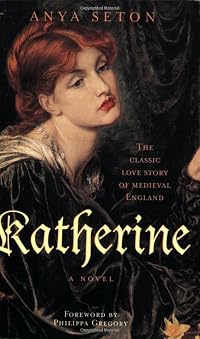
Katherine
by Anya Seton
On This Page
Description
Katherine is an epic novel of a love affair that changed history - that of Katherine Swynford and John of Gaunt, Duke of Lancaster, the ancestors of most of the British royal family. Set in the vibrant 14th century of Chaucer and the Black Death, the story features knights fighting in battle, serfs struggling in poverty, and the magnificent Plantagenets - Edward III, the Black Prince, and Richard II - who rule despotically over a court rotten with intrigue. Within this era of danger and show more romance, John of Gaunt, the king's son, falls passionately in love with the already-married Katherine. Their affair persists through decades of war, adultery, murder, loneliness, and redemption. Anya Seton's vivid rendering of the lives of the Duke and Duchess of Lancaster makes Katherine an unmistakable classic. show lessTags
Recommendations
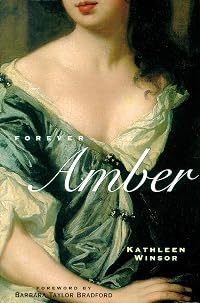
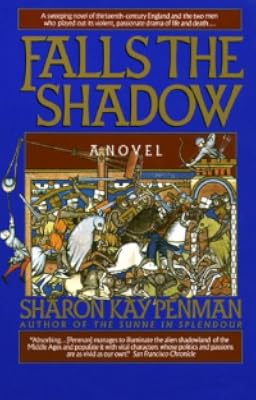
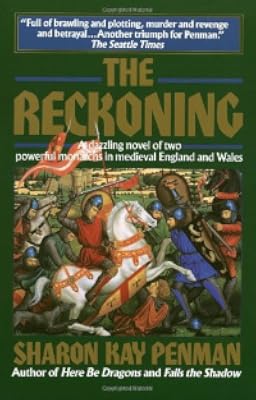

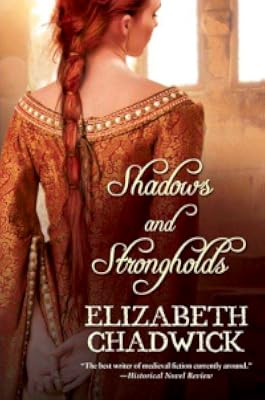
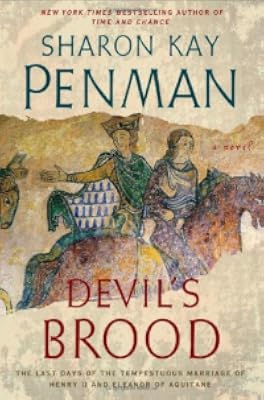
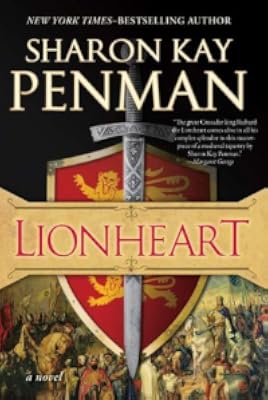
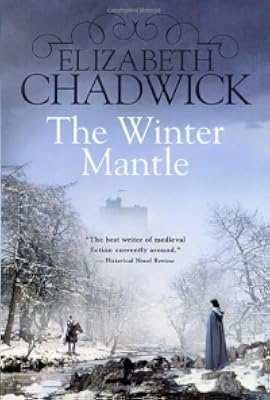
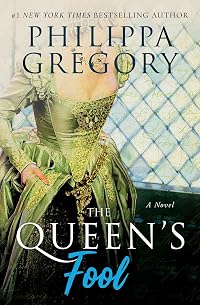

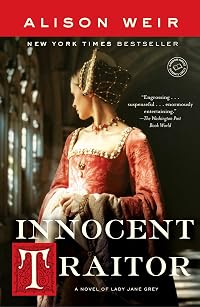
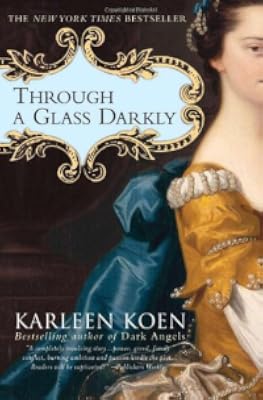
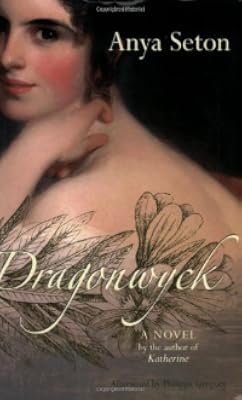
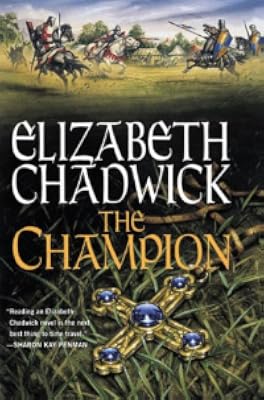
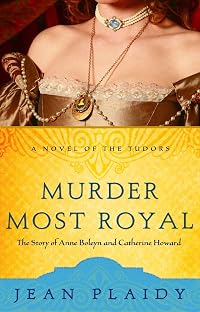
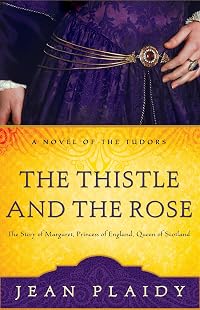
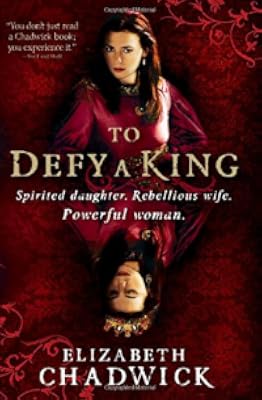
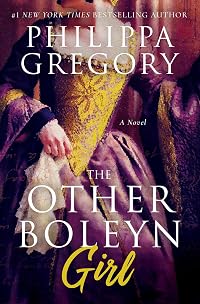
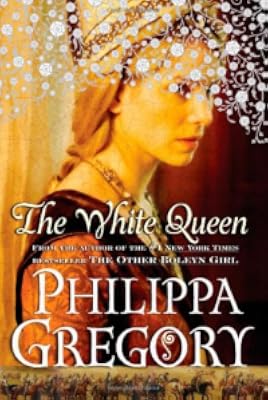
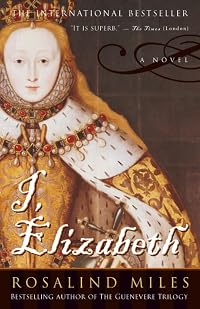

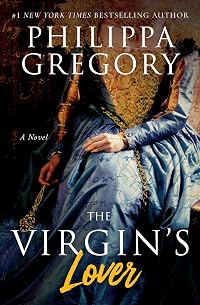

Member Recommendations
myshelves Set in the same historical period, showing some of the same events from another viewpoint.
41
avalon_today Maybe not so much of a romance novel. But still a few tears were shed.

avalon_today Its about having to deal with a very strong, charismatic man. *Sigh*
23

avalon_today Its about love that is fated with danger in the fourteenths century

feeling.is.first splendid historical fiction about the Lancastrian kings, medieval pageantry with a human touch
11
DeltaQueen50 Although this book covers a different time period, it is written by the same author and has her great attention to detail, authentic historical facts and a wonderful story.
Member Reviews
An exceptional classic of historical fiction!
First published in 1954, the KATHERINE of the title is Katherine de Roet Swynford (1349-1403), one-time household governess, then mistress, and later third wife of John of Gaunt (1340-1399), 1st Duke of Lancaster. And a fascinating woman in her own right. Her chief claim to fame is that their descendants founded the ever-popular House of Tudor. She's also happens to be the sister-in-law of Geoffrey Chaucer (1340-1400), author of THE CANTERBURY TALES.
When I first read this book many years ago, I knew little of English history during this time period. But I found the story and especially the character of Katherine so compelling that it launched an entirely new fascination. So much so that show more I've now read dozens of books about assorted members of the House of Plantagenet, and its offshoots, the York and Lancaster rivals.
In a quirky piece of historical irony, John of Gaunt's son and heir by his first wife, Henry Bolingbroke, later King Henry IV (1367-1413) was instrumental in starting the Wars of the Roses (1455-87), whereas his great, great grandson, Henry Tudor (1457-1509 - aka King Henry VII) is credited with ending those wars.
The book is considered a well-researched historical romance for its time period (when far fewer resources were readily available) and is just one of the dozen well-received novels American author Anya Seton (1904-1990) wrote. Several of which were made into movies. For me, this was a true page-turner.
It's a shame Seton is not more widely known today because for me, she is one of the best historical novelists I've come across. She made Katherine, John of Gaunt, their romance, AND complex histories -- all come alive. I actually became extremely invested in whether their Beaufort descendants should be considered legitimate. (Read the book to find out more!) Clearly this is one of those works of historical fiction that has stayed with me over decades. show less
First published in 1954, the KATHERINE of the title is Katherine de Roet Swynford (1349-1403), one-time household governess, then mistress, and later third wife of John of Gaunt (1340-1399), 1st Duke of Lancaster. And a fascinating woman in her own right. Her chief claim to fame is that their descendants founded the ever-popular House of Tudor. She's also happens to be the sister-in-law of Geoffrey Chaucer (1340-1400), author of THE CANTERBURY TALES.
When I first read this book many years ago, I knew little of English history during this time period. But I found the story and especially the character of Katherine so compelling that it launched an entirely new fascination. So much so that show more I've now read dozens of books about assorted members of the House of Plantagenet, and its offshoots, the York and Lancaster rivals.
In a quirky piece of historical irony, John of Gaunt's son and heir by his first wife, Henry Bolingbroke, later King Henry IV (1367-1413) was instrumental in starting the Wars of the Roses (1455-87), whereas his great, great grandson, Henry Tudor (1457-1509 - aka King Henry VII) is credited with ending those wars.
The book is considered a well-researched historical romance for its time period (when far fewer resources were readily available) and is just one of the dozen well-received novels American author Anya Seton (1904-1990) wrote. Several of which were made into movies. For me, this was a true page-turner.
It's a shame Seton is not more widely known today because for me, she is one of the best historical novelists I've come across. She made Katherine, John of Gaunt, their romance, AND complex histories -- all come alive. I actually became extremely invested in whether their Beaufort descendants should be considered legitimate. (Read the book to find out more!) Clearly this is one of those works of historical fiction that has stayed with me over decades. show less
“I only know that from wherever it is that we're going there can be no turning back.”
It is absolutely astounding to me that this hasn’t been made into a mini-series yet. It’s a fact that because of Katherine and her illegitimate children, the House of York (and Henry VII) and the Tudors and the Stuarts are not only all Plantagenets but Lancasters as well. So much for the fall of the house of Lancaster!
But for those of you who haven’t come for a summary of Who Dated Who: 1366, you’ll be pleased to hear that this novel is the most romantic biographical story I’ve ever read. It goes beyond the Bildungsroman, carrying us into Katherine’s late life, her time apart from her love and briefly touches on everyone she knew and show more encountered. If you’re a fan of historical fiction (romantic or otherwise) this is such a great book to read.
It’s only show of being dated is the (wonderfully) chaste descriptions of Katherine’s young passion and consequently of her (what else can you call it?) rape. The other is the dancing around of Richard II’s rumored homosexuality. All other rumors are given life, and considering how close she came to this infamous king... but it’s not important enough to the story in the end.
A little tedious was when the Young Katherine is looked upon with desire by every man she comes across, they all lust for her, in a mild way, and see the purity and innocence in her appearance. It is finally trumped when she meets a man, one whom many would scorn and shun for his appearance, that she knows what it is to be looked at with love by a man who does not desire her. In this same segment, where we meet Lady Julian, a woman who, like St. Hildegard von Bingen was, has not been officially canonized, but is still venerated as a saint. The religious aspects of this novel are well placed and wrought with care for the rest of the novel. As important as religion was then, and how pervasive it was, it cannot be for nought that Katherine’s growth happens with the aid of priests and monks, saints and nuns. Equally so for the revolts of the Lollards and the heretics; the demands of an unruly bourgeois who despise the wanton greed of the bishops and cardinals; this was also the time of the schism of the church, where there were two popes in the world.
Phillipa Gregory (famously the author of several novels about the medieval british royals) gives this book a very pointed introduction on the differences of romance fiction and historical fiction. While this book bears a resemblance to the stories of Tristan and Iseult, Arthur and Guinevere, her point is valid, Katherine’s life, while not shaping landscapes directly, mostly of childrearing and observation, did have a marked impact on British history. She’s often strongly admonished in the classic history texts, her role as paramour and later the First Lady of England, has her brandished as an interloper as notorious as Alice Perrers.
These contrasts of intent, greed versus love, and marriage versus love, are common to historical as well as medieval contemporary stories that explore a world obsessed with true love and empires built by men. The violence that intersperses the sanity and the abandon that pierces through the pious times without plague frame the troubles of Katherine’s life, even this fictionalized account of it. She lives long and sees much, and enjoys the width and breadth of what her world had to offer, even as unhappy as some of it was. I know that much of Katherine’s life is unknown, but there is something very noble about this woman nonetheless, her life is important, even if we don’t know the half of it.
Kudos to Geoffrey Chaucer, by the way, for writing absolutely nothing about his sister-in-law.
I can't believe I haven't said anything about the fantastic narration! Looking over lines of passages from the book, it sounds so much more classical and stodgy than it did when read by the lovely and talented Wanda McCaddon. She's apparently narrated a couple other classics, historicals and romances: I'm on it!
500pp. Fawcett Crest Books. 1954.
23:43. Tantor Media. 25 Mar. 2011. show less
It is absolutely astounding to me that this hasn’t been made into a mini-series yet. It’s a fact that because of Katherine and her illegitimate children, the House of York (and Henry VII) and the Tudors and the Stuarts are not only all Plantagenets but Lancasters as well. So much for the fall of the house of Lancaster!
But for those of you who haven’t come for a summary of Who Dated Who: 1366, you’ll be pleased to hear that this novel is the most romantic biographical story I’ve ever read. It goes beyond the Bildungsroman, carrying us into Katherine’s late life, her time apart from her love and briefly touches on everyone she knew and show more encountered. If you’re a fan of historical fiction (romantic or otherwise) this is such a great book to read.
It’s only show of being dated is the (wonderfully) chaste descriptions of Katherine’s young passion and consequently of her (what else can you call it?) rape. The other is the dancing around of Richard II’s rumored homosexuality. All other rumors are given life, and considering how close she came to this infamous king... but it’s not important enough to the story in the end.
A little tedious was when the Young Katherine is looked upon with desire by every man she comes across, they all lust for her, in a mild way, and see the purity and innocence in her appearance. It is finally trumped when she meets a man, one whom many would scorn and shun for his appearance, that she knows what it is to be looked at with love by a man who does not desire her. In this same segment, where we meet Lady Julian, a woman who, like St. Hildegard von Bingen was, has not been officially canonized, but is still venerated as a saint. The religious aspects of this novel are well placed and wrought with care for the rest of the novel. As important as religion was then, and how pervasive it was, it cannot be for nought that Katherine’s growth happens with the aid of priests and monks, saints and nuns. Equally so for the revolts of the Lollards and the heretics; the demands of an unruly bourgeois who despise the wanton greed of the bishops and cardinals; this was also the time of the schism of the church, where there were two popes in the world.
Phillipa Gregory (famously the author of several novels about the medieval british royals) gives this book a very pointed introduction on the differences of romance fiction and historical fiction. While this book bears a resemblance to the stories of Tristan and Iseult, Arthur and Guinevere, her point is valid, Katherine’s life, while not shaping landscapes directly, mostly of childrearing and observation, did have a marked impact on British history. She’s often strongly admonished in the classic history texts, her role as paramour and later the First Lady of England, has her brandished as an interloper as notorious as Alice Perrers.
These contrasts of intent, greed versus love, and marriage versus love, are common to historical as well as medieval contemporary stories that explore a world obsessed with true love and empires built by men. The violence that intersperses the sanity and the abandon that pierces through the pious times without plague frame the troubles of Katherine’s life, even this fictionalized account of it. She lives long and sees much, and enjoys the width and breadth of what her world had to offer, even as unhappy as some of it was. I know that much of Katherine’s life is unknown, but there is something very noble about this woman nonetheless, her life is important, even if we don’t know the half of it.
Kudos to Geoffrey Chaucer, by the way, for writing absolutely nothing about his sister-in-law.
I can't believe I haven't said anything about the fantastic narration! Looking over lines of passages from the book, it sounds so much more classical and stodgy than it did when read by the lovely and talented Wanda McCaddon. She's apparently narrated a couple other classics, historicals and romances: I'm on it!
500pp. Fawcett Crest Books. 1954.
23:43. Tantor Media. 25 Mar. 2011. show less
It is important to say up front that I am a sucker for good historical fiction. I like knowing that these people existed, that these events are part of the human record, that no one can know what these people actually thought or felt, but that this is one possible scenario that fits all the historical information. What is sure is that some things about people do not change with the exchange of horses for automobiles and kings for ego-driven politicians and that it is our ability to find common grounds in our feelings that make us relate to history so viscerally.
Having laid my prejudice for this genre on the table, I wish to say Anya Seton excels at what she does. I was completely invested in Katherine and John of Gaunt as historical show more characters and as individual people. It took quite a lot to survive in the sphere of the royal house in the 1300s and it is fascinating that these two persons so far down in the line of succession would be the grandfather and grandmother of a bevy of future kings and queens, including the Tutors.
It has been a long time since I have stayed up until 2:00 in the morning because I could not wait until the next day to finish a novel. I could not bear to leave John and Katherine hanging on the edge of finishing their story. I didn’t want to break the flow of the narrative and when I was done I was not ready to let go of these characters at all. I hope the real Katherine Swynford was half as strong and resilient as this novel heroine; I hope John was as handsome and charming and torn as this John. I hope they did experience a love that transcended common understanding. They broke the rules of their time. He lifted her to his station. There was a reason for that, that only a great love could explain. We all have heartbreak and tragedy, but not all of us have a love that makes that tragedy a footnote.
I have marked all Seton’s novels to read. I hope I enjoy them all this much. show less
Having laid my prejudice for this genre on the table, I wish to say Anya Seton excels at what she does. I was completely invested in Katherine and John of Gaunt as historical show more characters and as individual people. It took quite a lot to survive in the sphere of the royal house in the 1300s and it is fascinating that these two persons so far down in the line of succession would be the grandfather and grandmother of a bevy of future kings and queens, including the Tutors.
It has been a long time since I have stayed up until 2:00 in the morning because I could not wait until the next day to finish a novel. I could not bear to leave John and Katherine hanging on the edge of finishing their story. I didn’t want to break the flow of the narrative and when I was done I was not ready to let go of these characters at all. I hope the real Katherine Swynford was half as strong and resilient as this novel heroine; I hope John was as handsome and charming and torn as this John. I hope they did experience a love that transcended common understanding. They broke the rules of their time. He lifted her to his station. There was a reason for that, that only a great love could explain. We all have heartbreak and tragedy, but not all of us have a love that makes that tragedy a footnote.
I have marked all Seton’s novels to read. I hope I enjoy them all this much. show less
Marvellous book. One of those I almost wanted to start again as soon as I'd finished. Historical fiction exactly as it should be, takes real events and adds flesh to the bare facts (without bending history too much) to make an enthralling tale. It helps that this is one of the rare romantic happenings in English history and that John of Gaunt is a fascinating character even before he's been fleshed out and made man (a terribly attractive man he is too). I devoured most of this in two sittings - and it was about 10000 times better than the housework I should have been doing!
This is a love story. A fourteenth century story to be exact. Katherine Swynford has loved John of Gaunt, the Duke of Lancaster ever since she first laid eyes on him as a young girl of thirteen. As a commoner, predestined to marry a lowly knight, Katherine's standing in society is, at best, only to be a lady-in-waiting for the Duchess of Lancaster. That is as close as she can get to the man of her dreams. Yet, meeting the duke has sealed her fate. The saga that follows spans three generations of life and love. Seton does a fantastic job weaving true history with a fabricated backstory of romance. If you get the chance, listen to the audio version. It's fantastic.
This book is more than just a good romance. It is an all-time classic. I am a younger reader, and so I don't have fond memories of the first time this book came out; but I'm glad that they brought Katherine back into print. It is one of those books that all lovers of historical fiction should read, not simply for the history, but because this is an elegantly crafted novel; unarguably one of the very best I've read in a long time. This novel is a great introduction to the works of Anya Seton.
The story of Katherine Swynford and John of Gaunt is set against a backdrop of chivalry and heroic adventure during the 14th century. I thoroughly loved this novel; there are parts of it that still stay with me two months after reading it. Whenever I show more read historical fiction, I always look to see whether the author has done her research- Anya Seton most definitely did hers.
I decided it doesn't matter whether or not you love the heroes of this book- they were real people, and that's what makes this book so much more vibrant. Thats what I loved most- I felt that I actually knew these characters, had actually sat down at a meal with Katherine Swynford or gone hunting with Prince John. The author Geoffrey Chaucer has become mythical in the annals of English literature; however here he becomes humanized, a real person with a wife and children of his own. I was absolutely amazed by it.
Another great thing about this book is that the author never mentions what will happen in the future for these people (even though she, and the reader, obviously know). Anya Seton simply let the story take itself along. For example, at the end of Katherine, Richard III is a little boy, newly crowned king. Even though historians have protrayed him as a tyrant, Seton never lets on that this is what, in fact, he will become. Richard seems like a lost, lonely little boy trying to fill shoes that are too big for him. show less
The story of Katherine Swynford and John of Gaunt is set against a backdrop of chivalry and heroic adventure during the 14th century. I thoroughly loved this novel; there are parts of it that still stay with me two months after reading it. Whenever I show more read historical fiction, I always look to see whether the author has done her research- Anya Seton most definitely did hers.
I decided it doesn't matter whether or not you love the heroes of this book- they were real people, and that's what makes this book so much more vibrant. Thats what I loved most- I felt that I actually knew these characters, had actually sat down at a meal with Katherine Swynford or gone hunting with Prince John. The author Geoffrey Chaucer has become mythical in the annals of English literature; however here he becomes humanized, a real person with a wife and children of his own. I was absolutely amazed by it.
Another great thing about this book is that the author never mentions what will happen in the future for these people (even though she, and the reader, obviously know). Anya Seton simply let the story take itself along. For example, at the end of Katherine, Richard III is a little boy, newly crowned king. Even though historians have protrayed him as a tyrant, Seton never lets on that this is what, in fact, he will become. Richard seems like a lost, lonely little boy trying to fill shoes that are too big for him. show less
The incredible love story of Katherine Swynford and John of Gault—ancestors to the Tudor dynasty and the Stuarts. Spanning much of the 14th century, we see Katherine develop from an innocent young girl raised in a convent into a strong and wise woman. Anya Seton writes in such a vividly descriptive style with such well-rounded “characters” that I felt transported to Medieval England. I felt Katherine’s awe upon coming to court, her anguish at her lack of control over so much of her own destiny and her love for an unobtainable man. And, it's so much more than a romance. Intertwined in this beautiful love story are many rich details of 14th century life--for both peasants and royals, including events like the Black Death, and the show more Peasant's Revolt. I listened to this on audio, Wanda McCaddon's narration is a beautiful complement to this wonderful work. show less
Members
- Recently Added By
Lists

Best Historical Fiction
620 works; 257 members

Historical Fiction
889 works; 91 members
Favourite Books
1,820 works; 316 members

Recommend the 20 best books you've read in the last five years
2,168 works; 607 members

Top Five Books of 2020
982 works; 350 members

1950s
340 works; 22 members
LibraryThingers' 1001 Books You Must Read Before You Die
442 works; 30 members

1970s
657 works; 23 members

Best Historical Fiction authors
41 works; 9 members

Fiction with Women's Names in the Title
378 works; 15 members

Books Read in 2020
4,379 works; 124 members

Books Read in 2021
5,361 works; 114 members

infjsarah's wishlist
408 works; 2 members
KayStJ's to-read list
1,616 works; 11 members

Favorite Romance Fiction
247 works; 115 members

2023 Update: The Best Twenty Books You've Read in the Past Five Years
40 works; 3 members

Favorite Childhood Books
1,651 works; 519 members

Books We Love to Reread
695 works; 298 members

EGBERTINA'S List of childhood books worthy of merit or unspeakable delight
155 works; 7 members
Author Information

25+ Works 8,971 Members
Some Editions
Awards and Honors
Distinctions
Work Relationships
Common Knowledge
- Original publication date
- 1954
- People/Characters
- Katherine Swynford; John of Gaunt, Duke of Lancaster; Sir Hugh Swynford; Philippa de Roet; Geoffrey Chaucer; Nirac (show all 16); Richard II, King of England; Blanche, Duchess of Lancaster; Edward III, King of England; Julian of Norwich; John Wycliffe; Henry Bolingbroke; Joan Beaufort; Duke of Lancaster; King of England; Duchess of Lancaster
- Important places
- England, UK; Kenilworth, Warwickshire, England, UK; Savoy Palace, London, England, UK; London, England, UK; Warwickshire, England, UK
- Important events
- Black Death; Peasants' Revolt (1381); Hundred Years' War (1337 | 1453); The Good Parliament (1376)
- First words
- In the tender green time of April, Katherine set forth at last upon her journey with two nuns and the royal messenger.
- Last words
- (Click to show. Warning: May contain spoilers.)But whatever the shadowed years might bring, as long as life should last, he knew that he had here at his side one sure recompense and one abiding loyalty.
- Canonical DDC/MDS
- 813.52
- Canonical LCC
- PS3537.E787
Classifications
- Genres
- Fiction and Literature, General Fiction, Romance, Historical Fiction
- DDC/MDS
- 813.52 — Literature & rhetoric American literature in English American fiction in English 1900-1999 1900-1945
- LCC
- PS3537 .E787 — Language and Literature American literature American literature Individual authors 1900-1960
- BISAC
Statistics
- Members
- 3,223
- Popularity
- 5,365
- Reviews
- 94
- Rating
- (4.15)
- Languages
- 6 — English, German, Italian, Portuguese, Spanish, Swedish
- Media
- Paper, Audiobook, Ebook
- ISBNs
- 33
- ASINs
- 37