On This Page
Description
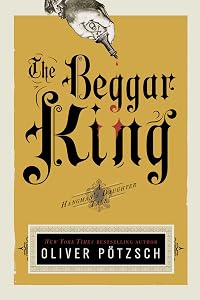
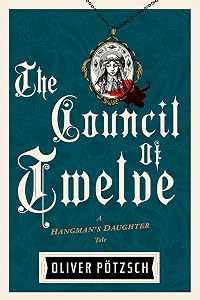
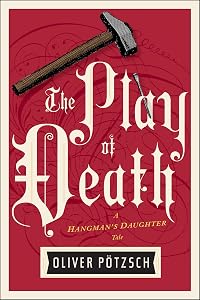
1662. Alpine village hangman Jakob Kuisl receives a letter from his sister calling him to the imperial city of Regensburg, where a gruesome sight awaits him: her throat has been slit. Arrested and framed for the murder, Kuisl faces first-hand the torture he's administered himself for years. Jakob's daughter, Magdalena, and a young medicus named Simon hasten to his aid. With the help of an underground network of beggars, a beer-brewing monk, and an Italian playboy, they discover that behind show more the false accusation is a plan that will endanger the entire German Empire. show lessTags
Recommendations






















Member Reviews
'There is a reaper. Death's his name.'
Once again the executioner’s daughter is embroiled in mayhem and mystery.
This time Magdalena's father Jakob Kuisl, the Hangman of Schongau, has been lured to far off Regensburg where he is falsely accused of murdering his sister and her husband.
Meanwhile, Magdalena and Simon having fled Schongau and become embroiled in the same plot.
Someone wants the executioner Kuisl dead, and more, revenge!
At the same time prostitutes are disappearing from the streets of Regensburg. Not enough to rouse the interest of the authorities, but enough to arouse the reader's.
Dastardly plots and political mayhem color the very air of Regensburg confusing the senses Plots and sub plots abound. All lead to a very show more dangerous, cunning and nameless enemy of the Hangman of Schongau, and his family. The only clue, ‘Weidenfeld, 1637!'
Who or is that. Kuisl worries at it, as ‘through a glass darkly.’
Who is friend? Who is foe? The possibilities extend!
We are introduced to the brotherhood of 'cousins' of executioners with the inclusion of the Hangman of Regensburg, Philipp Teuber and his family.
And in the afterward, Traveler's Guide to Regensburg, Potzsch takes us on a guided tour of Regensburg, with the novel metaphorically tucked under our arm. Certainly for me, if I ever visit Regensburg, Potzsch's travel guide will be a must do literary expedition, and a fascinating way of exploring the area--though the creative eyes of the author and the deeds of his characters.
Another superb story from Oliver Potzsch not lost in translation by Lee Chadeayne.
This whole series is truly a gem from one novel to the next...and there's more to come!
A NetGalley ARC show less
Once again the executioner’s daughter is embroiled in mayhem and mystery.
This time Magdalena's father Jakob Kuisl, the Hangman of Schongau, has been lured to far off Regensburg where he is falsely accused of murdering his sister and her husband.
Meanwhile, Magdalena and Simon having fled Schongau and become embroiled in the same plot.
Someone wants the executioner Kuisl dead, and more, revenge!
At the same time prostitutes are disappearing from the streets of Regensburg. Not enough to rouse the interest of the authorities, but enough to arouse the reader's.
Dastardly plots and political mayhem color the very air of Regensburg confusing the senses Plots and sub plots abound. All lead to a very show more dangerous, cunning and nameless enemy of the Hangman of Schongau, and his family. The only clue, ‘Weidenfeld, 1637!'
Who or is that. Kuisl worries at it, as ‘through a glass darkly.’
Who is friend? Who is foe? The possibilities extend!
We are introduced to the brotherhood of 'cousins' of executioners with the inclusion of the Hangman of Regensburg, Philipp Teuber and his family.
And in the afterward, Traveler's Guide to Regensburg, Potzsch takes us on a guided tour of Regensburg, with the novel metaphorically tucked under our arm. Certainly for me, if I ever visit Regensburg, Potzsch's travel guide will be a must do literary expedition, and a fascinating way of exploring the area--though the creative eyes of the author and the deeds of his characters.
Another superb story from Oliver Potzsch not lost in translation by Lee Chadeayne.
This whole series is truly a gem from one novel to the next...and there's more to come!
A NetGalley ARC show less
Jakob Kuisl, the Schongau hangman, is on his way to Regensburg to visit his gravely ill sister. As he tries to enter the city, he is detained by the guards and has to spend the night in a cell. In the morning, as he enters the bathhouse that his brother-in-law and sister keep, he finds their bodies with their throats slit and the guards ready to arrest him minutes after the grisly discovery; someone had obviously tipped them off. With everyone convinced of his guilt, he is thrown into the city dungeon where he is awaiting torture before inevitable execution. It falls to Kuisl’s daughter Magdalena and her lover Simon, fleeing the Schongau inhabitants’ narrow-mindedness, to prove his innocence. Little do they know that they are about show more to stumble on a clever revenge plot centring on Magdalena’s father, one that might have dangerous consequences for the entire German Empire.
This is already the third instalment in The Hangman’s Daughter series but the first I read. It feels impeccably researched and the long chapters build up the atmosphere of Regensburg in the middle of the 17th century very well, yet, by the same token, they also reveal the novel’s notable lengths; the book definitely feels 100 pages too long. There is a lot of fleeing from one point of refuge to another through a warren of back streets and alleyways and one too many rescues from certain death at the very last moment in my opinion, stretching credibility. The characters are mostly well drawn, even if some are teetering precariously close to cliché: the fat brewmaster monk and the fop and ladies’ man Italian, for example. There’s also the good old, if well-worn, plot device of “I’ll make a few enquiries and will tell you the answer in the morning”, only to find that the character has been conveniently killed off by that time, and I felt the lack of credible alternative villains rather keenly. There are annoying little plot inconsistencies that niggle in the background, and the final solution feels historically neat, yet too elaborate for the humble hangman to be involved in. The prologue, while important for setting the scene, also gives away the mystery of the hangman’s enemies too easily, and I had guessed the reason for their planning revenge on Jakob Kuisl very early, thereby depriving me of the tension that revolved around their identities. Interesting from a historical perspective (the novel is set barely fifteen years after the Thirty Years’ War) and diverting, yet a bit too formulaic for my taste: a generous four stars.
(Review was originally written for Amazon's Vine programme.) show less
This is already the third instalment in The Hangman’s Daughter series but the first I read. It feels impeccably researched and the long chapters build up the atmosphere of Regensburg in the middle of the 17th century very well, yet, by the same token, they also reveal the novel’s notable lengths; the book definitely feels 100 pages too long. There is a lot of fleeing from one point of refuge to another through a warren of back streets and alleyways and one too many rescues from certain death at the very last moment in my opinion, stretching credibility. The characters are mostly well drawn, even if some are teetering precariously close to cliché: the fat brewmaster monk and the fop and ladies’ man Italian, for example. There’s also the good old, if well-worn, plot device of “I’ll make a few enquiries and will tell you the answer in the morning”, only to find that the character has been conveniently killed off by that time, and I felt the lack of credible alternative villains rather keenly. There are annoying little plot inconsistencies that niggle in the background, and the final solution feels historically neat, yet too elaborate for the humble hangman to be involved in. The prologue, while important for setting the scene, also gives away the mystery of the hangman’s enemies too easily, and I had guessed the reason for their planning revenge on Jakob Kuisl very early, thereby depriving me of the tension that revolved around their identities. Interesting from a historical perspective (the novel is set barely fifteen years after the Thirty Years’ War) and diverting, yet a bit too formulaic for my taste: a generous four stars.
(Review was originally written for Amazon's Vine programme.) show less
This series is heavy reading. The majority of the characters are misogynist, closed-minded, uneducated, and almost entirely un-likeable. Magdalena is ok, but I have to believe that the only reason she is in love with Simon is that there is no one better in her small, horrible village. Sure, I know that life in small European villages in the 1600's was full of misogyny and superstition, and that the churches were pushing back against secular forces, and that they encouraged mistrust of all things intellectual for anyone not born to a wealthy, elite family. Still, I find it hard to enjoy these books, or to be sympathetic towards most of the characters. I was rooting for the hangman and his whole family and Simon to emigrate to the New show more World (which was an option by the latter half of the 1600's) so that their whole rotten village could enjoy life without their favorite scapegoats, only I don't like the hangman either. Unfortunately, when the hangman vanished in Regensberg and the village was turning against his family in his absence, they didn't just pick up and emigrate without him. That would have been a far better outcome than the actual novel. Oh well. show less
This series is heavy reading. The majority of the characters are misogynist, closed-minded, uneducated, and almost entirely un-likeable. Magdalena is ok, but I have to believe that the only reason she is in love with Simon is that there is no one better in her small, horrible village. Sure, I know that life in small European villages in the 1600's was full of misogyny and superstition, and that the churches were pushing back against secular forces, and that they encouraged mistrust of all things intellectual for anyone not born to a wealthy, elite family. Still, I find it hard to enjoy these books, or to be sympathetic towards most of the characters. I was rooting for the hangman and his whole family and Simon to emigrate to the New show more World (which was an option by the latter half of the 1600's) so that their whole rotten village could enjoy life without their favorite scapegoats, only I don't like the hangman either. Unfortunately, when the hangman vanished in Regensberg and the village was turning against his family in his absence, they didn't just pick up and emigrate without him. That would have been a far better outcome than the actual novel. Oh well. show less
(My summary is not giving away anything that isn't in the blurb on the book.) This is the third in the “Hangman's Daughter” series. It is 1662 in Bavaria. The Schongau hangman, Jakob, heads to a bigger city, Regensburg, to help take care of his sister, who he just heard is sick, and likely dying. When he arrives, he finds both her and her husband dead, throats slit. The officals find him there at that moment and he is arrested and brought to the prison, later to be tortured. Meanwhile, Jakob's daughter, Magdalena, and her love, Simon, decide to leave Schongau, where they are persecuted and not allowed to marry due to their differing social classes. When they arrive in Regensburg, they discover Magdalena's father has been arrested, show more so they try to help free him.
I really liked this one. It was jam packed with action. It did slow down for me a bit in the middle (I'm actually not sure why, as there was still plenty going on), but overall, I really enjoyed it. It really drew me in. I often wanted to get back to reading this one when I wasn't. show less
I really liked this one. It was jam packed with action. It did slow down for me a bit in the middle (I'm actually not sure why, as there was still plenty going on), but overall, I really enjoyed it. It really drew me in. I often wanted to get back to reading this one when I wasn't. show less
My favorite 17th Century sleuths are back for another hair-raising, exciting, and almost deadly adventure. It is 1662 and Jakob Kuisl, the Schongau hangman, his oldest daughter Magdalena, and Simon Fronwieser, the medicus and son of the town doctor are in for quite an adventure in Oliver Plotzsch's new novel, The Beggar King. This time the story moves from Schongau to Regensburg. What they say is true: the past can come back and bite you in the derriere.
Jakob was a hangman's son who tried to escape the hangman's life by signing up to be a mercenary in the Thirty Years War. He was a very good soldier. He rose in the ranks. However he discovered the horrors of war and was glad to get out. But now 25 years later a past event has set into show more motion a plan that has terrible consequences for Jakob.
In August 1662, Jakob Kuisl receives a message that his younger sister, Lisbeth, is ill. She and her husband, a bathhouse owner, live in Regensburg, a four day journey down the Danube. After arriving he lets his temper get the best of him and ends up in the tower for the night. Meanwhile, back in Schongau Jakob isn't the only Kuisl who's being set up. His oldest daughter Magdalena, apprentice to the midwife, is called to the baker to help with the baker's maid. Both she and Simon go. They discover that the maid was trying to abort the baker's child. However the baker gave her too much ergot and they cannot save her. Magdalena's temper gets the best of her when she accuses the baker of raping his maid and threatens to tell everyone. But the baker reminds her that he is on the city council and that no one will believe a hangman's daughter and a "horny son of an army doctor" over him. This sets up a situation where Simon and Magdalena leave Schongau to find a place where a hangman's daughter and a medicus could be together. They decide to head to the free city of Regensburg where her aunt and uncle live.
As Simon and Magdalena decide to head to Regensburg, Jakob is let out after a night in the tower. He pays a beggar to lead him to his sister's. When he gets there he finds both with their throats slit. Of course the city guards just happen to be in the neighborhood. They come in shortly after him and arrest him for the murders. Now he's stuck in jail for a crime he didn't commit and he knows what's coming next--torture by the city's hangman in order to get him to confess. Jakob now has a lot of time to think to try to figure out who set him up. His only hope although he doesn't know it yet are Magdalena and Simon.
Now we have Jakob in jail trying to wrack his brain to figure out who wants him dead while trying to survive the various measures of torture. On the outside we have Simon and Magdalena trying to find proof of her dad's innocence. Along the way they meet an interesting cast of characters who may or may not be able to help them. Who should they trust? Will Jakob be able to survive the torture? Will he convince his fellow hangman that he is innocent and gain his help? Will Magdalena and Simon be able to save her father in time? For the answers to these questions, you'll have to read the book.
I really like these characters and the way Potzsch brings their 17th Century Germany to life. It is an engaging, suspenseful story about love, revenge, and what humans are capable of--both good and evil. He even provides a brief travel guide at the end if one is interested in visiting that area of Germany. I eagerly look forward to the next book, The Warlock: A Hangman's Daughter's Tale (or as Amazon lists it as The Poisoned Pilgrim: A Hangman's Daughter's Tale) coming in July, 2013. No matter what the title is I'm going to read it. show less
Jakob was a hangman's son who tried to escape the hangman's life by signing up to be a mercenary in the Thirty Years War. He was a very good soldier. He rose in the ranks. However he discovered the horrors of war and was glad to get out. But now 25 years later a past event has set into show more motion a plan that has terrible consequences for Jakob.
In August 1662, Jakob Kuisl receives a message that his younger sister, Lisbeth, is ill. She and her husband, a bathhouse owner, live in Regensburg, a four day journey down the Danube. After arriving he lets his temper get the best of him and ends up in the tower for the night. Meanwhile, back in Schongau Jakob isn't the only Kuisl who's being set up. His oldest daughter Magdalena, apprentice to the midwife, is called to the baker to help with the baker's maid. Both she and Simon go. They discover that the maid was trying to abort the baker's child. However the baker gave her too much ergot and they cannot save her. Magdalena's temper gets the best of her when she accuses the baker of raping his maid and threatens to tell everyone. But the baker reminds her that he is on the city council and that no one will believe a hangman's daughter and a "horny son of an army doctor" over him. This sets up a situation where Simon and Magdalena leave Schongau to find a place where a hangman's daughter and a medicus could be together. They decide to head to the free city of Regensburg where her aunt and uncle live.
As Simon and Magdalena decide to head to Regensburg, Jakob is let out after a night in the tower. He pays a beggar to lead him to his sister's. When he gets there he finds both with their throats slit. Of course the city guards just happen to be in the neighborhood. They come in shortly after him and arrest him for the murders. Now he's stuck in jail for a crime he didn't commit and he knows what's coming next--torture by the city's hangman in order to get him to confess. Jakob now has a lot of time to think to try to figure out who set him up. His only hope although he doesn't know it yet are Magdalena and Simon.
Now we have Jakob in jail trying to wrack his brain to figure out who wants him dead while trying to survive the various measures of torture. On the outside we have Simon and Magdalena trying to find proof of her dad's innocence. Along the way they meet an interesting cast of characters who may or may not be able to help them. Who should they trust? Will Jakob be able to survive the torture? Will he convince his fellow hangman that he is innocent and gain his help? Will Magdalena and Simon be able to save her father in time? For the answers to these questions, you'll have to read the book.
I really like these characters and the way Potzsch brings their 17th Century Germany to life. It is an engaging, suspenseful story about love, revenge, and what humans are capable of--both good and evil. He even provides a brief travel guide at the end if one is interested in visiting that area of Germany. I eagerly look forward to the next book, The Warlock: A Hangman's Daughter's Tale (or as Amazon lists it as The Poisoned Pilgrim: A Hangman's Daughter's Tale) coming in July, 2013. No matter what the title is I'm going to read it. show less
I've fallen in love with the characters in Oliver Pötzsch's series - hangman Jakob Kuisl, his daughter Magdalena, and the physician's son Simon. this third book felt a bit like a rehash of the last with some villain roles reversed, but I still enjoyed it. fast paced, historically rich, and still leaves me wishing for more. hoping there's a fourth in the works.
Members
- Recently Added By
Lists

Majkia's Mystery/ Thriller TBR
86 works; 3 members
Author Information

31 Works 7,356 Members
Some Editions
Series

Belongs to Publisher Series
List Taschenbuch (61232)
Common Knowledge
- Canonical title
- The Beggar King
- Original title
- Die Henkerstochter und der König der Bettler
- Original publication date
- 2010
- People/Characters
- Jakob Kuisl; Magdalena Kuisl; Simon Fronwieser
- Important places
- Regensburg, Bavaria, Germany
- Epigraph
- Sobald ein Soldat wird geboren,
sind ihm drei Bauern auserkoren.
Der erste, der ihn ernährt, der andere,
der ihm ein schön Weib beschert,
der dritte, der für ihn zur Holle fährt.
Whenever a soldier is b... (show all)orn,
three peasants are chosen for him:
One to provide his fare,
another to procure him a lusty wench,
and a third one to go to hell in his stead.
--a verse from the Thirty Year's War. - Dedication
- For Katrin, with love. It takes a strong woman to put up with a Kuisl.
- First words
- Die Reiter der Apokalypse trugen blutrote Beinkleider, zerfetzte Waffenröcke und Mäntel, die wie Fahnen im Wind hinter ihnen herflatterten.
The riders of the Apocalypse wore blood-red leggings, tattered uniforms, and coats that fluttered in the wind like flags behind them. - Last words
- (Click to show. Warning: May contain spoilers.)Then he took his wife in his arms and held her tight until all that remained of the birch on the hearth were glowing embers.
- Publisher's editor
- Rupprecht, Uta
- Blurbers
- Neville, Katherine; Becker, James; Cooper, Glenn
- Original language
- German
- Canonical DDC/MDS
- 833.92
- Canonical LCC
- PT 2676.O895 H4713
Classifications
- Genres
- Fiction and Literature, Historical Fiction, Mystery
- DDC/MDS
- 833.92 — Literature & rhetoric German & related literatures German fiction 1900- 1990-
- LCC
- PT2676 .O895 .H4713 — Language and Literature German, Dutch and Scandinavian literatures German literature Individual authors or works 1961-2000
- BISAC
Statistics
- Members
- 777
- Popularity
- 35,991
- Reviews
- 22
- Rating
- (3.84)
- Languages
- English, French, German, Italian
- Media
- Paper, Audiobook, Ebook
- ISBNs
- 19
- ASINs
- 9