On This Page
Description
HTML:The setting itself is elemental P. D. James: the bleak coast of East Anglia, where atop a sweep of low cliffs stands the small theological college of St. Anselm’s. On the shore not far away, smothered beneath a fall of sand, lies the body of one of the school’s young ordinands. He is the son of Sir Alred Treves, a hugely successful and flamboyant businessman who is accustomed to getting what he wants—and in this case what he wants is Commander Adam Dalgliesh to investigate his show more son’s death. Although there seems to be little to investigate, Dalgliesh agrees, largely out of nostal-gia for several happy summers he spent at St. Anselm’s as a boy. No sooner does he arrive, however, than the college is torn apart by a sacrilegious and horrifying murder, and Dalgliesh finds himself ineluctably drawn into the labyrinth of an intricate and violent mystery.Here P. D. James once more demonstrates her unrivalled skill in building a classic detective story into a fully realized novel, gripping as much for its psychological and emotional richness as for the originality and complexity of its plotting—and, of course, for the horror and suspense at its heart. Filled with unforgettable characters, brilliant in its evocation of the East Anglian scene and the religious background against which the action takes place, Death in Holy Orders again offers proof, if proof were needed, that P. D. James is not only the reigning master of the crime novel but also, simply, one of the finest novelists writing today. Literature. Thriller. Fiction. Mystery. show less
Tags
Recommendations
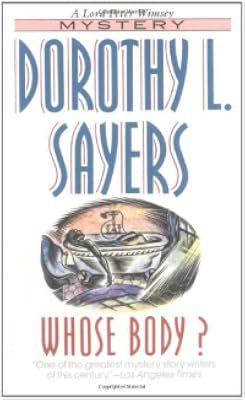
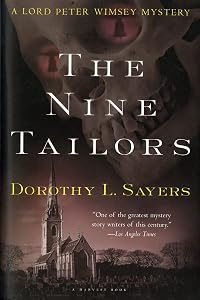
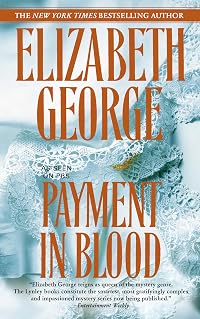
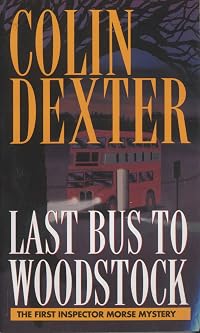
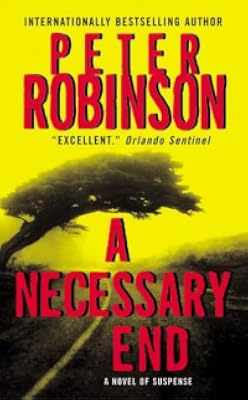
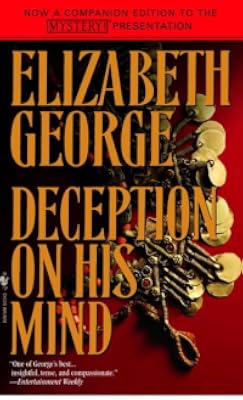
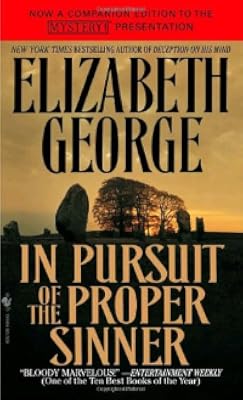
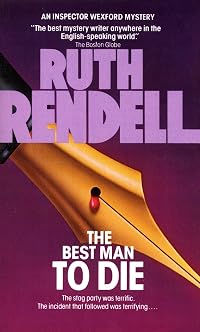
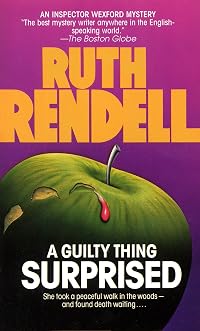
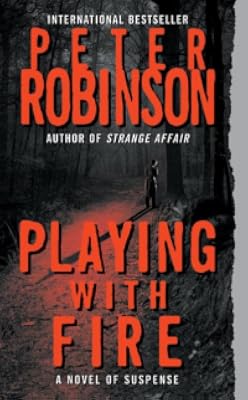
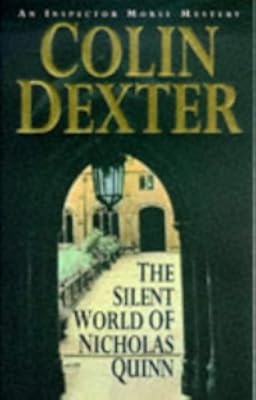
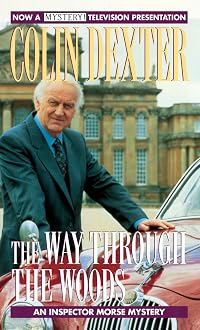
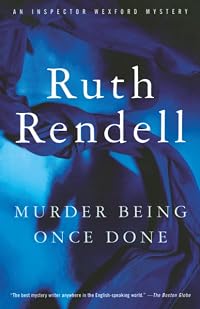
Member Recommendations
thorold You can't get much more conventional than an English murder mystery, or much more experimental than Sebald's unclassifiable prose works, but these two books do seem to have a bit more in common than their setting on the Suffolk coast. An odd mixture of gloom and playfulness, a refusal quite to reveal what's in the writer's mind...
Member Reviews
The title makes it sound as though it's going to be a parody of the classic English murder story, and to some extent that's what it is. There are a few minor departures from tradition — the suspects are assembled in the library at the beginning of the story not the end, for instance — but in essence the story sticks quite closely to the time-hallowed formulae. Closed community; enough secrets, scandals and unsuspected connections to give practically everyone a motive; a succession of deaths that might or might not be murder, and might or might not be linked.
Of course, there is a bit more to it: this was written in 2001, not 1931, after all. On one level James foregrounds the decay of Anglicanism and all the values it represents: a show more little pocket of good taste, tolerance and intellectual rigour is threatened and unappreciated by the world: the North Sea and Blair's Cool Britannia are competing to destroy it. On another level, she prevents us from taking anything at face value by a string of literary jokes: practically all the minor characters have names that will send you trawling through the annals of English literature; most of them turn out to have shelves full of detective stories; we get a character who likes to "commune with his pigs", Lord Emsworth style, but acts in ways merely to imagine which would have given that mild-mannered peer a heart attack; the play-scene from Hamlet turns up with an oddly Trollopean twist. You get the idea. A strange mixture of postmodern playfulness with conservative doom and gloom. Oddly captivating, and just the thing for a winter Sunday afternoon with Radio Three playing in the background... show less
Of course, there is a bit more to it: this was written in 2001, not 1931, after all. On one level James foregrounds the decay of Anglicanism and all the values it represents: a show more little pocket of good taste, tolerance and intellectual rigour is threatened and unappreciated by the world: the North Sea and Blair's Cool Britannia are competing to destroy it. On another level, she prevents us from taking anything at face value by a string of literary jokes: practically all the minor characters have names that will send you trawling through the annals of English literature; most of them turn out to have shelves full of detective stories; we get a character who likes to "commune with his pigs", Lord Emsworth style, but acts in ways merely to imagine which would have given that mild-mannered peer a heart attack; the play-scene from Hamlet turns up with an oddly Trollopean twist. You get the idea. A strange mixture of postmodern playfulness with conservative doom and gloom. Oddly captivating, and just the thing for a winter Sunday afternoon with Radio Three playing in the background... show less
Fratres in Unum*
A review of the Vintage Canada Kindle eBook edition (June 20, 2010) of the Faber & Faber hardcover original (2001).
I was pleased when my current Long Books Challenge with several GR friends gave me the opportunity to re-engage with my P.D. James / Adam Dalgliesh binge from 2023 which went into hiatus after I read A Certain Justice (Adam Dalgliesh #10 - 1997). The increasing lengths of the novels probably caused me to lose heart at the time, but now I was happy show more to tackle 545 pages in this Vintage Canada edition.
Death in Holy Orders finds Scotland Yard's Detective Commander Adam Dalgliesh sent to the St. Anselm's Theological College to investigate the apparent suicide of one of the students. While onsite, further deaths occur which are definitely murders. Was the suicide a murder as well? There are suspects and motives aplenty as the college is in danger of being closed down with the resulting resentments by the faculty and staff.
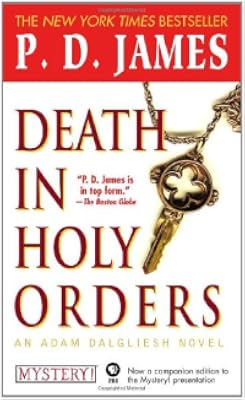
See cover at https://upload.wikimedia.org/wikipedia/en/4/4e/Deathinholyorders.jpg
The front cover of the original Faber & Faber hardcover (2001). Image sourced from Wikipedia.
One of the guest lecturers in attendance at the college is Emma Lavenham from Cambridge University. Dalgliesh and Lavenham are drawn to each other, although the seriousness of the case means that their relationship does not develop further until the later novels.
I enjoyed Death in Holy Orders immensely, especially as the previous entry A Certain Justice had a whiff of an Unsatisfactory Ending to it (Dalgliesh also found it unsatisfactory and even mentions it a few times in this novel). Such was not the case with this outing. I have moved on immediately to The Murder Room (Adam Dalgliesh #12 -2003).
Footnote
* Fratres in Unum Latin: Brothers in Unity, from the 1st line in the Latin version of Psalm 133.
Trivia and Links
Death in Holy Orders has had two TV series adaptations.
The first was the BBC's adaptation in 2003 with Martin Shaw in the role of Adam Dalgliesh (the role had previously been played for 10 seasons by Roy Marsden on ITV). There is a fan made trailer which you can see on YouTube here.
The second adaptation was as part of AcornTV's reboot series Dalgleish (2021-ongoing?) with Bertie Carvel as Adam Dalgleish as Season 3's Episodes 1 and 2. See the Season 3 trailer here. There are also two excerpt clips available on YouTube as Quite A Place To Meet Your maker and Dalgliesh Investigates A Shifty Priest. show less
A review of the Vintage Canada Kindle eBook edition (June 20, 2010) of the Faber & Faber hardcover original (2001).
I suppose even Dalgliesh doesn’t seriously suspect any of our fathers-in-God, although he’s probably keeping them in mind, particularly if he remembers his Pascal. ‘Men never do evil so completely and cheerfully as when they do it from religious conviction.’
I was pleased when my current Long Books Challenge with several GR friends gave me the opportunity to re-engage with my P.D. James / Adam Dalgliesh binge from 2023 which went into hiatus after I read A Certain Justice (Adam Dalgliesh #10 - 1997). The increasing lengths of the novels probably caused me to lose heart at the time, but now I was happy show more to tackle 545 pages in this Vintage Canada edition.
Death in Holy Orders finds Scotland Yard's Detective Commander Adam Dalgliesh sent to the St. Anselm's Theological College to investigate the apparent suicide of one of the students. While onsite, further deaths occur which are definitely murders. Was the suicide a murder as well? There are suspects and motives aplenty as the college is in danger of being closed down with the resulting resentments by the faculty and staff.
See cover at https://upload.wikimedia.org/wikipedia/en/4/4e/Deathinholyorders.jpg
The front cover of the original Faber & Faber hardcover (2001). Image sourced from Wikipedia.
One of the guest lecturers in attendance at the college is Emma Lavenham from Cambridge University. Dalgliesh and Lavenham are drawn to each other, although the seriousness of the case means that their relationship does not develop further until the later novels.
I enjoyed Death in Holy Orders immensely, especially as the previous entry A Certain Justice had a whiff of an Unsatisfactory Ending to it (Dalgliesh also found it unsatisfactory and even mentions it a few times in this novel). Such was not the case with this outing. I have moved on immediately to The Murder Room (Adam Dalgliesh #12 -2003).
Footnote
* Fratres in Unum Latin: Brothers in Unity, from the 1st line in the Latin version of Psalm 133.
Trivia and Links
Death in Holy Orders has had two TV series adaptations.
The first was the BBC's adaptation in 2003 with Martin Shaw in the role of Adam Dalgliesh (the role had previously been played for 10 seasons by Roy Marsden on ITV). There is a fan made trailer which you can see on YouTube here.
The second adaptation was as part of AcornTV's reboot series Dalgleish (2021-ongoing?) with Bertie Carvel as Adam Dalgleish as Season 3's Episodes 1 and 2. See the Season 3 trailer here. There are also two excerpt clips available on YouTube as Quite A Place To Meet Your maker and Dalgliesh Investigates A Shifty Priest. show less
Wow, this book was so bizarre! I loved it! P.D. James covers almost every branch of human depravity, but in a very restrained British way. The prose and mystery are wonderful, and I enjoyed the poet-detective. Also really liked the setting of an Anglican theological seminary in a remote seaside location. CW for generally creepy Tory mindset and a pedophile who is universally agreed to have “not really hurt anyone.” This is my first time reading an Inspector Dalgliesh novel and I am looking forward to more.
Another well crafted Adam Dalgliesh murder mystery. James is at her most English in setting the murder in the elitist seminary St. Anselm's for the highest of high church Anglicanism. About half of the many characters could never appear in an American mystery. Dalgliesh is called by a British business magnate to investigate the apparant suicide of his son, who had been an ordinand at the seminary. During the investigation, a somewhat liberal Archdeacon of the Church is murdered in the chapel. The murder had to be an inside job, and so the resident priests, students, and local workers are all suspects. In the course of Dalgleish's examination, James has the opportunity to explore disaffection from religion, the role of the Church of show more England in modern society, and even the issue of priestly pedophilia. In the end, all our questions are answered by a perpetrator probably more voluble and confessatory than most, so that the reader can be satisfied as well as Dalgleish. But it's a small cavil - we needed to know, after all! Half the fun of the book redounds from the veddy veddy Englishness of it all.
(JAB)
What an absolute pleasure to encounter a detective novel featuring multiple murders that actually rises above the level of eighth grade reading and writing! James' prose and application of the English language is a pure joy to read. Felicitously structured sentences abound with words like tenebrous, etiolated, castellated, and peregrinations, while well-formed phrases such as "the smell of spice, fugitive as memory, still lingered...""desultory exchange of platitutes" and "the usual sobriquets" substitute for the usual tired mystery prose. After my husband heartily recommended P.D. James, I resisted; after all, the author is a woman in her eighties! James herself inserts a sly jab at those like me, when her character Emma muses "Why was it, she wondered, so difficult to believe that the old had been young, with the strength and animal beauty of youth, had loved, been loved, laughed and been full of youth's unmeditated optimism?" She caught me. And she taught me well. I am a chastened and converted P.D. James fan now.
(JAF) show less
(JAB)
What an absolute pleasure to encounter a detective novel featuring multiple murders that actually rises above the level of eighth grade reading and writing! James' prose and application of the English language is a pure joy to read. Felicitously structured sentences abound with words like tenebrous, etiolated, castellated, and peregrinations, while well-formed phrases such as "the smell of spice, fugitive as memory, still lingered...""desultory exchange of platitutes" and "the usual sobriquets" substitute for the usual tired mystery prose. After my husband heartily recommended P.D. James, I resisted; after all, the author is a woman in her eighties! James herself inserts a sly jab at those like me, when her character Emma muses "Why was it, she wondered, so difficult to believe that the old had been young, with the strength and animal beauty of youth, had loved, been loved, laughed and been full of youth's unmeditated optimism?" She caught me. And she taught me well. I am a chastened and converted P.D. James fan now.
(JAF) show less
A sandy cliff collapses, a theology student dies and his father suspects foul play. And so Adam Dalgliesh returns to St Anselm’s, the theological college which he visited as a boy. And so this murder mystery is cut through with Dalgiesh’s memories.
“When secrets are unspoken and unwritten they are lodged safely in the mind, but writing them down seems to let them loose and give them the power to spread like pollen on the air and enter into other minds.” So writes college housekeeper Margaret Munroe in her diary. She found Ronald’s body and was advised by Father Martin, a priest at St Anselm’s, to write about her experience as a way of coming to terms with what happened. Does she know a secret and write it in her show more diary?
Ronald’s death is declared accidental, a second staff member dies naturally. But then there is a third death and Dalgliesh is put in charge of the case.
His familiar team of Kate Miskin and Piers Tarrant are accepted uneasily into this closed community which is secretly worried the building houses a murderer, but outwardly tries to behave as normal. Included in the mix of clergy, teachers and students are several guests including a convalescing detective, a researcher and a university lecturer. At the heart of the mystery is the future of St Anselm’s and, if it is to close, who will inherit the building and its riches.
The motives are various, the suspects numerous. PD James plots with skill to keep us guessing, whilst layering the story with poetry, nature, art, theology and her observations of human nature. Excellent.
Read more of my book reviews at http://www.sandradanby.com/book-reviews-a-z/ show less
“When secrets are unspoken and unwritten they are lodged safely in the mind, but writing them down seems to let them loose and give them the power to spread like pollen on the air and enter into other minds.” So writes college housekeeper Margaret Munroe in her diary. She found Ronald’s body and was advised by Father Martin, a priest at St Anselm’s, to write about her experience as a way of coming to terms with what happened. Does she know a secret and write it in her show more diary?
Ronald’s death is declared accidental, a second staff member dies naturally. But then there is a third death and Dalgliesh is put in charge of the case.
His familiar team of Kate Miskin and Piers Tarrant are accepted uneasily into this closed community which is secretly worried the building houses a murderer, but outwardly tries to behave as normal. Included in the mix of clergy, teachers and students are several guests including a convalescing detective, a researcher and a university lecturer. At the heart of the mystery is the future of St Anselm’s and, if it is to close, who will inherit the building and its riches.
The motives are various, the suspects numerous. PD James plots with skill to keep us guessing, whilst layering the story with poetry, nature, art, theology and her observations of human nature. Excellent.
Read more of my book reviews at http://www.sandradanby.com/book-reviews-a-z/ show less
Set in Lowestoft, just down the road from me, this is an excellently constructed novel based around a retreat. The whodunnit nature of the book is superbly handled and, I would be awarding five stars, without question, if it were not for Father John. Father John has been imprisoned for offences against young choristers under his supervision. Archdeacon Crampton, the victim, assisted the police in making their case against Father John and, we repeatedly get the other characters chastising the archdeacon for his unsporting behaviour to a fellow member of the church. I can only assume that this represents the author's views, to which, of course, she is fully entitled, but did grate, more than a little.
What a great murder mystery and a throw back to the old school detective novels. A body is discovered on the coast of England. Accident, suicide, or murder? When Adam Dalgliesh comes to investigate, readers will know it must be murder. Then an old woman is murdered, and the plot thickens. Dalgliesh begins to suspect it has something to do with an event from the past: incest, a secret marriage, thievery... When a third body, that of a High Church Archdeacon, turns up, the hunt is on. My first P.D James novel and I am looking forward to other couple I have collecting dust on my shelves.
Members
- Recently Added By
Lists

Best of British Literature
226 works; 40 members

Crime and Mysteries to Read
746 works; 31 members

British Mystery
469 works; 14 members

Best Crime Fiction
48 works; 3 members

Books About Murder
313 works; 7 members

Detective Stories
343 works; 5 members

Books You Couldn't Finish
202 works; 32 members

Books Bought & Received as Gifts in 2014
81 works; 1 member

Books Read in 2014
2,344 works; 86 members

Books Read in 2015
3,299 works; 127 members

Books Read in 2023
5,638 works; 147 members
Author Information

149+ Works 69,702 Members
P. D. James, pseudonym of Phyllis Dorothy James White, was born on August 3, 1920 in Oxford, England. During World War II, she served as a Red Cross nurse. She worked in administration for 19 years with the National Health Service. After the death of her husband in 1964, she took a Civil Service examination and became an administrator in the show more forensic science and criminal law divisions of the Department of Home Affairs. She spent 30 years in British Civil Service. She became Baroness James of Holland Park in 1991. Her first novel, Cover Her Face, was published in 1962. She wrote approximately 20 books during her lifetime including the Adam Dalgliesh Mystery series, the Cordelia Gray Mystery series, and Death Comes to Pemberley. She became a full-time writer in 1979. Three titles in the Adam Dalgliesh Mystery series received the Silver Dagger award--Shroud for a Nightingale, The Black Tower, and A Taste for Death. In 2000, she published her autobiography, Time to Be in Earnest. Her dystopian novel, The Children of Men, was adapted into a movie in 2006. She received the Diamond Dagger award for lifetime achievement. She died on November 27, 2014 at the age of 94. (Bowker Author Biography) P. D. James served in the forensic & criminal justice departments of Great Britain's Home Office until her retirement in 1979. She was made a Life Peer in 1991. Her detective novels include "Cover Her Face", "An Unsuitable Job for a Woman", "Death of an Expert Witness", "A Taste for Death", "Original Sin", & "A Certain Justice", many of which have been adapted for television. Her autobiography, "Time to be in Earnest", was published in 2000. (Publisher Provided) show less
Some Editions
Awards and Honors
Awards
Distinctions
Series

Belongs to Publisher Series
Knaur Taschenbuch (62402)
Work Relationships
Is contained in
Common Knowledge
- Canonical title
- Death in Holy Orders
- Original title
- Death in Holy Orders
- Original publication date
- 2001
- People/Characters
- Matthew Crampton; Adam Dalgliesh; Sir Alred Treeves; Emma Lavenham; Raphael Arbuthnot; George Gregory (show all 30); Father Sebastian Morrell; Father Martin Petrie; Margaret Munroe; Ruby Pilbeam; Eric Surtees; Ronald Treeves; Roger Yarwood; Alred Treeves; Beatrice Ramsey; Peregrine Glover; Clive Stannard; John Betterton; Irfon Jones; Martin Petrie; George Metcalf; Karen Surtees; Paul Perronet; Clara Arbuthnot; Piers Tarrant; Mark Ayling; Kate Miskin; Brian Clark; Barney Parker; Agatha Betterton
- Important places
- Suffolk, England, UK; St. Anselm's (theological college)
- Related movies
- Death in Holy Orders (2003 | IMDb)
- Dedication
- for Rosemary Goad. For forty years editor and friend
- First words
- It was Father Martin's idea that I should write an account of how I found the body.
- Last words
- (Click to show. Warning: May contain spoilers.)Then they watched together in silence as the fire died down and the last frail wisp of white smoke drifted over the sea.
- Blurbers
- Parker, Robert B.; Brookner, Anita; Rendell, Ruth; King, Francis; Crist, Judith
Classifications
Statistics
- Members
- 3,997
- Popularity
- 3,939
- Reviews
- 58
- Rating
- (3.78)
- Languages
- 13 — Catalan, Czech, Danish, Dutch, English, Finnish, French, German, Italian, Norwegian (Bokmål), Portuguese, Spanish, Swedish
- Media
- Paper, Audiobook, Ebook
- ISBNs
- 83
- UPCs
- 2
- ASINs
- 27