On This Page
Description
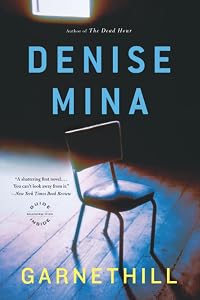
Maureen O'Donnell wakes up one morning to find her therapist boyfriend murdered in the middle of her living room and herself a prime suspect in a murder case.Desperate to clear her name and to get at the truth, Maureen traces rumors about a similar murder at a local psychiatric hospital, uncovering a trail of deception and repressed scandal that could exonerate her - or make her the next victim.
"A shattering first novel... You can't look away from it."-New York Times Book Review
"I can't show more think of a more interesting - and less likely - crime hero than Maureen O'Donnell, the damaged but determined center of Denise Mina's marvelous debut mystery. . . . The book bristles with angry energy and the spare urban poetry of its unique language." -Chicago Tribune
"A groundbreaking book . . . its emotional rawness and visceral honesty pack a punch more potent than any boxer-turned-PI could provide."-Washington Post Book World
"This raw, powerful story is an exceptional debut." -Kansas City Star
"A compelling story. . . . This is the reason we read mysteries." -Rocky Mountain News. show less
Tags
Recommendations








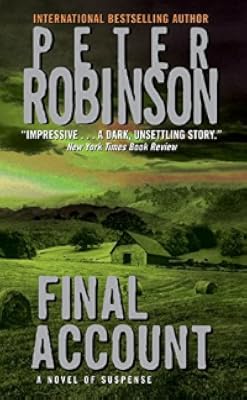
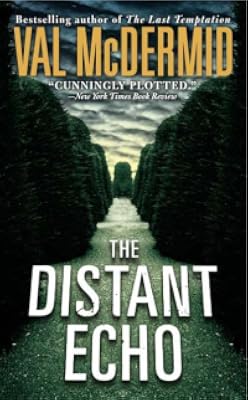
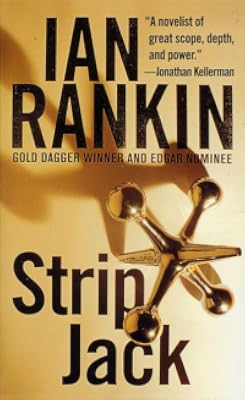

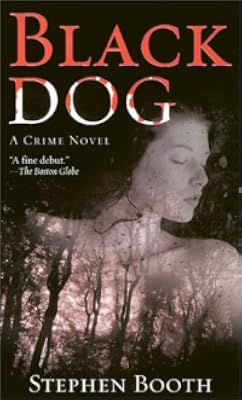





Member Recommendations
RidgewayGirl A no-holds-barred noir from another Scottish author.
Member Reviews
Maureen wakes one morning, badly hungover, and discovers the body of her boyfriend — the man she had already decided to finish with — tied to a chair in her lounge, his throat cut. The police quickly settle on her as their prime suspect. Maureen comes from an unsavoury family and has a history of severe mental illness, so why wouldn’t they? In the days that follow, she tries to piece together what happened.
Denise Mina is one of Scotland’s finest crime writers. The plot of Garnethill moves at its own pace, as Maureen drifts between friends and does her best to keep the police at arm’s length, but it never feels inert. The whole point is that we move with Maureen, who is usually drunk, hungover or in a state of anguish, and we show more see events as she sees them. The murder is not centre stage so much as the frame over which the story is draped.
The prose is spare, Glasgow vividly realised, and the characters brilliantly drawn. Even minor figures — such as Suicide Tanya — are darkly memorable. A thread of sardonic humour runs through the novel’s bleakness, and at times it feels like a fusion of Iain Banks and Val McDermid — though those comparisons are unfair and reductive. Mina’s voice is unmistakably her own and her writing is muscular and assured. It is remarkable that this is her first novel.
I’ve noticed that some readers struggle with this book. Perhaps it’s too rooted in working-class Glasgow, particularly for North American tastes. It isn’t simply a matter of vocabulary (though a few phrases may leave you at sea if you’re unfamiliar with the local vernacular), but of rhythm and social code. People size each other up quickly. Conversations tilt into confrontation without warning. Affection and hostility often share the same sentence. There’s very little cushioning politeness. If you’ve seen or read Trainspotting (set at about the same time), you’ll recognise the cadence — though Mina is less showy, far more controlled and this isn’t about drugs. You do have to pay attention: Maureen’s world is crowded, and characters such as Lynn, Leslie, Una, Maggie and Liz pass briefly through the narrative. Miss a line of dialogue and you may find yourself doubling back. It’s worth noting that if you find certain four-letter words offensive this might not be for you. Twee cosy-crime it is not.
Oh, and a lot of whisky gets drunk. show less
Denise Mina is one of Scotland’s finest crime writers. The plot of Garnethill moves at its own pace, as Maureen drifts between friends and does her best to keep the police at arm’s length, but it never feels inert. The whole point is that we move with Maureen, who is usually drunk, hungover or in a state of anguish, and we show more see events as she sees them. The murder is not centre stage so much as the frame over which the story is draped.
The prose is spare, Glasgow vividly realised, and the characters brilliantly drawn. Even minor figures — such as Suicide Tanya — are darkly memorable. A thread of sardonic humour runs through the novel’s bleakness, and at times it feels like a fusion of Iain Banks and Val McDermid — though those comparisons are unfair and reductive. Mina’s voice is unmistakably her own and her writing is muscular and assured. It is remarkable that this is her first novel.
I’ve noticed that some readers struggle with this book. Perhaps it’s too rooted in working-class Glasgow, particularly for North American tastes. It isn’t simply a matter of vocabulary (though a few phrases may leave you at sea if you’re unfamiliar with the local vernacular), but of rhythm and social code. People size each other up quickly. Conversations tilt into confrontation without warning. Affection and hostility often share the same sentence. There’s very little cushioning politeness. If you’ve seen or read Trainspotting (set at about the same time), you’ll recognise the cadence — though Mina is less showy, far more controlled and this isn’t about drugs. You do have to pay attention: Maureen’s world is crowded, and characters such as Lynn, Leslie, Una, Maggie and Liz pass briefly through the narrative. Miss a line of dialogue and you may find yourself doubling back. It’s worth noting that if you find certain four-letter words offensive this might not be for you. Twee cosy-crime it is not.
Oh, and a lot of whisky gets drunk. show less
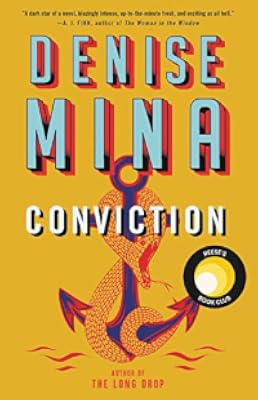
A twist on the typical police procedural—the “detective,” if you will, is the initial prime suspect, and the cops are not incompetent but they’re definitely unlikeable. This and another Mina novel I’ve read, Conviction, both deal with violence against women in a direct and powerful way. I just wish my library had more of her titles.
Wow.
I could not put this book down.
Denise Mina's first book is wonderfully dark, has all the grittiness of a Glasgow alleyway, ties in a dysfunctional and abusive family dynamic that plays into the story effectively and adds tension. Maureen is a tremendously likeable character, flawed and damaged but good at heart, and we are cheering for her throughout the book, hoping against hope things work out and she figures out the crime before she gets locked away.
My heart broke a bit at the end, as the family acted as families often do, but I knew Maureen would somehow be okay.
Warning: may be triggering for some who have experienced family sexual abuse
I could not put this book down.
Denise Mina's first book is wonderfully dark, has all the grittiness of a Glasgow alleyway, ties in a dysfunctional and abusive family dynamic that plays into the story effectively and adds tension. Maureen is a tremendously likeable character, flawed and damaged but good at heart, and we are cheering for her throughout the book, hoping against hope things work out and she figures out the crime before she gets locked away.
My heart broke a bit at the end, as the family acted as families often do, but I knew Maureen would somehow be okay.
Warning: may be triggering for some who have experienced family sexual abuse
Maureen O’Donnell is an abuse survivor in a relationship with a psychiatrist at the same hospital where she is receiving treatment for her continuing trauma. After a night out with a friend she tumbles straight into bed and wakes up in the morning to find her (married) boyfriend tied up in her living room with his throat slit. The police, the man’s wife and politician mother all believe Maureen, or her drug dealing brother, did it. In an attempt to make sure her name is cleared Maureen begins to investigate the crime herself.
The proximal subject matter, sexual abuse in institutions, is an important issue but I am astonished that this book could appear on anyone’s list of best or favourites as Mina’s writing leaves a lot to be show more desired. There is a profusion of telling not showing plus acres of unconvincing dialogue. Chapter titles tend to be people’s names but quite often those people barely appear within them. Every time there is a police interview we are told about the tape recording protocol. It is as if Mina believes the reader must be shown every little detail of her hero’s experience. We really don’t. In what must surely be a breach of police good practice one of the investigating officers conveniently gives her privileged information.
The novel is set in Glasgow but the city itself seems absent. None of its vibrancy or character comes across. Also there are constant references to the Byres Road, the Great Western Road, the Maryhill Road. No Glaswegian I have met has ever mentioned a street by name and used the definite article. It’s always just Byres Road, Great Western Road, Maryhill Road. No “the”.
Yes, the purpose of this sort of thing is the unfolding of the plot and the unravelling of “whodunit” and in this respect it just about meets the need. Yet even here there was a hiccup. Quite near the novel’s end Maureen is told the name of the murderer by one of her interviewees but Mina does not let the reader know it at that point. I don’t read much crime fiction but I would submit such an attempt to prolong suspense artificially is unfair on the reader. (That the murderer’s identity could be worked out fairly easily vitiated that attempt in any case.)
The more the book progressed the harder my suspension of disbelief became. Towards the end I wasn’t believing any of it.
Moreover the book is riddled with punctuation errors (see Pedant’s corner.) The edition I read was a reprint; the latest of numerous editions. (Goodreads lists well over ten.) How can these errors not have been spotted and rooted out long before this? Does no-one care about quality control? Some might say these are niggling concerns but when they stop a reader in his/her tracks and force a line, sentence or paragraph to be re-read to decipher the sense it becomes non-trivial.
This one is for die-hard crime fans only. show less
The proximal subject matter, sexual abuse in institutions, is an important issue but I am astonished that this book could appear on anyone’s list of best or favourites as Mina’s writing leaves a lot to be show more desired. There is a profusion of telling not showing plus acres of unconvincing dialogue. Chapter titles tend to be people’s names but quite often those people barely appear within them. Every time there is a police interview we are told about the tape recording protocol. It is as if Mina believes the reader must be shown every little detail of her hero’s experience. We really don’t. In what must surely be a breach of police good practice one of the investigating officers conveniently gives her privileged information.
The novel is set in Glasgow but the city itself seems absent. None of its vibrancy or character comes across. Also there are constant references to the Byres Road, the Great Western Road, the Maryhill Road. No Glaswegian I have met has ever mentioned a street by name and used the definite article. It’s always just Byres Road, Great Western Road, Maryhill Road. No “the”.
Yes, the purpose of this sort of thing is the unfolding of the plot and the unravelling of “whodunit” and in this respect it just about meets the need. Yet even here there was a hiccup. Quite near the novel’s end Maureen is told the name of the murderer by one of her interviewees but Mina does not let the reader know it at that point. I don’t read much crime fiction but I would submit such an attempt to prolong suspense artificially is unfair on the reader. (That the murderer’s identity could be worked out fairly easily vitiated that attempt in any case.)
The more the book progressed the harder my suspension of disbelief became. Towards the end I wasn’t believing any of it.
Moreover the book is riddled with punctuation errors (see Pedant’s corner.) The edition I read was a reprint; the latest of numerous editions. (Goodreads lists well over ten.) How can these errors not have been spotted and rooted out long before this? Does no-one care about quality control? Some might say these are niggling concerns but when they stop a reader in his/her tracks and force a line, sentence or paragraph to be re-read to decipher the sense it becomes non-trivial.
This one is for die-hard crime fans only. show less
I read this book in one day primarily because of Denise Mina's unflinching, unforgiving and brutally honest portrayal of a myriad of social issues--all wrapped up nicely in an absorbing mystery told from a new point of view.
Maureen O'Donnell, who only recently was released from a mental health clinic and scrapes by as ticket vendor in Glasgow, didn't need to wake up after a night of drinking with a friend to see her boyfriend tied to a chair in the living room with his throat slit and his head barely hanging on to his body. But she did, and after the shock wears off, quickly realizes she's a suspect.
Maureen, despite her struggles with the sexual abuse she endured at the hands of her father, is smart, funny and rough edged, making her a show more good foil for DIC MeEwan.
Mina puts a refreshing (though at times almost difficult to read) perspective on mysteries by letting the reader see the chain of events through Maureen's eyes as opposed to the inspector's.
And Maureen isn't pretty and perfect. She smokes, drinks too much, swears and (more often than not with terrible timing) tells it like she sees it. She doesn't understand everything about why the police are pawing through her life (though she has a good idea, and isn't a fan of it), has an alcoholic mother, a drug-dealing brother, and two sisters with their own issues.
Aside from her brother, they all think that not only is she going to have another psychotic breakdown, but that she did it.
Helped by friends she made while in the mental institution and her best friend Lizzie, a worker at a shelter for battered women, Maureen gets closer to a shocking truth.
If anything about this book sounds familiar, than I have failed in this review. Nothing, not the characters, the narrative style, the setting or the point of view, has ever been done in the contemporary mystery genre before. show less
Maureen O'Donnell, who only recently was released from a mental health clinic and scrapes by as ticket vendor in Glasgow, didn't need to wake up after a night of drinking with a friend to see her boyfriend tied to a chair in the living room with his throat slit and his head barely hanging on to his body. But she did, and after the shock wears off, quickly realizes she's a suspect.
Maureen, despite her struggles with the sexual abuse she endured at the hands of her father, is smart, funny and rough edged, making her a show more good foil for DIC MeEwan.
Mina puts a refreshing (though at times almost difficult to read) perspective on mysteries by letting the reader see the chain of events through Maureen's eyes as opposed to the inspector's.
And Maureen isn't pretty and perfect. She smokes, drinks too much, swears and (more often than not with terrible timing) tells it like she sees it. She doesn't understand everything about why the police are pawing through her life (though she has a good idea, and isn't a fan of it), has an alcoholic mother, a drug-dealing brother, and two sisters with their own issues.
Aside from her brother, they all think that not only is she going to have another psychotic breakdown, but that she did it.
Helped by friends she made while in the mental institution and her best friend Lizzie, a worker at a shelter for battered women, Maureen gets closer to a shocking truth.
If anything about this book sounds familiar, than I have failed in this review. Nothing, not the characters, the narrative style, the setting or the point of view, has ever been done in the contemporary mystery genre before. show less
Wow.
I could not put this book down.
Denise Mina's first book is wonderfully dark, has all the grittiness of a Glasgow alleyway, ties in a dysfunctional and abusive family dynamic that plays into the story effectively and adds tension. Maureen is a tremendously likeable character, flawed and damaged but good at heart, and we are cheering for her throughout the book, hoping against hope things work out and she figures out the crime before she gets locked away.
My heart broke a bit at the end, as the family acted as families often do, but I knew Maureen would somehow be okay.
Warning: may be triggering for some who have experienced family sexual abuse
I could not put this book down.
Denise Mina's first book is wonderfully dark, has all the grittiness of a Glasgow alleyway, ties in a dysfunctional and abusive family dynamic that plays into the story effectively and adds tension. Maureen is a tremendously likeable character, flawed and damaged but good at heart, and we are cheering for her throughout the book, hoping against hope things work out and she figures out the crime before she gets locked away.
My heart broke a bit at the end, as the family acted as families often do, but I knew Maureen would somehow be okay.
Warning: may be triggering for some who have experienced family sexual abuse
Maureen O’Donnell comes home drunk one night and falls into bed. The next morning she discovers the mutilated body of her lover Douglas in the lounge room of her flat. She’s viewed with suspicion by just about everyone including the Police, Douglas’ mother (a member of the European Parliament) and his wife. Even her own mother questions whether she did it or not. As the victim of incest by her own father and having recently spent a stint in a psychiatric hospital Maureen has already experienced some of the worst life can throw at a person. But when she realises that no one else might be looking for the real murderer and suspects that the murderer has it in for some already abused people she takes action.
If I were supreme overlord show more of the universe (don’t think I haven’t dreamt of it) this is the kind of book that people would think of when they heard the term chick lit. Maureen is funnier than Bridget Jones, has better friends than Carrie Bradshaw and is the kind of practical, non shoe-obsessed woman that fiction needs more of. She is ‘pathologically independent’ (Mina has a way of describing things perfectly yet succinctly), a loyal friend, a helpful though perhaps misguided patient (she makes up stories that she thinks will make her therapist happy) and doesn’t define herself only terms of the bad things that have happened to her. In a nutshell she’s fantastic.
Fortunately Maureen has some helpful if unlikely allies. There’s her drug dealer brother Liam, her best-friend Leslie who volunteers at a women’s shelter and even one of the policemen working her case who all help her out and take risks for her. Just like any chick lit heroine’s mates would. Of course it wouldn’t be a great book if Maureen didn’t also have some crosses to bear including an alcoholic mother and several sisters who think she has a false memory of her father’s abuse of her. All of them though, the goodies and the not, the victims and the heroes are exquisitely depicted in a few of Mina’s evocative lines so that they all became quite clear images in my head while I was reading.
I know that not everyone likes humour in their fiction and also that humour is an elusive quality not easily shared. The humour here is of the dry, sarcastic ‘never let the bastards get you down’ kind that might not be for everyone but allowed me to relate to the characters far more than I would have if they’d been consistently earnest and worthy (as others in their predicaments might have had a yen to be). Plus it made me laugh out loud on more than one occasion.
But the book is not all laughs by any stretch of the imagination. It depicts the systematic abuse of a city’s dispossessed and tackles hefty issues like domestic violence against women far more realistically than is often the case.
The whodunnit aspect of Garnethill is solved almost as an afterthought, although it is a very satisfactory and quite unexpected resolution, because it’s the characters and their respective journeys through the crap life throws at them that make this book a page turner and a treasure. show less
If I were supreme overlord show more of the universe (don’t think I haven’t dreamt of it) this is the kind of book that people would think of when they heard the term chick lit. Maureen is funnier than Bridget Jones, has better friends than Carrie Bradshaw and is the kind of practical, non shoe-obsessed woman that fiction needs more of. She is ‘pathologically independent’ (Mina has a way of describing things perfectly yet succinctly), a loyal friend, a helpful though perhaps misguided patient (she makes up stories that she thinks will make her therapist happy) and doesn’t define herself only terms of the bad things that have happened to her. In a nutshell she’s fantastic.
Fortunately Maureen has some helpful if unlikely allies. There’s her drug dealer brother Liam, her best-friend Leslie who volunteers at a women’s shelter and even one of the policemen working her case who all help her out and take risks for her. Just like any chick lit heroine’s mates would. Of course it wouldn’t be a great book if Maureen didn’t also have some crosses to bear including an alcoholic mother and several sisters who think she has a false memory of her father’s abuse of her. All of them though, the goodies and the not, the victims and the heroes are exquisitely depicted in a few of Mina’s evocative lines so that they all became quite clear images in my head while I was reading.
I know that not everyone likes humour in their fiction and also that humour is an elusive quality not easily shared. The humour here is of the dry, sarcastic ‘never let the bastards get you down’ kind that might not be for everyone but allowed me to relate to the characters far more than I would have if they’d been consistently earnest and worthy (as others in their predicaments might have had a yen to be). Plus it made me laugh out loud on more than one occasion.
But the book is not all laughs by any stretch of the imagination. It depicts the systematic abuse of a city’s dispossessed and tackles hefty issues like domestic violence against women far more realistically than is often the case.
The whodunnit aspect of Garnethill is solved almost as an afterthought, although it is a very satisfactory and quite unexpected resolution, because it’s the characters and their respective journeys through the crap life throws at them that make this book a page turner and a treasure. show less
Members
- Recently Added By
Lists

Best Crime Fiction
262 works; 39 members

Best Noir Fiction
160 works; 14 members

Crime and Mysteries to Read
746 works; 31 members

Crime Writers' Association Daggers
76 works; 4 members

Sense of place
156 works; 13 members

Best Crime Fiction
48 works; 3 members

Books About Murder
313 works; 7 members

Majkia's Mystery/ Thriller TBR
86 works; 3 members

Books Read in 2016
4,666 works; 197 members

Alphabetical Books
211 works; 3 members

Global Mysteries
90 works; 6 members

Books Tagged Abuse
152 works; 4 members

Books Read in 2020
4,379 works; 124 members

Best Feminist Literature
188 works; 26 members
Author Information

60+ Works 11,416 Members
Denise Mina was born in Glasgow in 1966. She initially left school at the age of 16 and worked a variety of low skilled jobs like bar maid and kitchen porter. She later returned to school and earned a law degree from Glasgow University. She has since become a crime writer and playwright. She has authored the Garnethill trilogy and three novels show more featuring the character Patricia Meehan, a Glasgow journalist. She has also done some comic book writing with 13 issues of Hellblazer. She won the John Creasy Dagger for Best First Crime Novel for her book, Garnethill, in 1998. She also won the Theakston's Old Peculier Crime Novel of the Year Award with her title,The End of Wasp Season, in 2012. (Bowker Author Biography) show less
Some Editions
Awards and Honors
Awards
Notable Lists
Series

Work Relationships
Is contained in
Common Knowledge
- Canonical title*
- Schrei lauter, Maureen
- Original title
- Garnethill
- Original publication date
- 1998
- People/Characters
- Maureen O'Donnell; Liam O'Donnell; Douglas Brady; Elsbeth Brady; DCI Joe McEwan; DI Steven Inness (show all 7); Jim Maliano
- Important places
- Glasgow, Scotland, UK
- Dedication
- To my mum, Edith
- First words
- Maureen dried her eyes impatiently, lit a cigarette, walked over to the bedroom window, and threw open the heavy red curtains.
- Quotations
- “To Douglas and his miserable, grasping life,” she said, and cringed. In polite company talking like Bette Davis always means it’s time to put the glass down and go to bed.
- Last words*
- (Click to show. Warning: May contain spoilers.)"Man sagt ihnen, sie sollen sich verpissen", sagte Leslie und fuhr in den Verkehrsstrom auf der Duke Street hinaus.
- Original language*
- Englisch
*Some information comes from Common Knowledge in other languages. Click "Edit" for more information.
Classifications
Statistics
- Members
- 1,130
- Popularity
- 22,341
- Reviews
- 37
- Rating
- (3.80)
- Languages
- 14 — Danish, Dutch, English, Finnish, French, German, Italian, Japanese, Norwegian (Bokmål), Norwegian, Croatian, Spanish, Swedish, Portuguese (Brazil)
- Media
- Paper, Audiobook, Ebook
- ISBNs
- 49
- ASINs
- 11