Viper Wine
by Hermione Eyre
On This Page
Description
"Venetia Stanley was the great beauty of her day, so dazzling she inspired Ben Jonson to poetry and Van Dyck to painting. But now she is married, the adoration to which she has become accustomed has curdled to scrutiny, and she fears her powers are waning. Her devoted husband, Sir Kenelm Digby--explorer, diplomat, philosopher, alchemist-- refuses to prepare a beauty tonic for her, insisting on her continued perfection. Venetia, growing desperate, secretly engages an apothecary to sell her show more "viper wine"--a strange potion said to bolster the blood and invigorate the skin. The results are instant, glorious, and addictive, and soon the ladies of the court of Charles I are looking unnaturally youthful. But there is a terrible price to be paid, as science clashes with magic, puritans rebel against the decadent monarchy, and England slides into civil war. Based on real events and written with anachronistic verve, Viper Wine is an intoxicating brew of love, longing and vanity, where the 17th and 21st centuries mix and mingle in the most enchanting and mind-bending ways" -- show lessTags
Recommendations














Member Recommendations
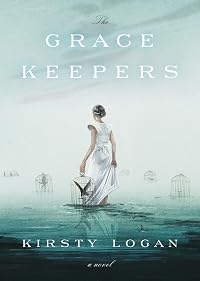
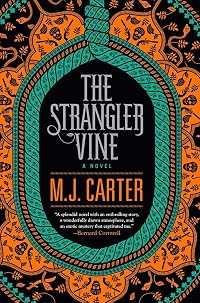
BookshelfMonstrosity These suspenseful historical novels chart the downfall of characters whose desire for the unattainable -- immortality, beauty, true love -- causes catastrophic harm. Both are lavishly detailed, though Viper Wine includes magical realism and Unholy Mischief doesn't.

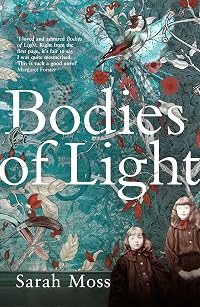
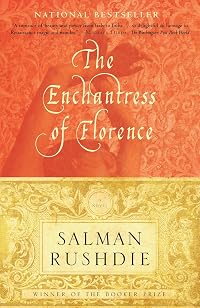
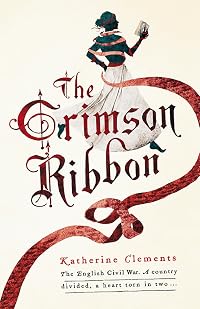
BookshelfMonstrosity Set in 17th-century England amid a backdrop of political turmoil and religious strife, these atmospheric, richly detailed novels incorporate alchemy into their intricate narratives. However, the compelling Auriel Rising eschews Viper Wine's lush magical realism in favor of political intrigue.
Member Reviews
This novel is based on the real (and scandalous) marriage of Venetia Stanley and Kenelm Digby. She was a legendary beauty - recorded in portraits and poetry - and he was a diplomat, soldier, scientist and astrologer at the court of King Charles I.
Although the story is set in the early 17th century, Eyre makes much of its links to modernity. Digby has a mystical ability to see and hear snatches of the future (he has a radio mast in his garden, and hums David Bowie songs to himself) - but there is also a consistent theme of the echoes between then and now, whether that is the 'unified theory of everything' sought by both alchemy and quantum physics, the excuses people come up with to justify their suspicion of the Other, and above all, show more in Stanley's obsession with not showing her age. The Viper Wine of the title is a concoction that she was really taking to maintain her beauty (although it's not known now what was in it), and the book is interleaved with quotes from modern women about the importance of maintaining your looks. I realise that this sounds very odd, but somehow it works!
Venetia, asleep, was Perfection. Awake she was Problematical. Since he came home Venetia had become more . . . anxious. More challenging. More troubled. These and other tactful verbal constructions, euphemisms and put-downs for women from the future crackled like static through Sir Kenelm's sleeping mind.
Fairly early on in my reading I told Mr Wandering_star about the premise of the story and he asked me where I thought it was going to go. It turned out to be a good question, as I don't think that the author ever really figured this out. But I didn't care, because I enjoyed the ride. show less
Although the story is set in the early 17th century, Eyre makes much of its links to modernity. Digby has a mystical ability to see and hear snatches of the future (he has a radio mast in his garden, and hums David Bowie songs to himself) - but there is also a consistent theme of the echoes between then and now, whether that is the 'unified theory of everything' sought by both alchemy and quantum physics, the excuses people come up with to justify their suspicion of the Other, and above all, show more in Stanley's obsession with not showing her age. The Viper Wine of the title is a concoction that she was really taking to maintain her beauty (although it's not known now what was in it), and the book is interleaved with quotes from modern women about the importance of maintaining your looks. I realise that this sounds very odd, but somehow it works!
Venetia, asleep, was Perfection. Awake she was Problematical. Since he came home Venetia had become more . . . anxious. More challenging. More troubled. These and other tactful verbal constructions, euphemisms and put-downs for women from the future crackled like static through Sir Kenelm's sleeping mind.
Fairly early on in my reading I told Mr Wandering_star about the premise of the story and he asked me where I thought it was going to go. It turned out to be a good question, as I don't think that the author ever really figured this out. But I didn't care, because I enjoyed the ride. show less
Viper Wine is a fantasy riff on the lives of real historical characters Sir Kenelm Digby and his wife Venetia Stanley in 1630s England. Kenelm is an explorer, pirate, alchemist, scientist, philosopher and - in this fantasy world - a time traveller. Venetia is a great beauty, a gambler and stalwart at King Charles I court. Venetia is concerned that her beauty will fade as she ages, but Kenelm is convinced she is wrong. Venetia approaches doctor Lancelot Choice to obtain a beauty tonic - Viper Wine - that helps to maintain, even restore, her looks. But this is where things start to go wrong.
Even in the swirling mix of magic, fantasy and modern day intrusions into 17th century life, it is a shock to realise that much of what we read is show more actually true - Kenelm and Venetia were ahead of the curve in English society and thought and he did invent some crazy stuff.
This is an exciting, vivid trip into a past that looks into a future - a magical mystery tour that amazes, shocks and saddens as we move to the inevitable tragedy at the core of the book. Highly recommended. show less
Even in the swirling mix of magic, fantasy and modern day intrusions into 17th century life, it is a shock to realise that much of what we read is show more actually true - Kenelm and Venetia were ahead of the curve in English society and thought and he did invent some crazy stuff.
This is an exciting, vivid trip into a past that looks into a future - a magical mystery tour that amazes, shocks and saddens as we move to the inevitable tragedy at the core of the book. Highly recommended. show less
This is a *weird* book - mostly historical fiction about Venetia, Lady Digby, wife of Sir Kenelm Digby, an alchemist of the court of King Charles I. But it reaches the level of experimental fiction (I can't quite say historical fantasy) in the way it takes Kenelm's alchemy seriously and rewards him with visions of the future, flashes of insight from modern times, scattered anachronisms throughout the text. And yet it never quite becomes one of those books where you feel like you know less about history because of the anachronisms: the narrator's voice is strong enough for that, at least. This is definitely not a book for everyone, but I found I enjoyed it quite a lot.
I loved this - it's brilliant and funny and well researched and just a little off-putting. It reminds me of one of my very favorite novels Orlando in that it is a historical novel but told with a contemporary twist. Eyre really has fun with our addicition to lasting beauty. There are a few misteps, but it didn't matter to me. I like this kind of ambitious novel that really takes chances.
Great, great novel.
Great, great novel.
I liked this book but didn't love it. It tells the story of Venetia and Kenelm Digby, an upper class couple living around the time of Charles 1 and dealing with the religious schism in England at the time- and Venetia's aging and fading beauty. Having tried all the cosmetics available to women of her class, she starts taking Viper Wine, a concoction created by her local pharmacist, to maintain her beauty. She does this is in secret and doesn't want her husband, an alchemist and inventor, to find out. The book is almost like science fiction with references to and intrusions by contemporary life- a court singer named Barbra Streisand, a helicopter, radio signals, etc.- and I think Eyre does this to help us relate to the past, to send the show more message that the past and present are the same, its concerns with celebrity and beauty and perfection are the same. It sort of worked but it seemed a little strange sometimes. The Digbys were real people and Venetia's death in her early 30s was and is a mystery. I like the yarn Eyre has spun from that mystery but it may be a little "out there" for some readers. show less
Venetia Stanley and her husband, Sir Kenelm Digby, were real people. She really did die mysteriously. Wealthy ladies of the time really did buy and apply and ingest all sorts of potions guaranteed to make them youthful again- or, at the very least, arrest aging. Digby really did have Anthony Van Dyck paint her portrait after her death.
In this book, Digby’s mind picks up on voices from the future. He has a radio mast in his backyard, although it’s 1632. Sometimes he sees his estate, Gayhurst, as it will be in four centuries, used for Alan Turing’s Enigma Machine. Perhaps this is why he frequently seems to be not quite all there. Venetia, once thought a great beauty, is now facing being thirty years of age- ancient, to the people show more of that era. She has two children; she cannot be the fascinating and beautiful woman she once was. And, sadly, that’s all she knows how to be. When she hears of potions that can make a person young and beautiful, she begs her husband-an alchemist- to make her some. When he refuses, feeling that she is so beautiful she could not be improved upon, she seeks help from her circle of women friends at court. Despite youth formulas sometimes horrible side effects, most of the ladies of the court are using them. And some of them really work.
I’m not sure the decision to make this story magical realism really worked. While the fact that the potions really functioned - how they could ruin a woman as easily as make them young- added to the story, I didn’t feel that the 21st century bleeding through really added anything. It was, as they say in The Simpson’s, “Weird for the sake of weird”.
I felt sorry for Venetia; she was merely fulfilling the role given to titled women in those days, but her inability to be anything *other* than a beauty was frustrating. She was a good mother, but even that was background to her looks. The time slippage allows the author to draw parallels to our age’s obsession with youth and the things women will go through to stave off the signs of aging, but it wasn’t really needed. It was pretty obvious what her view of that was without it. The prose is lovely, but the whole thing just didn’t come together in the end. It was, sadly, boring. show less
In this book, Digby’s mind picks up on voices from the future. He has a radio mast in his backyard, although it’s 1632. Sometimes he sees his estate, Gayhurst, as it will be in four centuries, used for Alan Turing’s Enigma Machine. Perhaps this is why he frequently seems to be not quite all there. Venetia, once thought a great beauty, is now facing being thirty years of age- ancient, to the people show more of that era. She has two children; she cannot be the fascinating and beautiful woman she once was. And, sadly, that’s all she knows how to be. When she hears of potions that can make a person young and beautiful, she begs her husband-an alchemist- to make her some. When he refuses, feeling that she is so beautiful she could not be improved upon, she seeks help from her circle of women friends at court. Despite youth formulas sometimes horrible side effects, most of the ladies of the court are using them. And some of them really work.
I’m not sure the decision to make this story magical realism really worked. While the fact that the potions really functioned - how they could ruin a woman as easily as make them young- added to the story, I didn’t feel that the 21st century bleeding through really added anything. It was, as they say in The Simpson’s, “Weird for the sake of weird”.
I felt sorry for Venetia; she was merely fulfilling the role given to titled women in those days, but her inability to be anything *other* than a beauty was frustrating. She was a good mother, but even that was background to her looks. The time slippage allows the author to draw parallels to our age’s obsession with youth and the things women will go through to stave off the signs of aging, but it wasn’t really needed. It was pretty obvious what her view of that was without it. The prose is lovely, but the whole thing just didn’t come together in the end. It was, sadly, boring. show less
I was looking forward to reading this as I thought it sounded so interesting and was a bit of a change of pace from my typical reading. I just didn't get it. It is based on true events and real people but the mix of fantasy was just way too much for me to accept and I found it way to confusing. It was a real struggle for me to finish and if the book just focused on the two main characters instead of straying with the fantasy I might have enjoyed it more. The cover is gorgeous and the pictures were nice but that is about all I can say about that.
Members
- Recently Added By
Lists

Folio Prize 2015 Longlist
79 works; 2 members

Walter Scott Prize Winners and Shortlist
66 works; 6 members
Author Information
2+ Works 229 Members
Some Editions
Awards and Honors
Common Knowledge
- Original publication date
- 2014
- People/Characters
- Venetia Digby (née Stanley); Kenelm Digby
- Dedication
- Dedicated to Anne Clements Eyre and Alex Burghart with love and thanks
- Last words
- (Click to show. Warning: May contain spoilers.)"We must all look in the mirror sometimes, Mary," he said. "So we can see ourselves directly and say, like Apollo, 'You must change your life.'"
Classifications
Statistics
- Members
- 217
- Popularity
- 150,519
- Reviews
- 10
- Rating
- (3.47)
- Languages
- English
- Media
- Paper, Ebook
- ISBNs
- 5
- ASINs
- 2