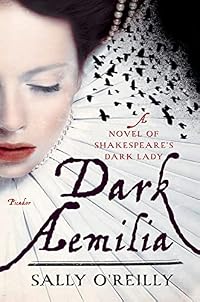
Dark Aemilia
by Sally O'Reilly
On This Page
Description
"The daughter of a Venetian musician, Aemilia Bassano came of age in Queen Elizabeth's royal court. The Queen's favorite, she developed a love of poetry and learning, maturing into a young woman known not only for her beauty but also her sharp mind and a quick tongue. When Aemilia becomes the mistress of Lord Hunsdon, she fears her mind will languish--until she crosses paths with an impetuous playwright named William Shakespeare and begins an impassioned but ill-fated affair. A decade later, show more the Queen is dead, and Aemilia Bassano is now Aemilia Lanyer, fallen from favor and married to a fool. Like the rest of London, she fears the plague. And when her son Henry takes ill, Aemilia will do anything to save him, even if it means seeking help from her estranged lover, Will--or worse, making a pact with the Devil himself. In rich, vivid detail, Sally O'Reilly breathes life into England's first female poet, a mysterious woman nearly forgotten by history. Full of passion and devilish schemes, Dark Aemilia is a tale worthy of the Bard. - For readers of Deborah Harkness, Paula Brackston, and Sarah Dunant"-- show lessTags
Recommendations
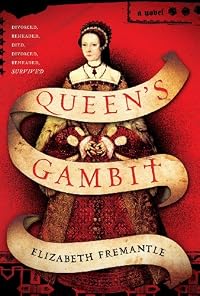
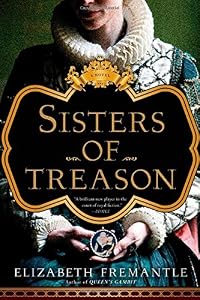
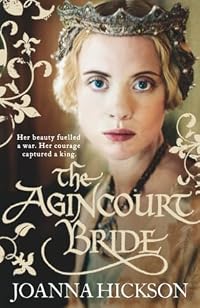
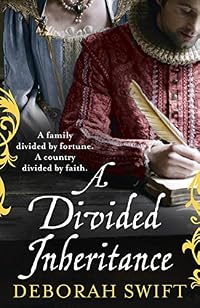



Member Recommendations

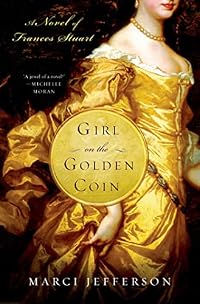
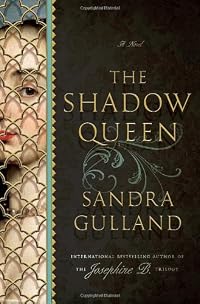
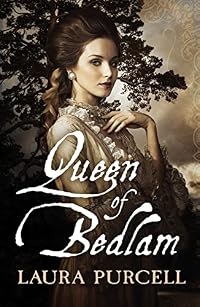
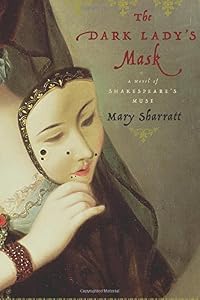
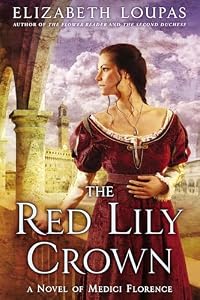
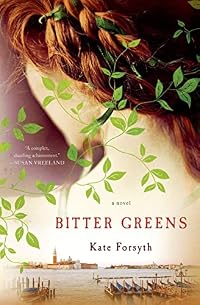
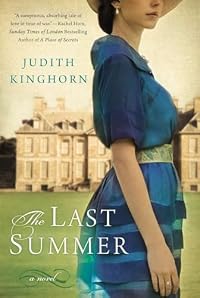
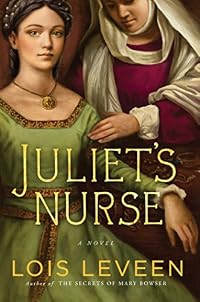
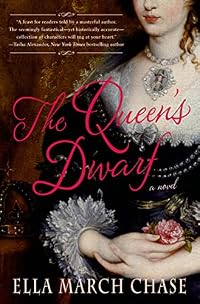
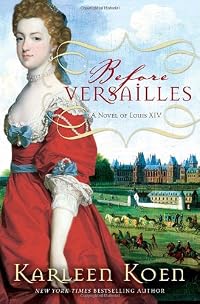
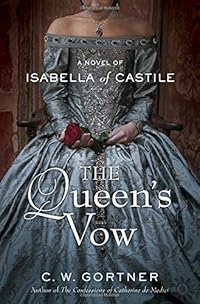
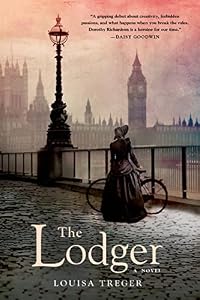
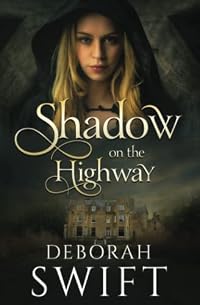
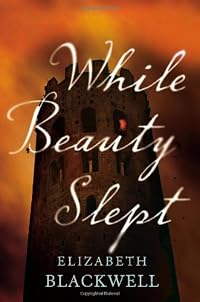
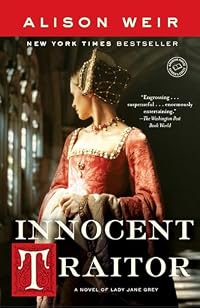
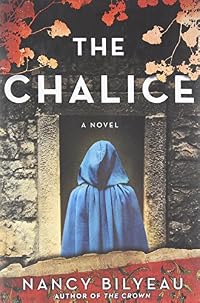
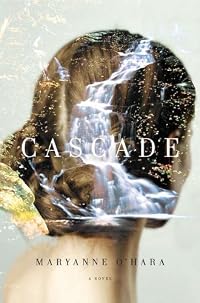
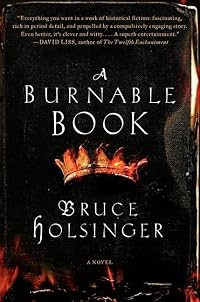
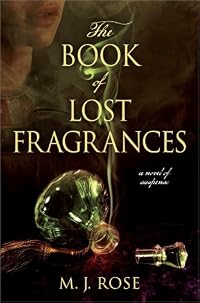
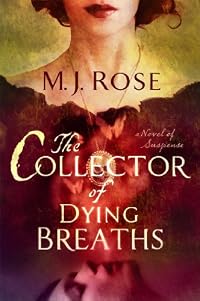
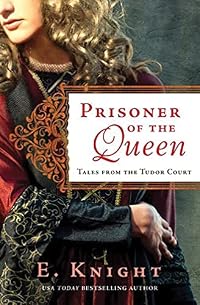
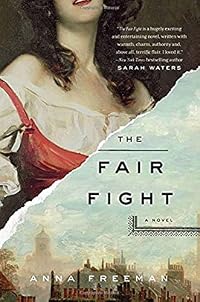
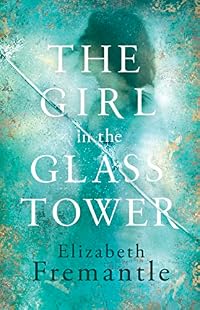
BookshelfMonstrosity Who was the "dark lady" that inspired Shakespeare's famous sonnets? Each of these lush, romantic, and splendidly detailed historical novels explores that question in twisting tales of love, life, and courtly intrigue during the glory days of Queen Elizabeth I.
Member Reviews
Little does she know it, but author Sally O'Reilly wrote this book just for me.
Set in London during the late 1500s and the time of Queen Elizabeth I, Dark Aemilia has it all: Shakespeare, plague, sorcery, witchcraft, witty dialogue, great writing and hot sex scenes. I mean come on! Sally O'Reilly, I love you!
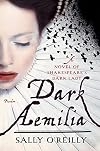
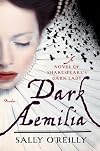
And the cover, oh the cover, simply stunning.
Based on a real person, Aemilia is an inspirational woman born before her time, thought to be Shakespeare's dark muse, struggling with the role of women in society and how little power they had over their destiny. She was England's first female poet, and in O'Reilly's hands she's intelligent, proud, headstrong and passionate.
Here's a great quote from Page 129:
"...all my other little aches show more and torments have gone. Those besetting symptoms that all of us in London must put up with: soot-wheeze, ale-runs, head-gripe, back-ache, lassitude and dread-belly - not to mention sundry scabs, carbuncles and lesions of the skin - all such ailments have vanished."
And this from Page 270:
" 'Leave this house', I say. 'Get out, you scripture-spouting, fish-cold arse-wart. Or I'll call down a curse which'll curdle the guts in your belly'. "
Brilliant writing, richly evocative and an intelligent story, I loved and adored this novel and didn't want it to end.
Dark Aemilia is for lovers of historical fiction, witty dialogue, Shakespeare and the darker side of London in the 16th Century. Yes please! I can't wait to see what talented author Sally O'Reilly writes for me next. A tale worthy of the Bard I'm sure. show less
Set in London during the late 1500s and the time of Queen Elizabeth I, Dark Aemilia has it all: Shakespeare, plague, sorcery, witchcraft, witty dialogue, great writing and hot sex scenes. I mean come on! Sally O'Reilly, I love you!
And the cover, oh the cover, simply stunning.
Based on a real person, Aemilia is an inspirational woman born before her time, thought to be Shakespeare's dark muse, struggling with the role of women in society and how little power they had over their destiny. She was England's first female poet, and in O'Reilly's hands she's intelligent, proud, headstrong and passionate.
Here's a great quote from Page 129:
"...all my other little aches show more and torments have gone. Those besetting symptoms that all of us in London must put up with: soot-wheeze, ale-runs, head-gripe, back-ache, lassitude and dread-belly - not to mention sundry scabs, carbuncles and lesions of the skin - all such ailments have vanished."
And this from Page 270:
" 'Leave this house', I say. 'Get out, you scripture-spouting, fish-cold arse-wart. Or I'll call down a curse which'll curdle the guts in your belly'. "
Brilliant writing, richly evocative and an intelligent story, I loved and adored this novel and didn't want it to end.
Dark Aemilia is for lovers of historical fiction, witty dialogue, Shakespeare and the darker side of London in the 16th Century. Yes please! I can't wait to see what talented author Sally O'Reilly writes for me next. A tale worthy of the Bard I'm sure. show less
Aemilia Bassano grew up in Queen Elizabeth's court. She later becomes mistress to a much older Lord Hunsdon, the son of Mary Boleyn. Lord Hunsdon takes Aemilia to a play where she meets a young playwright, Will Shakespeare. From the moment they meet, an anger and passion envelop both Aemilia and Will, and their love affair begins. Shakespeare wrote of a Dark Lady... this tells of how dark Aemilia really might have been.
I devoured this book! I was thrown into Shakespearean London with a force. There were engaging and very real descriptions of the city, houses, dress, characters and even the plague. Aemilia's character felt raw and real. She is described as a proto-feminist of her time and I felt connected to her cause to become a show more published and recognized poet and writer. While some of the steps she takes to get there are brash, I think it just adds to the excitement of the story. There is quite a bit of lewd language and erotic romance, which I'm usually not that into; however, it works for me and makes Aemilia more down to Earth. There is a thread of the supernatural that is worked into the story, witchcraft is a theme throughout. At first I thought it was just being used as part of everyday Elizabethan society, but it is taken farther by Aemilia in her quest to save her son from the plague and later to be known as a writer. It seems almost unnecessary, but ends up tying in nicely with the story of Macbeth. As an added bonus for me, I enjoyed learning about Aemilia Bassano-Lanyer; a real woman in history who may have played an important role in many of Shakespeare's writings.
This book was received for free in return for an honest review. show less
I devoured this book! I was thrown into Shakespearean London with a force. There were engaging and very real descriptions of the city, houses, dress, characters and even the plague. Aemilia's character felt raw and real. She is described as a proto-feminist of her time and I felt connected to her cause to become a show more published and recognized poet and writer. While some of the steps she takes to get there are brash, I think it just adds to the excitement of the story. There is quite a bit of lewd language and erotic romance, which I'm usually not that into; however, it works for me and makes Aemilia more down to Earth. There is a thread of the supernatural that is worked into the story, witchcraft is a theme throughout. At first I thought it was just being used as part of everyday Elizabethan society, but it is taken farther by Aemilia in her quest to save her son from the plague and later to be known as a writer. It seems almost unnecessary, but ends up tying in nicely with the story of Macbeth. As an added bonus for me, I enjoyed learning about Aemilia Bassano-Lanyer; a real woman in history who may have played an important role in many of Shakespeare's writings.
This book was received for free in return for an honest review. show less
Dark Aemilia: A Novel of Shakespeare's Dark Lady By Sally O'Reilly
Young Aemilia Bassano, once the Mistress of Lord Hunsdon, and then purported "Muse" and true love of William Shakespeare. She was part of Queen Elizabeth's court, lover of poetry and a feminist way before her time. She struggles to make a name for herself, raise her son, and live life to its fullest.
An intriguing plot, with a tough, determined protagonist. Aemilia is head-strong and rebellious, a woman who knows what she wants and is not afraid to go for it. Which by all means was almost unheard of (for women) or this Era. With attention to detail and engaging dialog, I found myself pulled back into time as if I were part of the story.
Overall I found Dark Aemilia: A Novel show more of Shakespeare's Dark Lady, an intriguing, enjoyable read and feel others will enjoy it as well. show less
Young Aemilia Bassano, once the Mistress of Lord Hunsdon, and then purported "Muse" and true love of William Shakespeare. She was part of Queen Elizabeth's court, lover of poetry and a feminist way before her time. She struggles to make a name for herself, raise her son, and live life to its fullest.
An intriguing plot, with a tough, determined protagonist. Aemilia is head-strong and rebellious, a woman who knows what she wants and is not afraid to go for it. Which by all means was almost unheard of (for women) or this Era. With attention to detail and engaging dialog, I found myself pulled back into time as if I were part of the story.
Overall I found Dark Aemilia: A Novel show more of Shakespeare's Dark Lady, an intriguing, enjoyable read and feel others will enjoy it as well. show less
This bawdy, dramatic, and atmospheric historical novel brings to life Aemilia Bassano Lanyer, a nearly forgotten Elizabethan poet -- the first woman in England to be published -- who, in O'Reilly's hands, becomes a lover and muse to William Shakespeare -- the inspiration of his Dark Lady sonnets.
Set between 1592 and 1616 in London, the novel is narrated by Aemilia. The young mistress of an older courtier, Aemilia is renown at court for her wit and beauty, and she catches the attentions of playwright Shakespeare. But their affair leads her to a forced marriage with her cousin and she's removed from court, where she stews over improving her fortunes, pursuing her passion for poetry, and raising her son. As the plague strikes London, show more Aemilia's focus shifts toward more dangerous territory as she explores black magic to save all that she loves.
This was the kind of book I dove into one morning and couldn't put down until I finished. Aemilia's voice is knowing, brash, and unapologetic. She's hungry for her independence, frustrated with her useless husband and her writing, which doesn't match her aspiration. (How I can relate to that!)
Although Aemilia reads vibrant, real, and realized, sadly, the grand love affair between Aemilia and Shakespeare felt flat to me. Thankfully, their affair is only a brief interlude in Aemilia's long and eventful life (despite the importance implied by the book jacket), and I was more caught up in her relationship with her son (especially as I had just found out I was having a boy) and her struggles as a writer.
I found the setting, while not specifically articulated in any detail, was well evoked -- I felt like I was in Elizabethan London, all the glittery and grimy parts of it. There are some supernatural elements, especially toward the end of the story, which I quite liked; the hints of magic reminded me of those magical moments in Elizabethan works and touch upon the historical Lanyer's own writing.
The book is filled with marvelous extras: about ten pages of historical notes, a timeline, glossary of Elizabethan terms, and a list of suggested reading.
A delicious read of a long-forgotten writer, this is a fun historical novel for those who like fierce heroines, some vulgar language (Aemilia doesn't mince words!), fabulous sense of place, and plenty of drama. show less
Set between 1592 and 1616 in London, the novel is narrated by Aemilia. The young mistress of an older courtier, Aemilia is renown at court for her wit and beauty, and she catches the attentions of playwright Shakespeare. But their affair leads her to a forced marriage with her cousin and she's removed from court, where she stews over improving her fortunes, pursuing her passion for poetry, and raising her son. As the plague strikes London, show more Aemilia's focus shifts toward more dangerous territory as she explores black magic to save all that she loves.
This was the kind of book I dove into one morning and couldn't put down until I finished. Aemilia's voice is knowing, brash, and unapologetic. She's hungry for her independence, frustrated with her useless husband and her writing, which doesn't match her aspiration. (How I can relate to that!)
Although Aemilia reads vibrant, real, and realized, sadly, the grand love affair between Aemilia and Shakespeare felt flat to me. Thankfully, their affair is only a brief interlude in Aemilia's long and eventful life (despite the importance implied by the book jacket), and I was more caught up in her relationship with her son (especially as I had just found out I was having a boy) and her struggles as a writer.
I found the setting, while not specifically articulated in any detail, was well evoked -- I felt like I was in Elizabethan London, all the glittery and grimy parts of it. There are some supernatural elements, especially toward the end of the story, which I quite liked; the hints of magic reminded me of those magical moments in Elizabethan works and touch upon the historical Lanyer's own writing.
The book is filled with marvelous extras: about ten pages of historical notes, a timeline, glossary of Elizabethan terms, and a list of suggested reading.
A delicious read of a long-forgotten writer, this is a fun historical novel for those who like fierce heroines, some vulgar language (Aemilia doesn't mince words!), fabulous sense of place, and plenty of drama. show less
https://www.goodreads.com/review/show/971090728
A lot happens in this book over a decent period of time: Aemilia is Lord Hunsdon's mistress, falls in love with Will Shakespeare and has an affair, becomes pregnant and is married off to Alfonso Lanyer, gives birth to her son Henry. Years later when Henry catches the plague, Aemilia conjures up a demon to protect him, then writes The Tragedie of Lady Macbeth in exchange for the favor (though she always wanted to write anyway). But when Burbage rejects Aemilia's play but then puts on Will's Macbeth, she conjures the demon again to prevent the play from being staged, and one of the players - her neighbor's son - is killed. Throughout, Aemilia is an outspoken opponent against women's role in show more society in the Elizabethan era.
I enjoyed this book, but didn't find it wholly absorbing; the many plot points failed to cohere into a larger story, and I was never quite convinced of Aemilia's writing abilities (though her intellect seemed strong enough). The magical elements were woven neatly into the story, and the descriptions of plague-ridden, filthy London were excellent without being didactic ("look how much research I did!").
Quotes
You don't fool me by saying I am different from the others of my sex. I am not different, I am the same but more so. (Aemilia to Will, 29)
The years will make sense of me again; it is not possible to fall so hard for nothing, for words and a hungry look, a moment in time. (29)
I have made myself so ill with this that I felt it must be a form of penance for a sin that I have committed only in my heart. (Will to Aemilia, 30)
This is a passion that transforms me, and a love that makes the world glitter. (62)
The rain pelts harder and seems to wash some sense into me, and in the end I reach the conclusion that I like least and which pains me most. But I cannot see another way. (75)
My head aches with grief, and I am filled with bitter anger that this must be my lot. If I am such a faithless whore, why am I disabled by scruples I can't afford? A depraved and desperate woman should be ruthless in the execution of her desires. There is no place for me in the hierarchy of mankind, and, to make things worse, my own character is wrongly put together. I have the mind of a philosopher, the education of a prince and the morality of a nun. (76)
I think that Hell must not only be a place of fire and punishment, but of clocks that tick and tock in an eternal present, where nothing ever happens. (76)
"A poet is a madman, who knows nothing, and makes a world of his insanity. And you, my lady, may be a scholar and you are certainly a whore, but you will never be a poet." (Will to Aemilia, 94)
"A woman may not be a jester, but a poet may be a fool....You are all eyes and no sight." (146)
"You are always seeking to know the reason for things, and I have rarely seen you grateful. You know your own worth." (Elizabeth to Aemilia, 189)
"Whether Heaven or Hell will receive my soul, I know I am all but done with this life. But the journey out is full of pain." (Elizabeth to Aemilia, 191)
Expecting nothing is an excellent preparation for receiving it. (209)
"All science comes from somewhere, and all knowledge has its price." (Joan to Aemilia, 216)
"Your impatience is proof of your weakness. You grabble after small things, won't wait to be wise." (Simon Forman to Aemilia, 255)
Why have I never lived straightforwardly? ...Why has my life always been such an unseemly muddle? (353)
"You are too proud. Perhaps your pride is all you have." (Will to Aemilia, 355) show less
A lot happens in this book over a decent period of time: Aemilia is Lord Hunsdon's mistress, falls in love with Will Shakespeare and has an affair, becomes pregnant and is married off to Alfonso Lanyer, gives birth to her son Henry. Years later when Henry catches the plague, Aemilia conjures up a demon to protect him, then writes The Tragedie of Lady Macbeth in exchange for the favor (though she always wanted to write anyway). But when Burbage rejects Aemilia's play but then puts on Will's Macbeth, she conjures the demon again to prevent the play from being staged, and one of the players - her neighbor's son - is killed. Throughout, Aemilia is an outspoken opponent against women's role in show more society in the Elizabethan era.
I enjoyed this book, but didn't find it wholly absorbing; the many plot points failed to cohere into a larger story, and I was never quite convinced of Aemilia's writing abilities (though her intellect seemed strong enough). The magical elements were woven neatly into the story, and the descriptions of plague-ridden, filthy London were excellent without being didactic ("look how much research I did!").
Quotes
You don't fool me by saying I am different from the others of my sex. I am not different, I am the same but more so. (Aemilia to Will, 29)
The years will make sense of me again; it is not possible to fall so hard for nothing, for words and a hungry look, a moment in time. (29)
I have made myself so ill with this that I felt it must be a form of penance for a sin that I have committed only in my heart. (Will to Aemilia, 30)
This is a passion that transforms me, and a love that makes the world glitter. (62)
The rain pelts harder and seems to wash some sense into me, and in the end I reach the conclusion that I like least and which pains me most. But I cannot see another way. (75)
My head aches with grief, and I am filled with bitter anger that this must be my lot. If I am such a faithless whore, why am I disabled by scruples I can't afford? A depraved and desperate woman should be ruthless in the execution of her desires. There is no place for me in the hierarchy of mankind, and, to make things worse, my own character is wrongly put together. I have the mind of a philosopher, the education of a prince and the morality of a nun. (76)
I think that Hell must not only be a place of fire and punishment, but of clocks that tick and tock in an eternal present, where nothing ever happens. (76)
"A poet is a madman, who knows nothing, and makes a world of his insanity. And you, my lady, may be a scholar and you are certainly a whore, but you will never be a poet." (Will to Aemilia, 94)
"A woman may not be a jester, but a poet may be a fool....You are all eyes and no sight." (146)
"You are always seeking to know the reason for things, and I have rarely seen you grateful. You know your own worth." (Elizabeth to Aemilia, 189)
"Whether Heaven or Hell will receive my soul, I know I am all but done with this life. But the journey out is full of pain." (Elizabeth to Aemilia, 191)
Expecting nothing is an excellent preparation for receiving it. (209)
"All science comes from somewhere, and all knowledge has its price." (Joan to Aemilia, 216)
"Your impatience is proof of your weakness. You grabble after small things, won't wait to be wise." (Simon Forman to Aemilia, 255)
Why have I never lived straightforwardly? ...Why has my life always been such an unseemly muddle? (353)
"You are too proud. Perhaps your pride is all you have." (Will to Aemilia, 355) show less
Shakespeare: tick. Possible identity of the Dark Lady: tick. Supernatural, witches and demons: tick. Stinking, plague-ridden London: tick. The Globe, white-faced boy actors dressed in velvet, smoke, whistles and special effects: tick.
Based on a foundation of history, O’Reilly tells the fictional story of real-life Aemilia Bassano and her love affair with William Shakespeare. There is no documentary evidence that this affair took place, but O’Reilly’s imagination conjures a rich story in which the setting of Elizabethan London is vibrant and believable. Wherever Aemilia goes – in an apothecary’s shop, in the audience at The Globe or standing at the edge of a plague pit – you can see, smell and hear her London.
Aemilia is show more something of a feminist, in that she struggles against men her whole life for the freedom to live her own life. Orphaned at 12 she becomes mistress to Lord Hunsdon [readers of Philippa Gregory’s ‘The Other Boleyn Girl’ will be interested to know that Hunsdon was the real-life Henry, son of Mary Boleyn] but during an affair with Shakespeare, Aemilia falls pregnant. Hunsdon arranges a marriage for her to her cousin Alfonso Lanyer, and so Aemilia’s destiny is determined at each stage by men. Father, protector, husband, lover and son.
She is a fascinating character, a woman of her time or before her time? As a poet and a lover, her influence on Shakespeare is at the core of this book. But then with her son dying of the plague, she turns to witchcraft and so the wilder element of the story takes off. I admit to skipping some of these sections. For me, the interesting plot was Aemilia, Shakespeare, the Globe and the writing of ‘Macbeth’ and consequently for me the book could have been shorter.
Read more of my book reviews at http://www.sandradanby.com/book-reviews-a-z/ show less
Based on a foundation of history, O’Reilly tells the fictional story of real-life Aemilia Bassano and her love affair with William Shakespeare. There is no documentary evidence that this affair took place, but O’Reilly’s imagination conjures a rich story in which the setting of Elizabethan London is vibrant and believable. Wherever Aemilia goes – in an apothecary’s shop, in the audience at The Globe or standing at the edge of a plague pit – you can see, smell and hear her London.
Aemilia is show more something of a feminist, in that she struggles against men her whole life for the freedom to live her own life. Orphaned at 12 she becomes mistress to Lord Hunsdon [readers of Philippa Gregory’s ‘The Other Boleyn Girl’ will be interested to know that Hunsdon was the real-life Henry, son of Mary Boleyn] but during an affair with Shakespeare, Aemilia falls pregnant. Hunsdon arranges a marriage for her to her cousin Alfonso Lanyer, and so Aemilia’s destiny is determined at each stage by men. Father, protector, husband, lover and son.
She is a fascinating character, a woman of her time or before her time? As a poet and a lover, her influence on Shakespeare is at the core of this book. But then with her son dying of the plague, she turns to witchcraft and so the wilder element of the story takes off. I admit to skipping some of these sections. For me, the interesting plot was Aemilia, Shakespeare, the Globe and the writing of ‘Macbeth’ and consequently for me the book could have been shorter.
Read more of my book reviews at http://www.sandradanby.com/book-reviews-a-z/ show less
This novel really captures the spirit of Shakespearean England, and it's themes play out like one of the bard's plays, complete with scorned lovers, devious plots, and witchcraft. Based on the historical figure of Aemilia Bassano, who just may be an inspiration for Shakespeare's Dark Lady, this novel presents Aemilia and Shakespeare as passionate lovers and writers, whose passion drives them apart as much as it unites them. Well worth the read!
Members
- Recently Added By
Author Information

4 Works 162 Members
Sally O'Reilly was born in 1971 and is a writer, critic, editor and teacher. She is a tutor at Royal College of Art, London, and teaches at various other universities around the UK. She was Writer in Residence at the Whitechapel Art Gallery in 2010/11. She has contributed to Art Monthly, Contemporary Magazine, Frieze, Cabinet, Modern Painters, and show more Time Out as well as writing catalogue essays for numerous international art exhibitions. Her book The Body in Contemporary Art was published by Thames and Hudson in 2009. Her title Dark Aemilia made the Hot Book Club List in 2014. (Bowker Author Biography) show less
Work Relationships
Was inspired by
Common Knowledge
- Canonical title
- Dark Aemilia
- Original title
- Dark Aemilia: A Novel of Shakespeare's Dark Lady
- Original publication date
- 2014
- People/Characters
- Emilia Lanier (as Aemilia Bassano Lanyer); William Shakespeare; Alfonso Lanyer; Henry Carey; Henry Lanyer; John Daunt (show all 12); Anthony Inchbald; Simon Forman; Tom Flood; Anne Flood; Elizabeth Tudor; Richard Burbage
- Epigraph
- Past cure I am, now reason is past care,
And frantic-mad with evermore unrest;
My thoughts and my discourse as madman's are
At random from the truth, vainly expressed;
For I have sworn thee fai... (show all)r, and thought thee bright
Who art black as hell, as dark as night.
William Shakespeare
Sonnet 147 - Dedication
- To Georgia, with love
- First words
- I am a witch for the modern age.
- Last words
- (Click to show. Warning: May contain spoilers.)Burbage steps forward.
Classifications
Statistics
- Members
- 139
- Popularity
- 234,581
- Reviews
- 15
- Rating
- (3.28)
- Languages
- English, Italian
- Media
- Paper, Ebook
- ISBNs
- 8
- ASINs
- 3