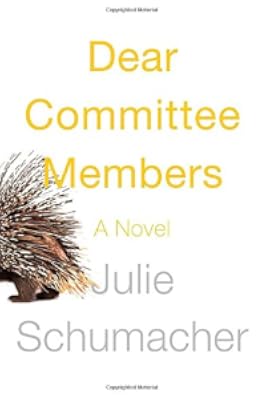
On This Page
Description
A Best Book of the Year: NPR and Boston GlobeFinally a novel that puts the "pissed" back into "epistolary."
Jason Fitger is a beleaguered professor of creative writing and literature at Payne University, a small and not very distinguished liberal arts college in the midwest. His department is facing draconian cuts and squalid quarters, while one floor above them the Economics Department is getting lavishly remodeled offices. His once-promising writing career is in the doldrums, as is his show more romantic life, in part as the result of his unwise use of his private affairs for his novels. His star (he thinks) student can't catch a break with his brilliant (he thinks) work Accountant in a Bordello, based on Melville's Bartleby. In short, his life is a tale of woe, and the vehicle this droll and inventive novel uses to tell that tale is a series of hilarious letters of recommendation that Fitger is endlessly called upon by his students and colleagues to produce, each one of which is a small masterpiece of high dudgeon, low spirits, and passive-aggressive strategies. We recommend Dear Committee Members to you in the strongest possible terms.
. show less
Tags
Recommendations

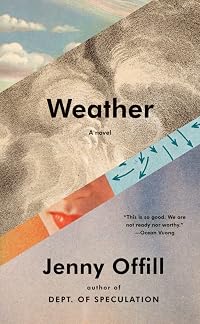
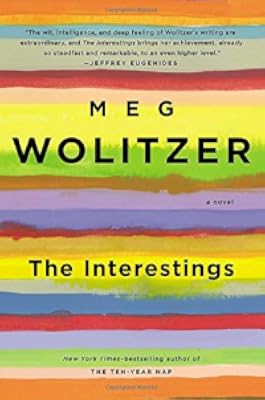

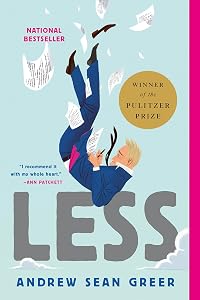
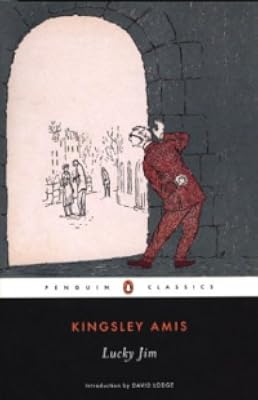
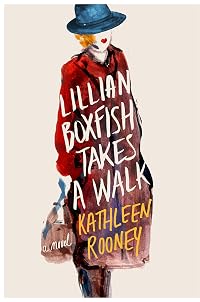
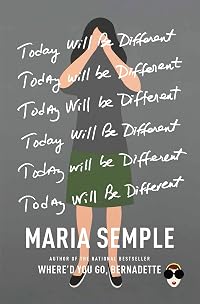
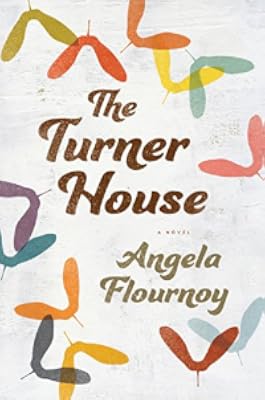
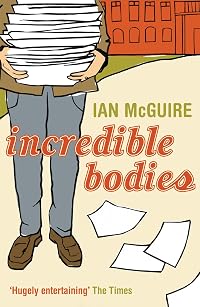

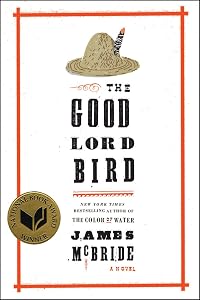
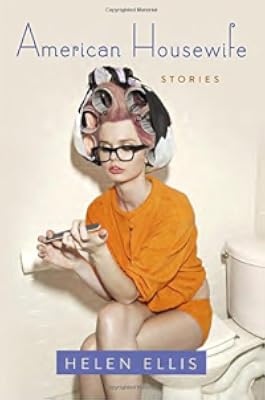
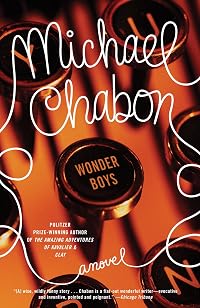
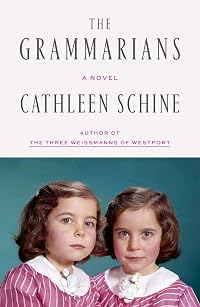
Member Recommendations
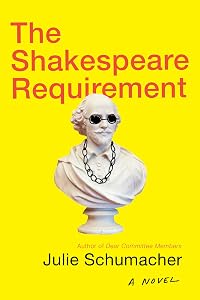
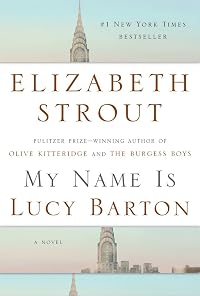
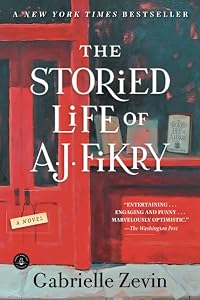
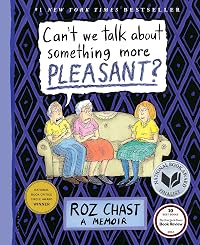
charl08 Similar epistolary format, although with very different results!
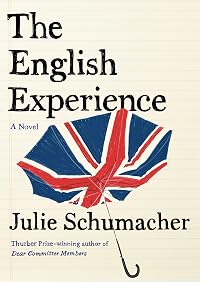
charl08 One a more 'traditional' campus novel, perhaps, but similar themes re English literature as taught at US colleges.
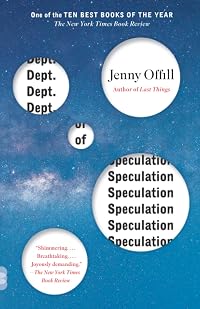
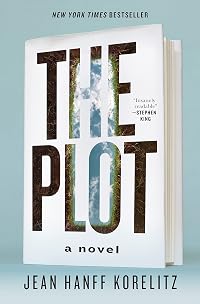
beyondthefourthwall In which humour stems from a cantankerous middle-aged American white guy having a real knack for embarking on overlong and rambling personal tangents.
Member Reviews
A quick read full of wit and humor, Jason Fitger is a writing professor at a school that seems to want to remove anything that isn't technology based. The novel is epistolary: the story strictly told through letters of recommendation that seems to be Fitger's only purpose in life. Fitger himself admits he doesn't have a chance to work on his own writing. Fitger's main goal seems to push one student to succeed through these LORs: a student writing a novel reimagining Herman Melville's 'Bartleby' (a very memorable book in its own way). Fitger doesn't seem to be the most likeable person, telling it like it is most of the time and it seems he has offended most of the people he is directing the letters to. Without the replies to Fitger's show more letters included in this book, Fitger does seem to have a lonely life as the book leaves the feeling that Fitger reaches out and communicates solely through these letters. A novel in letters wouldn't seem to appeal widely, but I was surprised at how interesting LORs could be, all because of Schumacher's funny and clever writing. It would be very easy for a less capable writer to make a book like this miserable to slog through, but I will be seeking out Schumacher's writing in the future. show less
Professor Jason Fitger’s work on his most recent novel is not progressing. Perhaps it is because he spends too much time teaching. Too much time reading the work of his students. Too much time bemoaning the decline of his department and the rise of Economics. Too much time writing letters of recommendation - LORs - for others. Indeed, his LORs are so numerous, overwritten, and full of his creative energy, that a collection of them might just make a novel in itself. Which is what we have here — the LORs of Professor Fitger over the course a single academic year. It is a year of debris. Building debris, since the Economics department’s office above those of the English department are being renovated. But also the debris of his show more marriage and other liaisons, and especially of his favourite protégé, Darren Browles, for whom Professor Fitger writes a series of LORs in hopes of finding funding for him to finish the novel on which he has embarked under Fitger’s tutelage.
The campus novel is usually comic and this is no exception. But anyone who has worked in the academy, especially on the humanities wing of a campus, will find the comic here tinged with the horrifically real. Battered seemingly from all sides, Professor Fitger fights a losing battle through his LORs, many of which rail ineffectually against the dying of the light (which may simply be due to faulty wiring in the departmental offices).
I do hope this was as much fun to write as it has been to read. And so I find it easy to recommend. Enjoy! show less
The campus novel is usually comic and this is no exception. But anyone who has worked in the academy, especially on the humanities wing of a campus, will find the comic here tinged with the horrifically real. Battered seemingly from all sides, Professor Fitger fights a losing battle through his LORs, many of which rail ineffectually against the dying of the light (which may simply be due to faulty wiring in the departmental offices).
I do hope this was as much fun to write as it has been to read. And so I find it easy to recommend. Enjoy! show less
Oh gosh, I LOVED it! Told all in the form of letters of recommendation, this one follows an English professor at a small liberal arts college for a year as he wades through advising students, negotiating (with varied success) his career and his relationships, and trying to survive his department colleagues (and their own brands of insanity), budget cuts and asbestos in his basement office.
So bitterly funny and so true-to-life. The writing is fantastic, and I'm impressed that Schumacher has that rare ability to draw a character who is a complete ass but you can't help love him just the same. Makes me remember the myriad reasons why I don't miss being a Humanities professor at a small, liberal arts college. Highly, HIGHLY recommended.
My show more limerick review:
There once was a professor named Jay
who wrote recommendations all night and day
his wives were all exes
academia sure perplexes
he's an ass you just have to love anyway. show less
So bitterly funny and so true-to-life. The writing is fantastic, and I'm impressed that Schumacher has that rare ability to draw a character who is a complete ass but you can't help love him just the same. Makes me remember the myriad reasons why I don't miss being a Humanities professor at a small, liberal arts college. Highly, HIGHLY recommended.
My show more limerick review:
There once was a professor named Jay
who wrote recommendations all night and day
his wives were all exes
academia sure perplexes
he's an ass you just have to love anyway. show less
A favorite read of the year! I wish I could give this 6 stars, because it deserves them. Consisting entirely of letters of recommendation, we follow an English professor through his academic year. The result is insane, hilarious, and very unexpectedly, touching.
I laughed so hard reading this! Julie Schumacher, herself a professor, is such a good writer, and her word choices repeatedly slayed me. I loved the puzzle aspect of figuring out what’s happening, with each successive letter of recommendation giving us more clues to piece things together.
Dear Committee Members is perfect for anyone working in an academic environment who has been in a position where they have to write a million letters of recommendation, or for people who have show more dealt with frustrating red tape in their jobs that makes it difficult to get anything meaningful done. But even if you haven’t been in a position like that, I have a hard time imagining someone NOT enjoying this, because of how desperately funny it is.
This is one of those books that is definitely meant to be physically read, because of the letter format it utilizes. You won’t want to miss any of the details Shumacher includes, they are so worth it! show less
I laughed so hard reading this! Julie Schumacher, herself a professor, is such a good writer, and her word choices repeatedly slayed me. I loved the puzzle aspect of figuring out what’s happening, with each successive letter of recommendation giving us more clues to piece things together.
Dear Committee Members is perfect for anyone working in an academic environment who has been in a position where they have to write a million letters of recommendation, or for people who have show more dealt with frustrating red tape in their jobs that makes it difficult to get anything meaningful done. But even if you haven’t been in a position like that, I have a hard time imagining someone NOT enjoying this, because of how desperately funny it is.
This is one of those books that is definitely meant to be physically read, because of the letter format it utilizes. You won’t want to miss any of the details Shumacher includes, they are so worth it! show less
Every now and then, I wish I hadn't pursued my present career and instead become a college English professor. Dear Committee Members reassured me that I'm in the right profession! Very funny, biting satire about life in the trenches in a time when English studies are not regarded as useful or desireable.
But this book is more than that. We also have an English professor narrator (of sorts -- this is an epistolary novel, told in the professor's letters, mostly letters of recommendation but also to his colleagues) who is alone and lonely, regretting the infidelity that broke up his marriage, regretting his own inability to sell a new novel, regretting the changes in the world that have landed him in a second (at least) tier university in a show more decomposing building spending most of his time writing letters of recommendation for everything from admission to a writing retreat to a job as a data entry clerk.
The novel is mostly funny, but toward the end takes a poignant turn, and then, right at the end, turns unironically sad -- and also gives us a new view of our narrator. It's very nicely done.
Recommended for anyone who loved college! show less
But this book is more than that. We also have an English professor narrator (of sorts -- this is an epistolary novel, told in the professor's letters, mostly letters of recommendation but also to his colleagues) who is alone and lonely, regretting the infidelity that broke up his marriage, regretting his own inability to sell a new novel, regretting the changes in the world that have landed him in a second (at least) tier university in a show more decomposing building spending most of his time writing letters of recommendation for everything from admission to a writing retreat to a job as a data entry clerk.
The novel is mostly funny, but toward the end takes a poignant turn, and then, right at the end, turns unironically sad -- and also gives us a new view of our narrator. It's very nicely done.
Recommended for anyone who loved college! show less
For the second time in as many weeks, I have read large sections of a book aloud -- this time to anyone -- anyone lucky (?) enough to be nearby. This is the funniest book I have read in a long time. It was also cringe-inducing on several occasions, and surprisingly touching and poignant. This is a novel of letters -- all written by Jason Fitger, Professor of English and Creative writing at Payne University, most of which are letters of recommendation for various students and colleagues. By Jay Fitger's reckoning, he has "penned more than 1,300 letters of recommendation, many of them enthusiastic, some a cry of despair." His letters are passive-aggressive chefs d'oeuvre, communicating exactly what Fitger thinks of the petitioner, the show more business/position for which the petitioner is applying, and many other grievances about draconian cuts to the English department, petty academic hierarchy squabbles, and unresolved personal drama of his own making. To the reader appears a portrait of an oppressed academic, a deflated novelist, a relationship bungler (to the nth degree), a rapier wit, and a devoted advocate for his advisees and for unglamorous, non-flashy English departments. I loved it. show less
This originally appeared at The Irresponsible Reader as part of a quick takes post to catch up. The point of these posts is to be pithy, not thorough (as I typically strive for).
---
Professor Jason Fitger is a delightful character (in fiction, please don't sit next to him at a dinner or stand near him at a party. Or maybe don't be in the same room with him). He's full of himself, a little self-deluded, put-upon, and (probably) past his prime with a career going nowhere (but hey, tenure!).
We learn about him through a series of letters of recommendation he's sending to various businesses, schools, programs, and scholarships for his students; interdepartmental emails; emails to old friends/ex-lovers/ex-wife; and maybe one or two others. I show more like a good epistolary novel, and this is one of them. We learn about Fitger, and a couple of his students, the moves his University is making to gut itself of the liberal arts, and more, in a way that feels incredibly authentic and very entertaining.
Still, I don't think I could take it if the book was much longer, and I don't know that I want to read the rest of the trilogy (but I kind of do). show less
---
Professor Jason Fitger is a delightful character (in fiction, please don't sit next to him at a dinner or stand near him at a party. Or maybe don't be in the same room with him). He's full of himself, a little self-deluded, put-upon, and (probably) past his prime with a career going nowhere (but hey, tenure!).
We learn about him through a series of letters of recommendation he's sending to various businesses, schools, programs, and scholarships for his students; interdepartmental emails; emails to old friends/ex-lovers/ex-wife; and maybe one or two others. I show more like a good epistolary novel, and this is one of them. We learn about Fitger, and a couple of his students, the moves his University is making to gut itself of the liberal arts, and more, in a way that feels incredibly authentic and very entertaining.
Still, I don't think I could take it if the book was much longer, and I don't know that I want to read the rest of the trilogy (but I kind of do). show less
Members
- Recently Added By
Lists

Epistolary Books
105 works; 27 members

Books Read in 2015
3,299 works; 129 members
Books Read in 2016
4,666 works; 199 members

Books Read in 2020
4,379 works; 123 members

Books Read in 2018
4,360 works; 110 members

NPR Readers Poll: 100 Favorite Funny Books
100 works; 5 members

Favorite Epistolary Fiction
143 works; 144 members

Books Read in 2024
4,727 works; 128 members
Author Information

13+ Works 3,045 Members
Julie Schumacher received an undergraduate degree from Oberlin College and an MFA degree in fiction from Cornell University. She is a professor of English at the University of Minnesota. A short story she wrote while attending Oberlin College was reprinted in The Best American Short Stories. She is the author of several books for adults and show more younger readers including The Book of One Hundred Truths, The Chain Letter, Grass Angel, and Dear Committee Members. (Bowker Author Biography) show less
Some Editions
Awards and Honors
Awards
Distinctions
Series

Common Knowledge
- Canonical title
- Dear Committee Members
- Original publication date
- 2014-08-19
- People/Characters
- Jason Fitger
- Important places
- Payne University (Imaginary place)
- Dedication
- To my students
- First words
- September 3, 2009 ... Dear Committee Members,
Over the past twenty-odd years I've recommended god only know how many talented candidates for the Bentham January residency - that enviable literary oasis in the woods south... (show all) of Skowhegan: the solitude, the pristine cabins, the artistic camaraderie, and those exquisite hand-delivered satchels of apples and cheese .. Well, you can scratch all prior nominees and pretenders from your mailing lists, because none is as provocative or as promising as Darren Browles. - Last words
- (Click to show. Warning: May contain spoilers.)In the meantime I hope once again to consider myself
Your friend,
Jay - Publisher's editor
- Howard, Gerald
- Blurbers
- Beattie, Ann; Parini, Jay; Nelson, Antonya
- Canonical DDC/MDS
- 813.54
- Canonical LCC
- PS3569.C5548
Classifications
Statistics
- Members
- 1,360
- Popularity
- 17,643
- Reviews
- 115
- Rating
- (3.78)
- Languages
- English
- Media
- Paper, Audiobook, Ebook
- ISBNs
- 11
- ASINs
- 8