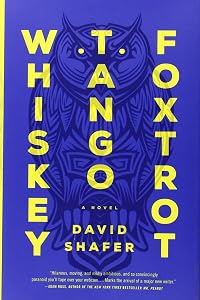
Whiskey Tango Foxtrot
by David Shafer
On This Page
Description
Three young adults grapple with the usual thirty-something problems — boredom, authenticity, an omnipotent online oligarchy — in David Shafer's darkly comic debut novel.The Committee, an international cabal of industrialists and media barons, is on the verge of privatizing all information. Dear Diary, an idealistic online Underground, stands in the way of that takeover, using radical politics, classic spycraft, and technology that makes Big Data look like dial-up. Into this secret show more battle stumbles an unlikely trio: Leila Majnoun, a disillusioned non-profit worker; Leo Crane, an unhinged trustafarian; and Mark Deveraux, a phony self-betterment guru who works for the Committee.
Leo and Mark were best friends in college, but early adulthood has set them on diverging paths. Growing increasingly disdainful of Mark's platitudes, Leo publishes a withering takedown of his ideas online. But the Committee is reading — and erasing — Leo's words. On the other side of the world, Leila's discoveries about the Committee's far-reaching ambitions threaten to ruin those who are closest to her.
In the spirit of William Gibson and Chuck Palahniuk, Whiskey Tango Foxtrot is both a suspenseful global thriller and an emotionally truthful novel about the struggle to change the world in- and outside your head. show less
Tags
Recommendations
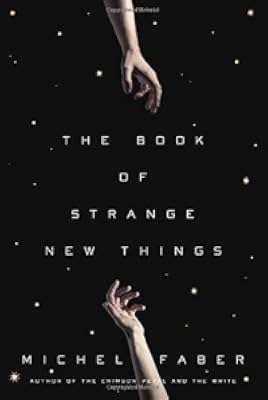
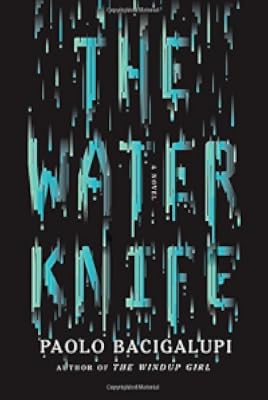
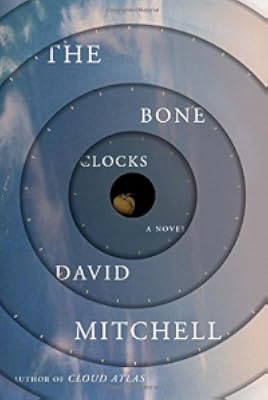
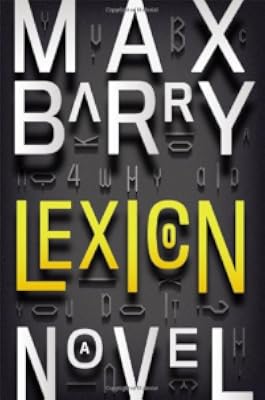




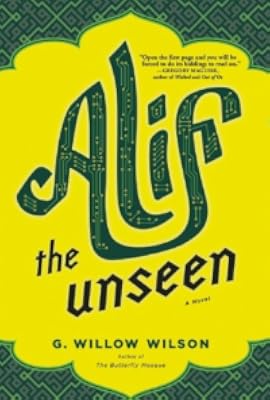
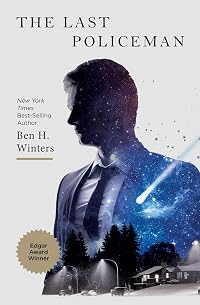
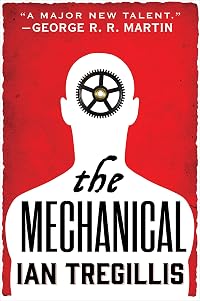
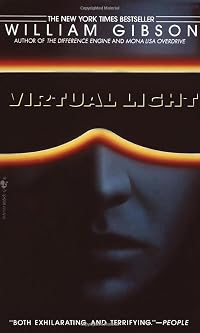



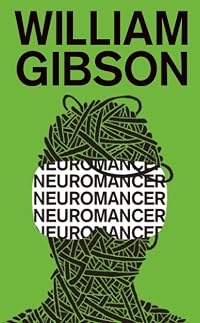
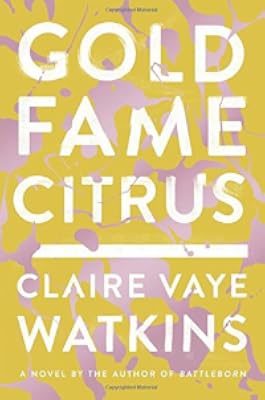

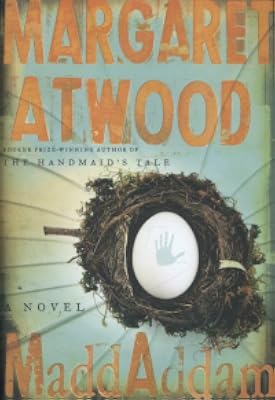
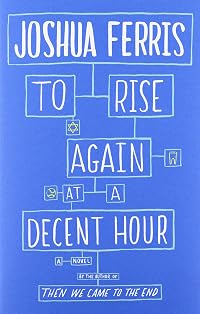

Member Recommendations
Member Reviews
Whiskey Tango Foxtrot seems like two books. It begins as a nuanced character study of people in disparate situations; about halfway through it turns into the paranoid techno thriller announced by the jacket copy (that I didn't read until I'd finished the book). The 'techno thriller' part is effective, but where Shafer shines is in his delineation of character and his descriptive writing. The plot alone in lesser hands would have been hackneyed, but Shafer's prose makes it a joy to read.
Very enjoyable & accomplished debut. It was as if T. C. Boyle, William Gibson, and Carl Hiassen decided to collaborate on a humorous, character driven, bleeding edge, sci-fi tinged conspiracy thriller. It was fascinating, well plotted, the character development was out of this world (the characters' vividly rendered inner monologues were very reminiscent of Boyle), and it was peppered with laugh-out-loud-funny one liners. I'm okay with the ambiguous conclusion but I'm also hoping for a sequel. The author's bio says "there will be more. Oh yes, there WILL be more." Yes, please.
I could go and list the MANY delightful moments in this book (Shafer’s writing in general, the rehab facility, the daycare, the various watercraft, the USPS and specifically postal inspection service as the one uncorrupted agency in the US government, and so on) but it’s more fun to discover them yourself. While the novel takes a little time to get used to (it drops you right in the middle of things and doesn’t do you any favors), it’s a delightfully unhinged romp through modern-day conspiracies. I had a blast.
More at RB: http://ragingbiblioholism.com/2015/04/20/whiskey-tango-foxtrot/
PLUS a So Many Damn Books episode: http://t.co/4HJyyN2igF
More at RB: http://ragingbiblioholism.com/2015/04/20/whiskey-tango-foxtrot/
PLUS a So Many Damn Books episode: http://t.co/4HJyyN2igF
A sprawling and funny novel that speculates chillingly on the future of surveilliance and online life. The slightly bonkers techno-thriller plot is gripping, but the three memorable characters that drive it are really what raise this to the next level. The writing is sharp and witty, finding a good balance between propulsive action and more literary flourishes. A lot of reviewers have complained about the slightly abrupt ending, but it's hard to imagine how Shafer could have finished this off more satisfyingly - still, if you need your plot loose ends all tied up, you're going to be frustrated by this one. There's a definite DeLillo/Pynchon vibe going on here, but Shafer's writing is much more accessible than either and reminded me more show more of the more gripping bits of [b:Infinite Jest|6759|Infinite Jest|David Foster Wallace|https://d.gr-assets.com/books/1437328527s/6759.jpg|3271542]. The ambition is a bit more constrained, but the themes and tone are similar. show less
I had a few people recommend this book to me, raving about it, but I'm not so sure I'd pass on the same way.
I liked that start well enough, Leila seemed to be written well and have an interesting story -- a lady working for a nonprofit health organization struggling to get a foothold in Burma seemed ripe with possibilities. But when the reader is thrust into the fairly shallow and scattered straits of Leo's head on a bike ride into his job at a day care I ran aground.
The first paragraph of Leo's story, the first sentence, just slopped out, for me. "Turning his head to look at the Fremont Bridge sparkling in the sharp light of the November morning, Leo felt his chin rasp across the collars of his two woolen shirts and his canvas work show more coat." I just think I'm not a big fan of third person subjective, especially when it seems like we get only one (fairly boring) dimension of a character.
When I emerged into the Mark Deveraux chapter I felt like I could breath again and the narrative jolted to life a little for me, the prose seemed to flow a little better, but I did worry that a third of the book would be spent with a character I just didn't believe.
The conspiracy at the heart of the book coalesces, it doesn't race, and that's kind of enjoyable. But I just found myself getting frustrated by some clunky dialogue and lengthy descriptions and the fact that much of the story hinged on Leo just didn't work for me. show less
I liked that start well enough, Leila seemed to be written well and have an interesting story -- a lady working for a nonprofit health organization struggling to get a foothold in Burma seemed ripe with possibilities. But when the reader is thrust into the fairly shallow and scattered straits of Leo's head on a bike ride into his job at a day care I ran aground.
The first paragraph of Leo's story, the first sentence, just slopped out, for me. "Turning his head to look at the Fremont Bridge sparkling in the sharp light of the November morning, Leo felt his chin rasp across the collars of his two woolen shirts and his canvas work show more coat." I just think I'm not a big fan of third person subjective, especially when it seems like we get only one (fairly boring) dimension of a character.
When I emerged into the Mark Deveraux chapter I felt like I could breath again and the narrative jolted to life a little for me, the prose seemed to flow a little better, but I did worry that a third of the book would be spent with a character I just didn't believe.
The conspiracy at the heart of the book coalesces, it doesn't race, and that's kind of enjoyable. But I just found myself getting frustrated by some clunky dialogue and lengthy descriptions and the fact that much of the story hinged on Leo just didn't work for me. show less
This book was maddening. The first half was great, the 2nd drug on a bit and then....poof. The author takes a current tech trend (Big Data) to an extreme, pitting a good side against a bad side for what amounts to world domination. There are Gen Xers, evil business people, drugs, an international charity, monolithic computing power, sex, strange processes, and Lord knows what else involved. The writing is excellent, the dialogue great, and the story interesting. What's not to like?
Well, when you're reading a physical (hardback) book and the pages remaining are dwindling to the point where there are just a few left, and you know that what's been laid out in the story could take another, oh, couple hundred pages to come to some sort of show more conclusion, and it just peters out.... that's what not to like.
When I review books, I look at writing, dialogue, plot, character development, and conclusion, and WTF was great on all counts except for the conclusion. You know how a movie may end abruptly, but you actually kind of know what's going to happen because it's been baked into the plot? Well, that doesn't happen here. It ends and it's anyone's guess that happens to the guy who could save humanity. Or not.
Loved the writing, loved the technology stuff (both real and imagined), but WTF? show less
Well, when you're reading a physical (hardback) book and the pages remaining are dwindling to the point where there are just a few left, and you know that what's been laid out in the story could take another, oh, couple hundred pages to come to some sort of show more conclusion, and it just peters out.... that's what not to like.
When I review books, I look at writing, dialogue, plot, character development, and conclusion, and WTF was great on all counts except for the conclusion. You know how a movie may end abruptly, but you actually kind of know what's going to happen because it's been baked into the plot? Well, that doesn't happen here. It ends and it's anyone's guess that happens to the guy who could save humanity. Or not.
Loved the writing, loved the technology stuff (both real and imagined), but WTF? show less
The title of David Shafer’s novel (Mulholland Books, $26) is the military radio phonetic spelling of that slang staple, WTF. That’s fitting, because this thriller is about a small group of disaffected 30-somethings who are out to prevent a shadowy international conspiracy to put the entire Internet behind a paywall that will make its creators even richer than they already are. Shafer, a journalist, creates some outstanding characters including Leila, a nonprofit do-gooder working in Myanmar, and Mark, a self-help guru in New York who’s got plenty to fix in himself. In Shafer’s hands, they’re as funny and as paranoid as can be, which makes this an entertaining and smart book.
Reviewed in Sacramento News & Review, 8/28/14.
Reviewed in Sacramento News & Review, 8/28/14.
Members
- Recently Added By
Lists

Kirkus Reviews Best Fiction of 2014
100 works; 7 members

Animals in the Title
498 works; 11 members
Author Information

2+ Works 504 Members
Some Editions
Awards and Honors
Distinctions
Notable Lists
Common Knowledge
- Original publication date
- 2014-08
- Important places
- Mandalay, Myanmar; Portland, Oregon, USA
- Dedication
- To Fiona
Without whom zip - First words
- The little room was so hot that Leila tried not to move inside her clothing.
- Last words
- (Click to show. Warning: May contain spoilers.)He was calm, full of self and secrets, but now with something else as well.
- Blurbers
- Shacochis, Bob; Paine, Tom; Shipstead, Maggie; Kalfus, Ken; Meno, Joe; Ross, Adam
- Original language
- English
Classifications
Statistics
- Members
- 498
- Popularity
- 60,512
- Reviews
- 30
- Rating
- (3.40)
- Languages
- English, French
- Media
- Paper, Audiobook, Ebook
- ISBNs
- 13
- ASINs
- 5