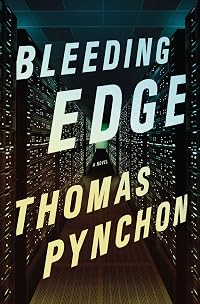
Bleeding Edge
by Thomas Pynchon
On This Page
Description
New York City, 2001. Fraud investigator Maxine Tarnow starts looking into the finances of a computer-security firm and its billionaire geek CEO and discovers there's no shortage of swindlers looking to grab a piece of what's left of the tech bubble.Tags
Recommendations





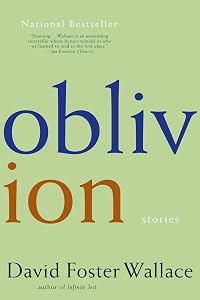
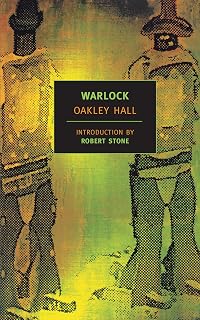
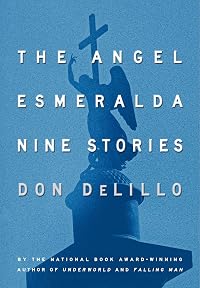
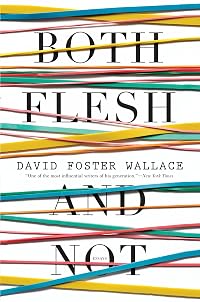
Member Recommendations
Member Reviews
There've been a few novels written about the 11th September 2001 attacks – DeLillo's Falling Man and Jonathan Safran Foer's Extremely Loud and Incredibly Close come to mind – and most of them try to induce, not unreasonably, a visceral and immediate reaction to the tragedy. Pynchon has written about atrocities and tragedies before (most recently in Against the Day), but what's striking about Bleeding Edge is how determined Pynchon is to avoid talking about 9/11 in anything like the same terms. After huge amounts of foreshadowing, the event itself is thrown away almost in passing two thirds of the way through the novel, a remote occurrence that comes mediated through strangers and TV:
Maxine heads for work, puts her head in a local show more smoke shop to grab a newspaper, and finds everybody freaking out and depressed at the same time. Something bad is going on downtown. ‘A plane just crashed into the World Trade Center,’ according to the Indian guy behind the counter.
‘What, like a private plane?’
‘A commercial jet.’
Uh-oh. Maxine goes home and pops on CNN.
What follows is a lengthy examination not of the event itself – which is merely the pretext for a lot of conspiracy-theoretic playfulness – but rather of how people reacted to it. Pynchon sounds angry about it, angrier than I can remember him sounding for a long time. Typically, he hones right in on the vocabulary, objecting in particular to
‘Ground Zero,’ a Cold War term taken from the scenarios of nuclear war so popular in the early sixties. This was nowhere near a Soviet nuclear strike on downtown Manhattan, yet those who repeat ‘Ground Zero’ over and over do so without shame or concern for etymology. The purpose is to get people cranked up in a certain way. Cranked up, scared, and helpless.
Ah, the ‘purpose’. As with many of his books, it's never clear whose purpose, exactly, we're talking about, but there is a strong sense that there's one out there. Something to do with keeping everyone staring at the replaying images on the news channels, US citizens reduced to ‘a viewing population brought back to its default state, dumbstruck, undefended, scared shitless’. ‘Can't you feel it,’ one character asks—
‘how everybody's regressing? 11 September infantilized this country. It had a chance to grow up, instead it chose to default back to childhood.’
This sense of opportunity wasted runs throughout the book. The other opportunity under examination is the internet. The book is set in large part among the early 2000s geek culture, and there is a feeling of almost limitless potential that's about to be exploited or squandered. One pair of programmers has developed an interface for trawling the deep web (a version of the deep web that I don't think ever existed), and their software is being pursued aggressively by ultracapitalists and national governments – they're facing the
same old classic dotcom dilemma, be rich forever or make a tarball out of it and post it around for free, and keep their cred and maybe self-esteem as geeks but stay more or less middle income.
The internet for Pynchon is a way of transcending the constraints of reality – characters can log on and have conversations with people who seem already to be dead, victims of 9/11, victims of secret governmental machinations, whatever…an online version of the much-misunderstood ‘thanatoids’ from Vineland. The web offers a vision of the almost spiritual interconnectedness of humanity, it's a ‘small part of a much vaster integrated continuum’. And yet at the same time this is somehow thematically tied to the twin towers, so that when they come down, the possibilities of this new medium also seem increasingly to be built on very shaky ground.
And all of this is told in Pynchon's characteristically sly, amused, polymathic, stoned-incisive American narrative voice which fascinates me as much as it ever did. He writes dialogue like no one on earth: having spent the last few books doing away with such irritating formalities as ‘he said’, ‘she replied’ etc., he now relays lines of speech with no finite verbs at all, merely leaving you with a few present participles like the stage directions to a radio play:
‘So…’ some presentable young lady spreading her upturned palms, ‘warm and friendly here, right?’
‘And after the stories we heard,’ Lucas nodding, gazing amiably at her tits.
And this technique, writ large, is how he works at the level of paragraph and novel as well. He no longer does the boring necessities; he's found a way to jump straight from incident to incident. Key events or explanations arrive, smilingly without reason; characters bump into each other, simply because it is now necessary that they meet. (‘It seems accidental’, we are told at one point, ‘but there may be no accidents anymore, the Patriot Act may have outlawed them along with everything else.’)
He still believes as strongly as ever in the power of triviality and jokes, which is one of the reasons I'm able to take him so seriously. In this book we have comments about a woman on the side ‘stashed in London he's playing FTSE with’ – cute – a strip club called Joie de Beavre, and a long description of a Scooby-Doo cartoon set in Colombia which concludes with the line, ‘and I would've gotten away with it, too, if it hadn't been for those Medellín kids!’
His long ecstatic flights of descriptive fantasy are fewer here than in some earlier books, but he still puts phrases together perfectly when he needs to. Here's the last description we have of one character:
He's silent, wherever he is. By now one more American sheep the shepherds have temporarily lost track of, somewhere in the high country above this ruinous hour, cragfast in the storm.
Elsewhere attention focuses in on the sky, which is very typical of Pynchon: the threat in his books is always either somewhere above you, or deep below your feet. The sky here ‘takes on a brushed-aluminum underglow’; and later it's ‘a pale battle flag of the ancient nation of winter’. (I love that.) Near the end, our heroine notices ‘clouds moving across a smear of light, maybe the sun, maybe something else’, which is precisely the sort of minatory vagueness that Pynchon has made all his own. There is a paragraph along similar lines in Against the Day, and for that matter in this context one can't help also thinking of the famous opening line to Gravity's Rainbow.
How does he do it? There are lines in his books I read over and over and I still have the feeling that the sense can't be reduced to the words on the page. And this may be the last book we get from him: he was 76 when it came out, half a century since the publication of V. You don't expect people in their mid-seventies to be writing about (to pick an example from this book almost at random) a couple dressing up for Hallowe'en respectively as ‘a NAND gate and Aki Ross from the Final Fantasy movie’.
Bleeding Edge does include one para that's as good a summary of Pynchon's general philosophy as any:
‘No matter how the official narrative of this turns out,’ it seemed to Heidi, ‘these are the places we should be looking, not in newspapers or television but at the margins, graffiti, uncontrolled utterances, bad dreamers who sleep in public and scream in their sleep.’
What he's been bringing us for fifty years. And still showing people a third of his age how it should be done. show less
Maxine heads for work, puts her head in a local show more smoke shop to grab a newspaper, and finds everybody freaking out and depressed at the same time. Something bad is going on downtown. ‘A plane just crashed into the World Trade Center,’ according to the Indian guy behind the counter.
‘What, like a private plane?’
‘A commercial jet.’
Uh-oh. Maxine goes home and pops on CNN.
What follows is a lengthy examination not of the event itself – which is merely the pretext for a lot of conspiracy-theoretic playfulness – but rather of how people reacted to it. Pynchon sounds angry about it, angrier than I can remember him sounding for a long time. Typically, he hones right in on the vocabulary, objecting in particular to
‘Ground Zero,’ a Cold War term taken from the scenarios of nuclear war so popular in the early sixties. This was nowhere near a Soviet nuclear strike on downtown Manhattan, yet those who repeat ‘Ground Zero’ over and over do so without shame or concern for etymology. The purpose is to get people cranked up in a certain way. Cranked up, scared, and helpless.
Ah, the ‘purpose’. As with many of his books, it's never clear whose purpose, exactly, we're talking about, but there is a strong sense that there's one out there. Something to do with keeping everyone staring at the replaying images on the news channels, US citizens reduced to ‘a viewing population brought back to its default state, dumbstruck, undefended, scared shitless’. ‘Can't you feel it,’ one character asks—
‘how everybody's regressing? 11 September infantilized this country. It had a chance to grow up, instead it chose to default back to childhood.’
This sense of opportunity wasted runs throughout the book. The other opportunity under examination is the internet. The book is set in large part among the early 2000s geek culture, and there is a feeling of almost limitless potential that's about to be exploited or squandered. One pair of programmers has developed an interface for trawling the deep web (a version of the deep web that I don't think ever existed), and their software is being pursued aggressively by ultracapitalists and national governments – they're facing the
same old classic dotcom dilemma, be rich forever or make a tarball out of it and post it around for free, and keep their cred and maybe self-esteem as geeks but stay more or less middle income.
The internet for Pynchon is a way of transcending the constraints of reality – characters can log on and have conversations with people who seem already to be dead, victims of 9/11, victims of secret governmental machinations, whatever…an online version of the much-misunderstood ‘thanatoids’ from Vineland. The web offers a vision of the almost spiritual interconnectedness of humanity, it's a ‘small part of a much vaster integrated continuum’. And yet at the same time this is somehow thematically tied to the twin towers, so that when they come down, the possibilities of this new medium also seem increasingly to be built on very shaky ground.
And all of this is told in Pynchon's characteristically sly, amused, polymathic, stoned-incisive American narrative voice which fascinates me as much as it ever did. He writes dialogue like no one on earth: having spent the last few books doing away with such irritating formalities as ‘he said’, ‘she replied’ etc., he now relays lines of speech with no finite verbs at all, merely leaving you with a few present participles like the stage directions to a radio play:
‘So…’ some presentable young lady spreading her upturned palms, ‘warm and friendly here, right?’
‘And after the stories we heard,’ Lucas nodding, gazing amiably at her tits.
And this technique, writ large, is how he works at the level of paragraph and novel as well. He no longer does the boring necessities; he's found a way to jump straight from incident to incident. Key events or explanations arrive, smilingly without reason; characters bump into each other, simply because it is now necessary that they meet. (‘It seems accidental’, we are told at one point, ‘but there may be no accidents anymore, the Patriot Act may have outlawed them along with everything else.’)
He still believes as strongly as ever in the power of triviality and jokes, which is one of the reasons I'm able to take him so seriously. In this book we have comments about a woman on the side ‘stashed in London he's playing FTSE with’ – cute – a strip club called Joie de Beavre, and a long description of a Scooby-Doo cartoon set in Colombia which concludes with the line, ‘and I would've gotten away with it, too, if it hadn't been for those Medellín kids!’
His long ecstatic flights of descriptive fantasy are fewer here than in some earlier books, but he still puts phrases together perfectly when he needs to. Here's the last description we have of one character:
He's silent, wherever he is. By now one more American sheep the shepherds have temporarily lost track of, somewhere in the high country above this ruinous hour, cragfast in the storm.
Elsewhere attention focuses in on the sky, which is very typical of Pynchon: the threat in his books is always either somewhere above you, or deep below your feet. The sky here ‘takes on a brushed-aluminum underglow’; and later it's ‘a pale battle flag of the ancient nation of winter’. (I love that.) Near the end, our heroine notices ‘clouds moving across a smear of light, maybe the sun, maybe something else’, which is precisely the sort of minatory vagueness that Pynchon has made all his own. There is a paragraph along similar lines in Against the Day, and for that matter in this context one can't help also thinking of the famous opening line to Gravity's Rainbow.
How does he do it? There are lines in his books I read over and over and I still have the feeling that the sense can't be reduced to the words on the page. And this may be the last book we get from him: he was 76 when it came out, half a century since the publication of V. You don't expect people in their mid-seventies to be writing about (to pick an example from this book almost at random) a couple dressing up for Hallowe'en respectively as ‘a NAND gate and Aki Ross from the Final Fantasy movie’.
Bleeding Edge does include one para that's as good a summary of Pynchon's general philosophy as any:
‘No matter how the official narrative of this turns out,’ it seemed to Heidi, ‘these are the places we should be looking, not in newspapers or television but at the margins, graffiti, uncontrolled utterances, bad dreamers who sleep in public and scream in their sleep.’
What he's been bringing us for fifty years. And still showing people a third of his age how it should be done. show less
Szerkezetében és világában a Kísérleti fázis sok hasonlóságot mutat a Beépített hibá-val, de én nem annyira annak ápdételt verziójának látom, mint inkább párdarabjának. Ami az előző könyvben Kalifornia a boldog ’70-es években, az itt New York az ezredfordulón. Ami ott az illúzióit lassan lepergető hippi-feeling, az itt a kibertér világa, a bűnbeesés pillanata előtt, után, közben. Ahogy azt a könyvet a háttérből meghatározza a Mansonok gyilkosságsorozata, úgy árnyékolja be ezt a dotkom buborék kipukkadása, a válság, és még valami: a közelgő szeptember 11. A regény szereplői öles léptekkel haladnak a World Trade katasztrófája felé – ők még nem tudják ezt, de mi tudjuk show more helyettük is, és alighanem ez a tudás teszi e könyvet nyugtalanítóbb, sötétebb szöveggé a Beépített hibá-nál. Szóval nem lepődnék meg, ha egy Nagy Amerikai Trilógia középső darabját tisztelhetnénk ebben a regényben – nyugati part kipipálva, keleti part kipipálva, talán nem sokára egy újabb konteóparádénak gyürkőzhet neki a fordító, ezúttal mondjuk Texas vagy Iowa színhellyel.
És hát igen, ez a nyelv… ez még mindig elképesztő. Első pillantásra könnyen emészthető tételről van szó sok lendületes, eleven párbeszéddel, de ez (vigyázat!) csapda. Amit a Súlyszivárvány-ban Pynchon a masszív szövegtextúrával ér el, arról itt a szereplők dialógusai gondoskodnak: az a sok kétértelműséggel, csak-félig-felfogható bennfentes dumával, utalásokkal és hivatkozásokkal teli héderelés teljesen elkábítja az olvasót, beviszi a posztmodern dzsungelbe, és konkrétan úgy érezzük, hogy ki sem keveredünk többé belőle… A Kísérleti fázis újabb remekmű az egyik legzseniálisabb kortárs írótól (Nobelt neki, de most azonnal!), egy paranoid zuhanás a deepweb világába, újabb pynchoni mese a Nagy Republikánus Hazugságról – XXI. századi klasszikus. Konteóhívőknek és ellen-konteóhívőknek melegen ajánlott. show less
És hát igen, ez a nyelv… ez még mindig elképesztő. Első pillantásra könnyen emészthető tételről van szó sok lendületes, eleven párbeszéddel, de ez (vigyázat!) csapda. Amit a Súlyszivárvány-ban Pynchon a masszív szövegtextúrával ér el, arról itt a szereplők dialógusai gondoskodnak: az a sok kétértelműséggel, csak-félig-felfogható bennfentes dumával, utalásokkal és hivatkozásokkal teli héderelés teljesen elkábítja az olvasót, beviszi a posztmodern dzsungelbe, és konkrétan úgy érezzük, hogy ki sem keveredünk többé belőle… A Kísérleti fázis újabb remekmű az egyik legzseniálisabb kortárs írótól (Nobelt neki, de most azonnal!), egy paranoid zuhanás a deepweb világába, újabb pynchoni mese a Nagy Republikánus Hazugságról – XXI. századi klasszikus. Konteóhívőknek és ellen-konteóhívőknek melegen ajánlott. show less
Lost me about a third of the way through, and I remember the line: a throwaway at the end of a paragraph about Maxine, who I guess has a sweet tooth, having been diagnosed with "Chocolate Deficiency Syndrome." Really, Tom, chocolate deficiency? That joke was a wheezer thirty years ago, but I guess the capitalized Syndrome thing is all that's needed to Pynchonize it back to life?
The whole book (to where I gave up) is like that, Pynchon sweating mightly (flop-sweating) to write derivative Pynchon. Dad jokes hoping to come off as effervescent Pop riffing. All the mannerism of V and Gravity's Rainbow but nothing of the drive or the angry inner logic. Endless scenes-that-aren't-really-scenes of people breezily explaining things to one show more another and it all just resolves into a kind of toneless hum after awhile. He tries to piggyback on post-9/11 history to give the logorrheic maundering some urgency but never comes near pulling it off.
Which is maybe where the problem is. The information world of the early 21st century only seems like it's a perfect target for Pynchon's shtick. The paranoid mode in his great work had a warped revelatory quality that, within a society aggressively vaunting its own freedom and openness, gave it almost the force of samizdat. But we live now in a surveillance state so far acknowledged (and unchallenged) it no longer needs to care whether its own secrets are concealed; when everything is on the Internet, equally available and equally inconsequential, the cultural margin on which Pynchon once worked has vanished. This book makes him more spectator than author, a tired (but spry! if grotesquely) self-imitation. show less
The whole book (to where I gave up) is like that, Pynchon sweating mightly (flop-sweating) to write derivative Pynchon. Dad jokes hoping to come off as effervescent Pop riffing. All the mannerism of V and Gravity's Rainbow but nothing of the drive or the angry inner logic. Endless scenes-that-aren't-really-scenes of people breezily explaining things to one show more another and it all just resolves into a kind of toneless hum after awhile. He tries to piggyback on post-9/11 history to give the logorrheic maundering some urgency but never comes near pulling it off.
Which is maybe where the problem is. The information world of the early 21st century only seems like it's a perfect target for Pynchon's shtick. The paranoid mode in his great work had a warped revelatory quality that, within a society aggressively vaunting its own freedom and openness, gave it almost the force of samizdat. But we live now in a surveillance state so far acknowledged (and unchallenged) it no longer needs to care whether its own secrets are concealed; when everything is on the Internet, equally available and equally inconsequential, the cultural margin on which Pynchon once worked has vanished. This book makes him more spectator than author, a tired (but spry! if grotesquely) self-imitation. show less
A staggering weight comes across the shelf. It has happened before, but at this point in his career there are quite a few masterpieces to compare it to now. As America's greatest living novelist, each book he releases feels like it should be a bombshell, ever-escalating shocks of genius radiating out for as far as there's literary terrain left to expose to new light. Bleeding Edge, which is unquestionably a great novel, funny and moving and as clever as any number of competitors put together, is not on the same level of revelation as the Three Doorstops of Gravity's Rainbow, Mason & Dixon, and Against the Day. It's instead by far the most "normal" book he's ever written, meaning it contains the fewest goofy songs, ludicrous Dickensian show more names, drug-addled digressions, or egregiously stupid/brilliant puns, though all of those elements definitely appear. I won't call it "mature", since he's been ahead of the game ever since his very first book, but this is his first novel to seem like it was written by a father, someone with real roots in the ordinary quotidian life of school days, sleepovers, and the rest of the thankless but necessary work done by any ordinary parent.
Maxine Tarnow, the star of this particular show, will conjure up inescapable memories of Oedipa Maas in The Crying of Lot 49. They're similar in many ways, in only one of the elements of resonance that this book has with his earlier works - they're both smart, inquisitive women with husbands in varying stages of detachment, who investigate rapidly expanding mysteries with some degree of illumination, bafflement, and mildly erotic peril. Maxine is far more of a real human being, however, with a job, children, and friends, none of which Oedipa seemed to have. It's difficult to read the book's opening and closing scenes of maternal concern and not think that Pynchon's own fatherhood has changed his writing dramatically, in the sense of getting him more interested in the day-to-day details of people's lives, and less interested in stringing scenes together around obscure trivia he dredged up from an atlas or dictionary, as he claimed he used to do in his introduction to Slow Learner. Not only do people worry about their children in Bleeding Edge, they have real conversations; in particular, the banter between Maxine and her friend Heidi is some of the funniest dialogue he's ever written. Even Maxine's relationship arc with her ex-husband is well-done; the scene where their kids catch them slow-dancing together is a combination of funny and moving that he's done only rarely before.
Another change in his writing, besides the focus on grown-up themes, is how much calmer it's gotten, to the extent that it's hard to believe that he once wrote books featuring immortal light bulbs, robot ducks, or sentient tornadoes. He's still the same writer who seemed to know everything there was to know about the history of Malta, medieval postal societies, the orthography of Central Asian languages, or Chinese occult practices, but he's turned his eye back to New York City again, giving it much more attention and detail than he did when he used it as part of the setting of V. I once read a quote to the effect that New York is the only city you can write about without sounding provincial; whether that's true or not, since I can imagine it being both a small canvas for a great artist and an impossibly daunting one for a lesser artist, Pynchon gives the city the same treatment he's given to the more exotic locales he's used over the years, filling it with all the little details that will jump out at anyone who's ever visited or lived there. Additionally, instead of throwing in highbrow references to Maxwell's Demon or quaternions, there's Dragonball Z, Jennifer Aniston hair, Final Fantasy X, Pokémon, and countless more pop culture items, handled with a deftness amazing for a 76 year-old, or indeed most people. It's hard to write about pop culture and not sound clunky, if you're old, or shallow, if you write for an indie music review site, so although it's less "mindblowing" that he's writing about all this familiar everyday stuff instead of his more abstruse encyclopedia findings, his evocation of the 9/11 era is still impressive.
Speaking of 9/11, I really appreciated the way he handled it. It would be easy for a lesser writer to milk the event for tears and sentiment through some pompous literary overwriting, but instead everyone in the book behaves like a normal person and has exactly the kind of emotions you remember from 12 years ago. There's a nod to quasi-truther theories, but only as a way for him to work in his trademark paranoia theme, which aside from a joke or two like "Paranoia is the garlic in life's kitchen", is absent here to a degree greater than every other book aside from maybe Mason & Dixon in spite of Maxine's investigation's resemblances to Oedipa's famously paranoia-soaked quest. One irritating trope I've noticed among critics of his more recent works is this idea that he writes "shaggy dog" stories - that is, his books are merely extended versions of the famous "We're the aristocrats!" routine or that knock-knock joke that ends in "Orange you glad I didn't say banana again?" - the implication is that Pynchon is just stringing the reader along like a sucker, rambling on about paranoia, conspiracies, and so forth, teasing with the possibility of meaning, and then ending his books with a yuk and a rimshot, cheating them of the glorious sense of emotional, aesthetic, and narrative closure you get in a true masterpiece like, say, a Jonathan Franzen novel. I would be tempted to dismiss this stupid, borderline illiterate criticism as either sour grapes or straightforward philistinism, but I was glad to see that Pynchon decided to make fun of that line of thinking himself with a literal Shaggy dog story, a description of the unfortunately fictional "Scooby Goes Latin!" cartoon Maxine's kids are watching:
"Shaggy, somehow allowed to drive the van, has become confused and made some navigational errors, landing the adventurous quintet eventually in Medellín, Colombia, home at the time to a notorious cocaine cartel, where they stumble onto a scheme by a rogue DEA agent to gain control of the cartel by pretending to be the ghost - what else - of an assassinated drug kingpin. With the help of a pack of local street urchins, however, Scooby and his pals foil the plan.
The cartoon comes back on, the villain is brought to justice. "And I would've got away with it, too," he complains, "if it hadn’t been for those Medellín kids!"
I personally can't get enough of those amazing/retarded puns, and I vehemently disagree that they make the book any less meaningful. Where did this idea come from that the only way to make real points about life is to be as grim and unsmiling as possible? To embed a silly throwaway joke like that into a scene of parental worry and care might strike some as perversely unserious, but I prefer to think of it as a greater appreciation for the way that different feelings can coexist with each other at the same time, as well as an admirable refusal to let a good joke go to waste (though it's not as ludicrous as Gravity's Rainbow's incredible "For De Mille, young fur-henchmen can't be rowing" pun). It's not like the book doesn't have a lot of feelings in it, despite the existence of things like strip clubs called Joie de Beavre; on the contrary it has plenty of moments as heartfelt as Roger and Jessica's doomed love affair, Mason and Dixon's enduring friendship, or the fidelity of the Chums of Chance. The DeepArcher webspace that drives Maxine's actions becomes, instead of a bland technothriller or cringe-inducing salad of unhip hacker jokes, a great vehicle for ideas about freedom, privacy, and choice, which will resonate even for those not as infamously attention-averse as Pynchon.
To the extent that it's possible to be disappointed by this book, it can only be due to a failure to meet impossibly lofty expectations, that every Pynchon novel will be a brand new wildly soaring V2 rocket of words airbursting new relationships to Art, Life, and Literature above the reader's head each time. As a massive fan of his, it's true that Mason & Dixon was the last time I felt that Pynchon was writing with the sense that he had something to prove; certainly there's nothing here that would challenge anyone in the same way that his earlier tomes did and still do. Yet it's impossible to read this product of time and experience and not feel amused, entertained, and moved. I'll leave it to future generations of critics to determine exactly where in the literary hierarchy this portrait of a city and country at a critical moment fits; as a fan of words in books, I thought it was great. show less
Maxine Tarnow, the star of this particular show, will conjure up inescapable memories of Oedipa Maas in The Crying of Lot 49. They're similar in many ways, in only one of the elements of resonance that this book has with his earlier works - they're both smart, inquisitive women with husbands in varying stages of detachment, who investigate rapidly expanding mysteries with some degree of illumination, bafflement, and mildly erotic peril. Maxine is far more of a real human being, however, with a job, children, and friends, none of which Oedipa seemed to have. It's difficult to read the book's opening and closing scenes of maternal concern and not think that Pynchon's own fatherhood has changed his writing dramatically, in the sense of getting him more interested in the day-to-day details of people's lives, and less interested in stringing scenes together around obscure trivia he dredged up from an atlas or dictionary, as he claimed he used to do in his introduction to Slow Learner. Not only do people worry about their children in Bleeding Edge, they have real conversations; in particular, the banter between Maxine and her friend Heidi is some of the funniest dialogue he's ever written. Even Maxine's relationship arc with her ex-husband is well-done; the scene where their kids catch them slow-dancing together is a combination of funny and moving that he's done only rarely before.
Another change in his writing, besides the focus on grown-up themes, is how much calmer it's gotten, to the extent that it's hard to believe that he once wrote books featuring immortal light bulbs, robot ducks, or sentient tornadoes. He's still the same writer who seemed to know everything there was to know about the history of Malta, medieval postal societies, the orthography of Central Asian languages, or Chinese occult practices, but he's turned his eye back to New York City again, giving it much more attention and detail than he did when he used it as part of the setting of V. I once read a quote to the effect that New York is the only city you can write about without sounding provincial; whether that's true or not, since I can imagine it being both a small canvas for a great artist and an impossibly daunting one for a lesser artist, Pynchon gives the city the same treatment he's given to the more exotic locales he's used over the years, filling it with all the little details that will jump out at anyone who's ever visited or lived there. Additionally, instead of throwing in highbrow references to Maxwell's Demon or quaternions, there's Dragonball Z, Jennifer Aniston hair, Final Fantasy X, Pokémon, and countless more pop culture items, handled with a deftness amazing for a 76 year-old, or indeed most people. It's hard to write about pop culture and not sound clunky, if you're old, or shallow, if you write for an indie music review site, so although it's less "mindblowing" that he's writing about all this familiar everyday stuff instead of his more abstruse encyclopedia findings, his evocation of the 9/11 era is still impressive.
Speaking of 9/11, I really appreciated the way he handled it. It would be easy for a lesser writer to milk the event for tears and sentiment through some pompous literary overwriting, but instead everyone in the book behaves like a normal person and has exactly the kind of emotions you remember from 12 years ago. There's a nod to quasi-truther theories, but only as a way for him to work in his trademark paranoia theme, which aside from a joke or two like "Paranoia is the garlic in life's kitchen", is absent here to a degree greater than every other book aside from maybe Mason & Dixon in spite of Maxine's investigation's resemblances to Oedipa's famously paranoia-soaked quest. One irritating trope I've noticed among critics of his more recent works is this idea that he writes "shaggy dog" stories - that is, his books are merely extended versions of the famous "We're the aristocrats!" routine or that knock-knock joke that ends in "Orange you glad I didn't say banana again?" - the implication is that Pynchon is just stringing the reader along like a sucker, rambling on about paranoia, conspiracies, and so forth, teasing with the possibility of meaning, and then ending his books with a yuk and a rimshot, cheating them of the glorious sense of emotional, aesthetic, and narrative closure you get in a true masterpiece like, say, a Jonathan Franzen novel. I would be tempted to dismiss this stupid, borderline illiterate criticism as either sour grapes or straightforward philistinism, but I was glad to see that Pynchon decided to make fun of that line of thinking himself with a literal Shaggy dog story, a description of the unfortunately fictional "Scooby Goes Latin!" cartoon Maxine's kids are watching:
"Shaggy, somehow allowed to drive the van, has become confused and made some navigational errors, landing the adventurous quintet eventually in Medellín, Colombia, home at the time to a notorious cocaine cartel, where they stumble onto a scheme by a rogue DEA agent to gain control of the cartel by pretending to be the ghost - what else - of an assassinated drug kingpin. With the help of a pack of local street urchins, however, Scooby and his pals foil the plan.
The cartoon comes back on, the villain is brought to justice. "And I would've got away with it, too," he complains, "if it hadn’t been for those Medellín kids!"
I personally can't get enough of those amazing/retarded puns, and I vehemently disagree that they make the book any less meaningful. Where did this idea come from that the only way to make real points about life is to be as grim and unsmiling as possible? To embed a silly throwaway joke like that into a scene of parental worry and care might strike some as perversely unserious, but I prefer to think of it as a greater appreciation for the way that different feelings can coexist with each other at the same time, as well as an admirable refusal to let a good joke go to waste (though it's not as ludicrous as Gravity's Rainbow's incredible "For De Mille, young fur-henchmen can't be rowing" pun). It's not like the book doesn't have a lot of feelings in it, despite the existence of things like strip clubs called Joie de Beavre; on the contrary it has plenty of moments as heartfelt as Roger and Jessica's doomed love affair, Mason and Dixon's enduring friendship, or the fidelity of the Chums of Chance. The DeepArcher webspace that drives Maxine's actions becomes, instead of a bland technothriller or cringe-inducing salad of unhip hacker jokes, a great vehicle for ideas about freedom, privacy, and choice, which will resonate even for those not as infamously attention-averse as Pynchon.
To the extent that it's possible to be disappointed by this book, it can only be due to a failure to meet impossibly lofty expectations, that every Pynchon novel will be a brand new wildly soaring V2 rocket of words airbursting new relationships to Art, Life, and Literature above the reader's head each time. As a massive fan of his, it's true that Mason & Dixon was the last time I felt that Pynchon was writing with the sense that he had something to prove; certainly there's nothing here that would challenge anyone in the same way that his earlier tomes did and still do. Yet it's impossible to read this product of time and experience and not feel amused, entertained, and moved. I'll leave it to future generations of critics to determine exactly where in the literary hierarchy this portrait of a city and country at a critical moment fits; as a fan of words in books, I thought it was great. show less
Somewhat idiotically, when I started this novel I didn’t realise it was Pynchon’s take on 9/11. I read it because it gave me the impression of being funny. It was certainly more digestible than [b:Vineland|59721|Vineland|Thomas Pynchon|https://i.gr-assets.com/images/S/compressed.photo.goodreads.com/books/1357603865l/59721._SY75_.jpg|1934], the only other Pynchon I’ve tackled to date. As hoped, ‘Bleeding Edge’ was indeed funny, in fact I would describe its mood as ludic, febrile, and madcap. That is, until the date September 11th arrives. Thereafter the pace stalls, although by the end it has accelerated back to its previous speed. The narrative follows around Maxine Tarnow, a fraud investigator, as she investigates possible show more conspiracies whilst dealing with a huge cast of friends, frenemies, troublesome family members, acquaintances, colleagues, ex-husbands, friends-of-friends, and persons miscellaneous. One thing I love about Pynchon is his ear for a great name, which I noticed in [b:Vineland|59721|Vineland|Thomas Pynchon|https://i.gr-assets.com/images/S/compressed.photo.goodreads.com/books/1357603865l/59721._SY75_.jpg|1934]. Memorable forenames in this novel include Tallis, March, Horst, Driscoll, and Igor. Given the huge cast, it seemed vital to read the book in large chunks to avoid giving my brain the chance to forget who they all were.
As to whether ‘Bleeding Edge’ provides a deep insight into America before and after 9/11, I’m not sure. How would I know? It conveys a certain atmospheric shift very effectively and the foreshadowing is suitably portentous yet bathetic. There was a certain self-conscious cleverness and superficiality to the dialogue that I enjoyed. I ground my teeth at the use of ‘sez’ for ‘says’, but liked it when such verbs were skipped altogether, for example, “Hey Brooke?” Maxine eventually’. Pynchon’s distinctive style appeals to me, perhaps more than the actual happenings of the book did. I assume that the point was for the plot to be oblique and unresolved, to increase the sense of being at the fringe of incomprehensible events. Overall, it was picaresque and fun in a peculiar way. One of these days I must tackle the grand tome [b:Against the Day|409|Against the Day|Thomas Pynchon|https://i.gr-assets.com/images/S/compressed.photo.goodreads.com/books/1276429450l/409._SY75_.jpg|3016553]. show less
As to whether ‘Bleeding Edge’ provides a deep insight into America before and after 9/11, I’m not sure. How would I know? It conveys a certain atmospheric shift very effectively and the foreshadowing is suitably portentous yet bathetic. There was a certain self-conscious cleverness and superficiality to the dialogue that I enjoyed. I ground my teeth at the use of ‘sez’ for ‘says’, but liked it when such verbs were skipped altogether, for example, “Hey Brooke?” Maxine eventually’. Pynchon’s distinctive style appeals to me, perhaps more than the actual happenings of the book did. I assume that the point was for the plot to be oblique and unresolved, to increase the sense of being at the fringe of incomprehensible events. Overall, it was picaresque and fun in a peculiar way. One of these days I must tackle the grand tome [b:Against the Day|409|Against the Day|Thomas Pynchon|https://i.gr-assets.com/images/S/compressed.photo.goodreads.com/books/1276429450l/409._SY75_.jpg|3016553]. show less
This was a sublime experience. Jeannie Berlin does not perform the work as much as she creates it. Never before have I described an audiobook presentation as ballsy, but that is what this is. With this novel, Pynchon reveals what many suspected all along -- California was just a dream for him; Pynchon has been grounded in New York his whole life. Hands down the best New York novel (ever?) of at least the last fifty years. Just when you thought the old con artist has no more tricks up his sleeve we get this.
Why did I like Jeannie Berlin's performance so damn much? Other fools have attacked it. I guess they don't feel they are getting their money's worth from an audiobook unless it is read by Jeremy Irons. Jeannie Berlin's voice, a show more slightly nasally approaching tenor drawl with subdued New Yawk notes, becomes a new character in the novel, adding onto Pynchon's masterwork, rather than merely performing it. She is the voice of the Jewish over-mother that used to rule New York but has been silenced by money and assimilation. Berlin's voice is jarringly haunting for the first two discs, but by the final two it is a warm thorny blanket of love and judgment. show less
Why did I like Jeannie Berlin's performance so damn much? Other fools have attacked it. I guess they don't feel they are getting their money's worth from an audiobook unless it is read by Jeremy Irons. Jeannie Berlin's voice, a show more slightly nasally approaching tenor drawl with subdued New Yawk notes, becomes a new character in the novel, adding onto Pynchon's masterwork, rather than merely performing it. She is the voice of the Jewish over-mother that used to rule New York but has been silenced by money and assimilation. Berlin's voice is jarringly haunting for the first two discs, but by the final two it is a warm thorny blanket of love and judgment. show less
Wow.
Wow wow wow.
I lived through the late nineties Silicon Alley phenomenon when it felt like it was falling apart (my first company changed from a Systems to a Solutions to a Razorfish in the span of a year), and Pynchon did an excellent job of capturing it. The book was people with the usual Pynchon-esque conspiracies, bagfuls of characters, genuinely laugh-out-loud moments, and touching come downs, as well.
I actually enjoyed Pynchon's take on 11 September, as well as the craziness of some of those Silicon Alley days, but it's just how Pynchon writes so effortlessly, I love lines like:
"Scrutinizing, as if for evidence of occupancy, a cheese danish he has impulsively bought."
"If you were doing something in secret and didn't want the show more attention, what better way to have it ridiculed and dismissed than bring in a few Californian elements?"
Some of the lines are cheesy, like "Maxine could run workshops in Conquering Eyeroll," but even in those you get the sense of a man completely happy in what he's doing, which is writing a breathtaking novel which speeds along through the Upper West Side and a changing New York City.
At any rate, I loved this book, laughed out loud a lot while I was reading it, and enjoyed Mr. Pynchon's take on early 2000s New York City. show less
Wow wow wow.
I lived through the late nineties Silicon Alley phenomenon when it felt like it was falling apart (my first company changed from a Systems to a Solutions to a Razorfish in the span of a year), and Pynchon did an excellent job of capturing it. The book was people with the usual Pynchon-esque conspiracies, bagfuls of characters, genuinely laugh-out-loud moments, and touching come downs, as well.
I actually enjoyed Pynchon's take on 11 September, as well as the craziness of some of those Silicon Alley days, but it's just how Pynchon writes so effortlessly, I love lines like:
"Scrutinizing, as if for evidence of occupancy, a cheese danish he has impulsively bought."
"If you were doing something in secret and didn't want the show more attention, what better way to have it ridiculed and dismissed than bring in a few Californian elements?"
Some of the lines are cheesy, like "Maxine could run workshops in Conquering Eyeroll," but even in those you get the sense of a man completely happy in what he's doing, which is writing a breathtaking novel which speeds along through the Upper West Side and a changing New York City.
At any rate, I loved this book, laughed out loud a lot while I was reading it, and enjoyed Mr. Pynchon's take on early 2000s New York City. show less
Members
- Recently Added By
Published Reviews
ThingScore 83
[I]n Bleeding Edge Pynchon is prepared to handle material even chancier than Anti-Life or creature-feature cheese. As the organ reverberates, at the end of chapter nine, after someone in the summer of 2001 tells a nervous little New Yorker whose father works in the building that the WTC is built like a battleship, Pynchon declares his paradoxical readiness—under special, limited show more circumstances—to abandon irony entirely. At this moment—when innocence, irony’s eternal patsy, needs to be protected—the postmodern deflector shields buckle, then collapse, bathing the USS Bleeding Edge in a burst of parental love and remorse. show less
added by melmore
No doubt a good genre book is worth more than a bad literary one any day, but when a writer with real genius squanders so much of his energy on clowning – and for an audience it's not at all clear he respects – it's worth asking what's going on. The idea that jokes are a defence against intimacy is a cliche – perhaps they can also be a defence against close reading.
added by melmore
Pynchon depicts the world as he sees it, riddled by the depredations of greed, conspiracy and intolerance, of entropies both human-engineered and cosmically imposed. But his novels take the form of the world as he wishes it, hence their mighty powers of consolation. The freedoms and duties Pynchon assigns himself are those he desires on our behalf — lasciviousness, punning inanity, attention show more to the routinely sublime but also to the inevitability of suffering, love for the underdog and a home in our hearts for the dead. Also, license to attempt disappearance into some radical space adjacent to history, and to daily life — what the anarchist philosopher Hakim Bey has called “Temporary Autonomous Zones” — even if the costs of such jaunts are, in the end, punishingly high. show less
added by melmore
Lists

Top Five Books of 2013
1,562 works; 721 members

National Book Award Finalists - Fiction
377 works; 12 members

Pynchon ranked
10 works; 1 member

September 11, 2001
19 works; 4 members

Kirkus Reviews Best Fiction of 2013
99 works; 6 members

Thomas Pynchon books
10 works; 1 member
Author Information

31+ Works 51,382 Members
Thomas Pynchon was born in Glen Cove, New York on May 8, 1937. In 1959 he graduated with a B.A. in English from Cornell, where he had taken Vladimir Nabokov's famous course in modern literature after studying engineering physics and serving in the U.S. Navy for two years. He worked as a technical writer at Boeing for two and a half years. Pynchon show more won the Faulkner First Novel Award for V. in 1963, and in The Crying of Lot 49 (1966), again his symbolism and commentary on the United States and human isolation have been praised as intricate and masterly, though some reviewers found it to be maddeningly dense. With this book Pynchon won the Rosenthal Foundation Award. Gravity's Rainbow, winner of the National Book Award for Fiction in 1974, is in part a fictional elegy and meditation on death and an encyclopedic work that jumps through time. Pynchon has also written numerous essays, reviews, and introductions, plus the fictional works Slow Learner, Vineland, Mason & Dixon, Against the Day, and Inherent Vice. His title Bleeding Edge made The New York Times Best Seller List for 2013. He is famous for his reclusive nature, although he has made several animated appearances on The Simpsons television series. (Bowker Author Biography) show less
Some Editions
Awards and Honors
Awards
Distinctions
Notable Lists
Common Knowledge
- Canonical title*
- Bleeding Edge
- Original title
- Bleeding Edge
- Original publication date
- 2013-09-17
- People/Characters
- Maxine Tarnow; Gabriel Ice
- Important places
- New York, New York, USA
- Important events
- September 11 Attacks; Dot-com bust
- Epigraph
- New York as a character in a mystery novel would not be the detective, would not be the murderer. It would be the enigmatic suspect who knows the real story but isn't going to tell it.
--Donald E. Westlake - First words
- It's the first day of spring 2001, and Maxine Tarnow, though some still have her in their system as Loeffler, is walking her boys to school.
- Quotations*
- Genau, mal was anderes. Was war denn jetzt die Alternative? Sie ist wieder ganz in Anspruch genommen von der täglichen Routine, sie tut, als wäre alles wieder normal, sie hüllt sich gegen die Winterkälte der Eventualität... (show all)en zitternd in eine fadenscheinige Decke aus Bilanzen für das erste Quartal, Schulkomiteesitzungen und fehlerhaften Rechnungen der Kabelgesellschaft, aus Arbeitstagen voller Leute mit jämmerlichen Phantasien, für die "Betrug" ein oft zu elegantes Wort ist , und den Bewohnern der Wohnung über Ihr, für die das Abdichten des Badewannenabflusses ein abwegiges Konzept darstellt, aus Symptomen der oberen Luft- und unteren Darmwege, und das alles in dem rührenden Glauben, dass man sich mit Versicherungen und Sicherheitsausstattungen, mit Gesundheitsdiäten und regelmäßigem Training darauf einstellen kann, und dass das Böse nie aus heiterem Himmel herabstürzen und mitten in jedermanns hoch aufragender Verblendung, man sei davon ausgenommen, explodieren wird...
Wenn Du wissen willst, wie die Zukunft des Films aussieht: immer größere Übertragungsraten, immer mehr Videodateien im Internet, irgendwann ist es dann so weit, dass alle alles filmen - viel zu viel, um es sich anzusehen, ... (show all)und nichts davon wird mehr irgendwas bedeuten. Wenn es so weit ist, danke daran, dass ich es prophezeit habe.
Ja, und das Internet war ihre Erfindung, dieses Zauberding, das wie ein Geruch noch in die letzten Winkel unseres Lebens dringt, das Einkaufen, die Hausarbeit, die Hausaufgaben und die Steuererklärung erledigt, unsere Energi... (show all)e verbraucht und unsere kostbare Zeit frisst. Und darum gebt es da keine Unschuld. Nirgends. Hat es nie gegeben. Das Internet ist aus Sünde geboren, aus der schlimmsten Sünde, die es gibt. Und während es gewachsen ist, hat es nie aufgehört, diesen bitterkalten Todeswunsch für den Planeten im Herzen zu tragen, und glaub bloß nicht, dass sich daran irgendwas geändert hat- - Last words
- (Click to show. Warning: May contain spoilers.)She can watch them into the elevator at least.
- Original language*
- Inglese
*Some information comes from Common Knowledge in other languages. Click "Edit" for more information.
Classifications
Statistics
- Members
- 1,933
- Popularity
- 11,021
- Reviews
- 56
- Rating
- (3.56)
- Languages
- 10 — Danish, English, French, German, Hungarian, Italian, Polish, Spanish, Swedish, Portuguese (Portugal)
- Media
- Paper, Audiobook, Ebook
- ISBNs
- 32
- ASINs
- 9