On This Page
Description
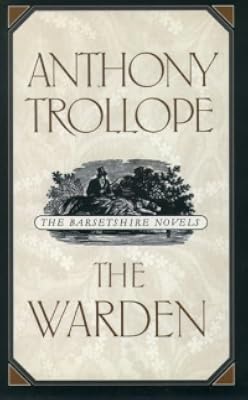
The first of Anthony Trollope's works to receive widespread popular and critical acclaim, The Warden follows the career of Septimus Harding, the warden of an almshouse—an early form of subsidized housing for the poor—who is forced to adapt to looming social changes when a zealous young reformer comes on the scene. Confusion, crossed wires, and much hilarity ensue. A must-read for fans of witty social satire..
Tags
Recommendations
















Member Reviews
I had been warned that this is not Anthony Trollope's most exciting novel, but as it is the first in the Barsetshire Chronicles and I had a copy at hand, it was the first Trollope that I've read. It hasn't generally aged well, nineteenth century Church of England politics being somewhat out of fashion as a topic of interest, but the writing is strong and reminded me why I enjoy Victorian authors so much.
Reverend Harding is a pleasant, ineffectual man who has a sinecure as the warden of a small retirement home for deserving working class men that includes a house with pleasant gardens and an annual salary of 800 pounds, given to him because one of his two daughters had married the son of the bishop. Here he lives comfortably, enjoying show more his music, reading books and visiting the old men in the adjoining hospital now and again. His life would have continued in pleasant routine had not a spirit of reform begun to sweep England and a young reformer, the aptly named John Bold, questioned the generosity of the annual allowance.
Trollope is clearly on the side of the status quo, and he breaks from the narrative to complain about the tactics of an author (supposedly Charles Dickens), whom he calls Mr Popular Sentiment, and who he accuses of biasing the public by creating characters and situations that manipulate the reader into sympathy with his poor working class characters. Of course, Trollope is doing exactly the same thing here; Harding is so mild and inoffensive that it is impossible not to hope that he can keep his generous and largely unearned salary.
Outside of the machinations of the lawyers, clergymen and journalists, there is a sub-plot involving Harding's unmarried daughter and John Bold. They had feelings for each other before Bold discovered possible shady dealings on the matter of the wardenship and it's uncertain as to whether their love will survive the conflict. This part of the novel is particularly satisfying, as Eleanor is an interesting character and Bold's conflict as he tries to do what he sees is right without losing her love results in the most satisfying chapters in this brief novel.
I'm looking forward to continuing on with the Barsetshire Chronicles. show less
Reverend Harding is a pleasant, ineffectual man who has a sinecure as the warden of a small retirement home for deserving working class men that includes a house with pleasant gardens and an annual salary of 800 pounds, given to him because one of his two daughters had married the son of the bishop. Here he lives comfortably, enjoying show more his music, reading books and visiting the old men in the adjoining hospital now and again. His life would have continued in pleasant routine had not a spirit of reform begun to sweep England and a young reformer, the aptly named John Bold, questioned the generosity of the annual allowance.
Trollope is clearly on the side of the status quo, and he breaks from the narrative to complain about the tactics of an author (supposedly Charles Dickens), whom he calls Mr Popular Sentiment, and who he accuses of biasing the public by creating characters and situations that manipulate the reader into sympathy with his poor working class characters. Of course, Trollope is doing exactly the same thing here; Harding is so mild and inoffensive that it is impossible not to hope that he can keep his generous and largely unearned salary.
Outside of the machinations of the lawyers, clergymen and journalists, there is a sub-plot involving Harding's unmarried daughter and John Bold. They had feelings for each other before Bold discovered possible shady dealings on the matter of the wardenship and it's uncertain as to whether their love will survive the conflict. This part of the novel is particularly satisfying, as Eleanor is an interesting character and Bold's conflict as he tries to do what he sees is right without losing her love results in the most satisfying chapters in this brief novel.
I'm looking forward to continuing on with the Barsetshire Chronicles. show less
I've not read Trollope before, and just recently decided it was time to fill that particular gap in my education, so resolved to begin picking up nice copies of his works as I found them. Quite literally the next day there was a lovely near-complete set of the Barsetshire books (Everyman's Library edition) on the shelves at a local shop, and I couldn't resist just adding the lot of them to my shelves. A copy of the missing volume was easily obtained, and now I can look forward to savoring them (that is, if I can manage not to read them all in one grand bacchanal, which may be difficult to avoid if this first dip into the pool is any indication).
What a delight this was! A lush, leisurely story, filled with dry humor, an intriguing cast show more of characters, and with a real moral dilemma at its heart. And ooooh, that Archdeacon Grantly! From the very first I had this "no way this can possibly end well" sense, and it was a great pleasure to see how Trollope brought it all together. Effectively satirical and deeply amusing, this volume has very much made me want to read more. show less
What a delight this was! A lush, leisurely story, filled with dry humor, an intriguing cast show more of characters, and with a real moral dilemma at its heart. And ooooh, that Archdeacon Grantly! From the very first I had this "no way this can possibly end well" sense, and it was a great pleasure to see how Trollope brought it all together. Effectively satirical and deeply amusing, this volume has very much made me want to read more. show less
My first Trollope and very much as I’d been led to expect, but surprising in many ways, too. The title character, a middling churchman called Harding, benefits from the wardenship, in the gift of the Bishop, of an endowed invalid hospital and the cushy income that comes with it, some centuries after the original bequest. Innocent as the day is long, he plays his cello, carries out his trifling episcopal duties, and draws his £800 p.a. until fine young social reformer, and suitor of the Warden’s daughter, John Bold, takes it on himself to campaign for a distribution of the old legacy more equable and in keeping with the ancient benefactor’s intention. Suddenly the Warden’s world is wobbling, and the more he thinks about it, the show more more convinced he is that he’s been living fraudulently.
It’s the anti-Dickens — no-one is all good or all bad, no heroes and certainly no villains here. Trollope in one of his very many authorial intrusions even mock-apologizes for the somewhat derogatory portrayal of one character, insisting that he has many redeeming qualities that simply weren’t relevant to the story. The Trollopisms are generally well-received but do sometimes get in the way of things — but no more so than Thackerayisms, Dickensisms, etc.
Speaking of Dickens, he’s in the pillory here as “Mr Popular Sentiment”, a novelist who takes up the cudgels for Bold. It’s a slam dunk as far as I’m concerned — Dickens is ludicrously sentimental, a populist, a writer shamelessly pandering to his public. But he’s also a writer of genius, sometimes, who produces prose that not only would be outside Trollope’s ambit but would embarrass a Trollope novel — descriptive journalistic passages like when Dickens delves into the grime of the street or of journalism or of drawing rooms, in a way Trollope would never dare do. Here we get high-handed satire of journalism and politics, but it’s essayistic.
Dickens for all his flaws was a democratic author, someone who wrote everything he saw and saw most things more or less unprejudicedly. Trollope, we realise in the last chapter or two of The Warden, is a very conservative voice, who genuinely believes that if the oppressed would just shut up about their oppression, they’d die happy and grateful to their betters. I found the ending of this novel unpalatable, but I really liked spending time with the Warden, a beautifully realized character, and the other habituees of this amusing sliver of C19 English life. show less
It’s the anti-Dickens — no-one is all good or all bad, no heroes and certainly no villains here. Trollope in one of his very many authorial intrusions even mock-apologizes for the somewhat derogatory portrayal of one character, insisting that he has many redeeming qualities that simply weren’t relevant to the story. The Trollopisms are generally well-received but do sometimes get in the way of things — but no more so than Thackerayisms, Dickensisms, etc.
Speaking of Dickens, he’s in the pillory here as “Mr Popular Sentiment”, a novelist who takes up the cudgels for Bold. It’s a slam dunk as far as I’m concerned — Dickens is ludicrously sentimental, a populist, a writer shamelessly pandering to his public. But he’s also a writer of genius, sometimes, who produces prose that not only would be outside Trollope’s ambit but would embarrass a Trollope novel — descriptive journalistic passages like when Dickens delves into the grime of the street or of journalism or of drawing rooms, in a way Trollope would never dare do. Here we get high-handed satire of journalism and politics, but it’s essayistic.
Dickens for all his flaws was a democratic author, someone who wrote everything he saw and saw most things more or less unprejudicedly. Trollope, we realise in the last chapter or two of The Warden, is a very conservative voice, who genuinely believes that if the oppressed would just shut up about their oppression, they’d die happy and grateful to their betters. I found the ending of this novel unpalatable, but I really liked spending time with the Warden, a beautifully realized character, and the other habituees of this amusing sliver of C19 English life. show less
This review could be subtitled, "In which I develop a fondness for Anthony Trollope." A couple of years ago I gave up on Barchester Towers, and while I had my reasons I never felt good about it. This time I decided to start at the beginning of Trollope's Chronicles of Barsetshire, and I'm glad I did.
Septimus Harding is warden and precentor of Barchester Cathedral. The Warden's duties also include the care of twelve elderly gentlemen living in an almshouse associated with the cathedral. Harding is getting on in years, and enjoys the stability and limited demands of his position. He has a good relationship with the bishop:
The bishop and Mr. Harding loved each other warmly. They had grown old together, and had together spent many, many show more years in clerical pursuits and clerical conversation. When one of them was a bishop and the other only a minor canon they were even then much together; but since their children had married, and Mr. Harding had become warden and precentor, they were all in all to each other. I will not say that they managed the diocese between them, but they spent much time in discussing the man who did, and in forming little plans to mitigate his wrath against church delinquents, and soften his aspirations for church dominion.
But Harding is on more tenuous terms with the second in command, archdeacon Dr. Grantly who, incidentally, is also Harding's son-in-law. Dr. Grantly is rather full of himself, in an amusing way:
In the diocese of Barchester the Archdeacon of Barchester does the work. In that capacity he is diligent, authoritative, and, as his friends particularly boast, judicious. His great fault is an overbearing assurance of the virtues and claims of his order, and his great foible is an equally strong confidence in the dignity of his own manner and the eloquence of his own words.
There's trouble afoot in Barchester, and it comes not so much from Grantly as from John Bold, a young attorney interested both in Harding's younger daughter Elinor, and in making a name for himself. His approach to the latter is to stir up controversy about management of church funds. Specifically, he questions whether the original terms concerning the almshouse are still being adhered to. Perhaps the church is keeping an unfair part of money that should rightfully go to the almshouse residents?
Harding is shattered by this accusation. Not so much because it comes from a potential future son-in-law, but because of his care and concern for the men in the almshouse. He cannot bear the thought of cheating them out of income. Grantly, of course, takes an opposing view and does all in his power to keep funds for the church. The matter becomes a public scandal, and then things get really interesting, as Harding and Grantly deal with the situation, and each try to outmaneuver the other.
Along the way Trollope relentlessly satirizes the church, with its endless bureaucracy and politics, as well as the newspapers which fan the flames of scandal. I'm sure some of this was lost on me, but I got enough to enjoy it. Mostly, however, I just loved Septimus Harding, an example if there ever was one of the meek inheriting the earth. Yes, he had a cushy job and no real desire to work harder, but at the same time he was a man of principles and willing to stand up for them in a time of crisis.
Now I'm looking forward to having another go at Barchester Towers! show less
Septimus Harding is warden and precentor of Barchester Cathedral. The Warden's duties also include the care of twelve elderly gentlemen living in an almshouse associated with the cathedral. Harding is getting on in years, and enjoys the stability and limited demands of his position. He has a good relationship with the bishop:
The bishop and Mr. Harding loved each other warmly. They had grown old together, and had together spent many, many show more years in clerical pursuits and clerical conversation. When one of them was a bishop and the other only a minor canon they were even then much together; but since their children had married, and Mr. Harding had become warden and precentor, they were all in all to each other. I will not say that they managed the diocese between them, but they spent much time in discussing the man who did, and in forming little plans to mitigate his wrath against church delinquents, and soften his aspirations for church dominion.
But Harding is on more tenuous terms with the second in command, archdeacon Dr. Grantly who, incidentally, is also Harding's son-in-law. Dr. Grantly is rather full of himself, in an amusing way:
In the diocese of Barchester the Archdeacon of Barchester does the work. In that capacity he is diligent, authoritative, and, as his friends particularly boast, judicious. His great fault is an overbearing assurance of the virtues and claims of his order, and his great foible is an equally strong confidence in the dignity of his own manner and the eloquence of his own words.
There's trouble afoot in Barchester, and it comes not so much from Grantly as from John Bold, a young attorney interested both in Harding's younger daughter Elinor, and in making a name for himself. His approach to the latter is to stir up controversy about management of church funds. Specifically, he questions whether the original terms concerning the almshouse are still being adhered to. Perhaps the church is keeping an unfair part of money that should rightfully go to the almshouse residents?
Harding is shattered by this accusation. Not so much because it comes from a potential future son-in-law, but because of his care and concern for the men in the almshouse. He cannot bear the thought of cheating them out of income. Grantly, of course, takes an opposing view and does all in his power to keep funds for the church. The matter becomes a public scandal, and then things get really interesting, as Harding and Grantly deal with the situation, and each try to outmaneuver the other.
Along the way Trollope relentlessly satirizes the church, with its endless bureaucracy and politics, as well as the newspapers which fan the flames of scandal. I'm sure some of this was lost on me, but I got enough to enjoy it. Mostly, however, I just loved Septimus Harding, an example if there ever was one of the meek inheriting the earth. Yes, he had a cushy job and no real desire to work harder, but at the same time he was a man of principles and willing to stand up for them in a time of crisis.
Now I'm looking forward to having another go at Barchester Towers! show less
It's utterly charming to be carried away by the small drama of a gentle churchman administering a cosy hospital established by a bequest in a will suddenly besieged by stern reformers who accuse him of living large off the proceeds. There's a lot of sly humour and some outright satire, but it's a gentle story of tradition and politics and conscience and it's not hard to see why these books have endured.
Wading through the first two chapters of exposition, I was wondering why anybody still bothered with Trollope. After that, I found out. There's a tidy little story here about a seemingly straightforward issue that becomes increasingly complex as we become familiar with each side of it. Perhaps the press comes off as the one true villain of the piece, but Trollope plays very fair to all sides - maybe a little too fair, although my sympathies remain with Mr. Harding. The moral is that money can't buy the happiness earned by a clean conscience. I appreciated the dig at Dickens, not sure I agreed with it though. This was pre-reading for Barchester Towers, and I'll enjoy revisiting these characters.
You never forget your first Trollope. In my case, I was surprised to find a very gentle, witty, assured portrait of a group of generally decent people engaged in the kind of struggle that is at the same time very specific to its time and place, and instantly understandable as an experience in human society. I won't say what that struggle is, because it would strike most people as boring, and yet I was never bored. This is to bedtime reading what a quick pasta in a creamy sauce is to a weekday night in winter: pure comfort literature. I understand that this was only Trollope's fourth novel out of the forty-some he published during his life, so I'll be interested to read the rest of the Barchester series and perhaps watch as he expands show more his authorial palate. show less
Members
- Recently Added By
Lists

Best of British Literature
226 works; 41 members

Favourite 19th century fiction
257 works; 62 members

Recommend the 20 best books you've read in the last five years
2,168 works; 602 members

Folio Society
831 works; 53 members

Read the book and saw the movie
1,170 works; 195 members

Books Set in Great Britain
191 works; 13 members

the old and the restless
62 works; 14 members
Readable Classics
110 works; 15 members

19th Century
190 works; 16 members

Short and Sweet
246 works; 24 members
Out of Copyright
244 works; 14 members

Books Read in 2014
2,343 works; 86 members

Victorian Period
113 works; 10 members

Books Read in 2023
5,547 works; 145 members
Novels featuring Fathers
56 works; 7 members
Books Set in Small Towns and Villages
278 works; 16 members

Funny Classics
20 works; 2 members

1850s
17 works; 2 members
Trinity College Booklist (1951): Class Ten, English Literature
358 works; 5 members

Books Read in 2015
3,299 works; 129 members

Books Read in 2020
4,379 works; 124 members

Tagged 19th Century
104 works; 7 members

Books Read in 2021
5,361 works; 114 members

Books Read in 2018
4,360 works; 110 members

My Library's Recommended Adult Fiction
13 works; 2 members

The League of Extraordinary Gentlemen
87 works; 4 members

Mustich's 1000 Books to Read Before You Die: A Life Changing List
1,001 works; 19 members
New Lifetime Reading Plan by Fadiman and Major
225 works; 5 members
Works Referenced in The League of Extraordinary Gentlemen
122 works; 6 members

Books Read in 2025
4,091 works; 97 members

Book Worlds We'd Like To Visit
322 works; 158 members
Talk Discussions
Past Discussions
The Warden by Anthony Trollope - lyzard tutoring souloftherose in 75 Books Challenge for 2012 (January 2017)
1815: Anthony Trollope - Chronicles of Barsetshire I: The Warden in Literary Centennials (January 2016)
The Warden in Trollope lovers unite or fight (February 2012)
Chronicles of Barsetshire in Trollope lovers unite or fight (July 2009)
Church politics in Trollope lovers unite or fight (November 2008)
Author Information

Anthony Trollope was born in London, England on April 24, 1815. In 1834, he became a junior clerk in the General Post Office, London. In 1841, he became a deputy postal surveyor in Banagher, Ireland. He was sent on many postal missions ending up as a surveyor general in the post office outside of London. His first novel, The Macdermots of show more Ballycloran, was published in 1847. His other works included Castle Richmond, The Last Chronicle of Barset, Lady Anna, The Two Heroines of Plumplington, and The Noble Jilt. He died after suffering from a paralytic stroke on December 6, 1882. (Bowker Author Biography) show less
Some Editions
Awards and Honors
Series

Belongs to Publisher Series
Alfaguara XIX (4)
Penguin Trollope (4)
Penguin English Library, 2012 series (2012-04)
La memoria [Sellerio] (561)
Penguin Books (495)
Everyman's Library (182)
The World's Classics (217)
Reclams Universal-Bibliothek (8249)
Work Relationships
Is contained in
Has the adaptation
Is abridged in
Has as a commentary on the text
Common Knowledge
- Canonical title
- The Warden
- Original title
- The warden; The Warden
- Original publication date
- 1855
- People/Characters
- Septimus Harding; Eleanor Harding; John Bold; Archdeacon Theophilus Grantly; Bishop Grantly; Griselda Grantly (show all 11); Susan Grantly; Mary Bold; Tom Towers; Bunce; Sir Abraham Haphazard
- Important places
- Barchester, Barsetshire, England, UK
- Related movies
- The Barchester Chronicles (1982 | IMDb)
- First words
- The Rev. Septimus Harding was, a few years since, a beneficed clergyman residing in the cathedral town of ---; let us call it Barchester.
- Last words
- (Click to show. Warning: May contain spoilers.)It had become so customary to say Mr. Warden, that it was not easily dropped. ‘No, no,’ he always says when so addressed, ‘not warden now, only precentor.’
- Original language
- Englisch; English
Classifications
Statistics
- Members
- 4,874
- Popularity
- 2,890
- Reviews
- 139
- Rating
- (3.82)
- Languages
- 12 — Dutch, English, Finnish, French, German, Greek, Italian, Norwegian (Bokmål), Norwegian, Spanish, Swedish, Portuguese (Portugal)
- Media
- Paper, Audiobook, Ebook
- ISBNs
- 211
- UPCs
- 2
- ASINs
- 128