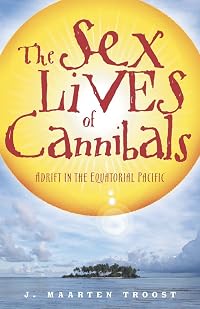
The Sex Lives of Cannibals: Adrift in the Equatorial Pacific
by J. Maarten Troost
Living in the South Pacific (Book 1)
On This Page
Description
At age twenty-six, Maarten Troost decided to pack up his flip-flops and move to a remote South Pacific island. The idea of dropping everything and moving to the ends of the earth was irresistibly romantic. He should have known better.This book tells the hilarious story of what happens when he discovers that the island is not the paradise he dreamed of. Falling into one amusing misadventure after another, Troost struggles with stifling heat, deadly bacteria, and polluted seas in a country show more where the only music to be heard is "La Macarena." He and his girlfriend, Sylvia, contend with incompetent officials, alarmingly large critters, a paucity of food options (including the Great Beer Crisis), and bizarre local characters, including "Half-Dead Fred" and the so-called Poet Laureate of Tarawa, a British drunkard who's never written a poem in his life.
. show less
Tags
Recommendations









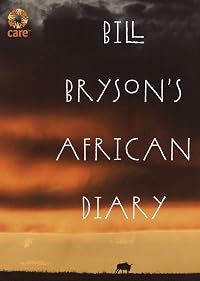

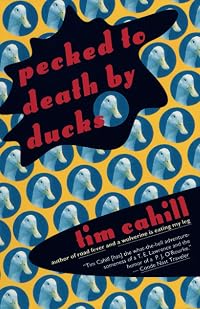
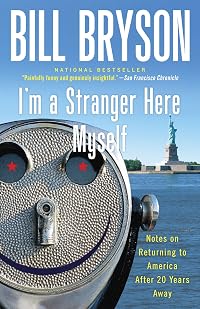

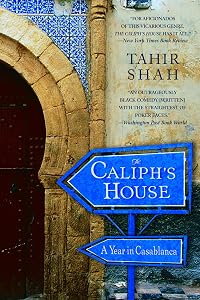



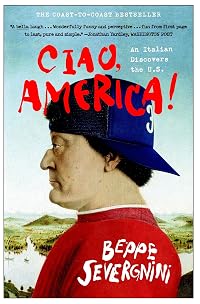


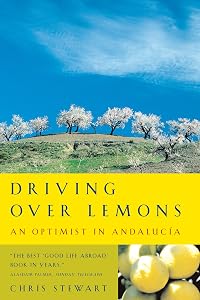
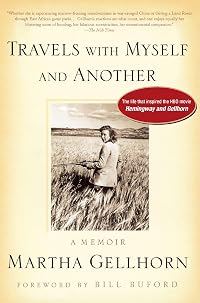
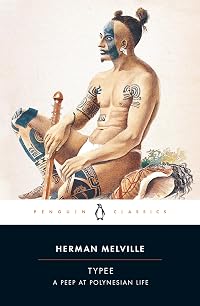

Member Recommendations
11
My Mercedes is Not for Sale: From Amsterdam to Ouagadougou...An Auto-Misadventure Across the Sahara by Jeroen van Bergeijk
gonzobrarian gritty, intriguing, meaningful travel writing


Member Reviews
This book is like a sandwich. The first piece of dry bread is Troost smirkingly telling us that he is just too good, clever and unique to have to actually work and pay bills, like the rest of us. In the final, dry chapter he tells us just how superior he feels to the idiots who over-pay and over-respect him for his newly acquired job that he knows nothing at all about. He wants to return to the life of a house-husband on a tropical island, supported by his wife while he floats in the blue waters of the lagoon and procrastinates about writing a book.
Surprisingly, the filling of this sandwich is very tasty. He relates the history of Kiribati and the day-to-day life of a foreigner willingly marooned on a tiny tropical island in an amusing show more and somewhat spicy, biting fashion. Its very entertaining and - with the concise history - informative.
Troost, though, fails to penetrate the surface of the island life. He forever moans the 'golden age' he presumes the island must have been in before he and his ilk brought the outside world, the developed world, to the South Pacific. He presumes that the islanders are much degraded now in the poverty of their subsistence existence compared to the life they must have lived in this imagined 'golden age', often described elsewhere as 'the noble savage'. I don't like to bring race into it, but why, why, why do white men (and it is always whites) go to an island to skim the cream off the milk, earn salaries three times that of locals, insist on importing as many of the appurtenances of modern life as their luggage - or container - can hold and are then surprised when the local people would also like to have easy-to-prepare food, disposable nappies, pretty clothes and all those other items that we take for granted?
How do I know this so good? Because I live on a tiny tropical island myself. I have the pictures from my grandparents of the 'golden age' and I myself arrived before much modern development. The island has about 10% British and American folks on it. They mostly mix with each other (and local politicans and bigwigs who have travelled and understand how to behave at a cocktail party and whose children attend the American school - fees per month more than the average local income). The non-working partner generally joins some charity, mostly for the social life, the Reef Keepers, National Parks, Coastal Development et al that raise money at balls, art shows and $100 a head dinners, and seek to pressure outside agencies and local government into restricting further progress. All of them are devoted to keeping the island just as it was when they arrived or even taking it back further and bugger what the locals want. After all, how would such an uneducated, primitive people really be able to decide what is best for themselves?
Troot's only descriptions of the bustling town on Tarawa are brief and of a degraded, open-sewer, corrupt kind of existence. Does he really think the people live like that, is there no vibrance and ambition there? There are no descriptions at all of their working lives, of the education, of their ambitions, or even of courtship and marriage. He is very selective indeed about the cultural aspects of island-life he describes. Troost is as patronising as the ex-pats are on my island with their old-colonial attitudes now so out of place and out of time.
I would probably not want to read Maarten Troost's other book on Fiji, written while he was again a house-husband and before he relocated to the truly golden life of California. However, when his columns for Atlantic Monthly and the Washington Post are inevitably collected into a slim volume without the verbiage of a full-length book, I would definitely buy it. Small, appetizing bites can be even tastier than a full-scale meal. show less
Surprisingly, the filling of this sandwich is very tasty. He relates the history of Kiribati and the day-to-day life of a foreigner willingly marooned on a tiny tropical island in an amusing show more and somewhat spicy, biting fashion. Its very entertaining and - with the concise history - informative.
Troost, though, fails to penetrate the surface of the island life. He forever moans the 'golden age' he presumes the island must have been in before he and his ilk brought the outside world, the developed world, to the South Pacific. He presumes that the islanders are much degraded now in the poverty of their subsistence existence compared to the life they must have lived in this imagined 'golden age', often described elsewhere as 'the noble savage'. I don't like to bring race into it, but why, why, why do white men (and it is always whites) go to an island to skim the cream off the milk, earn salaries three times that of locals, insist on importing as many of the appurtenances of modern life as their luggage - or container - can hold and are then surprised when the local people would also like to have easy-to-prepare food, disposable nappies, pretty clothes and all those other items that we take for granted?
How do I know this so good? Because I live on a tiny tropical island myself. I have the pictures from my grandparents of the 'golden age' and I myself arrived before much modern development. The island has about 10% British and American folks on it. They mostly mix with each other (and local politicans and bigwigs who have travelled and understand how to behave at a cocktail party and whose children attend the American school - fees per month more than the average local income). The non-working partner generally joins some charity, mostly for the social life, the Reef Keepers, National Parks, Coastal Development et al that raise money at balls, art shows and $100 a head dinners, and seek to pressure outside agencies and local government into restricting further progress. All of them are devoted to keeping the island just as it was when they arrived or even taking it back further and bugger what the locals want. After all, how would such an uneducated, primitive people really be able to decide what is best for themselves?
Troot's only descriptions of the bustling town on Tarawa are brief and of a degraded, open-sewer, corrupt kind of existence. Does he really think the people live like that, is there no vibrance and ambition there? There are no descriptions at all of their working lives, of the education, of their ambitions, or even of courtship and marriage. He is very selective indeed about the cultural aspects of island-life he describes. Troost is as patronising as the ex-pats are on my island with their old-colonial attitudes now so out of place and out of time.
I would probably not want to read Maarten Troost's other book on Fiji, written while he was again a house-husband and before he relocated to the truly golden life of California. However, when his columns for Atlantic Monthly and the Washington Post are inevitably collected into a slim volume without the verbiage of a full-length book, I would definitely buy it. Small, appetizing bites can be even tastier than a full-scale meal. show less
Troost—somewhat addicted to travel—jumped at the chance to move to Kiribati (pronounced kir-ee-bas) when his girlfriend got a job there. Troost is funny—and he can put a hilarious spin on just about the worst things imaginable (except he’s very serious about the tribute to the victims of one of the worst WWII battles there). Thankfully he has this outlook on life because Kiribati sounds about like the worst place on the planet to live. One of the most surprising things to know is that this island surrounded by beautiful blue ocean tends to be subjected to years-long droughts. Be aware the dogs are brutal, and are treated in kind unless they are eaten. So big trigger warning there. This is an excellent book, though, about what show more it’s really like living in so-called paradise. show less
First of all, this is a very misleading title. There were no sexytimes or people eating.
If you ask people what they enjoy doing, what they love, what's necessary, many will list "travel." But what does that mean? Flying somewhere with an itinerary to spend a few nights in a 5 star hotel with continental breakfast? Living out of a backpack and wearing through your shoes? It's such a blobby answer, "travel."
There was a brief period where I had cable and in that brief period I watched maybe 2 episodes of Daria. One was about some advertising woman who tried to be a teenager and have a finger on the pulse of that crowd. She dressed in age-inappropriate clothing and most of all, used slang that meant nothing. Daria's dad would go pop-eyed show more with rage at the inanity of her speech, "Jiggy??? What does it mean?!?!?!"
In the movie Miss Congeniality, there's a very funny sequence about how to answer the judges when they ask you what you want most, or would give anything for. Our heroine, undercover agent Sandra Bullock, is coached to say "world peace" and there's a montage of other contestants saying "world peace." She answers honestly, something about 'harsher punishment for parole violations,' but at the unhappy expressions on the judges' faces, tacked on the standard "...and, world peace."
Jiggy and world peace, overused to the point of meaninglessness, like travel. Well? What does that mean?
I sat next to a Dutchman on a short flight this summer and we talked about career, family, and pastimes. His father had recently passed away and when he spoke about regrets, the things forever unsaid, he leaned forward in the too-small space, hands open as if pleading, voice very animated with inflections and volume changes, eye contact that allowed me to note his were very blue. When he spoke of travel, he got the same way. But when he spoke of travel, as important as it was to him, he couldn't explain very well what he meant. He did that thing where people start a sentence then trail off, expecting you to fill in the significant blanks with an "ahhh" of agreement.
Why does "travel" make people incoherent and blank? I think one of the best reasons is that going places is an important part of understanding the size of the world, how big and at the same time small it can be and that people are people the world over. It's like how my dad will rage about Japan and the Japanese but when meeting one in person, he'll be so friendly that my head spins. If you're awake and aware, it helps you be less...selfish. Ugh. I can't find the way to say what I want to say. World peace, man.
Anyway, travel. I guess everyone has a different conception of what it involves. To bring it back to the book, I doubt anyone can disagree that what this dude did was Travel. What a terrific book! Because he's a Dutchman, I heard my blue-eyed Dutchman's voice in my mind as I read this. Delicious. :) He and his girlfriend decide they want to go somewhere, anywhere. She gets a position in a tiny Pacific island and he tags along. I've seen some reviews where people think he's a slacker who took advantage in order to do nothing, but I don't think it's any different from all the wives who followed their husbands around, like with the military or other business that transplant their managers. What does it matter that she worked and he kept house/played/tried to write a book? If they were fine with it, cool. It's the new millenium and sometimes the women are the breadwinners.
They live there for a couple years. Capital T, travel. No television, barely any radio (he has to experiment to find out the 10 minutes where he'll get BBC clearly enough to hear), only old magazines and whatever new visitors bring along. Holy cow, it sounds simultaneously awful and wonderfully immersive. They have critters, different foods, lots of gastrointestinal distress, crap everywhere, cultural stereotypes and expectations upended. It's Travel.
He writes of his experiences and impressions. It's entertaining and informative. There's whining and yet, it doesn't grate. I learned some history. And very funny, the dry, European kind. Highly recommend this book. show less
If you ask people what they enjoy doing, what they love, what's necessary, many will list "travel." But what does that mean? Flying somewhere with an itinerary to spend a few nights in a 5 star hotel with continental breakfast? Living out of a backpack and wearing through your shoes? It's such a blobby answer, "travel."
There was a brief period where I had cable and in that brief period I watched maybe 2 episodes of Daria. One was about some advertising woman who tried to be a teenager and have a finger on the pulse of that crowd. She dressed in age-inappropriate clothing and most of all, used slang that meant nothing. Daria's dad would go pop-eyed show more with rage at the inanity of her speech, "Jiggy??? What does it mean?!?!?!"
In the movie Miss Congeniality, there's a very funny sequence about how to answer the judges when they ask you what you want most, or would give anything for. Our heroine, undercover agent Sandra Bullock, is coached to say "world peace" and there's a montage of other contestants saying "world peace." She answers honestly, something about 'harsher punishment for parole violations,' but at the unhappy expressions on the judges' faces, tacked on the standard "...and, world peace."
Jiggy and world peace, overused to the point of meaninglessness, like travel. Well? What does that mean?
I sat next to a Dutchman on a short flight this summer and we talked about career, family, and pastimes. His father had recently passed away and when he spoke about regrets, the things forever unsaid, he leaned forward in the too-small space, hands open as if pleading, voice very animated with inflections and volume changes, eye contact that allowed me to note his were very blue. When he spoke of travel, he got the same way. But when he spoke of travel, as important as it was to him, he couldn't explain very well what he meant. He did that thing where people start a sentence then trail off, expecting you to fill in the significant blanks with an "ahhh" of agreement.
Why does "travel" make people incoherent and blank? I think one of the best reasons is that going places is an important part of understanding the size of the world, how big and at the same time small it can be and that people are people the world over. It's like how my dad will rage about Japan and the Japanese but when meeting one in person, he'll be so friendly that my head spins. If you're awake and aware, it helps you be less...selfish. Ugh. I can't find the way to say what I want to say. World peace, man.
Anyway, travel. I guess everyone has a different conception of what it involves. To bring it back to the book, I doubt anyone can disagree that what this dude did was Travel. What a terrific book! Because he's a Dutchman, I heard my blue-eyed Dutchman's voice in my mind as I read this. Delicious. :) He and his girlfriend decide they want to go somewhere, anywhere. She gets a position in a tiny Pacific island and he tags along. I've seen some reviews where people think he's a slacker who took advantage in order to do nothing, but I don't think it's any different from all the wives who followed their husbands around, like with the military or other business that transplant their managers. What does it matter that she worked and he kept house/played/tried to write a book? If they were fine with it, cool. It's the new millenium and sometimes the women are the breadwinners.
They live there for a couple years. Capital T, travel. No television, barely any radio (he has to experiment to find out the 10 minutes where he'll get BBC clearly enough to hear), only old magazines and whatever new visitors bring along. Holy cow, it sounds simultaneously awful and wonderfully immersive. They have critters, different foods, lots of gastrointestinal distress, crap everywhere, cultural stereotypes and expectations upended. It's Travel.
He writes of his experiences and impressions. It's entertaining and informative. There's whining and yet, it doesn't grate. I learned some history. And very funny, the dry, European kind. Highly recommend this book. show less
Troost—somewhat addicted to travel—jumped at the chance to move to Kiribati (pronounced kir-ee-bas) when his girlfriend got a job there. Troost is funny—and he can put a hilarious spin on just about the worst things imaginable (except he’s very serious about the tribute to the victims of one of the worst WWII battles there). Thankfully he has this outlook on life because Kiribati sounds about like the worst place on the planet to live. One of the most surprising things to know is that this island surrounded by beautiful blue ocean tends to be subjected to years-long droughts. Be aware the dogs are brutal, and are treated in kind unless they are eaten. So big trigger warning there. This is an excellent book, though, about what show more it’s really like living in so-called paradise. show less
Troost shares his experiences of the two years he spent on Tarawa, a tiny island lost in the middle of the Pacific, where his girlfriend was employed by an NGO aid organization, and he was employed not writing a novel. Tarawa, and the nation of Kiribati to which it belongs, is a place with a lot of problems: overcrowding, poverty, pollution, bad government, disease. But Troost writes with a real fondness for the place and the people, and with a lot of often self-deprecating humor, making this a delight to read, even if I'm glad not to be the one having lived it. (Because, seriously, nobody should have to dig flies out of their wounds. Nobody.)
This is a memoir by Troost and is very funny. His wife gets a job equatorial island, Kiribati, he goes along as he is unemployed and he feels he will fit in because the majority of island inhabitants are unemployed. This is funny but also a book that looks at life on an atoll, this is not paradise. It is hot, dirty, no food, and life is precarious as there are many things that will kill you.
I enjoyed this very much. It was very informative, humorous and self-conscious. Like the author, I did not really know what to expect from Kiribati and it surprised me a lot. The life on an overpopulated, polluted and really small atoll in the middle of the mightiest of oceans far far away from the world of the dry land felt really claustrophobic at some moments and like a fantasy world at others.
Members
- Recently Added By
Lists

Australia, Oceania, Antarctica
51 works; 5 members

Amusing Book Titles
146 works; 39 members

Books With the Most Memorable Titles
478 works; 158 members

Our Favorite Comfort Reads
334 works; 200 members
Talk Discussions
Past Discussions
Memoir-couple move to isolated tropical island atoll in Name that Book (May 2012)
Author Information

6 Works 3,862 Members
Awards and Honors
Notable Lists
Series

Belongs to Publisher Series
Gallimard, Folio (5583)
Common Knowledge
- Original publication date
- 2004
- People/Characters
- J. Maarten Troost; Sylvia
- Important places
- Tarawa Atoll, Republic of Kiribati; South Pacific Ocean; Pacific Ocean
- Dedication
- For Sylvia and Lukas
- First words
- One day, I moved with my girlfriend Sylvia to an attoll in the Equatorial Pacific.
- Quotations
- Still, I tried to teach the dogs to growl menacingly at anyone in pants. Only Mormon missionaries wore pants in Tarawa.
- Last words
- (Click to show. Warning: May contain spoilers.)Sylvia laughed. "He's our little island boy."
Classifications
- Genres
- Travel, Nonfiction, Biography & Memoir, General Nonfiction
- DDC/MDS
- 306.099681 — Society, government, & culture Social sciences, sociology & anthropology Social Behavior - Dating, Marriage, Divorce Social history Pacific Polynesia
- LCC
- GN671 .K57 .T76 — Geography, Anthropology and Recreation Anthropology Anthropology Ethnology. Social and cultural anthropology Ethnic groups and races By region or country
- BISAC
Statistics
- Members
- 1,986
- Popularity
- 10,607
- Reviews
- 77
- Rating
- (3.87)
- Languages
- 5 — Dutch, English, French, German, Polish
- Media
- Paper, Audiobook, Ebook
- ISBNs
- 19
- ASINs
- 6