On This Page
Description
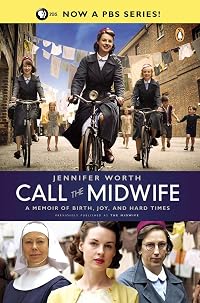
At the age of twenty-two, Jennifer Worth leaves her comfortable home to move into a convent and become a midwife in post war London's East End slums. The colorful characters she meets while delivering babies all over London - from the plucky, warm-hearted nuns with whom she lives to the woman with twenty-four children who can't speak English, to the prostitutes and dockers of the city's seedier side - illuminate a fascinating time in history.Tags
Recommendations



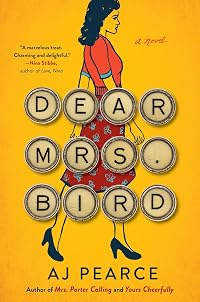
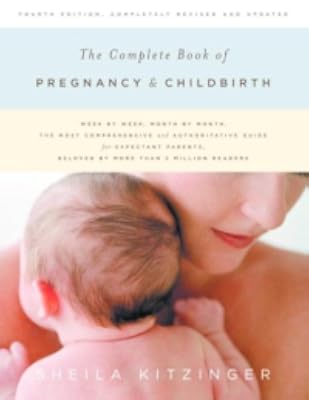
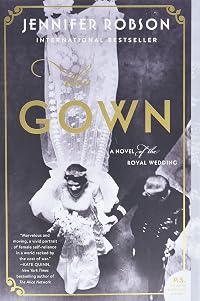
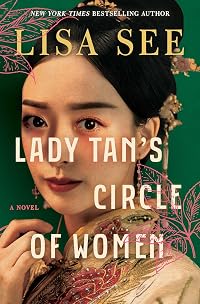
Member Recommendations
cbl_tn These books have a similar nostalgic feel for a community and an era.
30



Member Reviews
What an outstanding memoir. I was expecting a catalog of anecdotes revolving around babies and midwifery, a topic which at first sight doesn't really interest me but I'm quite fond of reading about women's history in general so I thought I'd give it a go. What I did not expect was Jennifer Worth's astonishing talent for writing. People who've led interesting lives are few. People who've led interesting lives and are born writers are a rarity. Worth is one of them. This is not only filled to the brim with very rich stories of births, it's also an amazing account of midwifery history. Worth is not only an excellent midwife but she reflects on her practice and often compares what life was in the 50s to what it's like now. This in turn show more makes for a deeply rewarding book. I learned a lot and I'm so happy I read this, it's a deeply touching, never sentimental memoir that has the knowledge of a history book and the readability of a novel. What a treasure. show less
As a man my experience with birth is limited to say the least. I have participated to the extent any father can in the births of all three of my children, but still was only an observer. Call the Midwife: A Memoir of Birth, Joy, and Hard Times by Jennifer Worth is a new perspective for the casual observer, enhancing the meaning, significance and understanding of the birth of our children.
For the adolescent male mind, a part of every man regardless of his age, birth combines mystery, naughty bits, gross stuff, and joyful tears that leave us confused and often incapable of expressing the emotions that each aspect create. We don’t know whether to say cool, or gross, or to simply claim that allergies are behind our glistening eyes. Should show more we cowboy up, or do our best Mike Farrell impersonation?
Mrs. Worth uses clear, concise, and stark medical terminology to describe the rape and sexual abuse that created some of the babies she delivered, and in doing so makes the horror all forms of sexual abuse more tangible and disgusting. This is balanced against the steadfast love between many of the husbands and wives she serves, the nuns and midwives who live with them, and most importantly the love God has for mankind.
There were a couple of surprises for me in reading Mrs. Worth’s tale. I didn’t realize that even as late as the 1950’s indoor plumbing was not available to many East End Londoners, or the magnitude of the impact German bombing had on housing. The final surprise was the final delivery Mrs. Worth narrates, which was her faith in God. Even in the midst of the poverty, cruelty, injustice that so often reeked havoc in the lives of those she worked with, Mrs. Worth found love. And where there is love, there too is God. show less
For the adolescent male mind, a part of every man regardless of his age, birth combines mystery, naughty bits, gross stuff, and joyful tears that leave us confused and often incapable of expressing the emotions that each aspect create. We don’t know whether to say cool, or gross, or to simply claim that allergies are behind our glistening eyes. Should show more we cowboy up, or do our best Mike Farrell impersonation?
Mrs. Worth uses clear, concise, and stark medical terminology to describe the rape and sexual abuse that created some of the babies she delivered, and in doing so makes the horror all forms of sexual abuse more tangible and disgusting. This is balanced against the steadfast love between many of the husbands and wives she serves, the nuns and midwives who live with them, and most importantly the love God has for mankind.
There were a couple of surprises for me in reading Mrs. Worth’s tale. I didn’t realize that even as late as the 1950’s indoor plumbing was not available to many East End Londoners, or the magnitude of the impact German bombing had on housing. The final surprise was the final delivery Mrs. Worth narrates, which was her faith in God. Even in the midst of the poverty, cruelty, injustice that so often reeked havoc in the lives of those she worked with, Mrs. Worth found love. And where there is love, there too is God. show less
This first volume in the memoir that the BBC TV series of this name is based on is a fascinating, well-told read, though the incidents relayed will be very familiar to anyone who has watched the show. The memoir is perhaps a bit more detailed, though the show certainly gets most of the particulars of life, midwifery, and 1950s medicine in. The series and the book organize material differently, and therein probably lies the biggest difference between this source material and the television produced from it: the TV series is a story with a social conscience revolving around characters while the memoir is anecdotal social history less concerned with "what will happen next." In particular, it focuses less on the personal lives of the show more midwives. I suspect reading the book(s) first and then watching the show would be the more rewarding activity rather than watching and then reading (the show feels a bit like it fleshes out and invitalizes what is already on the page), but the book still has much to offer if one's already watched. Worth tells the stories compellingly, explains things well, and is particularly good at demonstrating how naive or misguided her younger self was without sounding dismissive or self-deprecatory. Recommended. show less
From the cover of my edition I thought this would be kind of a fluffy British comedy with a little childbirth thrown in. How pleased I am that I was wrong. Jennifer Worth writes a good history of East Enders in the 1950's that includes discussion of poverty in its various forms from the loving families and supportive community of Poplar to the squalor and hopelessness of the condemned bombed out buildings inhabited by prostitutes, pimps and a few left behind family people in Stepney. She demonstrates the activities of a midwife of that time by describing the care of various characters, has a good side story about life in a workhouse, fleshes out the character of a grouchy old midwife-nun and describes horrible odors in a way that makes show more this reader grimace. As important as Worth's historical accuracy is her emotional accuracy as she confronts people living in poverty and grows from her natural middle class revulsion to an attitude of acceptance. Less successful, to me, was the accommodation she made with religion, but I guess that was a normal outgrowth of the respect for the hard working nuns who trained her. For linguists there's an addendum that describes the difficulties of writing the Cockney dialect. PBS has a good mini-series about the book that does fluff it up and tone down some of Worth's grittiness, and in the interest of not needing subtitles, leaves out the dialect Worth so lovingly describes. show less
Call the Midwife is the outstanding, wonderful, sensitive, sad and funny memoir of Jennifer Worth's years working as a nurse midwife in London's dock area in the 50's. Jennifer lived in an Anglican convent at the time; meeting many of the nicest people.
Much more than just stories of childbirths, Worth provides historical, medical and social backgrounds of the times giving the reader a much better understanding of her experiences. She describes the spirit-killing, horrendous conditions of the workhouse, the dismal life of prostitutes, and the prevalence of domestic abuse. But she accentuates the positive, sweet goodness of the poor and middle-class residents of the area.
This book is a gift to be treasured, read, re-read and shared.
Much more than just stories of childbirths, Worth provides historical, medical and social backgrounds of the times giving the reader a much better understanding of her experiences. She describes the spirit-killing, horrendous conditions of the workhouse, the dismal life of prostitutes, and the prevalence of domestic abuse. But she accentuates the positive, sweet goodness of the poor and middle-class residents of the area.
This book is a gift to be treasured, read, re-read and shared.
This woman has seen a lot. Being a midwife really gets you in amongst the real lives of people, and it shows with this book. The author went from nursing into midwifery training under the care of Nuns, and even though she wasn't religious, lived in the convent while practicing.
1950s East End London was a poor and rough place but her nurses uniform afforded her respect. Just how poor and crowded the area was shocked me. Most families lived packed into small 2 room places, and it was the norm to have at least 5 or 6 kids. Most families kept clean and tidy homes, but descriptions of some who lived in squalor- piles of human waste indoors, flies, half naked dirty children- astounded me.
People couldn't afford to get a doctor for the show more delivery of a baby, and as mothers grandmothers, aunts and any older woman about could tell you, you didn't really need one. Such was the level of knowledge amongst them all, things were managed at home with the local midwife and GP if needed.
Chapter by chapter Worth reveals the personal stories of the people she encountered in the course of her early career. So often, the stories are sad. Families were destroyed upon the early death of the husband/father, and few options were left for a mother trying to support a large brood of kids, and little or no income and no social security. Alcoholism, prostitution, condemned housing tenements. And then stories of loving and supportive families, sober hard-working, proud men who loved and helped their wives in the home- which was so unheard of then. The mixed bag that is humanity. A fantastic social history. show less
1950s East End London was a poor and rough place but her nurses uniform afforded her respect. Just how poor and crowded the area was shocked me. Most families lived packed into small 2 room places, and it was the norm to have at least 5 or 6 kids. Most families kept clean and tidy homes, but descriptions of some who lived in squalor- piles of human waste indoors, flies, half naked dirty children- astounded me.
People couldn't afford to get a doctor for the show more delivery of a baby, and as mothers grandmothers, aunts and any older woman about could tell you, you didn't really need one. Such was the level of knowledge amongst them all, things were managed at home with the local midwife and GP if needed.
Chapter by chapter Worth reveals the personal stories of the people she encountered in the course of her early career. So often, the stories are sad. Families were destroyed upon the early death of the husband/father, and few options were left for a mother trying to support a large brood of kids, and little or no income and no social security. Alcoholism, prostitution, condemned housing tenements. And then stories of loving and supportive families, sober hard-working, proud men who loved and helped their wives in the home- which was so unheard of then. The mixed bag that is humanity. A fantastic social history. show less
Jennifer Worth reflects back on her time, 50 years prior to writing, working as a nurse and midwife in the East End of London in the 1950s. In mostly episodic chapters (a few stories carry over a little longer), she describes the poverty and challenges but rich life to be found among the people she served.
Though the stories can be a bit uneven, Worth bring an immediacy to the time and place, particularly the docks in Poplar, where many families lived in condemned housing and the community was still deeply impacted by the second World War and the evil of the workhouses. It was, perhaps, a little unfair to the book that I'd watched the show based on it first and recently, because I couldn't help but compare and contrast in my head. Many show more of her stories stay the same or are only slightly more dramatized, though the order she writes them in is not followed, nor is it necessarily chronological in the book, either. Worth sometimes jumps around from one type of birth to another, and puts three times when a mother was concerned the baby might be Black when her husband was not in a row. And while Worth generally treats people with respect, attitude of the time about various ethnic backgrounds do come through in her writing. Some characters, such as Mary, Sister Evangelina, and Sister Monica Joan, get a lot of attention, while fellow midwife Trixie is barely mentioned and Cynthia only a little more so. Still, midwifery in general interests me, and Worth writes about the experience in loving and sometimes dramatic detail, as well as contrasting current and past practices in medicine, making for a fascinating memoir. show less
Though the stories can be a bit uneven, Worth bring an immediacy to the time and place, particularly the docks in Poplar, where many families lived in condemned housing and the community was still deeply impacted by the second World War and the evil of the workhouses. It was, perhaps, a little unfair to the book that I'd watched the show based on it first and recently, because I couldn't help but compare and contrast in my head. Many show more of her stories stay the same or are only slightly more dramatized, though the order she writes them in is not followed, nor is it necessarily chronological in the book, either. Worth sometimes jumps around from one type of birth to another, and puts three times when a mother was concerned the baby might be Black when her husband was not in a row. And while Worth generally treats people with respect, attitude of the time about various ethnic backgrounds do come through in her writing. Some characters, such as Mary, Sister Evangelina, and Sister Monica Joan, get a lot of attention, while fellow midwife Trixie is barely mentioned and Cynthia only a little more so. Still, midwifery in general interests me, and Worth writes about the experience in loving and sometimes dramatic detail, as well as contrasting current and past practices in medicine, making for a fascinating memoir. show less
Members
- Recently Added By
Lists

Best Autobiographies and Memoirs
370 works; 67 members

Best Medical Nonfiction
79 works; 29 members

medical memoirs
24 works; 3 members

Non-Fiction Worth Reading
1,015 works; 255 members

Top Five Books of 2016
795 works; 229 members

Books Read in 2015
3,299 works; 126 members

Allie's 2015 Reading List
33 works; 1 member

Books read in 2015
213 works; 5 members
Books Read in 2016
4,666 works; 197 members

Books With Complete Sentence Titles
374 works; 15 members

Read the book and saw the movie
1,170 works; 195 members

Books Read in 2017
4,249 works; 129 members

Books Read in 2013
1,630 works; 51 members

Books Read in 2012
59 works; 1 member

Club Read's Recommended Nonfiction Written by Women
618 works; 30 members

Biographies: Women
112 works; 1 member
Talk Discussions
Past Discussions
Biography Group Read - Call the Midwife - Book Discussion Thread in 2015 Category Challenge (April 2015)
Author Information

14+ Works 5,516 Members
Jennifer Worth was born Jennifer Lee in Clacton-on-Sea, Essex on September 25, 1935. She trained as a nurse at the Royal Berkshire Hospital in Reading, and then moved to London to train as a midwife. She later worked at the Royal London Hospital, the Elizabeth Garrett Anderson Hospital in Euston, and the Marie Curie Hospital in Hampstead. She left show more nursing in 1973 to study music. She received the Licentiate of the London College of Music in 1974 and was awarded a Fellowship ten years later. She taught and performed solo and in choirs throughout the United Kingdom and Europe. When she felt her musical talents ebbing, she turned to writing. She wrote three books about her experience as a midwife: Call the Midwife, Shadows of the Workhouse, and Farewell to the East End. These books are the basis of the BBC television series Call the Midwife. Her other works include Food Allergy: The Hidden Cause? and In the Midst of Life. She died of cancer on May 31, 2011 at the age of 75. (Bowker Author Biography) show less
All Editions
Some Editions
Awards and Honors
Series

Belongs to Publisher Series
Debolsillo (1012)
Work Relationships
Is contained in
Common Knowledge
- Canonical title
- Call the Midwife: A Memoir of Birth, Joy, and Hard Times
- Original title
- The Midwife
- Original publication date
- 2002
- People/Characters
- Jennifer Worth (Jenny Lee); Mrs. Jenkins [The Midwife Trilogy series]; Sister Monica Joan; Sister Evangelina; Sister Julienne; Chummy Browne (show all 11); Cynthia Miller; Trixie Franklin; Sister Bernadette [The Midwife Trilogy series]; Patrick Turner; Peter Noakes
- Important places
- London, England, UK (East End); Poplar, London, England, UK
- Related movies
- Call the Midwife (2012 | IMDb)
- Dedication
- This book is dedicated to Philip, my dear husband.
The history of 'Mary' is also dedicated to the memory of Father Joseph Williamson and Daphne Jones. - First words
- Nonnatus House was situated in the heart of the London Docklands.
- Last words
- (Click to show. Warning: May contain spoilers.)That evening, I started to read the Gospels.
- Publisher's editor*
- DeBolsillo
- Blurbers
- Waldman, Ayelet; Brundage, Elizabeth
- Original language*
- Inglés
*Some information comes from Common Knowledge in other languages. Click "Edit" for more information.
Classifications
- Genres
- Biography & Memoir, Nonfiction, General Nonfiction
- DDC/MDS
- 618.2 — Applied science & technology Medicine & health Gynecology, obstetrics, pediatrics, geriatrics Pregnancy
- LCC
- RG950 .W675 — Medicine Gynecology and Obstetrics Gynecology and obstetrics Obstetrics Maternal care. Prenatal care services
- BISAC
Statistics
- Members
- 2,900
- Popularity
- 6,198
- Reviews
- 149
- Rating
- (4.13)
- Languages
- 12 — Chinese, Czech, Dutch, English, Finnish, French, German, Italian, Korean, Norwegian (Bokmål), Spanish, Swedish
- Media
- Paper, Audiobook, Ebook
- ISBNs
- 54
- ASINs
- 24