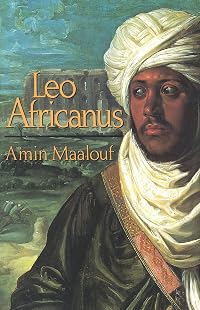
Leo the African
by Amin Maalouf
On This Page
Description
Overview: "I, Hasan the son of Muhammad the weigh-master, I, Jean-Leon de Medici, circumcised at the hand of a barber and baptized at the hand of a pope, I am now called the African, but I am not from Africa, nor from Europe, nor from Arabia. I am also called the Granadan, the Fassi, the Zayyati, but I come from no country, from no city, no tribe. I am the son of the road; my country is the caravan, my life the most unexpected of voyages." Thus wrote Leo Africanus, in his fortieth year, in show more this imaginary autobiography of the famous geographer, adventurer, and scholar Hasan al-Wazzan, who was born in Granada in 1488. His family fled the Inquisition and took him to the city of Fez, in North Africa. Hasan became an itinerant merchant, and made many journeys to the East, journeys rich in adventure and observation. He was captured by a Sicilian pirate and taken back to Rome as a gift to Pope Leo X, who baptized him Johannes Leo. While in Rome, he wrote the first trilingual dictionary (Latin, Arabic and Hebrew), as well as his celebrated Description of Africa, for which he is still remembered as Leo Africanus. show lessTags
Recommendations




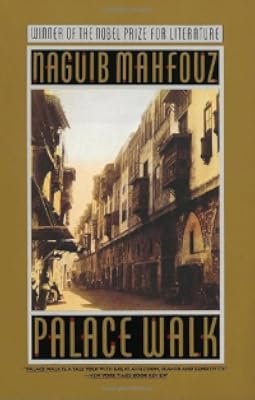


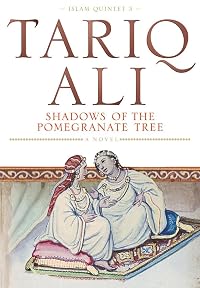

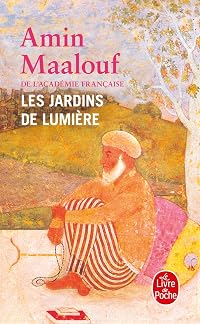
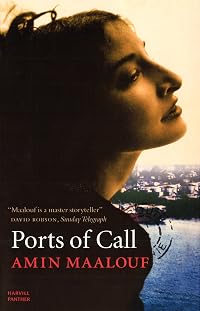






















Member Recommendations

mcenroeucsb Historical fiction journeys

mcenroeucsb Historical fiction journeys
mcenroeucsb Historical fiction journeys
mcenroeucsb Historical fiction journey
Member Reviews
A lively historical novel loosely based on the life of the 16th century Moorish diplomat and travel writer who was known in western Europe as Leo Africanus. Maalouf tweaks the known facts slightly to put Hasan/Leo in the middle of just about every significant event in the Mediterranean region from the Fall of Granada in 1492 to the Sack of Rome in 1527, using his Andalusian Muslim perspective to make us look again at these relatively familiar bits of European history in a fresh light. There’s plenty of danger, excitement and romance along the way, of course, and Hasan/Leo makes a fascinating narrator and a very penetrating observer of the world around him. Fun!
لذيذة هى الرواية لمن يأخذها على أنها فسحة أو رحلة للبلدان ..! و فى حسي هي إحدى وسائل الخداع و الكذب
حين تنتهي من الرواية تجد نفسك تسأل : "هل هكذا تم تهجير المسلمين من الأندلس ..؟!! و كأنني أقرأ قصة رحلة سياحية ، لا قتل و حرق و لا تعذيب و محاكم تفتيش ..!ـ
صورة فجة للتسامح الكاذب الذى يريد أن يعيش الجميع فى سلام و وئام ، العدو مع الصديق و القاتل مع أهل القتيل ..!
ما ضيعنا إلا مثل هذه المثالية الزائفة حتى فى عصرنا الحاضر
نرضخ show more لإسرائيل و هى تحتل أرضنا ، و نلجأ للتفاوض و التسامح و المعاهدات فى حين أنهم ينقضون كل عهد و يقتلون منا و يذبحون !! . و من بنى جلدتنا من يقول أصدقائنا اليهود .. بئست هذه النفوس
الأستاذ معلوف على ما يبدو أنه متأثر جدا بالبلاد الأوروبية التى يعيش فيها - التى لها تاريخ فى قتل المسلمين و تهجيرهم من أوروبا - و فى نفس الوقت هو عربي .. فيقع فى الفخ و يُخرج لنا بطله ليون الأفريقي فى صورة كوكتيل .. كوكتيل مسلم نصراني كوكتيل مهاجر مسلم اندلسي لراهب متنسك لإنسان بلا هوية .. لا صراع إسلام و كفر ، لا صراع على غقيدة و دين .. الجميع عند معلوف أحبة .. يخدع نفسه أم يخدعنا ؟!ـ
ارحمونا و ارحموا تاريخنا يرحمكم الله !ـ show less
حين تنتهي من الرواية تجد نفسك تسأل : "هل هكذا تم تهجير المسلمين من الأندلس ..؟!! و كأنني أقرأ قصة رحلة سياحية ، لا قتل و حرق و لا تعذيب و محاكم تفتيش ..!ـ
صورة فجة للتسامح الكاذب الذى يريد أن يعيش الجميع فى سلام و وئام ، العدو مع الصديق و القاتل مع أهل القتيل ..!
ما ضيعنا إلا مثل هذه المثالية الزائفة حتى فى عصرنا الحاضر
نرضخ show more لإسرائيل و هى تحتل أرضنا ، و نلجأ للتفاوض و التسامح و المعاهدات فى حين أنهم ينقضون كل عهد و يقتلون منا و يذبحون !! . و من بنى جلدتنا من يقول أصدقائنا اليهود .. بئست هذه النفوس
الأستاذ معلوف على ما يبدو أنه متأثر جدا بالبلاد الأوروبية التى يعيش فيها - التى لها تاريخ فى قتل المسلمين و تهجيرهم من أوروبا - و فى نفس الوقت هو عربي .. فيقع فى الفخ و يُخرج لنا بطله ليون الأفريقي فى صورة كوكتيل .. كوكتيل مسلم نصراني كوكتيل مهاجر مسلم اندلسي لراهب متنسك لإنسان بلا هوية .. لا صراع إسلام و كفر ، لا صراع على غقيدة و دين .. الجميع عند معلوف أحبة .. يخدع نفسه أم يخدعنا ؟!ـ
ارحمونا و ارحموا تاريخنا يرحمكم الله !ـ show less
Leo Africanus is, in a lot of ways, a good old-fashioned picaresque; Hasan is born in Granada in 1489, and when the muslims are kicked out of al-Andaluz he winds up stateless, homeless, and needing to survive (and help his family survive) by his wits. Does he travel all over the civilised world (the Mediterranean)? Of course he does. Does he meet most of the powerful people of his age, from kings to sultans to popes? Of course he does. Does he play a small but crucial part in historical events? You know he does.
At the same time, the novel shares a lot with some of my favourite 20th century examples of the genre - say, Eco's Baudolino or Bengtsson's The Long Ships, in that it's very consciously written for contemporary readers. He sneaks show more in discussion of current topics without ever making it too obvious, has the narrator not see the prejudices of his time while still making them stand out for the reader, while at the same time showing some things starting that still influence us today but have become so much a part of culture that we don't see them. Hasan (later Leo) lives through the end of one era and the beginning of a new one, sees the fall of Granada and the rise of the Ottoman empire, the departure of Columbus and the rise of the Habsburgs, the end of small-scale mediaeval culture and the beginning of a view of society, power and religion, that claim to want to return to something old while at the same time building something entirely new - both for bad and good. Maalouf creates a fully alive, entertaining character very much of his time, to show us things about how our own time came about. show less
At the same time, the novel shares a lot with some of my favourite 20th century examples of the genre - say, Eco's Baudolino or Bengtsson's The Long Ships, in that it's very consciously written for contemporary readers. He sneaks show more in discussion of current topics without ever making it too obvious, has the narrator not see the prejudices of his time while still making them stand out for the reader, while at the same time showing some things starting that still influence us today but have become so much a part of culture that we don't see them. Hasan (later Leo) lives through the end of one era and the beginning of a new one, sees the fall of Granada and the rise of the Ottoman empire, the departure of Columbus and the rise of the Habsburgs, the end of small-scale mediaeval culture and the beginning of a view of society, power and religion, that claim to want to return to something old while at the same time building something entirely new - both for bad and good. Maalouf creates a fully alive, entertaining character very much of his time, to show us things about how our own time came about. show less
Leo Africanus, as he was referred to by the Romans, is a true historical figure, author of "Description of Africa" published in 1550, as well as an Arabic/Hebrew/Latin grammar/dictionary, only a small portion of which survives. He was born in Granada c. 1494. As a young boy his family was expelled from Spain, along with other Muslims. They settled in Fez in Morroco, where Leo (originally Hasan) grew up. As a youth, he began making diplomatic journeys, the first being with his uncle to Timbuktu. He later spent time in Egypt (where he was when the Ottomans conquered the Egyptians), and made a pilgrimage to Mecca. He was captured by pirates in the Mediterranean, and brought to Rome, where he was baptised a Christian. He thereafter acted as show more a diplomat on behalf of the Pope.
This novel follows what is known of his life, but is clearly a novel rather than a history. Leo's character is thoughtfully imagined, and he is surrounded by friends and family who are living, breathing people. The novel is narrated chronologically by Leo in the form of a letter to his son, with each chapter covering the events of one year. The chapters are included in larger books, i.e. The Book of Granada, The Book of Fez, etc, each including the chapters of his life in the context of the major events of his life. The prose is straight-forward, as Leo interacts with other historical figures, and with his family members and friends. There are a few described incidents that seemed a little far-fetched, but the world was smaller then, so perhaps it was easier to meet people from your past by chance many years after you last saw them.
The descriptions of his caravan journeys across North Africa, the Sahara, the Atlas Mountains, and of Timbuktu were riveting. I'm not sure how much of the events and places described were taken from his "Description of North Africa." It is a fact, however, that Leo's book, "Description of North Africa," became a best-seller of sorts in its own time, as Europeans knew very little and were starved for information about this part of the world. Leo's other adventures--his time in Egypt during the Ottoman onslaught, the journey to Mecca, his involvement in the European religious strife of the early 16th century--make for equally compelling reading. show less
This novel follows what is known of his life, but is clearly a novel rather than a history. Leo's character is thoughtfully imagined, and he is surrounded by friends and family who are living, breathing people. The novel is narrated chronologically by Leo in the form of a letter to his son, with each chapter covering the events of one year. The chapters are included in larger books, i.e. The Book of Granada, The Book of Fez, etc, each including the chapters of his life in the context of the major events of his life. The prose is straight-forward, as Leo interacts with other historical figures, and with his family members and friends. There are a few described incidents that seemed a little far-fetched, but the world was smaller then, so perhaps it was easier to meet people from your past by chance many years after you last saw them.
The descriptions of his caravan journeys across North Africa, the Sahara, the Atlas Mountains, and of Timbuktu were riveting. I'm not sure how much of the events and places described were taken from his "Description of North Africa." It is a fact, however, that Leo's book, "Description of North Africa," became a best-seller of sorts in its own time, as Europeans knew very little and were starved for information about this part of the world. Leo's other adventures--his time in Egypt during the Ottoman onslaught, the journey to Mecca, his involvement in the European religious strife of the early 16th century--make for equally compelling reading. show less
Technically, this book falls into the category of 'factition' -- a fictionalised account of a historical event, but it is so well written in terms of its accuracy of the times and events and in maintaining the 'voice' of Leo Africanus as we know him from his own writing, that it belongs to the highest strata of that category, joining such works as Colleen McCullough's superlative series on ancient Rome.
Leo Africanus, as he is best known, was a historical person, born during the tumultuous late 15th century, a Muslim, in Granada, in Christian Spain during the fervent years of Ferdinand and Isabella. His was an experience-rich life, as revealed in his well-known travelogue written for the Pope upon his conversion to Christianity and show more published in Latin as Della descrittione dell’Africa et delle cose notabili che iui sono or Geography of Africa--a misleading title if ever there was one for that is like describing Gone with the Wind as a geography of Mississippi.
I have read the original and can not praise highly enough the research and work that Amin Maalouf has shared with us, translated by Peter Sluglett. Since we only know those elements of our subject's life as he himself revealed in his own writings, Maalouf has had to work with those episodes alone, but he has developed them with details garnered from other historical writings and texts of the times--for example, the detail that [Christopher] Columbus followed Ferdinand and Isabella from camp to camp as they led their armies on their 'holy wars', waiting for an audience. Some reviewers have commented that the work seems a little haphazard in its 'plot development', but this is the story of a man's life, and to have embellished what we know of it (or what he reveals to us) to fill in the holes or add a storyline would have made this work less than it is--a work I can recommend to true lovers of history, especially those wishing to fill in their knowledge of European or Mediterranean history in the 15-16th centuries.
Leo Africanus should be as well known as Marco Polo, the 13th century traveller, for his tale is as interesting and exciting, and as rich while simultaneously elusive in detail. Highly recommended to be read either before or after Leo Africanus is [b:1494: How a Family Feud in Medieval Spain Divided the World in Half|12394198|1494 How a Family Feud in Medieval Spain Divided the World in Half|Stephen R. Bown|https://d.gr-assets.com/books/1348461409s/12394198.jpg|17375341]. show less
Leo Africanus, as he is best known, was a historical person, born during the tumultuous late 15th century, a Muslim, in Granada, in Christian Spain during the fervent years of Ferdinand and Isabella. His was an experience-rich life, as revealed in his well-known travelogue written for the Pope upon his conversion to Christianity and show more published in Latin as Della descrittione dell’Africa et delle cose notabili che iui sono or Geography of Africa--a misleading title if ever there was one for that is like describing Gone with the Wind as a geography of Mississippi.
I have read the original and can not praise highly enough the research and work that Amin Maalouf has shared with us, translated by Peter Sluglett. Since we only know those elements of our subject's life as he himself revealed in his own writings, Maalouf has had to work with those episodes alone, but he has developed them with details garnered from other historical writings and texts of the times--for example, the detail that [Christopher] Columbus followed Ferdinand and Isabella from camp to camp as they led their armies on their 'holy wars', waiting for an audience. Some reviewers have commented that the work seems a little haphazard in its 'plot development', but this is the story of a man's life, and to have embellished what we know of it (or what he reveals to us) to fill in the holes or add a storyline would have made this work less than it is--a work I can recommend to true lovers of history, especially those wishing to fill in their knowledge of European or Mediterranean history in the 15-16th centuries.
Leo Africanus should be as well known as Marco Polo, the 13th century traveller, for his tale is as interesting and exciting, and as rich while simultaneously elusive in detail. Highly recommended to be read either before or after Leo Africanus is [b:1494: How a Family Feud in Medieval Spain Divided the World in Half|12394198|1494 How a Family Feud in Medieval Spain Divided the World in Half|Stephen R. Bown|https://d.gr-assets.com/books/1348461409s/12394198.jpg|17375341]. show less
From his chlidhood in Fez, having fled the Christian Inquisition, through his many journeys to the East as an itinerant merhcant, Hasans story is a quixotic catalogue of pirates, slave girls and princesses, encompassing the complexities of a world in a state of religious flux. Hasan too is touched by the instability of the era, performing his hadj to Mecca, then converting to Christianity, only to relapse back to the Muslim faith later in life.
In re-creating his extraordinary experiences, Amin Maalouf sketches an irrisistible portrait of the Mediterranea world as it was nearly five centuries ago - the fall of Granada, the Ottoman conquest of Egypt, Renaissance Rome under the Medicis: all contribute to a background of spectacular colour, show more matched only by the picaresque adventures of Hasan's life.
Gerçek bir yaşam öyküsünden çıkarılmış düşsel bir yaşamöyküsü: "Bir berberin sünnet ettiği, bir Papanın vaftiz ettiği" Hasan İbn el-Vezzan ez-Zeyyati namıdiğer Giovanni Leone de Medici'nin yani Afrikalı Leo'nun özyaşamöyküsü -yazmış olsaydı yazacağı gibi. show less
In re-creating his extraordinary experiences, Amin Maalouf sketches an irrisistible portrait of the Mediterranea world as it was nearly five centuries ago - the fall of Granada, the Ottoman conquest of Egypt, Renaissance Rome under the Medicis: all contribute to a background of spectacular colour, show more matched only by the picaresque adventures of Hasan's life.
Gerçek bir yaşam öyküsünden çıkarılmış düşsel bir yaşamöyküsü: "Bir berberin sünnet ettiği, bir Papanın vaftiz ettiği" Hasan İbn el-Vezzan ez-Zeyyati namıdiğer Giovanni Leone de Medici'nin yani Afrikalı Leo'nun özyaşamöyküsü -yazmış olsaydı yazacağı gibi. show less
First thing I have read by Maalouf, and I quite enjoyed it. The story is based on the true life-story of Hasan as-Wazzan, a 16th century traveller and writer who had a most extraordinary life in his first 40 years: as a child he had to flee Granada with his family after that city fell to the Spanish. They went to live in Fez where Hasan grew up, became a treader and diplomat and had numerous adventures (and 3 different wives) circling around the Ottoman conquest of Egypt, life in Cairo, Renaissance Rome under the Medicis (where Hasan was taken initially as a slave and became a favourite of the Pope), through to the sacking of Rome by Luthern hordes, and Hasam's final return toTunis.
It is a story of the impermanence of kingdoms and show more dynasties, at the level of states or just familial, owing to the vissistudes of fate and occurance. A story about the corruption of great wealth (whether Muslim or Christian) and the complete debasements of populations treated only as tax revenue sources or fodder for wars justified in the lofty tones of religion, but more often than not serving more venal purposes. With sufficient, isolated examples of different ways of living to provide a contrast. At the same time there are personal stories of great passion, commitment, love, dedication; the strained relationships of fathers and growing sons; the pain of things uttered that cannot be taken back; stories of petty intrigues that stretch across decades and ruin whole families. A tapestry of the uncontrollable and unforeseeable paths of life. It ia also striking how integrated the world was becoming in the 16th century with booming trade between Europe, Asia, North and Central Africa: early globalization.
In Granada, prior to its fall, the author presents the schism that still seems to afflict the modern Muslim world: between those who would seek to adapt to and learn from the modern world while preserving their faith, and those for whom any compromise is blasphemy and the pursuit of belief is the key to life and glorious death. Hasan also argues, "As long as the caliphs were rulers, Islam was radiant with culture. Religion reigned peaceably over the affairs of this world. Since then, it is force which rules, and the faith is often nothing but a sword in the hands of the sultan." show less
It is a story of the impermanence of kingdoms and show more dynasties, at the level of states or just familial, owing to the vissistudes of fate and occurance. A story about the corruption of great wealth (whether Muslim or Christian) and the complete debasements of populations treated only as tax revenue sources or fodder for wars justified in the lofty tones of religion, but more often than not serving more venal purposes. With sufficient, isolated examples of different ways of living to provide a contrast. At the same time there are personal stories of great passion, commitment, love, dedication; the strained relationships of fathers and growing sons; the pain of things uttered that cannot be taken back; stories of petty intrigues that stretch across decades and ruin whole families. A tapestry of the uncontrollable and unforeseeable paths of life. It ia also striking how integrated the world was becoming in the 16th century with booming trade between Europe, Asia, North and Central Africa: early globalization.
In Granada, prior to its fall, the author presents the schism that still seems to afflict the modern Muslim world: between those who would seek to adapt to and learn from the modern world while preserving their faith, and those for whom any compromise is blasphemy and the pursuit of belief is the key to life and glorious death. Hasan also argues, "As long as the caliphs were rulers, Islam was radiant with culture. Religion reigned peaceably over the affairs of this world. Since then, it is force which rules, and the faith is often nothing but a sword in the hands of the sultan." show less
Members
- Recently Added By
Lists

Best of World Literature
434 works; 51 members

Middle East Fiction
179 works; 16 members

Middle Eastern Literature & Non-Fiction
99 works; 3 members

Books translated from Romance Languages into English
102 works; 7 members

Translingualism
191 works; 4 members

Mustich's 1000 Books to Read Before You Die: A Life Changing List
1,001 works; 19 members

Les 50 meilleurs livres de langue française de 1900 à aujourd’hui
69 works; 2 members
Author Information

Amin Maalouf was formerly director of the leading Beirut daily, an-Nahar, and editor of Jeune Afrique.
All Editions
Some Editions
Awards and Honors
Series
Belongs to Publisher Series
Work Relationships
Is contained in
Common Knowledge
- Canonical title
- Leo the African
- Original title
- Léon l'Africain; Léon l'Africain
- Alternate titles
- Leo the African; Leo Africanus. Der Sklave des Papstes. Roman
- Original publication date
- 1986
- People/Characters
- Hasan as-Wazzan; Leo Africanus; Pope Leo X
- Important places
- Granada, Andalusia, Spain; Tunis, Tunisia; Fez, Morocco; Cairo, Egypt; Rome, Italy
- Important events
- El final de la Reconquista con la toma de Granada por los castellanos (1492); El imperio otomano conquista Egipto; El saqueo de Roma por los luteranos.
- Epigraph*
- No dudes, empero, de que León el Africano, León el viajero, también era yo.
W.B.Yeats - Dedication*
- A Andrée
- First words*
- Ik, Hassan, zoon van Mohammed de weger, ik Johannes Leo de'Medici', besneden door de hand van een barbier en gedoopt door de hand van een paus, wordt tegenwoordig de Afrikaan genoemd, maar ik kom noch uit Afrika, noch uit Eur... (show all)opa, noch uit Arabië. Men noemt mij ook de Granadijn, de Fassi, de Zayyati maar ik kom uit geen enkel land, geen enkele stad, geen enkele stam. Ik ben een zoon van de wegen, mijn vaderland is de karavaan en mijn leven de meest onverwachte der tochten.
A mí, Hassan, hijo de Mohamed el alamín, a mí, Juan León de Médicis, circuncidado por la mano de un barbero y bautizado por la mano de un papa, me llaman hoy el Africano, pero ni de África, ni de Europa, ni de Arabia so... (show all)y. - Quotations*
- No vaciles nunca en alejarte allende todos los mares, allende todas las fronteras, todas las patrias, todas las creencias.
- Last words*
- (Click to show. Warning: May contain spoilers.)no tengo ya más deseo que vivir, entre los míos, luengos días apacibles y ser, de todos los que amo, el primero en marchar. Hacia ese Lugar postrero donde nadir es extraño ante los ojos del creador.
- Original language*
- Francés
*Some information comes from Common Knowledge in other languages. Click "Edit" for more information.
Classifications
Statistics
- Members
- 1,798
- Popularity
- 12,141
- Reviews
- 39
- Rating
- (3.95)
- Languages
- 18 — Arabic, Bosnian, Catalan, Danish, Dutch, English, Estonian, Finnish, French, German, Greek, Hungarian, Italian, Norwegian (Bokmål), Portuguese, Spanish, Swedish, Turkish
- Media
- Paper, Ebook
- ISBNs
- 72
- ASINs
- 15