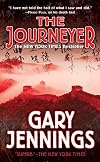
The Journeyer
by Gary Jennings
On This Page
Description
Marco Polo was nicknamed "Marco of the millions" because his Venetian countrymen took the grandiose stories of his travels to be exaggerated, if not outright lies. As he lay dying, his priest, family, and friends offered him a last chance to confess his mendacity, and Marco, it is said, replied "I have not told the half of what I saw and did." Now, in his new novel The Journeyer, Gary Jennings has imagined the half that Marco left unsaid as even more elaborate and adventurous than the tall show more tales thought to be lies. From the palazzi and back streets of medieval Venice to the sumptuous court of Kublai Khan, from the perfumed sexuality of the Levant to the dangers and rigors of travel along the Silk Road, Marco meets all manner of people, survives all manner of danger, and, insatiably curious, becomes an almost compulsive collector of customs, languages and women. In more than two decades of travel, Marco was variously a merchant, a warrior, a lover, a spy, even a tax collector - but always a journeyer, unflagging in his appetite for new experiences, regretting only what he missed. Here - recreated and reimagined with all the splendor, the love of adventure, the zest for the rare and curious that are Jennings's hallmarks - is the epic account, at once magnificent and delightful, of the greatest real-life adventurer in human history. At the Publisher's request, this title is being sold without Digital Rights Management Software (DRM) applied. show lessTags
Recommendations














Member Recommendations
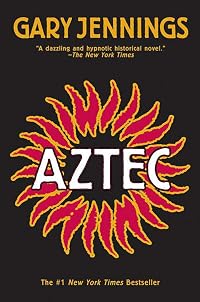
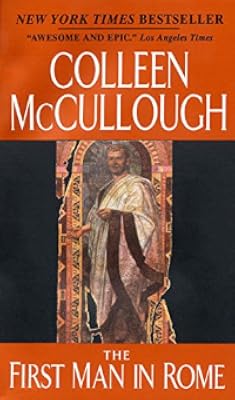
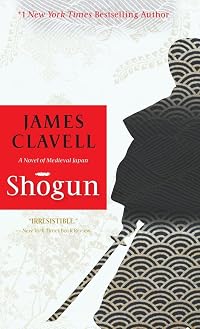
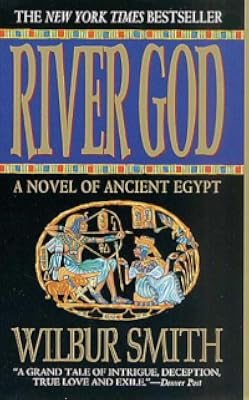
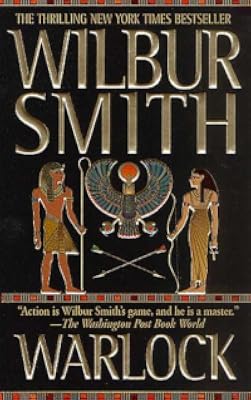
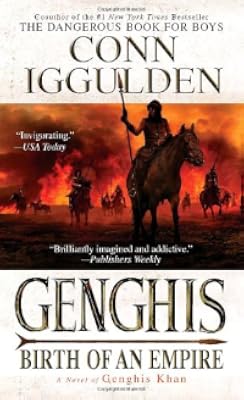
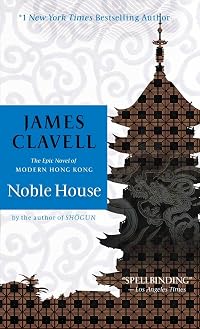
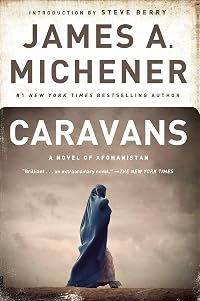
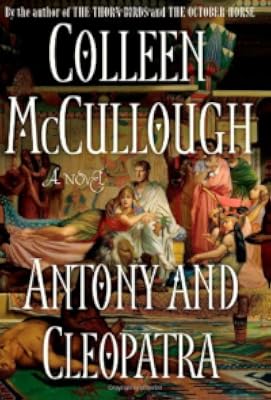
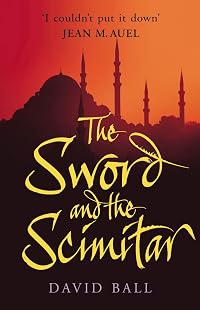
caimanjosh Both of these books are epic voyages through (at the time) largely unknown lands, with a great deal of historical detail thrown in.
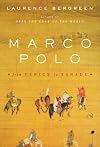
JGolomb Journeyer is a fictional telling of the travels of Marco Polo.
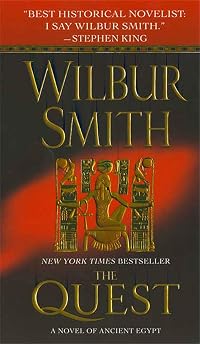
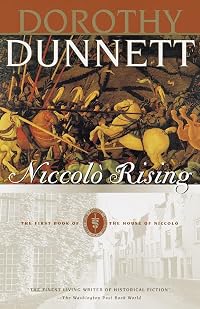
mcenroeucsb Historical fiction journeys

mcenroeucsb Historical fiction journeys
mcenroeucsb Historical fiction journeys
Member Reviews
I loved this, but not as much as "Aztec." The opening was slower and it seemed a bit more contrived. Like when he left his girlfriend for a year to buy a present for a friend, and when two characters reappear after their story arc is played out, well... you just know what's going to happen! Still, I wasn't disappointed, and Aztec is a tough act to follow.
I completed 30% of the book and at least 50% of that has to do with sexual exploits...on and on ad nauseam. Sex wasn't just mentioned briefly, but entire chapters of explicit detail. Sigh.....I read 240 pages and I'm done! DNF
1,058 pages of delight. Incredible in its detail of customs, culture, foods, et cetera, including the sheer adventure of it all! Not counting the liberal sprinkling of foreign words, I was shocked to find an estimated 300 English words that I had never encountered before (a humbling experience!). On the other hand, although I was not consciously doing proofreading, I did note around 30 typos that jumped off the page. Bottom line: Thoroughly enjoyable and great escape!
I liked it, as I did Aztec and raptor, and enjoyed it, except the totally useless and baseless part about India that was filled with outright lies. I've no idea why he went with the racism against Hindus. Almost everything was a blatant lie. No, there wasn't a race that inhabited India before Hindus that built the temples, it is painfully obvious since the same temples have been continually erected well into present day. It was the Europeans who were dirty and bathed once a month (the aztecs would follow them around with incense sticks to keep the stench at bay) while the Hindus have daily bathing incorporated into their religion. There's also some dialogs by the Hindu king disparaging the Buddha much as the followers of Abrahamic faith show more disparage each other, even though worshipping a "hindu" god like shiva and also worshipping buddha aren't mutually exclusive and have been done by the multitude, from peasants to royality. There are so many mistakes in that part, especially about the language and words used (using words like dak bungalow in a pre-british, and that too South India), not to mention the fact that the pashto that a girl speaks in the pai mir is actually today's Hindi, what i mean to say is that there's way too many mistakes regarding India and Hindus and their culture in this book. He said that there are light skinned upper caste Hindus who claim superiority owing to their descent from some foreign race, while in reality it's a term of insult when some dalit calls a brahmin a eurasian or something and claims that he himself is the moolnivasi. Also at that period people in cholamandalam were fans of dark skin, used to rub sesame oil on the skin of their infants to darken it, they were not wannabe whites as is shown here. There's way too many mistakes and i don't have either the time or the will to their light upon all of them.
I can't say about the accuracy of other parts since i only know much about Indian history but I'm sorry to say if everything else in the novel is as historically accurate as that part about India, then I sure regret wasting my time reading this fairy tale. show less
I can't say about the accuracy of other parts since i only know much about Indian history but I'm sorry to say if everything else in the novel is as historically accurate as that part about India, then I sure regret wasting my time reading this fairy tale. show less
A huge blockbuster of a book that held me enthralled for the whole thing. A wonderful story of the life of the traveller extraordinaire, Marco Polo.
My least favorite of the books of his that I have read.
Members
- Recently Added By
Lists

al.vick-wishlist-historical fiction
128 works; 1 member
Author Information

47+ Works 5,503 Members
Born in Buena Vista, Va., Gary Jennings worked as an account executive in advertising and as managing editor of Dude and Gent magazines before becoming a full time writer. His early works were written for young adults, but he has since become well known as a writer of extensively researched, epic historical fiction. Jennings immerses himself in show more the culture of the period and locale to gain the background for his novels. Before writing Aztec (1980), Jennings lived in Mexico for 12 years and studied the Nahuatl language. The popularity of this novel resulted in the sequel, Aztec Autumn (1997). To give depth and flavor to his novel, The Journeyer (1984), Jennings followed a route to China, sometimes traveling by camel or elephant, in the manner of Marco Polo. (Bowker Author Biography) show less
Some Editions
Awards and Honors
Distinctions
Work Relationships
Common Knowledge
- Canonical title
- The Journeyer
- Original title
- The Journeyer
- Original publication date
- 1984-01
- People/Characters
- Marco Polo; Kublai Khan
- Epigraph
- Come hither, great princes! Come hither, explorers and kings, dukes and marquises, knights and burgesses! Come hither, you people of all degrees, who wish to see the many faces of mankind and to know the diversities of th... (show all)e whole world!
Take up this book and read it, or have it read to you.
For herein you will find all the greatest wonders and most marvelous curiosities... - Dedication
- For Glenda
- First words
- Ah, Luigi, Luigi!
- Last words
- (Click to show. Warning: May contain spoilers.)I bid you farewell, Rustchello of Pisa, and I subscribe myself
Marco Polo of Venice and the World, His Yin:
Set down this 20th day of September in the Year of Our Lord 1319, by the Han count 4017, the year of the Ram.
Classifications
Statistics
- Members
- 814
- Popularity
- 33,801
- Reviews
- 15
- Rating
- (4.01)
- Languages
- 6 — Dutch, English, Finnish, German, Italian, Spanish
- Media
- Paper, Ebook
- ISBNs
- 27
- ASINs
- 11