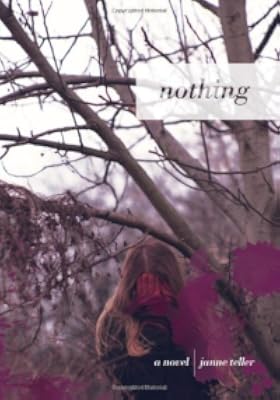
Nothing
by Janne Teller
On This Page
Description
When thirteen-year-old Pierre Anthon leaves school to sit in a plum tree and train for becoming part of nothing, his seventh grade classmates set out on a desperate quest for the meaning of life.Tags
Recommendations
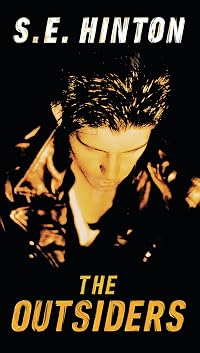
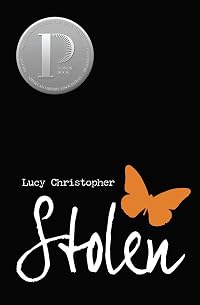
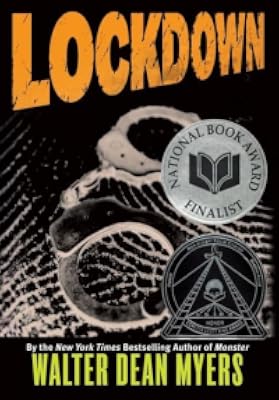
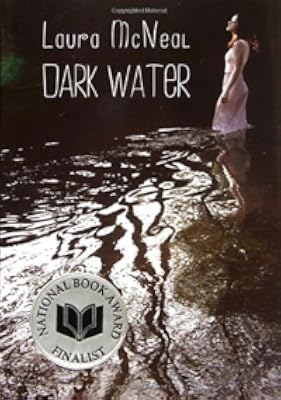


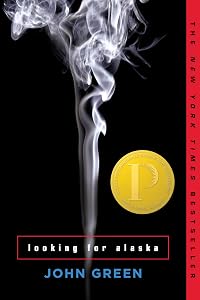
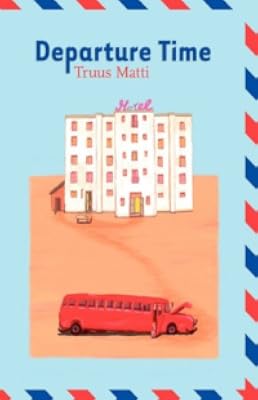
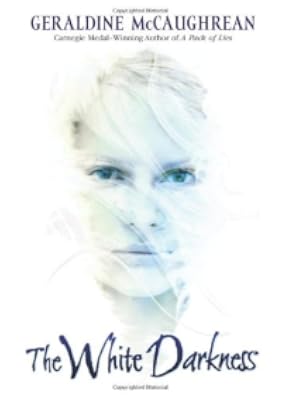
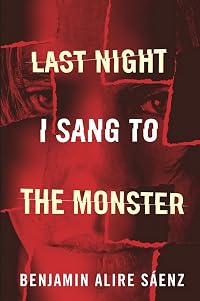
Member Recommendations

War by Janne Teller
by chwiggy
Member Reviews
It is the first day of seventh grade in a suburban Danish town, when Pierre Anthon declares that nothing matters and goes to live in a tree, the ideal spot from which to lob plums and existential taunts at his classmates. Fed up, they set out to prove him wrong by amassing a whole "heap of meaning." As they take turns sacrificing meaningful things to the pile, it is not long before their cruelty and urge for revenge lead to unthinkable acts. One of the group, Agnes, chronicles the gruesome proceedings with chilling emotional detachment and spells out their amoral logic with stunningly lyrical prose. Shocking, challenging, and beautiful, this is philosophical horror at its best.
My VOYA ratings: 5Q ("Hard to imagine it being better show more written") and 2P ("For the YA reader with a special interest in the subject"). The author sure lives up to her surname, and the English translator deserves recognition too. The language is quite lyrical ("We cried...because the music crept inside us and became greater and wanted out again without being able to" [221]), and the humor is as subtle as the horror is shocking. ("Pierre Anthon laughed. 'He who laughs last, laughs longest!' And then he laughed so loud it sounded like a whole bunch of incisive arguments and conviction." [180]). The concise narration reveals just enough about the characters (many of them stuck with typecast nicknames) to give the story an allegorical feel. (Allegory? Parable? My knowledge of these literary terms is rusty, so please weigh in. I also don't really know what I'm talking about when I say "philosophical horror.") While there's something in Nothing to offend nearly everybody, older teens who dig horror or dark satire may be rewarded for braving it.
Definitely a love-it-or-hate-it book, and I loved it. Nothing made me:
*wish I could read Danish
*want to comprehend Kierkegaard
*reflect on other memorable reading experiences, including A Clockwork Orange (for the way the media ends up playing a role), The Baron in the Trees (by Italo Calvino, for the young protagonist who takes to the trees in protest), and Animal Farm ("It's like Animal Farm but with innocent-looking schoolkids instead of farm animals," I said to a coworker. "So basically Lord of the Flies," was his response.)
*feel pretty ridiculous about never having read Lord of the Flies, and
*work really hard to resist the temptation to slip a "much ado about Nothing" pun into my review. show less
My VOYA ratings: 5Q ("Hard to imagine it being better show more written") and 2P ("For the YA reader with a special interest in the subject"). The author sure lives up to her surname, and the English translator deserves recognition too. The language is quite lyrical ("We cried...because the music crept inside us and became greater and wanted out again without being able to" [221]), and the humor is as subtle as the horror is shocking. ("Pierre Anthon laughed. 'He who laughs last, laughs longest!' And then he laughed so loud it sounded like a whole bunch of incisive arguments and conviction." [180]). The concise narration reveals just enough about the characters (many of them stuck with typecast nicknames) to give the story an allegorical feel. (Allegory? Parable? My knowledge of these literary terms is rusty, so please weigh in. I also don't really know what I'm talking about when I say "philosophical horror.") While there's something in Nothing to offend nearly everybody, older teens who dig horror or dark satire may be rewarded for braving it.
Definitely a love-it-or-hate-it book, and I loved it. Nothing made me:
*wish I could read Danish
*want to comprehend Kierkegaard
*reflect on other memorable reading experiences, including A Clockwork Orange (for the way the media ends up playing a role), The Baron in the Trees (by Italo Calvino, for the young protagonist who takes to the trees in protest), and Animal Farm ("It's like Animal Farm but with innocent-looking schoolkids instead of farm animals," I said to a coworker. "So basically Lord of the Flies," was his response.)
*feel pretty ridiculous about never having read Lord of the Flies, and
*work really hard to resist the temptation to slip a "much ado about Nothing" pun into my review. show less
You know what this book is being compared to? A twenty-first century version of Lord of the Flies. I know you're curious right? Is it?
*shrug*
I have to be honest here: I read Lord of the Flies twenty years ago. I remember the conch shell and a whole bunch of boys who slowly turn on each other...but that's about it. (Er also, wasn't there a character named Piggy or did I just imagine it?) ANYWAYS, I was a pretty freaked out fourteen year old, mind you. It at least left an impression.
Aaannnd...Nothing left equally a strong impression. But whereas I can peg the similarity in the children eventually turn on each other and there's a heavily played out GROUPTHINK going on, Nothing was by far more wretched than the Flies ever could be.
S'okay, show more we have this young boy who's about fourteen years old and on the first day of school he suddenly stands up and states that nothing matters. Naaaasssing (imagine a heavy German accent, peeps). Of course his fellow classmates get a wee bit wigged out about this exclamatory remark, thus deciding it is up to them to SHOW said flipped out classmate that things really DO matter.
Now how do you go about that, you might be wondering? Easily enough, each student will contribute to the something-matters-pile. An accumulation of personal mattersomes.
It starts off childlike enough. You over there! Take off your brand new and favorite shoes! Throw them in the pile! And you! Yes you! I want your musical instrument. But then it gets feverish. My favorite instrument? Oh no you didn't! I want your pet munchkin. And YOOOOOUUU! You must cut off your hair!
Do ya see where this is going? It gets ohsomuchworse! *shudder* To include, but by far NOT THE WORST....a severed dog's head.
And whilst this is going on, the mate that espoused life has no meaning so might as well just enjoy it, is doing just that. Up in a tree. Not realizing how crazed his ex-buds have gotten.
EXISTENTIALISM people! Do you hear me?! Oh how I lurve thee. Seriously. The Big E and I were buds way back in my early 20's. Must everything have meaning? Is nothing sacred anymore? What is the point? Who cares we'll all end up dead and forgotten. Yes, yes, I'm simplifying. But you get it right?!
Nothing had me biting my nails. Bwhahahaha I even love using the title over and over again. *elbows ribs* get it? get it?
This is definitely NOT a book to get if you want to be in a cheery mood. But it is a fantastic gem of 200 odd pages. show less
*shrug*
I have to be honest here: I read Lord of the Flies twenty years ago. I remember the conch shell and a whole bunch of boys who slowly turn on each other...but that's about it. (Er also, wasn't there a character named Piggy or did I just imagine it?) ANYWAYS, I was a pretty freaked out fourteen year old, mind you. It at least left an impression.
Aaannnd...Nothing left equally a strong impression. But whereas I can peg the similarity in the children eventually turn on each other and there's a heavily played out GROUPTHINK going on, Nothing was by far more wretched than the Flies ever could be.
S'okay, show more we have this young boy who's about fourteen years old and on the first day of school he suddenly stands up and states that nothing matters. Naaaasssing (imagine a heavy German accent, peeps). Of course his fellow classmates get a wee bit wigged out about this exclamatory remark, thus deciding it is up to them to SHOW said flipped out classmate that things really DO matter.
Now how do you go about that, you might be wondering? Easily enough, each student will contribute to the something-matters-pile. An accumulation of personal mattersomes.
It starts off childlike enough. You over there! Take off your brand new and favorite shoes! Throw them in the pile! And you! Yes you! I want your musical instrument. But then it gets feverish. My favorite instrument? Oh no you didn't! I want your pet munchkin. And YOOOOOUUU! You must cut off your hair!
Do ya see where this is going? It gets ohsomuchworse! *shudder* To include, but by far NOT THE WORST....a severed dog's head.
And whilst this is going on, the mate that espoused life has no meaning so might as well just enjoy it, is doing just that. Up in a tree. Not realizing how crazed his ex-buds have gotten.
EXISTENTIALISM people! Do you hear me?! Oh how I lurve thee. Seriously. The Big E and I were buds way back in my early 20's. Must everything have meaning? Is nothing sacred anymore? What is the point? Who cares we'll all end up dead and forgotten. Yes, yes, I'm simplifying. But you get it right?!
Nothing had me biting my nails. Bwhahahaha I even love using the title over and over again. *elbows ribs* get it? get it?
This is definitely NOT a book to get if you want to be in a cheery mood. But it is a fantastic gem of 200 odd pages. show less
Nothing truly disturbed me; a group of seventh graders in Denmark decide to create their own “heap of meaning” after one of their classmates, Pierre Anthon, climbs up into a plum tree and refuses to come down. His refrain to anyone who comes near him is that life has no meaning, and his classmates are determined to prove him wrong.
What is disturbing is how they go about proving that life has meaning; each classmate has to give up something of great personal meaning to him or her, and it comes to pass that the previous classmate who gave up something determines what the next classmate gives up. Wickedness and revenge begin to surface, resulting in some utterly appalling behaviors from the classmates—but the strangest part is that show more no one, until the very end, sees anything wrong enough with the “plan” to stop it. And even then, these children are so enmeshed in their “meaning” that they begin to believe it does have meaning, even if they cannot truly understand it.
The book jacket states that Nothing is a twenty-first century Lord of the Flies experience, and that is exactly what I envisioned as I turned to the last page. The novel left me deeply unsettled, and while it may not be the best or most uplifting novel I’ve read, any novel that affects me emotionally is definitely worth the time it took to read. show less
What is disturbing is how they go about proving that life has meaning; each classmate has to give up something of great personal meaning to him or her, and it comes to pass that the previous classmate who gave up something determines what the next classmate gives up. Wickedness and revenge begin to surface, resulting in some utterly appalling behaviors from the classmates—but the strangest part is that show more no one, until the very end, sees anything wrong enough with the “plan” to stop it. And even then, these children are so enmeshed in their “meaning” that they begin to believe it does have meaning, even if they cannot truly understand it.
The book jacket states that Nothing is a twenty-first century Lord of the Flies experience, and that is exactly what I envisioned as I turned to the last page. The novel left me deeply unsettled, and while it may not be the best or most uplifting novel I’ve read, any novel that affects me emotionally is definitely worth the time it took to read. show less
La primera vez que leí este libro me quede con un sabor agridulce en la boca...es una historia dirigida a los jóvenes que no los toma como tontos pero, a la vez, es denso y predecible en lo general, además de que me dejo con la sensación de que no sé si me gustó o no (esto último, hasta la fecha sigo sin saberlo), tiene cierto aire de inevitabilidad que te tiene constantemente diciendo ¡Ya, paren ahí, por favor!
La premisa de este libro es sencilla, como lidian las personas con el concepto de la insignificancia nada vale, así que nada tiene sentido y, bajo la búsqueda de demostrar que hay cosas que si tienen sentido, estos preadolescentes se embarcaran en un viaje que les hará identificar el valor de aquello que tiene show more significado para ellos...pero también el preguntarse si realmente es valioso, o cómo pequeñas acciones pueden añadir o despojar a "eso" de todo valor. Llega un punto en que no importa que tan vanales fueran las cosas que se pidieron, una vez perdidas no se pueden recuperary cuando al fin creen haber encontrado el significado, la perversión en la que ha caído su existencia, se lo arrebatan y, en su ira e impotencia, terminen deshaciéndose de quien ellos creen que les arrebato la felicidad .
Lo triste e irónico de este libro es que es uno de esos casos en que sí un adulto se hubiese preocupado, o uno de los chicos no hubiese seguido la corriente, todo pudo avanzar diferente. En el primer caso porque hubo muchas señales de alerta y ningún adulto, ni uno sólo, hizo caso de ellas cuando al menos el profesor supo lo que sucedió con Pierre Anthon (de es hablamos mas adelante) y ninguno, después de que les dijeran ese cambio en ellos, se puso a pensar como lidian los preadolescentes con este tipo de preguntas. El segundo punto va bastante con la mentalidad de manada, ¿Cómo de diferente sería esta historia si uno sólo de los niños hubiese no siguiera al resto? ¿La historia sería completamente diferente? ¿El resultado sería el mismo?¿Habría terminado como Pierre Anthon?
Para un libro que habla de la nada, llama la atención el valor que se le da a la validación externa. Esto tanto en lo que sucede con los niños, que quieren convencer al mundo y particularmente a Pierre Anthon de que las cosas tienen valor, y de Pierre Anthon que, a pesar que haber descubierto que ya nada importa, él busca, necesita, hacerle notar a sus compañeros la insignificancia de la vida, como si la única manera de hacer real esa verdad es que otros la adopten, pudiendo llegar a la paradoja de que la insignificancia de todo solo tiene valor o significado si los demás son conscientes de ello.
Pero, como mencione, constantemente se juega con el valor o significado de las cosas, ejemplo de ellos es la falta de consecuenciasa parte de un correctivo, en su mayoría salen bien librados. , dando a entender que lo bueno o malo que lograron no importa, es irrelevante, así que ¿Realmente la vida o todo lo demás que hicieron importa?
Al funal del día, es un libro que me alegro de haber leído, opta por el shock para transmitir su mensaje, pero esto no me parece que sea incorrecto, aunque tampoco creo que sea lo mejor, simplemente es un enfoque realista y al mismo tiempo exagerado, que se orienta a "lo peor que podría pasar" y no tanto al "la vida es bella", si logras conectar te va a hacer pensar en lo que sucede, pero si no conectar vas a sufrir leyéndolo. show less
La premisa de este libro es sencilla, como lidian las personas con el concepto de la insignificancia nada vale, así que nada tiene sentido y, bajo la búsqueda de demostrar que hay cosas que si tienen sentido, estos preadolescentes se embarcaran en un viaje que les hará identificar el valor de aquello que tiene show more significado para ellos...pero también el preguntarse si realmente es valioso, o cómo pequeñas acciones pueden añadir o despojar a "eso" de todo valor. Llega un punto en que no importa que tan vanales fueran las cosas que se pidieron, una vez perdidas no se pueden recuperar
Lo triste e irónico de este libro es que es uno de esos casos en que sí un adulto se hubiese preocupado, o uno de los chicos no hubiese seguido la corriente, todo pudo avanzar diferente. En el primer caso porque hubo muchas señales de alerta y ningún adulto, ni uno sólo, hizo caso de ellas cuando al menos el profesor supo lo que sucedió con Pierre Anthon (de es hablamos mas adelante) y ninguno, después de que les dijeran ese cambio en ellos, se puso a pensar como lidian los preadolescentes con este tipo de preguntas. El segundo punto va bastante con la mentalidad de manada, ¿Cómo de diferente sería esta historia si uno sólo de los niños hubiese no siguiera al resto? ¿La historia sería completamente diferente? ¿El resultado sería el mismo?
Para un libro que habla de la nada, llama la atención el valor que se le da a la validación externa. Esto tanto en lo que sucede con los niños, que quieren convencer al mundo y particularmente a Pierre Anthon de que las cosas tienen valor, y de Pierre Anthon que, a pesar que haber descubierto que ya nada importa, él busca, necesita, hacerle notar a sus compañeros la insignificancia de la vida, como si la única manera de hacer real esa verdad es que otros la adopten, pudiendo llegar a la paradoja de que la insignificancia de todo solo tiene valor o significado si los demás son conscientes de ello.
Pero, como mencione, constantemente se juega con el valor o significado de las cosas, ejemplo de ellos es la falta de consecuencias
Al funal del día, es un libro que me alegro de haber leído, opta por el shock para transmitir su mensaje, pero esto no me parece que sea incorrecto, aunque tampoco creo que sea lo mejor, simplemente es un enfoque realista y al mismo tiempo exagerado, que se orienta a "lo peor que podría pasar" y no tanto al "la vida es bella", si logras conectar te va a hacer pensar en lo que sucede, pero si no conectar vas a sufrir leyéndolo. show less
The premise sounds like a philosophical exercise: a group of middle schoolers wants to debunk their nihilistic classmate's claims that nothing matters by each sacrificing something that means a lot and creating a heap of meaning. What matters to you? What would you give up in order show your life has value? What would you ask someone else to give up to prove their life's value?
The first few things given up are personal belongings that do not carry dire consequences: sandals, a pet gerbil, a bicycle. Then things get simultaneously cruel and meaningful. Suddenly meaning is ascribed to things you would never do or give up. The stakes become permanent, and Teller does not wuss out at the end.
The quick, fable-like storytelling keeps the show more pages turning without stopping for any long monologues, love triangles, or close examinations of the narrator's feelings. Having said that, Teller gives her children equal measures of sensitivity and cruelty, making this one of the most accurate and meaningful portrayals of children in literature I've seen.
There seem to be a fair number of negative reviews for this book that emphasize the unpleasant moments and conclude that the book is going for shock value or otherwise has nothing to say. I would implore such critics to examine the motives and meanings behind each character's actions before dismissing the entire story. show less
The first few things given up are personal belongings that do not carry dire consequences: sandals, a pet gerbil, a bicycle. Then things get simultaneously cruel and meaningful. Suddenly meaning is ascribed to things you would never do or give up. The stakes become permanent, and Teller does not wuss out at the end.
The quick, fable-like storytelling keeps the show more pages turning without stopping for any long monologues, love triangles, or close examinations of the narrator's feelings. Having said that, Teller gives her children equal measures of sensitivity and cruelty, making this one of the most accurate and meaningful portrayals of children in literature I've seen.
There seem to be a fair number of negative reviews for this book that emphasize the unpleasant moments and conclude that the book is going for shock value or otherwise has nothing to say. I would implore such critics to examine the motives and meanings behind each character's actions before dismissing the entire story. show less
I didn't enjoying reading this book, but then I'm not sure I was supposed to. That being said, I liked the book. It's a bit of philosophy wrapped up in a YA novel and I think it works really well (it certainly got me thinking for a bit after I finished it). It's the story of a boy who discovers that life has no meaning and what happens to his classmates (they're the equivalent of 8th graders in the US) try to prove him wrong.
For such a short/small book, it packs a lot into it. The novel's narrated by Agnes, one of the boy's classmates and we see the story through her eyes, but from a slight distance and with a bit of reflection. The novel is very well written and while the content is existential in nature, it's definitely show more readable/understandable. show less
For such a short/small book, it packs a lot into it. The novel's narrated by Agnes, one of the boy's classmates and we see the story through her eyes, but from a slight distance and with a bit of reflection. The novel is very well written and while the content is existential in nature, it's definitely show more readable/understandable. show less
Now, this was definitely one of those books that, while written for teens, is incredible without having to take that perspective into account.
The prose is beautiful and the story is gripping and quite gruesome despite not describing the most violent scenes in graphic details. It is written in this voice that is somehow detached and (fittingly) nihilistic while also conveying all the emotional impact of the things that are described.
Both the subject matter (dissatisfied, violent youth) and the voice, but especially the voice, remind me of [a:Elfriede Jelinek|128607|Elfriede Jelinek|https://d.gr-assets.com/authors/1369891598p2/128607.jpg], who is just brilliant despite having the ability to make me sick to my stomach.
Thanks to karen show more for reviewing this book a while back and bringing it to my attention! show less
The prose is beautiful and the story is gripping and quite gruesome despite not describing the most violent scenes in graphic details. It is written in this voice that is somehow detached and (fittingly) nihilistic while also conveying all the emotional impact of the things that are described.
Both the subject matter (dissatisfied, violent youth) and the voice, but especially the voice, remind me of [a:Elfriede Jelinek|128607|Elfriede Jelinek|https://d.gr-assets.com/authors/1369891598p2/128607.jpg], who is just brilliant despite having the ability to make me sick to my stomach.
Thanks to karen show more for reviewing this book a while back and bringing it to my attention! show less
Members
- Recently Added By
Lists

Read in school
24 works; 1 member
Author Information

Janne Teller was born in Copenhagen. Originally educated as a macro-economist, she has lived and worked all over the world. In 1995 she left a career with the United Nations to become a full-time writer. Her adult books include Odin's Island and The Trampling Cat.
Some Editions
Awards and Honors
Awards
Distinctions
Notable Lists
Common Knowledge
- Canonical title
- Nothing
- Original title
- Intet (Danish) (Danish)
- Alternate titles*
- Niente
- First words
- Nothing matters.
- Last words
- (Click to show. Warning: May contain spoilers.)Is it, Pierre Anthon? Is it?
- Original language
- Danish
*Some information comes from Common Knowledge in other languages. Click "Edit" for more information.
Classifications
- Genres
- Teen, Fiction and Literature, Young Adult
- DDC/MDS
- 839.81374 — Literature & rhetoric German & related literatures Other Germanic literatures Danish and Norwegian literatures Danish Danish fiction 1900–2000 Late 20th century 1945–2000
- LCC
- PZ7 .T2367 .N — Language and Literature Fiction and juvenile belles lettres Fiction and juvenile belles lettres Juvenile belles lettres
- BISAC
Statistics
- Members
- 1,066
- Popularity
- 24,151
- Reviews
- 129
- Rating
- (3.52)
- Languages
- 14 — Catalan, Czech, Danish, Dutch, English, Finnish, French, German, Hungarian, Italian, Norwegian (Bokmål), Portuguese, Spanish, Swedish
- Media
- Paper, Audiobook, Ebook
- ISBNs
- 59
- ASINs
- 9