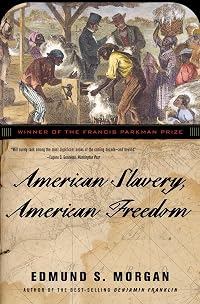
American Slavery, American Freedom: The Ordeal of Colonial Virginia
by Edmund S. Morgan
On This Page
Description
"If it is possible to understand the American paradox, the marriage of slavery and freedom, Virginia is surely the place to begin," writes Edmund S. Morgan in American Slavery, American Freedom, a study of the tragic contradiction at the core of America. Morgan finds the key to this central paradox in the people and politics of the state that was both the birthplace of the revolution and the largest slaveholding state in the country. With a new introduction. Winner of the Francis Parkman show more Prize and the Albert J. Beveridge Award. show lessTags
Recommendations

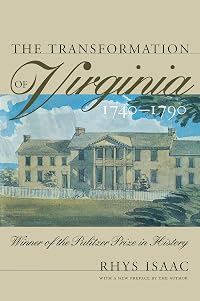
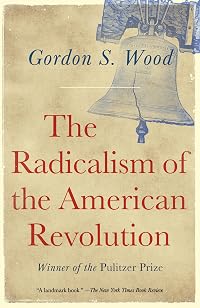
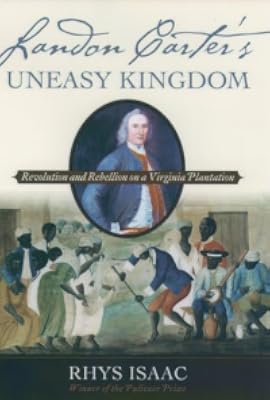
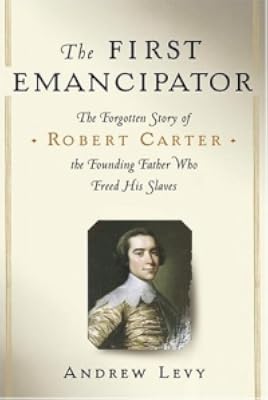
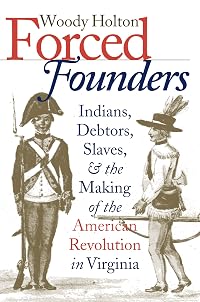
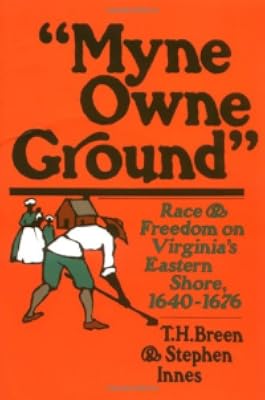


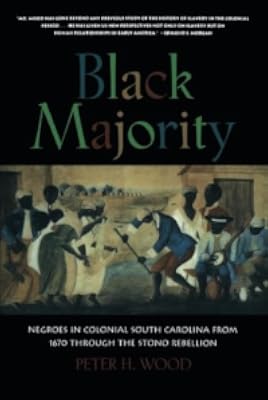
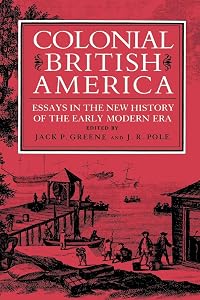
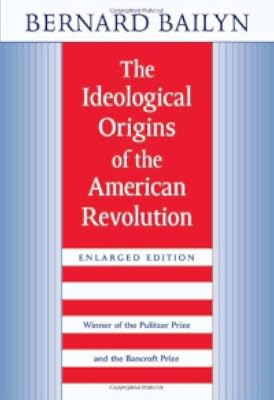
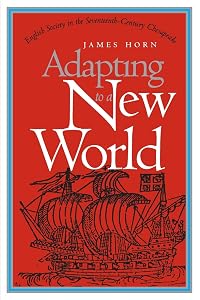
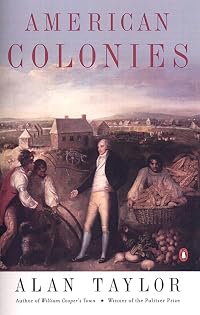
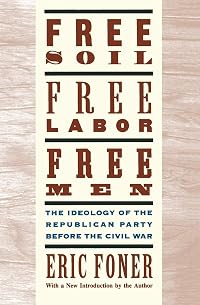
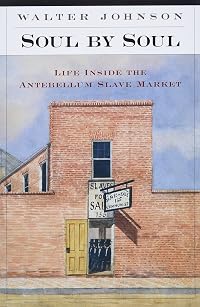
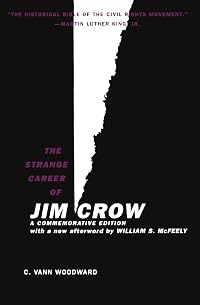
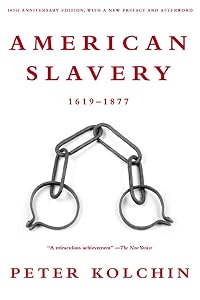
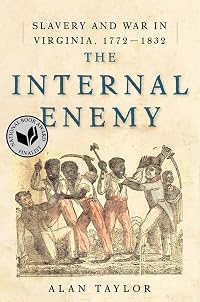

Member Recommendations

Member Reviews
American Slavery, American Freedom is Morgan's answer to the paradox which he himself formulates in the beginning of the book: that of Virginia being both the birthplace of the democratic republican United States and, at the same time, the largest slave-holding colony and, later, state.Among voluminous other sources, Morgan employs the archives of Virginia's House of Burgesses, circa 1620 and beyond to explore this paradox and find an explanation for it.
Much of the book is a description of the problem of poverty in England during the 17th century, one of the solutions to which was to send the English poor (many of them shiftless troublemakers over to the American colonies as indentured servants.
Much of the book is a description of the problem of poverty in England during the 17th century, one of the solutions to which was to send the English poor (many of them shiftless troublemakers over to the American colonies as indentured servants.
American Slavery/American Freedom describes the economy and political organization of colonial Virginia. The argument boils down to: 1. The non-productive poor were viewed as expendable anyway, and it took just a little racialization to shift a servant-based economy to a slave-based one, 2. Taking the dependent class out of the political landscape allowed the upper class to advocate for freedom and equality without risk of a French-style insurrection, or a political system based on bribery and coercion of the poor. Most of this argument is in the last chapter, but the story of the appalling death rate in the early colony, the development of the tobacco industry and the rapacious early nouveau riche keep you reading until it's all show more wrapped up nicely.
Morgan writes fantastic history. His thematic organization and seamless integration of source material into the text are eminently readable. None of the book seems dated, although it was written in the 70s. show less
Morgan writes fantastic history. His thematic organization and seamless integration of source material into the text are eminently readable. None of the book seems dated, although it was written in the 70s. show less
This book is not so much a history of slavery as it is an economic history of Colonial Virginia. In a sense, understanding the conditions of Colonial Virginia is important to understanding how this English community came to adopt chattel slavery based on race. But reading the book the topics vary far and wide from the concepts of slavery and their contrasts with the American ideals of freedom. In short, it's an interesting book albeit not necessarily the one I expected.
Edmund Morgan departs from his usual topic of colonial New England for this painstaking, yet incisive examination of colonial Virginia. Morgan finds Virginia to be a most inhospitable place after the arrival of Europeans. It became inhospitable for the Indians because of the Europeans attitudes and actions towards them (that is, after the Indians kept them alive for the first number of years). Morgan's focus, however, is on the Europeans (almost entirely English) and their relations amongst one another and vis a vis the Crown in England.
For many years, the English struggled to survive. They either could not or would not perform the tasks necessary to feed themselves. Once tobacco emerged as a cash crop it became almost impossible to get show more any English Virginian to grow mere corn. The death toll of diseases and, yes, starvation, were fearsome. Despite regular and sizable infusions of new immigrants, the population of Virginia grew at a snail's pace.
Early Virginia verged on the lawless. The English elites sent to govern the colony instead took the lead in exploiting the labor of servants and small landholders. After tobacco prices dropped, the only people making money in Virginia were the members of the Royal Council who flagrantly used their places to assign government revenues to themselves.
Small landholders had very little ability to resist the council members. Large landholders had collected many of their acres without actually farming it (in violation of the law). This artificial scarcity of good land pushed the small landholders farther away from the main settlements, which exposed them top greater risk of Indian attacks. Bacon's Rebellion in 1676 was more the result of small landholders' desire to exterminate the local Indians than an attack on Governor Berkeley's administration.
The Crown began to pay a bit more attention to the plight of the small landholders, but progress in that direction remained slow - until the advent of slavery. As Morgan tells it, slavery was slow to catch on in Virginia mainly because of the frightful death rate of new servants. Slaves were simply too costly to risk. Once the survival rate improved, it made economic sense to invest in slaves (obviously the slaves took a different view of the matter, but were powerless to act on those views). Slaves brought greater prosperity to white Virginians. Small landholders were able to obtain a greater voice in the government (usually as voters and supporters not as actual candidates for office). The large landholders did not resist this power-sharing because they viewed their interests as much aligned with the small landholders. They all raised and sold tobacco, they all paid the tobacco-related fees and taxes imposed by the royal government, and they all owned slaves to grow the tobacco.
Thus, when they promoted liberty and freedom, the Virginians had little to fear that "the mob" would get carried away with leveling tendencies because there was no mob available; there was no pool of unattached roaming poor or of poor laborers. Morgan is not arguing that "a belief in republican equality had to rest on slavery, but only that in Virginia (and probably other southern colonies) it did. The most ardent republicans were Virginians, and their ardor was not unrelated to their power over the men and women they held in bondage." Virginians could espouse republican equality because they had removed the poor from the equation.
Morgan's book was intended for an academic audience. He presents evidence of life in early Virginia at a level of detail beyond the interest of most readers (the word excruciating come to mind). And he takes a good long time getting to his thesis just mentioned. A further caveat, the book is also not much about slavery, which does not enter into the book until the 80 pages or so. Nonetheless, despite these shortcomings for the typical reader, I highly recommend Morgan's book for anyone with an interest in history or the development of American political philosophy.
***
Morgan won the Francis Parkman Prize and the Albert J. Beveridge Award (both in 1976) for his academic history of colonial Virginia, American Slavery, American Freedom. The Francis Parkman Prize is awarded annually for the best nonfiction book on an American theme and is named for Francis Parkman (best known for his account of his 1846 tour along The Oregon Trail). The Beveridge Award is given annually for the best book in English on the history of the United States, Latin America, or Canada from 1492 to the present and honors U.S. Senator Albert J. Beveridge. show less
For many years, the English struggled to survive. They either could not or would not perform the tasks necessary to feed themselves. Once tobacco emerged as a cash crop it became almost impossible to get show more any English Virginian to grow mere corn. The death toll of diseases and, yes, starvation, were fearsome. Despite regular and sizable infusions of new immigrants, the population of Virginia grew at a snail's pace.
Early Virginia verged on the lawless. The English elites sent to govern the colony instead took the lead in exploiting the labor of servants and small landholders. After tobacco prices dropped, the only people making money in Virginia were the members of the Royal Council who flagrantly used their places to assign government revenues to themselves.
Small landholders had very little ability to resist the council members. Large landholders had collected many of their acres without actually farming it (in violation of the law). This artificial scarcity of good land pushed the small landholders farther away from the main settlements, which exposed them top greater risk of Indian attacks. Bacon's Rebellion in 1676 was more the result of small landholders' desire to exterminate the local Indians than an attack on Governor Berkeley's administration.
The Crown began to pay a bit more attention to the plight of the small landholders, but progress in that direction remained slow - until the advent of slavery. As Morgan tells it, slavery was slow to catch on in Virginia mainly because of the frightful death rate of new servants. Slaves were simply too costly to risk. Once the survival rate improved, it made economic sense to invest in slaves (obviously the slaves took a different view of the matter, but were powerless to act on those views). Slaves brought greater prosperity to white Virginians. Small landholders were able to obtain a greater voice in the government (usually as voters and supporters not as actual candidates for office). The large landholders did not resist this power-sharing because they viewed their interests as much aligned with the small landholders. They all raised and sold tobacco, they all paid the tobacco-related fees and taxes imposed by the royal government, and they all owned slaves to grow the tobacco.
Thus, when they promoted liberty and freedom, the Virginians had little to fear that "the mob" would get carried away with leveling tendencies because there was no mob available; there was no pool of unattached roaming poor or of poor laborers. Morgan is not arguing that "a belief in republican equality had to rest on slavery, but only that in Virginia (and probably other southern colonies) it did. The most ardent republicans were Virginians, and their ardor was not unrelated to their power over the men and women they held in bondage." Virginians could espouse republican equality because they had removed the poor from the equation.
Morgan's book was intended for an academic audience. He presents evidence of life in early Virginia at a level of detail beyond the interest of most readers (the word excruciating come to mind). And he takes a good long time getting to his thesis just mentioned. A further caveat, the book is also not much about slavery, which does not enter into the book until the 80 pages or so. Nonetheless, despite these shortcomings for the typical reader, I highly recommend Morgan's book for anyone with an interest in history or the development of American political philosophy.
***
Morgan won the Francis Parkman Prize and the Albert J. Beveridge Award (both in 1976) for his academic history of colonial Virginia, American Slavery, American Freedom. The Francis Parkman Prize is awarded annually for the best nonfiction book on an American theme and is named for Francis Parkman (best known for his account of his 1846 tour along The Oregon Trail). The Beveridge Award is given annually for the best book in English on the history of the United States, Latin America, or Canada from 1492 to the present and honors U.S. Senator Albert J. Beveridge. show less
Virginia was the largest slave holding colony. Their lead on slavery and independence is what caused this democracy to embrace slavery. This book seeks to show how that came about. Starting with the failure of Roanoke through Jefferson there is a tension the author gets to the roots of. Well written and with notes where they should be, this is very readable
This award-winning book, first published in 1975, is a detailed account of the “ordeal of colonial Virginia." Morgan traces Virginia's history from the failed colonization attempts of Sir Walter Raleigh and others in the late 16th century to the calamity-filled founding of Jamestown in the early 17th century, to the firm establishment of slavery by the third quarter of that century, and finally, to the slaveholding Patriots on the eve of the American Revolution.
The author’s thesis is that the Virginia colonists’ quest for freedom ironically provided the fertile soil in which slavery could take root and thrive. He painstakingly presents the evidence to prove how this could be. The book is fairly “academic” and heavily show more footnoted, and occasionally devotes too much space to historical minutiae for my taste. It is, however, a fascinating account any student of early American history and the history of American slavery should read. show less
The author’s thesis is that the Virginia colonists’ quest for freedom ironically provided the fertile soil in which slavery could take root and thrive. He painstakingly presents the evidence to prove how this could be. The book is fairly “academic” and heavily show more footnoted, and occasionally devotes too much space to historical minutiae for my taste. It is, however, a fascinating account any student of early American history and the history of American slavery should read. show less
This book doesn't deal so much with American slavery as it does with slavery in Virginia in colonial times, and the gist of the book seems to have been that none of the white Englishmen who arrived on our shores to set up colonies seemed to want to work very hard. They seem to have spent most of their time looking for others to do their hard labor for them - first with indentured servants, then with Native Americans, and finally with Africans - the latter decided on after observing the success of slavery on the Caribbean islands. Not a very enlightening book.
Members
- Recently Added By
Lists

Best U.S. History Books (1754-1828)
363 works; 18 members

Changamire's Bookshelf
19 works; 1 member

r/AskHistorians' Recommended Books
1,068 works; 18 members

Works Cited in The History of White People by Nell Irvin Painter
321 works; 2 members

Books recommended in the history category on FiveBooks.com
329 works; 4 members

Books in the Bibliography of Contested Continent by Peter Mancall
495 works; 1 member
Author Information

36+ Works 6,630 Members
Born in Minneapolis, Minnesota, Edmund Morgan spent most of his youth in Cambridge, Massachusetts, and was educated at the Belmont Hill School, Harvard, and the London School of Economics. He received his Ph.D. from Harvard in 1942 and three years later began his teaching career at the University of Chicago.From there he moved first to Brown show more University and then to Yale, where he became Sterling Professor in 1965 and emeritus in 1986. Morgan's historical writings greatly enhance our understanding of such complex aspects of the American experience as Puritanism, the Revolution, and the relationship between slavery and racism. At the same time, they captivate readers in the classroom and beyond. His work is a felicitous blend of rigorous scholarship, imaginative analysis, and graceful presentation. Although sometimes characterized as the quintessential Whig historian, in reality Morgan transcends simplistic categorization and has done more, perhaps, than any other historian to open new and creative paths of inquiry into the meaning of the early American experience. (Bowker Author Biography) show less
Awards and Honors
Common Knowledge
- Canonical title
- American Slavery, American Freedom: The Ordeal of Colonial Virginia
- Original publication date
- 1975
- Important places
- Virginia, USA
- Important events
- Bacon's Rebellion (1676)
Classifications
- Genres
- History, Nonfiction, General Nonfiction
- DDC/MDS
- 975.502 — History & geography History of North America Southeastern United States (South Atlantic states) Virginia
- LCC
- E445 .V8 .M67 — History of the United States United States Revolution to the Civil War, 1775/1783-1861 Slavery in the United States. Antislavery
- BISAC
Statistics
- Members
- 1,188
- Popularity
- 20,954
- Reviews
- 11
- Rating
- (4.08)
- Languages
- English, Spanish
- Media
- Paper, Audiobook, Ebook
- ISBNs
- 10
- ASINs
- 14