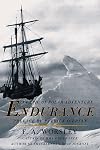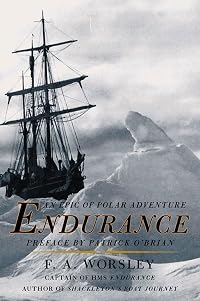
Endurance: An Epic of Polar Adventure
by Frank Worsley
On This Page
Description
The legendary tale of Ernest Shackleton's grueling Antarctic expedition, recounted in riveting first-person detail by the captain of HMS Endurance. "You seriously mean to tell me that the ship is doomed?" asked Frank Worsley, commander of the Endurance, stuck impassably in Antarctic ice packs. "What the ice gets," replied Sir Ernest Shackleton, the expedition's unflappable leader, "the ice keeps." It did not, however, get the ship's twenty-five crew members, all of whom survived an show more eight-hundred-mile voyage across sea, land, and ice to South Georgia, the nearest inhabited island. First published in 1931, Endurance tells the full story of that doomed 1914-1916 expedition and incredible rescue, as well as relating Worsley's further adventures fighting U-boats in the Great War, sailing the equally treacherous waters of the Arctic, and making one final (and successful) assault on the South Pole with Shackleton. It is a tale of unrelenting high adventure and a tribute to one of the most inspiring and courageous leaders of men in the history of exploration. show lessTags
Recommendations
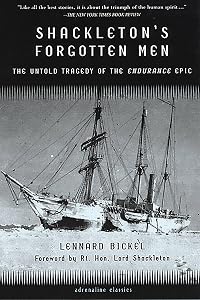
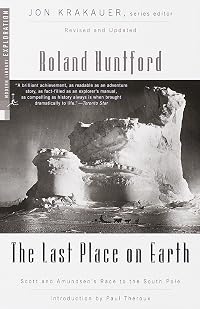

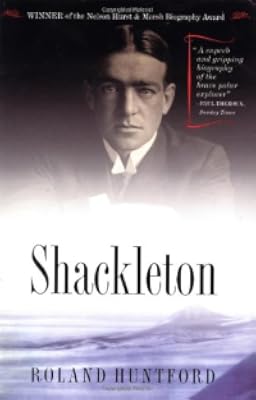
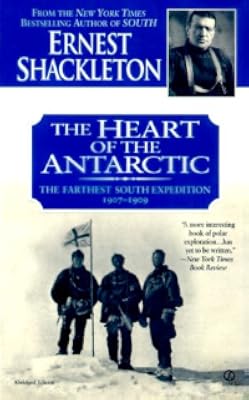

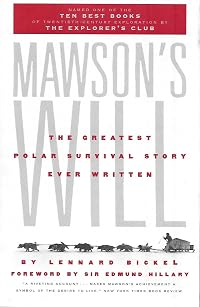
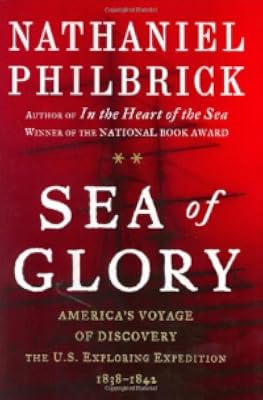
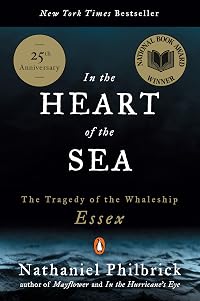
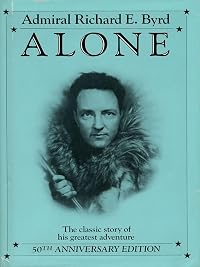
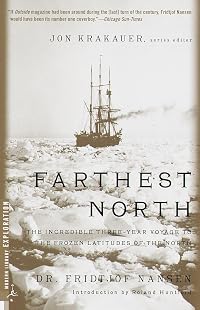
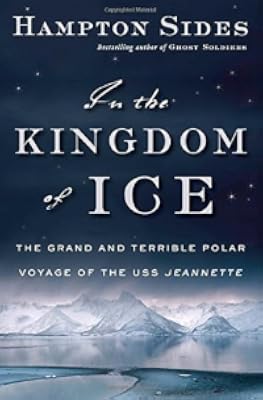
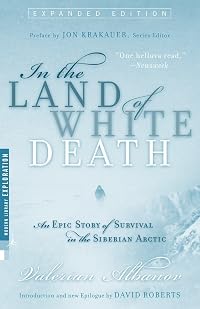
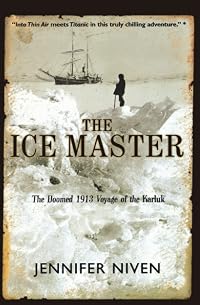






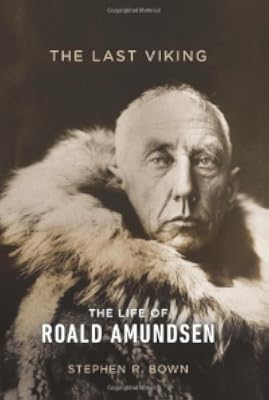
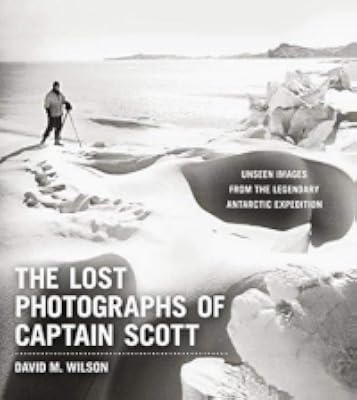

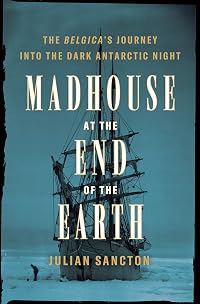
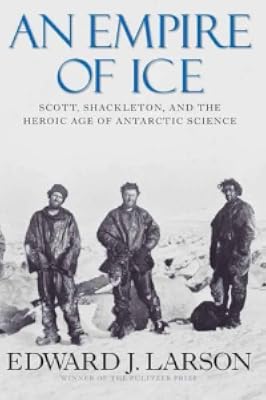




Member Recommendations
Member Reviews
one review said there's a bit of hero-worship here. i don't find that especially accurate or fair. Shackelton is shown to be "paternally" obsessed with keeping the men safe, but he isn't absolved of his mistakes, and he isn't idealized, distant from human worry and the craving for reassurance.
honestly a little hero-worship wouldn't go amiss, here. what these men did should not have been possible. it'd be frankly unbelieveable if it weren't documented so thoroughly, including by photographs.
and then they went home and went off to fight in WWI, because of course they did.
i can barely get up in the morning.
*
Worsley was described (elsewhere) as being a bit of an ass, and humorless, and that comes through here -- but again i feel like show more that's unfair, not the least because his narrative is anything but unfeeling. He's obviously entranced with the beauty of the place, describing the effect of sunlight on floes, the particular tint of winter clouds, the brutality of a sea lion, the way the penguins talk and bow.
At one point he describes himself as having been awaken via two kicks to the head, which he didn't notice at the time, having gone without sleep for several days; he was only told about it years later, during the war. The anecdote is delivered without comment but it seems to me he was amused -- that he wouldn't say it if he weren't amused. He certainly omits plenty about the men's fear and complaints etc, barely even acknowledging all that. So maybe he just doesn't like whining ...?
*
Most of the men ("all who were able" wrote Worsley, with what i assume to be his characteristic tact) who went to the Antarctic with Shackleton signed up to see the Arctic with him, leaving the comforts of home to go again into horrible grisly murder-ice and the prospect of losing a limb to frostbite.
hard to think of a better show of faith and trust. show less
honestly a little hero-worship wouldn't go amiss, here. what these men did should not have been possible. it'd be frankly unbelieveable if it weren't documented so thoroughly, including by photographs.
and then they went home and went off to fight in WWI, because of course they did.
i can barely get up in the morning.
*
Worsley was described (elsewhere) as being a bit of an ass, and humorless, and that comes through here -- but again i feel like show more that's unfair, not the least because his narrative is anything but unfeeling. He's obviously entranced with the beauty of the place, describing the effect of sunlight on floes, the particular tint of winter clouds, the brutality of a sea lion, the way the penguins talk and bow.
At one point he describes himself as having been awaken via two kicks to the head, which he didn't notice at the time, having gone without sleep for several days; he was only told about it years later, during the war. The anecdote is delivered without comment but it seems to me he was amused -- that he wouldn't say it if he weren't amused. He certainly omits plenty about the men's fear and complaints etc, barely even acknowledging all that. So maybe he just doesn't like whining ...?
*
Most of the men ("all who were able" wrote Worsley, with what i assume to be his characteristic tact) who went to the Antarctic with Shackleton signed up to see the Arctic with him, leaving the comforts of home to go again into horrible grisly murder-ice and the prospect of losing a limb to frostbite.
hard to think of a better show of faith and trust. show less
The term epic is thrown around quite a bit these days, but this adventure rightfully earns the label. A fabulously concise and gripping account of some of the most amazing explorations ever done by mankind. This piece of history is virtually guaranteed to make any modern day human feel like a lazy couch potato, but you'll enjoy the experience. I'd recommend this book to anyone, anywhere.
First hand account of Shackleton's doomed 1914-16 expedition to the Antarctic written by his "Skipper" and friend Frank Worsley who greatly admired him. Descriptive of the perils sailing if the Antarctic pack ice and of their incredible journey back to civilization to save the men left on Elephant Island and on the other side of the Antarctic that Shackleton's team was supposed to join up with. Ultimately, Shackleton died of a heart attack on another Antarctic expedition.
Worsley was Shackleton's friend, comrade and admirer from the moment they met. No one could better tell the dramatic story of the wreck and rescue of the Shackleton expedition, dipping into hero worship occasionally, but ready to defend those who criticized his hero without the full knowledge of Shackleton's orders from the admiralty.
Ratings
Members
- Recently Added By
Author Information

8+ Works 972 Members
Awards and Honors
Notable Lists
Common Knowledge
- People/Characters
- Ernest Shackleton; Frank Worsley; Frank Wild
- Important places
- Antarctica; Atlantic Ocean; Elephant Island; South Atlantic Ocean; South Georgia Island
- Important events
- Endurance Expedition (1914 | 1917)
Classifications
- Genres
- Nonfiction, General Nonfiction, History, Travel, Biography & Memoir
- DDC/MDS
- 919.8904 — History & geography Geography & travel Geography of and travel in Australasia, Pacific Ocean islands, Atlantic Ocean islands, Arctic islands, Antarctica and on extraterrestrial worlds Polar regions Antarctica
- LCC
- G850 — Geography, Anthropology and Recreation Geography (General) Arctic and Antarctic regions
- BISAC
Statistics
- Members
- 488
- Popularity
- 62,301
- Reviews
- 4
- Rating
- (4.34)
- Languages
- English, German, Spanish
- Media
- Paper, Audiobook, Ebook
- ISBNs
- 6
- ASINs
- 7