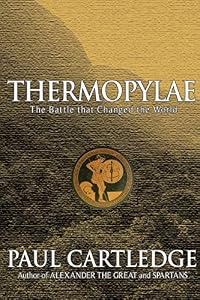
Thermopylae: The Battle That Changed the World
by Paul Cartledge
On This Page
Description
In 480 B.C., a huge Persian army, led by the inimitable King Xerxes, entered the mountain pass of Thermopylae to march on Greece, intending to conquer the land with little difficulty. But the Greeks, led by King Leonidas and a small army of Spartans, took the battle to the Persians at Thermopylae and halted their advance, almost. It is one of history's most acclaimed battles, one of civilization's greatest last stands. Renowned classical historian Paul Cartledge looks anew at this show more history-altering moment and shows how its repercussions affect us even today. The invasion of Europe by Xerxes and his army redefined culture, kingdom, and class. The valiant efforts of the Greek warriors, facing a huge onrushing Persian army at the narrow pass at Thermopylae, changed the way future generations would think about combat, courage, and death. show lessTags
Recommendations





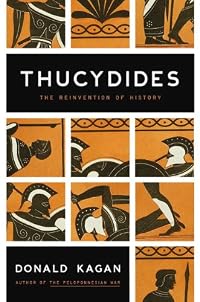
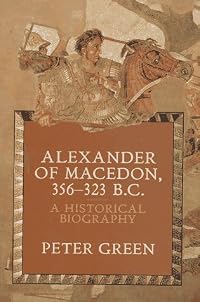
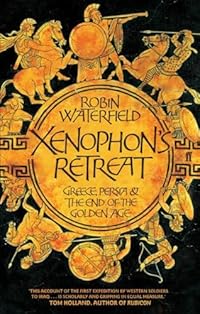
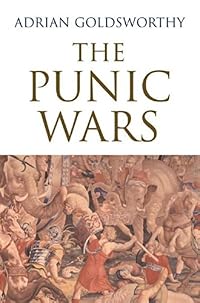











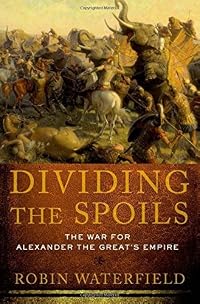
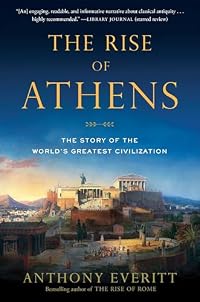
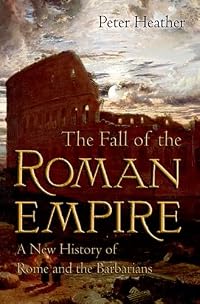
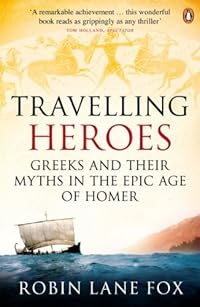
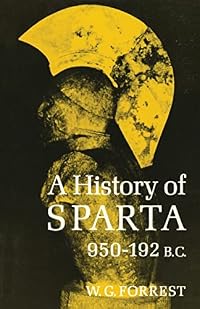

Member Recommendations

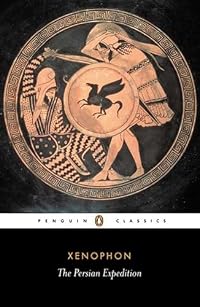
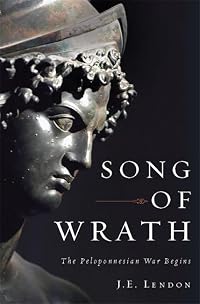
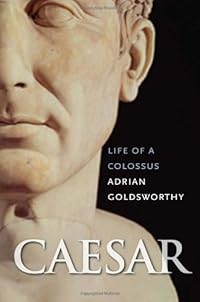
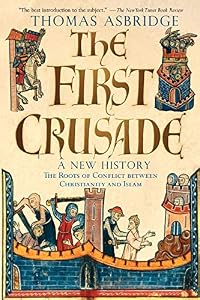
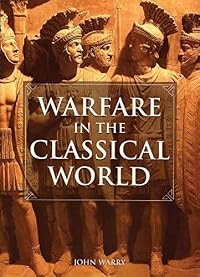
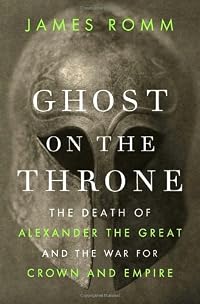
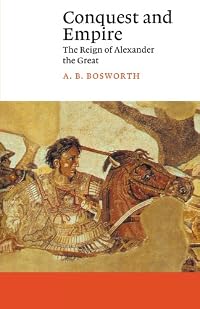
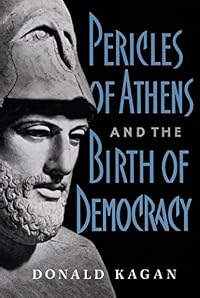
themulhern Really the same subject; one is written for adults, the other for mature children.

themulhern Two battles competing for the most important, fought within a decade of each other! Which is the winner?
Member Reviews
This is an entertaining, and instructive (for the non-expert) account of the famous battle in 480BC when 300 Spartans, led by King Leonidas, held off the massive army of Persian King Xerxes in the narrow mountain pass of Thermopylae for two days, until they were betrayed by a Greek (Ephialtes) who showed the Persians a mountain trail that allowed them to flank the Spartans. The Spartans went into battle knowing full well that they would die; a condition of being chosen was that each man had to have a son to ensure that his line would be carried on. The Spartans fought with their accustomed discipline, courage, tenacity, and skill and are said to have killed 20,000 from the Persian side before they were wiped out.
Cartledge is a show more confirmed Herodotean and he draws on the Histories in a number of points, while being careful to judge some of Herodotus’ wilder claims (such as the size of the Persian army). He provides useful background with a capsule survey of the rise of the Persian empire starting with Cyrus II, through his son Cambyses, then Darius I (defeated at the famous battle of Marathon in 490BC) and his son, the ill-fated Xerxes. (It is interesting to note that the Persian empire was so far-flung that Xerxes actually had more Greeks fighting on his side than against him.) Xerxes was iIl-fated because although he “won” the battle at Thermopylae, the sacrifice of the Spartans gave the Greek coalition time for further preparation and, argues Cartledge, it provided a moral, and morale, boost that emboldened the Greeks and contributed strongly to the decisive defeats of the Persians at sea and on land. Could Xerxes have done other than he did in deciding to invade mainland Greece? Cartledge believes that Xerxes was driven by a combination of the three motives that drive interstate relations, as argued by Thucydides: strategic concern for a state’s collective security; ideological-psychological concern for its status, reputation and honour (Xerxes’ father, Darius, was defeated and humiliated in his efforts to humble the Greeks); and the desire for economic advancement or profit.
Cartledge also surveys developments in Greek history with particular emphasis on Athens and Sparta; he describes the in-fighting amongst various Greek cities and settlements, brought together (some of them) only in the face of the Persian threat. Cartledge has written elsewhere on Sparta and he spends some time describing the main elements of Spartan society and norms.
The Spartans were known for their laconic speech, and when Xerxes allegedly sent a message to Leonidas that he should “Hand over your arms”, Leonidas is said to have replied: Molon labe: “Come and get them yourself”
Cartledge addresses the age-old debate about Athens vs Sparta. He notes an argument reported made by Pericles to the effect that the nature of courage differed in that the Athenians decided consciously and voluntarily to be patriotically brave while the Spartans were merely coerced or brainwashed into being so. Cartledge admits the charge is “not without substance”, but he argues that it “overstates the difference between Athens and Sparta and underplays the extent to which in Sparta too there were choices to be made and debates to be had over first principles as well as merely over operational decisions.”
I give the final word to Cartledge:
“The Battle of Thermopylae, though a defeat, quickly became a morale victory. As such, it formed a vital and integral part of the eventual total Greek victory over the Persians. That victory, moreover, would not have been attained had it not been for the indispensable contribution made by the Spartans. The remarkably successful organization of their society into a well oiled military machine, and their development of a rudimentary multistate Greek alliance well before the Persians invaded mainland Greece, provided the indispensable core of military leadership around which a Greek resistance could coalesce. The Spartans’ heroically suicidal stand at Thermopylae showed that the Persians both should and could usefully be resisted, and gave the small, wavering and uncohesive force of patriotic Greeks the nerve to imagine that they might one day defeat the invaders. The charismatic leadership of Spartan commanders of the character and caliber of King Leonidas and Regent Pausanias crucially unifed and inspired the Greek’s land forces.” show less
Cartledge is a show more confirmed Herodotean and he draws on the Histories in a number of points, while being careful to judge some of Herodotus’ wilder claims (such as the size of the Persian army). He provides useful background with a capsule survey of the rise of the Persian empire starting with Cyrus II, through his son Cambyses, then Darius I (defeated at the famous battle of Marathon in 490BC) and his son, the ill-fated Xerxes. (It is interesting to note that the Persian empire was so far-flung that Xerxes actually had more Greeks fighting on his side than against him.) Xerxes was iIl-fated because although he “won” the battle at Thermopylae, the sacrifice of the Spartans gave the Greek coalition time for further preparation and, argues Cartledge, it provided a moral, and morale, boost that emboldened the Greeks and contributed strongly to the decisive defeats of the Persians at sea and on land. Could Xerxes have done other than he did in deciding to invade mainland Greece? Cartledge believes that Xerxes was driven by a combination of the three motives that drive interstate relations, as argued by Thucydides: strategic concern for a state’s collective security; ideological-psychological concern for its status, reputation and honour (Xerxes’ father, Darius, was defeated and humiliated in his efforts to humble the Greeks); and the desire for economic advancement or profit.
Cartledge also surveys developments in Greek history with particular emphasis on Athens and Sparta; he describes the in-fighting amongst various Greek cities and settlements, brought together (some of them) only in the face of the Persian threat. Cartledge has written elsewhere on Sparta and he spends some time describing the main elements of Spartan society and norms.
The Spartans were known for their laconic speech, and when Xerxes allegedly sent a message to Leonidas that he should “Hand over your arms”, Leonidas is said to have replied: Molon labe: “Come and get them yourself”
Cartledge addresses the age-old debate about Athens vs Sparta. He notes an argument reported made by Pericles to the effect that the nature of courage differed in that the Athenians decided consciously and voluntarily to be patriotically brave while the Spartans were merely coerced or brainwashed into being so. Cartledge admits the charge is “not without substance”, but he argues that it “overstates the difference between Athens and Sparta and underplays the extent to which in Sparta too there were choices to be made and debates to be had over first principles as well as merely over operational decisions.”
I give the final word to Cartledge:
“The Battle of Thermopylae, though a defeat, quickly became a morale victory. As such, it formed a vital and integral part of the eventual total Greek victory over the Persians. That victory, moreover, would not have been attained had it not been for the indispensable contribution made by the Spartans. The remarkably successful organization of their society into a well oiled military machine, and their development of a rudimentary multistate Greek alliance well before the Persians invaded mainland Greece, provided the indispensable core of military leadership around which a Greek resistance could coalesce. The Spartans’ heroically suicidal stand at Thermopylae showed that the Persians both should and could usefully be resisted, and gave the small, wavering and uncohesive force of patriotic Greeks the nerve to imagine that they might one day defeat the invaders. The charismatic leadership of Spartan commanders of the character and caliber of King Leonidas and Regent Pausanias crucially unifed and inspired the Greek’s land forces.” show less
Although this book had some fascinating information, I felt it was too disjointed and repetitive. Since it appeared just before the big movie 300, I'm wondering if the publisher wanted to rush to have this book available when the movie was released. Otherwise, things like the footnote on page 135 of the paperback version might not have said "Rhemata, literally 'sayings', is derived from the same root word as rhemata."
At times it seemed as if there were different authors for different chapters. As one example, there's a brief footnote on page 177 about the Battle of Himera, but there's no cross-reference to the paragraph-long discussion of that battle on page 106-107. Similarly, when discussing Leonidas' half-brother, the author uses a show more footnote on page 128 to discuss his gruesome death, which is odd when it is described in great detail over three pages in an earlier chapter (84-86), again without any cross-reference. (Yes, the author does know how to cross-reference; there are two footnotes on page 131, both referring to a different chapter.)
That's too bad, because the first few chapters -- those which discuss the history of Sparta and the early Greek nation-state -- are quite informative. The author notes that Sparta was the first government to require education for all their children, and that the city allowed women to hold property, both things "enlightened" Athens never did. The author is quick to denounce the Spartans for their version of slavery, though.
It's too bad I can't be more positive about the book, because the good parts are worth reading. It's just that the bad parts -- including several times when the author for no reason starts throwing in French phrases -- turn the book into challenging reading.
----------------
LT Haiku:
Fair history of
early Greece, setting stage for
important battle. show less
At times it seemed as if there were different authors for different chapters. As one example, there's a brief footnote on page 177 about the Battle of Himera, but there's no cross-reference to the paragraph-long discussion of that battle on page 106-107. Similarly, when discussing Leonidas' half-brother, the author uses a show more footnote on page 128 to discuss his gruesome death, which is odd when it is described in great detail over three pages in an earlier chapter (84-86), again without any cross-reference. (Yes, the author does know how to cross-reference; there are two footnotes on page 131, both referring to a different chapter.)
That's too bad, because the first few chapters -- those which discuss the history of Sparta and the early Greek nation-state -- are quite informative. The author notes that Sparta was the first government to require education for all their children, and that the city allowed women to hold property, both things "enlightened" Athens never did. The author is quick to denounce the Spartans for their version of slavery, though.
It's too bad I can't be more positive about the book, because the good parts are worth reading. It's just that the bad parts -- including several times when the author for no reason starts throwing in French phrases -- turn the book into challenging reading.
----------------
LT Haiku:
Fair history of
early Greece, setting stage for
important battle. show less
An ok re-hash of Herodotus, and a nice readable summary of this ancient Persian War. The author provides Interesting accounts of Spartan society. The later chapters provide a description of Western Civilizations artistic and literary response to this epic battle. There's some redundancy throughout the book, but it's not too tedious.
I'm so disappointed that I have to DNF this book. I have had this sitting on my bookshelf since 2007; I bought it immediately after watching the brilliant 300 at the cinema when I decided I wanted to learn more about the Spartans and that period of history. I was finally going to tick this one off the list in 2018 but actually, I'm just not interested in reading it at all any more. It's been gathering dust on my shelves for eleven years and I found myself bored after one chapter so I'm afraid it's time to let it go and donate it to a charity shop.
Ratings
Members
- Recently Added By
Lists

Antigua Grecia
43 works; 2 members
Author Information

Paul Cartledge is A. G. Leventis Professor of Greek Culture Emeritus at the University of Cambridge. He is an honorary citizen of modern Sparta and holds the Gold Cross of the Order of Honor awarded by the President of Greece. His previous books include The Cambridge Illustrated History of Ancient Greece, The Spartans, Alexander the Great, show more Thermopylae, Ancient Greece, and After Thermopylae: The Oath of Plataea and the End of the Graeco-Persian Wars. show less
Some Editions
Common Knowledge
- Canonical title
- Thermopylae: The Battle That Changed the World
- People/Characters
- Leonidas I of Sparta; Xerxes I
- Important places
- Thermopylae, Greece
- Important events
- Greco-Persian Wars (499 BCE | 449 BCE); Second Persian Invasion of Greece (480 BCE | 479 BCE); Battle of Thermopylae (480 BCE)
- Dedication
- To the Assistant Staff of The Faculty of Classics in the University of Cambridge and to the memory of Behnaz Nazhand (d. 7 July 2005)
- First words
- Edward Gibbon described the process he chronicled in his Decline and Fall of the Roman Empire (1776-88) as an "awful revolution." [Prologue]
- Last words
- (Click to show. Warning: May contain spoilers.)It is worth bearing this judgment in mind as one contemplates the Thermopylae memorials on offer in Greece and elsewhere today, both in Sparta, and, more poignantly if also more noisily, at Thermopylae itself. [Epilogue]
Classifications
- Genres
- History, Nonfiction, General Nonfiction
- DDC/MDS
- 938.03 — History & geography History of ancient world (to ca. 499) Greece to 323 Greece to 323 Persian Wars; Union of Greece (500-479 BC)
- LCC
- DF225.5 .C37 — History of Europe, Asia, Africa and Oceania Greece History of Greece History By period Persian wars, 499-479 B.C.
- BISAC
Statistics
- Members
- 661
- Popularity
- 43,360
- Reviews
- 5
- Rating
- (3.57)
- Languages
- English, Spanish
- Media
- Paper, Audiobook, Ebook
- ISBNs
- 21
- ASINs
- 7