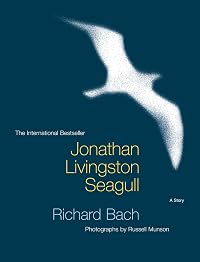
Jonathan Livingston Seagull
by Richard Bach
On This Page
Description
Because he spends so much time perfecting his flying form instead of concentrating on getting food, a seagull is ostracized by the rest of the flock.Tags
Recommendations
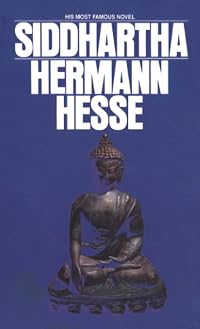
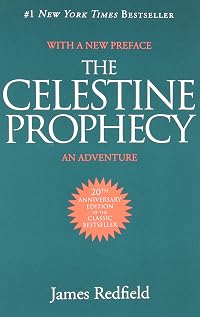
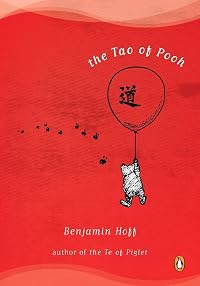
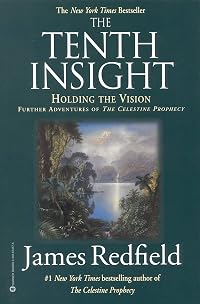

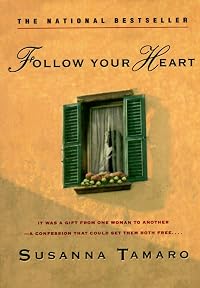
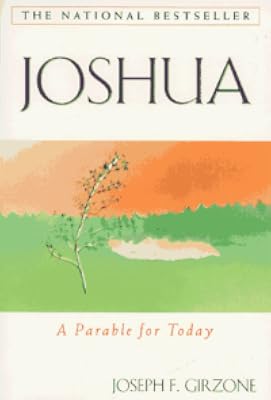
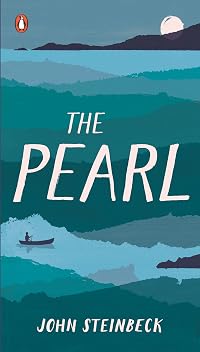
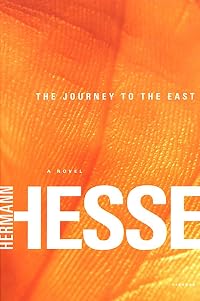
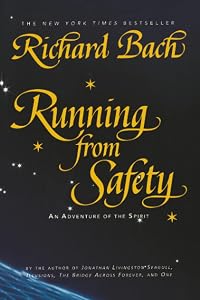
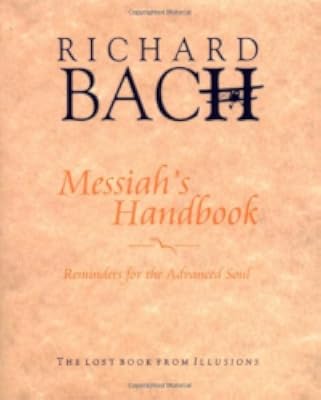
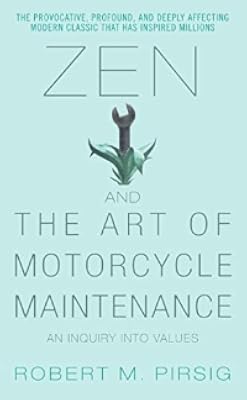
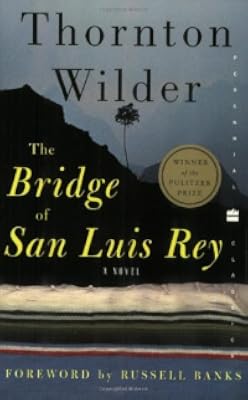



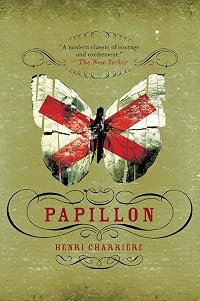
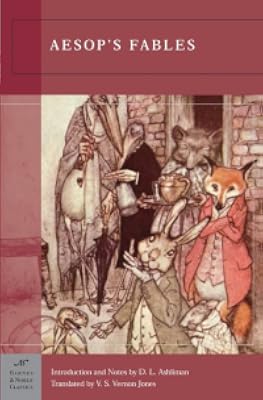
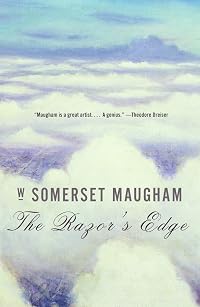
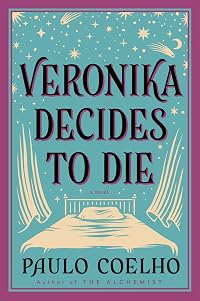




Member Recommendations

Graphirus Life-philosophy explained through action, an activity (flight/car racing)
Member Reviews
I fail to understand why this book is lauded by so many people. I fail to see why this book is regarded as inspirational.
It's like: completely ignore anyone else, even if they might actually be right, and just go and do anything you feel like, no matter how dangerous to yourself or to others around you. Remember, your ego is the most important thing in the universe so get out there and show off your ability to be better at something than everyone else.
What, you're not better at something than everyone else? Well you best get out there and practice and work hard every single day from dawn till dusk until you are better than everyone else.
And then when you're better than everyone else go and tell them you are. Make sure all show more that hard work and effort isn't wasted by not having anyone be inspired by you, you super amazing thing you, oh, just look at the size of that amazing ego shining forth from your...
Do make sure to let all the dull and boring people know how utterly amazing you are as you ignore the 30 mph speed signs and drive your amazingly fast car over 150 mph down these busy, boring, urban streets; past schools and playgrounds where the children of dull and boring parents await eagerly to be inspired by your rebellion. Ignore what anyone else has to say, even if they may actually be right and have a very good reason to say it. Don't worry if you kill or injure anyone while doing your stupid stunts, just make sure they all get to see how amazing you are.
Ho hum, call me curmudgeon, i'm off shopping on me moped. show less
It's like: completely ignore anyone else, even if they might actually be right, and just go and do anything you feel like, no matter how dangerous to yourself or to others around you. Remember, your ego is the most important thing in the universe so get out there and show off your ability to be better at something than everyone else.
What, you're not better at something than everyone else? Well you best get out there and practice and work hard every single day from dawn till dusk until you are better than everyone else.
And then when you're better than everyone else go and tell them you are. Make sure all show more that hard work and effort isn't wasted by not having anyone be inspired by you, you super amazing thing you, oh, just look at the size of that amazing ego shining forth from your...
Do make sure to let all the dull and boring people know how utterly amazing you are as you ignore the 30 mph speed signs and drive your amazingly fast car over 150 mph down these busy, boring, urban streets; past schools and playgrounds where the children of dull and boring parents await eagerly to be inspired by your rebellion. Ignore what anyone else has to say, even if they may actually be right and have a very good reason to say it. Don't worry if you kill or injure anyone while doing your stupid stunts, just make sure they all get to see how amazing you are.
Ho hum, call me curmudgeon, i'm off shopping on me moped. show less
This was remarkably okay. Astoundingly good at being neutral. I'd give it between 2.5 and 3 stars. It was all right.
The plot was interesting. The titular seagull discovers the meaning of life and is filled with purpose. But humanity (err, I mean, seagullity) being what it is, his companions think he's too radical and shun him. He lives a deeply fulfilling life as an outcast and then gradually reaches ever higher levels of being and consciousness.
So that was interesting. But the relatively simple parable quickly gets bogged down by its own philosophy. Jonathan's purpose was to fly for its own sake, to master the art of flight, and to keep learning and honing his skill. I like that that ties into a certain pride in one's work, and I feel show more that any kind of artist or performer or musician could relate to this need, this burning desire, to do things well. As Arthur Conan Doyle wrote, "Mediocrity knows nothing higher than itself, but talent instantly recognizes genius."
So that's fine, so far as it goes. But it makes for a very weak central principle to uphold a whole philosophy. Unlike certain religions, for example, which call people to the high purpose of loving each other and God, the seagull meaning of life of just learning to do something really well fails to deliver any major emotional payoff. Sure, Jonathan takes his flying lessons to the ultimate sci-fi/fantasy heights: he learns to do anything he wants, period, by removing any limitation. This goes from the simple (flying fast) to the extreme (teleportation) to the ludicrous (time travel and interplanetary travel) to the spiritual (coming back from the dead, because death is apparently just another limit that anyone can ignore). But it's not very well-handled. First of all, once time travel and interplanetary travel have been established as possible, they are both ignored entirely. I suppose that having Jonathan go back in time to right the wrongs he laments would make the book too long and too complicated. So he regrets the ignorance and waste of his flock, but he also doesn't go back in time to change things.
Second, the ultimate goal of flight perfection is a bit of a let-down. He and a few other gulls have overcome death and can spend eternity in a much higher realm (explicitly not heaven). They fly better than they ever could have before. But that's it. There's no god here, no higher meaning here, no perfect love, no reunion with other dead relatives, nothing behind the main goal of flying well. They form friendships with a handful of other non-dead gulls, but they also go their own way when they want to learn new things, so instead of togetherness, there is just a collection of individuals whose paths occasionally cross. Also, this is a higher realm that most gulls never find. Jonathan's parents, for example, are never seen again.
Most jarringly, the ideas of love and kindness, when they are stated, feel tacked-on. One seagull feels called to love his flock, so he returns to this lower level of reality to teach them the flying he knows. He doesn't use his superpowers to help them find food (even though the birds are hungry and are worried about food). Rather, he uses his wisdom to help them learn to fly really well for its own sake. If the ultimate goal in life is to be good at stuff, then I guess it makes sense that loving others would have less to do with supplying their need and more to do with just teaching them to be good at stuff, too. (Maybe I'm cynical, but I have this vision in my head of a food pantry where people are trying to fight world hunger, and someone donates a bunch of pianos saying that life's purpose is music, and if those poor people would just learn to play well, they wouldn't mind being so hungry all the time.) That's probably not fair, but when gulls are trying to feed their children, the instructor offering to teach them a perfect slow roll for the heck of it just feels callous.
Finally, I couldn't shake the feeling while reading that this whole story is meant as an implicit critique of religion. Jonathan insists that he's an ordinary seagull, but the other gulls believe that the is the Son-of-the-Great-Gull. He comes back from the dead (sort of). He is a radical outcast who has his own band of followers and students (disciples?). He heals the sick/injured. He raises the dead. He is transfigured—a word that never appears in the story, but when light is shining from him and his feathers turn whiter than the whitest white, what am I supposed to call it? They believe he came from heaven, but of course, in this story, there is no heaven and no god.
I read a relatively recent publication of this story, which included a final chapter not originally published. That fourth part is an explicit allusion to religion, with gulls praying and discussing the afterlife and making pilgrimages and building religious monuments. It didn't feel like part of the same story at all. The seagulls going so far down such a dark and disturbing path—all while Jonathan et al are able to time travel and prevent these misunderstandings, but don't—seems like lazy storytelling. Jonathan had been both great and misunderstood, but he was always willing to be there to help any gull who wanted to attain higher understanding. Now, in part four, he's just cold and uncaring about all of it. There is an author's note at the end explaining why he had originally left off that final chapter and why he was putting it back in now. He envisions himself in this note as two different people, then-him and now-him. He asserts that this fourth chapter belongs to then-him, and that now-him is just publishing it. But, isn't then-him also the one who removed the chapter in the first place all those years ago? He did it for a reason.
It's not just the out-there ending or the butchering of the beloved characters from before. If I had read just the original version, with the first three parts, I still wouldn't give it higher than probably a 3.5. It just missed the mark, for me. Interesting, but not as substantial as I would have liked. show less
The plot was interesting. The titular seagull discovers the meaning of life and is filled with purpose. But humanity (err, I mean, seagullity) being what it is, his companions think he's too radical and shun him. He lives a deeply fulfilling life as an outcast and then gradually reaches ever higher levels of being and consciousness.
So that was interesting. But the relatively simple parable quickly gets bogged down by its own philosophy. Jonathan's purpose was to fly for its own sake, to master the art of flight, and to keep learning and honing his skill. I like that that ties into a certain pride in one's work, and I feel show more that any kind of artist or performer or musician could relate to this need, this burning desire, to do things well. As Arthur Conan Doyle wrote, "Mediocrity knows nothing higher than itself, but talent instantly recognizes genius."
So that's fine, so far as it goes. But it makes for a very weak central principle to uphold a whole philosophy. Unlike certain religions, for example, which call people to the high purpose of loving each other and God, the seagull meaning of life of just learning to do something really well fails to deliver any major emotional payoff. Sure, Jonathan takes his flying lessons to the ultimate sci-fi/fantasy heights: he learns to do anything he wants, period, by removing any limitation. This goes from the simple (flying fast) to the extreme (teleportation) to the ludicrous (time travel and interplanetary travel) to the spiritual (coming back from the dead, because death is apparently just another limit that anyone can ignore). But it's not very well-handled. First of all, once time travel and interplanetary travel have been established as possible, they are both ignored entirely. I suppose that having Jonathan go back in time to right the wrongs he laments would make the book too long and too complicated. So he regrets the ignorance and waste of his flock, but he also doesn't go back in time to change things.
Second, the ultimate goal of flight perfection is a bit of a let-down. He and a few other gulls have overcome death and can spend eternity in a much higher realm (explicitly not heaven). They fly better than they ever could have before. But that's it. There's no god here, no higher meaning here, no perfect love, no reunion with other dead relatives, nothing behind the main goal of flying well. They form friendships with a handful of other non-dead gulls, but they also go their own way when they want to learn new things, so instead of togetherness, there is just a collection of individuals whose paths occasionally cross. Also, this is a higher realm that most gulls never find. Jonathan's parents, for example, are never seen again.
Most jarringly, the ideas of love and kindness, when they are stated, feel tacked-on. One seagull feels called to love his flock, so he returns to this lower level of reality to teach them the flying he knows. He doesn't use his superpowers to help them find food (even though the birds are hungry and are worried about food). Rather, he uses his wisdom to help them learn to fly really well for its own sake. If the ultimate goal in life is to be good at stuff, then I guess it makes sense that loving others would have less to do with supplying their need and more to do with just teaching them to be good at stuff, too. (Maybe I'm cynical, but I have this vision in my head of a food pantry where people are trying to fight world hunger, and someone donates a bunch of pianos saying that life's purpose is music, and if those poor people would just learn to play well, they wouldn't mind being so hungry all the time.) That's probably not fair, but when gulls are trying to feed their children, the instructor offering to teach them a perfect slow roll for the heck of it just feels callous.
Finally, I couldn't shake the feeling while reading that this whole story is meant as an implicit critique of religion. Jonathan insists that he's an ordinary seagull, but the other gulls believe that the is the Son-of-the-Great-Gull. He comes back from the dead (sort of). He is a radical outcast who has his own band of followers and students (disciples?). He heals the sick/injured. He raises the dead. He is transfigured—a word that never appears in the story, but when light is shining from him and his feathers turn whiter than the whitest white, what am I supposed to call it? They believe he came from heaven, but of course, in this story, there is no heaven and no god.
I read a relatively recent publication of this story, which included a final chapter not originally published. That fourth part is an explicit allusion to religion, with gulls praying and discussing the afterlife and making pilgrimages and building religious monuments. It didn't feel like part of the same story at all. The seagulls going so far down such a dark and disturbing path—all while Jonathan et al are able to time travel and prevent these misunderstandings, but don't—seems like lazy storytelling. Jonathan had been both great and misunderstood, but he was always willing to be there to help any gull who wanted to attain higher understanding. Now, in part four, he's just cold and uncaring about all of it. There is an author's note at the end explaining why he had originally left off that final chapter and why he was putting it back in now. He envisions himself in this note as two different people, then-him and now-him. He asserts that this fourth chapter belongs to then-him, and that now-him is just publishing it. But, isn't then-him also the one who removed the chapter in the first place all those years ago? He did it for a reason.
It's not just the out-there ending or the butchering of the beloved characters from before. If I had read just the original version, with the first three parts, I still wouldn't give it higher than probably a 3.5. It just missed the mark, for me. Interesting, but not as substantial as I would have liked. show less
Jonathan Livingstone Seagull is a book that starts out like many others – with a simple metaphor at it's core, and a simple point to drive. Minimal, and potentially cliche, it starts with the simple metaphor of a seagull stuck in a herd of other seagulls, wishing to escape. To make both the figurative and literal flight away from the monotony of routine.
That's about when the resemblance to any other literature you might have read stops.
The story, just like the gull, flies away from cliche and monotony – into profound, moving, yet basic revelations. With the elegance and nuance of a seagull pulling into a dive, the book nudges the reader's hearts and minds. There is no action. There is no drama. There is only the gentleness of true show more and open-hearted conversation – of people (in this case, gulls) leaving themselves vulnerable and discovering themselves.
It's a book that also functions as a black mirror – it takes little to no effort to see ourselves in the myriad characters in the story. Whether it be the struggle between ambition and realism, between acceptance and authenticity, between outside expertise and internal intuition- the author takes these questions and plays them out on the blanks pages of his book.
The story also serves as a satire on societal judgement – going from shunning the outcast, to envying the outcast, to celebrating the outcast. The aspirational, yet ultimately false, separation between the successful and the common person.
There is a dual takeaway from this book. The first is reflected in this quote- “Because any number is a limit, and perfection doesn’t have limits. Perfect speed, my son, is being there”. Strive for re-invention instead of sprinting harder. Search for a door instead of banging your head harder against a wall.
The second is reflected in a quote from Murakami's Norwegian Wood.
“What happens when people open their hearts?”
“They get better.”
True strength comes from vulnerability. Only if you take the gamble inherent in laying out your heart will someone else be able to heal and soothe it. Only then will you realize what you truly want, where your true happiness lies. Seek mentorship and seek advice. Ask people and be willing to re-adjust. Fail a hundred times so you can succeed once.
Maya Angelo once said about people that won't remember what they said or did. You will remember how they made you feel.
It's the same for this book. I don't remember what it said. I didn't remember what the author's name was until I said down to write the review.
But I remember how it made me feel. I remember smiling at my computer screen even as my eyes begged me to sleep. I remember, then, not being able to sleep, as my mind became the stage for these ideas to play around. I remember the serenity and meditation that this book brought me.
And that's the best review you can give a book. show less
That's about when the resemblance to any other literature you might have read stops.
The story, just like the gull, flies away from cliche and monotony – into profound, moving, yet basic revelations. With the elegance and nuance of a seagull pulling into a dive, the book nudges the reader's hearts and minds. There is no action. There is no drama. There is only the gentleness of true show more and open-hearted conversation – of people (in this case, gulls) leaving themselves vulnerable and discovering themselves.
It's a book that also functions as a black mirror – it takes little to no effort to see ourselves in the myriad characters in the story. Whether it be the struggle between ambition and realism, between acceptance and authenticity, between outside expertise and internal intuition- the author takes these questions and plays them out on the blanks pages of his book.
The story also serves as a satire on societal judgement – going from shunning the outcast, to envying the outcast, to celebrating the outcast. The aspirational, yet ultimately false, separation between the successful and the common person.
There is a dual takeaway from this book. The first is reflected in this quote- “Because any number is a limit, and perfection doesn’t have limits. Perfect speed, my son, is being there”. Strive for re-invention instead of sprinting harder. Search for a door instead of banging your head harder against a wall.
The second is reflected in a quote from Murakami's Norwegian Wood.
“What happens when people open their hearts?”
“They get better.”
True strength comes from vulnerability. Only if you take the gamble inherent in laying out your heart will someone else be able to heal and soothe it. Only then will you realize what you truly want, where your true happiness lies. Seek mentorship and seek advice. Ask people and be willing to re-adjust. Fail a hundred times so you can succeed once.
Maya Angelo once said about people that won't remember what they said or did. You will remember how they made you feel.
It's the same for this book. I don't remember what it said. I didn't remember what the author's name was until I said down to write the review.
But I remember how it made me feel. I remember smiling at my computer screen even as my eyes begged me to sleep. I remember, then, not being able to sleep, as my mind became the stage for these ideas to play around. I remember the serenity and meditation that this book brought me.
And that's the best review you can give a book. show less
You can't go home again.
And you can't be a 14 year old teen again.
This hurts my heart. After re-reading this with an old friend, I'm not even sure I would know how to speak to that 14 year old me.
What did I see in it? I wildly loved this book, reading it just before the movie came out. I went to see the movie straight away, a few times. I even talked the ticket man to give me the movie poster after it had finished playing at that theater. He said he was supposed to send it back with the film, but he gave it to me. I have it still.
Fifty years later, I haven't a clue how it impacted me so much. Who was that girl? What did she possibly think of this:
"Your whole body, from wingtip to wingtip, " Jonathan would say, other times, "is nothing show more more than your thought itself, in a form you can see. Break the chains of your thought, and you break the chains of your body, too ..." But no matter how he said it, it sounded like pleasant fiction...
Exactly, "pleasant fiction" is what JLS seems like to me now. And, truthfully, not even all that pleasant. How did all that flight stuff appeal to me? Well, I was an Air Force brat then, so there's that.
If this were renown as science fiction or fantasy, I'd give it more leeway. Bach was sincerely trying to say something spiritual, but not all that profoundly or convincingly. I'm the wrong age, the wrong audience, the wrong mind. My grown-up spirituality is just peeling potatoes, the terrestrial kind.
"Zen does not confuse spirituality with thinking about God while one is peeling potatoes. Zen spirituality is just to peel the potatoes."
--Alan Watts show less
And you can't be a 14 year old teen again.
This hurts my heart. After re-reading this with an old friend, I'm not even sure I would know how to speak to that 14 year old me.
What did I see in it? I wildly loved this book, reading it just before the movie came out. I went to see the movie straight away, a few times. I even talked the ticket man to give me the movie poster after it had finished playing at that theater. He said he was supposed to send it back with the film, but he gave it to me. I have it still.
Fifty years later, I haven't a clue how it impacted me so much. Who was that girl? What did she possibly think of this:
"Your whole body, from wingtip to wingtip, " Jonathan would say, other times, "is nothing show more more than your thought itself, in a form you can see. Break the chains of your thought, and you break the chains of your body, too ..." But no matter how he said it, it sounded like pleasant fiction...
Exactly, "pleasant fiction" is what JLS seems like to me now. And, truthfully, not even all that pleasant. How did all that flight stuff appeal to me? Well, I was an Air Force brat then, so there's that.
If this were renown as science fiction or fantasy, I'd give it more leeway. Bach was sincerely trying to say something spiritual, but not all that profoundly or convincingly. I'm the wrong age, the wrong audience, the wrong mind. My grown-up spirituality is just peeling potatoes, the terrestrial kind.
"Zen does not confuse spirituality with thinking about God while one is peeling potatoes. Zen spirituality is just to peel the potatoes."
--Alan Watts show less
Forty years after my first encounter with Jonathan Livingston Seagull, I stumbled upon a well-worn first edition in my local thrift store. I remembered, somewhat fondly, how I had absolutely no clue what the book was about when I tackled it for high school English. Now, older and wiser, I decided to give it another go. What I discovered was a profound reflection of my own life story.
At its heart, Richard Bach's novella is not simply a story about a bird; it's a philosophical exploration of personal freedom, the relentless pursuit of excellence, and the quest for meaning. Like Jonathan Gull, I've often traveled my own path, driven by a cocksure belief that there's more to life than the conventional pursuits of my peers (girls, booze, show more football, etc.). If this resonates with you and your own stirrings of discontent, then this tale might just speak to you too.
My journey, much like Jonathan's, was shaped by an insatiable curiosity and a refusal to bow to the limitations imposed by others. Self-improvement—learning—was part of my fabric. I was propelled not by a need for recognition but by a desire to make a difference and achieve the (mostly non-material) things I wanted to achieve. In Jonathan's relentless (and often frustrating) efforts to master flight, this same desire was evident. His story reflects every person's potential to transcend their own (and externally imposed) limits through hard work and self-improvement.
I must admit, the spiritual aspects of Jonathan's journey—his ascent to higher realms—remain as elusive to me now as they did forty years ago. (I didn't understand it in Bach's other work of the 70s, Illusions, either.) The spiritual quest still escapes my full grasp, yet I sense its importance to those in search of meaning (and perhaps solace?) beyond the tangible. In this light, I can appreciate Jonathan's ascension as a metaphor for the journey toward enlightenment.
The most relatable aspect of Jonathan's saga is, perhaps, his resilience in the face of adversity. From challenges in my childhood to those in my career, I've faced my share of skeptics and barriers. Yet, I chose never to quit, even when tempted. My strength, much like Jonathan's, came through perseverance despite being ostracized by his flock. Passion. Dedication. These are the bedrocks of conviction, the forces that propel us forward despite obstacles.
Reflecting on the structure of Jonathan Livingston Seagull, it's now strikingly obvious how Bach divided the tale into three distinct parts, each echoing a distinct stage in life's journey—a nuance my teen self completely missed. The first part captures the zeal of youth, reflecting curiosity and defiance of conventions. The second examines introspection and learning, like the soul-searching I did in middle age. The final segment, where Jonathan becomes a teacher and mentor, reflects the later stages of life, where sharing wisdom and guiding others becomes a newfound purpose.
Duh. But not too obvious to someone still in the throes of adolescence.
However, now that I'm enlightened, I can see the book's enduring message:
Whether you're in pursuit of personal freedom, dedicated to self-improvement, or a resilient soul navigating adversity, you can grow and succeed. Jonathan Gull's story reminds us that we can soar to heights previously unimagined, so long as we are willing to spread our wings. show less
At its heart, Richard Bach's novella is not simply a story about a bird; it's a philosophical exploration of personal freedom, the relentless pursuit of excellence, and the quest for meaning. Like Jonathan Gull, I've often traveled my own path, driven by a cocksure belief that there's more to life than the conventional pursuits of my peers (girls, booze, show more football, etc.). If this resonates with you and your own stirrings of discontent, then this tale might just speak to you too.
My journey, much like Jonathan's, was shaped by an insatiable curiosity and a refusal to bow to the limitations imposed by others. Self-improvement—learning—was part of my fabric. I was propelled not by a need for recognition but by a desire to make a difference and achieve the (mostly non-material) things I wanted to achieve. In Jonathan's relentless (and often frustrating) efforts to master flight, this same desire was evident. His story reflects every person's potential to transcend their own (and externally imposed) limits through hard work and self-improvement.
I must admit, the spiritual aspects of Jonathan's journey—his ascent to higher realms—remain as elusive to me now as they did forty years ago. (I didn't understand it in Bach's other work of the 70s, Illusions, either.) The spiritual quest still escapes my full grasp, yet I sense its importance to those in search of meaning (and perhaps solace?) beyond the tangible. In this light, I can appreciate Jonathan's ascension as a metaphor for the journey toward enlightenment.
The most relatable aspect of Jonathan's saga is, perhaps, his resilience in the face of adversity. From challenges in my childhood to those in my career, I've faced my share of skeptics and barriers. Yet, I chose never to quit, even when tempted. My strength, much like Jonathan's, came through perseverance despite being ostracized by his flock. Passion. Dedication. These are the bedrocks of conviction, the forces that propel us forward despite obstacles.
Reflecting on the structure of Jonathan Livingston Seagull, it's now strikingly obvious how Bach divided the tale into three distinct parts, each echoing a distinct stage in life's journey—a nuance my teen self completely missed. The first part captures the zeal of youth, reflecting curiosity and defiance of conventions. The second examines introspection and learning, like the soul-searching I did in middle age. The final segment, where Jonathan becomes a teacher and mentor, reflects the later stages of life, where sharing wisdom and guiding others becomes a newfound purpose.
Duh. But not too obvious to someone still in the throes of adolescence.
However, now that I'm enlightened, I can see the book's enduring message:
We choose our next world through what we learn in this one. Learn nothing, and the next world is the same as this one, all the same limitations and lead weights to overcome.This quote encapsulates the essence of Bach's work—the belief in the boundless potential of the individual to learn and grow. I've lived in many worlds throughout my life, each one distinct (and perhaps better?) than the last, enriched by lessons learned from both success and failure.
Whether you're in pursuit of personal freedom, dedicated to self-improvement, or a resilient soul navigating adversity, you can grow and succeed. Jonathan Gull's story reminds us that we can soar to heights previously unimagined, so long as we are willing to spread our wings. show less
According to this book:
1. The point of life isn't merely mundane daily survival.
2. It's actually the pursuit of absolute freedom.
3. Sufficient freedom will give you magic powers.
4. This is because reality is just a projection of thought.
According to me:
1. OK - you can impose whatever purpose you want on your life.
2. Absolute freedom isn't possible. All societies are a trade-off between mutual benefits from working collectively and giving up freedoms that are harmful to others. Becoming an outcast isn't a solution; you still have to complete basic survival tasks and you're excluded from any social activity - you're not completely free to do what you want at all times.
3. No, it won't.
4. Because actually, reality is reality and no amount show more of practice will allow you to break the rules of reality.
Even taken (as probably intended) as a fable that exagerates in order to make it's message clear, it's still an unrealistic repetition of the survivor bias fallacy that if you persevere hard enough you can acheive your dreams, whatever they may be. The psychology goes like this: You've succeeded at something. You attribute this solely to your own efforts, ignoring all other possible contributing factors (e.g. privileged background, educational opportunity, patronage, physical appearance, etc, etc). You assume that the only reason others don't succeed is because they give up. So you tell everyone to pursue their dreams and persevere, like you did, because that's guaranteed to work.
This is of course, not possible; it's not anyone's dream to be a refuse collector, but all modern societies need them far more than some guy who flies small planes for a living, as you will know if your refuse collectors have ever gone on strike. We cannot all be artists or scientists or actors or astronauts and none of us could if all of us tried to be...society would collapse and we'd all starve, instead. show less
1. The point of life isn't merely mundane daily survival.
2. It's actually the pursuit of absolute freedom.
3. Sufficient freedom will give you magic powers.
4. This is because reality is just a projection of thought.
According to me:
1. OK - you can impose whatever purpose you want on your life.
2. Absolute freedom isn't possible. All societies are a trade-off between mutual benefits from working collectively and giving up freedoms that are harmful to others. Becoming an outcast isn't a solution; you still have to complete basic survival tasks and you're excluded from any social activity - you're not completely free to do what you want at all times.
3. No, it won't.
4. Because actually, reality is reality and no amount show more of practice will allow you to break the rules of reality.
Even taken (as probably intended) as a fable that exagerates in order to make it's message clear, it's still an unrealistic repetition of the survivor bias fallacy that if you persevere hard enough you can acheive your dreams, whatever they may be. The psychology goes like this: You've succeeded at something. You attribute this solely to your own efforts, ignoring all other possible contributing factors (e.g. privileged background, educational opportunity, patronage, physical appearance, etc, etc). You assume that the only reason others don't succeed is because they give up. So you tell everyone to pursue their dreams and persevere, like you did, because that's guaranteed to work.
This is of course, not possible; it's not anyone's dream to be a refuse collector, but all modern societies need them far more than some guy who flies small planes for a living, as you will know if your refuse collectors have ever gone on strike. We cannot all be artists or scientists or actors or astronauts and none of us could if all of us tried to be...society would collapse and we'd all starve, instead. show less
Jonathan Livingston Seagull is a book full of bad sentences that have been generously interpreted. It's all vague enough for people to believe that there's some sort of substantive message here, but if any other book had the phrase "Find out what you already know and you will see the way to fly!" thrown in it you would laugh that garbage right off your shelf. It is mind-boggling how serious a book about an interplanetary seagull takes itself.
The best scene in this book is without a doubt the seagull council meeting (every book should have a seagull council meeting). Jonathan Gull has apparently violated a law by flying in between some other seagulls (???) and so the council decided to get together and wait for him to show up on their show more beach. I laughed harder than I have in years at the idea of a bunch of seagulls in some dumb council checking their watches waiting for another seagull to show up, but again, I swear to you the book takes all this completely seriously. Then, when Jonathan shows up, our cartoon villain Elder Seagull banishes him to some cliffs due to his "reckless irresponsibility." If that wasn't funny enough, the Elder drops this:
The best scene in this book is without a doubt the seagull council meeting (every book should have a seagull council meeting). Jonathan Gull has apparently violated a law by flying in between some other seagulls (???) and so the council decided to get together and wait for him to show up on their show more beach. I laughed harder than I have in years at the idea of a bunch of seagulls in some dumb council checking their watches waiting for another seagull to show up, but again, I swear to you the book takes all this completely seriously. Then, when Jonathan shows up, our cartoon villain Elder Seagull banishes him to some cliffs due to his "reckless irresponsibility." If that wasn't funny enough, the Elder drops this:
"Life is the unknown and the unknowable, except that we are put into this world to eat, to stay alive as long as we possibly can."That is the funniest shit I've ever read. Did you know this is was written for adults? Millions bought this. And if you'd like to buy it too, let me know. I got my copy for 50 cents at Goodwill, and I'm looking to recoup 100% of it. show less
Members
- Recently Added By
Published Reviews
Fernão Capelo Gaivota é uma proposta de superação às nossas limitações. Uma crença na força que provém do nosso mundo interior. Em cada um de nós existe um Fernão Capelo Gaivota…
added by josebarroco
Lists

1001 Books You Must Read Before You Die
1,448 works; 1,137 members
BBC Big Read
191 works; 46 members

Classics you know you should have read but probably haven't
421 works; 409 members

Read the book and saw the movie
1,170 works; 195 members

The Telegraph's 110 Best Books: The Perfect Library
101 works; 18 members

1970s
657 works; 23 members

Books tagged "feel good"
129 works; 20 members

A Novel Cure
742 works; 23 members

Mind Expanding Books by hackerkid
581 works; 8 members
Nonhuman Protagonists
245 works; 35 members

Animals in the Title
498 works; 11 members

Publisher's Weekly Bestsellers - Part II - 1940 - 1979
355 works; 6 members
Overdue Podcast
808 works; 9 members
discontinued
24 works; 4 members

American Lit for Eng 11 Research Project
368 works; 6 members

Books Read in 2000
121 works; 4 members
School Made Us Read It
380 works; 196 members

2024-2025 Ezra Klein Guest Recommendations
213 works; 6 members

1970 Club
85 works; 2 members

Books We Love to Reread
695 works; 298 members

Books featured on I Don't Even Own a Television
167 works; 3 members

Unshelved Book Clubs
579 works; 5 members

Books about Animals
86 works; 4 members

Best Books About Animals
143 works; 48 members

Best Self Help Books
87 works; 18 members
Put a Bird On It
75 works; 12 members

Published in 1970
58 works; 7 members

Fiction with Men's Given Names in the Title
302 works; 11 members
Author Information

59+ Works 26,715 Members
A direct descendant of the composer Johann Sebastian Bach, Richard Bach was born in Oak Park, Illinois, in 1936. He attended Long Beach State College in 1955 and had a successful career in aviation, as an Air Force pilot, a flight instructor, an aviation mechanic, and an editor for Flying magazine. Jonathan Livingston Seagull, the novel that made show more him famous, was written as the result of a vision. Halfway through the book, the vision disappeared and, finding that he was unable to continue, Bach, put the novel aside. When the vision reappeared, Bach finished the work. Jonathan Livingston Seagull, published in 1972, was an unexpected success and became the best-selling book in the United States for that year. The book is heavily influenced by Bach's love of flying and provides a marvelous inspirational message. The Bridge Across Forever: A Love Story, One, Messiah's Handbook: Reminders for the Advanced Soul (2004), and Hypnotizing Maria (2009) are some of his other novels that blend inspiration, love, fantasy, and hope. In recent years Bach has written Thank Your Wicked Parents: Blessings from a Difficult Childhood (2012), Rainbow Ridge and Travels with Puff: A Gentle Game of Life and Death (2013), NiceTiger, (Bowker Author Biography) He is the author of eleven books, including Stranger to the Ground, Biplane, A Gift of Wings, Illusions, One, and Running from Safety. (Publisher Provided) show less
All Editions
Some Editions
Awards and Honors
Series
Belongs to Publisher Series
Work Relationships
Is contained in
Is parodied in
Common Knowledge
- Canonical title*
- Il gabbiano Jonathan Livingston
- Original title
- Jonathan Livingston Seagull
- Original publication date
- 1970
- People/Characters
- Jonathan Livingston Seagull; Sullivan; Chiang; Fletcher Lynd Seagull; Henry Calvin Gull; Martin William Seagull (show all 9); Charles-Roland Gull; Terrence Lowell Gull; Kirk Maynard Gull
- Related movies
- Jonathan Livingston Seagull (1973 | IMDb)
- Epigraph*
- “Con questo suo libro Richard Bach mi ha procurato due gioie: mi ha fatto volare, mi ha fatto sentir giovane. Per entrambe gli sono profondamente grato.”
RAY BRADBURY - Dedication
- To the real Jonathan Seagull, who lives within us all
- First words
- It was morning, and the new sun sparkled gold across the ripples of a gentle sea.
- Quotations
- By sunup, Jonathan Gull was practicing again. From five thousand feet the fishing boats were specks in the flat blue water, Breakfast Flock was a faint cloud of dust motes, circling. He was alive, trembling ever so slightly w... (show all)ith delight, proud that his fear was under control. Then without ceremony he hugged in his forewings, extended his short, angled wingtips, and plunged directly toward the sea. By the time he passed four thousand feet he had reached terminal velocity, the wind was a solid beating wall of sound against which he could move no faster. He was flying now straight down, at two hundred fourteen miles per hour. He swallowed, knowing that if his wings unfolded at that speed he’d be blown into a million tiny shreds of seagull. But the speed was power, and the speed was joy, and the speed was pure beauty. He began his pullout at a thousand feet, wingtips thudding and blurring in that gigantic wind, the boat and the crowd of gulls tilting and growing meteor-fast, directly in his path. He couldn’t stop; he didn’t know yet even how to turn at that speed. Collision would be instant death. And so he shut his eyes. It happened that morning, then, just after sunrise, that Jonathan Livingston Seagull fired directly through the center of Breakfast Flock, ticking off two hundred twelve miles per hour, eyes closed, in a great roaring shriek of wind and feathers. The Gull of Fortune smiled upon him this once, and no one was killed. By the time he had pulled his beak straight up into the sky he was still scorching along at a hundred and sixty miles per hour. When he had slowed to twenty and stretched his wings again at last, the boat was a crumb on the sea, four thousand feet below.
- Last words
- (Click to show. Warning: May contain spoilers.)His race to learn had begun.
- Blurbers
- Bradbury, Ray
- Original language
- English
- Canonical LCC
- PS3552.A255 J6
*Some information comes from Common Knowledge in other languages. Click "Edit" for more information.
Classifications
Statistics
- Members
- 13,029
- Popularity
- 613
- Reviews
- 242
- Rating
- (3.59)
- Languages
- 30 — Catalan, Chinese, Czech, Danish, Dutch, English, Estonian, Finnish, French, German, Greek, Hebrew, Hungarian, Italian, Japanese, Latvian, Lithuanian, Norwegian (Bokmål), Norwegian, Panjabi, Farsi/Persian, Portuguese, Romanian, Russian, Serbian, Croatian, Slovak, Spanish, Swedish, Turkish
- Media
- Paper, Audiobook, Ebook
- ISBNs
- 221
- UPCs
- 3
- ASINs
- 151