On This Page
Description
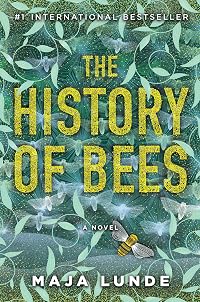
"In the spirit of Station Eleven and Never Let Me Go, this dazzling and ambitious literary debut follows three generations of beekeepers from the past, present, and future, weaving a spellbinding story of their relationship to the bees--and to their children and one another--against the backdrop of an urgent, global crisis. England, 1852. William is a biologist and seed merchant, who sets out to build a new type of beehive--one that will give both him and his children honor and fame. United show more States, 2007. George is a beekeeper fighting an uphill battle against modern farming, but hopes that his son can be their salvation. China, 2098. Tao hand paints pollen onto the fruit trees now that the bees have long since disappeared. When Tao's young son is taken away by the authorities after a tragic accident, she sets out on a grueling journey to find out what happened to him. Haunting, illuminating, and deftly written, The History of Bees joins these three very different narratives into one gripping and thought-provoking story that is just as much about the powerful bond between children and parents as it is about our very relationship to nature and humanity"-- show lessTags
Recommendations















Member Reviews
Who would've thought that DreamWorks' Bee Movie would hit that hard. When will they start showing it like a documentary in schools?
On one hand, this book just made me afraid of the future. Afraid of a future like this. If the 3rd world war won't happen, pretty sure this dystopia is inevitable.
People care more about making unethical AIs, which do not help the planet in any way, even if it were ethical. What are you gonna do with a robot, who can draw, in 10 years? Sell generated images, while everyone is desperately looking for food?
And, because of this stupidity humans are currently living in, I say we totally deserve that karma. Bring it on, bees, time for you to disappear completely and for humans to slowly die out.
~
Now, for the show more actual review of the story.
William:
My least favorite story. Incredibly sexist and just very stereotypical characters with little to no personality.
Edmund is one of my most hated characters – not just this book, but generally, from all the books I've read – and all I wanted was to get an eraser and just erase him from existence. It was agony reading his name and whenever he was just slightly mentioned.
Thalia too, actually. I wanted to like her, but she was such a flat character – basically written as the perfect mother, who always sides with her kids, while the father does nothing but punishing them. While, yes, William wasn't much of a father, Thalia was pathetic. She should've kicked Edmund out of the house long ago.
At least Edmund got the ending he deserved, but the people around him, who suffered because of him, deserved way better.
Charlotte, my favorite character, also at least got what she deserved, although not enough. She deserved more.
Apart from that, it was interesting to see William following his passion with the bees and how it served as a base for the storylines in the future. These were only short bits though and the slice of life with his family problems were not in my interest, and just seemed unnecessary. A book about bees, but 70% is about misogyny.
Rating: 2 stars.
George:
Didn't like it much either, but it was better than William's. A little less sexist, but still stereotypical gender roles. Emma (George's wife) pretty much didn't have any other role, except for cooking and crying and wanting to move to Florida and being a good mother, while George was the bad father. Well, he wasn't bad per se, but he never showed emotions, except when he was angry and needed to show that he's the man in the house, and he only knew his son objectively, yet still felt like he knows the best for him, although he doesn't know him at all.
Tom, his son, was a nice character. I liked how he called his father out. He's pretty much the only non-stereotypical character in this book.
Story-wise, it wasn't that engrossing to read. Maybe because it plays in our time, more or less. It only really got interesting when it was revealed how they are connected to William, but even that was short and close to the end.
Rating: 3 stars.
Tao:
The most gripping storyline and what kept me going. Maybe it's because she's from the future, an unknown place, something more exciting to explore and dive into. Maybe it was the way her chapters were written – like a thriller. I love reading stories, where I can make lots of theories and Tao's chapters were exactly that. Although I figured out what happened to her son pretty quickly (well, at least it was one of my theories) and it was pretty obvious anyway, it was still compelling to read, and trying to get answers to her questions, together with her.
It didn't start to be a thriller until the 100th page or so, and was rather boring in the beginning. Unnecessary family life, it felt as if I was reading a hetero rom-com, without the comedy part. And even without the romance part, as there was no romance, really.
Rating: 3.5 stars.
~
As you can see, all stories were more about family problems and sexism, rather than bees, which was very annoying, but I guess I get it. While the title may say "the story of the bees", it's not supposed to be a documentary or a Wikipedia article of bees. It's supposed to show how humans and bees are connected, how much our lives are intertwined, how much of an effect they have on our lifestyles. And every lifestyle includes family problems.
If that's what Maja Lunde wanted to show, good job. If not, well, I don't know then.
I'll still rate it 4 stars because it's an important matter, but story-wise and based on my enjoyment it would rather be 3 stars.
I do love, though, how the three protagonists are connected – apart from the bees, of course.
~
Page 456 was a bit difficult to read. As an artist, at least.
I can't even destroy my old drawings, as cringe as some are. Imagine destroying ones that are over a century old and no one else knows about them. A family heirloom, a historical piece. Even if they're technically worthless.
Just as worthless as this paragraph for this review. show less
On one hand, this book just made me afraid of the future. Afraid of a future like this. If the 3rd world war won't happen, pretty sure this dystopia is inevitable.
People care more about making unethical AIs, which do not help the planet in any way, even if it were ethical. What are you gonna do with a robot, who can draw, in 10 years? Sell generated images, while everyone is desperately looking for food?
And, because of this stupidity humans are currently living in, I say we totally deserve that karma. Bring it on, bees, time for you to disappear completely and for humans to slowly die out.
~
Now, for the show more actual review of the story.
William:
My least favorite story. Incredibly sexist and just very stereotypical characters with little to no personality.
Edmund is one of my most hated characters – not just this book, but generally, from all the books I've read – and all I wanted was to get an eraser and just erase him from existence. It was agony reading his name and whenever he was just slightly mentioned.
Thalia too, actually. I wanted to like her, but she was such a flat character – basically written as the perfect mother, who always sides with her kids, while the father does nothing but punishing them. While, yes, William wasn't much of a father, Thalia was pathetic. She should've kicked Edmund out of the house long ago.
At least Edmund got the ending he deserved, but the people around him, who suffered because of him, deserved way better.
Charlotte, my favorite character, also at least got what she deserved, although not enough. She deserved more.
Apart from that, it was interesting to see William following his passion with the bees and how it served as a base for the storylines in the future. These were only short bits though and the slice of life with his family problems were not in my interest, and just seemed unnecessary. A book about bees, but 70% is about misogyny.
Rating: 2 stars.
George:
Didn't like it much either, but it was better than William's. A little less sexist, but still stereotypical gender roles. Emma (George's wife) pretty much didn't have any other role, except for cooking and crying and wanting to move to Florida and being a good mother, while George was the bad father. Well, he wasn't bad per se, but he never showed emotions, except when he was angry and needed to show that he's the man in the house, and he only knew his son objectively, yet still felt like he knows the best for him, although he doesn't know him at all.
Tom, his son, was a nice character. I liked how he called his father out. He's pretty much the only non-stereotypical character in this book.
Story-wise, it wasn't that engrossing to read. Maybe because it plays in our time, more or less. It only really got interesting when it was revealed how they are connected to William, but even that was short and close to the end.
Rating: 3 stars.
Tao:
The most gripping storyline and what kept me going. Maybe it's because she's from the future, an unknown place, something more exciting to explore and dive into. Maybe it was the way her chapters were written – like a thriller. I love reading stories, where I can make lots of theories and Tao's chapters were exactly that. Although I figured out what happened to her son pretty quickly (well, at least it was one of my theories) and it was pretty obvious anyway, it was still compelling to read, and trying to get answers to her questions, together with her.
It didn't start to be a thriller until the 100th page or so, and was rather boring in the beginning. Unnecessary family life, it felt as if I was reading a hetero rom-com, without the comedy part. And even without the romance part, as there was no romance, really.
Rating: 3.5 stars.
~
As you can see, all stories were more about family problems and sexism, rather than bees, which was very annoying, but I guess I get it. While the title may say "the story of the bees", it's not supposed to be a documentary or a Wikipedia article of bees. It's supposed to show how humans and bees are connected, how much our lives are intertwined, how much of an effect they have on our lifestyles. And every lifestyle includes family problems.
If that's what Maja Lunde wanted to show, good job. If not, well, I don't know then.
I'll still rate it 4 stars because it's an important matter, but story-wise and based on my enjoyment it would rather be 3 stars.
I do love, though, how the three protagonists are connected – apart from the bees, of course.
~
Page 456 was a bit difficult to read. As an artist, at least.
Just as worthless as this paragraph for this review.
The History of Bees is a book woven between 3 main stories which all have a common thread of.... you guessed it, bees.
The Tao chapters are set in China in the future, at a time when bees have been completely wiped out and the country has been brought to its knees as a result. Many people, such as the female narrator Tao, are now living in the countryside, employed as hand pollinators of fruit trees. The William chapters, set in England in the mid 1800s, tell the story of William Savage, a once promising naturalist who is consumed by debilitating depression at his lack of success in the field. Finally, the George chapters are set in 2007 in the US, and are narrated by a modern bee farmer who's deeply struggling with his only child's show more lack of interest in coming into the family business.
The bees are an incredibly interesting thread in this novel, and it inspires you to do more non-fictional reading outside of the novel to better understand these fascinating insects. Beyond the back story of beekeeping, at its heart this novel is about parenting, and about how difficult it can be to navigate a successful path in parenting as children grow up and do not necessarily become what a parent wants them to become, or to have the interests they want them to have.
I loved this novel. The three story lines were each captivating and were woven together well in a satisfying conclusion at the end.
4.5 stars - an interesting and very enjoyable read. show less
The Tao chapters are set in China in the future, at a time when bees have been completely wiped out and the country has been brought to its knees as a result. Many people, such as the female narrator Tao, are now living in the countryside, employed as hand pollinators of fruit trees. The William chapters, set in England in the mid 1800s, tell the story of William Savage, a once promising naturalist who is consumed by debilitating depression at his lack of success in the field. Finally, the George chapters are set in 2007 in the US, and are narrated by a modern bee farmer who's deeply struggling with his only child's show more lack of interest in coming into the family business.
The bees are an incredibly interesting thread in this novel, and it inspires you to do more non-fictional reading outside of the novel to better understand these fascinating insects. Beyond the back story of beekeeping, at its heart this novel is about parenting, and about how difficult it can be to navigate a successful path in parenting as children grow up and do not necessarily become what a parent wants them to become, or to have the interests they want them to have.
I loved this novel. The three story lines were each captivating and were woven together well in a satisfying conclusion at the end.
4.5 stars - an interesting and very enjoyable read. show less
What would happen if bees disappeared? This book combines three seemingly disparate stories: one set in the past, one in the present, and one in the future, to depict such a calamity. In the early 1850’s in England, William has fallen into depression, but is revived by the desire to impress his son through designing a better beehive. In 2007 in Ohio, George is a beekeeper dealing with Colony Collapse Disorder (CCD) (a genuine issue in today’s apiculture), while attempting to convince his son to take over the family farm. In 2098 in China, the bees have disappeared, and Tao is a worker that pollinates fruit-producing trees by hand. She wants her son to excel so he can gain an education to avoid the same fate.
In addition to the show more “bee connection,” each of the protagonists is dealing with family issues. The author uses the environmental theme to probe spousal relationships and parental expectations of their children. I was drawn into the lives of these characters. These three apparently separate stories are woven together artfully by the author, with their interconnectedness becoming more apparent as the story unfolds. Overall the tone is sad but includes an element of hopefulness.
The author has creatively combined science fiction, contemporary fiction, and historical fiction into an engrossing and thought-provoking narrative with a message. I learned a great deal about bees and beekeeping but felt the primary power in this novel derived from the poignancy of the interpersonal relationships. Recommended to those interested in environmentalism, humankind’s interactions with nature, or family dynamics. show less
In addition to the show more “bee connection,” each of the protagonists is dealing with family issues. The author uses the environmental theme to probe spousal relationships and parental expectations of their children. I was drawn into the lives of these characters. These three apparently separate stories are woven together artfully by the author, with their interconnectedness becoming more apparent as the story unfolds. Overall the tone is sad but includes an element of hopefulness.
The author has creatively combined science fiction, contemporary fiction, and historical fiction into an engrossing and thought-provoking narrative with a message. I learned a great deal about bees and beekeeping but felt the primary power in this novel derived from the poignancy of the interpersonal relationships. Recommended to those interested in environmentalism, humankind’s interactions with nature, or family dynamics. show less
Eine ungewöhnliche Romankonstruktion hat Maja Lunde für 'Die Geschichte der Bienen' gewählt: Drei Erzählstränge gibt es, die in völlig unterschiedlichen Zeiten spielen. Im Jahr 1852 ereilt William, verhinderter Wissenschaftler und Familienvater von unzähligen Töchtern ;-) und einem Sohn, nach einer persönlichen Kränkung eine mysteriöse Krankheit, die ihn jeglicher Energie beraubt (heutzutage würde man vermutich Depression dazu sagen). Nach einer spontanen Erholung kehrt er in den Alltag zurück und widmet sich neben dem Gelderwerb als Samenhändler auch wieder der Wissenschaft: Bienen werden sein Forschungsobjekt. Etwas mehr als 150 Jahre später begleiten wir George in Ohio, der von der Imkerei lebt und sich nichts show more sehnlicher wünscht, als seinem Sohn Tom einen gutgehenden Hof zu hinterlassen - doch das gestaltet sich aus unterschiedlichen Gründen wesentlich schwieriger als gedacht. Im Jahre 2098 in China ist Tao die Protagonistin, die ihren Unterhalt damit verdient, Bäume von Hand zu bestäuben, da es keine Bienen mehr gibt. Ein hartes, ein schweres Leben, das nur durch ihre kleine Familie erträglich ist: ihren Mann Kuan und ihren kleinen Sohn Wei-Wen. Doch dann geschieht ein Unglück.
Abwechselnd werden die Geschichten dieser drei Hauptfiguren erzählt, und ich war wirklich gespannt darauf, wie sich diese zusammenfügen. Doch es dauerte und dauerte und dauerte. Nicht dass ich mich gelangweilt hätte, aber ich hatte zusehends den Eindruck, hier drei unabhängig voneinander verlaufende Erzählungen zu lesen, deren einzige, nicht allzu starke Verbindung die Bienen waren. Erst kurz vor dem Ende wurden die Zusammenhänge dann deutlich, doch nach meinem Empfinden fügte es sich nicht selbstverständlich zusammen, sondern es kam mir vor, als hätte auf den letzten Seiten etwas nachgeholt werden müssen. Um nicht falsch verstanden zu werden: Das Buch ist gut geschrieben, doch die Unterteilung in drei Teile hätte auch als Ganzes erfolgen können und nicht aufgeteilt in Häppchen - jeweils eine Erzählung William, George und Tao wäre nicht nur genauso gut, sondern vielleicht sogar besser gewesen.
Den Titel (im Original 'Bienes Historie') empfand ich als eher irreführend, denn auch wenn die Bienen eine nicht unbedeutende Rolle spielen, liegt doch das Hauptaugenmerk meiner Meinung nach bei den Protagonisten und deren jeweiligen Söhnen, auf denen Erwartungen ruhen, denen sie nicht gerecht zu werden scheinen. In diesem Sinne steht der Titel dann doch für etwas, was ein Hauptthema des Buches ist: falsche Erwartungen ;-)
Fazit: Statt einer Geschichte der Bienen sind es drei Familiengeschichten, die von den Erwartungen an den Nachwuchs und den damit verbundenen Enttäuschungen handeln - verknüpft durch die Existenz bzw. Nichtexistenz der Bienen, an denen mehr oder weniger nebenbei auch noch große Themen wie die Klimaveränderung und die Industrialisierung der Landwirtschaft abgehandelt werden. Ein bisschen viel für nur ein Buch ;-) show less
Abwechselnd werden die Geschichten dieser drei Hauptfiguren erzählt, und ich war wirklich gespannt darauf, wie sich diese zusammenfügen. Doch es dauerte und dauerte und dauerte. Nicht dass ich mich gelangweilt hätte, aber ich hatte zusehends den Eindruck, hier drei unabhängig voneinander verlaufende Erzählungen zu lesen, deren einzige, nicht allzu starke Verbindung die Bienen waren. Erst kurz vor dem Ende wurden die Zusammenhänge dann deutlich, doch nach meinem Empfinden fügte es sich nicht selbstverständlich zusammen, sondern es kam mir vor, als hätte auf den letzten Seiten etwas nachgeholt werden müssen. Um nicht falsch verstanden zu werden: Das Buch ist gut geschrieben, doch die Unterteilung in drei Teile hätte auch als Ganzes erfolgen können und nicht aufgeteilt in Häppchen - jeweils eine Erzählung William, George und Tao wäre nicht nur genauso gut, sondern vielleicht sogar besser gewesen.
Den Titel (im Original 'Bienes Historie') empfand ich als eher irreführend, denn auch wenn die Bienen eine nicht unbedeutende Rolle spielen, liegt doch das Hauptaugenmerk meiner Meinung nach bei den Protagonisten und deren jeweiligen Söhnen, auf denen Erwartungen ruhen, denen sie nicht gerecht zu werden scheinen. In diesem Sinne steht der Titel dann doch für etwas, was ein Hauptthema des Buches ist: falsche Erwartungen ;-)
Fazit: Statt einer Geschichte der Bienen sind es drei Familiengeschichten, die von den Erwartungen an den Nachwuchs und den damit verbundenen Enttäuschungen handeln - verknüpft durch die Existenz bzw. Nichtexistenz der Bienen, an denen mehr oder weniger nebenbei auch noch große Themen wie die Klimaveränderung und die Industrialisierung der Landwirtschaft abgehandelt werden. Ein bisschen viel für nur ein Buch ;-) show less
What would happen if bees disappeared? This book combines three seemingly disparate stories: one set in the past, one in the present, and one in the future, to depict such a calamity. In the early 1850’s in England, William has fallen into depression, but is revived by the desire to impress his son through designing a better beehive. In 2007 in Ohio, George is a beekeeper dealing with Colony Collapse Disorder (CCD) (a genuine issue in today’s apiculture), while attempting to convince his son to take over the family farm. In 2098 in China, the bees have disappeared, and Tao is a worker that pollinates fruit-producing trees by hand. She wants her son to excel so he can gain an education to avoid the same fate.
In addition to the show more “bee connection,” each of the protagonists is dealing with family issues. The author uses the environmental theme to probe spousal relationships and parental expectations of their children. I was drawn into the lives of these characters. These three apparently separate stories are woven together artfully by the author, with their interconnectedness becoming more apparent as the story unfolds. Overall the tone is sad but includes an element of hopefulness.
The author has creatively combined science fiction, contemporary fiction, and historical fiction into an engrossing and thought-provoking narrative with a message. I learned a great deal about bees and beekeeping but felt the primary power in this novel derived from the poignancy of the interpersonal relationships. Recommended to those interested in environmentalism, humankind’s interactions with nature, or family dynamics. show less
In addition to the show more “bee connection,” each of the protagonists is dealing with family issues. The author uses the environmental theme to probe spousal relationships and parental expectations of their children. I was drawn into the lives of these characters. These three apparently separate stories are woven together artfully by the author, with their interconnectedness becoming more apparent as the story unfolds. Overall the tone is sad but includes an element of hopefulness.
The author has creatively combined science fiction, contemporary fiction, and historical fiction into an engrossing and thought-provoking narrative with a message. I learned a great deal about bees and beekeeping but felt the primary power in this novel derived from the poignancy of the interpersonal relationships. Recommended to those interested in environmentalism, humankind’s interactions with nature, or family dynamics. show less
First published in 2015, Lunde's novel is a fascinating work of literature about climate change. As the title suggests, she focuses on bees. The book details the lives of three protagonists, Tao who is a pollinator living in China in 2098; George, a beekeeper who lives in Ohio in 2007; and William, an apiarist, and would-be inventor, who lived in England in 1851.
All three segments of the story feature relatable relationships between spouses and riveting parent/child dynamics. The non-communicative and unsympathetic, sometimes unlikable characters are symbolic of Lunde’s more powerful message about humans’ treatment of bees and ultimately the relationship that all humans have with Mother Earth as we know it. William Savage, who lived show more in 1851, spent months in bed suffering from what he described as melancholy. It turns out that he was a frustrated academic who could not please himself and his mentor with his early study of bees. He eventually builds beehives and works to control the hives and impress his family and community. He seemed motivated mainly by power and prestige. Yet, he inspired his daughter to become an accomplished beekeeper even though he could not convince his son to follow in his footsteps. George, who lives one hundred fifty years later, finds much pride in his handmade hives and his hours of devotion to the bees. George ignores most of what his wife desires, and he has a son who does not want to continue the family business but aspires to be a writer. The struggle with offspring plays out differently in the future segment since Tao’s son is separated from her after a terrible and seemingly undefined accident. During her search for her son, she discovers disturbing information about the Collapse, a world event marking the time pollinating insects disappeared from the Earth. According to this fictional story, the Collapse took place around 2040. Still, it is playing out in the present as CCD, Colony Collapse Disorder, where bees are dying off for various reasons. As we reside in a world of pesticides and GMOs and manufacturers creating food that’s not nourishing, the novel’s events provide a clear notification to humanity. The author delivers her cautionary tale about humankind's miscommunications and unfriendly overtures related to the climate change debate, and it is not overly preachy.
There are so many aspects of this story, and one can read it on various levels. When George dismisses the wishes of his wife and son, we are forced to consider him representing those in the general populace who routinely disregard the signs of potential disaster that loom if society doesn’t begin acting more responsibly about the loss of species and the huge shifts in climate trends. William is preoccupied with himself, and his behavior is so extreme that he is completely unaware of life around him, including his wife and eight children. His actions represent the historical narrow-minded, tunnel-visioned focus on self without consideration for the greater community. Of course, Tao, who lives in the world post-collapse where pollinating insects no longer exist, provides the most poignant part of this cautionary tale. Like her counterparts in the other segments, Tao has more devotion for her son than her spouse. These misguided and indifferent character traits are indeed the central message of the story since we all must be worried about how our children will survive in a world that does not consider the future and is too self-centered to act for the collective good.
The characters in the three timeframes suffer at times from minimal food sources and near-poverty living circumstances. Lunde carefully helps us realize that bees are integral to food production and survival. Our indifference to the warnings of scientific experts and our focus on controlling nature will lead to dire conditions where we will indeed lose our children and the resources we value. While competing with others about the best style of human-made beehives and trying to convince their children to follow blindly in their career paths, the characters demonstrate and advocate for complacency. They exemplify the egotistical eradication of comfortable lives for future generations. All of the main characters experience a loss of control as they navigate their goals. Additionally, they feel a sense of abandonment and worry about self-preservation. Through the actions of major and minor characters, the author warns us that we are destroying the earth with our focus on material and financial gains, and we are abandoning our descendants' needs. Some of the characters symbolized the drones, workers, and queens of the beehives. We all must consider what we must learn from bees' communal living and emulate the interdependence of the hives’ members rather than thinking we can somehow survive without considering the collective needs of human beings. Humans must reconsider the desire to conquer and reign over nature.
https://quipsandquotes.net/?p=556 show less
All three segments of the story feature relatable relationships between spouses and riveting parent/child dynamics. The non-communicative and unsympathetic, sometimes unlikable characters are symbolic of Lunde’s more powerful message about humans’ treatment of bees and ultimately the relationship that all humans have with Mother Earth as we know it. William Savage, who lived show more in 1851, spent months in bed suffering from what he described as melancholy. It turns out that he was a frustrated academic who could not please himself and his mentor with his early study of bees. He eventually builds beehives and works to control the hives and impress his family and community. He seemed motivated mainly by power and prestige. Yet, he inspired his daughter to become an accomplished beekeeper even though he could not convince his son to follow in his footsteps. George, who lives one hundred fifty years later, finds much pride in his handmade hives and his hours of devotion to the bees. George ignores most of what his wife desires, and he has a son who does not want to continue the family business but aspires to be a writer. The struggle with offspring plays out differently in the future segment since Tao’s son is separated from her after a terrible and seemingly undefined accident. During her search for her son, she discovers disturbing information about the Collapse, a world event marking the time pollinating insects disappeared from the Earth. According to this fictional story, the Collapse took place around 2040. Still, it is playing out in the present as CCD, Colony Collapse Disorder, where bees are dying off for various reasons. As we reside in a world of pesticides and GMOs and manufacturers creating food that’s not nourishing, the novel’s events provide a clear notification to humanity. The author delivers her cautionary tale about humankind's miscommunications and unfriendly overtures related to the climate change debate, and it is not overly preachy.
There are so many aspects of this story, and one can read it on various levels. When George dismisses the wishes of his wife and son, we are forced to consider him representing those in the general populace who routinely disregard the signs of potential disaster that loom if society doesn’t begin acting more responsibly about the loss of species and the huge shifts in climate trends. William is preoccupied with himself, and his behavior is so extreme that he is completely unaware of life around him, including his wife and eight children. His actions represent the historical narrow-minded, tunnel-visioned focus on self without consideration for the greater community. Of course, Tao, who lives in the world post-collapse where pollinating insects no longer exist, provides the most poignant part of this cautionary tale. Like her counterparts in the other segments, Tao has more devotion for her son than her spouse. These misguided and indifferent character traits are indeed the central message of the story since we all must be worried about how our children will survive in a world that does not consider the future and is too self-centered to act for the collective good.
The characters in the three timeframes suffer at times from minimal food sources and near-poverty living circumstances. Lunde carefully helps us realize that bees are integral to food production and survival. Our indifference to the warnings of scientific experts and our focus on controlling nature will lead to dire conditions where we will indeed lose our children and the resources we value. While competing with others about the best style of human-made beehives and trying to convince their children to follow blindly in their career paths, the characters demonstrate and advocate for complacency. They exemplify the egotistical eradication of comfortable lives for future generations. All of the main characters experience a loss of control as they navigate their goals. Additionally, they feel a sense of abandonment and worry about self-preservation. Through the actions of major and minor characters, the author warns us that we are destroying the earth with our focus on material and financial gains, and we are abandoning our descendants' needs. Some of the characters symbolized the drones, workers, and queens of the beehives. We all must consider what we must learn from bees' communal living and emulate the interdependence of the hives’ members rather than thinking we can somehow survive without considering the collective needs of human beings. Humans must reconsider the desire to conquer and reign over nature.
https://quipsandquotes.net/?p=556 show less
There are three stories in this wonderful novel about the history and destiny of bees and their ties to humanity. The stories take place in 1851, 2007 and 2098. 1851 tells the story of British shopkeeper William Savage, whose dream is to build a better bee hive to ensure his children a better future. 2007 centers on George and his son, Tom. George is a beekeeper who longs to build up his business together with Tom, but Tom’s longings lie elsewhere. In 2098, Tao has the horrendous job of hand painting pollen on trees in an effort to provide enough food for the Chinese inhabitants. There are no longer bees in her world. It’s a very physically taxing job and she fears for her little son who will soon be old enough to join the workers. show more But then tragedy strikes and Tao sets off on a perilous journey looking for answers.
I absolutely loved this book. Each of the three stories touched my heart. The chapters are short and I would no sooner get pulled into one story than the author would switch to one of the other stories so there are often cliffhangers. I was never disappointed to switch as I found each of the stories as fascinating as the other. This style of writing really moved the book along and kept me wanting to know more. This Norwegian author cleverly maps out this beautifully written book so that each of the stories have a final connection.
Bees. Such little creatures but so very important to our existence. Our world has seen what might happen should bees disappear completely. The author has provided a fascinating look at the beginning of bee keeping, the period when bee colonies first started encountering difficulties and what the future might look like without hard working bees. Even more than a study of bees told in a very moving way, this book also touchingly delves into the bond of parents and their children.
Most highly recommended.
This book was given to me by the publisher in return for an honest review. show less
I absolutely loved this book. Each of the three stories touched my heart. The chapters are short and I would no sooner get pulled into one story than the author would switch to one of the other stories so there are often cliffhangers. I was never disappointed to switch as I found each of the stories as fascinating as the other. This style of writing really moved the book along and kept me wanting to know more. This Norwegian author cleverly maps out this beautifully written book so that each of the stories have a final connection.
Bees. Such little creatures but so very important to our existence. Our world has seen what might happen should bees disappear completely. The author has provided a fascinating look at the beginning of bee keeping, the period when bee colonies first started encountering difficulties and what the future might look like without hard working bees. Even more than a study of bees told in a very moving way, this book also touchingly delves into the bond of parents and their children.
Most highly recommended.
This book was given to me by the publisher in return for an honest review. show less
Members
- Recently Added By
Lists

Best Dystopias
280 works; 272 members

BBC Radio 4 Bookclub
341 works; 13 members

Speculative Fiction from around the World
610 works; 18 members

2021 - List of books read
53 works; 1 member

Mitski!
25 works; 1 member

Books Read in 2021
5,361 works; 114 members
Author Information

23 Works 2,111 Members
Some Editions
Awards and Honors
Awards
Distinctions
Notable Lists
Series

Belongs to Publisher Series
btb (71741)
Common Knowledge
- Canonical title
- The History of Bees
- Original title
- Bienes Historie
- Original publication date
- 2015
- People/Characters*
- William Savage; George Savage; Tao; Tom Savage; Edmund Savage; Charlotte Savage (show all 8); Kuan; Wei-Wen
- Important places*
- Bezirk 242, Shirong, Sichuan, China; Maryville, Hertfordshire, England; Autumn Hill, Ohio, USA; Peking, China
- Important events*
- Colony Colapse Disorder
- Dedication
- To Linus, Jens and Jesper
- First words
- Als misvormde vogels balanceerden we ieder op een tak, met een plastic emmertje in de ene hand en een verenborstel in de andere. Ik was naar boven geklommen, langzaam, zo voorzichtig mogelijk. Ik was niet geschikt voor dit we... (show all)rk, was niet zoals veel andere vrouwen in de werkploeg, ik maakte vaak onhandige bewegingen, had niet de fijne motoriek en de nauwkeurigheid die het werk vereiste. Ik was hier niet voor gemaakt,, toch moest ik hier zijn, elke dag, twaalf uren achter elkaar.
De bomen waren stokoud, een mensenleven oud. De takken breekbaar als glas, ze braken onder ons gewicht gemakkelijk af. Ik bewoog me behoedzaam voort, mocht de boom niet beschadigen.....De kleine emmer zat vol met het vederlichte goud, nauwkeurig afgewogen en uitgedeeld aan het begin van de werkdag, precies evenveel voor iedereen. Zo voorzichtig mogelijk probeerde ik onzichtbare hoeveelheden uit het emmertje mee de bomen in te nemen. Elke bloem moest apart bestoven worden met een klein borsteltje van kippeveren, afkomstig uit de kippen die speciaal voor dat doeleinde gefokt werden.
Like oversize birds, we balanced on our respective branches, each of us with a plastic container in one hand and a feather brush in the other. - Last words
- (Click to show. Warning: May contain spoilers.)A single, unifying feeling: hope.
- Publisher's editor*
- Campbell, Nora
- Blurbers
- See, Lisa; Mitchard, Jacquelyn; Hegland, Jean; McBride, Laura; Greenwood, Bryn
- Original language
- Norwegian
- Canonical DDC/MDS
- 839.8238
*Some information comes from Common Knowledge in other languages. Click "Edit" for more information.
Classifications
- Genres
- Fiction and Literature, Science Fiction, General Fiction
- DDC/MDS
- 839.8238 — Literature & rhetoric German & related literatures Other Germanic literatures Danish and Norwegian literatures Norwegian literature Norwegian Bokmål fiction 2000–
- LCC
- PT8952.22 .U527 .B5413 — Language and Literature German, Dutch and Scandinavian literatures Norwegian literature Individual authors or works 2001-
- BISAC
Statistics
- Members
- 1,254
- Popularity
- 19,611
- Reviews
- 56
- Rating
- (3.69)
- Languages
- 18 — Czech, Danish, Dutch, English, Estonian, Finnish, French, German, Greek, Italian, Norwegian (Bokmål), Norwegian, Polish, Portuguese, Romanian, Russian, Spanish, Swedish
- Media
- Paper, Audiobook, Ebook
- ISBNs
- 62
- ASINs
- 9