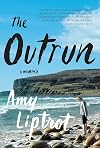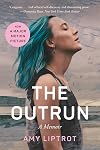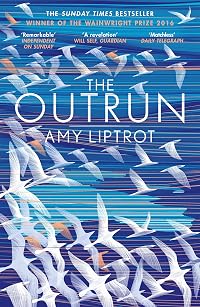
The Outrun
by Amy Liptrot
On This Page
Description
The author relates her return home to her family's Orkney sheep farm at the age of thirty, after a decade of heavy drinking in London, where she discovered the natural healing she needed to put her on the path to recovery from addiction.Tags
Recommendations




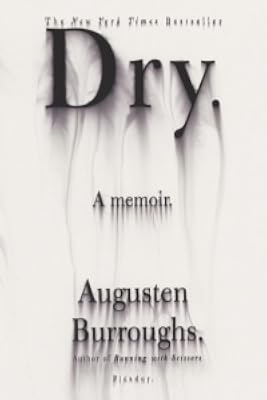
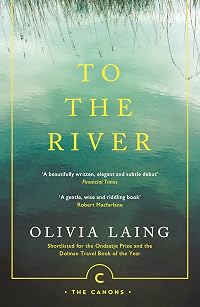
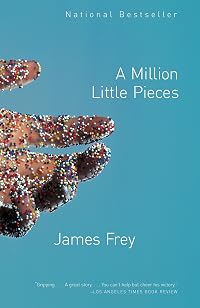
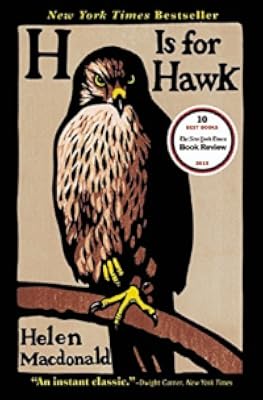


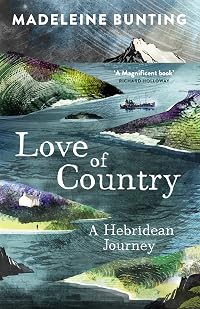
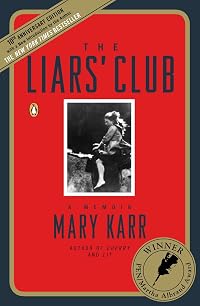
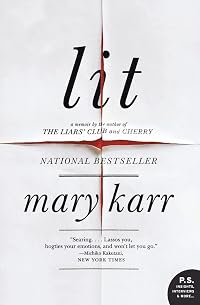
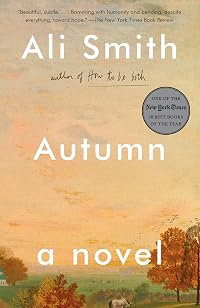

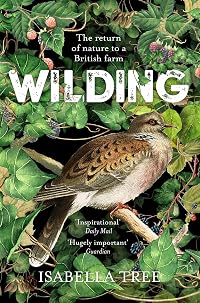

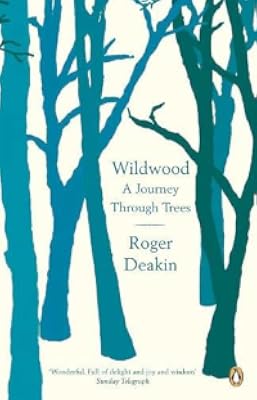
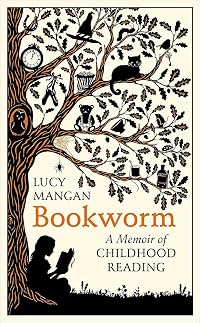
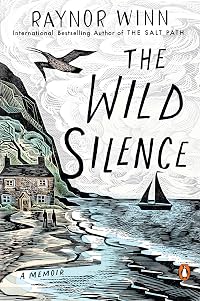




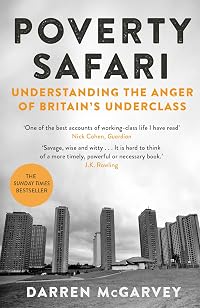
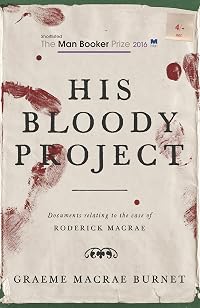
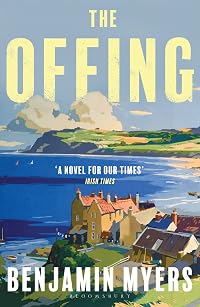
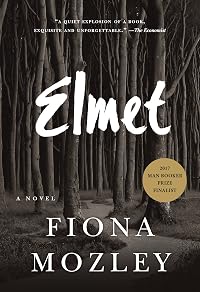
Member Recommendations
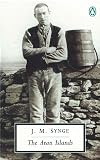
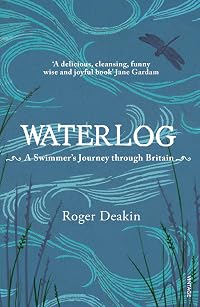
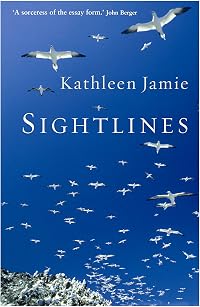
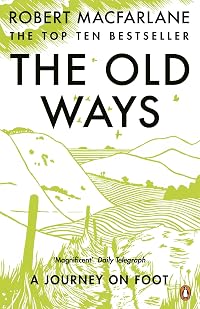
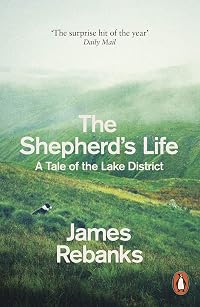
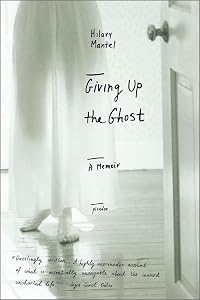
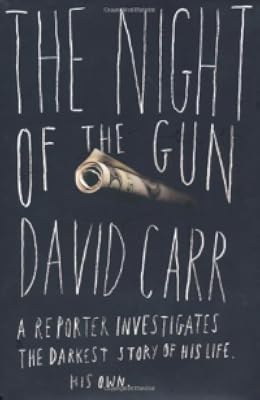
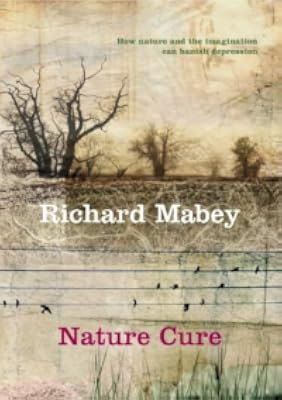
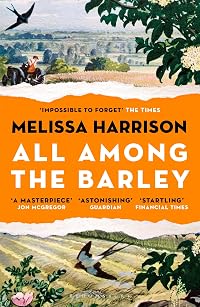
harmen Different islands, but gives a nice idea about life on remote islands, back then.
Member Reviews
This is a moving and brilliantly written memoir that is honest and heartbreaking. Amy Liptrot is an alcoholic that has reached the bottom of the heap before she finds treatment and support and starts the process of not drinking. Eventually she returns to her Orkney home and the place and the wildlife give her a chance to explore her feelings, her relationship with alcohol and addiction and write a new future for herself. Many of the chapters read as self-contained short stories as she explores different aspects of Orkney and her life. She is painfully honest about her addiction and the pain that she goes through is heartbreaking. She is also honest about life on a remote Scottish island and doesn't dress it up as romantic but does find show more something in the wildness that helps her. She becomes an alcoholic in London and it could be read as a book about the bad big city and the good rural haven but I think she avoids this obvious narrative and looks inside herself for reasons for her addiction to alcohol. show less
Thoreau’s classical rationale for his retreat to Walden Pond following a time in jail for an act of social disobedience (i.e., non-payment of taxes) reminds one of Amy Liptrot’s return to Orkney from London during her recovery from alcoholism. “I went to the woods because I wished to live deliberately, to front only the essential facts of life, and see if I could not learn what it had to teach, and not, when I came to die, discover that I had not lived.” Indeed, the appeal of Liptrot’s narrative is not only her struggle with alcoholism but also her meditation on the power of Nature and a simple life to heal the injured mind and body.
Liptrot takes the “outrun” as the central metaphor for her own retreat to the edge. The show more outrun was a useless piece of her parents’ farm “where domestic and wild animals coexist and humans don’t often visit so spirit people are free to roam…nothing but cliffs and ocean between it and Canada.” This image powerfully evokes her situation of having outrun her equanimity by excesses of drink, partying, violence and abusive sex.
Liptrot seems to have come by her pathology honestly. Her mother was a born-again Christian zealot and her father, a man suffering from a particularly intense case of bipolar schizophrenia. As a young woman, she sought escape from family and the isolation of Orkney by moving to London where she immersed herself in the bar scene. Following a decade away and a beginning toward sobriety, Liptrot decided to return to Orkney with the idea that the move might be useful in her recovery. “My life was rough and windy and tangled. Growing up in the wind leaves you strong, sloped and adept at seeking shelter.”
This is not your typical addiction recovery memoir, however. Instead, it ranges over a wide terrain of themes, including urban vs. rural settings (island vs. city), the power of Nature to provide solace, and the extreme relapse challenges common to all recovering addicts. In her telling, Liptrot skillfully balances two competing voices: a jaded observer of the underbelly of London nightlife and a knowledgeable resident of the Orkney Islands. She is unblinking in her telling of the degradations and chaos of her life in Hackney while also lovingly portraying the unique history, geology, agriculture and fauna of Orkney. Both settings represent edges much like the outrun: the former is societal while the latter is more geographic.
This is a powerful examination of how things can fall apart in the modern world and how a return to living deliberately and simply, as Thoreau advocated, can be a valuable adjunct to recovery. show less
Liptrot takes the “outrun” as the central metaphor for her own retreat to the edge. The show more outrun was a useless piece of her parents’ farm “where domestic and wild animals coexist and humans don’t often visit so spirit people are free to roam…nothing but cliffs and ocean between it and Canada.” This image powerfully evokes her situation of having outrun her equanimity by excesses of drink, partying, violence and abusive sex.
Liptrot seems to have come by her pathology honestly. Her mother was a born-again Christian zealot and her father, a man suffering from a particularly intense case of bipolar schizophrenia. As a young woman, she sought escape from family and the isolation of Orkney by moving to London where she immersed herself in the bar scene. Following a decade away and a beginning toward sobriety, Liptrot decided to return to Orkney with the idea that the move might be useful in her recovery. “My life was rough and windy and tangled. Growing up in the wind leaves you strong, sloped and adept at seeking shelter.”
This is not your typical addiction recovery memoir, however. Instead, it ranges over a wide terrain of themes, including urban vs. rural settings (island vs. city), the power of Nature to provide solace, and the extreme relapse challenges common to all recovering addicts. In her telling, Liptrot skillfully balances two competing voices: a jaded observer of the underbelly of London nightlife and a knowledgeable resident of the Orkney Islands. She is unblinking in her telling of the degradations and chaos of her life in Hackney while also lovingly portraying the unique history, geology, agriculture and fauna of Orkney. Both settings represent edges much like the outrun: the former is societal while the latter is more geographic.
This is a powerful examination of how things can fall apart in the modern world and how a return to living deliberately and simply, as Thoreau advocated, can be a valuable adjunct to recovery. show less
‘The Outrun’ proved to be that excellent thing: a book recommendation from a friend that you’d probably have never read otherwise, but that turns out to be extremely rewarding. It is a memoir, recounting the Liptrot’s childhood in Orkney, subsequent move to London, struggle with alcoholism, and return to the isolated Scottish islands from whence she came. It is a written in vivid, lyrical style, bringing the wildness of Orkney to life. Although I’m not that keen on travelling in real life, I love it when books take me on a journey as well as this one does. The stories of island life and descriptions of flora, fauna, and other phenomena are enchanting. I especially liked Liptrot’s accounts of stargazing and seeing the show more Northern Lights. Interwoven with this travelogue is a brave and honest description of recovery from addiction, written in equally powerful, distinctive terms. Liptrot goes to stay on Papay, population 70, in order to try and establish an equilibrium without alcohol. She takes a nuanced, critical view of her recovery and the benefits of seclusion. For instance, she notes that living in such an isolated fashion led her to spend a lot of time online and that her interest in the island’s weather and wildlife was enabled and encouraged by smartphone apps. (It’s very interesting to see the effect that the internet has had on a small, isolated community.) Above all, this is a keenly observant book. I will definitely pass on the recommendation to others. show less
This book grew on me slowly. It is told as a monologue & I missed conversations/interactions. Amy kept mentioning friends, but we never got to hear them, and even the boyfriend she lived with for two years wasn’t given a name. So this disturbed me, then it gradually became clear that the blurry, dream-like fog she lives in in London is because of her out-of-control drinking.
The story moves between London and her childhood & return to the Orkneys. For a time I felt these were two different stories uncomfortably stitched together.
I wasn’t aware at first this was a memoir, but it felt so painfully true: her loneliness, isolation, odd preoccupations, that I ended up googling her & seeing a talk she gave on YouTube, and yes, this was her show more life. “I seek sensation, balance seems pale” she explains.
It has given me an insight into a life where being trashed becomes all-important so that everything else gets lost, and it’s also begun for me a fascination with the Orkneys, such a harsh, remote and beautiful place, that I have never thought about before. A place where the winds can get so violent that tethered cows can become balloons. A place I can now explore without the tough elements with Google!
Such a haunting, authentic read. show less
The story moves between London and her childhood & return to the Orkneys. For a time I felt these were two different stories uncomfortably stitched together.
I wasn’t aware at first this was a memoir, but it felt so painfully true: her loneliness, isolation, odd preoccupations, that I ended up googling her & seeing a talk she gave on YouTube, and yes, this was her show more life. “I seek sensation, balance seems pale” she explains.
It has given me an insight into a life where being trashed becomes all-important so that everything else gets lost, and it’s also begun for me a fascination with the Orkneys, such a harsh, remote and beautiful place, that I have never thought about before. A place where the winds can get so violent that tethered cows can become balloons. A place I can now explore without the tough elements with Google!
Such a haunting, authentic read. show less
Very compelling memoir. Liptrot grew up on Orkney, came down to London where her life was overtaken by her alcoholism, and then eventually recovered her sobriety back up in Orkney. There is a clear-headed detachment to her writing, and she seems very self-aware (without being too solipsistic), which is an enjoyable quality. The descriptions of Orkney — even bleak and isolated as they are — make me long to see the islands. Some of the tales of her existence in London are less compelling than her descriptions of her home, though at the same time I remember feeling like she was holding some stuff back. Overall, though, the balance between the purgatory/redemption in the book is pretty good. Fascinating, brave, clear-headed writing.
The day Amy was born on the island of Orkney her father was sectioned and taken to an institute in Aberdeen. Not the most illustrious of starts. Apart from her fathers mental heath she has an idyllic childhood, she spent hours on the Outrun, a huge field that went right to the edge of the cliffs. Her mather and father were incomers to the island, and this field was part of the farm that they owned. There is precious little for teenagers to do on these remote Scottish islands and when she got together for parties, she started drinking, just wine and beer first, but what she most wanted was to go to the big cities; London was calling.
London was exciting, full of life and new friends, but whilst there her alcohol problem spiralled out of show more control. Her daily pursuit of drinking herself into stupor lost her friends, jobs and partners, gained her a driving conviction until it reached the point where she could carry on no more. Admitted to Alcoholics Anonymous she stops drinking on on of the equinoxes, those pivot points of the seasons. Initial results are a success, so after three months she starts to apply for jobs again, but nothing seems to turn up. So reluctantly she makes the decision to return to Orkney.
A decade has passed since she lived there, and now she is back at the age of 30. She now has to unpick and untangle the mess that she made of her life, provided she can stay sober. As she settles back in to island life, she has bleak and tough days, but there are times when the sun shines and the wind blows and she gains a little more clarity every time. She applies for jobs in London again, but when a job comes up on Orkney working for the RSPCA counting corncrakes, she gets it. Liptrot ends up tracking puffins and arctic terns amongst other creatures, and this exposure to nature opens wide her eyes for the possibilities that nature offers for her healing. An early interest in astronomy is rekindled too; this is one of the best places to see the stars with almost zero light pollution and there are the occasional glimpses of the Northern Lights. She joins a club that swims whenever possible in the breath-takingly cold sea, a much healthier way of getting the adrenaline rush she used to get from the bottle.
It is a heart-rending book in lots of ways. She has similar traits to her father who has suffered from mental health issues all through his life, her parents had split too further adding to the stresses and strains of her life, and then she reaches rock bottom. Her return to Orkney and the time spent on the tiny island of Papay gives her an opportunity to find an alternative direction. The landscape, the harsh weather and the wildlife bringing a new purpose to her life. It is not always the easiest book to read, but Liptrot’s writing is beautiful and lyrical, she conveys just what she observes without it feeling overbearing or too wordy. She is a talent to watch out for in the future. show less
London was exciting, full of life and new friends, but whilst there her alcohol problem spiralled out of show more control. Her daily pursuit of drinking herself into stupor lost her friends, jobs and partners, gained her a driving conviction until it reached the point where she could carry on no more. Admitted to Alcoholics Anonymous she stops drinking on on of the equinoxes, those pivot points of the seasons. Initial results are a success, so after three months she starts to apply for jobs again, but nothing seems to turn up. So reluctantly she makes the decision to return to Orkney.
A decade has passed since she lived there, and now she is back at the age of 30. She now has to unpick and untangle the mess that she made of her life, provided she can stay sober. As she settles back in to island life, she has bleak and tough days, but there are times when the sun shines and the wind blows and she gains a little more clarity every time. She applies for jobs in London again, but when a job comes up on Orkney working for the RSPCA counting corncrakes, she gets it. Liptrot ends up tracking puffins and arctic terns amongst other creatures, and this exposure to nature opens wide her eyes for the possibilities that nature offers for her healing. An early interest in astronomy is rekindled too; this is one of the best places to see the stars with almost zero light pollution and there are the occasional glimpses of the Northern Lights. She joins a club that swims whenever possible in the breath-takingly cold sea, a much healthier way of getting the adrenaline rush she used to get from the bottle.
It is a heart-rending book in lots of ways. She has similar traits to her father who has suffered from mental health issues all through his life, her parents had split too further adding to the stresses and strains of her life, and then she reaches rock bottom. Her return to Orkney and the time spent on the tiny island of Papay gives her an opportunity to find an alternative direction. The landscape, the harsh weather and the wildlife bringing a new purpose to her life. It is not always the easiest book to read, but Liptrot’s writing is beautiful and lyrical, she conveys just what she observes without it feeling overbearing or too wordy. She is a talent to watch out for in the future. show less
The first half of this memoir is the author's sad alcoholic life in London, and it's a tough read. Amy finally goes to rehab and gets sober, but she realizes that temptations are too great in the city. In the second half, Amy returns to home in the Orkney Islands, from whence she had fled, and to her divorced parents in a landscape of wild, barren, wind-swept isolation. Enjoying her ability to stay alcohol-free, she still has strong cravings and struggles to identify the roots of her addiction. Amy takes a job tracking down an elusive bird, the calling male corncrake, and spends most of her time exploring and searching, driving, and walking the land. When her assignment is over, she moves to on an even more isolated island, Papay, where show more she takes to ocean swims and hikes with some of the fifty residents and has an important discovery about the source of her alcoholism. Her descriptions of her surroundings and their wild beauty are strong enough to carry the narrative, as is the brevity of the book. show less
Members
- Recently Added By
Lists

Recommended Nature Writing
346 works; 180 members

Top Five Books of 2016
795 works; 229 members

Club Read's Recommended Nonfiction Written by Women
618 works; 30 members

Top Five Books of 2024
795 works; 264 members
Author Information

3+ Works 697 Members
Awards and Honors
Awards
Distinctions
The Guardian Book of the Day (2016-01-22)
Work Relationships
Common Knowledge
- Canonical title
- The Outrun
- Original publication date
- 2016
- People/Characters
- Amy Liptrot
- Important places
- Orkney, Scotland, UK
- Canonical DDC/MDS
- 616.86106092
Classifications
- Genres
- Biography & Memoir, Nonfiction, General Nonfiction
- DDC/MDS
- 616.86106092 — Applied science & technology Medicine & health Diseases, Allergies, Skin Conditions Nervous Disorders: Autism, Anorexia, OCD Drug Abuse: Alcohol, Narcotics, Steroids Alcoholism
- LCC
- HV5137 .L57 — Social sciences Social pathology. Social and public welfare. Criminology Social pathology. Social and public welfare. Alcoholism. Intemperance. Temperance reform
- BISAC
Statistics
- Members
- 597
- Popularity
- 48,869
- Reviews
- 24
- Rating
- (3.92)
- Languages
- 7 — Dutch, English, French, German, Italian, Spanish, Swedish
- Media
- Paper, Audiobook, Ebook
- ISBNs
- 31
- ASINs
- 8