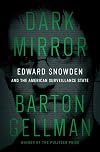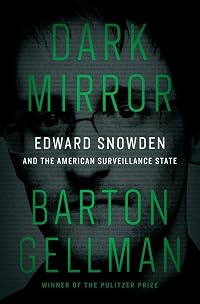
Dark Mirror: Edward Snowden and the American Surveillance State
by Barton Gellman
On This Page
Description
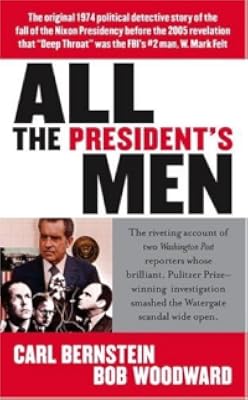
"Edward Snowden chose three journalists to tell the stories in his Top Secret trove of NSA documents: Barton Gellman of The Washington Post, Glenn Greenwald of The Guardian and filmmaker Laura Poitras, all of whom would share the Pulitzer Prize for Public Service. Poitras went on to direct the Oscar-winning Citizenfour. Greenwald wrote an instant memoir and cast himself as a pugilist on Snowden's behalf. Gellman took his own path. Snowden and his documents were the beginning, not the end, of show more a story he had prepared his whole life to tell. More than 20 years as a top investigative journalist armed him with deep sources in national security and high technology. New sources reached out from government and industry, making contact on the same kinds of secret, anonymous channels that Snowden had used. Gellman's reporting unlocked new puzzles in the NSA archive. And as Snowden's revelations faded somewhat from the public consciousness, the machinations he exposed continue still, with many policies unaltered despite societal outrage. Dark Mirror is a true-life spy tale that touches us all, told with authority and an inside view of extraordinary events. Within it is a chilling personal account of the obstacles facing the author, beginning with Gellman's discovery of his own name in Snowden's NSA document trove. Google notifies him that a foreign government is trying to compromise his account. A trusted technical adviser finds anomalies on his laptop. Sophisticated impostors approach Gellman with counterfeit documents, attempting to divert or discredit his work. Throughout Dark Mirror, the author wages an escalating battle against unknown digital adversaries who force him to mimic their tradecraft in self-defense. With the vivid and insightful style that marked Gellman's bestselling Angler, Dark Mirror is an inside account of the surveillance-industrial revolution and its discontents, fighting back against state and corporate intrusions into our most private spheres. Along the way, and with the benefit of hindsight, it tells the full story of a government leak unrivaled in drama since All the President's Men"-- show lessTags
Recommendations
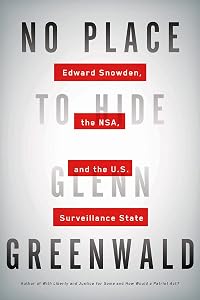
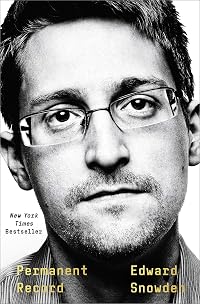
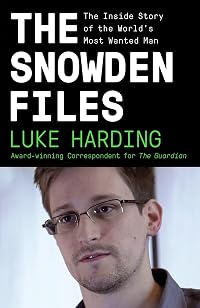
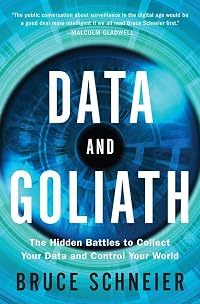









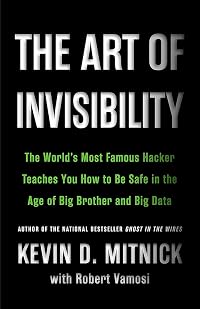


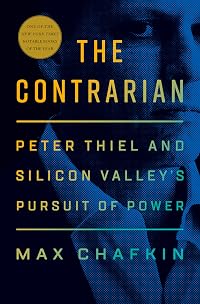
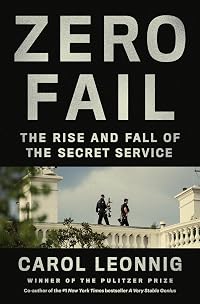
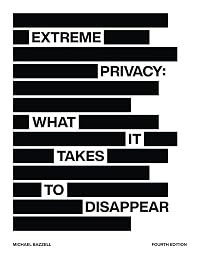
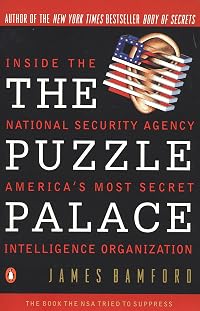
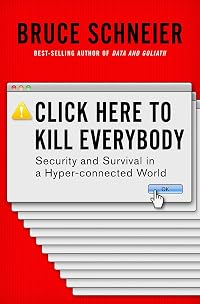


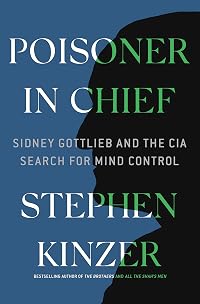

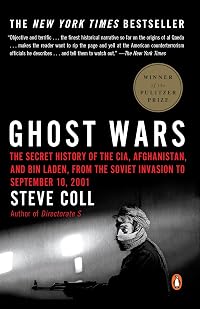













Member Recommendations
anonymous user Another person's point of view while the stories were starting to come together and being written.
Barton does say he was contacted before Glenn but Ed does say Glenn was contacted before Barton.
Member Reviews
Dark Mirror: Edward Snowden and the American Surveillance State by Barton Gellman is a very highly recommended account of Edward Snowden's 2013 leak of National Security Agency (NSA) files and the inside story of Gellman's investigation and its repercussions.
"Edward Snowden touched off a global debate in 2013 when he gave Barton Gellman, Laura Poitras and Glenn Greenwald each a vast and explosive archive of highly classified files revealing the extent of the American government’s access to our every communication. They shared the Pulitzer Prize that year for public service. For Gellman, who never stopped reporting, that was only the beginning. He jumped off from what Snowden gave him to track the reach and methodology of the U.S. show more surveillance state and bring it to light with astonishing new clarity. Along the way, he interrogated Snowden’s own history and found important ways in which myth and reality do not line up. Gellman treats Snowden with respect, but this is no hagiographic account, and Dark Mirror sets the record straight in ways that are both fascinating and important..."
The professionally written and organized narrative follows two different threads. The first is Snowden's backstory up to his contacting reporters to send them the stolen files and tell his story. The second part is Gellman's story about his investigation, the illegal intrusion and surveillance of citizen's private lives, and the overreach of meddling in his personal life. Dark Mirror is not a book about Snowden, although he is a part of it. Gellman believes that Snowden did more good than harm, but he will concede that Snowden's disclosures exacted a price in lost intelligence. The power of electronic surveillance requires secrecy in order to catch targets unaware. Dark Mirror is a look at how, after September 11, 2001, the U.S. government came to believe its electronic surveillance of enemies necessitated the inclusion of Americans as well. The NSA extended its data collection into digital areas used by almost everyone, including Yahoo, Google, Microsoft, and Facebook accounts, among others. FYI: "A smartphone is an excellent tracking device. It works well as a remote-controlled microphone, too, for someone who knows how to switch it on."
What people need to be concerned about is that the NSA arranged our phone records in a "one-hop contact chain of each to all. All kinds of secrets - social, medical, political, professional - were precomputed, 24/7." Gellman was told that there was no cause for concern because "the links are unassembled until you launch a query." But he said "I saw a database that was preconfigured to map anyone’s life at the touch of a button." ALL your digital/online activity tied to a contact chain and all it takes is someone to decide they are going to violate of your right to privacy. Government officials countered to Gellman with the statement that the potential power was not being used or abused and American citizens were not being spied on. It was said that that the government/NSA really doesn’t care about us in that way because we are not that interesting from a national security point of view. The good news is that the Freedom Act of 2015 prohibits the bulk collection of phone records and that internet traffic is more encrypted, making surveillance more difficult. (More difficult does not equate impossible.) Any protections set in place can be stripped away in an instant.
I found this a totally engrossing account of Snowden's actions and everything that followed his release of the files. Dark Mirror sparked several long discussions and debates as I was reading it. The debate is still ongoing, but the discussions and the questions need continuous scrutiny. This is an excellent, even-handed examination of Snowden's actions and Gellman's investigation that is well-worth reading and considering the implications revealed within the narrative.
Disclosure: My review copy was courtesy of Penguin Random House.
http://www.shetreadssoftly.com/2020/05/dark-mirror.html
https://www.goodreads.com/review/show/3354008849 show less
"Edward Snowden touched off a global debate in 2013 when he gave Barton Gellman, Laura Poitras and Glenn Greenwald each a vast and explosive archive of highly classified files revealing the extent of the American government’s access to our every communication. They shared the Pulitzer Prize that year for public service. For Gellman, who never stopped reporting, that was only the beginning. He jumped off from what Snowden gave him to track the reach and methodology of the U.S. show more surveillance state and bring it to light with astonishing new clarity. Along the way, he interrogated Snowden’s own history and found important ways in which myth and reality do not line up. Gellman treats Snowden with respect, but this is no hagiographic account, and Dark Mirror sets the record straight in ways that are both fascinating and important..."
The professionally written and organized narrative follows two different threads. The first is Snowden's backstory up to his contacting reporters to send them the stolen files and tell his story. The second part is Gellman's story about his investigation, the illegal intrusion and surveillance of citizen's private lives, and the overreach of meddling in his personal life. Dark Mirror is not a book about Snowden, although he is a part of it. Gellman believes that Snowden did more good than harm, but he will concede that Snowden's disclosures exacted a price in lost intelligence. The power of electronic surveillance requires secrecy in order to catch targets unaware. Dark Mirror is a look at how, after September 11, 2001, the U.S. government came to believe its electronic surveillance of enemies necessitated the inclusion of Americans as well. The NSA extended its data collection into digital areas used by almost everyone, including Yahoo, Google, Microsoft, and Facebook accounts, among others. FYI: "A smartphone is an excellent tracking device. It works well as a remote-controlled microphone, too, for someone who knows how to switch it on."
What people need to be concerned about is that the NSA arranged our phone records in a "one-hop contact chain of each to all. All kinds of secrets - social, medical, political, professional - were precomputed, 24/7." Gellman was told that there was no cause for concern because "the links are unassembled until you launch a query." But he said "I saw a database that was preconfigured to map anyone’s life at the touch of a button." ALL your digital/online activity tied to a contact chain and all it takes is someone to decide they are going to violate of your right to privacy. Government officials countered to Gellman with the statement that the potential power was not being used or abused and American citizens were not being spied on. It was said that that the government/NSA really doesn’t care about us in that way because we are not that interesting from a national security point of view. The good news is that the Freedom Act of 2015 prohibits the bulk collection of phone records and that internet traffic is more encrypted, making surveillance more difficult. (More difficult does not equate impossible.) Any protections set in place can be stripped away in an instant.
I found this a totally engrossing account of Snowden's actions and everything that followed his release of the files. Dark Mirror sparked several long discussions and debates as I was reading it. The debate is still ongoing, but the discussions and the questions need continuous scrutiny. This is an excellent, even-handed examination of Snowden's actions and Gellman's investigation that is well-worth reading and considering the implications revealed within the narrative.
Disclosure: My review copy was courtesy of Penguin Random House.
http://www.shetreadssoftly.com/2020/05/dark-mirror.html
https://www.goodreads.com/review/show/3354008849 show less
Not just anyone could do it, but it doesn’t take super villain levels of capability to make it happen. All it would take is paying attention to how the system works, which is your job”
Edward Snowden to Barton Gellman in “Dark Mirror” by Barton Gellman
“The defining feature of Snowden’s young adulthood was a knack for breaking down problems, unpacking the parts, discerning how the innards worked, and shaping them to his will. He had an eye for hidden openings. It was a hacker’s frame of mind, in the classic sense, applicable as much to daily life as to machines. [...] automate a tedious task or substitute a more efficient one. Rewrite or repurpose any product, any process, if you can turn it yo your own ends. Share the show more recipe.”
In “Dark Mirror” by Barton Gellman
Me: “Anything to keep us safe. Anything. Please, feel free to trawl through my rubbish, to bug my bedroom, to tail me to work, to eavesdrop on my phone conversations, to peruse my emails. I have no idea what liberty is or whether I even deserve it but I know that my beautiful government only wants the best in this best of all possible worlds. My soul, my intellect, my integrity is nothing compared to the greater good. I am completely expendable and exist only to make life easier for the government who will do everything to protect me from threats left, right and center. I want them to scan me when I leave the house, when I get on the bus, when I enter the office, when I go to a sports match, when I go to a restaurant. I have neither the judgment nor the ability to know whether I am a threat to the general public. My thoughts, my words, my deeds must be recorded, registered, interpreted, sanctioned, filed, stored and preserved in the name of a liberty I am too ignorant to understand. The evil we face is simply beyond my limited immagination and I will accept any humiliation because I have learned that CIVIL LIBERTIES ARE WHAT MAKES TERRORISM POSSIBLE! and anyone who refuses to spy on his neighbours or sleep with one eye open IS A TRAITOR!!!!!”
NSA: “Indeed does your grammar needs constant attention and correction by the secret intelligence services. The word is not ‘immagination’ but ‘imagination’. Clearly a threat to the integrity of English literary heritage.”
Me: “I take my hat off to you, sir. You are just the sort of vigilant anti-terrorist that makes me proud to hand over my civil liberties without asking for anything in return. In fact, the double "m" was part of an encrypted message that I thought I had manage to pass on to the terrorists without the dozy on-line community noticing but I clearly hadn't reckoned upon the likes of you. I trust this will earn you the promotion you so richly reserve and if there is anything else I need to confess too, rest assured that I remain available for waterboarding at a moment's notice.”
Me: “That's it for me. I'm not using Google anymore, or the Internet. I've had enough of this vacuous nonsense. No more shall I sit in front of a laptop for hours wondering: what a load of bollocks I've been looking at. This will be the last post on here or anywhere for that matter. Have a nice day. Where the hell are my Signet classics?”
A few moments later.
Me: “Oh shit, I've just realised they will find my hamster video that I put online years ago to test this internet lark out. This is not going to go well for me when I'm acting totally bad ass in the interrogation room with the CIA and they put Fluffy on the projector.” show less
Edward Snowden to Barton Gellman in “Dark Mirror” by Barton Gellman
“The defining feature of Snowden’s young adulthood was a knack for breaking down problems, unpacking the parts, discerning how the innards worked, and shaping them to his will. He had an eye for hidden openings. It was a hacker’s frame of mind, in the classic sense, applicable as much to daily life as to machines. [...] automate a tedious task or substitute a more efficient one. Rewrite or repurpose any product, any process, if you can turn it yo your own ends. Share the show more recipe.”
In “Dark Mirror” by Barton Gellman
Me: “Anything to keep us safe. Anything. Please, feel free to trawl through my rubbish, to bug my bedroom, to tail me to work, to eavesdrop on my phone conversations, to peruse my emails. I have no idea what liberty is or whether I even deserve it but I know that my beautiful government only wants the best in this best of all possible worlds. My soul, my intellect, my integrity is nothing compared to the greater good. I am completely expendable and exist only to make life easier for the government who will do everything to protect me from threats left, right and center. I want them to scan me when I leave the house, when I get on the bus, when I enter the office, when I go to a sports match, when I go to a restaurant. I have neither the judgment nor the ability to know whether I am a threat to the general public. My thoughts, my words, my deeds must be recorded, registered, interpreted, sanctioned, filed, stored and preserved in the name of a liberty I am too ignorant to understand. The evil we face is simply beyond my limited immagination and I will accept any humiliation because I have learned that CIVIL LIBERTIES ARE WHAT MAKES TERRORISM POSSIBLE! and anyone who refuses to spy on his neighbours or sleep with one eye open IS A TRAITOR!!!!!”
NSA: “Indeed does your grammar needs constant attention and correction by the secret intelligence services. The word is not ‘immagination’ but ‘imagination’. Clearly a threat to the integrity of English literary heritage.”
Me: “I take my hat off to you, sir. You are just the sort of vigilant anti-terrorist that makes me proud to hand over my civil liberties without asking for anything in return. In fact, the double "m" was part of an encrypted message that I thought I had manage to pass on to the terrorists without the dozy on-line community noticing but I clearly hadn't reckoned upon the likes of you. I trust this will earn you the promotion you so richly reserve and if there is anything else I need to confess too, rest assured that I remain available for waterboarding at a moment's notice.”
Me: “That's it for me. I'm not using Google anymore, or the Internet. I've had enough of this vacuous nonsense. No more shall I sit in front of a laptop for hours wondering: what a load of bollocks I've been looking at. This will be the last post on here or anywhere for that matter. Have a nice day. Where the hell are my Signet classics?”
A few moments later.
Me: “Oh shit, I've just realised they will find my hamster video that I put online years ago to test this internet lark out. This is not going to go well for me when I'm acting totally bad ass in the interrogation room with the CIA and they put Fluffy on the projector.” show less
I have a lot of interest in this topic. I have nothing to hide, but really find it offensive that the govt thinks they can spy on us. Book started off strong. loved the background of how Gellman first got involved with Snowden. The precautions he took to communicate were fascinating, as were the spy programs that were uncovered. However, in the second half of the book, I thought the author started wandering around a bit with some trivial things, like what the NSA program names were. Would have liked to hear about any harms that could be attributed to Americans about the spying. But the NSA - sheesh - they can spy on anything!
Barton Gellman's journalistic story is what drew me to this book. I remembered when the Edward Snowden whistleblower news hit the headlines and wanted to revisit that. And in reading this eye-opening book about the NSA's surveillance procedures and a story that went way beyond those past news' headlines, I learned so many more important things that I think as an American citizen I should know. I highly recommend this important book.
As it happens, I just ran across an article pertinent to this book and review: https://www.lawfareblog.com/cyber-budget-shows-what-us-values%E2%80%94and-it-isn...
Ironically, Gellman was not the first choice for Snowden to use as a conduit for the extraordinary information he had gleaned from the NSA related to their surveillance of U.S.citizens. Glenn Greenwald had ignored Snowden's tentative approach, all cloaked with great secrecy, of course. Gellman's description of the techniques he used to hide what he was doing was fascinating by itself.
What did Snowden reveal? The NSA's stated goal is to collect and process everything, all communications. They have a huge volume problem. They try to filter out the junk and ignore the spam, but show more sophisticated opposition has realized that spam can be used to hide messages. They look for anything with lists, address books connected to individual accounts, to build sophisticated social network analysis. A lot of digital traffic moves through the United States making the NSA's job easier. Even a phone call from Spain to Colombia may be routed through the U.S. Fears of Chinese dominance through Huawei may be justified. The NSA has legal coercive powers to force communications entities to turn over anything they ask for. So if they are denied access in the U.S., they simply go to one of the social network technologies centers in another country and get it from there. General Hayden former NSA Director justified the sweeping collection of data by saying that "you can't find a needle in a haystack without the haystack." But just as it would be useful to search every house on the block to find something doesn't mean you should be allowed to do it.
Gellman insists that Snowden's revelations did more good than harm but he cocedes that some harm may have been done. The Communications system is so complicated and intertwined that Snowden insists that many processes the NSA had in place change and don't work any more simply based on changes to the communications infrastructure that had nothing to do with Snowden. Firmware gets updated, hardware and software changed, so much of their success must rely on mistakes made by others and the capabilities are constantly being changed.
Perhaps an irony of Snowdon's actions is that he revealed how poor the NSA was at keeping its own secrets. We have learned since that the NSA "lost" many very sophisticated hacking tools, which were later used to wreck substantial damage around the world when modified slightly by malicious hackers. Another irony is that some of the NSA's biggest defenders and Snowden's antagonists have done a 360 since Trump and his tyrannical postures have been revealed. Government can't be trusted and the president has no interest in any legal restraints on his power. Jim Clapper who originally wanted Gellman arrested now questions whether there are enough restraints in place to prevent abuse. The Internet is far more secure than it was before the revelations and even some national security types and James Comey said to the author that Snowden did more good than harm.
Gellman met many times with Snowden and the section on their relationship is fascinating. How they communicated, how trust changed and morphed. Snowden is a man of very strong principles and a zealot, perhaps overly confident in his own rightness. An autodidact, he's very well and widely read so discussions would range over many areas. Ultimately, Snowden got stuck in Moscow because the U.S. canceled his passport hoping to keep him in Hong Kong but he was already on a plane intending to transfer in Moscow for elswhere, but when they landed the authorities said he could not leave because his passport was no longer valid.
Gellman suffered no legal consequences for publishing the Snowden material, and in an interview on Lawfare, Gellman makes the distinction between espionage and reporting. The spy seeks out information that he wants to keep secret and to use that information to harm his adversary. The journalist, on the other hand seeks to make the information public to encourage debate as to whether his society wants to approve and continue certain actions. That kind of debate is essential in a free and democratic society.
Much of the distrust for government stems from Watergate and Vietnam during which it became clear that government was lying to the public to prevent them from know what their government was doing. Snowden's revelations have not assuaged that distrust. show less
Ironically, Gellman was not the first choice for Snowden to use as a conduit for the extraordinary information he had gleaned from the NSA related to their surveillance of U.S.citizens. Glenn Greenwald had ignored Snowden's tentative approach, all cloaked with great secrecy, of course. Gellman's description of the techniques he used to hide what he was doing was fascinating by itself.
What did Snowden reveal? The NSA's stated goal is to collect and process everything, all communications. They have a huge volume problem. They try to filter out the junk and ignore the spam, but show more sophisticated opposition has realized that spam can be used to hide messages. They look for anything with lists, address books connected to individual accounts, to build sophisticated social network analysis. A lot of digital traffic moves through the United States making the NSA's job easier. Even a phone call from Spain to Colombia may be routed through the U.S. Fears of Chinese dominance through Huawei may be justified. The NSA has legal coercive powers to force communications entities to turn over anything they ask for. So if they are denied access in the U.S., they simply go to one of the social network technologies centers in another country and get it from there. General Hayden former NSA Director justified the sweeping collection of data by saying that "you can't find a needle in a haystack without the haystack." But just as it would be useful to search every house on the block to find something doesn't mean you should be allowed to do it.
Gellman insists that Snowden's revelations did more good than harm but he cocedes that some harm may have been done. The Communications system is so complicated and intertwined that Snowden insists that many processes the NSA had in place change and don't work any more simply based on changes to the communications infrastructure that had nothing to do with Snowden. Firmware gets updated, hardware and software changed, so much of their success must rely on mistakes made by others and the capabilities are constantly being changed.
Perhaps an irony of Snowdon's actions is that he revealed how poor the NSA was at keeping its own secrets. We have learned since that the NSA "lost" many very sophisticated hacking tools, which were later used to wreck substantial damage around the world when modified slightly by malicious hackers. Another irony is that some of the NSA's biggest defenders and Snowden's antagonists have done a 360 since Trump and his tyrannical postures have been revealed. Government can't be trusted and the president has no interest in any legal restraints on his power. Jim Clapper who originally wanted Gellman arrested now questions whether there are enough restraints in place to prevent abuse. The Internet is far more secure than it was before the revelations and even some national security types and James Comey said to the author that Snowden did more good than harm.
Gellman met many times with Snowden and the section on their relationship is fascinating. How they communicated, how trust changed and morphed. Snowden is a man of very strong principles and a zealot, perhaps overly confident in his own rightness. An autodidact, he's very well and widely read so discussions would range over many areas. Ultimately, Snowden got stuck in Moscow because the U.S. canceled his passport hoping to keep him in Hong Kong but he was already on a plane intending to transfer in Moscow for elswhere, but when they landed the authorities said he could not leave because his passport was no longer valid.
Gellman suffered no legal consequences for publishing the Snowden material, and in an interview on Lawfare, Gellman makes the distinction between espionage and reporting. The spy seeks out information that he wants to keep secret and to use that information to harm his adversary. The journalist, on the other hand seeks to make the information public to encourage debate as to whether his society wants to approve and continue certain actions. That kind of debate is essential in a free and democratic society.
Much of the distrust for government stems from Watergate and Vietnam during which it became clear that government was lying to the public to prevent them from know what their government was doing. Snowden's revelations have not assuaged that distrust. show less
Ratings
Members
- Recently Added By
Author Information

Barton Gellman graduated from Princeton University and received a master's degree in politics from University College, Oxford as a Rhodes Scholar. He worked as a special projects reporter for The Washington Post and won several notable awards as well as a 2008 Pulitzer Prize for his work on the Cheney series. In 2002 he shared a Pulitzer for show more national reporting, and he has also earned honors from the Overseas Press Club, the Society of Professional Journalists, and the American Society of Newspaper Editors. Gellman is a contributing editor at Time magazine, plus a senior research fellow at the Center on Law and Security at NYU. (Bowker Author Biography) show less
All Editions
Some Editions
Awards and Honors
Awards
Distinctions
The Guardian Book of the Day (2020-05-27)
Classifications
- Genres
- Nonfiction, Politics and Government, Technology, General Nonfiction, Biography & Memoir, History
- DDC/MDS
- 327.12730092 — Society, government, & culture Political science International Relations: Spies Foreign policy and specific topics in international relations Espionage and subversion North America United States
- LCC
- UB256 .U6 .G45 — Military Science Military administration Military administration Intelligence
- BISAC
Statistics
- Members
- 167
- Popularity
- 195,336
- Reviews
- 5
- Rating
- (3.86)
- Languages
- English, German
- Media
- Paper, Audiobook, Ebook
- ISBNs
- 14
- ASINs
- 3