On This Page
Description
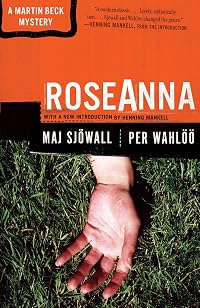
"The masterful first novel in the Martin Beck series of mysteries ... finds Beck hunting for the murderer of a lonely traveler. On a July afternoon, a young woman's body is dredged from Sweden's beautiful Lake Vattern. With no clues, Beck begins an investigation not only to uncover a murderer but also to discover who the victim was. Three months later, all Beck knows is that her name was Roseanna and that she could have been strangled by any one of eighty-five people on a cruise. As the show more melancholic Beck narrows the list of suspects, he is drawn increasingly to the enigma of the victim, a free-spirited traveler with a penchant for casual sex, and to the psychopathology of a muderer with a distinctive -- indeed, terrifying -- sense of propriety"--P. [4] of cover. show lessTags
Recommendations




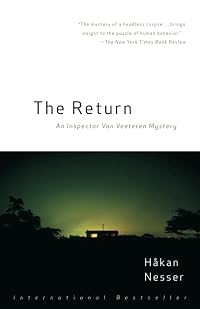
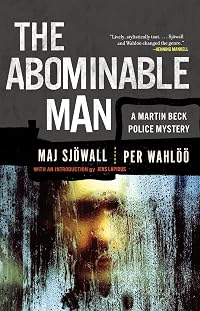
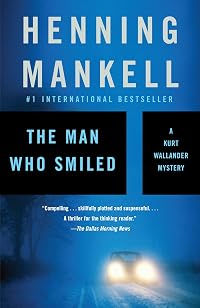
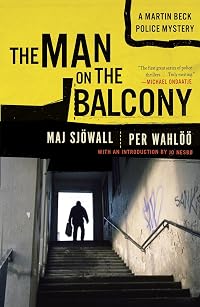
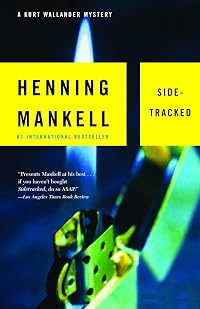
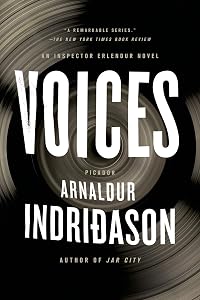

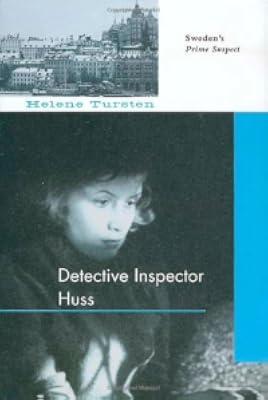
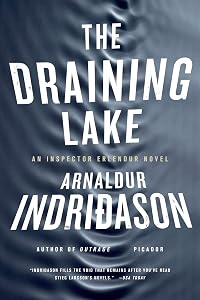
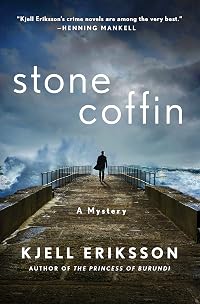

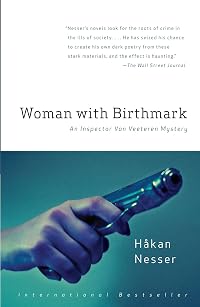


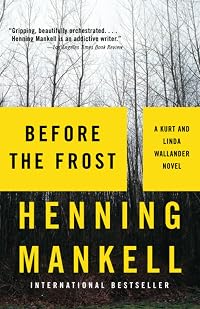
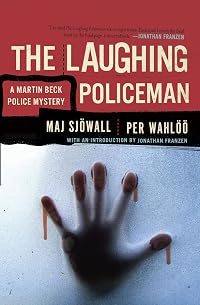
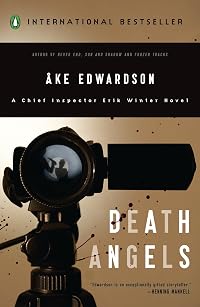
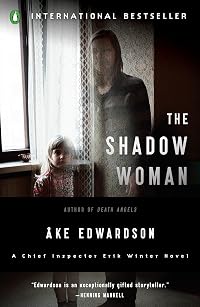

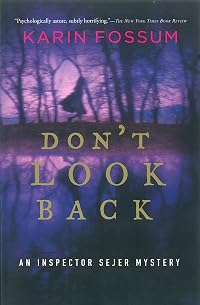
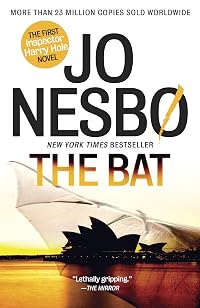
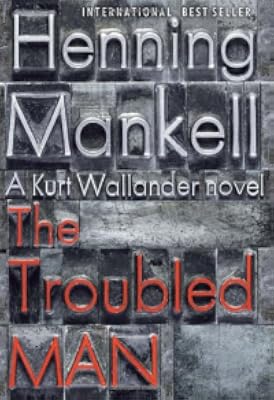
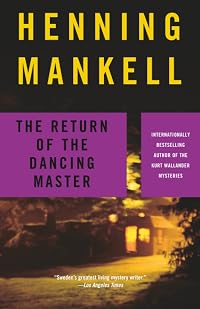
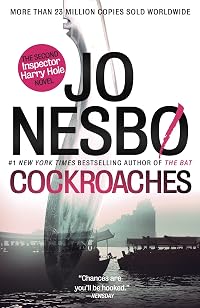
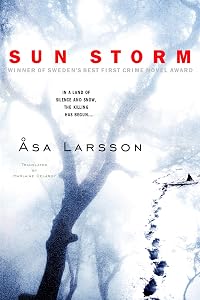
Member Recommendations
Roseanna Series:Van Veeteren

Member Reviews
Sooner or later, anyone who loves reading crime fiction will run across the names of Maj Sjöwall and Per Wahlöö. Their books have been recommended to me countless times, and I finally decided that I'd pull Roseanna off the shelf and read it. I wanted to know why the ten Martin Beck mysteries they wrote between 1965 and 1975 are considered to be among the finest ever written in any language. Now I do.
The detailed accounting they give of Beck's work is low on word count and high on facts. There is not one wasted word to be found, and as I read, I smiled. I could hear a little Jack Webb voice muttering "Just the facts, ma'am" in my head. All the police work that's done is shared with the reader-- and it's brilliant. Originally published show more in 1965, all the work done during the course of the investigation is pre-computer, before all the electronic gizmos that we depend on today. By seeing all the work being done, by watching the facts and evidence begin to pile up, by listening to the detectives talk amongst themselves sharing thoughts and ideas, the reader can really get a feel for how the case proceeds.
Time is one of the most important characters in Roseanna. Seasons change. The reader is told how many days it takes for translations to be done and for evidence to be gathered from tourists who have returned to their homes around the world. We see how a stakeout is planned and carried out. The time involved is always logged. There's a stopwatch ticking away, and we are never allowed to forget it.
While the investigation is being carried out, we also learn about the melancholic Inspector Beck with the iffy stomach, who obsesses about finding the killer of this young free spirit, and who can't stop mourning the fact that he and his wife have grown apart over the years. Arguments with the spouse? Chronically upset stomach? Dismal days of rain? Everything that's disagreeable just gets plowed under as Beck focuses on his case load... and on a young woman he simply cannot forget.
I now see why Maj Sjöwall and Per Wahlöö are considered by many to be the masters of crime fiction. Roseanna is a brilliant and hypnotic piece of work that refuses to turn loose of a reader's mind. From the very beginning, the momentum slowly gathers like snowfall in the mountains until Martin Beck recognizes the killer... and the avalanche begins. show less
The detailed accounting they give of Beck's work is low on word count and high on facts. There is not one wasted word to be found, and as I read, I smiled. I could hear a little Jack Webb voice muttering "Just the facts, ma'am" in my head. All the police work that's done is shared with the reader-- and it's brilliant. Originally published show more in 1965, all the work done during the course of the investigation is pre-computer, before all the electronic gizmos that we depend on today. By seeing all the work being done, by watching the facts and evidence begin to pile up, by listening to the detectives talk amongst themselves sharing thoughts and ideas, the reader can really get a feel for how the case proceeds.
Time is one of the most important characters in Roseanna. Seasons change. The reader is told how many days it takes for translations to be done and for evidence to be gathered from tourists who have returned to their homes around the world. We see how a stakeout is planned and carried out. The time involved is always logged. There's a stopwatch ticking away, and we are never allowed to forget it.
While the investigation is being carried out, we also learn about the melancholic Inspector Beck with the iffy stomach, who obsesses about finding the killer of this young free spirit, and who can't stop mourning the fact that he and his wife have grown apart over the years. Arguments with the spouse? Chronically upset stomach? Dismal days of rain? Everything that's disagreeable just gets plowed under as Beck focuses on his case load... and on a young woman he simply cannot forget.
I now see why Maj Sjöwall and Per Wahlöö are considered by many to be the masters of crime fiction. Roseanna is a brilliant and hypnotic piece of work that refuses to turn loose of a reader's mind. From the very beginning, the momentum slowly gathers like snowfall in the mountains until Martin Beck recognizes the killer... and the avalanche begins. show less
According to Henning Mankell’s introduction, ‘Roseanna‘, the first of ten Martin Beck books, re-wrote the rules for Swedish crime novels by making the plot more realistic and the policemen more human, paving the way for the emergence of Nordic Noir.
I think the realism part worked better than the making the policemen more human part. The novel offered a realism that might have crossed the threshold into mind-numbingly dull had it not been for how much fun it was to see how times have changed since 1965. Everyone smokes all the time. When Becks wants to know where Lincon Nebraska is, he has to visit a reference library and consult and atlas. When he gets a call from the US, he's given a thiry minute warning before the connection is show more made. The only female police officer is seconded in to act as bait. For some reason, the authors seem to have decided that the best way to make Beck more human was to have him feel sick most the time. Even drinking coffee can knock him off his game. He is almost phobic about using the train, is unable to communicate with his wife and seems unable to sleep through the night. He also has no ability to talk to his colleagues about anything. If making Beck seem like he needs counselling made him more human then this was a comlete success.
The adoption of realism means that for long periods of time, nothing much happens and when it does happen it takes forever to cross check and verify. I chafed at the pace at first Then, I realised that the book set out to show that a key virtue for a policeman was patience. In doing so, it requited the same virtue of the reader.
I enjoyed the painstaking effort Beck and his team put in over many months to gather evidence of a murder for which there were no witnesses and for which they had no viable suspects. I liked the use of transcripts of interviews conducted in Americ and the examination of holiday snaps for clues. I suspect both were innovative at the time.
I slow and realistic relating of events reminded me of the Maigret stories, except without Maigret's gnomic mutterings and inexplicable insights. Beck does do insight, he does facts.
I liked the unfiltered picture that Beck built up of Roseanna as a young woman who mostly enjoyed her own company, needed solitude but liked to have sex with an attractive man from time to time as long as he didn't get too clingy. Beck seems to make no judgement on her character or her lifestyle. For him, it seems all to be data to be ground through his analytical mind. I wonder how Roseanna was viewed by readers in 1965.
In the last fifteen per cent of the book, the pace changed. The tension rose. The action happened quickly, offering the possibility of a disastrous and violent ending. This was well done and gave the book an exciting finish, but I was a little disappointed that the denouement didn’t maintain the slow but inexorable pace of the pursuit of justice that made the book so distinctive. show less
I think the realism part worked better than the making the policemen more human part. The novel offered a realism that might have crossed the threshold into mind-numbingly dull had it not been for how much fun it was to see how times have changed since 1965. Everyone smokes all the time. When Becks wants to know where Lincon Nebraska is, he has to visit a reference library and consult and atlas. When he gets a call from the US, he's given a thiry minute warning before the connection is show more made. The only female police officer is seconded in to act as bait. For some reason, the authors seem to have decided that the best way to make Beck more human was to have him feel sick most the time. Even drinking coffee can knock him off his game. He is almost phobic about using the train, is unable to communicate with his wife and seems unable to sleep through the night. He also has no ability to talk to his colleagues about anything. If making Beck seem like he needs counselling made him more human then this was a comlete success.
The adoption of realism means that for long periods of time, nothing much happens and when it does happen it takes forever to cross check and verify. I chafed at the pace at first Then, I realised that the book set out to show that a key virtue for a policeman was patience. In doing so, it requited the same virtue of the reader.
I enjoyed the painstaking effort Beck and his team put in over many months to gather evidence of a murder for which there were no witnesses and for which they had no viable suspects. I liked the use of transcripts of interviews conducted in Americ and the examination of holiday snaps for clues. I suspect both were innovative at the time.
I slow and realistic relating of events reminded me of the Maigret stories, except without Maigret's gnomic mutterings and inexplicable insights. Beck does do insight, he does facts.
I liked the unfiltered picture that Beck built up of Roseanna as a young woman who mostly enjoyed her own company, needed solitude but liked to have sex with an attractive man from time to time as long as he didn't get too clingy. Beck seems to make no judgement on her character or her lifestyle. For him, it seems all to be data to be ground through his analytical mind. I wonder how Roseanna was viewed by readers in 1965.
In the last fifteen per cent of the book, the pace changed. The tension rose. The action happened quickly, offering the possibility of a disastrous and violent ending. This was well done and gave the book an exciting finish, but I was a little disappointed that the denouement didn’t maintain the slow but inexorable pace of the pursuit of justice that made the book so distinctive. show less
An excellent beginning to the Martin Beck series. A woman is dredged up from a lake and nobody knows who she was or how she got there. Needless to say this slows down the investigation a bit -- if the police don't know who she was, how do they know where to look for her killer? The story is told at a meticulous pace, stressing how much time the investigation takes but still not feeling slow. Toward the end I couldn't flip the pages fast enough to find out how it would all be resolved.
Because this is the first in a series, the authors take the time to introduce their main characters, primarily Martin Beck, who is referred to by both first and last name all the time in the narration. (Characters would often address him by just "Martin" or show more "Beck", but the narrator stuck firmly to "Martin Beck". I did try to see if they slipped, but it was like looking for an "e" in La disparition (A Void) -- in other words, fruitless.) I've read a couple of later entries in the series so it was interesting to see the origins of the characters. Yep, Kollberg is the joker, Stenström the quietly efficient one, and poor Beck with his cantankerous tummy and frequent colds.
I could also see the influence on the Wallander series, with the methodical narration containing carefully chosen details, the understated humour of the characters, and of course the brooding protagonist. If you like the new wave of Scandinavian crime fiction, check out this one to see where it all began. (Just don't read the back cover; it gives rather a lot away.) show less
Because this is the first in a series, the authors take the time to introduce their main characters, primarily Martin Beck, who is referred to by both first and last name all the time in the narration. (Characters would often address him by just "Martin" or show more "Beck", but the narrator stuck firmly to "Martin Beck". I did try to see if they slipped, but it was like looking for an "e" in La disparition (A Void) -- in other words, fruitless.) I've read a couple of later entries in the series so it was interesting to see the origins of the characters. Yep, Kollberg is the joker, Stenström the quietly efficient one, and poor Beck with his cantankerous tummy and frequent colds.
I could also see the influence on the Wallander series, with the methodical narration containing carefully chosen details, the understated humour of the characters, and of course the brooding protagonist. If you like the new wave of Scandinavian crime fiction, check out this one to see where it all began. (Just don't read the back cover; it gives rather a lot away.) show less
When I finished the Erlendur books I decided it might be worth going back to the beginning of Scandi noir. Roseanna was a blisteringly fast and fantastic read. It had just enough detail, and leaned into epistolary/transcript-based storytelling, which I LOVED. It didn't lack for poetry too, the city came alive (for better and for worse). Also, Beck always has a stomachache, which hey, I feel that. Definitely gonna read more of this series.
This might be seen as an origin of Nordic noir. Martin Beck is on the national murder squad. He is in a less than happy marriage, shouldn't drink as much coffee as he does and ought to eat more regularly as he suffers almost continually with his stomach. He's methodical and determined and he does solve this murder, but it comes at quite a cost.
Dredging the lock at a lake in the country a body emerges with the spoil. Initially she has no name, it takes 3 months to identify her. That in itself dates this piece, it is written in the 60s and the policing methods reflect that, no DNA, no complex forensics, no e-mails and international phone calls have to be placed. The body is the Roseanna of the title and the book concentrates of the show more police's efforts to catch the killer in the 6 or 7 months after the body is found.
According to the introduction by Henning Mankell, the authors wrote this series of 10 books featuring Martin Beck as much as a reflection of society as of a police procedural. The mystery isn't necessarily the central thrust of the story. Martin and the team is the centre of the story and it revolves around them and their efforts. It is solved, but it's as much gut as it is by policing and it puts an officer in extreme danger. Any lawyer worth their salt now would be screaming entrapment and it seems that Martin Besk (as he is always referred to as) is going to carry that one for some time. show less
Dredging the lock at a lake in the country a body emerges with the spoil. Initially she has no name, it takes 3 months to identify her. That in itself dates this piece, it is written in the 60s and the policing methods reflect that, no DNA, no complex forensics, no e-mails and international phone calls have to be placed. The body is the Roseanna of the title and the book concentrates of the show more police's efforts to catch the killer in the 6 or 7 months after the body is found.
According to the introduction by Henning Mankell, the authors wrote this series of 10 books featuring Martin Beck as much as a reflection of society as of a police procedural. The mystery isn't necessarily the central thrust of the story. Martin and the team is the centre of the story and it revolves around them and their efforts. It is solved, but it's as much gut as it is by policing and it puts an officer in extreme danger. Any lawyer worth their salt now would be screaming entrapment and it seems that Martin Besk (as he is always referred to as) is going to carry that one for some time. show less
I thought I had read this already, but if I had it was long ago and I remembered nothing about it. This is the first in Sjowall and Wahloo's foundational detective series featuring Martin Beck. Beck is the opposite of the hard-boiled gumshoe of 1950s/60s US detective fiction. He frequently feels unwell, he's of average height and thin, and he has a wife and children (he does smoke like a chimney, but who doesn't in that era?).
Beck is called to investigate the murder of a woman found by a dredging boat. Her naked body was dumped into the water and there are signs of assault and abuse beyond the strangulation that killed her. It takes months to identify her, and then it takes painstaking, unexciting police work across two countries to show more identify and track potential suspects.
The tone of the book is detailed and matter-of-fact. This series is heralded as the precursor to today's Nordic noir (there is a forward by Henning Mankell in the most recent edition), which seems more to be about the switch from British-style detective stories to a more realist context. The crime setting certainly focuses on the ordinary citizens of Sweden than on elites, and it is gritty, albeit in an unemotional way.
Despite its understated style, the book is quite gripping, especially in the last quarter. The authors make tailing an uninteresting suspect into a page-turner, and the climactic scene is really chilling. show less
Beck is called to investigate the murder of a woman found by a dredging boat. Her naked body was dumped into the water and there are signs of assault and abuse beyond the strangulation that killed her. It takes months to identify her, and then it takes painstaking, unexciting police work across two countries to show more identify and track potential suspects.
The tone of the book is detailed and matter-of-fact. This series is heralded as the precursor to today's Nordic noir (there is a forward by Henning Mankell in the most recent edition), which seems more to be about the switch from British-style detective stories to a more realist context. The crime setting certainly focuses on the ordinary citizens of Sweden than on elites, and it is gritty, albeit in an unemotional way.
Despite its understated style, the book is quite gripping, especially in the last quarter. The authors make tailing an uninteresting suspect into a page-turner, and the climactic scene is really chilling. show less
li sto leggendo un po' a caso questi gialli e non nell'ordine di pubblicazione. Questo è il primo uscito e l'ho trovato eccellente, il migliore tra tutti quelli letti finora. Forse il finale un pochino tirato ma la parte dell'indagine tutta fondata sull'intelligenza, l'intuito e la malinconica perseveranza dei poliziotti impegnati è molto coinvolgente.
E su tutto aleggia una Svezia lenta e lontana nello spazio e nel tempo, così grigia e triste (ma non deprimente): più evocativa di uno scontato tramonto su una spiaggia esotica
E su tutto aleggia una Svezia lenta e lontana nello spazio e nel tempo, così grigia e triste (ma non deprimente): più evocativa di uno scontato tramonto su una spiaggia esotica
Members
- Recently Added By
Lists

Scandinavian Crime Fiction
224 works; 37 members

Scandicrime
17 works; 8 members

H.R.F. Keating's 100 Best Crime & Mystery Books
100 works; 8 members
Scandinavian Crime
90 works; 3 members

Reading List - Scandinavian Fiction
134 works; 3 members

Books About Murder
313 works; 7 members

Detective Stories
343 works; 5 members

Books Read in 2016
4,666 works; 197 members

Best Books Read in 2016
12 works; 1 member

Fiction with Women's Names in the Title
378 works; 15 members

Books Read in 2018
4,360 works; 110 members

Books Read in 2021
5,361 works; 114 members

Canon de la narrativa universal del s. XX (cicutadry)
499 works; 3 members
Author Information

67+ Works 14,645 Members
Writer and journalist Maj Sjöwall was born in Sweden in 1935. She was a reporter and art director at several newspapers and magazines. From 1959 to 1961, she was an editor with the publishing house Wahlström and Widstrad. She met Per Wahlöö in 1961 and they married the following year. Together they wrote all ten novels in the Martin Beck show more Police Mystery series from 1965 to 1975. In 1971, The Laughing Policeman (a translation of Den Skrattande Polisen) won an Edgar Award for Best Novel. (Bowker Author Biography) show less

49+ Works 15,328 Members
Writer and journalist Per Wahlöö was born in Sweden on August 5, 1926. He graduated from the University of Lund in 1946 and found work covering criminal and social issues for numerous newspapers and magazines. He also wrote a number of television and radio plays and was managing editor for several magazines. His first book, Himmelsgeten, was show more published in 1956 and numerous novels followed. He also wrote all ten novels in the Martin Beck Police Mystery series with his wife Maj Sjöwall. In 1971, The Laughing Policeman (a translation of Den Skrattande Polisen) won an Edgar Award for Best Novel. He died from cancer on June 22, 1975. (Bowker Author Biography) show less
Some Editions
Awards and Honors
Series

Belongs to Publisher Series
Den svarte serie (4)
Work Relationships
Is contained in
Has the adaptation
Common Knowledge
- Canonical title
- Roseanna
- Original title
- Roseanna
- Original publication date
- 1965
- People/Characters
- Martin Beck; Sten Lennart Kollberg; Frederik Melander; Evald Hammar; Folke Bengtsson; Sonja Hansson
- Important places
- Motala, Sweden; Stockholm, Sweden
- Related movies
- Roseanna (1967 | IMDb); Roseanna (1993 | IMDb)
- First words
- They found the corpse on the eighth of July just after three o'clock in the afternoon.
- Last words
- (Click to show. Warning: May contain spoilers.)He was on the way home.
- Publisher's editor*
- Columna
- Blurbers
- Ondaatje, Michael; Connelly, Michael; French, Nicci; French, Sean
- Original language
- Swedish
*Some information comes from Common Knowledge in other languages. Click "Edit" for more information.
Classifications
- Genres
- Fiction and Literature, Mystery
- DDC/MDS
- 839.7374 — Literature & rhetoric German & related literatures Other Germanic literatures Swedish literature Swedish fiction 1900-1999 1945-1999
- LCC
- PT9876.29 .J63 .R613 — Language and Literature German, Dutch and Scandinavian literatures Swedish literature Individual authors or works 1961-2000
- BISAC
Statistics
- Members
- 2,374
- Popularity
- 8,237
- Reviews
- 96
- Rating
- (3.75)
- Languages
- 19 — Catalan, Czech, Danish, Dutch, English, Esperanto, Finnish, French, German, Italian, Japanese, Norwegian (Bokmål), Norwegian, Polish, Portuguese, Romanian, Russian, Spanish, Swedish
- Media
- Paper, Audiobook, Ebook
- ISBNs
- 114
- ASINs
- 17