On This Page
Description
When she awakens on her second day at boarding school, a young girl finds she has gone back in time to 1918.Tags
Recommendations



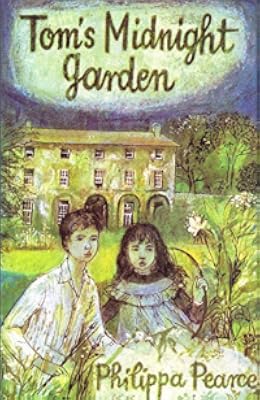






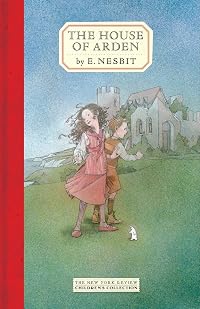
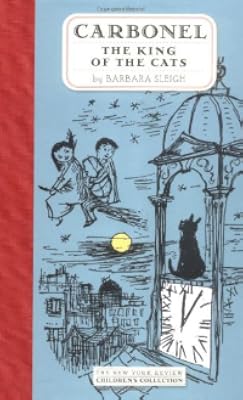

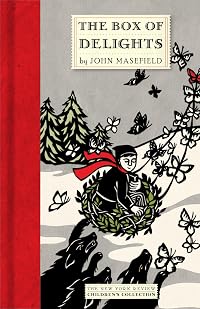
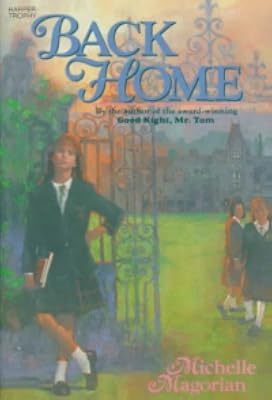
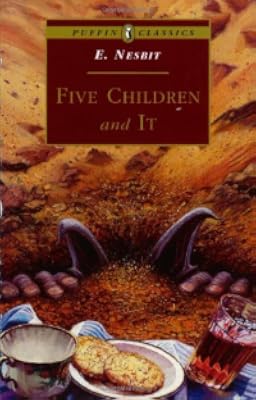
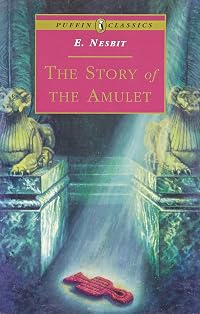

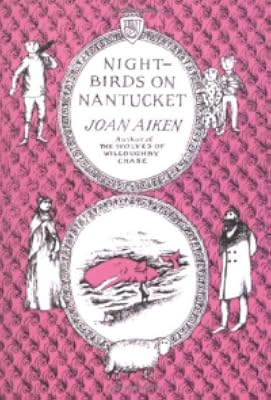
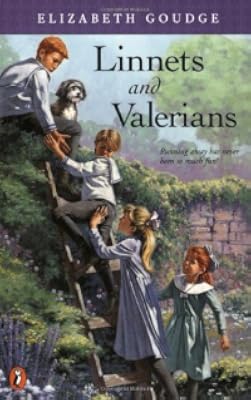

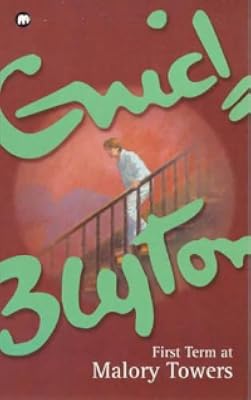






Member Recommendations
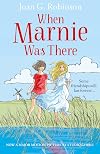
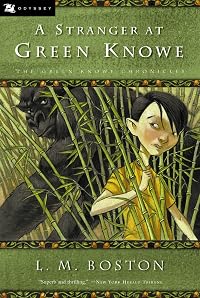
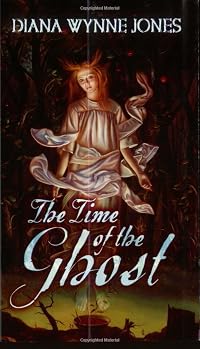
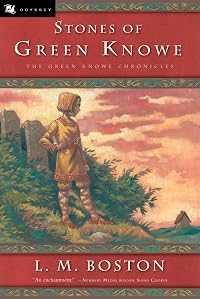
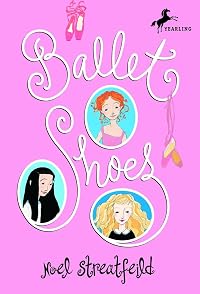
Sakerfalcon Both books tell of girls who, initially outsiders, find a place for themselves through subtly ghostly experiences.
30
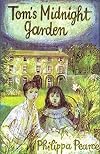




by bookel


merrystar both involve time travel to a boarding school in an older era

Member Reviews
School-story, time-slip novel, and third entry in Penelope Farmer's "Aviary Hall" series - a trilogy of loosely connected children's fantasies, following the fortunes of sisters Charlotte and Emma Makepeace as they learn to fly (The Summer Birds); travel, in Emma's case, back to the very beginning of life on earth (Emma in Winter); and, in Charlotte's, switch places with a fellow student from forty years before (here) - Charlotte Sometimes is a brilliant exploration of identity, and a sensitive depiction of a girl who feels somewhat out of place, even when not out of time. The tale of Charlotte's first term at boarding school, in which she alternately wakes up as herself, in the (then) current time, and as Clare Moby, a pupil at the show more same school, in 1918, it touches on issues of perception, of others and of self, and how the two are intertwined:
"Perhaps we never looks at people properly," muses Charlotte, as she considered how easy it has been for her to step into Clare's shoes (and for Clare to step into her shoes, in the present/future), asking: "what would happen if people did not recognize you? Would you know who you were yourself? If tomorrow they started to call her Vanessa or Janet or Elizabeth or Elizabeth, would she know how to be, how to feel, like Charlotte? Were you some particular person only because people recognized you as such?" These are questions that Charlotte struggles with, particularly when an unexpected turn of events strands her in 1918, and it begins to look like she might not get home to her own time. Just who is she, anyway? Charlotte? Clare? Or sometimes one or the other...?
Although somewhat different in feeling, than the earlier two Aviary Hall books, whose strange, eldritch enchantment I found utterly absorbing, this time-slip fantasy is just as appealing, in its own way - its fantasy believable, not because of magical atmosphere or extraordinary character, but because of its matter-of-fact juxtaposition with reality. I appreciated the depiction of WWI England, and the way - in stark contrast to some of the children's novels (and school stories!) of that actual time - it refused to romanticize or glorify that conflict. I was engaged by Charlotte's struggle to remain herself, something made more difficult by her uncertainty as to just who that self was. Finally, I was reminded of my all-time favorite time-slip novel, Philippa Pearce's classic Tom's Midnight Garden, and was happily surprised (and terribly moved) by the differences in ending, with Clare's death, so soon after switching places, for the final time, with Charlotte; and the lack of meeting with the now grown-up Emily, whose communication with Charlotte is conducted through letter. All in all, an outstanding children's novel, one I would recommend to all school story lovers, and fans of time-slip adventures. I can see why The New York Review Children's Collection recently chose it to be reprinted! show less
"Perhaps we never looks at people properly," muses Charlotte, as she considered how easy it has been for her to step into Clare's shoes (and for Clare to step into her shoes, in the present/future), asking: "what would happen if people did not recognize you? Would you know who you were yourself? If tomorrow they started to call her Vanessa or Janet or Elizabeth or Elizabeth, would she know how to be, how to feel, like Charlotte? Were you some particular person only because people recognized you as such?" These are questions that Charlotte struggles with, particularly when an unexpected turn of events strands her in 1918, and it begins to look like she might not get home to her own time. Just who is she, anyway? Charlotte? Clare? Or sometimes one or the other...?
Although somewhat different in feeling, than the earlier two Aviary Hall books, whose strange, eldritch enchantment I found utterly absorbing, this time-slip fantasy is just as appealing, in its own way - its fantasy believable, not because of magical atmosphere or extraordinary character, but because of its matter-of-fact juxtaposition with reality. I appreciated the depiction of WWI England, and the way - in stark contrast to some of the children's novels (and school stories!) of that actual time - it refused to romanticize or glorify that conflict. I was engaged by Charlotte's struggle to remain herself, something made more difficult by her uncertainty as to just who that self was. Finally, I was reminded of my all-time favorite time-slip novel, Philippa Pearce's classic Tom's Midnight Garden, and was happily surprised (and terribly moved) by the differences in ending, with Clare's death, so soon after switching places, for the final time, with Charlotte; and the lack of meeting with the now grown-up Emily, whose communication with Charlotte is conducted through letter. All in all, an outstanding children's novel, one I would recommend to all school story lovers, and fans of time-slip adventures. I can see why The New York Review Children's Collection recently chose it to be reprinted! show less
Why is this not on every list of great children's literature? I liked it just as much as when I was a bookish ten-year-old. Sensitively written in a simple style, with a cast of characters that are nuanced and completely believable, enough so that I cared about them, even the ones that I didn't much like. Time travel fantasy, but at its heart an examination of identity - if everyone thinks you are someone else, who are you? What makes you, you?
Why is this not on every list of great children's literature? I liked it just as much as when I was a bookish ten-year-old. Sensitively written in a simple style, with a cast of characters that are nuanced and completely believable, enough so that I cared about them, even the ones that I didn't much like. Time travel fantasy, but at its heart an examination of identity - if everyone thinks you are someone else, who are you? What makes you, you?
I'd heard about this book here and there over the years, but it was a reference in Jo Walton's My Real Children that finally nudged me to pick it up, and I'm so glad I did. The premise is that on Charlotte's second day at boarding school, she wakes up in the right place, but the wrong time; she switches times with a girl called Clare in 1918.
After a period of switching every other day, during which they manage to communicate with each other through journals, they get stuck in the wrong times, and Charlotte has to figure out - with Clare's younger sister Emily - how to switch back. It seems to have to do with the particular bed Charlotte and Clare are sleeping in (as well as the date - the day of the week is the same), but Charlotte and show more Emily have been moved out of the dormitory and into private lodging.
Sarah, an older girl at the school in Charlotte's present, seems to be looking out for her, and indeed is part of the story in the end.
At first I thought that Charlotte and Clare woke up in each other's bodies, but I think they change places completely and no one except the closest observers notices. The story is mostly self-contained, limited to Charlotte's perspective; there is a little bit about the end of World War I because some girls' fathers or brothers are off fighting, and then the flu comes sweeping through, but otherwise the outside world does not much intrude on school life. Clare's experience, forty years into her future, may have been more difficult than Charlotte's, but we only hear from her in a few journal entries.
Quotes
For it had occurred to her suddenly how much harder it must be to move forward in time than to move back. At least in the past many things were familiar, and you knew something about it. But what did you know about the future? Nothing except guesses, and many of them frightening. (39)
Why, she wondered, should remembering home make you so happy one time, so miserable another? (57)
Perhaps we never look at people properly, Charlotte thought....And, she thought, uncomfortably, what would happen if people did not recognize you? Would you know who you were yourself? (72)
Charlotte looked up doubtfully, wondering why, as she grew older, she seemed to be more afraid of things, not less. (102)
It was like the difference between what you long for and what you find....It was like everything that made you ache because in one sense it was so close and in another unobtainable. (153) show less
After a period of switching every other day, during which they manage to communicate with each other through journals, they get stuck in the wrong times, and Charlotte has to figure out - with Clare's younger sister Emily - how to switch back. It seems to have to do with the particular bed Charlotte and Clare are sleeping in (as well as the date - the day of the week is the same), but Charlotte and show more Emily have been moved out of the dormitory and into private lodging.
Sarah, an older girl at the school in Charlotte's present, seems to be looking out for her, and indeed is part of the story in the end.
At first I thought that Charlotte and Clare woke up in each other's bodies, but I think they change places completely and no one except the closest observers notices. The story is mostly self-contained, limited to Charlotte's perspective; there is a little bit about the end of World War I because some girls' fathers or brothers are off fighting, and then the flu comes sweeping through, but otherwise the outside world does not much intrude on school life. Clare's experience, forty years into her future, may have been more difficult than Charlotte's, but we only hear from her in a few journal entries.
Quotes
For it had occurred to her suddenly how much harder it must be to move forward in time than to move back. At least in the past many things were familiar, and you knew something about it. But what did you know about the future? Nothing except guesses, and many of them frightening. (39)
Why, she wondered, should remembering home make you so happy one time, so miserable another? (57)
Perhaps we never look at people properly, Charlotte thought....And, she thought, uncomfortably, what would happen if people did not recognize you? Would you know who you were yourself? (72)
Charlotte looked up doubtfully, wondering why, as she grew older, she seemed to be more afraid of things, not less. (102)
It was like the difference between what you long for and what you find....It was like everything that made you ache because in one sense it was so close and in another unobtainable. (153) show less
It's natural to feel a little out of place when you're the new girl, but when Charlotte Makepeace wakes up after her first night at boarding school, she's baffled: everyone thinks she's a girl called Clare Mobley, and even more shockingly, it seems she has traveled forty years back in time to 1918.
In the months to follow, Charlotte wakes alternately in her own time and in Clare's. And instead of having only one new set of rules to learn, she also has to contend with the unprecedented strangeness of being an entirely new person in an era she knows nothing about. Her teachers think she's slow, the other girls find her odd, and, as she spends more and more time in 1918, Charlotte starts to wonder if she remembers how to be Charlotte at show more all. If she doesn't figure out some way to get back to the world she knows before the end of the term, she might never have another chance. show less
In the months to follow, Charlotte wakes alternately in her own time and in Clare's. And instead of having only one new set of rules to learn, she also has to contend with the unprecedented strangeness of being an entirely new person in an era she knows nothing about. Her teachers think she's slow, the other girls find her odd, and, as she spends more and more time in 1918, Charlotte starts to wonder if she remembers how to be Charlotte at show more all. If she doesn't figure out some way to get back to the world she knows before the end of the term, she might never have another chance. show less
I read this when I was young but it must have been a library copy because I never had a copy. Memory made it much better than it was, the writing is clumsy and far too modern and misses the beat all too often. Still, there is a little spark here and there, I did feel Charlotte's sense of dislocation at times. The oddest bit was to have the 1918 flu pandemic be such a feature while I am at home in COVID shutdown.
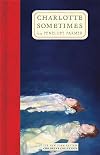
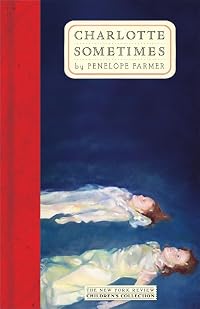
How could I resist a book with such a beautiful cover and a name that The Cure stole for one of its songs? The book itself is a rather low-key affair for a children's book, though it does contain some exciting happenings. But more than an adventure book, it's a thinking book that explores the ideas of war, identity, appearances vs. reality, time and history. I found the ending to be rather moving too, and I'll continue to think fondly of some of the characters and wonder about them. One thing I did find a little bit annoying was how timid and careful the main character was. I kept wishing she would stop acting so inhibited, and break some rules (she still broke them, with the aid of others around her, but she was never gung ho about show more it)!
Some of my favorite quotes:
"And, she thought, uncomfortably, what would happen if people did not recognize you? Would you know who you were yourself? If tomorrow they started to call her Vanessa or Janet or Elizabeth, would she know how to be, how to feel, like Charlotte? Were you some particular person only because people recognized you as that?" p. 73
"'Stones look prettier under water. I didn't see why marbles shouldn't look prettier, too'
'I think they're beautiful,' said Charlotte. 'And how huge they look!'
But when she put her fingers into the water and pulled a marble out, it was small by comparison with those still in the glass, and unimportant, too. It was like the difference between what you long for and what you find--the difference, for instance, between Arther's image of war and his experience of it. It was like other times, her own and Miss Agne's proper childhood times that seemed so near to her memory and yet so far away. It was like everything that made you ache because in one sense it was so close and in another unobtainable." p.152
"It was like being in a river, holding things dry above her head, only it was mind and sense she tried to hold, not clothes." p. 159 show less
Some of my favorite quotes:
"And, she thought, uncomfortably, what would happen if people did not recognize you? Would you know who you were yourself? If tomorrow they started to call her Vanessa or Janet or Elizabeth, would she know how to be, how to feel, like Charlotte? Were you some particular person only because people recognized you as that?" p. 73
"'Stones look prettier under water. I didn't see why marbles shouldn't look prettier, too'
'I think they're beautiful,' said Charlotte. 'And how huge they look!'
But when she put her fingers into the water and pulled a marble out, it was small by comparison with those still in the glass, and unimportant, too. It was like the difference between what you long for and what you find--the difference, for instance, between Arther's image of war and his experience of it. It was like other times, her own and Miss Agne's proper childhood times that seemed so near to her memory and yet so far away. It was like everything that made you ache because in one sense it was so close and in another unobtainable." p.152
"It was like being in a river, holding things dry above her head, only it was mind and sense she tried to hold, not clothes." p. 159 show less
Members
- Recently Added By
Lists

Favorite Childhood Books
1,646 works; 518 members

Best Children's Books You've Read
197 works; 75 members

Best Books Set in Boarding Schools
160 works; 57 members

Best middle grade books
130 works; 24 members
1001 Children's Books You Must Read Before You Grow Up
774 works; 101 members

Elevenses
316 works; 88 members

Best Time Travel Novels
165 works; 123 members

Children's Books about World War I (1914-1918)
91 works; 11 members

Childhood Favorites
427 works; 24 members

Female Protagonist
1,056 works; 57 members

Books About Girls
219 works; 17 members

Historical Fantasy
93 works; 14 members

1960s, Best books published therein
254 works; 22 members

Five star books
1,757 works; 108 members

Books Read in 2021
5,361 works; 114 members

Time Travel Stories
64 works; 6 members

1960s
281 works; 16 members

Books We Discovered On LibraryThing
530 works; 130 members
Modern Books for Young Adults
87 works; 11 members
Literature which inspired Pop songs
85 works; 9 members

Frequently sought stories - Name that Book group
149 works; 11 members

Time travel, historical fiction -- children's/young adult fiction
94 works; 8 members

Swap identities, trade places -- children's/young adult fiction
54 works; 6 members
Time travel -- children's/young adult fiction
231 works; 11 members

EGBERTINA'S List of childhood books worthy of merit or unspeakable delight
155 works; 6 members
Talk Discussions
Past Discussions
2 girls from different times hiding letters to each other in bedpost in Name that Book (March 2013)
Author Information

32+ Works 1,540 Members
All Editions
Some Editions
Awards and Honors
Series

Belongs to Publisher Series
Common Knowledge
- Canonical title
- Charlotte Sometimes
- Original publication date
- 1969
- People/Characters
- Charlotte Makepeace; Clare Moby; Emily Moby; Agnes Chisel-Brown; Sarah Reynolds
- Important events
- World War I (1918)
- First words
- By bedtime all the faces, the voices had blurred for Charlotte to one face, one voice.
- Last words
- (Click to show. Warning: May contain spoilers.)What had happened to her would go on mattering, just as what had happened in the war itself would go on mattering, for ever.
- Disambiguation notice
- This story inspired Robert Smith to write a song of the same name
Classifications
- Genres
- Fiction and Literature, Children's Books, Kids, Fantasy
- DDC/MDS
- 823.914 — Literature & rhetoric English & Old English literatures English fiction 1900- 1901-1999 1945-1999
- LCC
- PZ7 .F2382 .C — Language and Literature Fiction and juvenile belles lettres Fiction and juvenile belles lettres Juvenile belles lettres
- BISAC
Statistics
- Members
- 938
- Popularity
- 28,349
- Reviews
- 24
- Rating
- (4.01)
- Languages
- English, Estonian, German, Swedish
- Media
- Paper, Audiobook, Ebook
- ISBNs
- 26
- ASINs
- 11