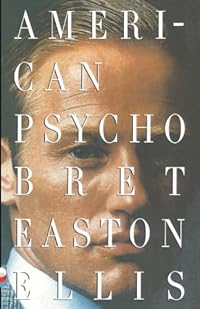
American Psycho
by Bret Easton Ellis
There is 1 current discussion about this work.
On This Page
Description
In a black satire of the eighties, a decade of naked greed and unparalleled callousness, a successful Wall Street yuppie cannot get enough of anything, including murder. In American Psycho, Bret Easton Ellis imaginatively explores the incomprehensible depths of madness and captures the insanity of violence in our time or any other. Patrick Bateman moves among the young and trendy in 1980s Manhattan. Young, handsome, and well educated, Bateman earns his fortune on Wall Street by day, while show more spending his nights in ways we cannot begin to fathom. Expressing his true self through torture and murder, Bateman prefigures an apocalyptic horror that no society could bear to confront. show lessTags
Recommendations

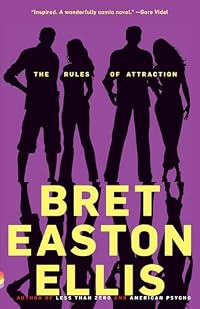
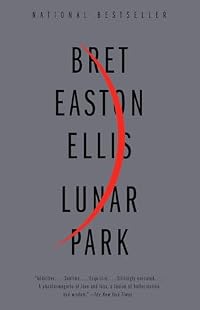
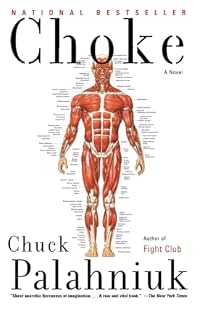
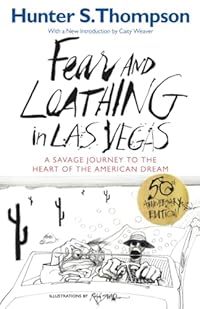
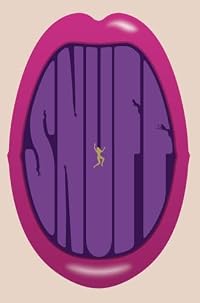
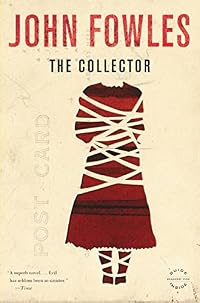
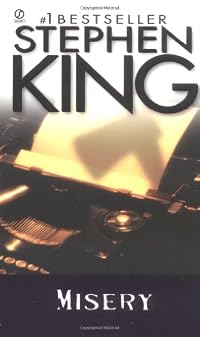
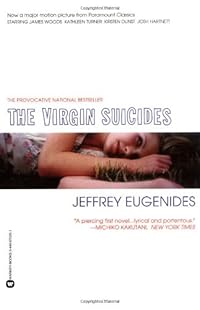

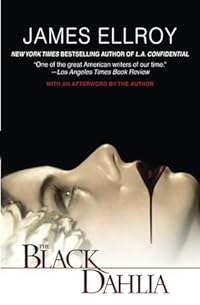
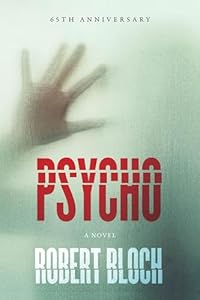
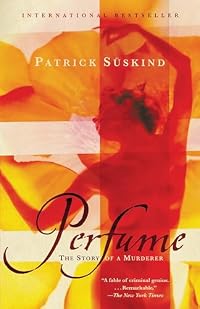
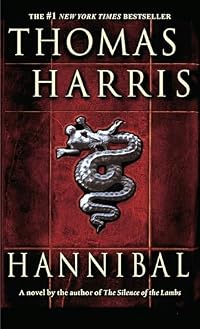
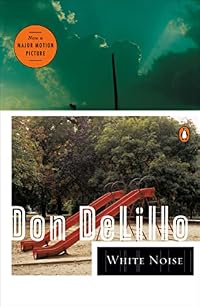
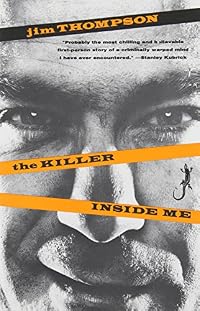
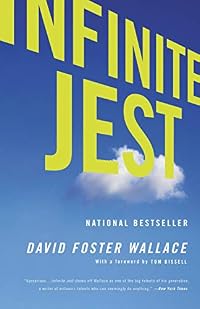
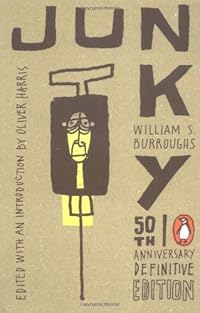
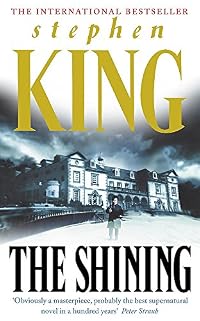
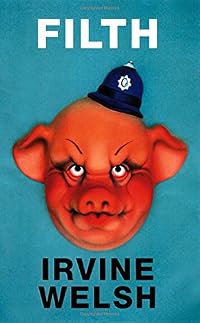
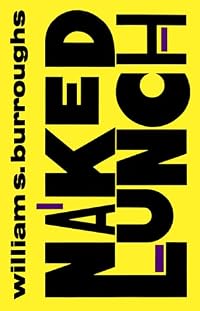
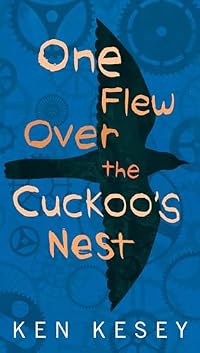
Member Recommendations
sacredheartofthescen Both about bored men in American society that found odd ways to fill their time and become what they want to be.
173
gtross I would be very much surprised if Bret Easton Ellis hadn't been influenced by Jim Thompson's first person narrative of a psychopathic mind.
40

gooneruk Peter Crumb is more intense, shorter, and more schizophrenic, but Bateman is a good cross-Atlantic mirror for him.
01
Member Reviews
Patrick Bateman är snygg, framgångsrik och välutbildad. Han har ett bra jobb med en lön som betalar för all den absurda lyx han är van vid i de fina kretsarna han rör sig i. Han är mannen alla hans manliga vänner kommer till för att få klädesråd och tips om nyaste modet och vad som går ihop med vad – eller ännu viktigare, vad som inte går ihop. Han är en charmig prick som flyter in i mängden av yuppies på Manhattan som spenderar tid på fina klubbar och restauranger för att diskutera pengar, kläder, sina haff och annat som tycks vara viktigt för deras status.
Men under ytan finns mycket mer än en endast en annan rik ung bankman; där finns en hänsynslös seriemördare vars offer oftast endast råkar vara på fel show more plats när han är på rätt humör. Ingen går säker; allt från tiggare till bekanta från hans eget kontaktnät. Han är brutal och oberäknelig; det är snarare känslor och impulser än strategi och logik som styr hans gärningar.
American Psycho är möjligtvis den mest brutala bok jag har läst. Jag förväntade mig inte någon godnattsaga när jag började läsa då jag hört mycket om den men jag var ändå inte riktigt förberedd på just hur brutal den skulle vara. Det mest bisarra var dessutom hur den kunde gå från noll till hundra under samma mening. Lättsamma kommenterar om tortyrporr, sexscener som går från heta men ändå sex med samtycke till våldtäkt och tortyr. Det var svårt att veta vad som skulle hända på nästa sida, vilket både var nervkittlande och spännande. Även om det tog lång tid att läsa klart boken på grund av dess brutala natur så var det en läsning jag sent glömmer av fler skäl än endast obehaget den gav mig. Man vet verkligen inte vad som döljer sig inom en annan människa.
Det finns dock en sak som är ännu mer intressant med denna bok... är ens något av det Bateman gör sant? Jag vet inte riktigt vilken version jag vill tro mest; att den sociala krets Bateman lever i är så homogen att alla misstas för varandra och den är så förutsägbar och ytlig att det inte är någon som ens reagerar när han erkänner sina mord bara så där... eller att inget av det faktiskt händer på någon annan plats än i Batemans huvud. show less
Men under ytan finns mycket mer än en endast en annan rik ung bankman; där finns en hänsynslös seriemördare vars offer oftast endast råkar vara på fel show more plats när han är på rätt humör. Ingen går säker; allt från tiggare till bekanta från hans eget kontaktnät. Han är brutal och oberäknelig; det är snarare känslor och impulser än strategi och logik som styr hans gärningar.
American Psycho är möjligtvis den mest brutala bok jag har läst. Jag förväntade mig inte någon godnattsaga när jag började läsa då jag hört mycket om den men jag var ändå inte riktigt förberedd på just hur brutal den skulle vara. Det mest bisarra var dessutom hur den kunde gå från noll till hundra under samma mening. Lättsamma kommenterar om tortyrporr, sexscener som går från heta men ändå sex med samtycke till våldtäkt och tortyr. Det var svårt att veta vad som skulle hända på nästa sida, vilket både var nervkittlande och spännande. Även om det tog lång tid att läsa klart boken på grund av dess brutala natur så var det en läsning jag sent glömmer av fler skäl än endast obehaget den gav mig. Man vet verkligen inte vad som döljer sig inom en annan människa.
Det finns dock en sak som är ännu mer intressant med denna bok... är ens något av det Bateman gör sant? Jag vet inte riktigt vilken version jag vill tro mest; att den sociala krets Bateman lever i är så homogen att alla misstas för varandra och den är så förutsägbar och ytlig att det inte är någon som ens reagerar när han erkänner sina mord bara så där... eller att inget av det faktiskt händer på någon annan plats än i Batemans huvud. show less
Of course I was warned in advance about this book. However, after actually reading the nasty, upsetting torture scenes, the cruelties become unbearably real and horrible. Patrick Bateman is a psychopath, a serial killer continuously going further and further in his sexual escapades and torture practices, eventually engaging in raw cannibalism. The detailed and emotionless way all the horror is described is nauseating. I can imagine many readers throwing this book away.
But ... at the same time, it remains a very intriguing book that I could not put down. On the one hand, there is humorous aspect: Bateman is portrayed by Easton Ellis as an incredibly funny exaggeration, all the clichés about the Wall-Street-yuppies of the '80s are show more magnified to the absurd (the endless lists of the designer clothes and the discussions on how to wear them, the constant wandering between luxurious restaurants– where barely anything of the exquisite dinners is tasted-, the constant hunting on lines of cocaine, fitness addiction, obsession with beggars, and the ubiquitous elitism, sexism and racism).
Exaggeration is probably the predominant style element in this book: in the nasty passages on torture, of course, but also in the general image of women: the women who appear in this book are almost all flatly stupid, they are treated as cattle (or worse) and end up almost all smeared over the walls and floors of Bateman's luxurious apartment.
Another style element is that of contrast: the contrast between the Bateman who tries to fit in the world of his fellow yuppies and the Bateman that revells in orgies of violence; the contrast between the insensitive, inhuman Bateman and the Bateman who with much subtlety and nuance discusses the music of Whitney Houston, Genesis and Huey Lewis and the News. And so on. In a literary point of way American Psycho certainly is not an ordinary crime-booklet. It really is a sublime (although absurdly exaggerated) sketch of the yuppie environment in the 1980s in the US, and an overwhelming pastiche on the serial killers genre.
I get stuck on the question whether there really is a deeper layer in the book. Easton Ellis certainly gives the impression that there is more than meets the eye: he shows upsettingly how communication between people fails (in the sometimes very long dialogues the characters hardly listen to each other; even the countless "confessions" by Bateman to his colleagues and friends are just not heard or taken serious). Especially towards the end, the author outlines Bateman more and more as a tragic figure: our psychopath seems to acknowledge his deeds are evil, he even is trying to find the source of it (his inability to attach to real feelings), but he finds he cannot possibly curb his "inner urges".
Is Easton Ellis trying to tell us something about man in his time? Is it a 1980s version of Camus' The Stranger (who also commits a crime, just like that, from a deep alienation)? Or are all the cruelties just happening in the head of Bateman? I honestly don’t know. There are too many ambiguous signals in this novel, especially by the way Easton Ellis has highlighted the cruel scenes. In Dostoevsky's Crime and Punishment, the crime (also not very neat, by the way) has a functional purpose in the story of personal catharsis. In American Psycho, there is no such function, the violence seems nonsensical.
Maybe that's the power of this book: that this ambiguity is not resolved, and no definitive answer is possible on the question of what this novel actually tries to tell. show less
But ... at the same time, it remains a very intriguing book that I could not put down. On the one hand, there is humorous aspect: Bateman is portrayed by Easton Ellis as an incredibly funny exaggeration, all the clichés about the Wall-Street-yuppies of the '80s are show more magnified to the absurd (the endless lists of the designer clothes and the discussions on how to wear them, the constant wandering between luxurious restaurants– where barely anything of the exquisite dinners is tasted-, the constant hunting on lines of cocaine, fitness addiction, obsession with beggars, and the ubiquitous elitism, sexism and racism).
Exaggeration is probably the predominant style element in this book: in the nasty passages on torture, of course, but also in the general image of women: the women who appear in this book are almost all flatly stupid, they are treated as cattle (or worse) and end up almost all smeared over the walls and floors of Bateman's luxurious apartment.
Another style element is that of contrast: the contrast between the Bateman who tries to fit in the world of his fellow yuppies and the Bateman that revells in orgies of violence; the contrast between the insensitive, inhuman Bateman and the Bateman who with much subtlety and nuance discusses the music of Whitney Houston, Genesis and Huey Lewis and the News. And so on. In a literary point of way American Psycho certainly is not an ordinary crime-booklet. It really is a sublime (although absurdly exaggerated) sketch of the yuppie environment in the 1980s in the US, and an overwhelming pastiche on the serial killers genre.
I get stuck on the question whether there really is a deeper layer in the book. Easton Ellis certainly gives the impression that there is more than meets the eye: he shows upsettingly how communication between people fails (in the sometimes very long dialogues the characters hardly listen to each other; even the countless "confessions" by Bateman to his colleagues and friends are just not heard or taken serious). Especially towards the end, the author outlines Bateman more and more as a tragic figure: our psychopath seems to acknowledge his deeds are evil, he even is trying to find the source of it (his inability to attach to real feelings), but he finds he cannot possibly curb his "inner urges".
Is Easton Ellis trying to tell us something about man in his time? Is it a 1980s version of Camus' The Stranger (who also commits a crime, just like that, from a deep alienation)? Or are all the cruelties just happening in the head of Bateman? I honestly don’t know. There are too many ambiguous signals in this novel, especially by the way Easton Ellis has highlighted the cruel scenes. In Dostoevsky's Crime and Punishment, the crime (also not very neat, by the way) has a functional purpose in the story of personal catharsis. In American Psycho, there is no such function, the violence seems nonsensical.
Maybe that's the power of this book: that this ambiguity is not resolved, and no definitive answer is possible on the question of what this novel actually tries to tell. show less
American Psycho gets five stars from me purely for Pat Bateman's critical exegeses of Genesis, Whitney Houston and Huey Lewis, each one somehow even more exquisite than the one before. They're pop-cultural shitposting at its finest, and to me funnier and maybe more macabre than anything else in the book. If Bateman is the acme of post-60's American reactionism, the needle-point convergence of Nixonian paranoia (the Fisher account; the dread of being reservationless at dinnertime) and Reaganite consumerism, then these three paeans to musical conformity and commerciality are the only true statements of his credo. Plus it just simply fires me up reading something that its author (Ellis, not Bateman) obviously had such a blast writing and show more then successfully inserting into a novel.
But there are so many lovely things about the book. Here are three: the backdrop of Les Miserables imagery — its tunes on every yuppie's lips and Walkman (the original cast recording is the only acceptable one), the ubiquitous handbills and billboards for it punctuating Bateman's Manhattan peregrinations. PB's sweet, starry-eyed obsession with Donald and Ivana Trump, caricatures even then, and seemingly the only people the equally two-dimensional Bateman has a non-predatory interest in. The business card scene, choreographed to perfection as it is in the film, and its laser-guided symbolism — the business card as the only tangible expression of identity in a world of interchangeable job titles, restaurants, couture, even names.
Actually, here's a fourth: Bateman disparages someone as "a total Canadian".
It's not as well edited as the film, and it doesn't have Willem Dafoe, but it makes up for those shortcomings by dialling up the gore to a level of cartoonishness that dispels any lingering reliability in the narration, and by making a prose-poem both epic and comic, tragic and absurd, out of the litany of designer brands that gets inevitably diluted on the screen.
I think you can also read it as a satire on diarists, or maybe a tribute to them, or both. Inkblot Bateman in his namelessness and facelessness can take a lot of shapes, but in his untiring cataloguing of his daily routine, his attunedness to status symbols, his wanderings by night and day through the world's financial omphalos — through the guts of Mammon — he's not a million miles from Pepys. The best diarists are the totally unconscious ones, the ones who don't expect their diaries ever to be read, and that's how PB is, howling his psychopathic (but actually normal) need for significance into the hollow, dehumanized spaces of Yuppie Manhattan. This (good) kind of diary is, after all, a person talking to themself — long a byword for insanity, until normalized with the advent of the cellphone (right around when this book came out).
Pat Bateman's an Underground Man without an articulable grievance (like Dosto's antihero, he styles his narrative as a "confession"); a first-person narrator who isn't a person; a voice that only gets more disembodied as the bodies pile up in its wake. And in the end he's abstracted into impotent thirdpersonhood, hovering over the impenetrable banality of his world like the ghost of one of his victims, not even at the center of his own story.
Funny as fuck, original, fully committed — American Psycho is tied with To The Finland Station for my book of the year so far. show less
But there are so many lovely things about the book. Here are three: the backdrop of Les Miserables imagery — its tunes on every yuppie's lips and Walkman (the original cast recording is the only acceptable one), the ubiquitous handbills and billboards for it punctuating Bateman's Manhattan peregrinations. PB's sweet, starry-eyed obsession with Donald and Ivana Trump, caricatures even then, and seemingly the only people the equally two-dimensional Bateman has a non-predatory interest in. The business card scene, choreographed to perfection as it is in the film, and its laser-guided symbolism — the business card as the only tangible expression of identity in a world of interchangeable job titles, restaurants, couture, even names.
Actually, here's a fourth: Bateman disparages someone as "a total Canadian".
It's not as well edited as the film, and it doesn't have Willem Dafoe, but it makes up for those shortcomings by dialling up the gore to a level of cartoonishness that dispels any lingering reliability in the narration, and by making a prose-poem both epic and comic, tragic and absurd, out of the litany of designer brands that gets inevitably diluted on the screen.
I think you can also read it as a satire on diarists, or maybe a tribute to them, or both. Inkblot Bateman in his namelessness and facelessness can take a lot of shapes, but in his untiring cataloguing of his daily routine, his attunedness to status symbols, his wanderings by night and day through the world's financial omphalos — through the guts of Mammon — he's not a million miles from Pepys. The best diarists are the totally unconscious ones, the ones who don't expect their diaries ever to be read, and that's how PB is, howling his psychopathic (but actually normal) need for significance into the hollow, dehumanized spaces of Yuppie Manhattan. This (good) kind of diary is, after all, a person talking to themself — long a byword for insanity, until normalized with the advent of the cellphone (right around when this book came out).
Pat Bateman's an Underground Man without an articulable grievance (like Dosto's antihero, he styles his narrative as a "confession"); a first-person narrator who isn't a person; a voice that only gets more disembodied as the bodies pile up in its wake. And in the end he's abstracted into impotent thirdpersonhood, hovering over the impenetrable banality of his world like the ghost of one of his victims, not even at the center of his own story.
Funny as fuck, original, fully committed — American Psycho is tied with To The Finland Station for my book of the year so far. show less
When I read this book, I, as other reviewers, had to put it down for several days at a time to recover. The brutal depictions of rape, murder, torture, and callousness affected me deeply, and for several months following the finish of the book. I was irritable, quick to anger, and overslept.
When a friend of mine brought up the topic of the book two years later, I had a reaction I was not expecting. Two years after I put the book down forever, I had a memory of one of the scenes that I tried VERY hard not to remember, and tried VERY hard not to think about. The scene haunted me for hours after the conversation.
I had such a strong reaction to words, formed into sentences, structured into paragraphs; the affect of the book on my psyche is show more nothing short of amazing. I hate this book so much.
There are few things I wish could be unlearned. I wish I could unread this book. Future readers be warned. show less
When a friend of mine brought up the topic of the book two years later, I had a reaction I was not expecting. Two years after I put the book down forever, I had a memory of one of the scenes that I tried VERY hard not to remember, and tried VERY hard not to think about. The scene haunted me for hours after the conversation.
I had such a strong reaction to words, formed into sentences, structured into paragraphs; the affect of the book on my psyche is show more nothing short of amazing. I hate this book so much.
There are few things I wish could be unlearned. I wish I could unread this book. Future readers be warned. show less
Patrick Bateman, the protagonist of Bret Easton Ellis's American Psycho, perfectly encapsulates Merriam-Webster's definition of psycho: "[a]...cruel person not endowed with the power of reason". His first-person narration about his late 80s Manhattan life reveals a wanton man dangerously drifting in and out of reality.
Bateman's confusion becomes the reader's as well because Ellis refuses to clarify whether his protagonist is a sadistic womanizer and serial killer or just a delusional, self-absorbed malcontent bored with his materialistic life. Even towards the end of the novel, when Bateman is shown as a shallow, insincere megalomaniac who has the good sense not to marry the girlfriend he doesn't love, who wastes hours on the telephone show more with his Wall Street cohorts carelessly making and unmaking evening plans, and who listens inattentively to his worshipful secretary confessing her love for him, we are not certain what to believe. How many of his previously portrayed sexual encounters actually occurred, with or without the violence most end in? Has he in fact killed anyone?
While the book leaves these questions unresolved, the scenes referenced above lend credence to a less phantasmic interpretation. In comparison to his ultra-violent trysts with prostitutes and the girlfriends of his supposed buddies, this Bateman is believable, relatable; he elicits a surprising degree of sympathy for a character whose actions heretofore, regardless of their basis in reality, have been deplorable and quite frankly repulsive. In the monster's place is an insecure man incapable of understanding himself or relating to others.
I chose American Psycho for my themed reading list under the category A Banned Book, a fitting consequence of its disturbing depictions of violence. Admittedly, I skipped over multiple scenes because their graphic descriptions go beyond any obligation to portray Bateman's depravity and in my mind detracted from the book. Yet despite the off-putting sadism in which Ellis traps his protagonist, the book also provides a powerful statement about the consequences of the soulless worship of wealth. Not an uplifting moral; more like a warning. show less
Bateman's confusion becomes the reader's as well because Ellis refuses to clarify whether his protagonist is a sadistic womanizer and serial killer or just a delusional, self-absorbed malcontent bored with his materialistic life. Even towards the end of the novel, when Bateman is shown as a shallow, insincere megalomaniac who has the good sense not to marry the girlfriend he doesn't love, who wastes hours on the telephone show more with his Wall Street cohorts carelessly making and unmaking evening plans, and who listens inattentively to his worshipful secretary confessing her love for him, we are not certain what to believe. How many of his previously portrayed sexual encounters actually occurred, with or without the violence most end in? Has he in fact killed anyone?
While the book leaves these questions unresolved, the scenes referenced above lend credence to a less phantasmic interpretation. In comparison to his ultra-violent trysts with prostitutes and the girlfriends of his supposed buddies, this Bateman is believable, relatable; he elicits a surprising degree of sympathy for a character whose actions heretofore, regardless of their basis in reality, have been deplorable and quite frankly repulsive. In the monster's place is an insecure man incapable of understanding himself or relating to others.
I chose American Psycho for my themed reading list under the category A Banned Book, a fitting consequence of its disturbing depictions of violence. Admittedly, I skipped over multiple scenes because their graphic descriptions go beyond any obligation to portray Bateman's depravity and in my mind detracted from the book. Yet despite the off-putting sadism in which Ellis traps his protagonist, the book also provides a powerful statement about the consequences of the soulless worship of wealth. Not an uplifting moral; more like a warning. show less
This book is still one of my absolute favorites. The satire feels all the more important today, especially in light of our post-bailout, raging-consumerist society. But also, something I missed on those first few go-rounds with the novel, as a younger man: the mental health aspects. It's a deeply unsettling thing to associate even slightly with a character like Patrick Bateman, but being 26 years old (the age of Bateman and most of his cohort when the novel begins), it's hard not to, just a little. I'm not going to start snorting coke off a Huey Lewis CD while torturing somebody, but I question my relevance in society and the reality of my relationships in the same way he does. It's the point of satire that it goes beyond the pale, show more pushing towards some kind of asymptotic extreme, but it should still ring home somehow... and, uncomfortable though it may sometimes be, this novel does.
More at RB: http://ragingbiblioholism.com/2015/01/12/american-psycho/ show less
More at RB: http://ragingbiblioholism.com/2015/01/12/american-psycho/ show less
I really don't care if some people find this book horrifying, as I actually find it borderline genius. This is not about decent people trying to make a living. This is a story about self-absorbed yuppies who agonize over designer clothes, personal hygiene rituals, power lunch wars and business card stationery. Taking it to an absolute extreme, Ellis chooses to symbolize the blatant boredom and bleakness of such a lifestyle by creating a psychopath killer: Pat Bateman. And a psycho he truly is - Bateman is the narrator of the book, but he might as well have been referring to someone else he never met on the other side of the planet. His detachment, his flat tone, his coldness - Ellis combines all these elements to create a portrait that show more is at the same time surreal and completely believable. show less
Members
- Recently Added By
Lists

1001 Books You Must Read Before You Die
1,448 works; 1,132 members

The Guardian's 1000 Novels Everyone Must Read
1,005 works; 546 members
BBC Big Read
191 works; 46 members

Read the book and saw the movie
1,170 works; 195 members

Banned Books Week 2014
268 works; 63 members

Great American Novels
158 works; 42 members

Larry McCaffery's 20th Century Greatest Hits: 100 English-Language Books
103 works; 12 members
Books Set in New York City
127 works; 21 members
20th Century Literature
1,161 works; 55 members
Unreliable Narrators
170 works; 43 members

Weird and Weirder Fiction
266 works; 34 members

1990s
309 works; 17 members

Most Disturbing Books
124 works; 26 members
The American Experience
173 works; 18 members

Significant works of postmodern fiction
86 works; 25 members

Reader's Digest 50 Best Horror Books to Read
50 works; 3 members

Nineties
43 works; 10 members

Jones and Newman's Horror: Another 100 Best Books
100 works; 7 members
Banned or Challenged Books
400 works; 41 members
1,001 BYMRBYD Concensus
723 works; 27 members

Blue Pyramid 1,276 Best Books of All Time
1,248 works; 32 members

Best Antiheroes and Antiheroines
119 works; 7 members
A Novel Cure
742 works; 23 members
TML 200 Best Books 1950-1999
202 works; 10 members

Paste's 50 Best Horror Novels of All time
50 works; 6 members
Best of American Literature
146 works; 9 members

Best Horror Mega-List
342 works; 6 members

Must read
30 works; 2 members

Cooper
79 works; 1 member
My Favourite Books
86 works; 5 members
Overdue Podcast
803 works; 9 members

Books Read in 2020
4,379 works; 123 members

Favorite Books from the 1990s
32 works; 3 members
American Lit for Eng 11 Research Project
368 works; 6 members

My TBR
371 works; 3 members

living room bookshelf
150 works; 1 member

The Modern Library (The Two Hundred Best Novels....
202 works; 1 member

The "A" List
67 works; 8 members

B-B to Get
131 works; 1 member

el
1,139 works; 1 member

The Luca Guadagnino Universe
62 works; 1 member

Retrospective of 20th- and 21st-century literature
154 works; 1 member
Books in Riverdale
123 works; 3 members

Gen X Library
245 works; 4 members
Canon de la narrativa universal del s. XX (cicutadry)
499 works; 3 members

Horror: Page & Screen
27 works; 3 members

Kate & Cheyanne's Horror Extravaganza
144 works; 6 members
Banned Books
40 works; 2 members

The Joe Rogan Experience Library
254 works; 3 members
The Atlantic's The Great American Novel
136 works; 12 members

Books With the Most Memorable Titles
478 works; 158 members
Read These Too
458 works; 9 members

Stream of Consciousness
87 works; 8 members

Books Read in 2021
5,361 works; 114 members
Fiction For Men
142 works; 11 members

Books Read in 2010
631 works; 11 members

Novels/Poems/Short Stories/Anything Storytelling Related
112 works; 2 members

Authors from the United States
245 works; 3 members

Set in the 1980s
1 work; 1 member

Books Read in 1991
4 works; 1 member
Best Horror Books
281 works; 85 members

Unread books
1,063 works; 87 members
Talk Discussions
Current Discussions
Bret Easton Ellis: American Psycho, LE (03.ii.26) in Folio Society Devotees (Yesterday 6:07pm)
Author Information

25+ Works 37,842 Members
Bret Easton Ellis was born in Los Angeles, California on March 7, 1964. He attended Bennington College. In 1985, at the age of 23, his first novel, Less Than Zero, was published. His other works include The Rules of Attraction (1987), The Informers (1994), Glamorama (1998), Lunar Park (2005), and Imperial Bedrooms (2010). His most controversial show more book was American Psycho, a book for which he received an advance in the amount of $300,000 from Simon and Schuster, who then refused to publish the book while under attack from women's groups in regards to the content of the book. It was later made into a feature film. (Bowker Author Biography) show less
Some Editions
Awards and Honors
Notable Lists
BBC's Big Read (185)
The Great American Novels (1991)
Series
Belongs to Publisher Series
Work Relationships
Is contained in
Has the adaptation
Reference guide/companion to
Common Knowledge
- Canonical title*
- American Psycho
- Original title
- American Psycho
- Original publication date
- 1991
- People/Characters
- Patrick Bateman; Evelyn Williams; Timothy Price; Paul Owen; Luis Carruthers; Courtney Lawrence (show all 69); Craig McDermott; Detective Donald Kimball; David Van Patten; Marcus Halberstam; Sean Bateman; Christopher Armstrong; Tom Cruise; Aerin Lander; Christie; Elizabeth; Stash; Vanden; Meredith Powell; Pamela; Preston; Alexandra; Nigel Morrison; Secretary Jean; Victor Powell; Scott Montgomery; Nicki; Amanda; Kate; Madison; Patricia; Victoria Bell; Todd Hamlin; George Reeves; Trent Moore; Paul Denton; Anne Smiley; Caroline Baker; Reed Thompson; Todd Broderick; Greg McBride; Kevin Forrest; Charles Murphy; Jesse Lloyd; Jamie Conway; Jeanette; Helga; Cecelia Wagner; Frederick Dibble; Kevin Wynn; Jason Gladwin; Jennifer Morgan; Jody Stafford; Ashley Cromwell; Sabrina; Alex Taylor; Libby; Daisy Milton; Caron; Francesca; Alison Poole; Arthur Crystal; Kitty Martin; Nancy Hamilton; Charles Hamilton; Glenn Hamilton; John Akers; Tori; Tiffany
- Important places
- New York, New York, USA; Manhattan, New York, New York, USA; Wall Street, New York, New York, USA
- Important events
- 1980s
- Related movies
- American Psycho (2000 | IMDb)
- Epigraph*
- L'auteur de ce journal et le journal lui-même appartiennent évidemment au domaine de la fiction. Et pourtant, si l'on considère les circonstances sous l'action desquelles s'est formée notre société, il apparaît qu'il p... (show all)eut, qu'il doit exister parmi nous des êtres semblables à l'auteur de ce journal. J'ai voulu montrer au public, en en soulignant quelque peu les traits, un des personnages de l'époque qui vient de s'écouler, un des représentants de la génération qui s'éteint actuellement. Dans ce premier fragment, intitulé Le Sous-Sol, le personnage se présente au lecteur, il expose ses idées et semble vouloir expliquer les causes qui l'ont fait naître dans notre société. Dans le second fragment, il relate certains évènements de son existence.
Fedor Dostoïevski
Le Sous-Sol
Une des grandes erreurs que l'on peut commetre est de croire que les bonnes manières ne sont que l'expression d'une pensée heureuse. Les bonnes manières peuvent être l'expression d'un large éventail d'attitudes. Voici le... (show all) but essentiel de la civilisation : exprimer de façon élégante et non pas agressive. Une de ces errances est le mouvement naturiste, rousseauiste des années soixante où l'on disait : "Pourquoi ne pas dire tout simplement ce que l'on pense ?" La civilisation ne peut exister sans quelques contraintes. Si nous suivions toutes nos impulsions, nous nous entretuerions.
Miss Manners (Judith Martin)
And a thing fell apart
Nobody paid much attention
Talking Heads - Dedication
- for Bruce Taylor
- First words
- ABANDON ALL HOPE YE WHO ENTER HERE, is scrawled in blood red lettering on the side of the Chemical Bank near the corner of Eleventh and First and is in print large enough to be seen from the backseat of the cab as it lurches ... (show all)forward in the traffic leaving Wall Street and just as Timothy Price notices the words a bus pulls up, the advertisement for Les Misérables on its side blocking the view, but Price who is with Pierce & Pierce and twenty-six doesn't seem to care because he tells the driver he will give him five dollars to turn up the radio, "Be My Baby" on WYNN, and the driver, black, not American, does so.
- Quotations
- And if another round of Bellinis comes within a twenty-foot radius of this table we are going to set the maitre d' on fire. So you know, warn him. - Timothy Price
"Beat the shit out of him," the girl suggests, pointing at me. "Oh honey," I say, shaking my head, "the things I could do to you with a coat hanger."
"Blitzen was a reindeer"
"The only Jewish one," Peterson reminds us.
...McDermott, in a state of total frustration, asked the girls if they knew the names of any of the nine planets. Libby and Caron guessed the moon. Daisy wasn't sure but she actually guessed...Comet. Daisy thought that Comet ... (show all)was a planet. Dumbfounded, McDermott, Taylor and I all assured her that it was.
"Lobster to start with? And for an entrée?"
"What do you want me to order? The Pringle Potato Chip appetizer?"
"Clam down. You look like a wild man."
"I am clam, I mean calm," I say..."
"I had a tan then, didn't I?" I ask. "I mean I wasn't Casper the Ghost or anything, was I?" - Last words
- (Click to show. Warning: May contain spoilers.)and this is followed by a sigh, then a slight shrug and another sigh, and above the doors covered by red velvet drapes in Harry's is a sign and on the sign in letters that match the drapes' color are the words THIS IS NOT AN EXIT.
- Blurbers
- Weldon, Fay; Dunn, Katherine; Tolkin, Michael; Mailer, Norman
- Original language*
- English
- Canonical DDC/MDS
- 813.54
- Canonical LCC
- PS3555.L5937
*Some information comes from Common Knowledge in other languages. Click "Edit" for more information.
Classifications
Statistics
- Members
- 16,053
- Popularity
- 428
- Reviews
- 334
- Rating
- (3.71)
- Languages
- 21 — Catalan, Czech, Danish, Dutch, English, Estonian, Finnish, French, German, Hungarian, Italian, Japanese, Lithuanian, Norwegian (Bokmål), Polish, Romanian, Spanish, Swedish, Turkish, Ukrainian, Portuguese (Portugal)
- Media
- Paper, Audiobook, Ebook
- ISBNs
- 150
- ASINs
- 34