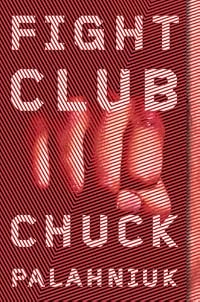
Fight Club
by Chuck Palahniuk
On This Page
Description
The first rule about fight club is you don't talk about fight club.Chuck Palahniuk showed himself to be his generation's most visionary satirist in this, his first book. Fight Club's estranged narrator leaves his lackluster job when he comes under the thrall of Tyler Durden, an enigmatic young man who holds secret after-hours boxing matches in the basements of bars. There, two men fight "as long as they have to." This is a gloriously original work that exposes the darkness at the core of show more our modern world.
. show less
Tags
Recommendations
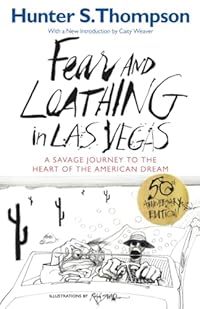
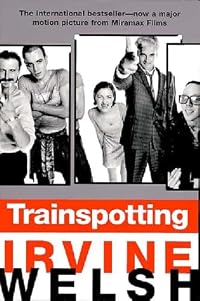
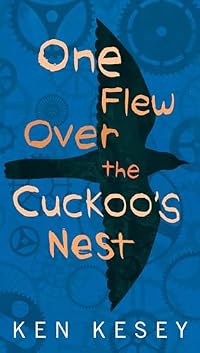
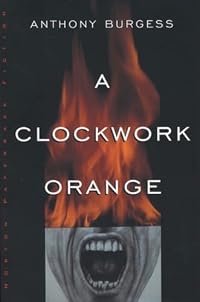

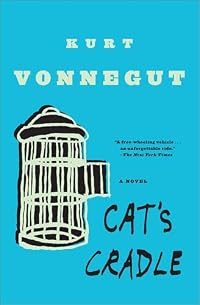
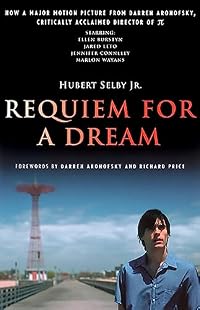
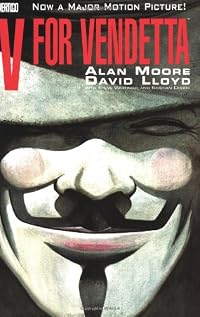
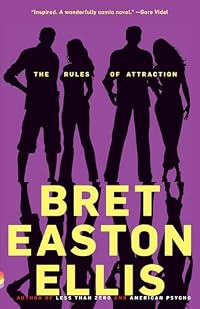
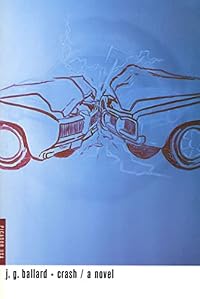
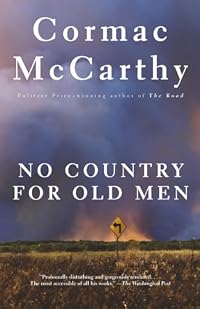
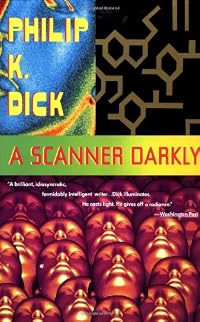
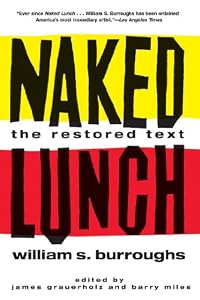
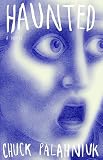

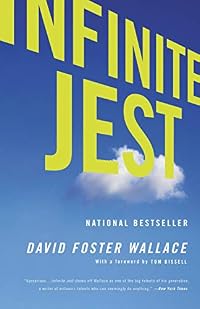
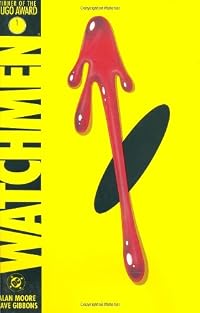

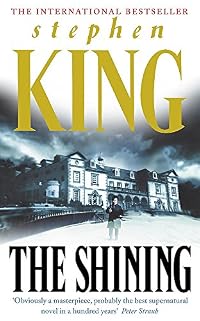
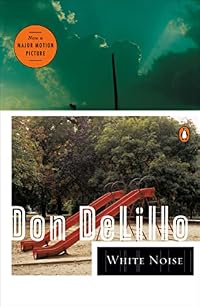
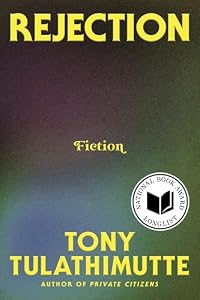
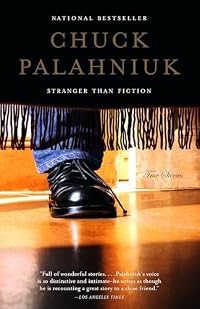
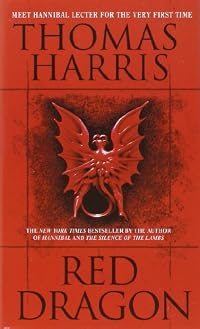
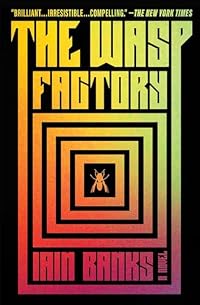
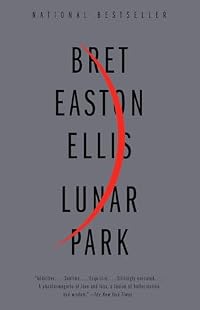
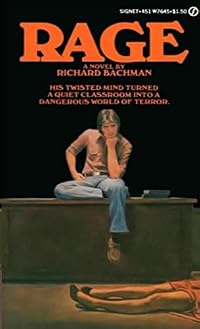
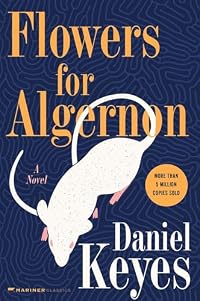
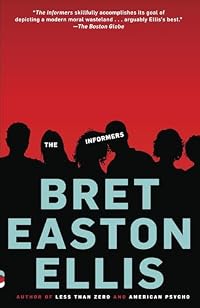
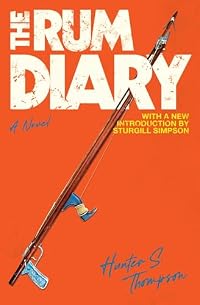
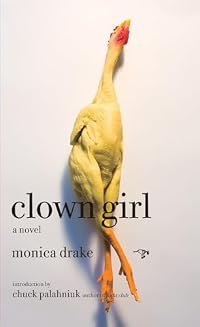
Member Recommendations
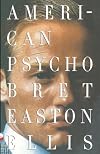
sacredheartofthescen Both about bored men in American society that found odd ways to fill their time and become what they want to be.
81
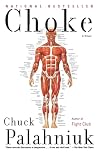

paradoxosalpha Fight Club could be read as an updated rewriting of Steppenwolf, with Hermine replaced by Tyler Durden, and the dance hall transformed to the fight club. Maria becomes Marla, and the Magic Theater becomes Operation Mayhem.
30
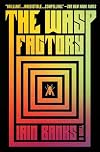
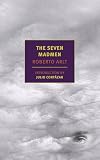
CarlosMcRey Like Palahniuk's Joe, Arlt's Remo Erdosain seeks salvation through depravity and self-destruction in the midst of an urban wasteland.
catdog2 similar themes
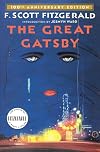
keristars Palahniuk says in an afterword that Fight Club was intended to be similar to the Great Gatsby. In a way, it really is - there's a similar mood and sort of feeling of despair at modern society, though the Great Gatsby was written and occurs seventy years before Fight Club. The relationships between the primary three characters in each novel are also similar.
59
Sylak A man unwittingly becomes involved in a surreal underworld parallel to his own.
22

Member Reviews
i am Chuck’s Anticivilization Catharsis.
we want numbly the breakdown of all that holds us to civilized behavior. we are trapped in this mundane life and live so far from our biology that we have ceased to thrive. we feel it and we don’t. we long for free air where our moves aren’t second-guessed and judged round the clock but aren’t sure why our frustration smolders.
Palahniuck offers a release valve for this impacted rage in the form of a compelling vision of a would-be revolution against the fundamentals of modern Western culture. no more wage slavery, no more taxation, no more PTO, fossil fuels. just realize we are crud on the shoe of the universe and take us back to the Garden, please, where we can don the mantle of Noble show more Savage once again and live happily “stalking elk through the damp canyon forests around the ruins of Rockefeller Center.”
the movie? a masterpiece. as a book adaptation? spot on. it captures the atmosphere of the book and delivers the message without flinching. i think that had Fincher watered the message down, Hollywood might have been short a pair of testicles in under 5 minutes.
back to the book: succinct and truthful, tidbits of remotely associated knowledge fatten the prose: demolition, soap-making, medical refuse, posh catering, secret subliminal film splicing, attending support groups for fun-- it’s all here. the world as is. no varnish. intriguing and full of decomposing life.
i am Chuck’s Buddhist Vision.
my copy of the book was obtained from a library booksale. it had been chewed by something with teeth leaving a hole in the cheek of the book, like a hanging chad. there were also several mangled or missing pages that i had to splice in from a whole copy from the library. now, the book in which i invested creaks and groans, pops and crunches, and wants to open itself to those replaced and poorly copied pages. feels a little like Project Mayhem.
my copy of Fight Club is perfect. show less
we want numbly the breakdown of all that holds us to civilized behavior. we are trapped in this mundane life and live so far from our biology that we have ceased to thrive. we feel it and we don’t. we long for free air where our moves aren’t second-guessed and judged round the clock but aren’t sure why our frustration smolders.
Palahniuck offers a release valve for this impacted rage in the form of a compelling vision of a would-be revolution against the fundamentals of modern Western culture. no more wage slavery, no more taxation, no more PTO, fossil fuels. just realize we are crud on the shoe of the universe and take us back to the Garden, please, where we can don the mantle of Noble show more Savage once again and live happily “stalking elk through the damp canyon forests around the ruins of Rockefeller Center.”
the movie? a masterpiece. as a book adaptation? spot on. it captures the atmosphere of the book and delivers the message without flinching. i think that had Fincher watered the message down, Hollywood might have been short a pair of testicles in under 5 minutes.
back to the book: succinct and truthful, tidbits of remotely associated knowledge fatten the prose: demolition, soap-making, medical refuse, posh catering, secret subliminal film splicing, attending support groups for fun-- it’s all here. the world as is. no varnish. intriguing and full of decomposing life.
i am Chuck’s Buddhist Vision.
my copy of the book was obtained from a library booksale. it had been chewed by something with teeth leaving a hole in the cheek of the book, like a hanging chad. there were also several mangled or missing pages that i had to splice in from a whole copy from the library. now, the book in which i invested creaks and groans, pops and crunches, and wants to open itself to those replaced and poorly copied pages. feels a little like Project Mayhem.
my copy of Fight Club is perfect. show less
I have always known this title to be a cult classic and now I see why- I don’t know why it took me so long to read it, though. This is one of those books where you might be hungry and you really have to pee but nothing can peel your eyes away from the page and you’re definitely not getting up anytime soon. When I started reading I didn’t know anything about the plot besides “the first rule of fight club is you don’t talk about fight club,” and honestly that made this experience SO much better, because I was not expecting the ending in any way shape or form. Because I didn’t know what to expect, I got to be amazed. I don’t know if I could actually handle the movie without fainting, but I think the book lived up to the legacy.
Wow, this was a quick read. Partly because I already know the plot by heart (and the movie kept pretty close to the book), but also because it's one of those books that just sucks you in. Heaps of black fun. Kind of hard to say something new about it after all these years, but let's just say I love the movie to death and yet I'm not convinced that it did the book complete justice. (For instance, you know how hard it is to shake the faces of the actors when you read a book after seeing the movie? No such problem here; for some reason, I kept imagining Robert Downey Jr instead of Edward Norton. And I *love* Edward Norton.) Anyway, even though I did get the (perhaps unfair) feel that the book hints at the twist in the story a lot sooner show more and a lot more obviously than the movie did, it's still like a punch to the pit of your brain, I loathved it to bits, and I'm glad I didn't give up on Palahniuk after Haunted. show less
It was quite an experience reading this at my white collar job on a grainy pdf at the corner of my desktop. Fight Club as a book is a wholly different experience than the film, and a much better one in my opinion - this review can't help but compare the two.
Pahlahnuik's writing is at once vivid, obscure, lucid, strict, expressive. The movie felt very politically charge and reflective, the book feels more grounded while retaining that sharp, dreamlike feeling. I came away feeling uneasy yet stagnated. Film loves to serve up catharsis in between the stimulation of loud music, sex, celebrities, flashes and bangs - taking away from what I believe is the core of this story. The confusion, the hopelessness, the feeling of breathing stale show more air, the humanity.
Decades have passed since the static we face was described, and the longer Fight Club feels relevant, the more it feels like the shock is coming, coming, coming but will never arrive. Don't read it for pure entertainment, and you'll come away with more. show less
Pahlahnuik's writing is at once vivid, obscure, lucid, strict, expressive. The movie felt very politically charge and reflective, the book feels more grounded while retaining that sharp, dreamlike feeling. I came away feeling uneasy yet stagnated. Film loves to serve up catharsis in between the stimulation of loud music, sex, celebrities, flashes and bangs - taking away from what I believe is the core of this story. The confusion, the hopelessness, the feeling of breathing stale show more air, the humanity.
Decades have passed since the static we face was described, and the longer Fight Club feels relevant, the more it feels like the shock is coming, coming, coming but will never arrive. Don't read it for pure entertainment, and you'll come away with more. show less
Oh dear. Another rating conundrum. Soooo, Fight Club. This book dives right into the action. In fact, Palahniuk serves us bite sized pieces of plot, packed in chapters. His style is pretty unique, post-modern, shall we say. I did not care for it much at first. I don't think I would've been able to follow very well if I hadn't seen the movie (although the last time I saw it was many years ago). Then you get the violence, then he started namedropping brands and listing formulas for explosions and details about his automobilian line of work. I thought, oh shit, no! Another American Psycho! While that book wasn't half bad. It was half-ruined by this tireless namedropping and description of high-tech stuff (which, due to the book being from show more 1991 becomes a tad risible, HQ tape decks, fuck yeah!). It also, eventually, managed to bore me with over the top torture, which can't be good.
Anyway, there I was, fearing the worst, and even thinking that for once the movie might have been better than the book, but my worries had been premature. At one point it all clicked, and the namedropping and technical gibberish faded away or was at least used in a stylish way. The book just kept getting better and better. I started to really dig Palahniuk's style of writing and the subject matter was just beyond cool. Dark, cynical and pessimistic? Sign me up!
I finished it and I thought, wow, hey, that was great. This is one I should re-read and then I might even dig the first bits. Oh and I should watch the movie again, haven't seen that in ages. But wait. The movie! The movie I initially thought was going to be superior to this. Hold on. This book was great, but how cool would it have been had I not known most of the plot (albeit vaguely), had I not known the big plot twist (you don't forget a thing like that)? Then this might have been an easy 5.
Sure, there were clues all throughout the book, that pointed towards this solution, but I'm slow, I'm sure I would have been surprised as hell. Like I said, I haven't seen the movie for quite a while, but I do remember some things were different.
I think there was a big explosion at the ending of the movie, with WhereIs My Mind playing. That was cool. In the book he ends up shooting himself and ends up in heaven, which I think is supposed to be a mental hospital. I think Tyler introduces himself as a soap maker on a plane, rather than on a nude beach. I still think the movie was really good, but I can't help but wonder what it would have been like if I hadn't known. It's a bit of a shame. It's also a bit of a shame that no one seems to know the movie was based on a book, which Palahniuk reiterates in a comical fashion in the afterword. I read somewhere on goodreads that he does think the movie is better though. Go figure. I'm sure he would've expected the plot twist as well.
For now I think this floats around the 4.5 mark. Maybe I'll change my mind. Maybe not. show less
Anyway, there I was, fearing the worst, and even thinking that for once the movie might have been better than the book, but my worries had been premature. At one point it all clicked, and the namedropping and technical gibberish faded away or was at least used in a stylish way. The book just kept getting better and better. I started to really dig Palahniuk's style of writing and the subject matter was just beyond cool. Dark, cynical and pessimistic? Sign me up!
Sure, there were clues all throughout the book, that pointed towards this solution, but I'm slow, I'm sure I would have been surprised as hell. Like I said, I haven't seen the movie for quite a while, but I do remember some things were different.
I think there was a big explosion at the ending of the movie, with WhereIs My Mind playing. That was cool. In the book he ends up shooting himself and ends up in heaven, which I think is supposed to be a mental hospital. I think Tyler introduces himself as a soap maker on a plane, rather than on a nude beach. I still think the movie was really good, but I can't help but wonder what it would have been like if I hadn't known. It's a bit of a shame. It's also a bit of a shame that no one seems to know the movie was based on a book, which Palahniuk reiterates in a comical fashion in the afterword. I read somewhere on goodreads that he does think the movie is better though. Go figure. I'm sure he would've expected the plot twist as well.
For now I think this floats around the 4.5 mark. Maybe I'll change my mind. Maybe not. show less
"If I could wake up in a different place, at a different time, could I wake up as a different person?"
Like many, I had heard of the book "Fight Club" after seeing the movie. As soon as I found out that it was based on a novel, I remember thinking to myself: How could this be a book? Is that even possible? The movie alone was so unbelievable that if it were done wrong, it would've been a horrible mess. But it was done just right, and the results were amazing.
But one of my friends had read the book and told me, "You've got to read the book." I was hesitant, thinking that I'd find Palahniuk's style of writing to be obscure. I was dead wrong.
The book is filled with some of the most memorable lines; some that were used in the movie, others show more that were not. This is dark satire at its finest:
"A person had to work hard for it, but a minute of perfection was worth the effort. A moment was the most you could ever expect from perfection."
"You're trapped in your lovely nest, and the things you used to own, now they own you."
"You don't say anything because fight club exists only in the hours between when fight club starts and when fight club end."
"Fight Club" is the story of an unnamed narrator, an insomniac yuppie who spends his days helping insurance companies get out of having to pay their claims. He wanders through a meaningless life until he discovers the emotional release of attending therapy groups for people suffering from various deadly (and rather embarressing) diseases -- all of which the narrator pretends to have. When the arrival of another "faker" (the wonderfully dark Marla Singer, whose role is far less central in the book than in the film), the narrator finds even the shallow comfort of testicular cancer self-help groups has been taken away from him.
Luckily for him, he happens to meet Tyler Durden around this time. And it is Tyler who introduces him to the concept of fighting. What starts as a few rounds in a bar parking lot soon transforms into the nationwide movement known as Fight Club. Every night, yuppies gather together and proceed to beat each other up and get in touch with the pure destructive instinct that society has forced them to suppress. From this violent but relatively benign concept, Tyler sets out to build up an even more extreme movement and our narrator finds his own life suddenly spiraling out of control.
Writing in an ironic deadpan tone and including something to offend everyone, Palahniuk is a risky writer who takes chances galore, especially with a particularly bizarre plot twist he throws in late in the book. Caustic, outrageous, bleakly funny, violent and always unsettling, Palahniuk's utterly original creation will make even the most jaded reader sit up and take notice.
Book Details:
Title Fight Club
Author Chuck Palahniuk
Reviewed By Purplycookie show less
Like many, I had heard of the book "Fight Club" after seeing the movie. As soon as I found out that it was based on a novel, I remember thinking to myself: How could this be a book? Is that even possible? The movie alone was so unbelievable that if it were done wrong, it would've been a horrible mess. But it was done just right, and the results were amazing.
But one of my friends had read the book and told me, "You've got to read the book." I was hesitant, thinking that I'd find Palahniuk's style of writing to be obscure. I was dead wrong.
The book is filled with some of the most memorable lines; some that were used in the movie, others show more that were not. This is dark satire at its finest:
"A person had to work hard for it, but a minute of perfection was worth the effort. A moment was the most you could ever expect from perfection."
"You're trapped in your lovely nest, and the things you used to own, now they own you."
"You don't say anything because fight club exists only in the hours between when fight club starts and when fight club end."
"Fight Club" is the story of an unnamed narrator, an insomniac yuppie who spends his days helping insurance companies get out of having to pay their claims. He wanders through a meaningless life until he discovers the emotional release of attending therapy groups for people suffering from various deadly (and rather embarressing) diseases -- all of which the narrator pretends to have. When the arrival of another "faker" (the wonderfully dark Marla Singer, whose role is far less central in the book than in the film), the narrator finds even the shallow comfort of testicular cancer self-help groups has been taken away from him.
Luckily for him, he happens to meet Tyler Durden around this time. And it is Tyler who introduces him to the concept of fighting. What starts as a few rounds in a bar parking lot soon transforms into the nationwide movement known as Fight Club. Every night, yuppies gather together and proceed to beat each other up and get in touch with the pure destructive instinct that society has forced them to suppress. From this violent but relatively benign concept, Tyler sets out to build up an even more extreme movement and our narrator finds his own life suddenly spiraling out of control.
Writing in an ironic deadpan tone and including something to offend everyone, Palahniuk is a risky writer who takes chances galore, especially with a particularly bizarre plot twist he throws in late in the book. Caustic, outrageous, bleakly funny, violent and always unsettling, Palahniuk's utterly original creation will make even the most jaded reader sit up and take notice.
Book Details:
Title Fight Club
Author Chuck Palahniuk
Reviewed By Purplycookie show less
****.5
I watched the movie version shortly after 9/11, and the ending really didn't sit well with me, but it's been a minute so I felt ready to try again. It's difficult to unwind the 25+ years of terrorist attacks, school shootings, QAnon, Charlottesville, Instagram, etc. to read the book in the context of disaffected GenX in the vacuous prosperity of the mid-90's, but it's the only fair and meaningful approach to appreciate it.
Taken at face value, the nihilist anarchy reeks of alpha-male nonsense, but it's easy enough to delve a bit deeper. Instead, Palahniuk's message should be interpreted as a warning, that unless healthy outlets for ennui-fueled rage are provided, the alternative solutions won't be pretty. But of course we didn't show more listen, and instead chose two decades-long wars, and trump and musk and rogan and kalanick and crypto bros and Jan 6, and now Gen X seem like the stable ones.
As a book, it isn't quite as good as the movie, but does deliver some truly memorable and influential lines and an epic monologue or two, and I do prefer this ending to the movie. To get a flavour for its lasting impact, type "first rule" into Google and it's the first hit, well ahead of thermodynamics, monarchies, gun safety, or any other discipline, field, or organisation that has rules. show less
I watched the movie version shortly after 9/11, and the ending really didn't sit well with me, but it's been a minute so I felt ready to try again. It's difficult to unwind the 25+ years of terrorist attacks, school shootings, QAnon, Charlottesville, Instagram, etc. to read the book in the context of disaffected GenX in the vacuous prosperity of the mid-90's, but it's the only fair and meaningful approach to appreciate it.
Taken at face value, the nihilist anarchy reeks of alpha-male nonsense, but it's easy enough to delve a bit deeper. Instead, Palahniuk's message should be interpreted as a warning, that unless healthy outlets for ennui-fueled rage are provided, the alternative solutions won't be pretty. But of course we didn't show more listen, and instead chose two decades-long wars, and trump and musk and rogan and kalanick and crypto bros and Jan 6, and now Gen X seem like the stable ones.
As a book, it isn't quite as good as the movie, but does deliver some truly memorable and influential lines and an epic monologue or two, and I do prefer this ending to the movie. To get a flavour for its lasting impact, type "first rule" into Google and it's the first hit, well ahead of thermodynamics, monarchies, gun safety, or any other discipline, field, or organisation that has rules. show less
Members
- Recently Added By
Published Reviews
ThingScore 100
A volatile, brilliantly creepy satire filled with esoteric tips for causing destruction, Fight Club marks Chuck Palahniuk's debut as a novelist. Ever wonder how to pollute a plumbing system with red dye, or inject an ATM machine with axle grease or vanilla pudding? Along with instructions for executing such quirky acts of urban terrorism, Fight Club offers diabolically sharp and funny writing.
added by Shortride
This brilliant bit of nihilism succeeds where so many self-described transgressive novels do not: It's dangerous because it's so compelling.
added by Shortride
Every generation frightens and unnerves its parents, and Palahniuk's first novel is gen X's most articulate assault yet on baby-boomer sensibilities. This is a dark and disturbing book that dials directly into youthful angst and will likely horrify the parents of teens and twentysomethings. It's also a powerful, and possibly brilliant, first novel.
added by Shortride
Lists

The Guardian's 1000 Novels Everyone Must Read
1,005 works; 546 members

Read the book and saw the movie
1,170 works; 195 members

Best Contemporary Literary Fiction (Around the Last 30 Years)
388 works; 123 members
20th Century Literature
1,161 works; 54 members
Best Satire
188 works; 27 members

Unreliable Narrators
170 works; 43 members

Weird and Weirder Fiction
267 works; 34 members

TED 2013 Summer Reading List
190 works; 13 members

Metafiction
84 works; 20 members

1990s
309 works; 17 members

Significant works of postmodern fiction
86 works; 25 members

Stream of Consciousness
87 works; 8 members

Experimental Literature
141 works; 18 members

did I say that I didn't mean that (unreliable narrators)
34 works; 7 members

Watched the Movie, Probably Won't Read the Book
185 works; 34 members

Best Antiheroes and Antiheroines
119 works; 7 members

One Book, Many Authors
441 works; 40 members
Best of American Literature
146 works; 9 members
Books tagged favorites
390 works; 30 members

Page Turners
185 works; 11 members

Existentialism
90 works; 9 members

Tagged by Tim or Meh!
91 works; 9 members

Books I've Read
40 works; 2 members

Books on my Kindle
162 works; 3 members

99 Bücher, die man gelesen haben muss
37 works; 1 member
Overdue Podcast
803 works; 9 members
First Novels
373 works; 17 members

Books Read in 2015
3,299 works; 126 members

Books with great titles
13 works; 2 members

Books Read in 2020
4,379 works; 124 members

Books Read in 2003
257 works; 7 members
American Lit for Eng 11 Research Project
368 works; 6 members

B-B to Get
131 works; 1 member

Retrospective of 20th- and 21st-century literature
154 works; 1 member

Ryan Holiday's Books To Base Your Life On
97 works; 2 members

N.T. McQueen's Inspiration List
23 works; 1 member

Books With Our Favorite First Lines
168 works; 104 members

Books We Resisted Reading
175 works; 106 members

Neuro Pride Book Club Book Shares
98 works; 1 member
Want to Read — open list
55 works; 2 members

Jones & Newman: Best Horror Books Further Recommended Reading
577 works; 4 members

Reading List: Books for Insomniacs
17 works; 4 members

Biggest Disappointments
606 works; 164 members

Mind-Benders: Fiction that Hurts Your Head
34 works; 8 members

Slipstream or Interstitial Fiction
160 works; 19 members

Unread books
1,063 works; 87 members
Talk Discussions
Past Discussions
Fight Club in 1001 Books to read before you die (June 2008)
Author Information

Chuck Palahniuk was born in Pasco, Washington on February 21, 1962. He received a BA in journalism from the University of Oregon in 1986. Before becoming a full-time author, he worked as a journalist and as a diesel mechanic. He has written numerous novels including Survivor, Invisible Monsters, Lullaby, Diary, Haunted, Rant, Snuff, Pygmy, show more Tell-All, Damned, Doomed, Beautiful You, and Make Something Up: Stories You Can't Unread. Fight Club was made into a film by director David Fincher and Choke was made into a film by director Clark Gregg. He is also the author of Fugitives and Refugees, a nonfiction profile of Portland, Oregon, and the nonfiction collection Stranger Than Fiction. (Bowker Author Biography) show less
Some Editions
Awards and Honors
Awards
Distinctions
Notable Lists
Series
Belongs to Publisher Series
Work Relationships
Is contained in
Has the adaptation
Has as a study
Common Knowledge
- Canonical title
- Fight Club
- Original title
- Fight Club
- Original publication date
- 1996-08-17
- People/Characters
- Tyler Durden; Narrator; Marla Singer; Raymond K. Hessel; Robert "Bob" Paulson
- Related movies
- Fight Club (1999 | IMDb)
- Dedication
- For Carol Meader, who puts up with all my bad behavior.
- First words
- Tyler gets me a job as a waiter, after that Tyler's pushing a gun in my mouth and saying, the first step to eternal life is you have to die.
- Quotations
- 1. You don't talk about fight club.
2. You don't talk about fight club.
3. When someone says stop, or goes limp, even if he's just faking it, the fight is over.
4. Only two guys to a fight.
5. On... (show all)e fight at a time.
6. They fight without shirts or shoes.
7. The fights go on as long as they have to.
8. If this is your first night at fight club, you have to fight.
It was that morning that Tyler Durden invented Project Mayhem.
Don't think of it as extinction. Think of it as downsizing. - Last words
- (Click to show. Warning: May contain spoilers.)We look forward to getting you back.
- Blurbers
- Heim, Scott; Dunn, Katherine; Stone, Robert; Jones, Thom; Cooper, Dennis; Hannah, Barry
- Original language
- English
- Canonical DDC/MDS
- 813.54
- Canonical LCC
- PS3566.A4554
- Disambiguation notice
- This is the novel, not the film or screenplay.
Unknown if novel or screenplay
Classifications
Statistics
- Members
- 21,143
- Popularity
- 261
- Reviews
- 352
- Rating
- (4.07)
- Languages
- 25 — Arabic, Basque, Catalan, Chinese, Czech, Danish, Dutch, English, Estonian, Finnish, French, German, Greek, Hungarian, Italian, Japanese, Lithuanian, Norwegian (Bokmål), Polish, Romanian, Russian, Spanish, Swedish, Turkish, Portuguese (Portugal)
- Media
- Paper, Audiobook, Ebook
- ISBNs
- 124
- UPCs
- 3
- ASINs
- 37