On This Page
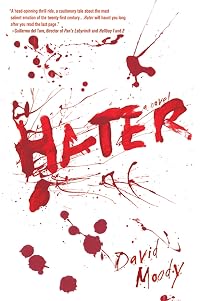
Description
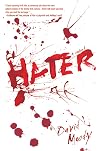
When ordinary people throughout the world suddenly transform into violent killers, an everyday man struggles to retain normalcy and recognize who is trustworthy in a society escalating out of control.Tags
Recommendations
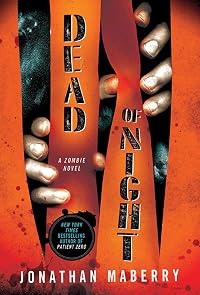
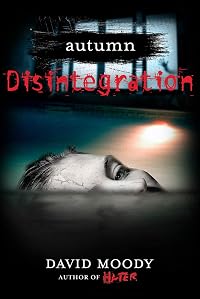
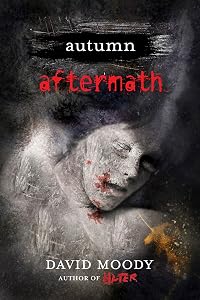
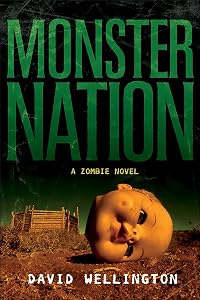



Member Recommendations
SomeGuyInVirginia A bazillion times better.
Member Reviews
It's difficult for me to explain this book without giving away something vital. Hater is almost a modern take on a zombie tale, but not quite -- it's more than that, a not-zombie book: there are no undead, rotting and roaming the streets, but the atmosphere is the same. There's the same Us vs. Them mentality, and the same mindless brutality, but for all its similarities, Hater is also worlds apart. In straightforward zombie stories, you just have this unknown motivation (brains? why brains?) or no real reasoning, but just a plodding force that won't give up and will come for you, and you have no idea why. In Hater, there is a similar confusing terror of the why is this happening, why me? sort, but you also get to experience things from show more a Haters perspective, like being in the zombie hoarde and knowing you must kill. And it doesn't matter why. This is done so well in Hater, and creeps up on you so perfectly that it works its way under your skin in a truly disturbing way.
It's a truly frightening scenario that has you questioning what you would be like. Haters are full of an unexplained paranoia that everyone else is out to get them, and so they brutally attack those who they believe will attack them: kill or be killed. As it progresses, this means that whether you are a Hater or a "normal" human being, the worst is bound to come out in you, because you can trust no one. It's like those ridiculous stories anti-drug groups act out in middle schools, about acid trips gone really wrong* -- only on a global scale. It's mass paranoia and distrust, and it's inescapable, and to me, that's something that's far more terrifying than, I don't know, killer clowns** or masked mad men. Much scarier than knowing there's a monster out there is realizing that you are the monster.
And I think that's where the power of this stories lies. We live all of this mess through Danny, including all of his (comparatively) trivial frustration and "everyday" misery. We can relate to him, and as the story slams back and forth between Danny's life and hater attacks, building tension of two different but palpable types, we can't help but put ourselves in the situation and experience the book. Which is a good, if disturbing, thing. show less
It's a truly frightening scenario that has you questioning what you would be like. Haters are full of an unexplained paranoia that everyone else is out to get them, and so they brutally attack those who they believe will attack them: kill or be killed. As it progresses, this means that whether you are a Hater or a "normal" human being, the worst is bound to come out in you, because you can trust no one. It's like those ridiculous stories anti-drug groups act out in middle schools, about acid trips gone really wrong* -- only on a global scale. It's mass paranoia and distrust, and it's inescapable, and to me, that's something that's far more terrifying than, I don't know, killer clowns** or masked mad men. Much scarier than knowing there's a monster out there is realizing that you are the monster.
And I think that's where the power of this stories lies. We live all of this mess through Danny, including all of his (comparatively) trivial frustration and "everyday" misery. We can relate to him, and as the story slams back and forth between Danny's life and hater attacks, building tension of two different but palpable types, we can't help but put ourselves in the situation and experience the book. Which is a good, if disturbing, thing. show less
When I dove into Hater blind, it was what I typically expect from books following this theme. The structure was similar, right down to the brief scenes of others being affected, slightly formulaic in fee, but the way in which Moody introduced and described the 'Haters', I felt there was more to be expected.
The third act was a complete mind fuck.
I am now looking forward to reading the rest of the Hater series, but I will say that reading Hater - published in 2010 - in 2023 during the January 6 hearings, while QAnon conspiracy theories are overwhelming the main-stream and "Hate" groups becoming more and more predominant while society's middle ground rapidly shrinks away to a vague line in the sand... it's hard not to feel like Moody saw show more it coming.
“If only it were so simple!” cried Solzenhitsyn from behind the Gulag’s barbed-wire: “If only there were evil people somewhere insidiously committing evil deeds, and it were necessary only to separate them from the rest of us and destroy them. But the line dividing good and evil cuts through the heart of every human being. And who is willing to destroy a piece of his own heart?” show less
The third act was a complete mind fuck.
I am now looking forward to reading the rest of the Hater series, but I will say that reading Hater - published in 2010 - in 2023 during the January 6 hearings, while QAnon conspiracy theories are overwhelming the main-stream and "Hate" groups becoming more and more predominant while society's middle ground rapidly shrinks away to a vague line in the sand... it's hard not to feel like Moody saw show more it coming.
“If only it were so simple!” cried Solzenhitsyn from behind the Gulag’s barbed-wire: “If only there were evil people somewhere insidiously committing evil deeds, and it were necessary only to separate them from the rest of us and destroy them. But the line dividing good and evil cuts through the heart of every human being. And who is willing to destroy a piece of his own heart?” show less
Moody lays out the basis of his story will spartan precision, documenting the quick fall of ‘civilized’ society with clarity and, yes, dollops of dread. His characters are flawed, relatable beings, reminding us that true terror only arises when you care about the personalities involved. There is an aura of uneasiness to the early scenes that grab you, an uneasiness that only increases as the paranoia and confusion sets in. Moody taps into the random, unfocused fear that appears to have infected western society, with its overarching fear of the ‘other’. Who is this other? What do they want? Yesterday’s fear of the communist agenda was been replaced with terrorism, but the effect is the same; we are all deathly afraid of each show more other, because we simply do not know each other’s thoughts or motives. Much as in the great zombie films of Romero and Fulci, Moody uses the infected in Hater as a metaphor for everything out there on the streets that we fear, including the worst fear of all, that we will somehow become that which we fear. In many ways, Hater is a superior example of the zombie novel, even more effective than Max Brooks’ scattershot yet undeniably effective World War Z.
Read the entire review here. show less
Read the entire review here. show less
Hater - David Moody *****
Prior to Hater, I had only been acquainted with Moody through his brilliant ‘Autumn’ series. This is where the world has been infected with a disease that kills most of the population, only for them to return to life as zombies after a few days. Hater is in many ways a similar novel, but this time the plot has far more realism.
Hater follows Danny McCoyne, a guy stuck in a seemingly mundane life, he tolerates his job and his family life leaves a lot to be desired. One day he witnesses an extreme act of violence against an elderly lady whilst on his way to work. Although initially shaken up he puts it to the back of his mind and life carries on as normal, but soon this seemingly rare incident is duplicated all show more over the country. Over The next few days the incidents dramatically increase causing a widespread panic, especially as no one knows who is going to turn into a murdering psychopath next and people are attacked by both strangers and family members alike. The killings are totally unrelated with nothing that will link any attack to another, the public are scared and society begins to break down. The people that flip are named ‘Haters’ by the media, and soon this is what they become known as across the country with a divide separating those identified as changed and those perceived as normal. Will Danny be able to save his family or will the disease strike those he loves most?
I really enjoyed Hater, as usual with Moody this is one of those books that you jump into for a bit of easy escapism that isn’t too taxing. The thing I most enjoy though is that he creates tales that happen to the normal people in society, the average Joe and that adds a sense of realism that can be missing from so many other authors. Even with the fairly outlandish plot, you still believe that you could wake up in the world of the Haters and suddenly your life is turned upside down. There are also a number of themes that bubble just below the surface, such as how does society deal with those it deems are different to the status quo, and when both factions decide they have to largest right to survive, does history have an opportunity to repeat itself from our darkest days?
I kind of guessed some of the twists but it didn’t spoil the novel, the pages whizzed by and I really enjoyed Hater. This is apparently the first part of a trilogy, which kind of explains the fairly odd/abrupt ending. I will definitely be seeking the others out. show less
Prior to Hater, I had only been acquainted with Moody through his brilliant ‘Autumn’ series. This is where the world has been infected with a disease that kills most of the population, only for them to return to life as zombies after a few days. Hater is in many ways a similar novel, but this time the plot has far more realism.
Hater follows Danny McCoyne, a guy stuck in a seemingly mundane life, he tolerates his job and his family life leaves a lot to be desired. One day he witnesses an extreme act of violence against an elderly lady whilst on his way to work. Although initially shaken up he puts it to the back of his mind and life carries on as normal, but soon this seemingly rare incident is duplicated all show more over the country. Over The next few days the incidents dramatically increase causing a widespread panic, especially as no one knows who is going to turn into a murdering psychopath next and people are attacked by both strangers and family members alike. The killings are totally unrelated with nothing that will link any attack to another, the public are scared and society begins to break down. The people that flip are named ‘Haters’ by the media, and soon this is what they become known as across the country with a divide separating those identified as changed and those perceived as normal. Will Danny be able to save his family or will the disease strike those he loves most?
I really enjoyed Hater, as usual with Moody this is one of those books that you jump into for a bit of easy escapism that isn’t too taxing. The thing I most enjoy though is that he creates tales that happen to the normal people in society, the average Joe and that adds a sense of realism that can be missing from so many other authors. Even with the fairly outlandish plot, you still believe that you could wake up in the world of the Haters and suddenly your life is turned upside down. There are also a number of themes that bubble just below the surface, such as how does society deal with those it deems are different to the status quo, and when both factions decide they have to largest right to survive, does history have an opportunity to repeat itself from our darkest days?
I kind of guessed some of the twists but it didn’t spoil the novel, the pages whizzed by and I really enjoyed Hater. This is apparently the first part of a trilogy, which kind of explains the fairly odd/abrupt ending. I will definitely be seeking the others out. show less
An ordinary workday morning. Hundreds of people mobbing the sidewalks trying to get from here to there. Until one man suddenly stops when he sees the old woman. Some instinct tells him that she's not what she seems, that he must do something and quickly. He rushes her, throws here against a building, and much more before the angry crowd finally manages to stop the terrified man.
At least, he looks terrified to Danny McCoyne, just one of the crowd. He doesn't stop to think about it, running late for a job that he hates and having to return to he wife and three kids after a crappy day at the office. Just like every day. But the world as he knows it is about to change. Dozens of reports spring up on the news about "Haters" -- seemingly show more normal people who suddenly and without warning commit random acts of violence against neighbors, strangers, members of their own families. As the violence increases, Danny, like so many others, begins to wonder who will be the next to change -- the man sitting at the front of the bus who won't make eye contact, his wife Lizzie or one of the children, himself?
David Moody's "Hater" took fear and paranoia, and distorted them into something dark and violent: knowing that at any moment someone could change -- that "you" could change -- into a killing machine and that nothing could stop it. I empathized with Danny McCoyne, the "hero", as he tried to figure out what was going on in order to protect his family, wondering where and when the government was finally going to step in, and felt his fear and distrust grow with each turn of the page when he realized that they were on their own. By the end, I began to question who really were the Haters -- the ones who changed or the ones who didn't.
I didn't want to put this book down once I started, and very easily could have finished it in one sitting. A marvelous first novel and a welcome addition to the horror genre. show less
At least, he looks terrified to Danny McCoyne, just one of the crowd. He doesn't stop to think about it, running late for a job that he hates and having to return to he wife and three kids after a crappy day at the office. Just like every day. But the world as he knows it is about to change. Dozens of reports spring up on the news about "Haters" -- seemingly show more normal people who suddenly and without warning commit random acts of violence against neighbors, strangers, members of their own families. As the violence increases, Danny, like so many others, begins to wonder who will be the next to change -- the man sitting at the front of the bus who won't make eye contact, his wife Lizzie or one of the children, himself?
David Moody's "Hater" took fear and paranoia, and distorted them into something dark and violent: knowing that at any moment someone could change -- that "you" could change -- into a killing machine and that nothing could stop it. I empathized with Danny McCoyne, the "hero", as he tried to figure out what was going on in order to protect his family, wondering where and when the government was finally going to step in, and felt his fear and distrust grow with each turn of the page when he realized that they were on their own. By the end, I began to question who really were the Haters -- the ones who changed or the ones who didn't.
I didn't want to put this book down once I started, and very easily could have finished it in one sitting. A marvelous first novel and a welcome addition to the horror genre. show less
Hater is a brutal book. It's very graphic and over-the-top in its descriptions of violence/death. It's as if the author watched "Faces of Death" and said..."yeah, I feel inspired!"
The protagonist is unlikeable throughout. If he were someone you'd care about, maybe the last quarter of the book would have been better. I don't think I've ever intentionally put a book down after reading 30 or 40 pages in and that's the only reason I can give for finishing this. I don't feel great about finishing this one. Knowing it was popular enough to be turned into a trilogy and that it's going to be a movie is just a depressing indictment of society.
The protagonist is unlikeable throughout. If he were someone you'd care about, maybe the last quarter of the book would have been better. I don't think I've ever intentionally put a book down after reading 30 or 40 pages in and that's the only reason I can give for finishing this. I don't feel great about finishing this one. Knowing it was popular enough to be turned into a trilogy and that it's going to be a movie is just a depressing indictment of society.
It’s a normal day in suburbia. Bright and sunny; the smell of lemon freshener in the air. You’re at home, relaxing, a chorus of dogs barking outside, your spouse happily chit-chatting. Your mind wanders. Only for a few moments. Maybe just a few seconds. But long enough.
Long enough to be confused by the sudden silence, an eerie silence. The air’s suddenly pregnant with tension, thick with it.
You look at your spouse, searching for a clue, looking to understand. Hoping the answer to the silence lies in a loved one’s eyes. But when you look in their eyes, you aren’t greeted by love. You’re greeted by terror, a face filled with fear. A face filled with hate. Puzzled, you’re taken off-guard when your spouse suddenly lunges at show more you, grabbing a nearby kitchen knife. And starts stabbing you. Furiously. Fighting like a cornered animal. A whirling dervish of arms, glistening steel, and blood.
Your blood.
And you wonder—why? As the knife repeatedly slices your flesh—why? As you bleed out on your living room floor—why? As you look into your spouse’s eyes one final time, grasping to understand the betrayal, before the light dims. To understand how this person can go from honey—to Hater.
It’s not a normal day in suburbia. Or downtown, or in the countryside. Violent incidents are increasing, daily. Exponentially. People are being attacked randomly, maybe by a stranger, maybe by a loved one, all the assailants dubbed Haters by the media. It’s an epidemic, of violence, of hate. And no one seems to know why.
David Moody masterfully plays upon a multitude of primal fears in his new novel “Hater.” Fears about isolation, ignorance, random inexplicable violence, betrayal, and mass hysteria. It’s us against them in a race of kill or be killed. An endless cycle of violence; a snapshot of a world in which fear is the overwhelming motivation to kill. In which fear is used to justify pre-emptive violence. It’s not a pretty picture, but the underlying motto should be familiar—if we don’t get them, they’ll get us.
It’s the ideology behind the war on terrorism, and Britain and America’s current involvement in the Middle East. Terrorists hate us, seeking to harm and kill innocents. To kill our families. To kill us. But why? Do their actions arise out of hate—or out of fear? Are these groups on the offensive, or the defensive? Is one man’s terrorist, another man’s freedom fighter? These questions make “Hater” timely and topical; an examination of the disquieting and immense power of fear. How fear is the seed of hate.
Much has been made of Moody selling the film rights of “Hater” to Guillermo del Toro—the director of the Hellboy series and Pan’s Labyrinth—after initially self-publishing the novel online. After reading it, I can see why it would be attractive source material for a film. It’s highly cinematic, both visceral and intense. The book flows easily through a course of memorable scenes, amping up the drama all the way to the end. Sections of the novel strongly reminded me of the George Romero’s classic zombie film Dawn of the Dead. Both feature characters that isolate themselves, seeking refuge from a world spiraling into madness, having no clue why. All they can do is sit, and wait, while their situation grows increasingly more dismal. And more deadly.
Last Word:
Moody has crafted an intelligent and powerful novel. And an isolating one. One that traps you in your own skin, forcing you into self-reliance. Not because of the stranger on the street who’s a Hater, but because of your wife, or child, who suddenly becomes one. What do you do when those closest turn on you? Who other than yourself can you ever trust? Scary thoughts. But utterly engaging reading.
Suddenly it’s cool to hate. show less
Long enough to be confused by the sudden silence, an eerie silence. The air’s suddenly pregnant with tension, thick with it.
You look at your spouse, searching for a clue, looking to understand. Hoping the answer to the silence lies in a loved one’s eyes. But when you look in their eyes, you aren’t greeted by love. You’re greeted by terror, a face filled with fear. A face filled with hate. Puzzled, you’re taken off-guard when your spouse suddenly lunges at show more you, grabbing a nearby kitchen knife. And starts stabbing you. Furiously. Fighting like a cornered animal. A whirling dervish of arms, glistening steel, and blood.
Your blood.
And you wonder—why? As the knife repeatedly slices your flesh—why? As you bleed out on your living room floor—why? As you look into your spouse’s eyes one final time, grasping to understand the betrayal, before the light dims. To understand how this person can go from honey—to Hater.
It’s not a normal day in suburbia. Or downtown, or in the countryside. Violent incidents are increasing, daily. Exponentially. People are being attacked randomly, maybe by a stranger, maybe by a loved one, all the assailants dubbed Haters by the media. It’s an epidemic, of violence, of hate. And no one seems to know why.
David Moody masterfully plays upon a multitude of primal fears in his new novel “Hater.” Fears about isolation, ignorance, random inexplicable violence, betrayal, and mass hysteria. It’s us against them in a race of kill or be killed. An endless cycle of violence; a snapshot of a world in which fear is the overwhelming motivation to kill. In which fear is used to justify pre-emptive violence. It’s not a pretty picture, but the underlying motto should be familiar—if we don’t get them, they’ll get us.
It’s the ideology behind the war on terrorism, and Britain and America’s current involvement in the Middle East. Terrorists hate us, seeking to harm and kill innocents. To kill our families. To kill us. But why? Do their actions arise out of hate—or out of fear? Are these groups on the offensive, or the defensive? Is one man’s terrorist, another man’s freedom fighter? These questions make “Hater” timely and topical; an examination of the disquieting and immense power of fear. How fear is the seed of hate.
Much has been made of Moody selling the film rights of “Hater” to Guillermo del Toro—the director of the Hellboy series and Pan’s Labyrinth—after initially self-publishing the novel online. After reading it, I can see why it would be attractive source material for a film. It’s highly cinematic, both visceral and intense. The book flows easily through a course of memorable scenes, amping up the drama all the way to the end. Sections of the novel strongly reminded me of the George Romero’s classic zombie film Dawn of the Dead. Both feature characters that isolate themselves, seeking refuge from a world spiraling into madness, having no clue why. All they can do is sit, and wait, while their situation grows increasingly more dismal. And more deadly.
Last Word:
Moody has crafted an intelligent and powerful novel. And an isolating one. One that traps you in your own skin, forcing you into self-reliance. Not because of the stranger on the street who’s a Hater, but because of your wife, or child, who suddenly becomes one. What do you do when those closest turn on you? Who other than yourself can you ever trust? Scary thoughts. But utterly engaging reading.
Suddenly it’s cool to hate. show less
Members
- Recently Added By
Lists

Read-alike - The laws of the skies by Gregoire Courtois
26 works; 1 member
Author Information

33+ Works 3,107 Members

David Moody is a LibraryThing Author, an author who lists their personal library on LibraryThing.
Series

Common Knowledge
- Canonical title
- Hater
- Original title
- Hater
- Original publication date
- 2006
- People/Characters
- Simmons; Tina Murray; Daniel (Danny) McCoyne (Danny); Liz McCoyne; Edward McCoyne; Ellis McCoyne (show all 23); Josh McCoyne; Josie Stone; Shona Robertson; Harry; Chris Spencer; Susan Myers; Charlie Myers; Newbury; Jeremy Pearson; Dr. Panesar; Daryl Evans; Gary; Patrick Crilley; Nancy; Craig; Karin; Chris Ankin
- Epigraph
- Exposure
Infection
Transmission
Pandemic
Extinction - Dedication
- For
Lisa, Emma, Katie,
Megan, Becca, and Zoe - First words
- Simmons, regional manager for a chain of main street discount stores, slipped his change into his pocket then neatly folded his newspaper in half and tucked it under his arm.
- Last words
- (Click to show. Warning: May contain spoilers.)We are at war.
- Blurbers
- del Toro, Guillermo; Bayona, J. A.; Wellington, David; Stirling, S. M.; Mayberry, Jonathan; Piccirilli, Tom
- Original language*
- Englisch
*Some information comes from Common Knowledge in other languages. Click "Edit" for more information.
Classifications
Statistics
- Members
- 803
- Popularity
- 34,521
- Reviews
- 50
- Rating
- (3.32)
- Languages
- 6 — English, French, German, Italian, Portuguese, Spanish
- Media
- Paper, Audiobook, Ebook
- ISBNs
- 18
- ASINs
- 6