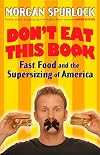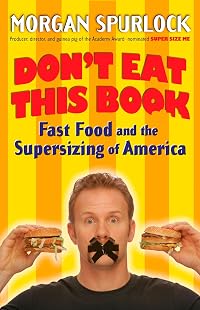
Don't Eat This Book : Fast Food and the Supersizing of America
by Morgan Spurlock
On This Page
Description
Can man live on fast food alone? Morgan Spurlock tried to do just that. For thirty days, he ate nothing but three "squares" a day from McDonald's as part of an investigation into the effects of fast food on American health. The resulting documentary film, Super Size Me, won him resounding applause and a worldwide release that broke box-office records. Audiences were captivated by his experiment, during which he gained twenty-five pounds, his blood pressure skyrocketed, and his libido all but show more disappeared. But this story goes far beyond his own "Mc-Sickness": he traveled across the country, into schools, hospitals, and people's homes, to investigate school lunch programs, the marketing of fast food, and the declining emphasis on health and physical education. He interviewed experts in medicine, nutrition, law, and marketing. He looks at why fast food is so tasty, cheap, and ultimately seductive, and what Americans can do to turn the rising tide of obesity, hypertension, and diabetes that have accompanied its ever-growing popularity. show lessTags
Recommendations
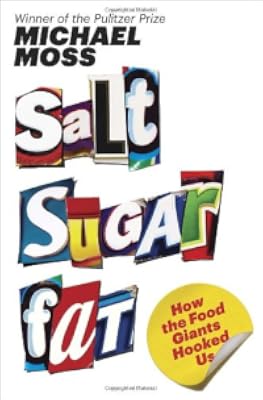
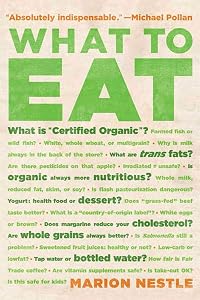
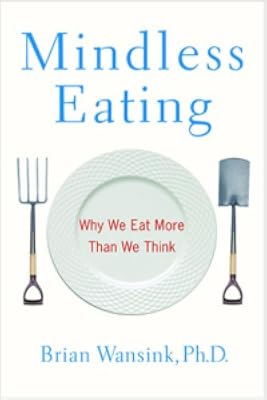
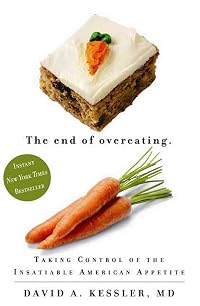

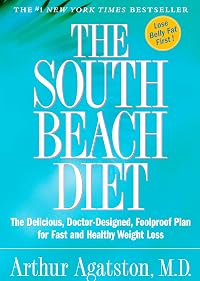
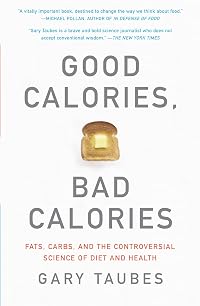
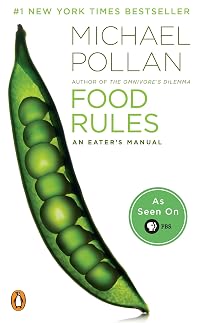
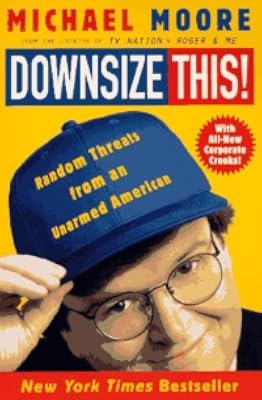
Member Recommendations
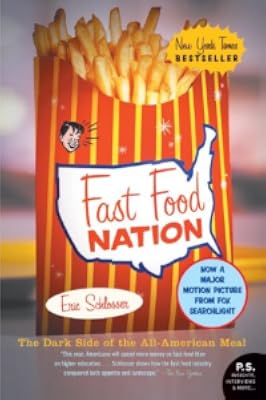
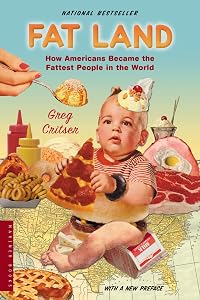
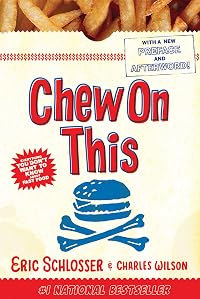
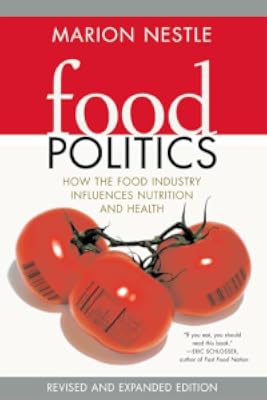
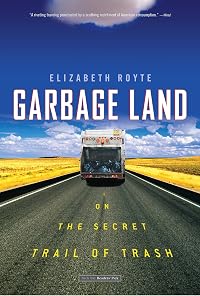
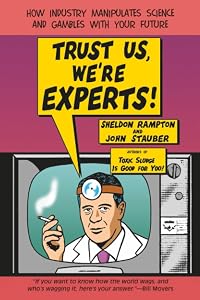
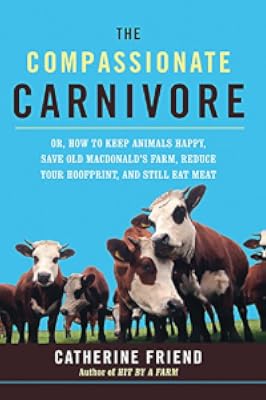
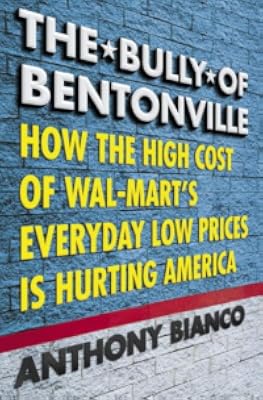
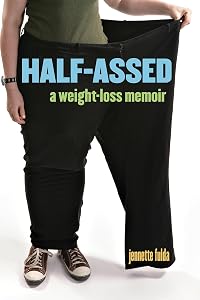
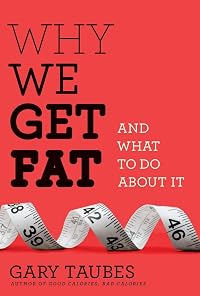
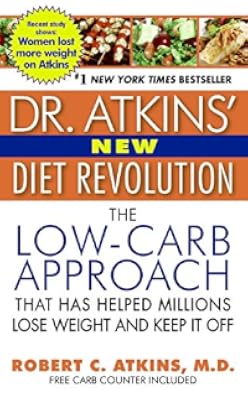
SqueakyChu Both books address problems with the way we eat.
Member Reviews
Supersize Me is one of my favorite documentaries, and I watch it every so often as a reminder to veer away from those dangerous yet alluring drive-thrus.
"Don't Eat this Book" is a follow up to the film, as Morgan Spurlock takes us through some of the backlash he experienced from the film (lobbyists, Fox News, restaurateurs), as well as more details he gleaned during his research for the film.
Most damning is how evident the marketing of fast food is aimed at our children - and not just fast food, but packaged, processed foods on the supermarket shelves, too. Morgan also bemoans public school lunches, sodas in schools, and the disappearance of the daily Phys-Ed class for students.
The most galling moment to me is when Morgan reveals that show more McDonalds actually had the balls to open a restaurant right next to Dachau, the German Concentration Camp. Seems like you'd wanna create a little distance there - out of reverence, respect, and common decency. If nothing else, I don't think I'd want my Happy Meal forever linked in memory to genocide. But, there ya go.
This is, above all, a really entertaining book. Morgan's got a great sense of humor - and more than a little ego, but he's charming enough to get by without sounding like an ass. I listened to this as a book on CD and I think it's worth chasing down so you can hear him spin his tales rather than just reading off the page.
I'm surprised Mayor McCheese hasn't issued a hit on this guy. show less
"Don't Eat this Book" is a follow up to the film, as Morgan Spurlock takes us through some of the backlash he experienced from the film (lobbyists, Fox News, restaurateurs), as well as more details he gleaned during his research for the film.
Most damning is how evident the marketing of fast food is aimed at our children - and not just fast food, but packaged, processed foods on the supermarket shelves, too. Morgan also bemoans public school lunches, sodas in schools, and the disappearance of the daily Phys-Ed class for students.
The most galling moment to me is when Morgan reveals that show more McDonalds actually had the balls to open a restaurant right next to Dachau, the German Concentration Camp. Seems like you'd wanna create a little distance there - out of reverence, respect, and common decency. If nothing else, I don't think I'd want my Happy Meal forever linked in memory to genocide. But, there ya go.
This is, above all, a really entertaining book. Morgan's got a great sense of humor - and more than a little ego, but he's charming enough to get by without sounding like an ass. I listened to this as a book on CD and I think it's worth chasing down so you can hear him spin his tales rather than just reading off the page.
I'm surprised Mayor McCheese hasn't issued a hit on this guy. show less
The author takes on the American fast food industry, most specifically MacDonald’s, to show how American fast food is proliferating throughout the United States and the world. This is resulting in increasing numbers of people to suffer from obesity, diabetes, heart problems, liver disorders, and even death due to poor diet choices based heavily on a fast food diet.
The book is fun to read, but can be horrifying at times. Some of the facts and figures might even cause you indigestion! The author, to prove his point, goes on a one-month “MacDonald’s food only” diet. The results of his experiment are rather distressing.
I agree that fast food is not one of the better diet choices, but to name one corporation solely responsible for show more the ills of the entire world is generalization. It stands to reason that freshly prepared food that is locally grown and free of additives, pesticides, and genetic modification is what keeps people healthy. In my opinion, what is happening with McDonald’s is what is happening with most large corporations throughout the world. The motivation behind these now global corporations is money and profit. An intelligent person should think about what food he needs and whom he is willing to pay for what he wants. He then needs to think about what nutritional value he is paying for. Cheapest and fastest is not necessarily the best.
This book is a very good start to getting people to think about this serious matter. The author’s friendly, down-to-earth manner of addressing his target audience does get its attention. I especially like the last few chapters in which the author gives positive steps that people can take to improve their health by being more selective in the foods they buy and eat and how they can influence the food choices of others. show less
The book is fun to read, but can be horrifying at times. Some of the facts and figures might even cause you indigestion! The author, to prove his point, goes on a one-month “MacDonald’s food only” diet. The results of his experiment are rather distressing.
I agree that fast food is not one of the better diet choices, but to name one corporation solely responsible for show more the ills of the entire world is generalization. It stands to reason that freshly prepared food that is locally grown and free of additives, pesticides, and genetic modification is what keeps people healthy. In my opinion, what is happening with McDonald’s is what is happening with most large corporations throughout the world. The motivation behind these now global corporations is money and profit. An intelligent person should think about what food he needs and whom he is willing to pay for what he wants. He then needs to think about what nutritional value he is paying for. Cheapest and fastest is not necessarily the best.
This book is a very good start to getting people to think about this serious matter. The author’s friendly, down-to-earth manner of addressing his target audience does get its attention. I especially like the last few chapters in which the author gives positive steps that people can take to improve their health by being more selective in the foods they buy and eat and how they can influence the food choices of others. show less
If you know anything about Morgan Spurlock you know he is sarcastic, funny and extremely outspoken. I should also mention smart and fearless.When it comes to the evils of fast food Spurlock is all of those things times a hundred. Mention health issues related to morbid obesity and you can practically hear his frustration ooze out in every written word. Spurlock is the man who decided to eat nothing but fast food for thirty days and document his journey. His findings are not earth shattering. They shouldn't even be surprising and yet they prompted the writing of Don't Eat This Book. Quite clearly, Spurlock had much more to say on the subject. Within these pages he explores diets around the country, particularly in schools, hospitals and show more other institutions across the United States. He interviews lawmakers and key decisions makers in an attempt to investigate and reveal the culprits behind our nation's growing health crisis. show less
Don't Eat This Book by Morgan Spurlock was a very interesting book to read. It really made me think twice about what I'm actually eating when I go to eat at a fast food chain.
The book told many cool facts while talking about the dangers of fast food. Morgan Spurlock also told about his experiences while doing his most famous film "Super Size Me". The book didn't just talk about the infamous Mcdonald's, but also talked about Subway, Burger King, Outback Steakhouse, and more.
While reading Don't Eat This Book I got more and more intrigued as I read each page. I learned some of these fast food chains should'nt even be considered edible. I honestly won't be eating Mcdonald's any time soon. To anyone who wants to learn the truth about food show more industries I would recommend this book to you. I'm now planning on watching "Super Size Me" and I'm now reading "Fast Food Nation" by Eric Schlosser. show less
The book told many cool facts while talking about the dangers of fast food. Morgan Spurlock also told about his experiences while doing his most famous film "Super Size Me". The book didn't just talk about the infamous Mcdonald's, but also talked about Subway, Burger King, Outback Steakhouse, and more.
While reading Don't Eat This Book I got more and more intrigued as I read each page. I learned some of these fast food chains should'nt even be considered edible. I honestly won't be eating Mcdonald's any time soon. To anyone who wants to learn the truth about food show more industries I would recommend this book to you. I'm now planning on watching "Super Size Me" and I'm now reading "Fast Food Nation" by Eric Schlosser. show less
[b:Don't Eat This Book|100934|Don't Eat This Book Fast Food and the Supersizing of America|Morgan Spurlock|http://photo.goodreads.com/books/1171472798s/100934.jpg|3933] is the follow up to Morgan Spurlock's award-nominated documentary, Super Size Me. I'd seen Super Size Me a few years ago, and enjoyed it. It was one of those enlightening moments in life where you think "Holy crap! What have I been doing to myself?!"
I made a decision after seeing the film to reduce the amount of fast-food that I ate. I didn't really stick to it, though. It's so convenient, and easy to go grab a burger, or a taco, or whatever.
This book gives a little bit of back-ground on why Spurlock made the film to begin with, but mainly focuses on the legion ways show more that the food industry tries to get us to consume. I know that we are becoming slaves to marketing and advertising, but I didn't know just how shameless and insidious that marketing has become. For that reason, if nothing else, I am glad that I read this book. It's apparent that people, animals, life, health, happiness and freedom are no longer important in corporate America. That's one of those things that you don't want to think about, really. That your gov't would not only allow, but condone and sometimes even participate in causing the people harm--because junk food IS harmful--is really unbelievable.
I've read other books, and I've seen other documentaries, and in general tried to inform myself. But I still didn't want to believe. Even so, I made myself a new New Year's resolution to drastically cut-down on the crap I eat. Just a sort of all-encompassing "eat better" motto. But the book did assault me with the kinds of statistics that I need to see to change my bad habits, for good.
After 30 days of eating McDonalds, Spurlock's cholesterol, blood-pressure and weight sky-rocketed. He had signs of liver damage and warning signs for heart disease and diabetes. After ONLY 30 DAYS. I really have to be more conscious of what I eat, and why, or I could end up with diabetes by 30. And I'm 26. That's scary.
It also showcased how corporate marketing firms and lobbyists are all for freedom of choice, as long as that choice benefits what they are selling. They don't want you to know what's really in the food you eat, or the cigarette you're smoking, because then you'd choose not to eat or smoke it. Shameful. We're nothing but dollar signs. This book didn't single-handedly make the case for all of those things I mentioned above. But it did put another weight on the side of the scale marked "Believe it".
But that isn't an unknown fact. We all know it, deep down, somewhere. We just don't want to admit it. I will be taking Morgan's advice, and from now on, I will be more conscious of the power of my fork. :)
I am all for people making their own decisions. Educate yourself, and decide for yourself what is best for you. Don't let some corporation make the decision for you. show less
I made a decision after seeing the film to reduce the amount of fast-food that I ate. I didn't really stick to it, though. It's so convenient, and easy to go grab a burger, or a taco, or whatever.
This book gives a little bit of back-ground on why Spurlock made the film to begin with, but mainly focuses on the legion ways show more that the food industry tries to get us to consume. I know that we are becoming slaves to marketing and advertising, but I didn't know just how shameless and insidious that marketing has become. For that reason, if nothing else, I am glad that I read this book. It's apparent that people, animals, life, health, happiness and freedom are no longer important in corporate America. That's one of those things that you don't want to think about, really. That your gov't would not only allow, but condone and sometimes even participate in causing the people harm--because junk food IS harmful--is really unbelievable.
I've read other books, and I've seen other documentaries, and in general tried to inform myself. But I still didn't want to believe. Even so, I made myself a new New Year's resolution to drastically cut-down on the crap I eat. Just a sort of all-encompassing "eat better" motto. But the book did assault me with the kinds of statistics that I need to see to change my bad habits, for good.
After 30 days of eating McDonalds, Spurlock's cholesterol, blood-pressure and weight sky-rocketed. He had signs of liver damage and warning signs for heart disease and diabetes. After ONLY 30 DAYS. I really have to be more conscious of what I eat, and why, or I could end up with diabetes by 30. And I'm 26. That's scary.
It also showcased how corporate marketing firms and lobbyists are all for freedom of choice, as long as that choice benefits what they are selling. They don't want you to know what's really in the food you eat, or the cigarette you're smoking, because then you'd choose not to eat or smoke it. Shameful. We're nothing but dollar signs. This book didn't single-handedly make the case for all of those things I mentioned above. But it did put another weight on the side of the scale marked "Believe it".
But that isn't an unknown fact. We all know it, deep down, somewhere. We just don't want to admit it. I will be taking Morgan's advice, and from now on, I will be more conscious of the power of my fork. :)
I am all for people making their own decisions. Educate yourself, and decide for yourself what is best for you. Don't let some corporation make the decision for you. show less
Morgan Spurlock is beginning to wear a bit thin, especially since he seems to have very little capacity for critical thinking, and is willing to report as gospel truth anything told him by a member of the working class without checking it out for accuracy. I refer specifically to his oft-repeated claim that it is more expensive to eat healthy than to eat junk; I decided to do what he never bothered, and check out the veracity of this claim, and found that, indeed, it is quite possible to eat healthy food much cheaper than to eat junk. Go ahead, read this book, if you don't mind the snarky Gen-X style, but keep your mind in high-level critical thinking mode.
A very eye-opening book!
I haven't seen the movie and likely won't, but this was a perfect tandem to my current desire to eat better (via Weight Watchers) and exercise more.
The prevalence of McDonald's is something I saw when I was living overseas - amazing how celebrated it was and still is. Yet at times Americans are (rightfully) criticized for exporting our McCrap. The first time I lived in Japan, McDonalds was a "piece of home" staple when the last thing I wanted was more rice. But since then (2002) I've probably had it fewer than 5 times and only once in the last three years - a post root canal shake. We used to eat there occasionally when I was little, but it was never a huge part of my childhood. However since I began reading this show more - often on the subway or in the gym - I found myself looking at who was in the McDonalds on my block. Not socioeconomic so much as size. It's hard not to look and judge.
His study of the (lack) of decomposition of Frankenfood/McCrap was pretty frightening. While I think we expel most of this - it makes me fear what the fat cells look like with this crap in it. If it even continues to exist - I admit, my understanding of nutrition is pretty poor. That's one of my goals as I think it will really help permanently change my eating habits. I understand Spurlock's frustration with trying to walk as little as possible - as a NYC resident I also find myself walking far more than others simply as a way of life - yet I have been overweight for as long as I can remember. The first time I remember my mom cautioning me about my weight was when I was 9/10 in 5th grade and walking home every day. Even a 1+ mile walk each day didn't make up for the sweets I was buying on the way home. Yet now I look back at some middle and high school photos and I'd love to be that thin again.
I also like how Spurlock's book didn't focus only on McDonalds but also looked at the issues at other Fast food joints, including Subway which is my "healthy" favorite. At some point in my wl journey since March 2010 I realized just how much sodium is in a foot long turkey, which has been a weekend staple. To say nothing of the spicy italian I enjoy and the tuna I was eating for a while. Wow. This book and Weight Watchers have taught me a lot about labels and what's in food. While I'm not going so far as to permanently give up processed food, I certainly want to be aware of what I'm eating and choosing appropriately.
I find it frightening how much politicking goes into the USDA pyramid. I'm learning more about better food choices, including role of carbs and trying to make better choices - but it's hard when wat you've come to know as a guide may not be as clean as I'd thought.
It's amazing to see the change in his weight, liver, blood levels that one month of McDonalds caused. While most people do not eat it for every single meal in a month, it's certainly eaten often enough to be a real health concern. Makes me wish I had some more of my blood levels to compare. I'll need to ask my endocrinologist when I see him this summer.
I think this book has started an interest for me. I look forward to reading and learning more. show less
I haven't seen the movie and likely won't, but this was a perfect tandem to my current desire to eat better (via Weight Watchers) and exercise more.
The prevalence of McDonald's is something I saw when I was living overseas - amazing how celebrated it was and still is. Yet at times Americans are (rightfully) criticized for exporting our McCrap. The first time I lived in Japan, McDonalds was a "piece of home" staple when the last thing I wanted was more rice. But since then (2002) I've probably had it fewer than 5 times and only once in the last three years - a post root canal shake. We used to eat there occasionally when I was little, but it was never a huge part of my childhood. However since I began reading this show more - often on the subway or in the gym - I found myself looking at who was in the McDonalds on my block. Not socioeconomic so much as size. It's hard not to look and judge.
His study of the (lack) of decomposition of Frankenfood/McCrap was pretty frightening. While I think we expel most of this - it makes me fear what the fat cells look like with this crap in it. If it even continues to exist - I admit, my understanding of nutrition is pretty poor. That's one of my goals as I think it will really help permanently change my eating habits. I understand Spurlock's frustration with trying to walk as little as possible - as a NYC resident I also find myself walking far more than others simply as a way of life - yet I have been overweight for as long as I can remember. The first time I remember my mom cautioning me about my weight was when I was 9/10 in 5th grade and walking home every day. Even a 1+ mile walk each day didn't make up for the sweets I was buying on the way home. Yet now I look back at some middle and high school photos and I'd love to be that thin again.
I also like how Spurlock's book didn't focus only on McDonalds but also looked at the issues at other Fast food joints, including Subway which is my "healthy" favorite. At some point in my wl journey since March 2010 I realized just how much sodium is in a foot long turkey, which has been a weekend staple. To say nothing of the spicy italian I enjoy and the tuna I was eating for a while. Wow. This book and Weight Watchers have taught me a lot about labels and what's in food. While I'm not going so far as to permanently give up processed food, I certainly want to be aware of what I'm eating and choosing appropriately.
I find it frightening how much politicking goes into the USDA pyramid. I'm learning more about better food choices, including role of carbs and trying to make better choices - but it's hard when wat you've come to know as a guide may not be as clean as I'd thought.
It's amazing to see the change in his weight, liver, blood levels that one month of McDonalds caused. While most people do not eat it for every single meal in a month, it's certainly eaten often enough to be a real health concern. Makes me wish I had some more of my blood levels to compare. I'll need to ask my endocrinologist when I see him this summer.
I think this book has started an interest for me. I look forward to reading and learning more. show less
Members
- Recently Added By
Lists

Best "Foodie" Books
114 works; 40 members

Books That Changed Me
158 works; 47 members

The One Book That Changed You
15 works; 16 members

Most thought-provoking novels
30 works; 28 members
Author Information

17+ Works 1,082 Members
Common Knowledge
- Canonical title
- Don't Eat This Book : Fast Food and the Supersizing of America
- Original title
- Don't Eat This Book : Fast Food and the Supersizing of America
- Related movies
- Super Size Me (2004 | IMDb | Morgan Spurlock)
Classifications
- Genres
- Nonfiction, General Nonfiction, Sociology, Food & Cooking
- DDC/MDS
- 614.59398 — Applied science & technology Medicine & health Epidemics and poisons Incidence of and public measures to prevent specific diseases and kinds of diseases Diseases of regions, systems, organs; other diseases
- LCC
- TX370 .S68 — Technology Home economics Home economics Nutrition. Foods and food supply
- BISAC
Statistics
- Members
- 612
- Popularity
- 47,959
- Reviews
- 23
- Rating
- (3.64)
- Languages
- 6 — Dutch, English, German, Italian, Spanish, Swedish
- Media
- Paper, Audiobook, Ebook
- ISBNs
- 17
- UPCs
- 1
- ASINs
- 5