On This Page
Description
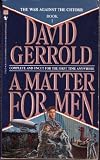
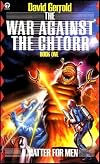
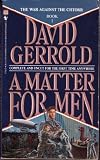
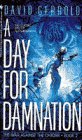
With the human population ravaged by a series of devastating plagues, the alien Chtorr arrive to use the humans as food.Tags
Recommendations

























Member Reviews
David Gerrold's epic is based on one of the more original concepts that I've seen in recent years. But it's really two parallel stories that happen together.
One story is about an alien invasion of Earth. But the invaders aren't in huge spaceships. It's more like an ecological infestation. First there are devastating plagues -- dozens of them, all at once -- that wipe out three-quarters of the human race. Then strange plants appear. Then come the animals. The worst are like car-size worms, voracious predators that can eat a grown man easily (and they eat their prey alive), incredibly fast, always ravenous, and almost indestructible. "Chtorr" is the sound they make as they attack. There are lots of other animals too. All of the Chtorran show more species are so much more virulent than Earth species that they're spreading rapidly and will surely take over if we can't figure out how to stop them.
This story has loads of action -- fierce battles, horrific slaughters, desperate strategies -- and also lots of interesting biological and ecological speculation. All the while, we're trying to figure out where these things came from, what others might still be coming, and is there an intelligence that is bringing them here. One thing is for sure: this highly developed ecology cannot have appeared on Earth by accident.
And then, just when we thought it couldn't get any worse, things get even stranger and creepier. No spoilers, but it gets really bizarre.
The other story is about how the human race deals with the invasion. For starters, all of the survivors of the plagues are deeply traumatized, so our entire race has severe PTSD. So we have to figure out how to deal with this inner problem at the same time as dealing with the outside enemy. There is a great deal of discussion and demonstration of various self-actualization modalities ("human being" versus "human doing," that sort of thing) up to and including worshipping the Chtorr or trying to build alliances with them.
Here, Gerrold is very clearly imitating Heinlein, in tone and themes. He even includes frequent epigrams from "Solomon Short," an obvious reference to Lazarus Long. There are interesting and worthwhile thoughts here. But the discussions are very lengthy and dry and frequently repetitive. Often the central idea is one that "cannot be put into words" so I have to wonder, why use so many words about it?
There is also a theme of telepathy -- the Chtorr appear to have something like telepathic communication, and the humans have cybernetic brain implants that can separate the mind from the body. I don't know how or if this fits into anything else, not yet anyway.
I might compare the whole to "Starship Troopers" which also combines combat against alien animals with political philosophy and morality. There's also a fair amount of the sardonic humor you might expect from the writer of ST:TOS "The Trouble with Tribbles" and in fact tribbles do appear in the story under a different name.
So, I really like the action story, and I'm rather bored with the didactic story. But they happen together, so I have to read them together. I've finished the first four books. Fifth isn't out yet -- apparently Gerrold plans seven volumes in all. show less
One story is about an alien invasion of Earth. But the invaders aren't in huge spaceships. It's more like an ecological infestation. First there are devastating plagues -- dozens of them, all at once -- that wipe out three-quarters of the human race. Then strange plants appear. Then come the animals. The worst are like car-size worms, voracious predators that can eat a grown man easily (and they eat their prey alive), incredibly fast, always ravenous, and almost indestructible. "Chtorr" is the sound they make as they attack. There are lots of other animals too. All of the Chtorran show more species are so much more virulent than Earth species that they're spreading rapidly and will surely take over if we can't figure out how to stop them.
This story has loads of action -- fierce battles, horrific slaughters, desperate strategies -- and also lots of interesting biological and ecological speculation. All the while, we're trying to figure out where these things came from, what others might still be coming, and is there an intelligence that is bringing them here. One thing is for sure: this highly developed ecology cannot have appeared on Earth by accident.
And then, just when we thought it couldn't get any worse, things get even stranger and creepier. No spoilers, but it gets really bizarre.
The other story is about how the human race deals with the invasion. For starters, all of the survivors of the plagues are deeply traumatized, so our entire race has severe PTSD. So we have to figure out how to deal with this inner problem at the same time as dealing with the outside enemy. There is a great deal of discussion and demonstration of various self-actualization modalities ("human being" versus "human doing," that sort of thing) up to and including worshipping the Chtorr or trying to build alliances with them.
Here, Gerrold is very clearly imitating Heinlein, in tone and themes. He even includes frequent epigrams from "Solomon Short," an obvious reference to Lazarus Long. There are interesting and worthwhile thoughts here. But the discussions are very lengthy and dry and frequently repetitive. Often the central idea is one that "cannot be put into words" so I have to wonder, why use so many words about it?
There is also a theme of telepathy -- the Chtorr appear to have something like telepathic communication, and the humans have cybernetic brain implants that can separate the mind from the body. I don't know how or if this fits into anything else, not yet anyway.
I might compare the whole to "Starship Troopers" which also combines combat against alien animals with political philosophy and morality. There's also a fair amount of the sardonic humor you might expect from the writer of ST:TOS "The Trouble with Tribbles" and in fact tribbles do appear in the story under a different name.
So, I really like the action story, and I'm rather bored with the didactic story. But they happen together, so I have to read them together. I've finished the first four books. Fifth isn't out yet -- apparently Gerrold plans seven volumes in all. show less
This is the first book in the apparently abandoned series called the War against the Chtorr. In this series you find that the earth is being terraformed by an other species who is not interested in us except as a food source. They also have a very nasty way in eating us as well. There is lots of interesting biological ideas in this series, dabbling into politics and human nature in general along with a healthy dose of killing and explosions.
This is hard to put down once you start reading it and I have re-read it several times with equal enjoyment.
This is hard to put down once you start reading it and I have re-read it several times with equal enjoyment.
Really enjoyed it, though it moves between the more interesting ecological stuff, and classic military SF too much for my liking.
Now, is he ever actually going to actually finish it?
Now, is he ever actually going to actually finish it?
Synopsis: Long-winded Libertarians lead the fight against an extra-terrestrial insectish species.
In 1998 the world is destroyed by a series of plagues, and only a few Americans are left. They are gathered into “re-education” locations and given mandatory civics classes on the duties of citizens in this new world. Apparently, those classes make an impression, because fully one third of this 397 page book is the main character flashing back to high school discussions of wealth redistribution and federal abuse of power.
It is just about as fascinating as you would expect.
That’s a shame, because the fundamental concept of the book (which you figure out when you FINALLY arrive at page 213) is centered around invasive species displacing show more the native inhabitants of Earth’s ecosystems. Aliens are terraforming the Earth by ecological invasion. That's a great idea to build a story around! Alas, did not happen.
Bad biology, excessive sexism, and too much lecturing made me really dislike this book.
Full review here: http://membracid.wordpress.com/2009/10/11/book-review-the-war-against-the-chtorr... show less
In 1998 the world is destroyed by a series of plagues, and only a few Americans are left. They are gathered into “re-education” locations and given mandatory civics classes on the duties of citizens in this new world. Apparently, those classes make an impression, because fully one third of this 397 page book is the main character flashing back to high school discussions of wealth redistribution and federal abuse of power.
It is just about as fascinating as you would expect.
That’s a shame, because the fundamental concept of the book (which you figure out when you FINALLY arrive at page 213) is centered around invasive species displacing show more the native inhabitants of Earth’s ecosystems. Aliens are terraforming the Earth by ecological invasion. That's a great idea to build a story around! Alas, did not happen.
Bad biology, excessive sexism, and too much lecturing made me really dislike this book.
Full review here: http://membracid.wordpress.com/2009/10/11/book-review-the-war-against-the-chtorr... show less
My first ever David Gerrold book. A book from another time, but still I enjoyed it immensely.
Ratings
Members
- Recently Added By
Author Information

138+ Works 12,224 Members
David Gerrold is one of the most popular science fiction writers working today. His first professional sale, the Star Trek episode "Trouble With Tribbles," won a Hugo Award. He has written for television, published more than forty books, and had columns in six different magazines. In 1995, his novelette "The Martian Child" won both the Hugo and show more Nebula Awards. Gerrold lives in San Fernando, California, and teaches writing at Pepperdine University show less
Some Editions
Awards and Honors
Awards
Series

Belongs to Publisher Series
Heyne Science Fiction & Fantasy (06/4304)
Work Relationships
Common Knowledge
- Canonical title
- A Matter For Men
- Original title
- A Matter for Man
- Original publication date
- 1983
- People/Characters
- Jim McCarthy
- Dedication
- for Robert and Ginny Heinlein, with love
- First words
- Chtorr (ktôr), n. 1. The planet Chtorr, presume to exist within 30 light-years of Earth.
"McCarthy, keep down!" [Chapter 1] - Last words
- (Click to show. Warning: May contain spoilers.)Already I was thinking about tomorrow.
- Original language
- English
Classifications
Statistics
- Members
- 694
- Popularity
- 40,900
- Reviews
- 6
- Rating
- (3.96)
- Languages
- Czech, English, German, Italian
- Media
- Paper, Audiobook
- ISBNs
- 10
- ASINs
- 4